

A Complete Guide to Ordering Custom Hooded Sweatshirts for Teams and Businesses
Table of Contents
Display
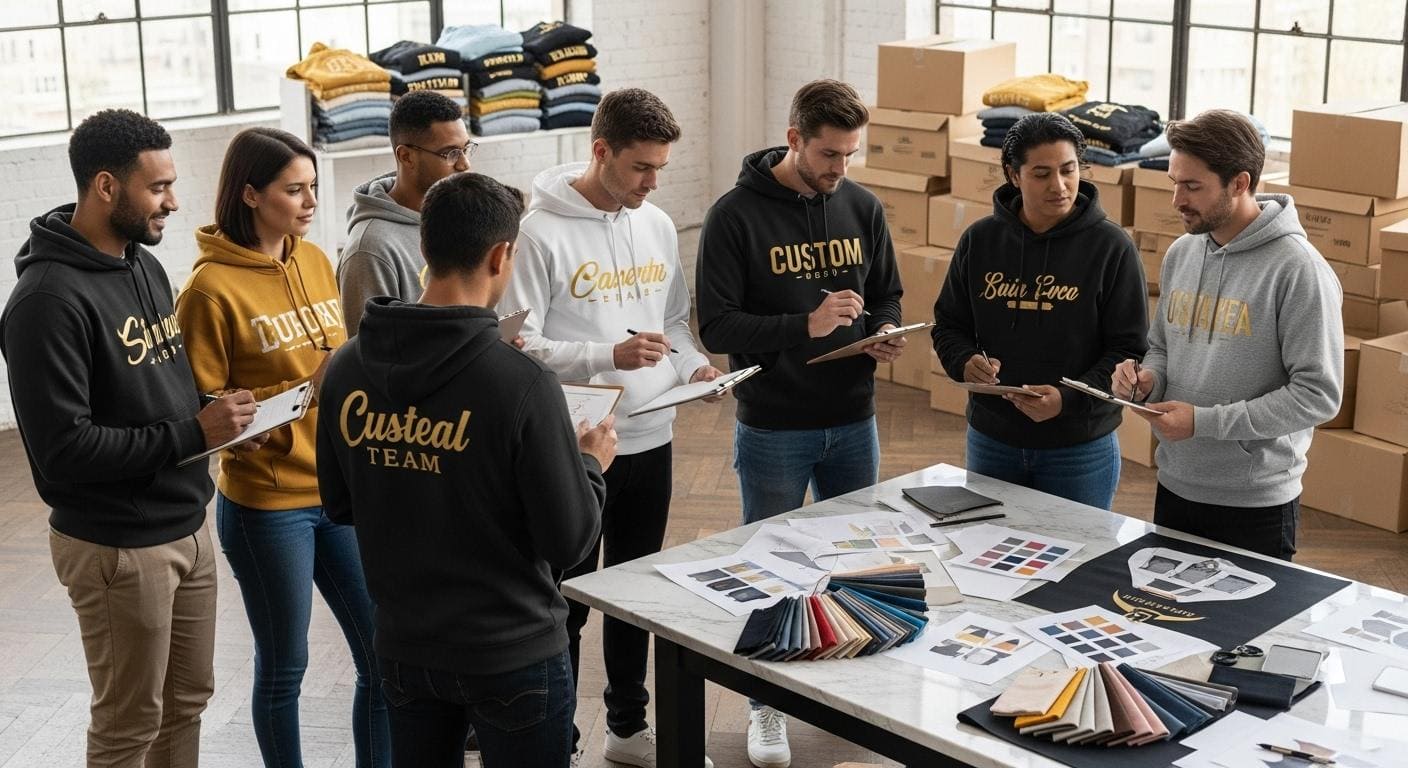
Ordering custom hooded sweatshirts for your group starts with choosing the right style, design, and supplier. You strengthen team unity and boost your brand when you select the right option. Many people call this the ultimate guide because it shows you how to make your group stand out. Custom hoodies offer several benefits:
They enhance team identity and cohesion, making everyone feel important.
You improve brand visibility at events.
Custom hoodies act as effective giveaways and promote brand awareness.
Wearing them fosters team spirit and morale.
With the ultimate guide, you will find the process straightforward and rewarding. Trust this ultimate guide to help your teams look and feel their best.
Key Takeaways
Start by selecting the right style and material for your custom hooded sweatshirts to ensure comfort and fit.
Follow a clear ordering process: choose a design, select a product, gather sizes, and place your order.
Custom hoodies enhance team spirit and brand visibility, making them valuable for both teams and businesses.
Consider common challenges like sizing issues and print quality; plan ahead to avoid these problems.
Choose a reliable supplier and always review proofs to ensure your order meets expectations.
Use online design tools to create unique designs, and consider personalization options to make each hoodie special.
Understand the different customization methods available, such as screen printing and embroidery, to find the best fit for your design.
Care for your hoodies properly by washing them inside out and avoiding direct sunlight to keep them looking fresh.
Ordering Custom Hooded Sweatshirts
Process Overview
Ordering custom hoodies for your group involves several clear steps. You can follow this process to ensure you receive the perfect custom hoodie for your team or business:
Design Selection: Choose your logo, artwork, or message.
Product Selection: Pick the style and type of custom hooded sweatshirts that fit your needs.
Quantity and Sizes: Decide how many you need and gather size information from your group.
Artwork Submission: Upload your design or use an online tool to create one.
Order Placement: Confirm your choices and place your order.
Payment and Approval: Review proofs, approve the final design, and complete payment.
Production and Quality Control: The supplier produces your order and checks for quality.
Shipping and Delivery: Your custom hoodies ship to your location.
Receiving the Order: Inspect your order to ensure everything meets your expectations.
You can simplify ordering custom hoodies by following these steps. This process helps you avoid confusion and ensures you get the most popular custom hoodies for your group.
Benefits for Teams and Businesses
Custom hooded sweatshirts offer many advantages for teams and businesses. You can see the impact in both team morale and branding. The table below highlights these benefits:
Impact on Team Morale | Impact on Business Branding |
|---|---|
Improved team spirit through shared apparel | Enhanced brand visibility via social media sharing |
Fostered a sense of belonging among employees | Employees became brand ambassadors |
Quick cultural benefits observed | Boosted employer branding |
Popular internal hashtag (#OneTeamOneMission) | Caught clients’ attention, enhancing recognition |
Employees take greater pride in the company’s mission | |
Transforms individuals into a cohesive team | Unites employees through shared values and goals |
When you invest in custom hoodies, you help your team feel connected and proud. You also boost your brand’s presence, making custom printed hoodies one of the top uses for custom hoodies in business and sports.
Common Challenges
Ordering custom hoodies can present some challenges. You can avoid most issues by planning ahead and working with a reliable supplier. The table below outlines common problems and solutions:
Challenge | Cause | Solution |
|---|---|---|
Print cracking/fading | Inferior ink or curing | Use top-grade inks, proper curing, wash testing |
Color variation | Inconsistent dye lots | One-batch dyeing, pre-approved lab dips |
Sizing/fit inconsistency | Manual pattern grading | Digital patterns, laser cutting, strict QC |
Delayed delivery | Supplier or logistics issues | Dual-source, inventory buffer, timeline plans |
Defects in bulk | Poor QC or unclear standards | Third-party QC, enforce standards, supplier audits |
You can get the best custom printed hoodies by checking samples and asking about quality control. Always confirm details before ordering custom hoodies to avoid surprises. If you want the perfect custom hoodie for your team gear, focus on clear communication and choose suppliers known for the most popular custom hoodies. This approach ensures your custom hoodie needs are met and your group enjoys the top uses for custom hoodies.
Choosing Hoodies

Styles and Types
When you order custom hoodies, you have many styles and types to choose from. Picking the right one helps your team feel comfortable and look unified. Here are some of the most popular options:
Midweight Pullover Hoodie: This style, like the Independent Trading midweight pullover, offers a modern fit and works well for no minimum orders.
Zip Up Hoodie: This option features a full-length zipper, making it easy to layer and remove. Many teams prefer zip-up hoodies for convenience and branding.
Sponge Fleece Pullover Hoodie: Known for its soft fleece material, this hoodie by Bella Canvas is a favorite for comfort.
Trendy and Modern Styles: These styles suit corporate needs and blend style with comfort.
Budget-Friendly Choices: You can find options for every budget, from basic to premium.
Specialty Options: Some suppliers offer moisture-wicking, eco-friendly, or performance hoodies for specific needs.
Pullover vs. Zip-Up
Pullover hoodies give a classic look and feel. They keep you warm and are easy to print on. Zip-up hoodies offer flexibility for layering and quick changes. You can choose zip-ups if your team wants more versatility or if you want to highlight your logo on both sides.
Lightweight vs. Heavyweight
Lightweight custom hoodies work well for mild weather or indoor use. They feel less bulky and suit active teams. Heavyweight hoodies provide extra warmth and durability. These are ideal for outdoor events or colder climates.
Specialty Options
You can select specialty custom hoodies for unique needs. Performance hoodies use advanced fabrics to keep you dry during workouts. Eco-friendly options use recycled materials. Some suppliers also offer ladies styles for a better fit for women.
Materials
Cotton, Polyester, Blends
Material choice affects comfort, durability, and print quality. Review the table below to compare the main options:
Material Type | Key Properties | Benefits | Drawbacks |
|---|---|---|---|
Cotton | Soft, breathable, moisture-absorbing | Comfortable, good breathability | Can shrink, less durable, retains moisture |
Polyester | Lightweight, durable, moisture-wicking | Durable, shape and shrink resistant | Less breathable, can feel stiff, retains odors |
Cotton-Polyester Blend | Combines softness and durability | Balanced comfort, easy care, great for printing | May lack pure cotton softness, blend varies |
Comfort and Durability
You want your custom hoodies to last and feel good. The table below shows how different materials perform:
Material Type | Comfort Benefits | Durability Benefits |
|---|---|---|
Classic cotton | Soft, breathable, all-day comfort | Moderate durability |
Polyester blend | Stretch, moisture-wicking | High durability |
Performance fabrics | Keeps you dry and warm | High durability, ideal for athletes |
Sizing and Fit
Unisex, Men’s, Women’s, Youth
Custom hoodies come in many fits and sizes. You can find unisex, men’s, women’s, youth, and even ladies styles. Most brands, like Gildan, offer sizes from S to 5XL. Hoodies usually have a relaxed fit for comfort. Some styles feature ribbed cuffs, fleece lining, and adjustable hoods for extra warmth.
Factor | Details |
|---|---|
Fit Type | Classic, relaxed, or fitted; most are slightly loose for comfort |
Sizing | S to 5XL; true-to-size, may shrink slightly after washing |
Thickness & Warmth | Medium-weight (8 oz/yd²) is standard; good for layering |
Fleece Lining | Soft interiors for warmth and comfort |
Hood & Drawstrings | Adjustable, some double-lined for extra warmth |
Cuffs & Waistband | Ribbed for a snug fit that keeps its shape |
Best Use Cases | Casual wear, layering, customization, mild to cold weather |
Collecting Sizes
Tip: To collect accurate sizes from your team, use a simple online survey or spreadsheet. Ask each member to check the sizing chart before submitting their size. This step helps you avoid mistakes and ensures everyone gets a hoodie that fits.
Custom hoodies that fit well and use the right materials will keep your team happy and comfortable. Take time to review your options and gather accurate information before placing your order.
Color Selection
Choosing the right color for your custom hooded sweatshirts can make a big difference in how your team or business looks and feels. Color affects first impressions, team spirit, and brand recognition. You want to select a color that matches your group’s identity and stands out in any setting.
Key Factors to Consider When Selecting Hoodie Colors:
Brand Colors:
Use your company or team’s official colors. This keeps your branding consistent and helps people recognize your group quickly.Visibility:
Bright or bold colors help your team stand out at events or in group photos. Darker shades look professional and hide stains better.Purpose:
Think about where and when you will wear the hoodies. Outdoor events may need brighter colors for safety. Office settings may call for neutral tones.Season:
Lighter colors feel cooler in warm weather. Darker colors provide warmth and comfort in colder months.Personal Preference:
Ask your team for input. You can use a quick poll or survey to find out which colors people like most.
Tip:
Always request a digital mockup or sample swatch before finalizing your color choice. Colors can look different on screens compared to real fabric.
Popular Hoodie Colors and Their Meanings
Color | Impression Given | Best For |
|---|---|---|
Black | Sleek, professional | Corporate teams, events |
Navy | Trustworthy, classic | Schools, businesses |
Gray | Neutral, versatile | Any group, easy to match |
Red | Bold, energetic | Sports teams, promotions |
Royal Blue | Confident, vibrant | Youth groups, tech companies |
White | Clean, modern | Summer events, creative teams |
Green | Fresh, eco-friendly | Environmental groups, wellness |
How to Decide on a Color Scheme:
Review your logo and brand guidelines.
Compare available hoodie colors from your supplier.
Consider using two-tone or accent colors for a unique look.
Check how your logo appears on different backgrounds.
Get feedback from your team before making a final decision.
You can also mix and match colors for different roles or departments. For example, coaches might wear black, while players wear red. This helps everyone know who is who at a glance.
Note:
Some colors may cost more or have longer production times. Always check with your supplier about availability and pricing.
Selecting the right color ensures your custom hoodies look great and represent your group well. Take your time with this step. A thoughtful color choice will help your team feel united and proud to wear their new gear.
Custom Hoodie Design
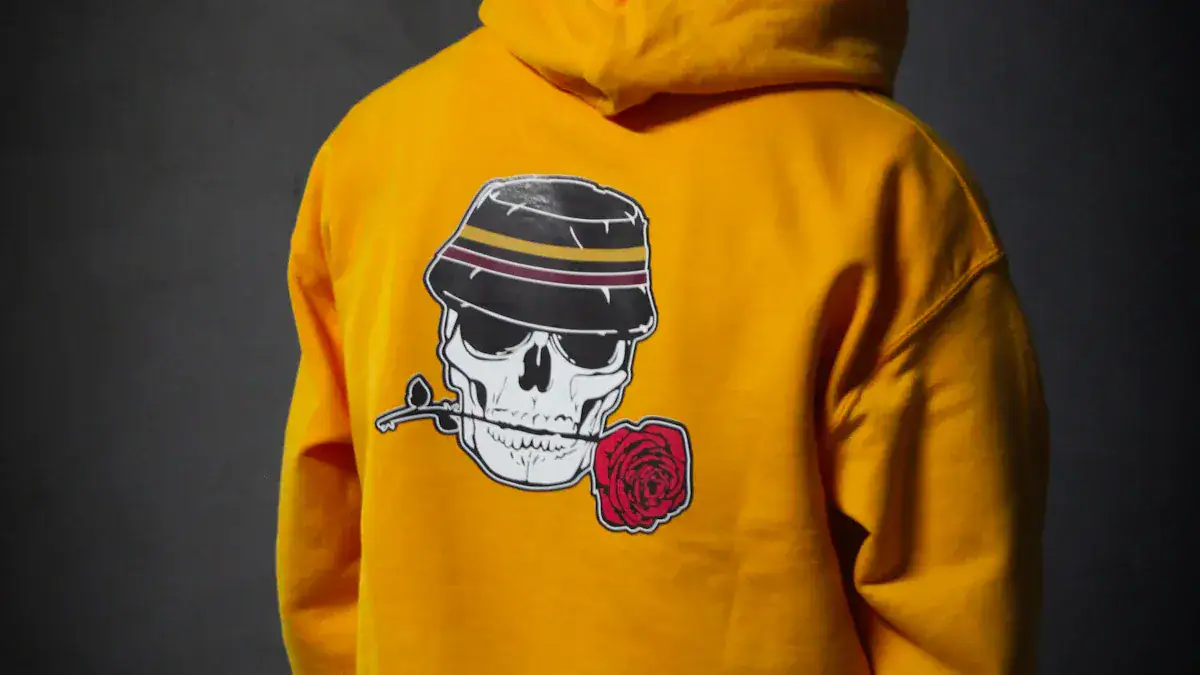
Logo Placement
Choosing the right spot for your logo is a key part of custom hoodie design. You want your logo to stand out and make an impact. Good placement helps people recognize your brand quickly and builds trust. You should always align the logo with the purpose and style of your custom hoodies.
Convey consistency and trustworthiness
Match the style and purpose of your apparel
Front, Back, Sleeves, Hood
You have several options for logo placement in custom hoodie embroidery. Each area offers a unique way to showcase your brand or message.
Left Chest: This spot gives subtle branding. Most logos here measure 3–4 inches wide and sit about 4 inches below the neckline. This placement feels professional and works well for corporate custom hoodies.
Center Chest: If you want bold and eye-catching custom hoodie design, place your logo in the center. Logos here are usually 5–7 inches wide and sit 3 inches down from the collar. This style appeals to younger groups and makes your brand pop.
Back: Large logos or full-back artwork create a strong visual statement. This area is perfect for team names or event graphics.
Sleeves and Hood: Custom hoodie embroidery on sleeves or the hood adds extra flair. You can use these spots for hashtags, slogans, or secondary logos.
Tip: Always consider the size and complexity of your logo before choosing a placement. Some custom hoodie embroidery process methods work better on certain areas.
Colors and Graphics
The colors and graphics you choose play a big role in custom hoodie design. They help you keep your brand consistent and make your custom hoodies stand out.
Brand Consistency
You should always use your official brand colors and graphics. This keeps your custom hoodie design professional and easy to recognize. Minimalist logos work best for corporate branding. Full-back artwork suits bold streetwear or merch drops. High-contrast designs, like white on black, catch the eye and boost visibility.
Design Element | Description |
|---|---|
Minimalist Logos | Clean, subtle designs work best for corporate branding or fashion-forward lines. |
Full-Back Artwork | Great for bold streetwear pieces or merch drops. Don’t shy away from oversized graphics. |
Contrasting Colors | High-contrast designs (e.g., white on black) increase visibility and catch the eye quickly. |
Multi-Color vs. Single-Color
When choosing colors and graphics, decide if you want a single-color or multi-color custom hoodie design. Single-color designs cost less and look clean. Multi-color designs offer more creativity and can highlight your brand’s personality. Always check with your supplier about the best custom hoodie embroidery process for your chosen colors.
Personalization
Personalized custom hoodies help each team member feel special. You can add names, numbers, or roles to your custom hoodie design. This makes your apparel unique and easy to identify.
Names, Numbers, Roles
You have many customization options for personalized hoodies. Embroidery gives a professional look for names or logos. Screen printing works well for bold graphics. Heat transfers allow for detailed images. You can place these personalized touches on the front, back, or sleeves.
Personalization Option | Description |
|---|---|
Embroidery | Precise stitching for logos or designs, offering a professional look. |
Screen Printing | Vibrant designs printed directly onto the fabric, ideal for bold graphics. |
Heat Transfers | Detailed images or designs applied using heat, allowing for intricate artwork. |
Placement Options | Customization available on front, back, and sleeves for unique designs. |
Note: Personalized custom hoodies with names or roles help build team spirit and make it easy to spot each person’s job or position.
Custom hoodie design lets you explore many customization options. You can use the custom hoodie embroidery process to add logos, names, or graphics. Personalized touches make your custom hoodies unique and meaningful. By focusing on logo placement, choosing colors and graphics, and exploring all customization options, you create a custom hoodie design that stands out and supports your brand.
Design Best Practices
You want your custom hooded sweatshirts to look sharp and feel cohesive. Good design choices help your team or business stand out and leave a lasting impression. You can follow these best practices to create a professional and unified look.
Focus on Simplicity
Keep your design clean and straightforward. A simple logo or message often looks more appealing than a crowded layout. You avoid clutter and make your brand easy to recognize.Select High-Quality Materials and Printing
Choose hoodies made from durable fabrics. Pick printing methods that produce crisp, long-lasting results. High-quality materials and printing give your sweatshirts a polished finish.Plan Logo Placement Carefully
Think about where you want your logo or artwork. You can use the left chest for a subtle touch or the back for a bold statement. Consider placing smaller logos on the front and larger designs on the back. You improve visibility and balance by using multiple placement options.Use Color Effectively
Select colors that contrast well with your hoodie’s base color. Strong contrast makes your design pop and ensures text stands out. You should avoid using too many colors, which can make the sweatshirt look busy.Ensure Readability
Make sure any text is easy to read. Use clear fonts and colors that stand out against the background. You help your message reach more people when your design is legible.
Tip:
Always request a digital proof before finalizing your order. You can spot design issues early and make changes if needed.
Design Element | Best Practice Example | Why It Works |
|---|---|---|
Logo Placement | Left chest for small logo, back for large art | Balances subtlety and visibility |
Color Choice | White text on navy hoodie | High contrast, easy to read |
Material Selection | Cotton-poly blend with screen printing | Durable, comfortable, sharp print |
Simplicity | One logo, one slogan | Clean look, strong brand identity |
Readability | Bold font, no script | Quick recognition, clear message |
You can also ask your team for feedback on mockups. Involving others helps you spot potential problems and ensures everyone feels included.
Designing custom hooded sweatshirts does not have to be complicated. You achieve a cohesive and professional look by focusing on simplicity, quality, smart placement, and effective color use. These best practices help your group look unified and make your brand memorable.
Customization Methods
Screen Printing
Screen printing stands out as one of the most popular ways to customize hooded sweatshirts. You use this method when you want bold, vibrant designs that last. The process involves pushing ink through a mesh screen onto the fabric. This technique works best for simple graphics and logos.
Screen printing is cost-effective for large orders. You get excellent color opacity and durability. However, it may not suit complex or multi-color designs. Small orders can become expensive due to setup costs.
Advantages | Disadvantages |
|---|---|
High setup costs for small quantities | |
Vibrant colors and excellent opacity | Not suitable for complex designs |
Highly durable prints | Increased costs with more colors in designs |
Tip: Choose screen printing if you need many hoodies with the same simple design. This method gives you long-lasting results and bright colors.
Embroidery
Embroidery gives your custom hoodies a premium and professional look. You use embroidery when you want your logo or text stitched directly into the fabric. This method works well for company logos, names, and small graphics.
Embroidery lasts longer than most other methods. The stitched threads hold up well after repeated washes. You get a textured, high-quality finish that stands out. Many people consider embroidered sweatshirts the best hoodies for embroidery because the stitching remains intact and looks sharp over time.
Customization Method | Durability | Appearance |
|---|---|---|
Embroidery | High – stitching holds up well after repeated washes | Premium appearance and texture, perceived as professional |
All-over Printing | Fades or cracks over time, especially with lower-quality inks | Can appear less refined over time |
Embroidery lasts longer because the threads absorb wear better than ink-based prints.
Custom embroidered designs stay intact through many washes.
You should choose embroidery if you want a classic, upscale look. The best hoodies for embroidery have a smooth, thick fabric that supports detailed stitching. Embroidery works well for both small and large orders, making it a top choice among printing and embroidery options.
Direct-to-Garment
Direct-to-garment (DTG) printing uses advanced inkjet technology to print your design directly onto the hoodie. You can create detailed, colorful images with this method. DTG works best for small orders or when you want unlimited color options.
This method allows you to print complex graphics, photos, or artwork. You get a soft feel because the ink soaks into the fabric. DTG is eco-friendly and uses water-based inks. However, prints may fade over time, especially after many washes. DTG works best on cotton or cotton-blend hoodies.
Pros of DTG Printing | Cons of DTG Printing |
|---|---|
Flexibility in Design: Detailed designs with multiple colors. | Higher Cost Per Unit: More expensive for large quantities. |
Cost-Effective for Small Orders: Minimal setup costs. | Limited Fabric Compatibility: Best on cotton or blends. |
Unlimited Color Options: Extensive range of colors available. | Potential for Fading: Prints may fade with washing. |
Eco-Friendly Process: Uses water-based inks. | Slower Printing Speed for Large Orders: Individual attention needed. |
Quick Turnaround Time: Fast for small batches. | Requirement for Post-Processing: Needs curing for durability. |
Note: DTG is ideal if you want a one-of-a-kind design or need a quick turnaround for a small group.
You can now compare these methods to find the best fit for your team or business. Each technique offers unique benefits for durability, appearance, and order size.
Heat Transfer
Heat transfer is a popular method for customizing hooded sweatshirts. You use heat and pressure to apply a design onto the fabric. This process works well for detailed graphics, photos, or multi-color images. You can achieve vibrant results that stand out on both light and dark hoodies.
You might choose heat transfer when you want flexibility in design placement. For example, you can place a logo on the front, back, or even the sleeves. However, you should pay attention to the hood area. The hood can sometimes cover parts of your design when it is down. You can adjust the placement to keep your design visible, even when someone wears the hood. Your preferences matter most, so always review a mockup before finalizing the placement.
When to Use Heat Transfer:
You want to print complex or photo-quality images.
You need small batches or individual names and numbers.
You prefer a soft finish that blends into the fabric.
You want to experiment with unique placements, such as sleeves or lower hems.
Tip: Heat transfer works best on cotton or cotton-blend hoodies. Always check with your supplier about fabric compatibility.
Pros | Cons |
|---|---|
Great for detailed designs | May peel or crack over time |
Works on small orders | Less durable than embroidery or screen printing |
Allows for personalization | Not ideal for heavy, textured fabrics |
Fast turnaround | Can feel less breathable in large areas |
Choosing a Method
You want your custom hooded sweatshirts to look great and last long. Choosing the right customization method is key. Each method—screen printing, embroidery, and heat transfer—offers unique benefits. You should select the one that matches your design vision and budget.
Start by thinking about your design. Make sure your colors have enough contrast for visibility. Choose shades that make text easy to read. Consider the overall look you want for your team or business.
Here are important factors to help you decide:
Factor | Description |
|---|---|
Fabric Type | Pick high-quality fabric like fleece or cotton for comfort and durability. |
Print Method | Match your design and fabric with the right method, such as screen printing or DTG. |
Design Placement | Place your logo or artwork where it will have the most impact, like the front, back, or sleeves. |
You should also think about where your design will go. The front and back are classic spots, but sleeves and hoods can add a creative touch. Remember, the hood might hide part of your design, so adjust placement as needed.
Popular Customization Methods:
Screen printing
Embroidery
Heat transfer
Note: Customization helps your hoodies stand out. The best method depends on your needs, design, and budget. Always ask your supplier for samples or proofs before you order.
By considering these factors, you can choose a customization method that makes your hooded sweatshirts unique, durable, and perfect for your group.
Online Design Tools
Creating Designs
You can design your own hoodie using online platforms that offer easy-to-use tools. Many websites provide drag-and-drop interfaces, so you can add logos, text, and graphics without advanced skills. Printful’s Design Maker lets you personalize different parts of the hoodie for free. Canva helps you create high-quality print files with simple controls. Adobe gives you professional design capabilities if you want more advanced features.
Most platforms allow you to preview your design in real time. You can adjust colors, resize images, and move elements until you achieve the look you want. These tools help you experiment with different layouts and styles before you finalize your order.
Tip: Try out several platforms to find the one that matches your skill level and design needs.
Uploading Artwork
When you design your own hoodie, you often need to upload artwork. Platforms accept several file formats, so you should check the requirements before you start. The most common formats include PNG, JPEG, and SVG. PNG files work well for high-quality images. JPEG suits photographs. SVG is ideal for vector graphics.
File Format | Description |
|---|---|
PNG | Commonly used for high-quality images. |
JPEG | Widely accepted format for photographs. |
SVG | Ideal for vector graphics. |
You can also use JPG and PDF files on many sites. For the best color results, provide images in the RGB color space, especially with the sRGB image profile. This step ensures your hoodie looks vibrant and matches your expectations.
Note: Always check the platform’s guidelines for file size and resolution. High-resolution images produce sharper prints.
Using Templates
Templates simplify the process of creating custom hooded sweatshirts. You can choose from a wide array of pre-designed options, saving time and effort. Many platforms offer user-friendly tools, so you can customize text, select colors, and manage design layers easily.
Feature | Benefit |
|---|---|
Users can choose from multiple templates, saving time and effort. | |
Customization | Allows users to easily modify designs without starting from scratch. |
User-friendly Tools | Simplifies the design process with intuitive interfaces for customization. |
You can select your favorite colors using a color palette selector. Change fonts and styling options to match your brand. Manage design layers for more complex creations. Templates help you start quickly and make adjustments as needed.
Tip: Use templates if you want a professional look without spending hours on design. They provide a solid foundation and let you focus on personal touches.
Design Tips
Designing a custom hooded sweatshirt online can be fun and rewarding. You want your hoodie to look professional and feel comfortable. The right design choices make a big difference in the final product. Here are some practical tips to help you get the best results:
Create Standout Artwork
Unique and original designs catch attention. You can use your team’s mascot, a creative slogan, or a custom graphic. Avoid copying popular images. Your own artwork makes your hoodie special and memorable.Choose Comfortable, Quality Materials
High-quality fabrics improve both comfort and appearance. Select materials that feel soft and last through many washes. Cotton blends often work well for both printing and embroidery.Pick Effective Colors and Typography
Use colors that match your brand or team. Make sure your design contrasts with the hoodie color. For example, white text on a navy hoodie stands out. Choose fonts that are easy to read from a distance. Avoid using too many colors or fancy fonts, as these can make your design look messy.Think About Design Placement
You have many placement options. The front chest is classic, but you can also use the back, sleeves, or even the hood. Strategic placement helps your design stand out. For example, sleeve prints add a modern touch, while a large back graphic makes a bold statement.Explore Customization Options
Personalization increases the appeal of your hoodies. Add names, numbers, or roles to make each sweatshirt unique. Many online tools let you preview these options before you order.Understand Print vs. Embroidery
Printing works well for colorful, detailed graphics. Embroidery gives a premium, textured look and lasts longer. Choose the method that fits your design and budget. Some designs look better printed, while others shine with embroidery.
Tip: Always preview your design using the online tool’s mockup feature. This step helps you spot mistakes and see how your artwork looks on the actual hoodie.
Design Element | Why It Matters | Quick Tip |
|---|---|---|
Artwork | Makes your hoodie unique | Use original graphics or team mascots |
Material | Impacts comfort and durability | Choose soft, high-quality fabrics |
Color & Typography | Affects visibility and style | Ensure strong contrast and clear fonts |
Placement | Changes the visual impact | Try sleeve or back prints for variety |
Customization | Adds personal value | Include names or numbers for each member |
You can achieve a professional look by following these tips. Take your time with each step. Review your design carefully before placing your order. A thoughtful approach ensures your custom hooded sweatshirts look great and represent your group well.
Ordering Process
Minimum Quantities
You need to know the minimum order quantity before you start the ordering process for custom hooded sweatshirts. Suppliers set these limits to streamline the ordering and production process. Most companies require a minimum number of pieces for each fabric type and color option. If you want to order in bulk, you must pay attention to these requirements.
Here is a table that shows typical minimum order quantities for different fabrics and color choices:
Fabric Type | Color Options | Minimum Order Quantity (MOQ) |
|---|---|---|
Brushed Fleece (80% cotton 20% polyester) | Color chart colors | 100 pcs |
Brushed Fleece (80% cotton 20% polyester) | Pantone colors | 300 pcs |
French Terry (100% cotton) | Black, White, Cream | 100 pcs |
French Terry (100% cotton) | Pantone colors | 300 pcs |
French Terry (100% cotton, 400 g/m2) | Black, White, Cream | 100 pcs |
French Terry (100% cotton, 400 g/m2) | Pantone colors | 300 pcs |
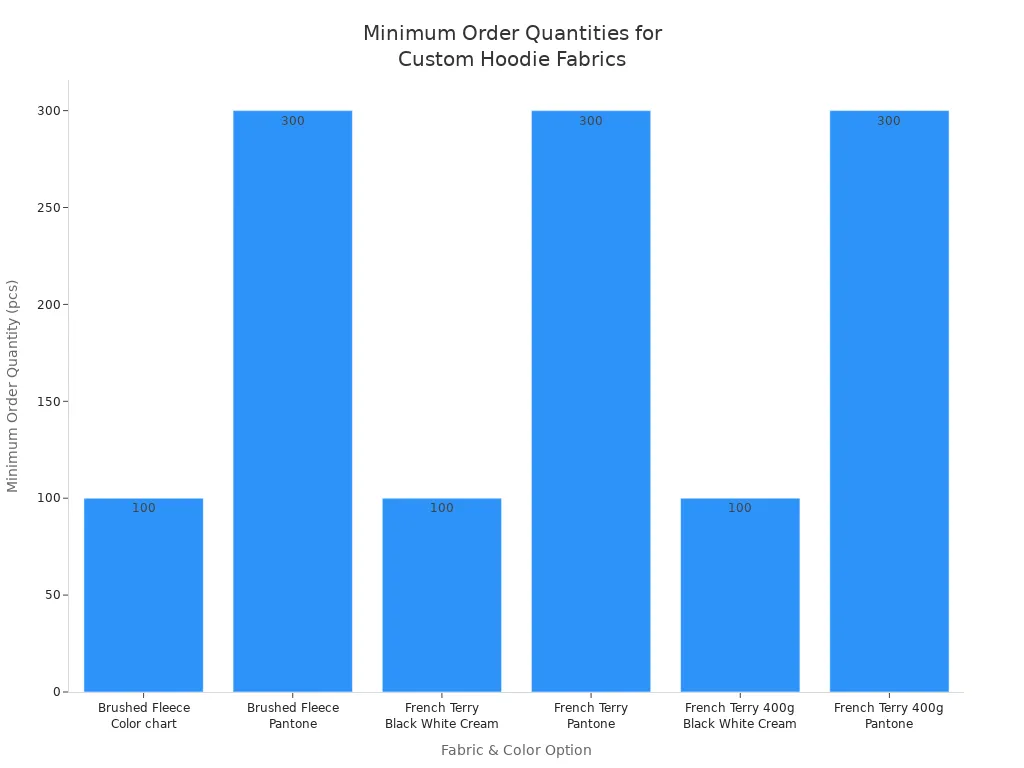
You see that Pantone color options often require a higher minimum quantity. If you want more color choices, you should plan for a larger order. Always check with your supplier about their specific minimums before you begin the ordering and production process.
Proofs and Approval
You must review and approve a digital proof before production starts. This step helps you catch errors and confirm that your custom hooded sweatshirts match your expectations. The ordering process includes several important steps for proofing and approval.
Step | Description |
|---|---|
1 | Review artwork thoroughly, checking for spelling, placement, size, and color. |
2 | Approve the proof if everything is correct, or decline to request adjustments. |
3 | Understand that resizing artwork requires new screens and a minimum order of 24 pieces. |
4 | Expect unique proofs for different sizes (adult vs. youth). |
5 | Communication is emphasized to ensure customer satisfaction before production begins. |
You receive a digital design proof for review. You must approve the proof before the supplier starts the ordering and production process. If you need changes, the supplier will send a new proof, which may add an extra business day to your timeline. For orders of at least 15 pieces or major changes, approval is required. For smaller orders, production staff may review the artwork without sending a proof. Careful communication ensures you get the custom hooded sweatshirts you want.
Tip: Always check spelling, logo placement, and colors in your proof. This step prevents mistakes and delays.
Payment and Terms
You must understand payment methods and terms before you finalize your order. Suppliers offer several options to make the ordering process smooth and secure. You can choose the method that fits your needs.
Payment Method | Description |
|---|---|
Bank Transfer | Direct transfer from one bank account to another |
Western Union | A money transfer service for sending funds |
Payoneer | Online money transfer service |
L/C (Letter of Credit) | A document issued by a bank guaranteeing payment |
Some suppliers also accept credit cards or PayPal for smaller orders. For bulk orders, bank transfers and letters of credit are common. You should ask about payment deadlines, deposit requirements, and refund policies before you start the ordering and production process. Clear payment terms help you avoid misunderstandings and keep your order on track.
Note: Always request a written invoice and confirm payment details with your supplier. This step protects you and ensures a smooth transaction.
You now understand the key steps in the ordering process for custom hooded sweatshirts. Minimum quantities, proof approval, and payment terms all play a role in a successful order. Careful planning and clear communication help you get the best results from the ordering and production process.
Production Timeline
You want to know how long it takes to receive your custom hooded sweatshirts after you complete the ordering process. The production timeline depends on several factors, such as the supplier, order size, and the complexity of your design. Each supplier has its own schedule, so you should always confirm the estimated delivery date before you place your order.
Here is a table that shows average production timelines from different suppliers:
Supplier | Average Production Timeline |
|---|---|
HEM APPAREL | |
Melengo | Varies based on order quantity |
Fimy Apparel | 5 to 8 months for detailed sampling and material lead times |
You can see that some suppliers deliver in as little as two to three months, while others may take longer if your order requires special materials or detailed sampling. If you need your hoodies quickly, you should ask about rush options or choose a supplier with a shorter timeline.
The production timeline usually follows these steps:
Sample Approval: You review and approve a sample hoodie.
Bulk Production: The supplier manufactures your full order.
Quality Control: The team checks each hoodie for defects.
Packing and Shipping: The supplier prepares your order for delivery.
Tip: Always build extra time into your schedule. Delays can happen due to material shortages, holidays, or shipping issues. Planning ahead helps you avoid last-minute stress.
Shipping and Support
After production, your order moves to the shipping stage. You have several shipping options to choose from, depending on your location, budget, and delivery needs. Most suppliers offer both standard and rush shipping. Some even provide free shipping for certain regions.
Here is a table that summarizes common shipping options and details:
Shipping Option | Details |
|---|---|
Standard Shipping | Ships for free to the lower 48 states. Delivery usually takes 1–5 days. |
Rush Shipping | Available for an extra fee. Use this if you need your order faster. |
Shipping to Hawaii/Alaska | Additional shipping fees apply. |
Individual Shipping | Ship each hoodie directly to team members for an extra charge. |
Domestic Orders | |
Digitally Printed Orders | Processed and printed in 1–2 days. |
Screen Printed Orders | Takes about 5–7 days to process before shipping. |
You can also find suppliers with bi-coastal fulfillment teams. This setup helps speed up delivery and ensures your order arrives on time. If you have a tight deadline, you can contact customer support for help with expedited shipping or special requests.
Most companies provide tracking information once your order ships. You can follow your package and know exactly when to expect delivery. If you have questions or need help during the ordering process, customer support teams are ready to assist you by phone, email, or live chat.
Note: Always check the shipping policy before you order. Some suppliers offer free shipping only for standard delivery, while others charge extra for rush or individual shipments.
You should choose a supplier that offers reliable shipping and strong customer support. This ensures a smooth experience from the start of the ordering process to the moment your team receives their custom hooded sweatshirts.
Quality and Cost
Evaluating Samples
You should always request samples before placing a large order for custom hooded sweatshirts. Samples let you check the fabric quality, stitching, and print clarity. Hold the hoodie in your hands and feel the material. Look for smooth seams and strong cuffs. Inspect the logo or design for sharp edges and vibrant colors. If possible, wash the sample to see how it holds up. A good sample gives you confidence that the final product will meet your standards.
Reading Reviews
Reading reviews helps you learn from other customers’ experiences. Search for feedback on the supplier’s website, social media, or third-party platforms. Pay attention to comments about durability, comfort, and customer service. Look for patterns in the reviews. If many people mention late deliveries or poor print quality, consider another supplier. Positive reviews about fast shipping and helpful support show that the company values its customers.
Pricing Factors
The price of custom hooded sweatshirts depends on several important factors. Labor and production expenses play a big role. Skilled workers and advanced machinery can increase costs, but they often result in higher quality. You should also consider the type of fabric, the printing technique, and the complexity of your design.
Factor | Description |
|---|---|
Material Choices | Premium or eco-friendly fabrics can drive up the cost of custom hoodies. |
Printing Techniques | Different methods (screen printing, embroidery, etc.) have different price points and durability. |
Design Complexity | More detailed designs or multi-color prints can mean higher costs. |
Bulk Orders | Large orders often reduce the average hoodie price per unit. |
Extra Fees | Consider shipping, rush orders, and packaging—these can sneak up on you. |
Quantity Discounts
Ordering more hoodies usually lowers the price per item. Higher quantities lead to better rates, and many suppliers use tiered pricing models. Some companies offer rolling volume models, so you save more as your order grows. You should ask about bulk discounts when planning your purchase.
Customization Complexity
The complexity of your design affects the final price. Simple logos cost less to print or embroider. Detailed graphics, multi-color prints, or special placements increase the cost. Screen printing works well for basic designs and large orders. Embroidery adds a premium look but costs more due to the stitch count. Direct-to-garment printing suits detailed images but often has a higher price per hoodie. Heat transfer is good for small runs but may not last as long.
Shipping Fees
Shipping fees can add to your total cost. Standard shipping is often free for large orders, but rush delivery or shipping to remote areas costs extra. Some suppliers charge for individual shipments to team members. Always ask for a shipping quote before you finalize your order.
Tip: Compare suppliers by requesting samples, reading reviews, and checking all pricing details. This approach helps you find the best value for your team or business.
Balancing Quality and Budget
Finding the right balance between quality and budget matters when you order custom hooded sweatshirts. You want your team or business to look professional, but you also need to stay within your financial limits. You can achieve both by making smart choices at each step.
Start by setting clear priorities. Decide what features matter most for your group. Do you need hoodies that last through heavy use, or do you want a stylish look for a one-time event? You can save money by choosing midweight blends instead of premium heavyweight fabrics if durability is not your top concern.
You should compare suppliers before you commit. Request samples from at least two companies. Hold the hoodies, check the stitching, and inspect the print quality. You can spot differences in comfort and construction. If one sample feels rough or the logo looks faded, you know that supplier may not meet your standards.
Use a simple checklist to guide your decision:
Fabric Quality: Does the material feel soft and sturdy?
Print or Embroidery: Are the colors vibrant and the edges sharp?
Fit and Sizing: Do the hoodies match the sizing chart?
Customer Service: Does the supplier answer your questions quickly?
Tip: You can ask for a breakdown of costs. Suppliers often provide itemized quotes that show where your money goes. This helps you spot hidden fees and compare value.
You can also use a table to weigh your options:
Feature | High Quality (Higher Cost) | Budget-Friendly (Lower Cost) |
|---|---|---|
Fabric | Premium cotton blends | Basic polyester blends |
Printing Method | Embroidery, DTG | Screen printing, heat transfer |
Customization | Multi-color, detailed art | Single-color, simple logos |
Order Size | Small batches, more options | Large batches, fewer choices |
If you need to stretch your budget, consider ordering in bulk. Larger orders often unlock quantity discounts. You can also simplify your design. Fewer colors and smaller logos reduce printing costs. Choose standard sizes and colors to avoid extra fees for custom options.
You should always read reviews and ask about warranty policies. Reliable suppliers stand behind their products. If a hoodie falls apart after one wash, you want to know if you can get a replacement.
Balancing quality and budget means making informed choices. You do not have to sacrifice style or comfort. By comparing samples, reviewing costs, and prioritizing features, you can order custom hooded sweatshirts that fit your needs and your budget.
Care Tips
Keeping your custom hooded sweatshirts looking fresh and vibrant requires the right care. You can extend the life of your hoodies and preserve their design by following a few simple steps. Here are practical tips for washing, drying, preserving customization, and storing your sweatshirts.
Washing and Drying
Proper washing and drying help your hoodies stay soft and keep their colors bright. You should always check the care label before the first wash. Most custom hoodies do best with gentle handling.
Turn hoodies inside out before washing. This protects the printed or embroidered design.
Use cold water and a mild detergent. Hot water can cause fading or shrinking.
Wash with similar colors to prevent dye transfer.
Avoid bleach or harsh chemicals. These can damage both fabric and customization.
Choose a gentle cycle on your washing machine.
Tip: Hand washing gives you the best results for delicate prints or embroidery.
When drying, you should:
Air dry your hoodie on a flat surface or hang it up. This prevents shrinking and keeps the shape.
Avoid high heat in the dryer. If you must use a dryer, select a low-heat or tumble-dry setting.
Remove promptly from the dryer to reduce wrinkles.
Preserving Customization
You want your logo, print, or embroidery to last as long as possible. Taking a few extra steps can help you protect the customization.
Do’s | Don’ts |
|---|---|
Iron inside out on low heat | Iron directly on the design |
Store away from sunlight | Leave in direct sunlight |
Wash inside out | Scrub or rub the print/embroidery |
Never iron directly on printed or embroidered areas. Place a cloth over the design or iron inside out.
Keep hoodies out of direct sunlight when drying or storing. Sunlight can fade colors and weaken fabric.
Avoid scrubbing the design. Gentle washing keeps the customization looking sharp.
Storage
Storing your hooded sweatshirts the right way helps them keep their shape and color.
Fold hoodies neatly and place them in a drawer or on a shelf.
Use hangers for short-term storage if you want to avoid wrinkles.
Keep hoodies in a cool, dry place. Moisture can cause mildew or odors.
Avoid overcrowding in your closet. Give each hoodie space to breathe.
Note: For long-term storage, place hoodies in a breathable cotton bag. Plastic bags can trap moisture and lead to damage.
By following these care tips, you help your custom hooded sweatshirts stay comfortable, colorful, and ready for every team event or business outing.
You now know the essential steps for ordering custom hooded sweatshirts for your team or business. Focus on these key points:
Select the right style, material, and fit.
Create a thoughtful, cohesive design.
Choose a reliable supplier and review proofs carefully.
Remember: Quality and attention to detail make your hoodies stand out. Use this guide to simplify your ordering process. Reach out to trusted suppliers today and give your group a unified, professional look.
FAQ
How do you choose the right size for everyone?
Ask each team member to check the supplier’s sizing chart. Collect sizes using a simple spreadsheet or online form. Double-check entries before placing your order to avoid mistakes.
Can you order just one custom hoodie?
Most suppliers require a minimum order. Some offer no-minimum options for certain styles. Always check the supplier’s policy before you start your design.
What file type works best for uploading logos?
PNG files with a transparent background work best for most online design tools. High-resolution images (at least 300 DPI) ensure sharp, clear prints.
How long does production usually take?
Production time depends on the supplier and order size. Most orders take 2–8 weeks from proof approval to delivery. Rush options may be available for an extra fee.
Will the design fade after washing?
High-quality printing or embroidery lasts through many washes. Turn hoodies inside out and use cold water to help preserve the design. Avoid bleach and high heat.
Can you mix different hoodie colors in one order?
Many suppliers let you mix colors if you meet the minimum quantity for each color. Check with your supplier for specific rules and possible extra costs.
What if you find a defect in your order?
Contact customer support right away. Most reputable suppliers offer replacements or refunds for defective items. Take photos of the issue to help resolve it quickly.