

Cotton vs. Polyester Uniforms: Which Is More Washable?
Table of Contents
Display
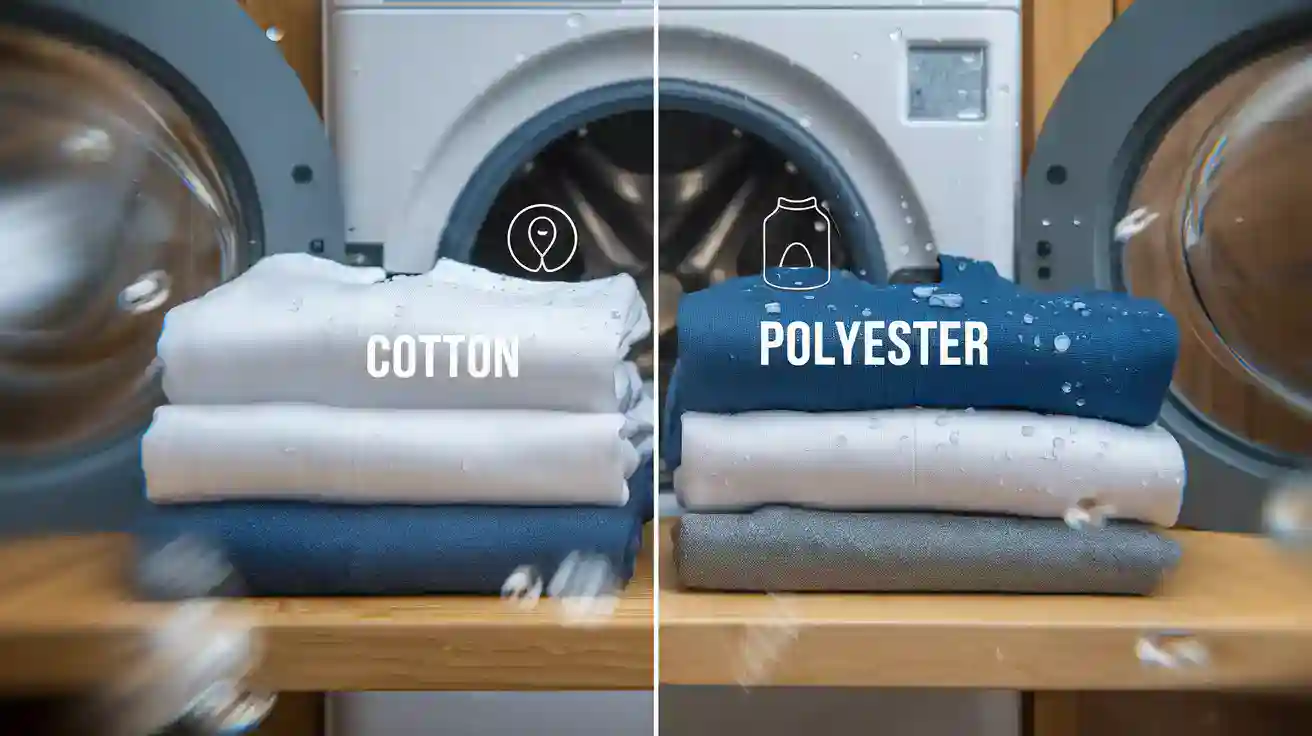
When I compare Cotton vs. Polyester, I find polyester uniforms offer greater washability. I define washability as how easily uniforms clean, resist stains, retain color, remain durable, and dry quickly. I see uniforms as daily essentials that must withstand frequent washing. Uniforms must deliver benefits such as sustainability, reliable performance, and easy care. I value uniforms that provide sustainability through longer life cycles and fewer replacements. Cotton benefits include breathability, but polyester uniforms excel in stain resistance and sustainability. Uniforms that support sustainability and offer practical benefits make a real difference in business and daily wear.
Key Takeaways
Polyester uniforms excel in washability, offering better stain resistance and quicker drying times compared to cotton.
Cotton uniforms require immediate stain treatment to prevent setting, while polyester allows for easier cleanup of spills.
For optimal care, wash cotton uniforms in cold or warm water and avoid high heat to prevent shrinkage.
Polyester uniforms maintain their color and shape longer, making them ideal for maintaining a professional appearance.
Consider the specific needs of your workplace when choosing uniforms; polyester is great for tough environments, while cotton offers comfort.
Using mild detergents and following care labels can significantly extend the lifespan of both cotton and polyester uniforms.
Poly-cotton blends provide a balance of comfort and durability, making them suitable for various work settings.
Regular feedback from employees can help businesses choose the right fabric that meets comfort and maintenance needs.
Washability Factors
What Is Washability
When I evaluate uniforms, I focus on washability as a key performance indicator. Washability, in my experience, means more than just how a fabric looks after a wash. It covers several important aspects:
Durability: The uniform must withstand repeated washing without losing its shape or integrity.
Safety: The garment should maintain its protective features throughout its lifespan.
Design: I look for color retention and the ability to preserve the uniform’s appearance, which helps represent a company’s image.
Guarding fabric functionalities: Some uniforms need to keep special features, such as high visibility or resistance to chemicals.
Hygiene: The fabric should help reduce the risk of cross-contamination.
Textile industry standards help me measure these qualities. I rely on recognized tests to ensure uniforms meet expectations for washability. Here’s a quick overview of the main standards I consider:
Standard | Description |
|---|---|
ISO 105-C06 | Tests color fastness to domestic and commercial laundering, focusing on reactive dyes. |
AATCC 61 | Evaluates how well various dyes hold up to washing, simulating accelerated laundering. |
ISO 6330 / AATCC 135 | Simulates household washing programs for post-treatment testing, reflecting actual laundering. |
These standards give me confidence that a uniform will perform well in real-world washing conditions. I use them to compare fabrics and make informed decisions.
Why It Matters
Washability matters to me because uniforms face tough conditions every day. I see uniforms exposed to dirt, stains, and frequent washing cycles. Easy cleaning becomes essential for keeping a professional appearance. Employees often tell me they want uniforms that are simple to care for and can handle regular laundering.
Uniforms often get dirty or stained, so easy cleaning keeps them looking sharp.
Employees value uniforms that last and stay presentable after many washes.
Studies show that employees feel more satisfied when their uniforms are easy to clean.
I also consider the impact on business. Uniforms that retain their color and structure help maintain a consistent brand image. Durable fabrics reduce replacement costs and support sustainability goals. When I choose uniforms with high washability, I know I am investing in both employee satisfaction and long-term value for the company.
Tip: I always recommend checking the care label and following manufacturer instructions to maximize the lifespan and washability of any uniform.
Cotton Uniforms
Stain Resistance
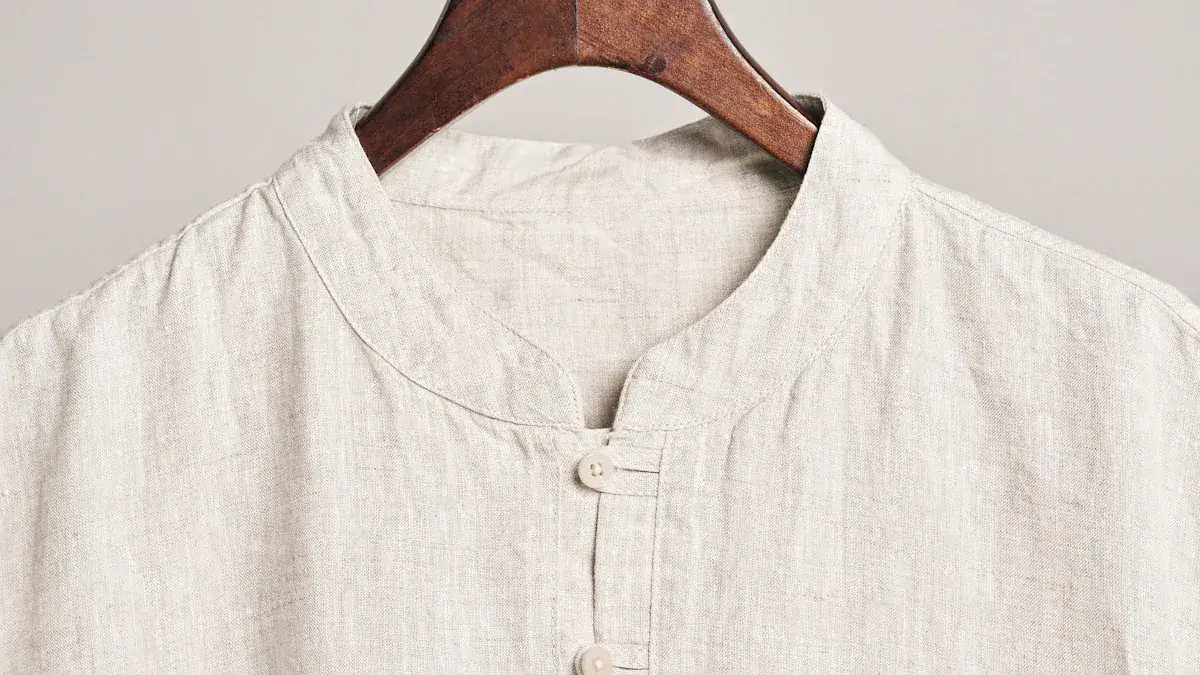
When I evaluate 100% cotton uniforms, I notice that stain resistance often falls short compared to synthetic fabrics. Cotton fibers have high absorbency, which means they soak up liquids quickly. This property makes 100% cotton uniforms comfortable and soft, but it also means stains can set in fast. I find that the softness of cotton feels great against the skin, yet it does not repel spills or splashes. In my experience, uniforms made from 100% cotton require immediate attention when exposed to substances like coffee, ink, or oil.
Washing machines perform best when loaded to about two-thirds of their capacity. It is also recommended to treat individual stains before washing to enhance the effectiveness of the cleaning process.
I always advise treating stains on 100% cotton uniforms as soon as possible. The softness and absorbency of cotton make it essential to act quickly. If I let a stain sit, it becomes much harder to remove. I also pay attention to the type of stain, since some require special pre-treatment.
Immediate treatment of stains significantly increases the chances of successful removal. Fresh stains are easier to handle than those that have already set. Moreover, understanding the nature of the stain is essential, as some may require intensive pre-soaking or spotting treatments.
Cleaning
Cleaning 100% cotton uniforms can be straightforward if I follow the right steps. The softness of cotton allows for comfortable wear, but its absorbency means dirt and stains can penetrate deep into the fibers. I always check the care label before washing. For best results, I use a washer filled to about 80% capacity. This approach ensures that the uniforms move freely and get thoroughly cleaned.
Standard washing methods can effectively remove common stains from cotton uniforms, but their success hinges on factors such as the type of stain, the washing process, and any pre-treatment applied. For optimal results, it is advised to maintain the washer’s load size at 80% capacity to enhance washing efficiency. Additionally, using cold or warm water initially is crucial, as heat can set stains, complicating their removal.
I avoid hot water for the first wash, especially if I am dealing with a fresh stain. Heat can set stains in 100% cotton, making them nearly impossible to remove. I also recommend using gentle detergents to preserve the softness and durability of the fabric. The high absorbency of 100% cotton means it holds onto both water and cleaning agents, so I rinse thoroughly.
Drying
Drying 100% cotton uniforms requires careful attention. The softness of cotton makes it prone to shrinking if exposed to high heat. I prefer to use medium heat in the dryer or opt for air drying when possible. This method helps maintain the softness and durability of the fabric.
Tumble Drying: Takes approximately 15 to 30 minutes at medium heat for standard cotton garments.
Air Drying Indoors: Can take several hours to a day, depending on room temperature and airflow.
Line Drying Outdoors: Typically faster, taking a few hours on sunny and breezy days.
I find that air drying preserves the softness and structure of 100% cotton uniforms. However, if I need a quick turnaround, tumble drying on medium heat works well. I always remove the uniforms promptly to avoid wrinkles and maintain their softness. The durability of 100% cotton improves when I avoid over-drying or exposing the fabric to excessive heat.
Color Retention
When I assess color retention in cotton uniforms, I pay close attention to how the fabric responds to repeated washing. I notice that 100% cotton uniforms often show visible changes in color after the first wash. The fibers in cotton absorb dyes well, but they also release them easily when exposed to water and detergent. I see that the initial wash causes a significant shift in both lightness and saturation. The color may look faded or less vibrant. After several washes, the changes become less dramatic. I rely on empirical studies to guide my expectations. The following table summarizes how color retention in 100% cotton uniforms changes over time:
Wash Number | Color Change Observed | Notes on Phenomena |
|---|---|---|
1 | Significant change in lightness and saturation | Initial wash causes notable alterations |
2-5 | Notable differences in color parameters | Changes diminish after the fifth wash |
5+ | Minimal variation in color difference | Color retention stabilizes after this point |
I find that after five washes, the color of 100% cotton uniforms stabilizes. The fabric holds its shade better, but the initial loss of vibrancy remains noticeable. I recommend using gentle detergents and washing in cold water to help preserve color. I also avoid direct sunlight when drying, as UV rays can accelerate fading. In my experience, cotton uniforms with darker colors require extra care to maintain their appearance.
Note: I always check the care label for specific instructions on washing and drying to maximize color retention in 100% cotton uniforms.
Durability
I evaluate durability by looking at how long 100% cotton uniforms last under regular use and washing. Cotton offers a soft and comfortable feel, but its durability depends on the weave and quality of the fibers. I observe that frequent washing can weaken the structure of cotton, especially if exposed to high temperatures or harsh chemicals. I rely on industry data to estimate the lifespan of 100% cotton uniforms:
FR Coveralls can last 12 to 24 months or 50 to 75 washes
I find that the durability of cotton uniforms meets the needs of most workplaces. The fabric withstands daily wear, but I notice signs of thinning and fraying after many wash cycles. I recommend rotating uniforms and avoiding overloading the washer to extend their lifespan. The durability of 100% cotton improves when I follow proper care routines.
Care Tips
I always share practical care tips with anyone using 100% cotton uniforms. Proper care helps maintain both color retention and durability. I suggest the following steps:
Wash 100% cotton uniforms in cold or warm water to prevent shrinking and fading.
Use mild detergents to protect the fibers and preserve color.
Treat stains promptly before washing to avoid permanent marks.
Air dry or use medium heat in the dryer to reduce the risk of shrinkage.
Store uniforms in a cool, dry place away from direct sunlight.
I find that these habits keep cotton uniforms looking professional and extend their usable life. I encourage everyone to read the care label and adjust their routine as needed. Consistent care ensures that 100% cotton uniforms deliver comfort, durability, and a polished appearance.
Polyester Uniforms
Stain Resistance
When I assess stain resistance, I find that polyester uniforms outperform cotton in most work environments. The structure of polyester fibers repels water and many common stains. I notice that spills tend to bead up on the surface, making cleanup much easier. In my experience, polyester uniforms require less aggressive stain treatment than cotton. I see that poly-cotton blends also benefit from this property, especially when the polyester content is high.
Polyester uniforms have lower levels of PFAS compared to 100% cotton uniforms, which indicates better stain resistance.
The total median PFAS concentration in 100% cotton uniforms is significantly higher than in cotton/polyester blends.
Cotton needs more PFAS treatment to achieve stain resistance because of its hydrophilic nature, which explains the difference between fabric types.
Synthetic materials, including polyester, are associated with better water and stain resistance.
I have observed that poly-cotton blends offer a practical balance. They combine the stain resistance of polyester with the comfort and breathability of cotton. When I recommend uniforms for environments with frequent spills, I often choose polyester or poly-cotton blends for their superior performance.
Cleaning
Cleaning polyester uniforms is straightforward. The fibers do not absorb stains as deeply as cotton, so most dirt and grime wash away easily. I use standard detergents and find that polyester releases stains with minimal effort. Poly-cotton blends also clean well, especially when the polyester ratio is high. I rarely need to use strong chemicals or pre-treatments on polyester uniforms.
I notice that polyester uniforms retain their shape and appearance after repeated washes. The fabric resists wrinkling, which means less time spent ironing. Poly-cotton blends share these advantages, making them a popular choice for busy workplaces. I always check the care label, but I find that most polyester and poly-cotton blends tolerate machine washing and moderate temperatures without issue.
Tip: I recommend turning polyester uniforms inside out before washing. This step helps preserve color and reduces friction, which can extend the life of the fabric.
Drying
Polyester uniforms dry quickly, which is a major advantage in fast-paced work environments. The fibers do not hold much moisture, so I often find uniforms ready to wear soon after washing. In commercial laundry settings, the drying time for polyester uniforms is approximately 45 minutes. A standard dry cycle for polyester typically adds an additional 45 minutes, which is faster than most cotton garments.
Poly-cotton blends also dry faster than pure cotton, though not as quickly as 100% polyester. I appreciate this efficiency, especially when uniforms need to be laundered and reused within a short timeframe. The quick drying time helps maintain the durability of the fabric, as less exposure to heat reduces wear and tear. I always advise removing polyester uniforms promptly from the dryer to prevent static and maintain a smooth finish.
Note: I avoid over-drying polyester and poly-cotton blends, as excessive heat can cause static buildup and affect breathability.
Color Retention
When I evaluate color retention, I see that polyester uniforms consistently outperform cotton options. The fibers in polyester resist dye loss, even after many washes. I notice that the color stays vibrant and sharp, which helps maintain a professional appearance for longer periods. In my experience, polyester uniforms rarely show the fading that often affects natural fibers. I find that the synthetic structure of polyester locks in color, making it ideal for uniforms that need to look new after repeated laundering.
Polyester blends also deliver impressive results. When I use uniforms made from blends, I observe that the polyester matrix helps stabilize the cotton fibers. This structure prevents excessive dye release during washing. I have seen that even after dozens of cycles, the color in blends remains consistent. I recommend polyester or high-polyester blends for any workplace that values a crisp, uniform look.
Tip: I always turn polyester uniforms inside out before washing. This simple step helps preserve color and reduces surface abrasion.
I also avoid harsh detergents and opt for cold or warm water. These habits help me maintain the color integrity of both polyester and blends. When I compare uniforms after several months of use, I see that polyester options still look fresh and bright.
Durability
Durability stands out as a major advantage of polyester uniforms. I have tested many uniforms over the years, and polyester consistently delivers long-lasting performance. The fibers resist stretching, shrinking, and tearing. I find that polyester uniforms hold their shape, even after frequent industrial laundering.
Blends with a high polyester content also impress me. The polyester matrix in these blends locks cotton fibers in place during high-temperature washes. This feature ensures that the uniforms maintain consistent sizing and structure. I have worked with premium blends that retain 98% of their original dimensions after 50 industrial wash cycles. In my experience, this level of dimensional stability far exceeds what I see with 100% cotton.
Some specialized polyester uniforms, such as those made with Chemistat 909A, can endure over 300 industrial laundering cycles without losing fabric integrity. I rely on these uniforms in demanding environments where durability is critical. When I select uniforms for high-traffic workplaces, I always consider polyester or blends for their proven longevity.
Polyester uniforms resist wear and tear.
Blends maintain sizing and structure after repeated washing.
Specialized polyester options withstand hundreds of industrial cycles.
Care Tips
I always share practical care tips to help others get the most out of their polyester uniforms. Proper care extends the life and appearance of both polyester and blends. Here are my top recommendations:
Wash polyester uniforms in cold or warm water to prevent damage and preserve color.
Use mild detergents to avoid breaking down the fibers.
Turn uniforms inside out before washing to reduce friction and maintain color.
Avoid using fabric softeners, as they can coat the fibers and reduce breathability.
Tumble dry on low or medium heat, or air dry for best results.
Remove uniforms promptly from the dryer to prevent wrinkles and static.
Store polyester and blends in a cool, dry place away from direct sunlight.
I find that following these steps keeps polyester uniforms looking sharp and extends their usable life. Blends benefit from the same care routine, especially when the polyester content is high. I always check the care label for specific instructions, as some blends may have unique requirements.
Note: Consistent care not only preserves the appearance of polyester uniforms but also supports sustainability by reducing the need for frequent replacements.
Cotton vs. Polyester: Side-by-Side
Stain Resistance
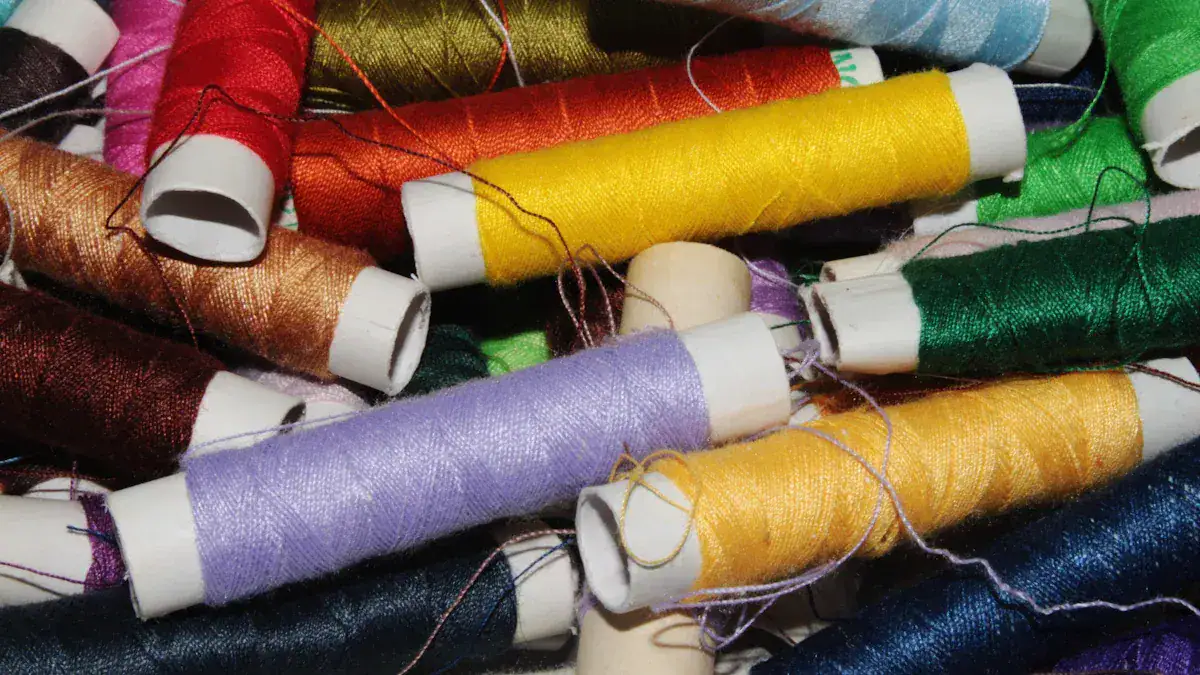
When I compare cotton vs. polyester uniforms for stain resistance, I see clear differences. Cotton absorbs liquids quickly. This absorbency makes cotton comfortable, but it also means stains set in fast. I often find that coffee, ink, or oil can leave a mark on cotton uniforms if not treated right away. Polyester, on the other hand, resists most stains. The fibers in polyester do not soak up spills. Instead, liquids bead up on the surface. I can usually wipe away many stains from polyester before they set. In my experience, polyester uniforms need less aggressive stain treatment. Poly-cotton blends offer a middle ground, but the higher the polyester content, the better the stain resistance.
Tip: For tough work environments, I recommend polyester or high-polyester blends. These uniforms handle spills and stains with less effort.
Cleaning Ease
Cleaning is another area where cotton vs. polyester uniforms show big differences. Cotton uniforms need more attention, especially when dealing with stains. I often have to pre-treat stains on cotton and use gentle detergents to protect the fibers. Polyester uniforms clean up quickly. Most dirt and grime wash away with standard detergents. I rarely need to use strong chemicals on polyester. The fabric releases stains easily and keeps its shape after many washes.
To help you see the differences, I use the following table based on lab tests and user surveys:
Fabric Type | Shrinkage After Wash | Wrinkle Recovery | Ironing Requirement |
|---|---|---|---|
100% Cotton | ~60% | Requires light ironing | |
100% Polyester | <0.5% | >90% | Nearly wrinkle-free after hanging |
I notice that 100% cotton uniforms shrink more and wrinkle easily. I often need to iron them after washing. Polyester uniforms keep their shape and rarely need ironing. This makes polyester a better choice for anyone who wants easy care and less time spent on laundry.
Drying Time
Drying time is a key factor in the cotton vs. polyester debate. Cotton uniforms take longer to dry. The fibers hold onto water, so air drying can take several hours or even a full day. Tumble drying cotton on medium heat speeds up the process, but I must be careful to avoid shrinkage. Polyester uniforms dry much faster. The fibers do not absorb much water. I often find polyester uniforms ready to wear soon after washing, even with air drying. In busy workplaces, this quick turnaround is a big advantage.
Cotton: Longer drying time, risk of shrinkage with high heat.
Polyester: Quick drying, holds shape, less risk of damage.
Note: For workplaces that need uniforms laundered and reused quickly, polyester is the clear winner.
When I look at cotton vs. polyester for washability, I see that polyester offers easier cleaning, better stain resistance, and faster drying. Cotton provides comfort and breathability, but it needs more care and attention in the laundry process.
Color Retention
When I compare color retention between cotton and polyester uniforms, I see a noticeable difference after repeated washing. Cotton uniforms tend to lose their vibrancy quickly. The natural fibers absorb dye well, but they also release it during each wash. After just a few cycles, I often notice fading, especially in darker shades. Polyester uniforms, on the other hand, hold their color much longer. The synthetic fibers lock in dye, so the fabric stays bright and sharp even after dozens of washes.
I have worked with many polyester-cotton blends in real-world settings. These blends offer a middle ground, but the higher the polyester content, the better the color retention. For example, a 65/35 polyester-cotton blend maintains its appearance far better than 100% cotton. I have seen uniforms made from this blend retain about 90% of their original color and shape after 30 washes. In contrast, blends with less polyester, such as 80/20, start to fade noticeably after only 15 cycles.
Polyester-cotton blends show better colorfastness than 100% cotton after multiple washes.
A 65/35 blend keeps a colorfastness grade of 2.5–3 after 20 washes, which means only a moderate decline in color.
Uniforms with higher polyester content maintain both color and dimensional stability longer.
Fabric Type | Color Retention After 20 Washes | Color Retention After 30 Washes | Noticeable Fading |
|---|---|---|---|
100% Cotton | Low | Low | Early |
65/35 Poly-Cotton | Moderate to High | High (90% stability) | After 30 washes |
80/20 Poly-Cotton | Moderate | Moderate | After 15 washes |
100% Polyester | High | High | Rare |
I always recommend polyester or high-polyester blends for uniforms that need to look sharp after frequent laundering. These fabrics keep their color longer and help maintain a professional image.
Durability
Durability is another area where I see polyester outperform cotton. Cotton uniforms feel soft and breathable, but they wear out faster under heavy use. I often notice thinning, fraying, and even small tears after months of daily washing. Cotton fibers break down more quickly, especially when exposed to high temperatures or harsh detergents.
Polyester uniforms, especially those with a high polyester content, stand up to tough conditions. I have seen 65/35 polyester-cotton blends last much longer than pure cotton. These blends resist wear and tear, shrinkage, and staining. In my experience, they keep their shape and structure even after frequent industrial laundering. A 50/50 blend offers a balance between breathability and strength, but the 65/35 blend is the top choice for durability.
Polyester blends, especially 65/35, resist wear and tear better than cotton.
These blends are favored for workwear in environments that require frequent washing.
A 65/35 blend is more resistant to shrinkage and staining than a 50/50 blend or 100% cotton.
Fabric Type | Resistance to Wear | Shrinkage | Staining | Lifespan in Workwear |
|---|---|---|---|---|
100% Cotton | Moderate | High | High | Short |
50/50 Poly-Cotton | Good | Moderate | Moderate | Moderate |
65/35 Poly-Cotton | Excellent | Low | Low | Long |
100% Polyester | Excellent | Very Low | Very Low | Longest |
I always choose polyester or a 65/35 blend for uniforms that need to last. These fabrics handle repeated washing and tough work environments without losing their integrity.
Choosing the Right Fabric
Workplace Needs
When I select uniforms, I always start by evaluating the specific needs of the workplace. The environment shapes my decision. For example, hot climates require breathable fabrics. I often choose cotton for these settings because it helps regulate body temperature and provides comfort for long shifts. In areas with chemical exposure or abrasive surfaces, I look for flame-resistant materials or blends that offer protection.
I rely on a simple table to guide my choices:
Factor | Description |
|---|---|
Work Conditions | I consider if the area is hot, chemical-laden, or has abrasive surfaces. Flame-resistant options suit hazardous zones. |
Mobility | I select fabrics that allow flexibility. Stretchable materials improve comfort and performance. |
Moisture Management | I prefer moisture-wicking fabrics, such as polyester blends, to keep employees dry. |
Temperature Control | I choose breathable cotton for heat and insulated materials for cold. |
Ease of Care | I recommend easy-to-clean, stain-resistant, and wrinkle-resistant fabrics for easy maintenance. |
I find that polyester and poly-cotton blends excel in moisture management and easy maintenance. These options suit fast-paced environments where uniforms face frequent washing and tough stains.
Budget
Budget plays a major role in my decision-making process. I compare the initial cost and long-term maintenance expenses before making a final choice. Polyester and blends usually cost less upfront and require less maintenance over time. Cotton-rich blends often have higher initial costs and greater maintenance needs.
Here is a comparison table I use:
Fabric Type | Initial Cost | Maintenance Costs | Durability | Employee Satisfaction |
|---|---|---|---|---|
Polyester & Blends | Lower | Lower | High | High |
Cotton-Rich Blends | Higher | Higher | Moderate | Moderate |
I notice that polyester uniforms last longer and reduce replacement costs. Cotton uniforms may need more frequent washing and care, which increases maintenance costs. I always factor in durability and employee satisfaction when recommending a fabric. Polyester and blends often deliver better value for organizations that prioritize easy maintenance and long-term savings.
Tip: I advise businesses to consider both upfront costs and ongoing maintenance when choosing uniforms. This approach helps maximize value and ensures comfort and performance for employees.
Comfort vs. Maintenance
Balancing comfort and maintenance is essential for uniform selection. I listen to employee feedback and review research on fabric preferences. Many workers prefer cotton for its softness and breathability. Cotton keeps employees comfortable during long shifts, especially in hot or physically demanding roles. I have seen that 100% cotton uniforms excel in comfort and performance, making them ideal for jobs that require extended wear.
However, I also recognize the benefits of blends. A 65% polyester and 35% cotton blend combines comfort and performance with easy maintenance. These blends resist stains, dry quickly, and hold their shape after repeated washing. I recommend poly-cotton blends for industrial settings where durability and easy maintenance matter most.
Many uniforms use a blend of cotton and polyester to enhance comfort and protection.
The 65/35 blend is popular among companies and employees.
100% cotton offers maximum comfort in hot environments.
Poly-cotton blends provide durability and easy maintenance.
I always weigh comfort against maintenance needs. If the workplace demands frequent laundering and stain resistance, I lean toward polyester or blends. For roles that prioritize comfort and performance, I choose cotton or cotton-rich blends.
Note: I encourage managers to survey employees about their preferences. This step helps balance comfort, performance, and easy maintenance for the entire team.
User Experiences
Business Owners
When I speak with business owners about uniform choices, I hear a clear preference for fabrics that simplify maintenance. Many owners tell me that polyester uniforms save time and money. These uniforms resist shrinking and wrinkling, which means fewer replacements and less time spent ironing. Owners also mention that polyester dries quickly, so uniforms return to service faster. I often see owners choose polyester for teams that need a polished look every day.
Cotton uniforms still have a place in many businesses. Owners value cotton for its breathability and comfort, especially in hot environments. However, they often express concerns about shrinkage and wrinkling. I advise owners to follow care instructions closely to extend the life of cotton uniforms.
Here is a summary of what I hear from business owners:
Fabric Type | Characteristics | Maintenance Tips |
|---|---|---|
Polyester | Highly durable, resistant to shrinking and wrinkling, quick-drying | Wash frequently, use mild detergents, avoid high heat |
Cotton | Breathable, soft, hypoallergenic, but can shrink and wrinkle easily | Follow washing instructions, wash in cold water, air dry when possible |
Owners often tell me that polyester uniforms reduce laundry headaches and keep teams looking sharp.
Employees
Employees share their own perspectives on uniform fabrics. Many workers prefer cotton for its softness and breathability. They tell me that cotton feels comfortable during long shifts, especially in warm settings. Some employees with sensitive skin also appreciate cotton’s hypoallergenic qualities.
On the other hand, I hear from employees who like polyester uniforms because they dry quickly and rarely need ironing. Workers in fast-paced jobs value uniforms that stay clean and presentable with minimal effort. I notice that employees in kitchens, healthcare, and cleaning roles often favor polyester or blends for these reasons.
Cotton: Comfortable, soft, good for sensitive skin
Polyester: Easy to wash, dries fast, keeps shape
I always encourage employees to share feedback about comfort and care. Their input helps businesses choose the right fabric for the job.
Common Issues
Both cotton and polyester uniforms come with challenges. I often see cotton uniforms shrink or wrinkle if washed in hot water or dried on high heat. Fading can also occur after repeated washes. Polyester uniforms sometimes develop static or retain odors if not washed properly. Some workers mention that polyester feels less breathable, especially in hot conditions.
To address these issues, I recommend the following:
For cotton: Wash in cold water, air dry, and treat stains quickly.
For polyester: Use mild detergents, avoid fabric softeners, and remove from the dryer promptly.
Note: Consistent care routines help prevent most common problems and extend the life of any uniform.
By listening to both business owners and employees, I gain a complete picture of what works best in real workplaces. This feedback guides my recommendations and helps ensure uniforms meet everyone’s needs.
After comparing cotton and polyester, I find polyester uniforms offer superior washability due to their stain resistance, color retention, and quick drying. For industrial or food processing sectors, I always consider safety and hygiene requirements when selecting fabrics. I recommend polyester or high-polyester blends for most workplaces, but I weigh comfort and environmental impact as well.
Proper care extends uniform life and reduces microfibre pollution, especially as older garments shed more fibers.
Resource Provider | |
|---|---|
UniFirst Corporation | Rental, purchase, and maintenance programs |
Aramark Uniform Services | Design consultation and inventory management |
Cintas Corporation | Custom uniform programs and maintenance |
FAQ
How do I prevent cotton uniforms from shrinking?
I always wash cotton uniforms in cold or warm water. I avoid high heat in the dryer. Air drying works best for shrinkage control. I check the care label before every wash.
Can I use bleach on polyester uniforms?
I never use chlorine bleach on polyester. It can damage the fibers and cause yellowing. I choose oxygen-based bleach for tough stains. I always test on a small area first.
Which fabric is better for sensitive skin?
I find cotton works best for sensitive skin. The natural fibers feel soft and rarely cause irritation. Polyester sometimes traps heat and moisture, which can bother some people.
How often should I replace work uniforms?
I replace cotton uniforms every 12–18 months, depending on wear. Polyester uniforms last longer, often up to two years or more. I inspect for thinning, fading, or damage before deciding.
Do polyester uniforms hold odors?
Polyester can trap odors if not washed properly. I wash uniforms promptly and use mild detergent. I sometimes add a cup of white vinegar to the rinse cycle for freshness.
Are poly-cotton blends easy to care for?
Yes, I find poly-cotton blends combine easy care with comfort. They resist wrinkles and stains better than pure cotton. I wash them in cold or warm water and dry on low heat.
What is the best way to remove stains from uniforms?
I treat stains as soon as possible. I blot, not rub, the area. I use a stain remover or mild detergent. For tough stains, I soak the uniform before washing.
Can I iron polyester uniforms?
I use a low heat setting when ironing polyester. I place a cloth between the iron and the fabric to prevent melting or shine. Most polyester uniforms need little ironing if dried properly.