

How Camo Hoodie Materials Impact Comfort and Performance
Table of Contents
Display
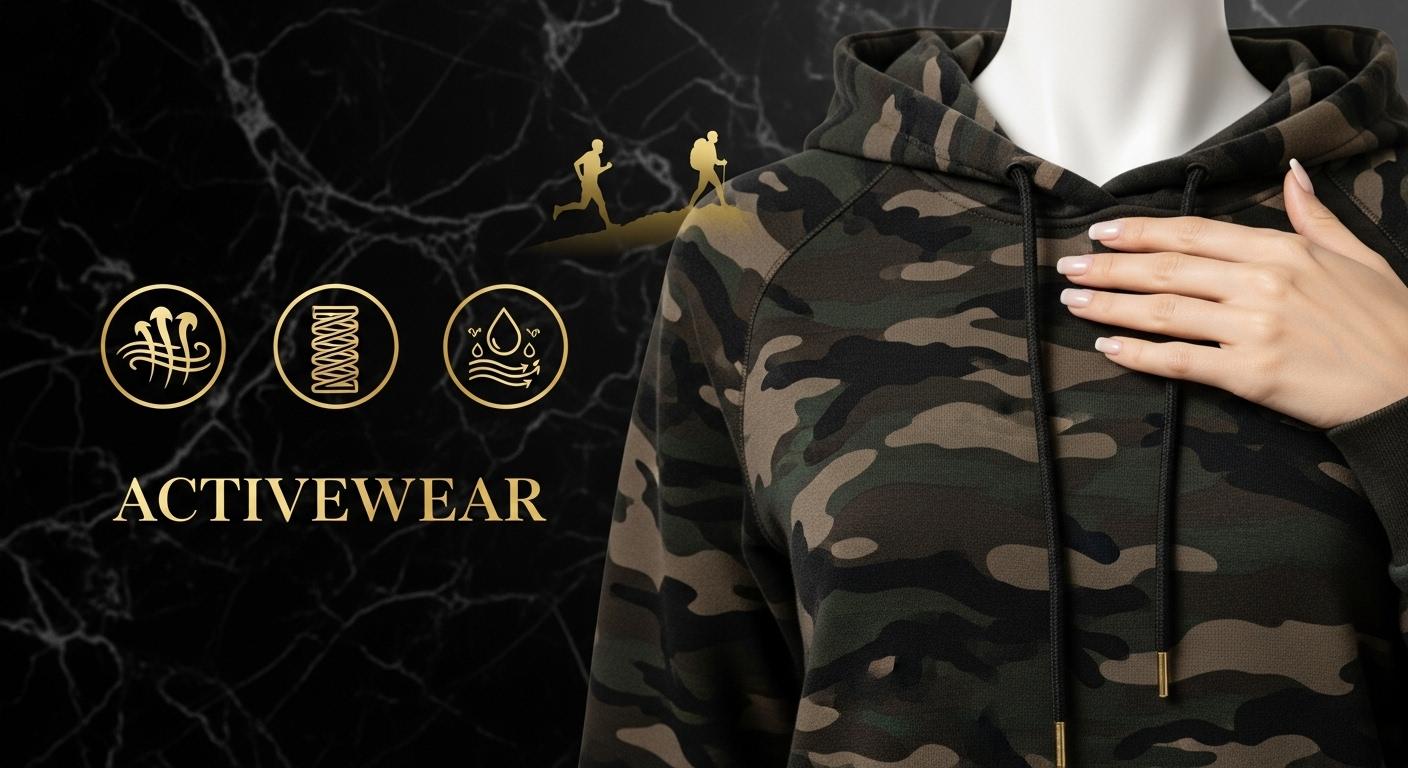
When I choose a camo hoodie, I pay close attention to the material because it shapes my experience in every environment. The right camouflage fabric delivers breathability and warmth, while advanced camouflage techniques improve moisture-wicking and odor control. I value durability, especially in rugged terrain, and I look for sustainable options in modern camouflage hoodies. Understanding these differences helps me select the most comfortable and high-performing camouflage clothing for any activity.
Key Takeaways
Material choice significantly affects comfort and performance in camo hoodies. Select fabrics that suit your activity and climate.
Natural fibers like cotton and merino wool provide softness and breathability, making them ideal for casual wear and long outdoor activities.
Synthetic materials such as polyester and nylon excel in moisture-wicking and durability, perfect for high-intensity activities and rugged conditions.
Blended fabrics offer a balance of comfort and performance, combining the best features of natural and synthetic materials.
Always consider features like moisture management, odor resistance, and temperature regulation when choosing a camo hoodie.
Sustainable options like organic cotton and recycled polyester provide comfort while supporting environmental responsibility.
Check for additional features such as adjustable hoods and built-in facemasks to enhance your outdoor experience.
Prioritize fit and flexibility to ensure unrestricted movement during your activities, whether hiking, hunting, or casual wear.
Why Material Matters in a Camo Hoodie
Comfort Factors
When I select a camo hoodie, I always focus on how the material feels against my skin and how it adapts to my movements. The right fabric can make a huge difference in comfort, especially during long hours outdoors. I rely on materials that offer softness, breathability, and the ability to regulate temperature. For example, cotton and blends provide a gentle touch and allow air to circulate, while fleece and brushed fabrics add warmth and coziness for colder days. Moisture-wicking properties keep me dry when I start to sweat, and stretch fabrics let me move freely without feeling restricted.
A well-designed camo hoodie should also include features that enhance comfort, such as adjustable hoods or built-in facemasks. These small details can make outdoor activities much more enjoyable.
Here’s a quick look at how different materials contribute to comfort:
Material Type | Key Comfort Features |
|---|---|
Cotton and Blends | Softness and breathability; enhanced durability and moisture-wicking properties. |
Fleece and Brushing Techniques | Provides warmth and coziness, ideal for colder weather. |
Moisture-Wicking Properties | Keeps wearers dry during physical activities. |
Stretch and Flexibility | Allows hoodies to move with the wearer and maintain shape. |
Thermal Regulation | Adapts to body temperature for comfort in varying conditions. |
Eco-Friendly Options | Made from organic cotton or recycled materials, appealing to eco-conscious consumers. |
Performance Factors
I know that the performance of a camo hoodie depends on how well the material stands up to different environments and activities. Durability, moisture management, and flexibility all play a role. For low-intensity outdoor activities in autumn, I prefer fleece or cotton blend fabrics because they keep me warm and comfortable. When I need something for high-intensity activities, I choose nylon or polyester fibers. These materials offer elasticity and resist wear and tear, which is essential for hiking or running.
Comfort Factor | Description |
|---|---|
Fabric Quality | Durable, comfortable, and lightweight materials such as cotton, polyester, or blends are essential for comfort. |
Fit | A proper fit allows for a full range of motion while ensuring it is not too loose or restrictive. |
Additional Features | Features like built-in facemasks or adjustable hoods enhance comfort and functionality for outdoor use. |
Activity Suitability
I always match my camo hoodie material to the activity and climate. For hunting, I look for camouflage patterns that blend into natural surroundings and fabrics that allow for silent movement. Brands like Natural Gear use scientifically researched patterns and durable materials, making their hoodies ideal for hunting. When I go hiking or just want something for casual wear, I choose hoodies that balance comfort and durability, so I can move easily and stay comfortable all day.
Tip: Always consider the weather and your planned activity before choosing a camo hoodie. The right material ensures you stay comfortable and perform your best, whether you’re in the woods or on the trail.
Materials Used in Camouflage Fabrics
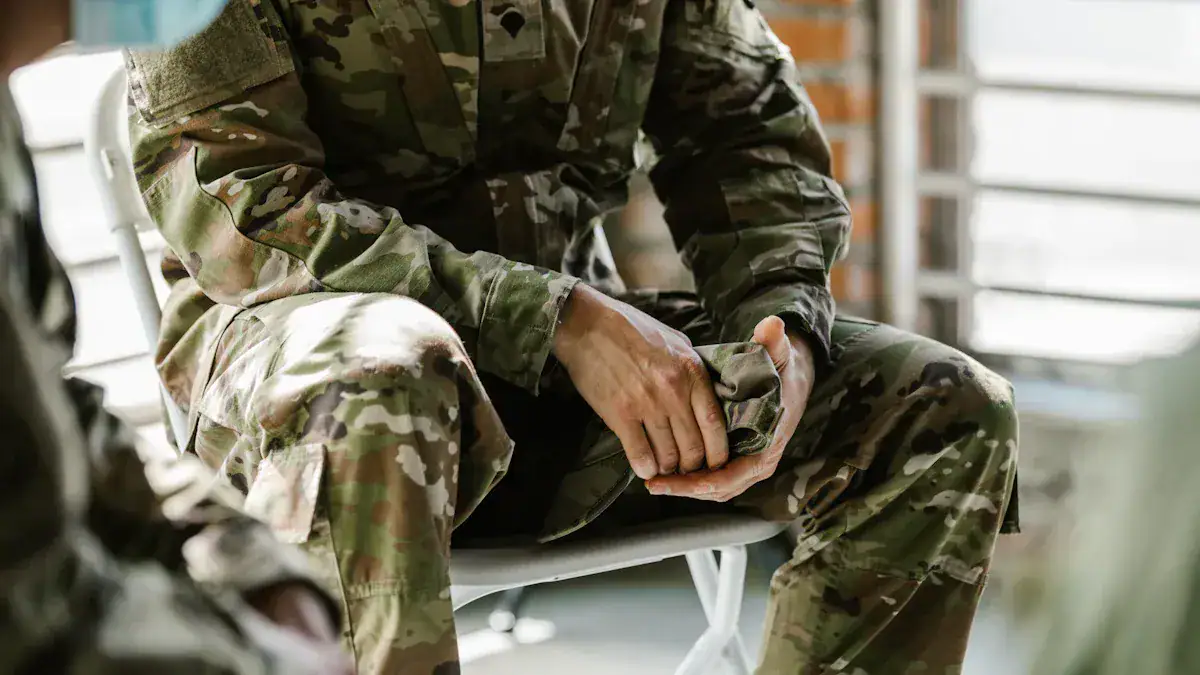
Cotton Fleece
When I want a camo hoodie that feels cozy and warm, I often reach for one made from cotton fleece. This fabric stands out among camouflage fabrics because it combines softness with durability. The interior feels plush against my skin, making it perfect for chilly mornings or layering during colder months. Cotton fleece offers a balance between warmth and weight, so I never feel weighed down when I’m on the move. The double-needle stitching adds strength, which means my hoodie can handle rough outdoor use without falling apart. I also appreciate the urban-inspired camouflage patterns that give these hoodies a modern look.
Here’s a breakdown of what makes cotton fleece a top choice for camo hoodies:
Feature | Description |
|---|---|
Fabric Weight | |
Warmth and Durability | Provides warmth and durability for outdoor use |
Softness | Soft fleece interior for ultimate coziness |
Lightweight | Lightweight yet warm, ideal for layering |
Durability | Double-needle stitching for enhanced durability |
Design | Urban-inspired camouflage pattern for a trendy look |
I rely on cotton fleece when I need a hoodie that keeps me comfortable and stands up to repeated wear in the outdoors.
French Terry
French terry is another fabric I often choose for camouflage hoodies, especially when I need something versatile for changing weather. This material feels soft and stretchy, so it moves with me whether I’m hiking or relaxing at camp. I notice that French terry allows air to circulate, which keeps me cool and comfortable during physical activities. Unlike heavier fabrics, it doesn’t trap heat, so I avoid overheating when I’m active.
Some of the qualities I value most in French terry include:
Stretchy fibers for a flexible, comfortable fit.
Soft texture that feels gentle against my skin.
Moisture-wicking ability that absorbs sweat and keeps me dry.
I find French terry especially useful for active days outdoors. It regulates my body temperature and manages moisture better than many other camouflage fabrics. When I compare it to fleece, I notice that French terry keeps me cooler and drier during workouts or hikes.
Polyester
Polyester has become a staple in many of my favorite camouflage hoodies. I choose polyester when I need a lightweight, durable option that can handle tough conditions. This synthetic fabric resists wrinkles and stands up to frequent washing, so my hoodie always looks sharp. I also appreciate how polyester manages moisture. It pulls sweat away from my skin and dries quickly, which keeps me comfortable during intense activities.
Key benefits of polyester in camouflage fabrics include:
Lightweight construction that doesn’t slow me down.
Exceptional durability, even after repeated use and washing.
Effective moisture-wicking that keeps me dry and prevents discomfort.
Tag-free labels for irritation-free wear.
I trust polyester when I need a hoodie that performs in demanding environments. Its durability and moisture management make it one of the most reliable materials used in camouflage fabrics.
Nylon
When I need a camo hoodie that stands up to tough environments, I often choose nylon. This synthetic fiber has earned its reputation for strength and resilience. I notice that nylon holds up well against abrasions and tears, which makes it ideal for rugged outdoor activities. The smooth texture of nylon feels comfortable against my skin, and the lightweight nature of the fabric allows me to move freely without feeling weighed down.
Nylon also excels in moisture management. I find that it dries quickly after exposure to rain or sweat, which helps me stay comfortable during unpredictable weather. Many camouflage fabrics use nylon for its ability to resist water and maintain its shape over time. I appreciate that nylon does not absorb odors easily, so my hoodie stays fresher for longer periods.
Some key advantages of nylon in camouflage fabrics include:
High durability and resistance to wear.
Lightweight construction for easy movement.
Quick-drying properties that keep me comfortable.
Minimal odor retention for extended use.
I rely on nylon when I expect challenging conditions and need my camouflage clothing to perform consistently.
Cotton-Polyester Blends
I often select cotton-polyester blends when I want a balance between comfort and performance in my camo hoodie. These blends combine the softness of cotton with the durability of polyester, creating a versatile option for many activities. I notice that cotton-polyester blends feel breathable and comfortable, making them suitable for both casual wear and outdoor adventures.
The materials used in camouflage fabrics often feature these blends because they offer several practical benefits. I find that my hoodie resists wrinkles and retains color well, even after multiple washes. The blend also makes care easier, as the fabric does not require special handling. However, I remain aware of potential shrinkage and the environmental impact associated with synthetic fibers.
Here is a table summarizing the advantages and disadvantages of cotton-polyester blends in camouflage fabrics:
Advantages | Disadvantages |
|---|---|
Comfort and Breathability | Potential Shrinkage |
Durability and Strength | Environmental Impact |
Wrinkle Resistance | |
Easy Care | |
Color Retention | |
Affordability |
I choose cotton-polyester blends when I want my camouflage hoodie to offer comfort, easy maintenance, and reliable performance across different settings.
Merino Wool
Merino wool stands out among materials used in camouflage fabrics for its exceptional natural properties. I reach for merino wool when I need superior temperature regulation and odor resistance. The fine fibers feel soft against my skin, and the fabric adapts to changing conditions, keeping me comfortable whether I am active or resting.
Scientific studies show that merino wool excels in dynamic breathability and moisture absorption. I notice that my merino wool camo hoodie manages heat and moisture efficiently, which helps me stay dry during physical activities. The dual-layer structure of the fabric transports moisture away from my skin, enhancing comfort. Merino wool also absorbs up to one-third of its weight in moisture vapor without feeling wet, stabilizing the microclimate next to my skin.
Here are some key findings from research on merino wool in camouflage fabrics:
Key Findings | Description |
|---|---|
Dynamic Breathability | Adapts to changing conditions, regulating body temperature during activity and rest. |
Moisture Absorption | Dual-layer structure transports moisture efficiently, enhancing comfort. |
Outperforms other fibers in maintaining thermal comfort during sports. | |
Moisture Management | Absorbs moisture vapor, stabilizing the microclimate next to the skin. |
Performance in Real-World Conditions | Excels in both active and rest phases during human trials. |
Thermal Advantage | Keeps the microclimate steadier during stop-go activities, reducing effort to stay comfortable. |
I rely on merino wool for camouflage clothing when I need reliable performance in temperature regulation and odor control. The natural fibers provide comfort and adaptability, making merino wool an excellent choice for demanding outdoor activities.
Advanced Synthetics
When I look for the highest level of performance in camouflage fabrics, I often turn to advanced synthetics. These modern materials push the boundaries of what camouflage clothing can do. I notice that manufacturers use innovative blends and engineered fibers to create hoodies that excel in durability, moisture management, and print quality. Advanced synthetics often include polyester blends and high-tech fleece, which deliver a combination of comfort and resilience.
I have tested several camouflage hoodies made from these advanced fabrics. They stand out for their ability to wick moisture away from my skin, resist wrinkles, and maintain vibrant camouflage patterns even after repeated washing. I appreciate how these materials keep me dry during intense activities and hold up well in rugged environments.
Here is a comparison table that highlights the unique properties of advanced synthetics used in camouflage fabrics:
Feature | Cotton | Polyester Blends | Fleece |
|---|---|---|---|
Breathability | High | Moderate | Moderate to Low |
Warmth | Moderate | Moderate | High |
Durability | Good | Very Good | Good |
Softness | High | Good to Very Good | Very High |
Suitability for Camo Print | Good (natural look) | Excellent (vibrant) | Good (can be textured) |
Care Requirements | Prone to shrink if not pre-shrunk | Easy care, wrinkle resist | Can pill if low quality |
I find that polyester blends offer the best balance of durability and easy care. These camouflage fabrics resist wrinkles and dry quickly, which makes them ideal for travel and outdoor use. Fleece, on the other hand, provides exceptional warmth and softness. I often wear fleece camouflage hoodies in cold weather because they trap heat without adding bulk.
Some of the main benefits I experience with advanced synthetics in camouflage fabrics include:
Moisture-wicking performance that keeps me dry during activity.
Long-lasting color and print quality for effective camouflage.
Lightweight construction that does not restrict movement.
Easy maintenance and resistance to shrinking or wrinkling.
Note: I always check the quality of the fleece or blend before buying. Low-quality fleece can pill, which affects both comfort and appearance.
I rely on advanced synthetics when I need camouflage fabrics that deliver top-tier performance in demanding conditions.
Organic Cotton & Recycled Polyester
As someone who values sustainability, I pay close attention to the environmental impact of the camouflage fabrics I choose. Organic cotton and recycled polyester have become popular options for eco-conscious consumers like me. These fabrics offer a responsible alternative without sacrificing comfort or performance.
Organic cotton in camouflage fabrics feels soft and breathable. I find it especially comfortable for sensitive skin. This cotton grows without harmful chemicals, which reduces environmental harm. However, I remain aware that organic cotton still requires significant water for cultivation.
Recycled polyester, on the other hand, gives new life to plastic waste. I appreciate that this material reduces landfill waste and supports a circular economy. Recycled polyester in camouflage fabrics offers moisture-wicking properties and works well in activewear. I have noticed that it dries quickly and holds up to frequent washing. However, I also recognize that recycled polyester can contribute to microplastics pollution.
Here is a table comparing the environmental impact and wearer comfort of these two sustainable fabrics:
Material | Environmental Impact | Water Usage |
|---|---|---|
Organic Cotton | Grown without harmful chemicals, but requires significant water for cultivation. | High |
Recycled Polyester | Reduces waste by repurposing plastic, but still has pollution and microplastics issues. | Moderate |
When I select camouflage clothing made from these fabrics, I consider both comfort and sustainability. Organic cotton feels breathable and hypoallergenic, which suits my needs for everyday wear. Recycled polyester excels in moisture management, making it my choice for active pursuits.
Organic cotton: Breathable, gentle on skin, suitable for those with allergies.
Recycled polyester: Moisture-wicking, quick-drying, ideal for sports and outdoor activities.
Tip: I always check product labels to ensure the camouflage fabrics I buy use certified organic cotton or high-quality recycled polyester.
By choosing camouflage made from organic cotton or recycled polyester, I support a more sustainable future while enjoying the comfort and performance I expect from modern fabrics.
Benefits of Quality Camouflage Clothing
Warmth and Comfort
When I choose camouflage clothes for outdoor activities, warmth and comfort always come first. I notice that high-quality materials make a real difference in how I feel during long hours outside. Material quality affects thermal resistance, which means the fabric can hold heat and keep me warm even when the temperature drops. I rely on camo clothing with advanced moisture-wicking properties because these draw sweat away from my skin. Rapid evaporation prevents chilling, especially in cold environments. I trust performance textile testing methods to measure moisture management efficiency, so I know the fabric will perform as promised.
High-quality camouflage clothes enhance warmth through thermal resistance, keeping me comfortable in cold weather.
Moisture-wicking materials pull sweat away from my skin, promoting quick evaporation and preventing chills.
Specialized textile testing ensures the fabric delivers reliable comfort during physical activity.
I find that the benefits of quality camouflage clothing become clear when I spend hours hiking, hunting, or camping. The right hoodie or jacket keeps me warm without feeling bulky. I can move freely and stay comfortable, no matter the conditions.
Breathability and Moisture Control
Breathable fabrics play a key role in my comfort when I wear camouflage clothes. I look for materials that allow air to circulate, so I never feel overheated or clammy. Breathable camouflage clothing helps regulate my body temperature, which is important during high-intensity activities. I prefer camo hoodies made from cotton blends, merino wool, or advanced synthetics because these fabrics manage moisture efficiently.
Moisture control is another benefit I value. When I sweat, I want my clothing to wick moisture away and dry quickly. This keeps me comfortable and prevents skin irritation. I notice that layering compatibility improves when I choose breathable materials. I can add or remove layers without losing comfort or mobility.
Feature | Benefit |
|---|---|
Breathable fabrics | Allow air flow, prevent overheating |
Moisture-wicking | Draw sweat away, keep skin dry |
Layering compatibility | Easy to adjust for changing conditions |
I always select camouflage clothes with these features for hiking, hunting, or any outdoor adventure. Breathable and moisture-controlling materials help me stay focused and comfortable, even when the weather changes.
Odor Resistance
Odor resistance matters to me, especially when I wear camouflage clothes for extended periods. I want my camo hoodie to stay fresh, even after hours of activity. I trust advanced technologies like SILVADUR, which use silver ions to eliminate odor-causing bacteria. This keeps my clothing smelling clean and reduces the need for frequent washing.
SILVADUR is a long-lasting antimicrobial technology that combines silver ions with a patented delivery system to effectively control odor by eliminating odor-causing bacteria.
I also look for camo clothing with Polygiene Stay Fresh Technology and Odor Crunch systems. These prevent the growth of odor-causing bacteria and break down human scent molecules on contact. I find that odor resistance improves my comfort and confidence, especially during hunting trips or multi-day hikes.
Polygiene Stay Fresh Technology stops bacteria from growing on fabric surfaces.
Odor Crunch actively breaks down scent molecules, keeping my camouflage clothes fresh.
Odor-resistant materials let me focus on my activity without worrying about unpleasant smells. I consider this one of the most important benefits of quality camouflage clothing, especially for outdoor enthusiasts.
Durability and Longevity
When I invest in camouflage clothes, I expect them to last through tough conditions and repeated use. I have learned that the durability of a camo hoodie depends on both the material blend and the construction techniques. High-quality brands use reinforced stitching, heavy fabric weights, and premium hardware to extend the life of their products. I often compare brands by looking at their fabric blends and durability features.
Here is a comparison of durability features from leading brands:
Brand | Material Blend | Fabric Weight | Durability Features |
|---|---|---|---|
Rush Order Tees | 70/30 cotton/polyester | 10 oz. | Split stitch double-needle sewing, pre-laundered fabric, twill neck tape, nickel hardware |
Hanes | 90% cotton, 10% polyester | 9.7 oz. | Double-needle coverseamed armholes, PrintPro® XP fabric, jersey-lined hood |
I trust brands like Carhartt for their workwear that stands up to harsh environments. Champion has a long history of making sweatshirts that last. Nike and Under Armour use advanced performance fabrics that resist wear and tear. Independent Trading Co. produces blanks that hold up well after many washes.
When I choose camouflage clothes, I look for these signs of quality:
Heavy fabric weight for extra strength
Double-needle or split stitch construction
Pre-laundered fabrics to reduce shrinkage
Reinforced seams and durable hardware
These features help my camo clothing maintain its shape, color, and comfort over time. I know that investing in quality materials means I replace my gear less often, which saves money and reduces waste.
Sustainability
Sustainability has become a top priority for me when I select camouflage clothes. I want my choices to support ethical production and reduce environmental impact. Many brands now use organic cotton, recycled polyester, and eco-friendly dyes in their camo hoodies. I always check for certifications that guarantee responsible sourcing and fair labor practices.
Some of the most important certifications I look for include:
Certification/Standard | Description |
|---|---|
Ensures better wages and decent working conditions throughout the supply chain, with criteria for all production stages. | |
Global Recycled Standard (GRS) | Outlines criteria for third-party certification of recycled materials, requiring at least 20% recycled content. |
I prefer camo clothing made with recycled materials because it helps reduce plastic waste and conserves resources. Organic cotton feels soft and gentle on my skin, and I know it is grown without harmful chemicals. When I see the Fairtrade or GRS label, I feel confident that my camouflage clothes meet strict environmental and social standards.
Tip: I always read product tags and brand websites to confirm sustainability claims. Certifications provide peace of mind that my choices support a healthier planet.
By choosing high-quality, sustainable camouflage clothes, I get long-lasting performance and help protect the environment for future generations.
Comparing Camo Hoodie Materials

Comfort Comparison
When I compare camo hoodie materials, I always start with comfort. My experience and user surveys show that natural fibers like cotton and wool offer the highest comfort levels. These materials feel soft against my skin and allow air to circulate, which keeps me comfortable during long wear. Synthetic fabrics such as polyester and nylon focus on performance, but they often lack the cozy feel of natural fibers. Blended fabrics combine the best of both worlds, balancing comfort and durability.
Natural materials provide breathability and softness, making them ideal for everyday wear.
Synthetic materials excel in moisture-wicking but can feel less cozy.
Blends offer a middle ground, delivering comfort with added resilience.
Material Type | Comfort Level | Breathability | Softness | Best Use Case |
|---|---|---|---|---|
Cotton | High | High | High | Casual, layering |
Merino Wool | High | High | High | Cold weather, hiking |
Polyester | Moderate | Moderate | Moderate | Active pursuits |
Nylon | Moderate | Moderate | Moderate | Rugged environments |
Cotton-Poly Blend | Good | Good | Good | Everyday, outdoor |
I always choose cotton or merino wool for maximum comfort, especially when I plan to wear camouflage clothes for extended periods.
Performance Comparison
Performance matters when I need my camo hoodie to keep up with demanding activities. I look for materials that manage moisture, insulate well, and resist abrasion. Merino wool stands out for its moisture-wicking and temperature regulation. I have worn Smartwool Intraknit base layers and noticed excellent warmth and durability, even during intense hikes. Polyester blends, like those in Realtree hoodies, offer flexibility and quick drying, which helps me stay comfortable when I sweat.
Merino wool excels in moisture management and warmth.
Polyester blends provide durability and flexibility for active use.
Nylon resists abrasion and dries quickly, making it suitable for rugged terrain.
Material Type | Moisture-Wicking | Insulation | Abrasion Resistance | Durability | Flexibility |
|---|---|---|---|---|---|
Merino Wool | Excellent | High | Good | High | Good |
Polyester Blend | Very Good | Moderate | Very Good | High | High |
Nylon | Good | Moderate | Excellent | High | Good |
Cotton | Low | Moderate | Moderate | Moderate | Moderate |
I rely on merino wool and polyester blends when I need my camouflage clothes to perform in changing weather and tough conditions.
Best for Outdoor Activities
Choosing the right camo hoodie material depends on the activity. For hunting, fishing, or hiking, I prefer hoodies that combine warmth, durability, and flexibility. Realtree’s men’s hoodies use high-performance materials and iconic camouflage patterns, which help me blend into my surroundings and stay comfortable. The Realtree Men’s Hunting Polyester Hoodie, made from 92% polyester and 8% spandex, gives me unrestricted movement and reliable comfort. I find this hoodie ideal for layering or wearing alone in the field.
For hunting, I choose hoodies with advanced camouflage and moisture-wicking fabrics.
For hiking, I look for lightweight, flexible materials that allow me to move freely.
For fishing, I select quick-drying and breathable camouflage clothes to stay comfortable near water.
I always match the material of my camouflage clothes to the demands of my outdoor activity. This ensures I get the best comfort and quality, no matter where my adventures take me.
Choosing the Right Camo Hoodie
Consider Activity and Weather
When I select a camo hoodie, I always start by thinking about my main activity and the weather conditions I expect. For hunting in cold climates, I look for camouflage clothes with strong insulation and wind-blocking features. In warmer weather or during high-intensity activities, I prefer lightweight camouflage fabrics that wick moisture and allow for ventilation. I have learned that the best hunting camo clothing uses materials like polyester or spandex for flexibility and moisture control. I also check for scent-control technology, which helps me stay undetected in the field.
Here are the practical criteria I use when choosing camouflage clothes for different climates and activities:
Choose materials that offer durability, insulation, and effective camouflage.
Look for flexibility and moisture-wicking properties, especially in polyester or spandex blends.
Prioritize a fit that allows for unrestricted movement and easy layering.
Select features like articulated sleeves, adjustable hoods, and hidden ventilation for added comfort.
Consider integrated face masks or scent-control technology for the best hunting camo clothing.
Tip: I always match my camouflage clothes to the demands of my activity and the climate to maximize comfort and performance.
Personal Preferences
My personal preferences play a big role in choosing the right camo hoodie. I have sensitive skin, so I often pick camouflage clothes made from 100% cotton for their soft feel and breathability. When I want more style options or need extra durability, I go for blends that balance comfort and function. I also pay attention to the fit, making sure the hoodie feels comfortable and looks good.
Fabric Type | Benefits |
|---|---|
100% Cotton | Soft feel, superior breathability, ideal for sensitive skin |
Blends | Varying characteristics to cater to style preferences and functional needs |
I always try on different camouflage clothes to find the fit that suits my body shape and activity level. I value both comfort and style, so I never compromise on either.
Tips for Selection
Over the years, I have developed a checklist to help me choose the best hunting camo clothing for long-term use. I focus on durability, comfort, and practical features that add value to my outdoor experience.
Always check if the fabric is sturdy and durable.
Move around in the hoodie to see if the material makes noise, which can be a problem during hunting.
Test the accessibility of pockets and zippers for convenience.
Prioritize comfort to handle various weather conditions.
Think about layering options for changing temperatures.
Evaluate features like ventilation, weight, wind blocking, and water resistance.
I believe that investing in high-quality camouflage clothes pays off in the long run. I get better value and performance, and I feel confident in any environment. By considering activity, weather, personal needs, and practical features, I always find the camo hoodie that fits my lifestyle and delivers the results I expect.
Camouflage Clothes vs. Camo Hoodies
Material Differences
When I compare camo hoodies to other camouflage clothes, I notice clear differences in the materials used. Most camo hoodies rely on blends of cotton and synthetic fibers, while other camouflage clothes, like pants or jackets, often use heavier fabrics or technical materials for added protection. I find that the choice of material directly affects how each piece performs outdoors.
Here’s a table that highlights the main differences I have observed:
Feature | 100% Cotton | Synthetic Blends |
|---|---|---|
Breathability | Excellent air circulation | Traps moisture and heat |
Durability | Maintains structure | Breaks down faster under stress |
UV Resistance | Natural sun damage resistance | Deteriorates under UV exposure |
Comfort | Soft, natural feel | Can feel scratchy or clammy |
Color Retention | Holds dye better long-term | Fades quickly with washing |
I have found that 100% cotton camouflage clothes keep me cooler in hot weather because they let air flow freely. This breathability makes a big difference during summer hikes or long days in the sun. Synthetic blends, which are common in many camo hoodies, tend to trap heat and moisture. I sometimes feel clammy after a few hours of activity. Cotton also holds up better over time, especially when I wash my camouflage clothes often. Synthetic materials can lose their shape or color more quickly, especially with heavy use.
Note: I always check the fabric label before buying new camouflage gear. The right material can make or break my outdoor experience.
Use Cases
I choose between camo hoodies and other camouflage clothes based on my activity and the environment. Each type serves a unique purpose in my outdoor wardrobe.
Camo Hoodies: I wear these for layering during cool mornings or evenings. They work well for casual hikes, camping trips, or when I need a lightweight extra layer. The hood gives me added protection from wind or light rain. I also like the relaxed fit, which makes them comfortable for everyday wear.
Camouflage Pants and Jackets: I rely on these for more rugged activities. When I go hunting or trekking through dense brush, I need the durability and coverage that heavier camouflage clothes provide. These pieces often use reinforced fabrics that resist tears and block wind. I also find that technical jackets with waterproof coatings keep me dry during sudden downpours.
Specialized Camouflage Clothes: For extreme weather or specialized activities, I look for garments with advanced features. Insulated camouflage clothes keep me warm in winter, while lightweight, UV-resistant shirts protect me during summer fishing trips.
I always match my gear to the demands of my adventure. Camo hoodies give me flexibility and comfort for everyday use, while other camouflage clothes offer the protection and durability I need for challenging conditions.
Hunting Camo Patterns and Material Choice
Best Materials for Hunting
When I select hunting camo patterns, I always consider the material first. The right fabric helps me stay hidden, comfortable, and protected from the elements. I have tested many types of camouflage patterns in the field, and I know that material choice can make or break my experience. I look for fabrics that combine durability, breathability, and weather resistance. These qualities give me better concealment and long-term value.
I rely on several materials for effective camo hunting clothes:
Cotton blends offer comfort and breathability. I wear these when I hunt in mild climates.
Polyester and nylon provide weather resistance and durability. These materials keep me dry and hold up against rough terrain.
Merino wool regulates temperature and controls odor. I choose this for cold mornings or long hunts.
Advanced synthetics wick moisture and dry quickly. I use these when I expect rain or sweat.
I match the material to the hunting camouflage patterns I need for the season and terrain. For example, I use original natural camouflage in versatile environments. SC2 green camo works best in lush, green areas during spring and summer. Fields camo blends into open spaces and marshes. Snow camouflage keeps me hidden in winter. Blaze orange camo ensures safety while breaking up my outline.
Tip: I always check the weather forecast before choosing my hunting camo apparel. The right material keeps me comfortable and focused.
Matching Patterns to Fabric
I have learned that matching hunting camo patterns to the right fabric is essential for success. Each pattern works best with specific materials, depending on the environment and activity. I consider the types of camouflage patterns available and select the fabric that enhances their effectiveness.
Here is a table that shows how I pair hunting camouflage patterns with materials:
Hunting Camouflage Pattern | Best Material Choice | Environment/Season |
|---|---|---|
Original Natural | Cotton Blend, Merino Wool | Forests, mixed terrain |
SC2 Green Camo | Polyester, Nylon | Lush greenery, spring/summer |
Fields Camo | Polyester Blend | Fields, marshes, open land |
Snow Camouflage | Nylon, Advanced Synthetic | Snowy, cold conditions |
Blaze Orange Camo | Polyester, Nylon | Safety zones, all seasons |
I always choose materials that support the pattern’s purpose. For example, I use snow camouflage with nylon or advanced synthetics for winter hunts. These fabrics resist moisture and keep me warm. When I hunt in fields, I pick polyester blends with fields camo. This combination blends into earth tones and stands up to mud and water.
I pay attention to print quality and durability. High-quality fabrics hold the hunting camo patterns longer and resist fading. I also look for features like scent control and quiet movement. These details help me stay undetected and comfortable.
Note: I always test my gear in the field before a big hunt. The right combination of hunting camouflage patterns and fabric gives me confidence and improves my results.
I believe that understanding how to match patterns and materials leads to more effective camo hunting clothes. This approach helps me adapt to changing conditions and get the most from my hunting camo apparel.
I have seen how material choice shapes the comfort and performance of a camo hoodie. Each camouflage fabric offers unique benefits for different activities and climates. I recommend reviewing the comparison tables and benefits to guide your decision. Your needs and preferences matter most. I always consider sustainability and advanced features when I select new camouflage gear. The right choice helps me stay comfortable and confident outdoors.
FAQ
What material do I find most comfortable for camo hoodies?
I prefer merino wool or cotton blends. These materials feel soft against my skin and regulate temperature well. I stay comfortable during long outdoor activities, even when the weather changes.
How do I wash and care for my camo hoodie?
I always check the care label first. I use cold water and mild detergent. I avoid bleach and fabric softeners. I air dry my hoodie to maintain its shape and color.
Which material dries fastest after getting wet?
Polyester and nylon dry the fastest. I choose these materials when I expect rain or sweat. They wick moisture away from my skin and help me stay dry during intense activities.
Are sustainable camo hoodies as durable as regular ones?
Yes, I find that sustainable options like organic cotton and recycled polyester hold up well. Many brands reinforce seams and use high-quality fibers. My eco-friendly hoodies last through many outdoor adventures.
Can I wear a camo hoodie in hot weather?
I wear lightweight cotton or polyester blends for hot weather. These fabrics breathe well and wick sweat away. I stay cool and comfortable, even on sunny days.
What features should I look for in a performance camo hoodie?
I look for moisture-wicking fabric, stretch panels, and odor control technology. Adjustable hoods and zippered pockets add convenience. These features help me perform better outdoors.
Do camo hoodies fade after washing?
High-quality camo hoodies resist fading. I wash mine inside out and use gentle cycles. I avoid harsh detergents. My hoodies keep their color and pattern longer with proper care.
How do I choose the right camo pattern for my activity?
I match the pattern to my environment. I use green camo for forests, brown for fields, and snow camo for winter. I always consider the season and terrain before making my choice.