

How to Manufacture Custom Sweatshirts from Start to Finish
Table of Contents
Display
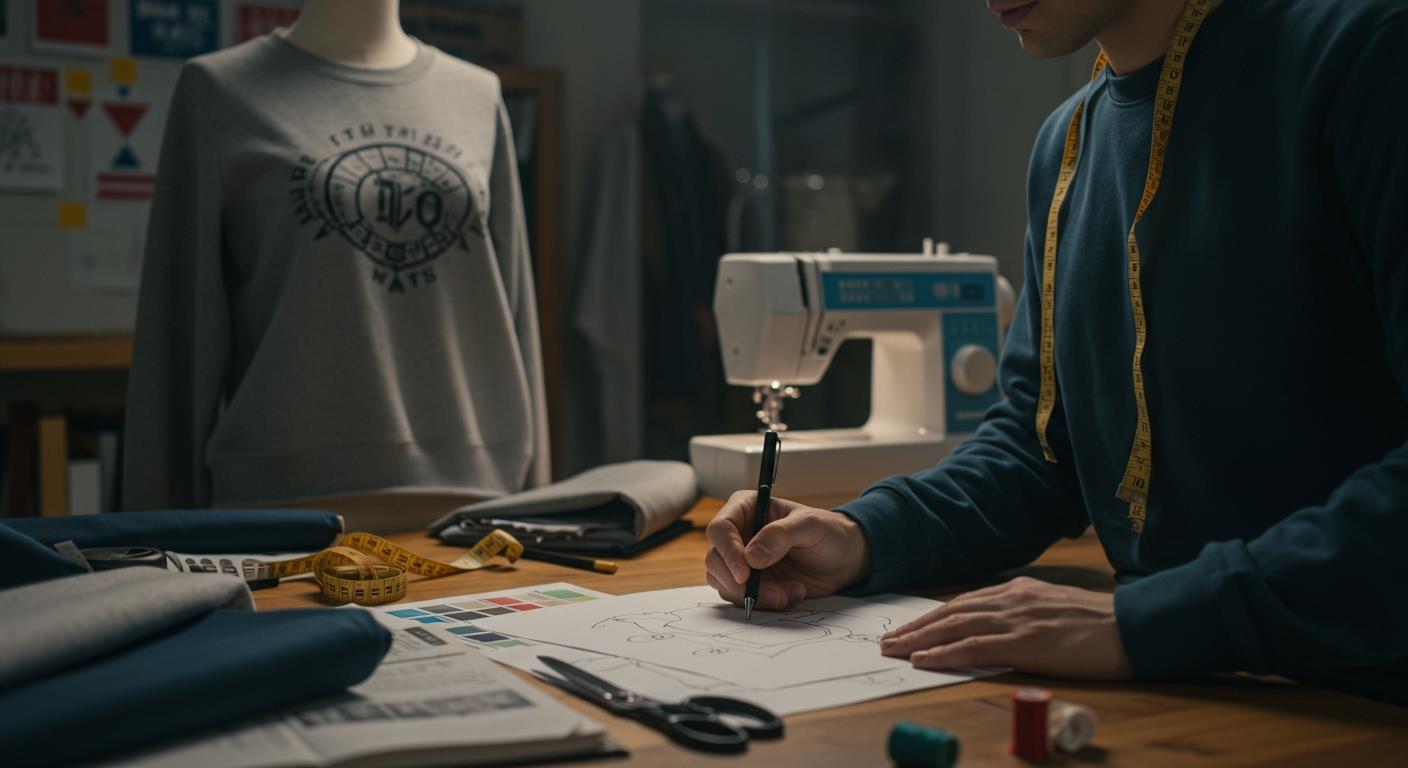
I manufacture custom sweatshirts by following a structured process that starts with precise planning and a clear design. The custom hoodie manufacturing industry continues to grow, with the market valued at over USD 227 billion in 2024 and projected to rise steadily. I focus on creating detailed tech packs, selecting quality apparel materials, and partnering with a reliable sweatshirt manufacturer. Many beginners struggle to find reputable custom hoodie partners or maintain consistent quality in custom hoodie manufacturing. My approach to custom hoodie manufacturing ensures each custom hoodie and apparel piece meets high standards, despite challenges like small production runs or limited budgets. Custom hoodies and hoodies require careful design, thorough tech pack creation, and close attention to every step of custom hoodie manufacturing for success in the apparel industry.
Key Takeaways
Define your target audience before designing custom hoodies. Understanding preferences helps create appealing garments.
Set clear goals for your custom hoodie project. Aligning goals with audience needs maximizes impact and avoids costly mistakes.
Create a detailed tech pack. This document communicates your design vision and technical requirements to manufacturers, ensuring accuracy.
Choose quality materials based on comfort and durability. Evaluate fabric options like cotton, polyester, and blends to meet your design goals.
Select the right printing method for your design. Screen printing is cost-effective for bulk orders, while DTG suits detailed artwork.
Implement a thorough quality control process. Inspect each hoodie for defects and test for durability to maintain high standards.
Research and choose a reliable sweatshirt manufacturer. Evaluate their experience, capabilities, and communication to ensure a successful partnership.
Focus on packaging and labeling as extensions of your brand. Custom packaging enhances the unboxing experience and reinforces brand identity.
Planning Your Custom Hoodie
Concept
Audience
When I start designing for custom apparel, I always define my target audience. I research customer preferences and analyze trends in custom hoodies. This step helps me create personalized garments that resonate with my buyers. For example, if my audience prefers streetwear, I focus on bold graphics and oversized fits. If they want athletic wear, I prioritize performance fabrics and minimalist designs. Understanding the audience ensures my custom hoodie stands out in a crowded apparel market.
Goals
Setting clear goals guides my entire custom hoodie project. I determine the purpose of the hoodie—whether it’s for a brand launch, a limited edition drop, or team uniforms. I outline what I want to achieve, such as increasing brand awareness, promoting a logo, or offering comfort and style. These goals shape every decision, from fabric selection to logo placement. When I have a solid plan, I avoid costly mistakes during production.
Tip: Always align your goals with your audience’s needs to maximize the impact of your custom hoodies.
Design Elements
Colors
Choosing the right color palette is crucial when designing a custom hoodie. I select colors that reflect my brand identity and appeal to my audience. Current fashion trends favor color block hoodies and vibrant combinations. I use color schemes that enhance the visual appeal of my personalized garments and make the logo pop. The right colors can turn a simple hoodie into a statement piece.
Graphics
Graphics play a major role in creating a unique design for custom hoodies. I experiment with oversized graphics, artistic illustrations, and typography-driven designs. Placement matters—I often position the logo on the chest, sleeve, or back for maximum visibility. I keep my graphics simple and clear to convey my brand message effectively. This approach aligns with the latest trends in designing for custom apparel.
Design Element | Description |
|---|---|
Fabric | Cotton or blends for comfort and durability |
Fit | Snug, regular, or oversized to match style intent |
Logo | Central, sleeve, or back placement for brand recognition |
Graphics | Retro, street art, or pop culture references |
Color Schemes | Vibrant or neutral, depending on audience and brand |
Style & Fit
Hoodie Types
I choose from several hoodie types when designing a custom hoodie. Pullover and zip-up styles each offer unique benefits. Pullover hoodies provide a classic look, while zip-ups add versatility. I also consider pocket styles, such as kangaroo or side-seam pockets, to enhance both function and aesthetics. Selecting the right type supports my goals and appeals to my audience.
Sizing
Sizing is critical in designing for custom apparel. I offer a wide size range to accommodate body diversity. A perfect fit reduces return rates and increases customer satisfaction. I pay close attention to size charts and fit samples before production. Inconsistent sizing leads to negative reviews and lost sales. I always prioritize fit to ensure my personalized garments deliver comfort and style.
Note: Fit includes size, cut, and shape. A well-fitted custom hoodie encourages repeat purchases and builds brand loyalty.
A solid design forms the foundation of every successful custom hoodie project. When I invest time in planning, I streamline production, minimize errors, and create custom hoodies that customers love. Designing a custom hoodie with attention to detail ensures my apparel stands out and supports my brand’s growth.
Creating a Tech Pack
A tech pack serves as the backbone of every successful custom hoodie project. I rely on this document to communicate my design vision and technical requirements to manufacturers. The tech pack bridges the gap between designers and factories, especially when working with international partners. It provides clear instructions and technical details, which keeps everyone aligned and reduces misunderstandings during the apparel production process.
When I prepare a tech pack, I include all the information manufacturers need to produce my custom hoodie accurately. This document helps me manage costs by allowing factories to estimate material and labor expenses before production starts. I also use the tech pack to outline production timelines and sourcing details, which supports financial stability for my apparel business. By specifying measurements and construction details, I maintain strict quality control and ensure the final product matches my original design.
Design Details
Measurements
Precise measurements form the foundation of any tech pack. I list the dimensions for each part of the custom hoodie, such as chest width, sleeve length, and body length. These specifications guarantee a consistent fit across all sizes. I always double-check my measurement chart to avoid costly errors and returns. Accurate measurements help manufacturers deliver apparel that meets my standards.
Artwork
Artwork brings my design to life. I include technical sketches with callouts that highlight important features, such as logo placement or unique stitching. I add colorways to show how the custom hoodie will look in different shades. I attach high-resolution files of graphics and prints, which ensures the factory reproduces my design exactly as intended. Clear artwork instructions minimize mistakes and keep my branding consistent.
Specifications
Materials
I specify every material used in my custom hoodie, from the main fabric to trims and labels. I include material swatches to verify texture, weight, and color. Listing the bill of materials (BOM) helps manufacturers source the right components and maintain quality throughout the apparel production process. I always confirm that my chosen materials align with my design goals and audience preferences.
Construction
Construction details guide the assembly of my custom hoodie. I describe stitching techniques, seam types, and finishing methods. I provide step-by-step instructions to ensure the factory follows my design precisely. I also include grading and sizing charts to maintain fit across all sizes. By outlining these specifications, I reduce the risk of discrepancies and guarantee a high-quality final product.
Tip: A complete tech pack includes a cover page, technical sketches, bill of materials, measurement chart, construction details, artwork, colorways, labeling, packaging instructions, and revision history.
Component | Description |
|---|---|
Design Sketches | Visual guides that illustrate the garment’s design, including details like button placement. |
Measurement Specifications | Lists precise measurements for each part of the garment to ensure consistent fit. |
Material Swatches | Physical samples of fabrics and trims to verify texture, weight, and color. |
Construction Details | Step-by-step assembly instructions detailing stitching techniques and seam types. |
Grading and Sizing | A chart showing how dimensions change with size to maintain fit across all sizes. |
Labeling and Packaging Requirements | Specifications for logo placement, label materials, and packaging design for branding consistency. |
A well-prepared tech pack sets the stage for efficient, high-quality custom hoodie manufacturing. I use this tool to protect my design vision, control costs, and deliver apparel that exceeds customer expectations.
Selecting Materials
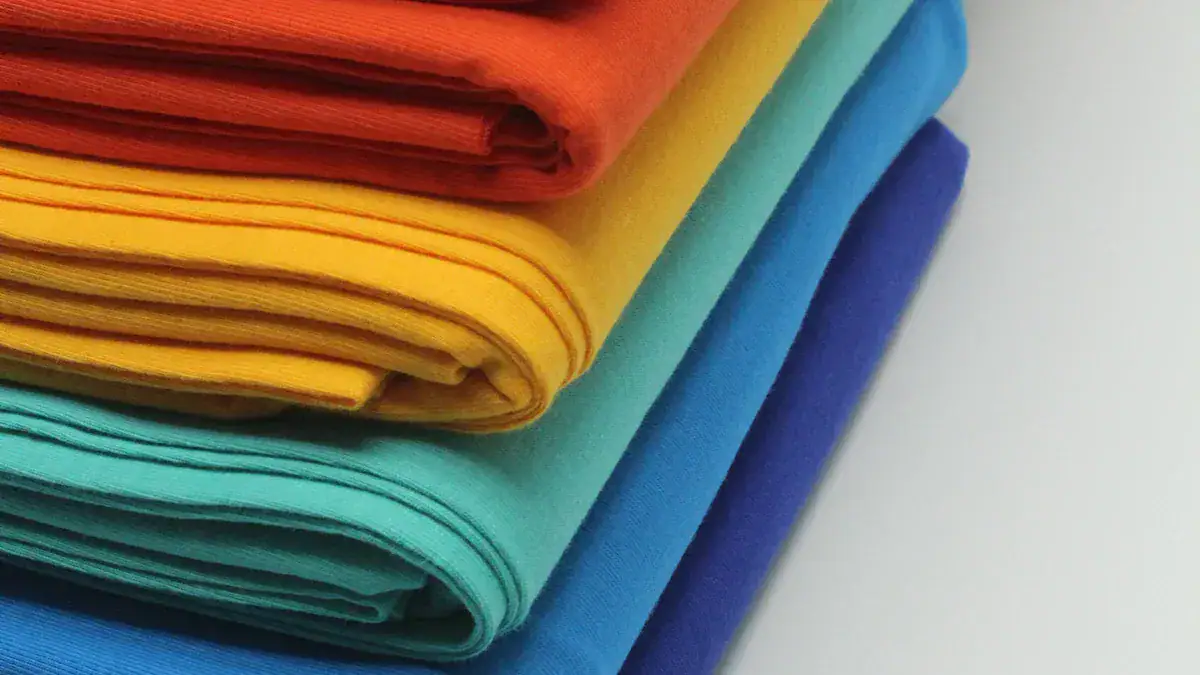
Choosing the right materials shapes the success of any custom sweatshirt project. I always start by evaluating fabric options, as each type brings unique benefits to the design and overall apparel quality.
Fabric Options
Cotton
I often select heavyweight cotton for custom sweatshirts when I want durability and a natural feel. Cotton ages beautifully and holds its shape well due to its dense weave. This fabric breathes easily, making it comfortable for everyday wear. However, cotton may feel stiff at first and needs some breaking in before it reaches peak comfort.
Polyester
Polyester offers excellent moisture-wicking properties and resists shrinking. I use polyester when I need a lightweight, quick-drying option for activewear or performance apparel. It holds color well, which keeps the design vibrant after many washes. Polyester can sometimes feel less soft than natural fibers, so I weigh this against the needs of my audience.
Blends
Blended fabrics combine the strengths of cotton and polyester. I choose blends for custom hoodies that require both comfort and durability. These materials balance softness, breathability, and resilience, making them ideal for versatile apparel collections.
Fleece
Fleece stands out for its immediate coziness and warmth. I recommend fleece for custom sweatshirts meant for colder climates or lounging. The soft surface feels great against the skin, but fleece can pill over time and sometimes traps too much heat, reducing breathability.
French Terry
French terry provides a refined look and excellent moisture management. I use this fabric for transitional weather or when I want a lighter, more breathable option. French terry stretches out with wear, so I monitor fit closely during the design process.
Advantages | Disadvantages | |
|---|---|---|
Heavyweight Cotton | Durable and ages beautifully | May require breaking in for comfort |
French Terry | Moisture-wicking and breathable | Tends to stretch out over time |
Fleece | Immediately cozy and warm | Prone to pilling and faster wear |
Quality Factors
Weight
I pay close attention to fabric weight when designing custom hoodies. Heavier fabrics provide warmth and structure, making them perfect for winter apparel. Midweight options offer a balance between comfort and durability, holding their shape after repeated washing. The right weight ensures the hoodie feels good and performs well in its intended environment.
Durability
Durability determines how long a custom sweatshirt lasts and how well it maintains its appearance. I select materials that resist tearing and fading, which helps my apparel stay functional and attractive over time. High fabric quality means fewer returns and happier customers.
Tip: Always request fabric swatches and test for pilling, shrinkage, and colorfastness before finalizing your material choice.
Sourcing
Local
I often source materials from local suppliers when I need fast turnaround and clear communication. Domestic sourcing reduces shipping costs and lead times, usually delivering fabric within two to three weeks. I find it easier to visit local mills or showrooms, which helps me verify fabric quality in person.
Overseas
When I need lower per-unit costs or unique fabric options, I consider overseas suppliers. International sourcing can extend lead times to six to eight weeks and increase shipping expenses. I always factor in import duties and taxes, which vary by country. To manage these challenges, I define my unit cost target, determine order volume based on minimum order quantities, and plan my timeline carefully.
Understanding the types of fabric suppliers helps me make informed decisions. Fabric mills create custom materials, converters finish raw goods, jobbers offer discounted leftovers, and sourcing agents help negotiate with manufacturers. Each option serves different needs depending on my design and production goals.
Note: I always balance cost, lead time, and fabric quality to ensure my custom apparel meets both my standards and my customers’ expectations.
Printing & Embellishments
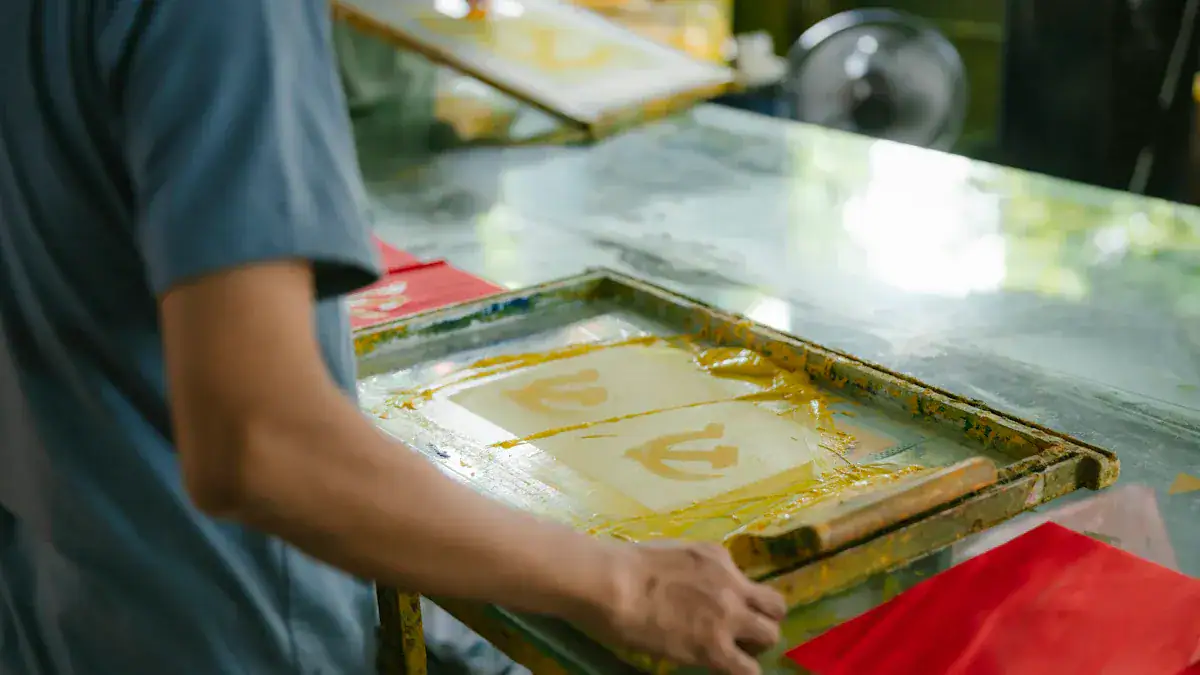
Selecting the right printing and embellishment method shapes the final look and feel of custom hoodies. I always consider the design, fabric, and intended use before choosing a custom apparel printing technique. Each method offers unique benefits for custom printed apparel, and the right choice can elevate the quality of custom hoodies.
Printing Techniques
Screen Printing
Screen printing remains my go-to for bulk custom apparel printing. This method uses mesh screens to transfer ink onto the hoodie fabric. I choose screen printing for custom hoodies when I want vibrant colors and long-lasting prints. The process works best for simple designs with limited colors. It also keeps costs low for large orders, making it ideal for custom printed apparel collections.
DTG
Direct-to-Garment (DTG) printing allows me to create complex, full-color designs on custom hoodies. I use DTG for small runs or when I need detailed artwork. The process prints directly onto the apparel, capturing gradients and intricate graphics. While DTG offers flexibility, it costs more for bulk orders and may not last as long as screen printing on custom printed apparel.
Sublimation
Sublimation printing gives me the ability to produce all-over prints on polyester custom hoodies. The process uses heat to transfer dye into the fabric, resulting in vibrant, long-lasting colors. I recommend sublimation for custom apparel printing when the design requires edge-to-edge coverage. However, it only works on polyester fabrics, so I always check fabric compatibility before choosing this method.
Printing Technique | Quality Aspects | |
|---|---|---|
Screen Printing | Cost-effective for bulk orders | Durable, vibrant colors |
Direct-to-Garment (DTG) | No minimum order quantity, higher cost for bulk | Great for complex designs, less durable than screen printing |
Sublimation | Only works on polyester, can be cost-effective | Long-lasting, vibrant prints |
Embroidery
Standard
Standard embroidery adds a classic, textured finish to custom hoodies. I use this method for logos and simple graphics on custom printed apparel. Standard embroidery works on a wide range of fabrics, including lightweight and heavyweight options. The result is a smooth, professional look that stands up to repeated washing.
3D Puff
3D puff embroidery creates a bold, raised effect on custom hoodies. I select this technique for designs that need extra dimension and tactile appeal. 3D puff embroidery requires thicker fabrics like heavy cotton or wool blends. While it delivers a striking appearance, it costs more and may show wear faster than standard embroidery.
Standard Embroidery | 3D Puff Embroidery | |
|---|---|---|
Dimensionality | One-dimensional | Raised effect due to foam |
Aesthetic Appeal | Classic and smooth appearance | Bold, tactile, and visually striking |
Tip: I always match the embroidery style to the fabric and design complexity for the best results in custom apparel printing.
Extras
Patches
Patches offer a versatile way to add branding or unique graphics to custom hoodies. I use embroidered, woven, or printed patches for custom printed apparel when I want a removable or layered look. Patches work well for limited edition drops or collaborations.
Labels
Labels complete the custom hoodie experience. I choose woven or printed labels to reinforce my brand identity on custom printed apparel. Custom labels can include care instructions, size, or special edition details, adding value to every hoodie.
When I select a custom apparel printing or embroidery method, I consider several factors:
Design complexity
Durability
Cost
Fabric compatibility
Desired aesthetic finish
Custom apparel printing methods like screen printing and DTG suit different needs. Embroidery adds texture and luxury to custom hoodies. Patches and labels provide extra branding opportunities. I always align my choice with the design, fabric, and target audience to ensure my custom printed apparel stands out in the market.
Production Process
The production process transforms a custom hoodie design into a finished product ready for the market. I follow a structured workflow to ensure every piece of apparel meets my standards for quality and consistency. Each stage builds on the last, from pattern creation to final assembly.
Stage | Description |
|---|---|
Design | Initial concept and design of the sweatshirt. |
Prototyping | Creating samples to test the design and fit. |
Pre-production processes | Procurement of raw materials and pattern making. |
Production planning | Planning and scheduling of resources for manufacturing. |
Cutting | Preparation of fabric pieces for assembly. |
Manufacturing and quality control | Assembly of garments and inspection for quality assurance. |
Post-production inspections | Final checks and packing before distribution. |
Pattern Creation
Custom Fit
I start with pattern creation, which forms the blueprint for every custom hoodie. I draft patterns based on my tech pack, focusing on the fit and silhouette that define my brand. Custom fit patterns allow me to offer apparel that stands out in the market. I adjust the pattern to match the intended style, whether I want a relaxed streetwear look or a more tailored athletic fit. I always test my patterns with prototypes to confirm comfort and movement.
Size Range
Offering a wide size range is essential for inclusive apparel. I grade my patterns to cover all intended sizes, from XS to XXL or beyond. This process ensures that each custom hoodie fits consistently, regardless of size. I check measurements at every stage to avoid discrepancies. Accurate grading reduces returns and builds trust with my customers.
Cutting & Sewing
Manual
Manual cutting and sewing require skilled hands and attention to detail. I use manual methods for small batches or when working with intricate designs. Manual cutting allows me to make adjustments on the fly, which is helpful for unique custom hoodie projects. However, manual processes can introduce inconsistencies if not closely monitored. I train my team to inspect each piece of apparel for alignment and accuracy before moving to the next step.
Automated
Automated cutting and sewing systems have transformed the apparel industry. I use automated machines for larger production runs to boost efficiency and maintain quality. Automation enhances production speed and reduces labor costs. Advanced cutting machines minimize material waste by using precise layouts. Automated sewing equipment delivers consistent stitching, which improves the overall quality of each custom hoodie. I rely on automation to reduce human error and ensure every garment meets my specifications.
Tip: I always balance manual craftsmanship with automation. For complex custom designs, I may start with manual methods, then switch to automated systems for bulk production.
Assembly
Stitching
Stitching brings all the fabric pieces together. I select stitching techniques based on the fabric and design of the custom hoodie. Flatlock seams work well for athletic apparel, while overlock stitching provides durability for everyday wear. I inspect each seam for strength and neatness. Consistent stitching is key to delivering high-quality apparel that lasts.
Ribbing
Ribbing adds structure and comfort to the cuffs, waistband, and neckline. I choose ribbed fabrics that match the main material in color and stretch. Proper ribbing ensures the custom hoodie retains its shape after repeated wear. I attach ribbing with reinforced stitching to prevent fraying and maintain a polished look.
Note: I oversee every step of assembly to guarantee that each piece of apparel reflects my commitment to quality. I check for even seams, secure ribbing, and smooth finishes before moving to quality control.
By following a detailed production process, I create custom hoodies that meet my standards for fit, durability, and style. Careful pattern creation, precise cutting and sewing, and thorough assembly ensure that every piece of apparel stands out in a competitive market.
Quality Control
Quality control stands as the final safeguard in my custom sweatshirt production process. I rely on a systematic approach to ensure every hoodie meets my standards for durability, comfort, and appearance. I never skip this step because it protects my brand reputation and keeps my customers satisfied.
Inspection
I begin with a thorough inspection of each sweatshirt. I check for visible defects, such as stains, uneven stitching, and fabric flaws. I examine every seam to confirm that stitching remains even and strong. I look for loose threads and verify that seam allowances match my specifications. I inspect ribbing and cuffs to ensure they hold their shape and color.
I use a checklist to guide my inspection process:
I review the garment for stains, snags, and holes.
I check stitching for consistency and strength.
I confirm that all labels and patches are attached correctly.
I measure key dimensions to verify sizing accuracy.
I also compare each finished hoodie to my tech pack and design samples. This step helps me catch any deviations before the product reaches my customers.
Description | |
|---|---|
Fabric Quality | I test for abrasion resistance, inspect for defects, and measure physical attributes. |
Stitching Quality | I check for even stitching, absence of loose threads, and proper seam allowances. |
Colorfastness | I test the fabric’s ability to retain color under various conditions. |
Tip: I always inspect garments under bright, natural light. This practice helps me spot subtle defects that artificial lighting might hide.
Testing
Inspection alone does not guarantee quality. I perform a series of tests to evaluate the physical and chemical properties of my sweatshirts. I want every hoodie to withstand daily wear and repeated washing.
I conduct physical tests, such as pull tests and stretch tests, to assess the strength and structure of seams and fabrics. I use chemical tests to check for harmful substances and confirm colorfastness. I also run performance tests to see how the garment reacts to washing, stretching, and abrasion.
My testing routine includes:
Physical Tests: I pull and stretch seams to check for durability.
Chemical Tests: I verify that the fabric contains no harmful chemicals and that colors do not bleed.
Performance Tests: I wash and dry sample hoodies to observe shrinkage, pilling, and fading.
Visual Inspection: I look for any remaining defects after testing.
Physical Tests: Assess strength and structure, including pull tests and stretch tests.
Chemical Tests: Ensure safety by checking for harmful substances and colorfastness.
Performance Tests: Evaluate how garments react to washing and stretching.
Visual Inspection: Identify obvious defects like stains and uneven stitching.
I document all results and share feedback with my production team. If I find any issues, I address them immediately to prevent future problems.
Note: Consistent quality control builds trust with my customers and reduces costly returns. I always prioritize inspection and testing before shipping any custom hoodie.
Choosing a Sweatshirt Manufacturer
Selecting the right sweatshirt manufacturer shapes the entire outcome of my custom hoodie project. I always approach this step with careful research and a clear checklist. My goal is to find a reliable custom hoodie manufacturer who can deliver the perfect custom hoodie every time, whether I need a small batch for a brand launch or a large-scale run for a retail collection.
Manufacturer Criteria
Experience
I start by looking for a sweatshirt manufacturer with a proven track record. Experience matters because it shows that the manufacturer understands the challenges of custom apparel production. I always ask for a portfolio or client testimonials. These references help me gauge their expertise in custom hoodies and their ability to meet specific design requirements. I also request samples to inspect material quality and construction firsthand. This step helps me avoid costly mistakes and ensures my hoodies meet my standards.
Capabilities
A professional hoodie manufacturer must offer a range of capabilities. I check if they can handle my desired order size and meet tight deadlines. Production capacity and turnaround time are critical, especially when I need to launch a new line quickly. I also assess their customization options. The best sweatshirt manufacturer provides flexibility in colors, sizes, prints, and embroidery. I look for clear communication and quick responses, which signal reliability. I always confirm that they can provide prototypes or samples before I commit to a large order. Sustainability practices matter to me, so I verify factory certifications and environmental policies when possible.
Tip: I never skip the step of requesting samples. This simple action saves me from unexpected surprises and helps me maintain quality control.
Checklist for Evaluating a Sweatshirt Manufacturer:
Proven experience and positive reputation
Ability to provide samples or prototypes
Clear listing of fabric types, weights, and care instructions
Flexible customization options for design, size, and embellishments
Sufficient production capacity and reliable turnaround times
Transparent communication and responsiveness
Commitment to sustainability and ethical practices
Custom Hoodie Manufacturers
Domestic
When I choose a domestic sweatshirt manufacturer, I gain better control over quality and communication. US-based manufacturers usually offer faster delivery speeds, with lead times averaging 60 to 90 days from final order confirmation. I find it easier to visit their facilities, review samples in person, and resolve issues quickly. Domestic production often results in higher costs, but the investment pays off in consistent quality and peace of mind. For projects where quality and speed matter most—like limited edition drops or urgent restocks—I prefer working with local partners.
International
International custom hoodie manufacturers offer lower cost per unit, making it more cost-effective to order custom hoodies in large quantities. Overseas production typically requires longer lead times, ranging from 90 to 120 days. Quality can vary by region, so I always do extra research and request detailed samples before placing a large order. International manufacturers often provide access to unique fabrics and advanced customization options. However, I factor in shipping costs, import duties, and potential communication barriers. For large-scale projects or when I need to maximize cost savings, I consider reputable international partners.
Factor | Domestic | International |
|---|---|---|
Cost | Higher costs | Lower cost |
Quality | Better control | Varies by region |
Delivery speed | Faster | Longer shipping time |
Note: I weigh the benefits of each option based on my project goals, budget, and timeline. For the top uses for custom hoodies, such as team uniforms or branded merchandise, domestic manufacturers often provide the reliability I need. For large retail orders or promotional campaigns, international partners help me keep costs down.
MOQs & Pricing
Small Batch
When I launch a new brand or test a design, I look for a sweatshirt manufacturer who accepts small batch orders. Typical minimum order quantities (MOQs) for hoodies range from 100 to 300 pieces. Small batch production allows me to experiment with new styles and gauge customer interest without a huge upfront investment. I expect to pay a higher cost per unit for small runs, but the flexibility helps me refine my product before scaling up. Production complexity, such as heavier fabrics or custom details like drawcords and embroidery, can increase both the MOQ and the cost.
Large Scale
For established brands or major campaigns, I work with manufacturers who can handle large-scale orders. Ordering in bulk lowers the cost per hoodie, making it more cost-effective to order custom hoodies for retail or wholesale. I negotiate pricing based on fabric choice, design complexity, and order volume. Higher quality materials, such as premium fleece or organic cotton, increase the overall cost but deliver better comfort and longevity. Ethical sourcing and sustainable options may also raise the price, but I value these features for my brand reputation.
Key Pricing Factors:
Fabric choice (fleece, cotton, polyester) impacts cost and comfort
Customization level (prints, embroidery, patches) affects pricing
Higher quality materials and ethical sourcing increase the final price
Order volume determines cost per unit
Tip: I always balance my budget with my quality standards. I select materials and customization options that align with my brand and my customers’ expectations.
Summary Table: Small Batch vs. Large Scale
Order Size | MOQ (Pieces) | Cost per Hoodie | Best For |
|---|---|---|---|
Small Batch | 100–300 | Higher | New brands, limited editions |
Large Scale | 500+ | Lower | Retail, wholesale, big campaigns |
Choosing the right sweatshirt manufacturer requires research, clear communication, and a focus on quality and cost. I always prioritize experience, capabilities, and reliability. By comparing domestic and international options, I find the best fit for my project goals. Understanding MOQs and pricing structures helps me plan my budget and deliver the perfect custom hoodie for every customer. For the top uses for custom hoodies, such as team gear or branded giveaways, working with professional hoodie manufacturers ensures my apparel stands out in the market.
Final Steps
Packaging
Custom Options
I always treat packaging as an extension of my brand. When I ship custom hoodies, I select packaging that enhances the unboxing experience and reinforces my brand identity. Some of the most popular options include:
Poly mailers: Lightweight and customizable, perfect for e-commerce orders.
Ziplock bags: Keep each hoodie clean and compact, improving presentation.
Kraft or branded boxes: Offer a premium feel and work well for luxury apparel shipments.
Hang tags and wrapping: Add professionalism and communicate my brand message.
Garment bags: Provide extra protection and signal a high-end product.
Custom packaging matters. Unique or branded packaging encourages 65% of customers to share their unboxing on social media. Over half of buyers say premium packaging makes them more likely to buy again. I often use branded tissue paper and ribbons to build trust and encourage repeat purchases. The right packaging design helps my custom apparel stand out in a crowded market.
Eco-Friendly
I prioritize eco-friendly packaging whenever possible. Using biodegradable materials reduces my environmental impact and appeals to customers who care about sustainability. Eco-friendly packaging also differentiates my brand and attracts a growing segment of conscious consumers. While the initial cost can be higher, I find that minimalist, sustainable packaging often saves money by reducing waste. I educate my customers about my sustainable practices to build loyalty and trust.
Labeling
Care
Proper labeling is essential for every custom hoodie I produce. I include care instructions using clear symbols. In the US, I follow ASTM standards, while in the EU, I use GINETEX symbols. Accurate care labels help customers keep their hoodies looking new and reduce returns due to improper washing.
Brand
Brand labels reinforce my identity and add value to my custom hoodies. I include my business name, logo, and sometimes a unique message. In the US, I comply with FTC regulations, listing fiber content, country of origin, and manufacturer identification. These details build credibility and ensure my apparel meets legal requirements.
Requirement | US Requirements | EU Requirements |
|---|---|---|
Fiber Content Disclosure | Mandatory | Mandatory |
Country of Origin | Mandatory | Not always required |
Care Instructions | ASTM symbols (ASTM D5489) | GINETEX symbols |
Manufacturer Identification | Required (e.g., RN number or business name) | Not always required |
Shipping
Partners
I choose shipping partners who understand the needs of small apparel brands. Reliable partners help me deliver custom hoodies on time and handle peak periods smoothly. I keep communication open to manage exceptions and avoid delays.
Inventory
Managing inventory is crucial for fulfilling orders efficiently. I use tools like Zoho Inventory or Ordoro to track stock and sync orders across channels. These systems help me avoid overselling and keep my custom hoodie business organized. I automate order fulfillment when possible to save time and reduce errors. Dropshipping can minimize inventory costs, especially when I launch new designs or test the market.
Tip: I regularly order samples and test my fulfillment process to maintain quality and prevent mistakes.
By focusing on packaging, labeling, and shipping, I ensure every custom hoodie reaches customers in perfect condition. Careful attention to these final steps builds loyalty and sets my apparel brand apart.
I guide every custom hoodie from concept to delivery by focusing on planning, tech packs, material selection, and choosing the right manufacturer. A successful custom hoodie project relies on these steps for consistent results. Case studies show that collaboration, storytelling, and innovative printing drive custom apparel success:
Case Study Title | Key Takeaway |
|---|---|
Interlochen Center for the Arts | Collaboration with organizations enhances brand visibility and community engagement. |
Empowering a Nationwide Workforce with Branded Apparel | Storytelling in apparel can strengthen brand identity and customer loyalty. |
Grand Traverse Bay YMCA Online Store | Innovative printing techniques can streamline the ordering process and improve customer experience. |
Grand Traverse Guns N Hoses | Supporting local charities through custom apparel can foster community support and brand goodwill. |
Traverse City Little League Uniforms | Providing a seamless outfitting experience can enhance customer satisfaction and repeat business. |
I encourage you to apply these strategies to your own custom projects. For those ready to start, I recommend these resources:
How to Start a Hoodie Business: Complete Guide in 2025
Shopify and Canva for online store setup
Printify’s Resource Center for print-on-demand insights
FAQ
What is a tech pack, and why do I need one?
A tech pack is a detailed document that outlines every aspect of my design. I use it to communicate measurements, materials, and artwork to manufacturers. This step helps me avoid mistakes and ensures my custom hoodie matches my vision.
How do I choose the right fabric for my sweatshirt?
I select fabric based on comfort, durability, and style. I request swatches and test for shrinkage and pilling. Cotton, fleece, and blends work well for custom sweatshirts. I always match fabric to my audience’s needs.
What is the minimum order quantity (MOQ) for custom hoodies?
Most manufacturers require a minimum order quantity. I find that MOQs for custom hoodies usually range from 100 to 300 pieces. Small batch options let me test designs before scaling up.
Can I order samples before full production?
Yes, I always request samples before placing a large order. Samples help me check fit, print quality, and construction. This step protects my investment and ensures my custom apparel meets expectations.
What printing method works best for custom sweatshirts?
Screen printing suits bulk orders and simple designs. DTG printing works for detailed artwork and small runs. I choose the method based on my design complexity, fabric type, and budget.
How long does it take to manufacture custom hoodies?
Production time varies by manufacturer and order size. Domestic orders take 60 to 90 days. International orders may require 90 to 120 days. I plan my timeline carefully to meet deadlines.
How do I ensure quality control during production?
I inspect every hoodie for defects, measure key dimensions, and test for durability. I use a checklist and compare finished products to my tech pack. Consistent quality control keeps my custom apparel reliable.
Tip: I always communicate clearly with my manufacturer and document every step to avoid misunderstandings.
Step | Purpose |
|---|---|
Request Samples | Verify quality and fit |
Inspect Production | Catch defects early |
Review Tech Pack | Ensure design accuracy |