

Essential Tips for Designing Custom Company Polo Shirts with Logos
Table of Contents
Display
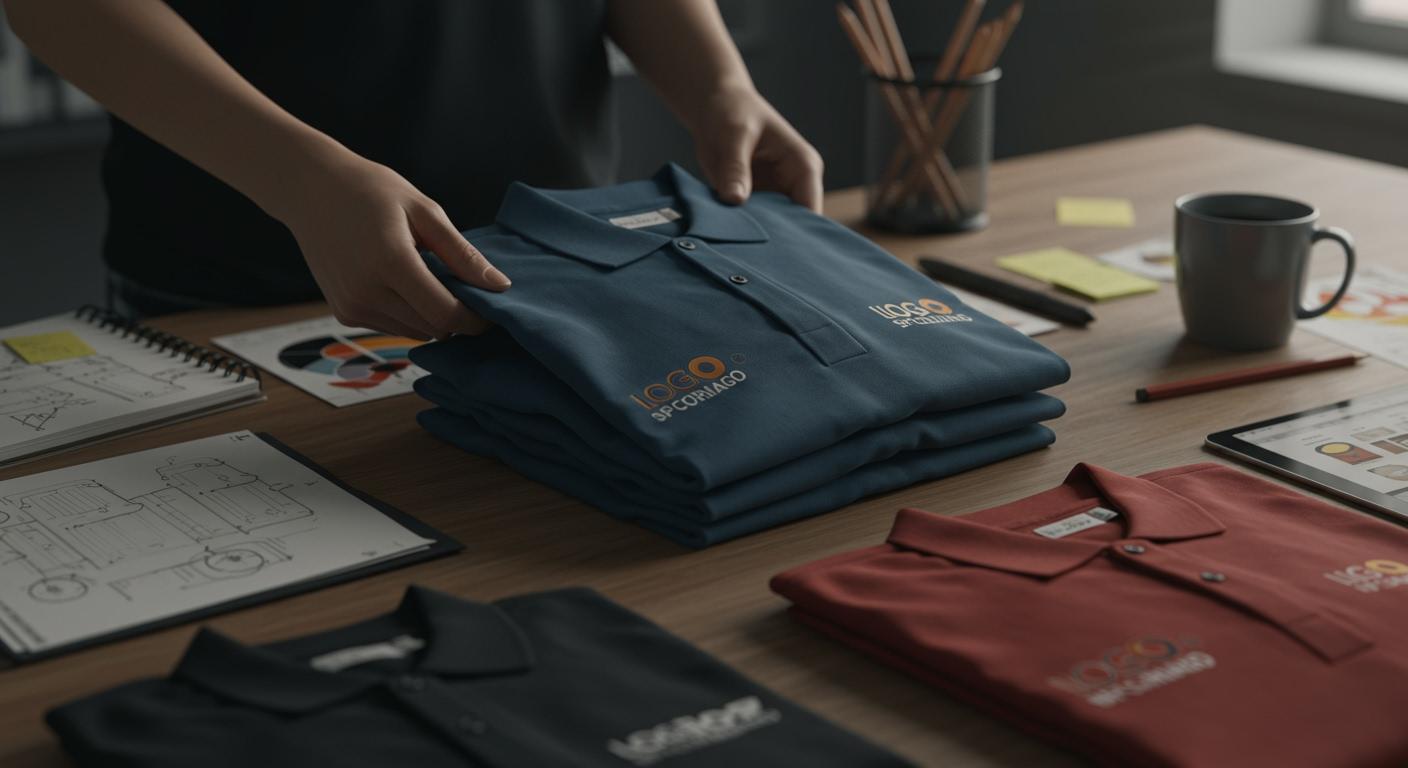
Are you ready to design incredible company polo shirts that boost your brand and unify your team? Start by choosing a clean, simple design that highlights your logo without overwhelming the shirt. Focus on consistency—this ensures every company polo shirt projects a polished image. Recent business surveys show:
64% of people see businesses as more professional when staff wear branded apparel.
60% report increased trust in companies with logoed uniforms.
Use these insights to design incredible company polo shirts that impress clients and inspire your team.
Key Takeaways
Choose a clean and simple design for your polo shirts to highlight your logo effectively.
Branded polo shirts increase brand visibility, acting as walking advertisements for your business.
A professional appearance boosts employee confidence and enhances client trust.
Custom polo shirts foster team cohesion, creating a sense of belonging among employees.
Select the right fabric for comfort and durability to ensure your team feels good wearing the shirts.
Strategic logo placement maximizes visibility and reinforces professionalism.
Request samples before bulk orders to verify quality and branding accuracy.
Communicate clearly with suppliers to avoid misunderstandings and ensure timely delivery.
Benefits of Promotional Company Polo Shirts
Brand Visibility
You can maximize your brand’s reach by outfitting your team in promotional company polo shirts. Every time your employees wear these shirts, your logo and colors become visible to clients, prospects, and the public. Think of each shirt as a walking billboard for your business. The impact is measurable:
Metric | Value |
|---|---|
Impressions per item | |
Context of exposure | Client meetings, job sites, events, commutes |
Nature of promotional item | Walking billboard |
Promotional polo shirts generate thousands of impressions in diverse settings. You gain exposure at client meetings, on job sites, during commutes, and at events. This consistent visibility helps your brand stay top-of-mind.
Branded polo shirts act as walking advertisements, increasing familiarity and trust among customers.
The emotional connection created by color and logo design enhances brand perception.
Differentiation from competitors is achieved through unique branding on polo shirts, making them stand out in promotional efforts.
Custom polo shirts can foster customer loyalty by associating quality and comfort with the brand.
Professional Image
Promotional company polo shirts elevate your team’s appearance and reinforce your brand’s credibility. When your staff dresses in coordinated, branded apparel, you project a unified and polished image. This professional look builds trust with clients and partners.
Dressing professionally boosts employee confidence and responsibility.
A professional appearance enhances client trust and credibility during interactions.
Consistent branding through uniforms reinforces a polished company image.
Branded uniforms improve the company’s professional image in marketing materials.
Identifiers like logos foster team unity, leading to higher morale and productivity.
You set a standard for excellence when you choose promotional polo shirts for your team. Clients notice the attention to detail, and your employees feel empowered to represent your brand.
Team Cohesion
Promotional company polo shirts do more than promote your brand; they also strengthen your team. When everyone wears the same shirt, employees feel a sense of belonging and pride. This shared identity can improve workplace morale and collaboration.
Custom polo shirts with logos promote brand identity and team unity.
They create a professional image for employees, enhancing their sense of belonging.
These shirts help employees feel like part of a cohesive team, which can improve interactions and strengthen collective identity.
Tip: Encourage your team to wear their promotional polo shirts at company events and meetings. You will notice a boost in team spirit and a stronger sense of unity.
Design Process for Custom Polo Shirts

Shirt Style Selection
Choosing the right shirt style sets the foundation for your team’s appearance and comfort. You want your custom polo shirts to reflect your brand’s professionalism while ensuring employees feel confident and at ease.
Classic Fit
Classic fit polo shirts offer a timeless silhouette. This style provides a relaxed cut, making it suitable for a wide range of body types. You often see classic fits in traditional business settings where comfort and a polished look matter most. Popular options include:
Ash City Core 365 Men’s Origin Performance Piqué Polo: Delivers comfort, durability, and performance at a budget-friendly price.
Port Authority Silk Touch Polo: Known for its shrink and wrinkle resistance, this shirt requires minimal maintenance and always looks crisp.
Classic fit shirts work well if you want a versatile option that balances comfort and a professional image.
Modern Fit
Modern fit polo shirts feature a slimmer, more tailored cut. This style appeals to teams seeking a contemporary, stylish look. Employees who prefer a closer fit often choose modern styles for their comfort and updated appearance. The Gildan DryBlend Jersey Sport Shirt stands out for its moisture-wicking properties and comfortable fit, making it ideal for active workplaces.
Tip: Survey your team before finalizing the fit. Employee input ensures your custom business polo shirts deliver both comfort and satisfaction.
A well-chosen style fosters a sense of belonging and boosts morale. Coordinated, well-designed uniforms signal credibility to customers and help your team feel united.
Color Choice
Selecting the right color for your custom polo shirts impacts both brand perception and employee satisfaction. You want to balance your company’s visual identity with practical considerations.
Brand Colors
Aligning your shirt colors with your brand’s palette reinforces recognition and consistency. Use the following table to match popular shirt colors with recommended thread colors and style notes:
Polo Shirt Color | Recommended Thread Colors | Style Notes |
|---|---|---|
Navy Blue | White, yellow, light-colored threads | Timeless, professional, versatile |
White | Black, navy, red (dark or vibrant threads) | Clean, crisp, great for summer and formal settings |
Black | White, gold, bright colors | Sleek, sophisticated, pairs well with many colors |
Mustard Yellow | Navy, black (dark or neutral threads) | Bold, trendy, adds vibrancy |
Light Blue | Navy, black (darker threads) | Soft, calming, perfect for spring and summer |
Gray (Marle) | Navy, black, burgundy | Practical, hides light soiling, good for outdoors |
Forest Green | White, yellow (light or bright threads) | Rich, earthy, great for nature-related branding |
Burgundy/Maroon | Light or metallic threads | Elegant, warm, suitable for fall and winter |
Choosing colors that match your brand ensures every company logo stands out and maintains a cohesive look across your team.
Employee Preferences
Consider your employees’ preferences when selecting shirt colors. Some may favor lighter shades for summer, while others prefer darker tones for practicality. Involving your team in the decision process increases comfort and satisfaction, leading to higher morale and better representation of your brand.
Logo Placement
Strategic logo placement maximizes visibility and reinforces your brand’s professionalism. The right placement ensures your company logo remains noticeable without overwhelming the shirt’s design.
Left Chest
The left chest remains the most popular spot for a company logo. This placement offers understated professionalism and works well for face-to-face interactions. A logo here acts like a firm handshake—memorable and confident, but never overpowering. For best results, keep the logo size between 3–4 inches. This approach enhances brand recognition and conveys authority without distraction.
Sleeve
Placing your company logo on the sleeve adds a modern touch and increases visibility, especially during presentations or when employees use their hands frequently. Sleeve placement works well for secondary logos or additional branding elements. It complements the main logo without cluttering the shirt.
Below Collar (Premium Touch)
Positioning the company logo below the back collar delivers a premium, subtle branding effect. This placement suits executive teams or special events where you want a refined, exclusive look. It also allows you to add a slogan or secondary mark without detracting from the main design.
Note: Limit logo placements to two or three per shirt for clarity. Use a T-shirt ruler for precise alignment, and choose logo size and placement to complement, not overwhelm, the shirt.
Thoughtful logo placement on your custom polo shirts ensures your brand appears professional and memorable in every setting.
Fabric Selection
Selecting the right fabric for your custom polo shirts is essential for achieving a professional look and ensuring your team feels comfortable throughout the day. You want your company logo to stand out, but the shirt itself must offer both comfort and durability.
Comfort
You should prioritize comfort when choosing fabrics for your shirts. Employees wear these shirts for long hours, so the material must feel good against the skin and allow for easy movement. Common fabrics for custom polo shirts include jersey, pique, mesh, and polyester. Jersey is soft and stretchy, making it perfect for casual wear. Pique offers a timeless, polished look suitable for corporate settings. Mesh is lightweight and breathable, ideal for active environments, while polyester provides a sleek, modern appearance with moisture-wicking properties.
Tip: Ask your team for feedback on fabric preferences before placing your order. Comfortable shirts increase employee satisfaction and encourage them to wear your company logo with pride.
You can compare the most popular fabric types and their advantages in the table below:
Fabric Type | Advantages | Best For |
|---|---|---|
Jersey | Soft, stretchy, perfect for casual wear. | Casual looks |
Pique | Textured, polished, ideal for corporate styles. | Polished corporate styles |
Mesh | Light, breathable, enhances airflow for activewear. | Outdoor and activewear |
Polyester | Sleek, moisture-wicking, resists wrinkles. | Athletic or modern styles |
Cotton-poly blends also offer excellent comfort. These blends combine the softness of cotton with the durability and moisture-wicking properties of polyester. You will notice the difference during busy workdays or outdoor events.
Durability
Durability matters when you invest in custom polo shirts for your team. You want your company logo to look sharp after many washes and daily wear. The fabric you choose directly affects how long your shirts last and how well they maintain their appearance.
You can review the durability and comfort levels of common fabrics in the table below:
Fabric Type | Softness | Breathability | Moisture-Wicking | Durability |
|---|---|---|---|---|
Cotton | High | High | Low | Moderate |
Polyester | Moderate | Moderate | High | High |
Cotton-Poly Blend | High | High | Moderate | High |
Polyester and cotton-poly blends provide the best durability for custom polo shirts. These fabrics resist wrinkles and fading, keeping your company logo looking professional. Cotton offers great comfort but may not last as long under heavy use. You should select a fabric that balances comfort and durability to maximize your investment.
Decoration Methods
The decoration method you choose for your shirts impacts the appearance, feel, and longevity of your company logo. You want your logo to look crisp and professional, but you also need a method that fits your budget and branding goals.
Embroidery
Embroidery remains the top choice for custom polo shirts. You achieve a professional, upscale look that lasts for years. Embroidery uses threads to stitch your company logo directly onto the shirt, creating a raised texture that stands out. This method works well for logos with simple shapes and bold colors.
You should consider embroidery for its durability. Embroidery often outlasts the shirt itself, making it ideal for timeless designs and frequent wear. The cost of embroidery depends on the stitch count and complexity of your logo, but the investment pays off in long-term brand visibility.
Decoration Method | Cost Implications | Aesthetic Outcomes |
|---|---|---|
Embroidery | Higher for complex designs; stitch-count based | Professional, upscale look; durable finish |
Method | Durability | Feel |
|---|---|---|
Embroidery | Excellent, often outlasts the shirt | Creates a raised texture |
Screen Printing
Screen printing offers a vibrant and cost-effective way to display your company logo on shirts. You can use this method for complex graphics and multi-color designs. Screen printing applies ink directly to the fabric, resulting in bold colors and sharp details.
You should choose screen printing if you want to showcase a colorful logo or graphic. This method works well for large orders and promotional events. Screen printing provides good durability, lasting 30–50 washes before fading or cracking may occur.
Decoration Method | Cost Implications | Aesthetic Outcomes |
|---|---|---|
Screen Printing | More cost-effective for multi-color designs | Good for vibrant, complex graphics |
Method | Durability | Feel |
|---|---|---|
Screen Printing | Good, lasts 30-50 washes | Can feel thick but can be improved with additives |
Heat Transfer
Heat transfer methods, including Direct-to-Film (DTF) transfers, allow you to apply detailed company logos to shirts with precision. You use heat and pressure to bond the logo to the fabric. This method works best for lightweight shirts and intricate designs.
You should note that older vinyl transfers have lower durability, lasting only 10–15 washes. Modern DTF transfers offer improved durability, lasting around 30–40 washes. Heat transfer creates a soft, flexible, and breathable finish, making it suitable for thin materials.
Decoration Method | Cost Implications | Aesthetic Outcomes |
|---|---|---|
DTF Transfers | Cost-effective for lightweight fabrics | Suitable for detailed designs on thin materials |
Method | Durability | Feel |
|---|---|---|
Vinyl Transfer | Low, 10-15 washes | Thick, non-breathable |
DTF Transfers | Good, 30-40 washes | Soft, flexible, breathable |

Note: You should select a decoration method that matches your brand’s needs and budget. Embroidery provides the highest durability and a premium look for your company logo. Screen printing and heat transfer offer flexibility for creative designs and promotional campaigns.
You can create custom polo shirts that showcase your company logo with style and durability by choosing the right fabric and decoration method. Your team will appreciate the comfort, and your brand will benefit from lasting visibility.
Best Custom Polo Shirts for Branding

Consistent Branding
You want every member of your team to wear the best custom polo shirts that reflect your company’s identity. Consistent branding starts with careful attention to detail. Align logos with seams and plackets so the placement looks natural. Avoid distortion zones like armpits and seams to keep your logo crisp. Conduct mockup testing before production to visualize how your branding will appear on the best custom polo shirts. Use collar points for vertical alignment, which helps maintain a professional look.
Tip: Limit the number of logos to two or three per shirt. This approach keeps your best custom polo shirts clean and focused, making your branding stand out.
Choosing colors that match your brand identity is essential. Studies show that up to 90% of a customer’s first impression comes from color. When you use your signature color on the best custom polo shirts, you reinforce brand recognition and create a unified team image.
Logo Guidelines
Your logo serves as the centerpiece of your branding on the best custom polo shirts. You should select embroidery for your logo because it provides a professional appearance with a raised finish. Embroidery enhances brand perception, making your company appear strong and trusted. Embroidered logos on the best custom polo shirts remain durable and maintain their appearance after many washes.
Follow these guidelines for optimal logo presentation:
Place the logo on the left chest for maximum visibility.
Use a size that complements the shirt without overwhelming it.
Test logo placement with mockups before final production.
Choose embroidery for durability and a premium look.
Logo Placement | Visibility | Professionalism | Durability |
|---|---|---|---|
Left Chest | High | Strong | Excellent |
Sleeve | Moderate | Modern | Good |
Below Collar | Subtle | Premium | Good |
You ensure your branding stays consistent and memorable when you follow these logo guidelines for the best custom polo shirts.
Taglines and Slogans
Taglines and slogans add another layer of branding to the best custom polo shirts. You can include a company slogan or tagline below the logo or on the sleeve. These elements contribute to brand visibility and recognition, accounting for 28% of the effectiveness of branded shirts.
Taglines reinforce your company’s mission.
Slogans create emotional connections with clients.
Strategic placement boosts the impact of your branding.
Note: Keep taglines short and easy to read. You want your message to be clear and memorable on the best custom polo shirts.
When you combine consistent branding, strong logo guidelines, and effective taglines, you create the best custom polo shirts that elevate your company’s image. Your team will look unified, and your brand will stand out in every setting.
Working with Suppliers
Clear Communication
You set the stage for a successful custom polo shirt project when you communicate clearly with your supplier. Start by defining your vision. Describe your project goals, target audience, and design elements in detail. This clarity helps your supplier understand your expectations and reduces the risk of misunderstandings.
Open communication keeps your project on track. Share updates, changes, and feedback promptly. When you maintain a steady flow of information, you build trust and ensure your supplier can address issues quickly. Document every decision and conversation. Written records help you resolve disputes and keep your project consistent from start to finish.
Strategy | Description |
|---|---|
Provide a detailed description of project goals, target market, and design elements. | |
Establish Open Communication | Maintain continuous communication, sharing goals and changes with the manufacturer. |
Document Everything | Keep comprehensive records of all decisions and communications for consistency and troubleshooting. |
Tip: Use email or project management tools to track all communications. This habit saves time and prevents confusion.
Requesting Samples
Requesting samples is a critical step before you place a bulk order. You want to see the real-life quality of the shirts. A sample lets you check the fabric, print clarity, and craftsmanship. This hands-on review ensures the final product meets your standards.
You also confirm that your branding appears accurately. By reviewing a physical sample, you verify that colors and logos match your brand guidelines. This step prevents misrepresentation and protects your brand image.
A sample helps you avoid costly mistakes. You can catch errors like typos or misaligned logos before committing to a large order. This precaution saves money and resources.
See the Real-Life Quality: Evaluate fabric, print clarity, and craftsmanship.
Confirm Accurate Branding: Ensure colors and logos match your brand guidelines.
Avoid Costly Mistakes: Catch errors before placing a large order.
Note: Always request a pre-production sample, especially for new designs or suppliers.
Order Quantities
Order quantities can vary widely between suppliers. Some suppliers offer no minimum order quantities, so you can order as few as one shirt. This flexibility benefits small teams or individuals who need only a handful of custom polos. You can customize your order without committing to a large quantity.
Some suppliers offer no minimum order quantities, allowing orders as low as one shirt.
This flexibility is advantageous for small groups or individuals.
Organizations can customize without committing to large quantities.
You should discuss order quantity options with your supplier early in the process. This conversation helps you plan your budget and ensures you receive the right number of shirts for your needs.
Tip: Ask about price breaks for larger orders. Bulk pricing can help you maximize your budget.
Pricing and Timelines
You need to understand how pricing and production timelines work before you finalize your custom polo shirt order. Suppliers use different pricing models, and timelines can vary based on your choices. Knowing these details helps you plan your budget and set realistic expectations for your team.
Start by comparing prices across brands and customization methods. The table below shows how prices can change depending on the shirt model and the decoration technique:
Brand/Model | Price (50 pieces) | Customization Method | Price Difference |
|---|---|---|---|
Gildan DryBlend® Jersey Sport Polo (G880) | $23 | Embroidery | – |
TravisMathew Oceanside Heather Polo (TM1MU412) | $107 | Embroidery | $84 more |
Devon & Jones CrownLux Performance™ Plaited Polo Shirt (DG20) | $27 | 1-color screen printing | – |
Devon & Jones CrownLux Performance™ Plaited Polo Shirt (DG20) | $32 | Embroidery | $5 more |
Nike Dri-FIT Vertical Mesh Polo (637167) | $73 (6-piece minimum) | N/A | – |
Nike Dri-FIT Vertical Mesh Polo (637167) | $55 (100 pieces) | N/A | $18 less |
You see that embroidery usually costs more, but it adds value and durability to your shirts. Screen printing and DTF transfers offer a more cost-effective solution for complex or colorful designs. Embroidery pricing depends on the stitch count, while screen printing uses the number of colors in your logo to determine the price.

Bulk ordering gives you the best value. Most suppliers use tiered pricing, so the more shirts you order, the lower the price per piece. You can take advantage of rolling volume pricing, which means you get incremental discounts as your order size increases.
Bulk ordering leads to significant cost savings.
Most companies use tiered pricing with breakpoints.
Rolling volume pricing allows for incremental discounts.
Tip: Ask your supplier for a detailed quote that breaks down costs by quantity and decoration method. This transparency helps you make informed decisions.
Production timelines also play a key role in your planning. Standard turnaround times range from 9 to 12 business days. If you need your shirts faster, expect to pay extra for rush service. Planning ahead keeps your costs down and ensures your team receives their shirts on time.
Embroidery is the most common method, adding perceived value and durability.
Screen printing and DTF transfers are more cost-effective for complex designs.
Pricing for embroidery is based on stitch count, while screen printing uses color-based pricing.
You can manage your budget and timeline effectively by understanding these pricing structures and production schedules. Clear communication with your supplier ensures you avoid surprises and receive high-quality custom polo shirts when you need them.
Common Mistakes to Avoid
Overcomplicated Design
You want your team to look sharp and unified, but adding too many design elements can backfire. Overcomplicated designs often distract from your logo and make the shirts look cluttered. When you try to include multiple graphics, excessive colors, or intricate patterns, you risk losing the professional image your team needs. Simple designs help your team stand out and keep the focus on your brand.
Consider these common design errors:
Size and quantity mistakes can lead to delays and extra costs for your team.
Using the wrong file formats may result in poor embroidery quality, making your team’s shirts look less polished.
Material mismatches can cause production issues and affect the final product your team receives.
Tip: Choose a clean layout that highlights your logo and supports your team’s identity. Less is often more when it comes to custom polo shirts.
Poor Logo Placement
Logo placement plays a crucial role in how your team represents your brand. If you position the logo carelessly, it can look accidental rather than intentional. You need to consider the type of shirt and the demographic of your team to find the optimal spot. Placing the logo in the wrong area can reduce brand visibility and make your team appear less professional.
Common consequences of poor logo placement include:
Reduced visibility of your brand when your team interacts with clients.
Misalignment with shirt features, which affects the overall look for your team.
A lack of professionalism in branding, making your team’s appearance suffer.
Proper placement ensures aesthetic appeal and functionality. Position the logo above or aligned with the pocket on polo shirts for your team. Avoid high-movement areas to prevent distortion, so your team always looks sharp.
Note: Always review mockups with your team before finalizing placement. This step helps you catch errors and maintain a professional look.
Low-Quality Materials
The fabric you choose directly impacts how your team feels and how your brand is perceived. Low-quality materials can cause fading, puckering, and distortion, which damage the professional appearance of your team’s polo shirts. Inferior fabrics may not endure repeated washing, leaving your team with shirts that look worn and unpolished.
High-quality materials like piqué cotton maintain structure and appearance, ensuring your team’s logos remain sharp and vibrant. When you invest in better fabrics, your team benefits from comfort and durability, and your brand image improves.
Low-quality fabrics lead to fading and distortion, hurting your team’s professional look.
Inferior materials fail to withstand frequent washing, so your team’s shirts lose their appeal.
Premium fabrics keep your team’s shirts looking crisp and help your logo stand out.
Tip: Always request fabric samples and involve your team in the selection process. This approach ensures satisfaction and long-lasting results.
Ignoring Comfort
You might focus on style, branding, or price when designing custom company polo shirts, but comfort should never become an afterthought. Overlooking comfort can undermine your entire branding effort. Employees who feel uncomfortable in their shirts will not wear them with pride, and this can affect both morale and performance.
Comfortable attire does more than just make your team happy. It directly impacts how your employees represent your brand. When you provide shirts that feel good to wear, you create a positive association with your company. Employees who feel at ease in their uniforms project confidence and professionalism, which clients and customers notice immediately.
Consider these key reasons why comfort is essential for your custom polo shirts:
It promotes a professional image, crucial for branding.
Employees in comfortable clothing perform better and feel more confident.
If you ignore comfort, you risk several negative outcomes. Employees may avoid wearing the shirts, which reduces the visibility of your brand. Discomfort can also lead to distractions and lower productivity. In some cases, ill-fitting or scratchy shirts can even cause irritation or health issues, especially during long shifts or outdoor events.
You should always prioritize soft, breathable fabrics like cotton blends or moisture-wicking polyester. These materials help regulate temperature and prevent discomfort during busy workdays. Pay attention to fit as well. A shirt that is too tight or too loose can restrict movement and make employees self-conscious. Offer a range of sizes and consider both men’s and women’s cuts to accommodate everyone on your team.
Tip: Ask your employees for feedback on sample shirts before placing a bulk order. Their input helps you select the most comfortable option and ensures higher satisfaction.
Comfort also plays a role in how your brand is perceived. When your team looks relaxed and confident, clients see your company as attentive and professional. A comfortable shirt becomes a favorite piece of clothing, increasing the likelihood that employees will wear it outside of work, further promoting your brand.
Final Checklist for Company Polo Shirt Orders
Design Review
You should always start your final checklist with a thorough design review. Examine every detail of your polo shirt design before you place your order. Preview your logo on different shirt styles to ensure it aligns with your brand vision. Check the color combinations and make sure they match your company’s theme. Review the placement of your logo and any additional graphics. Confirm that the design looks professional and uncluttered.
Use this ordered list to guide your review process:
Upload your logo and preview it on multiple polo styles.
Select from a wide range of color options to match your brand.
Decide on design details such as sleeve length and fabric type.
Refine your design and prepare for order placement.
Tip: Request digital mockups from your supplier. These previews help you catch design errors before production begins.
A careful design review prevents costly mistakes and ensures your team receives shirts that represent your brand accurately.
Sizing
Proper sizing guarantees comfort and a professional appearance for every team member. You need to collect accurate measurements from your employees. Offer a range of sizes, including men’s and women’s cuts, to accommodate everyone. Review the supplier’s sizing chart and compare it with your team’s measurements. If possible, request sample shirts in different sizes for fitting.
Step | Action | Benefit |
|---|---|---|
1 | Gather employee measurements | Ensures correct fit |
2 | Review supplier’s sizing chart | Matches sizing standards |
3 | Offer various cuts and sizes | Increases comfort and satisfaction |
4 | Request sample shirts | Confirms fit before bulk order |
Note: Well-fitting shirts boost morale and encourage employees to wear branded apparel regularly.
Sizing mistakes can lead to discomfort and wasted resources. You avoid these issues by verifying measurements and offering options for all body types.
Branding Consistency
Branding consistency strengthens your company’s image and builds trust with clients. You must ensure that every shirt matches your brand guidelines. Check that your logo appears in the correct position and uses approved colors. Review the font style and size for any taglines or slogans. Confirm that all shirts use the same decoration method, such as embroidery or screen printing.
Consistency in branding helps your team look unified and professional. It also reinforces your brand identity in every interaction.
Tip: Create a branding checklist for your supplier. Include logo placement, color codes, font styles, and decoration methods.
You maintain a strong brand presence when you pay attention to these details. Consistent branding across all shirts makes your company memorable and respected.
Supplier Reliability
You must evaluate supplier reliability before placing your final order for custom company polo shirts. Reliable suppliers help you avoid costly delays, quality issues, and communication breakdowns. You want a partner who delivers on time, maintains high standards, and responds quickly to your needs.
Start by researching the supplier’s reputation. Look for online reviews, testimonials, and case studies from other businesses. Reliable suppliers often have a track record of successful projects and satisfied clients. You can check third-party review sites or industry forums for unbiased feedback.
Tip: Ask your supplier for references from previous customers. Speaking directly with other clients gives you valuable insights into the supplier’s performance and reliability.
Evaluate the supplier’s communication style. Reliable partners respond promptly to your questions and provide clear, detailed answers. They keep you updated throughout the production process. You should feel confident that your supplier understands your requirements and can address any concerns.
Consider the supplier’s production capabilities. Reliable suppliers have the resources and expertise to handle your order size and customization needs. They offer a range of decoration methods, fabric options, and shirt styles. You want a supplier who can scale production if your needs grow.
Use this checklist to assess supplier reliability:
Check for positive reviews and testimonials.
Request and contact references.
Evaluate response times and communication clarity.
Confirm production capacity and customization options.
Review sample quality and consistency.
Ask about quality control processes.
A reliable supplier provides clear timelines and meets delivery deadlines. They share tracking information and notify you of any potential delays. You should receive your order on schedule, with no surprises.
Reliability Factor | What to Look For | Why It Matters |
|---|---|---|
Reputation | Positive reviews, strong references | Indicates trustworthiness |
Communication | Fast, clear, proactive | Prevents misunderstandings |
Production Capacity | Ability to handle your order size | Ensures timely delivery |
Quality Control | Consistent, high-quality samples | Reduces risk of defects |
On-Time Delivery | Accurate timelines, tracking provided | Keeps your project on track |
Note: Reliable suppliers often offer guarantees or warranties on their products. This extra assurance protects your investment and demonstrates the supplier’s commitment to quality.
You should document all agreements, including delivery dates, payment terms, and quality standards. Written contracts help you resolve disputes and hold the supplier accountable.
By prioritizing supplier reliability, you ensure a smooth ordering process and receive high-quality polo shirts that represent your brand with pride. Your team benefits from professional, comfortable apparel, and your company avoids unnecessary setbacks.
You now have the essential tools to design custom company polo shirts that elevate your brand. Focus on these priorities:
Choose clean designs and strategic logo placement.
Prioritize comfort, quality, and consistent branding.
Communicate clearly with suppliers and review every detail.
Use the checklist to guide your order and avoid common mistakes. Start your custom shirt project today and watch your team’s unity and brand visibility grow.
FAQ
What is the best logo placement for company polo shirts?
You achieve the most professional look by placing your logo on the left chest. This spot offers high visibility and aligns with industry standards.
How do you choose the right fabric for custom polo shirts?
Select a fabric that balances comfort and durability. Cotton-poly blends provide softness and resist wrinkles. Polyester works well for moisture-wicking needs.
Can you order custom polo shirts in small quantities?
Many suppliers allow you to order as few as one shirt. You benefit from flexibility, especially for small teams or special events.
What decoration method lasts the longest?
Embroidery delivers the highest durability. Your logo stays sharp after many washes and projects a premium image.
How do you ensure accurate sizing for your team?
Gather measurements from each employee.
Compare with the supplier’s sizing chart.
Request sample shirts for fitting.
Should you include taglines or slogans on your polo shirts?
You can add a short, clear tagline below the logo or on the sleeve. This approach boosts brand recognition and reinforces your company’s message.
How long does production usually take for custom polo shirts?
Production typically takes 9 to 12 business days. Rush options are available for faster delivery, but you may pay extra.
What is the most common mistake when designing company polo shirts?
Overcomplicating the design distracts from your logo. You should keep layouts clean and focus on brand clarity.