

How to Find the Best Hoodie Manufacturer in 2025
Table of Contents
Display

You find the best hoodie manufacturer in 2025 by knowing your brand’s goals and understanding industry trends. The global hoodies market continues to expand, with growth expected to reach USD 40 billion by 2032.
The hoodies and sweatshirt market is projected to grow at a CAGR of 6.3% from 2025 to 2032.
When you choose a manufacturer, consider how brands like Carhartt and Nike prioritize fit, weight, and fabric for different branding needs:
Weight Category | Description | Brand Example |
|---|---|---|
Lightweight | Great for layering or cropped styles. | N/A |
Midweight | The all-purpose hoodie. | N/A |
Heavyweight | Maximum warmth and durability—think Carhartt. | Carhartt |
Brand Suitability | Description | Example |
Carhartt | Built for toughness—ideal for workwear branding. | Carhartt |
Nike | Sleek, athletic fits for sports teams or fitness clubs. | Nike |
You set your requirements for hoodies based on your audience and desired style. This approach helps you make informed choices and build strong branding.
Key Takeaways
Understand your brand’s goals and audience needs before selecting a hoodie manufacturer.
Choose the right fabric type—cotton for comfort, polyester for durability, and blends for versatility.
Evaluate hoodie styles and fits to align with your brand’s vision and target market.
Request samples to assess quality, fit, and customization options before placing a bulk order.
Communicate clearly with manufacturers to ensure expectations are met and issues are resolved quickly.
Check for certifications like ISO 9001 and Fair Trade to ensure quality and ethical practices.
Consider minimum order quantities (MOQs) to manage your budget and inventory effectively.
Use a detailed project brief to guide your manufacturer search and streamline the ordering process.
Define Your Custom Hoodie Needs
Fit and Style
Sizing
You start by choosing the right sizing for your custom hoodie. Sizing affects comfort and style, so you need to know your audience. Many brands offer a wide range of sizes, from XS to 5XL, to fit different body types. Oversized fits work well for streetwear and relaxed looks, while regular and classic fits suit team gear or everyday wear. When you select the perfect custom hoodie, consider how sizing impacts branding and customer satisfaction.
Hoodie Types
Explore the most popular hoodie types to match your brand’s vision. The table below shows trending styles and their features in 2025:
Hoodie Style | Fit | Material | Sizes | Features |
|---|---|---|---|---|
Unisex Hooded Blanket | Oversized | 100% polyester fleece | One size | Kangaroo pocket, all over print |
All-Over-Print Hoodie | Classic | 100% polyester | XS to 2XL | Large kangaroo pocket, vibrant designs |
Hoodie Dress | Regular | 100% polyester | S to 2XL | Pockets, customizable all-over print |
Classic Everyday Hoodie | Loose | 80% cotton, 20% polyester | XS to 5XL | Large print areas, vintage logos |
Heavyweight Vintage Hoodie | Relaxed | 80% cotton, 20% polyester | S to 3XL | Large print area, various shades |
Champion Men’s Hoodie | Regular | 50% cotton, 50% polyester | S to 3XL | Iconic logo, large print area |
You use these hoodie types for branding, team gear, or fashion-forward collections. Custom hoodies offer customization options for every style, making them ideal for both premium and casual markets.
Fabric Choices
Cotton
Cotton remains the top choice for custom hoodies, holding a 45.4% share of the global market. You select cotton for its comfort and style, breathability, and premium feel. Cotton hoodies work well for branding and long-lasting wear. They are also the best hoodies for embroidery, supporting the custom hoodie embroidery process with smooth surfaces.
Polyester
Polyester offers durability and vibrant color retention. You choose polyester for custom hoodies that need to withstand frequent washing or active use. Polyester hoodies are lightweight and ideal for all-over prints and customization methods. They provide premium performance for sportswear and team gear.
Blends
Blended fabrics combine the strengths of cotton and polyester. You get the comfort and style of cotton with the durability of polyester. Blended custom hoodies account for 30% of sportswear sales. These materials offer premium quality and long-lasting wear, making them a smart choice for branding and top uses for custom hoodies.
Design Elements
Color
Color plays a major role in creating the perfect custom hoodie. Vibrant shades like blue, pink, and green attract attention and reflect current trends. You select colors that match your brand identity and appeal to your target audience. Bold colors and patterns help your custom hoodies stand out in the market.
Logo Placement
Logo placement is key for branding. You can choose large print areas on the chest, sleeves, or back. Strategic logo placement increases visibility and makes your custom hoodie memorable. You use customization options to highlight your brand and create a premium look.
Embroidery
Custom hoodie embroidery adds texture and a premium touch. You select embroidery for logos, names, or unique designs. The custom hoodie embroidery process allows for personalization and creativity. Embroidery stands out as one of the top customization methods, giving your custom hoodies a long-lasting and professional finish.
Tip: 60% of consumers say design matters more than brand when buying hoodies. Unique designs, personalization, and quality materials make your custom hoodies more appealing.
Quantity and Budget
MOQs
When you plan your custom hoodie project, you need to understand the minimum order quantity, often called MOQ. This number tells you the smallest batch a manufacturer will produce for your brand. MOQs can vary based on fabric type, color, and the manufacturer’s policies. Some suppliers set higher MOQs for special colors or unique materials. If you want Pantone-matched colors, you may need to order more pieces than for standard colors.
Here is a table showing typical MOQs for popular hoodie fabrics in 2025:
Fabric Type | MOQ for Standard Colors | MOQ for Pantone Colors |
|---|---|---|
Brushed Fleece (80% cotton 20% polyester) | 100 pieces | 300 pieces |
French Terry (100% cotton) | 100 pieces | 300 pieces |
Different manufacturers offer a range of MOQs. For example:
Headwind Group: 1,000 pieces per color
Too Fabric: 100 pieces per style (300 for Pantone colors)
Lezhou Garment: 100 pieces per style
Yufenglin Garment: 200 pieces per style
Hoodie Manufacturer: 50 pieces per style
Melengo: 100 pieces per style
Reform Clothing: 50 pieces per style
Apliiq: 5 pieces per style
You should always ask about the minimum order quantity before you commit. If you run a small brand or want to test a new design, look for manufacturers with lower MOQs. This approach helps you manage risk and control your budget.
Pricing
Pricing for custom hoodies depends on your order size, fabric choice, and design complexity. Most manufacturers offer better rates when you order more pieces. You can use the following table to estimate the price per hoodie based on your order volume:
Quantity | Price per Hoodie |
|---|---|
1-9 | $15 |
10-49 | $13 |
50+ | $12 |
Most custom hoodies start at $12 each, but prices can range from $10 to $30 depending on your choices. Larger orders usually mean lower prices per hoodie. If you choose premium fabrics or advanced customization, expect to pay more. Always request a detailed quote that includes all costs, such as setup fees, embroidery, and shipping.
Tip: Set a clear budget before you start your custom hoodie project. Factor in MOQs, design extras, and shipping costs. This step helps you avoid surprises and keeps your project on track.
When you balance quantity and budget, you make smarter decisions for your brand. You get the best value by matching your order size to your needs and choosing the right manufacturer for your custom hoodies.
Evaluate Hoodie Manufacturer Options
Custom Hoodie Manufacturer Expertise
Experience
You want a hoodie manufacturer with proven experience in the industry. Experience shows that the company understands the hoodie manufacturing process and can deliver consistent production quality. When you evaluate custom hoodie manufacturers, look for a solid track record of working with brands similar to yours. Ask how long they have produced custom hoodies and request examples of past projects. A reliable custom hoodie manufacturer will share references and case studies that highlight their expertise.
Here are the most important criteria to assess expertise:
Quality of materials: The manufacturer should use high-quality cotton, polyester, or blends that match your brand’s standards.
Customization options: You need a partner who offers a wide range of customization methods, including custom hoodie embroidery and printing.
Production flexibility: The best manufacturers can handle small and large orders, adapting to your needs.
Manufacturing turnaround time: Fast production times help you launch new collections quickly.
Sustainability practices: Eco-friendly materials and ethical production matter to many buyers.
Cutting-edge technology: Advanced machinery ensures consistent results and premium finishes.
Fit and style variety: A manufacturer should offer different fits and styles to suit your target audience.
Comprehensive services: Full-service customization supports branding and top uses for custom hoodies.
Customer service and collaboration: Clear communication and support make the process smooth.
Proven track record: Look for a history of delivering high-quality custom hoodies.
Specialization
You should choose a custom hoodie manufacturer that specializes in the type of hoodies you want. Some manufacturers focus on athletic hoodies, while others excel at streetwear or premium fashion. Specialization affects the quality of materials, fit, and the custom hoodie embroidery process. If you need the best hoodies for embroidery, select a manufacturer with experience in embroidery and premium finishes. Ask about their expertise in cotton, blends, or sustainable fabrics. A specialized manufacturer will understand your branding goals and deliver the perfect custom hoodie for your market.
Portfolio Review
Sample Quality
Reviewing samples is essential when you evaluate custom hoodie manufacturers. Samples show the production quality, stitching, and finish. You should inspect the following elements:
Stitching quality: Check for even seams and strong construction.
Fabric quality: Feel the cotton or blend to ensure comfort and durability.
Color fastness: Make sure colors stay vibrant after washing.
Fit and finish: Try on samples to see if the hoodies match your sizing and style needs.
Key elements in hoodie production include yarn selection, which affects comfort and long-lasting wear. Pattern and fit precision allow for movement and style. Attention to stitching and finish details enhances the premium look of custom hoodies.
Style Range
A comprehensive portfolio review helps you understand the manufacturer’s style range. You want to see a variety of custom hoodies, from oversized streetwear to premium embroidered designs. The table below highlights current trends and target audiences:
Trend | Description | Target Audience |
|---|---|---|
Oversized Hoodies | Relaxed, heavy fabrics for streetwear appeal | Young adults, streetwear fans |
Sustainable Materials | Organic cotton, recycled polyester with certifications | Eco-conscious buyers |
Embroidered Designs | Minimalist or intricate embroidery for premium look | Fashion-forward consumers |
You should ask for samples of custom hoodie embroidery and other customization methods. This step helps you see the manufacturer’s ability to create unique, branded hoodies for your collection.
Quality Control
Standards
Quality control ensures that every custom hoodie meets your expectations. You should establish clear standards with the manufacturer, covering materials, stitching craftsmanship, and printing or embroidery precision. The manufacturer should produce samples for each order and begin mass production only after you approve the sample. You can request an inspection process, either through third-party inspectors or by visiting the factory yourself. This step verifies that the hoodies meet your quality standards before shipping.
A reliable custom hoodie manufacturer will use hand-cutting, sewing, and finishing, with up to 15 quality control processes in place. Clear communication helps you maintain high production quality and avoid mistakes.
Certifications
Certifications provide assurance that the manufacturer follows industry standards for quality, safety, and ethical practices. You should look for the following certifications when you choose a custom hoodie manufacturer:
Certification | Description |
|---|---|
ISO 9001 (Quality Management) | Guarantees a system for consistent quality control in garment production. |
GOTS (Global Organic Textile Standard) | Ensures sustainable and ethical sourcing throughout the supply chain for organic fibers. |
Fair Trade Certification | Ensures ethical treatment of workers with fair wages and good working conditions. |
OEKO-TEX Standard 100 | Tests textiles for harmful substances, ensuring safety of end products. |
SA8000 (Social Accountability) | Focuses on ethical labor practices, including child labor, workplace safety, and worker rights. |
Tip: Always ask for documentation of certifications. These credentials show that the manufacturer values premium quality, sustainability, and ethical production.
You protect your brand and ensure long-lasting wear by choosing a manufacturer with strong quality control and recognized certifications. This approach helps you deliver custom hoodies that meet your customers’ expectations for comfort, style, and safety.
Communication
Responsiveness
You need a custom hoodie manufacturer who responds quickly and clearly. Fast replies show that the company values your business and understands your needs. When you start a project, set up a direct point of contact. This person should answer questions, provide updates, and solve problems. You can test responsiveness by sending a few questions before you place an order. If you get prompt and detailed answers, you know the manufacturer takes communication seriously.
A reliable custom hoodie manufacturer will:
Reply to emails and messages within 24 hours.
Share updates on production timelines and delivery dates.
Address concerns about custom hoodie embroidery, sizing, or materials like cotton.
Offer solutions if you face delays or quality issues.
You should document every conversation. Written records help you avoid misunderstandings and keep your custom hoodie project on track.
Support
Strong support makes your experience smooth and stress-free. You want a manufacturer who guides you through each step, from design to delivery. Support teams should help you create tech packs, choose the right cotton or premium blends, and finalize custom hoodie embroidery details. They should also explain production capabilities and answer questions about long-lasting wear.
Best practices for support include:
Providing detailed tech packs with sketches and specifications.
Using visuals and samples to clarify design choices.
Offering recommendations to improve your custom hoodies.
Giving feedback on logo placement, embroidery, and color selection.
You should encourage open communication. Ask for input from the manufacturer to enhance your designs and processes. When you work together, you get better results and premium custom hoodies that match your brand vision.
Tip: Use a multi-sensory approach. Share fabric samples, Pantone numbers, and design mockups to eliminate confusion and ensure your custom hoodie manufacturer understands your expectations.
Pricing Structure
Transparency
You must understand the pricing structure before you commit to a manufacturer. Transparent pricing helps you plan your budget and avoid hidden fees. Most custom hoodie manufacturers base their prices on material costs, labor, and production methods. Premium fabrics like organic cotton cost more, while basic blends are more affordable.
Common hidden fees include:
Shipping costs, which vary by delivery speed and location.
Insurance and operational expenses.
Customization charges for printing, embroidery, or special finishes.
Extra costs for larger sizes beyond XL.
Rush fees for last-minute orders.
You should request a detailed quote that lists every expense. Ask about setup fees for custom hoodie embroidery and bulk discounts for large orders. Planning ahead helps you lock in lower prices and avoid unexpected charges.
Cost Factor | Description | Impact on Price |
|---|---|---|
Material | Cotton, blends, premium fabrics | Higher quality costs more |
Labor | Region and skill level | Varies by manufacturer |
Customization | Printing, embroidery, design complexity | Increases with options |
Shipping | Speed and distance | Faster delivery costs more |
Size | Larger sizes (2XL+) | May increase price |
Bulk Orders | Quantity discounts | Lowers price per hoodie |
You should communicate your budget and objectives clearly. When you share your goals, manufacturers can suggest options that fit your needs and help you manage costs.
Payment Terms
Payment terms affect your cash flow and project timeline. You need to know when and how to pay for your custom hoodies. Most manufacturers require a deposit before production starts. The balance is usually due before shipping. Some offer flexible terms for repeat customers or large orders.
Key points to discuss:
Deposit amount and payment schedule.
Accepted payment methods (bank transfer, credit card, PayPal).
Refund and cancellation policies.
Penalties for late payments or changes to the order.
Building a long-term relationship with your custom hoodie manufacturer can lead to better payment terms and competitive pricing. When you pay on time and communicate openly, you gain trust and access to premium services.
Note: Always review contracts and invoices carefully. Confirm that all costs, including custom hoodie embroidery and shipping, appear in writing. This step protects your brand and ensures you get high-quality, long-lasting wear from your custom hoodies.
Compare Local vs. Overseas Custom Hoodie Manufacturers
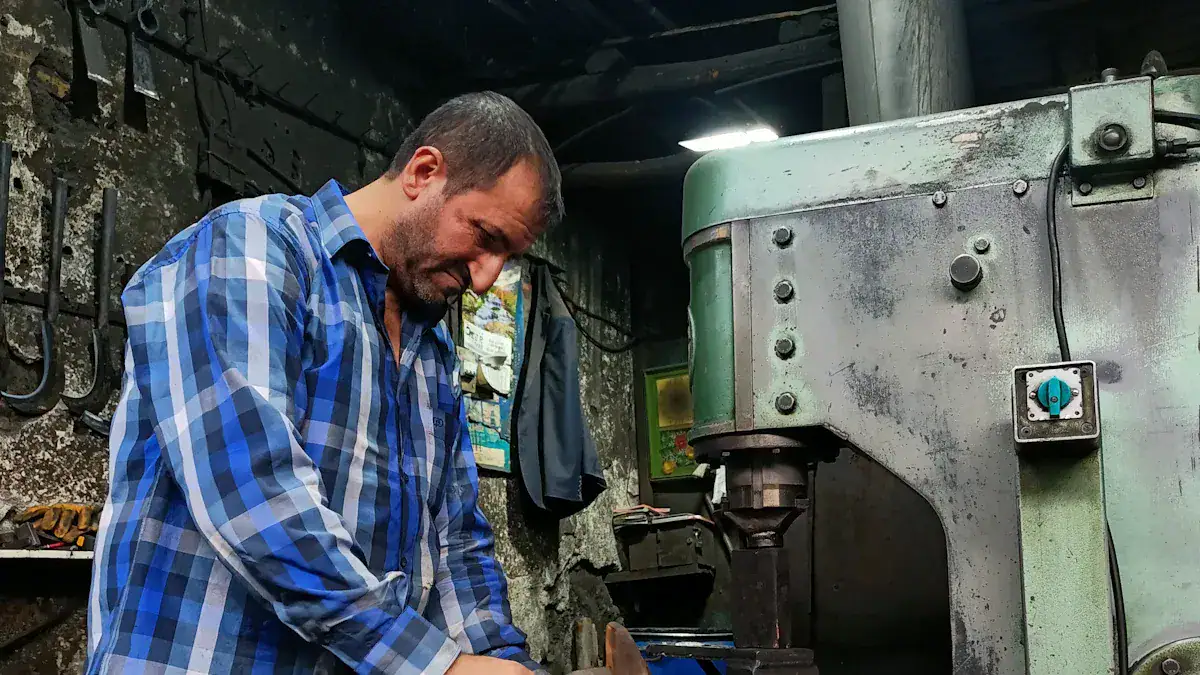
Choosing between local and overseas manufacturers shapes your brand’s future. You need to weigh the pros and cons to find the best fit for your hoodies.
Local Pros and Cons
Shipping
Local manufacturers offer quick shipping. You avoid import duties and long waits. Domestic production means you get hoodies faster, sometimes in just 2-3 weeks if designs are simple and fabrics are ready. You also benefit from responsive communication, which helps you solve problems quickly.
Costs
Local production supports your community and helps you monitor quality. You pay higher labor costs, which increases product prices. Domestic suppliers often have limited capacity for large orders. You may face higher expenses for premium hoodies because of strict regulations and higher wages.
Disadvantages of Local Manufacturing | |
|---|---|
Closer monitoring of production for quality control | Higher labor costs leading to increased product prices |
Faster order completion due to shorter shipping times | Limited production capacity for large-scale operations |
Supports local employment and businesses | |
More compliant with environmental regulations |
Overseas Pros and Cons
Variety
Overseas manufacturers give you access to a wider variety of hoodies. You find more styles, colors, and customization options. Lower labor and production costs make overseas suppliers ideal for bulk orders. You can source premium hoodies at competitive prices, especially when you need large quantities.
Lead Times
You wait longer for overseas shipments. Average lead times range from 90 to 120 days. International freight can add weeks to delivery, especially during global disruptions. Customs delays and higher shipping fees affect your timeline and budget.
Disadvantages of Overseas Manufacturing | |
|---|---|
Lower labor and production costs | Harder to maintain quality standards |
Ideal for bulk manufacturing at low prices | Longer shipping times and potential customs delays |
Decision Factors
Priorities
You must set your priorities before choosing a manufacturer. Local suppliers make communication easier because you share time zones and language. This helps you collaborate closely, which is important for startups. You get faster turnaround times and better quality control with local production. Lower minimum order quantities make local manufacturers accessible if you want to test new hoodie designs.
Total Costs
You need to consider total costs, not just production prices. Local production costs more upfront, but you save on shipping and import taxes. Overseas suppliers offer lower prices for bulk orders, but you pay extra for shipping, customs, and longer lead times. If you want flexibility and premium quality, local manufacturers may suit your needs. If you need large quantities and a wide range of hoodies, overseas suppliers offer better value.
Tip: List your brand’s needs and budget before you decide. Compare turnaround times, quality control, and total costs to choose the best manufacturer for your hoodies.
Vetting and Selecting Custom Hoodie Manufacturers
Choosing the right hoodie manufacturer requires a careful and systematic approach. You want to ensure that your brand receives high-quality products, reliable service, and fair pricing. Follow these steps to vet and select the best partner for your custom hoodie project.
Research
You start your search by gathering a list of potential manufacturers. Effective research helps you avoid unreliable suppliers and focus on those who meet your standards.
Directories
Online directories and B2B marketplaces make it easy to find reputable hoodie manufacturers. You can use platforms like Alibaba, Thomasnet, and Maker’s Row to browse thousands of suppliers. These directories let you filter by location, minimum order quantity, and specialization. You can read company profiles, check certifications, and compare services.
Alibaba: Offers a wide range of manufacturers, including those who specialize in custom hoodies and embroidery.
Thomasnet: Focuses on North American suppliers, making it easier to find local partners.
Maker’s Row: Connects you with manufacturers in the United States, ideal for brands that value domestic production.
You should always verify the information listed in these directories. Look for detailed company descriptions, clear contact information, and customer reviews.
Trade Shows
Industry trade shows and exhibitions give you a chance to meet manufacturers face-to-face. Events like MAGIC and Texworld attract top suppliers from around the world. You can see product samples, ask questions, and build relationships with potential partners.
MAGIC: One of the largest fashion trade shows, featuring apparel manufacturers and fabric suppliers.
Texworld: Focuses on textiles and garment production, offering a wide selection of hoodie manufacturers.
Attending trade shows helps you network, compare options, and gain insights into the latest trends and technologies. You can collect business cards, take notes, and follow up with the most promising contacts after the event.
Tip: Combine online research with in-person networking for the most thorough results. This approach helps you find manufacturers who match your brand’s needs and values.
Request Samples
Once you have a shortlist of manufacturers, you need to request samples. Samples let you evaluate the quality and craftsmanship before committing to a large order.
Evaluation
When you receive samples, inspect them closely. Focus on the following criteria:
Material quality: Check the fabric for softness, weight, and durability.
Stitching and construction: Look for even seams, strong stitching, and neat finishes.
Fit and sizing: Try on the hoodie or measure it to ensure it matches your specifications.
Color accuracy: Compare the sample color to your brand’s palette.
Print and embroidery quality: Examine logos and designs for sharpness and durability.
You should also ask about production turnaround time. Find out how long it takes to complete an order and if the manufacturer offers expedited options. Reliable manufacturers provide clear timelines and deliver samples promptly.
Customization
Customization sets your brand apart. Evaluate the manufacturer’s ability to handle special requests, such as unique colors, sizes, or design elements. Ask if they have an in-house design team that can create mock-ups or digital renders of your hoodie. This service helps you visualize the final product and make adjustments before production.
Range of styles: Check if the manufacturer offers different hoodie types, such as oversized, cropped, or athletic fits.
Design capabilities: Request digital mock-ups or embroidery samples to see their creative skills.
Ethical practices: Inquire about certifications like Fair Trade or OEKO-TEX to ensure responsible production.
Note: Always request a detailed breakdown of costs for each customization option. This transparency helps you compare market rates and avoid hidden fees.
References
References give you insight into the manufacturer’s reputation and reliability. You want to work with a partner who delivers on promises and values long-term relationships.
Past Clients
Ask the manufacturer for a list of past clients or case studies. Reach out to these brands and ask about their experience. Key questions include:
Did the manufacturer deliver orders on time?
Was the product quality consistent?
How did the manufacturer handle problems or changes?
Positive feedback from established brands signals a trustworthy partner. You can also look for testimonials on the manufacturer’s website.
Online Reputation
Research the manufacturer’s online reputation. Read customer reviews on platforms like Trustpilot, Google, or industry forums. Pay attention to comments about quality, communication, and customer service. Consistent positive reviews indicate a reliable supplier.
Customer reviews: Focus on feedback about hoodie quality, fit, and durability.
Communication: Look for comments about responsiveness and support.
Problem resolution: See how the manufacturer handles complaints or returns.
Tip: A strong online reputation and positive references reduce your risk and help you choose a manufacturer who aligns with your brand’s values.
By following these steps, you build a solid foundation for your custom hoodie project. Careful research, sample evaluation, and reference checks ensure you select a manufacturer who delivers quality, reliability, and value.
Negotiation
Negotiating with a hoodie manufacturer is a crucial step. You want to secure the best terms for your brand while building a positive relationship with your supplier. Effective negotiation helps you avoid misunderstandings and ensures both sides feel satisfied with the agreement.
Contracts
A well-written contract protects your interests. It sets clear expectations for both you and the manufacturer. Before you sign, follow these steps to negotiate a strong contract:
Research and Prepare: Study potential manufacturers. Learn about their strengths and weaknesses. This helps you choose a partner who matches your needs.
Make Initial Contact: Reach out to introduce your business. Show genuine interest in their services.
Communicate Your Needs: Explain your requirements in detail. Include information about hoodie styles, fabrics, and customization.
Discuss MOQs: Ask about minimum order quantities. Make sure the numbers fit your budget and sales goals.
Request Samples: Always ask for samples. Test the quality before you commit to a large order.
Clarify Pricing and Payment Terms: Go over the pricing structure. Confirm all costs, including setup fees, shipping, and customization.
Negotiate: Approach negotiation as a partnership. Aim for terms that benefit both sides. Be open to compromise but stand firm on your priorities.
Maintain Clear Communication: Keep the conversation open. Address questions or concerns quickly.
Make an Informed Decision: Review all information. Only sign the contract when you feel confident about the terms.
Tip: Never rush the contract stage. Take time to read every clause. Ask for clarification if anything seems unclear.
A good contract should include details about product specifications, delivery timelines, quality standards, and what happens if problems arise. You should also include terms for resolving disputes and handling late deliveries.
Payment
Payment terms affect your cash flow and trust with the manufacturer. You need to agree on a payment schedule that works for both parties. Most manufacturers ask for a deposit before starting production. The balance is usually due before shipping.
Key points to discuss:
Deposit Amount: Decide how much you pay upfront. This is often 30% to 50% of the total order.
Payment Methods: Choose a secure method, such as bank transfer, PayPal, or credit card.
Milestone Payments: For large orders, you can set up payments at different stages, like after sample approval or before final shipment.
Refund and Cancellation Policies: Make sure you know what happens if you need to cancel or change your order.
Late Payment Penalties: Understand any fees for late payments.
Note: Always get payment terms in writing. This protects you if disputes arise later.
Onboarding
Once you select your manufacturer and sign the contract, you need to onboard them properly. Onboarding sets the stage for a smooth production process and helps prevent costly mistakes.
Expectations
You must set clear expectations from the start. This includes sharing your design files, tech packs, and any special instructions. When you provide detailed information, you help the manufacturer understand your vision.
Share all necessary materials, such as fabrics, trims, and artwork.
Develop clear quality standards and procedures. This avoids confusion during production.
Conduct sample testing. Use the first samples to refine your hoodie before placing a bulk order.
Obtain a price quote based on the approved sample. Finalize your purchase order only after you are satisfied with the sample.
A clear onboarding process reduces errors and ensures your hoodies meet your standards.
Communication
Strong communication is the backbone of a successful partnership. You should keep in touch with your manufacturer at every stage.
Set up regular check-ins to discuss progress and address issues.
Use visuals, such as photos or videos, to clarify design details.
Choose the best training methods for your team and the manufacturer’s staff. Sometimes in-person meetings work best. Other times, online calls or written guides are more effective.
Document all agreements and changes in writing.
Tip: Good communication builds trust. When you and your manufacturer stay aligned, you get better results and fewer surprises.
A smooth onboarding process helps you launch your custom hoodie line with confidence. You set your brand up for long-term success by building a strong foundation with your manufacturing partner.
Red Flags and Mistakes

When you search for the right manufacturer for your hoodies, you need to watch for warning signs and avoid common mistakes. Protecting your brand means staying alert and making smart choices at every step.
Unreliable Hoodie Manufacturer Signs
Poor Communication
You should expect clear and timely communication from your manufacturer. If you notice slow replies, vague answers, or frequent misunderstandings, this signals trouble. Poor communication often leads to production errors, delays, and extra costs. You want a partner who listens, answers questions, and keeps you updated throughout the process.
Lack of Transparency
Transparency builds trust. If a manufacturer hides information or avoids sharing details about pricing, production methods, or quality checks, you should be cautious. Some warning signs include:
Inconsistent quality control between samples and bulk orders
Unrealistic promises about delivery times or capabilities
Poor response to mistakes or hiding defects
Strange or unprofessional payment terms
Tip: Always ask direct questions and expect honest answers. If something feels off, trust your instincts and look for another supplier.
Common Pitfalls
Many brands make mistakes when choosing a manufacturer for hoodies. Learning from these pitfalls helps you avoid costly errors.
Mistake | Explanation |
|---|---|
Choosing a manufacturer who cannot meet your quality or ethical standards leads to unhappy customers. | |
Choosing Cheaper Options | Lower prices often mean lower quality, which can damage your brand’s reputation. |
Lack of Experience | Inexperienced manufacturers may deliver late or produce inconsistent products. |
Insufficient Customization | Failing to offer unique designs makes it hard for your hoodies to stand out. |
Poor Communication | Misunderstandings cause delays, mistakes, and extra costs. |
Ignoring Quality
You should never ignore quality when selecting a manufacturer. Some factories show perfect samples but deliver poor-quality bulk orders. Always check for consistent quality control and inspect finished hoodies before accepting delivery. High standards keep your customers happy and protect your brand’s reputation.
Overlooking MOQs
Minimum order quantities (MOQs) can impact your budget and inventory. If you overlook MOQs, you might order more hoodies than you need or face higher costs for small runs. Always confirm the MOQ before you commit. This step helps you plan your orders and avoid surprises.
Brand Protection
Protecting your brand goes beyond choosing the right manufacturer. You need to safeguard your designs and ensure every hoodie meets your standards.
Legal
You should protect your designs and logos with legal agreements. Use contracts and non-disclosure agreements (NDAs) to prevent copying or misuse. Make sure your manufacturer respects intellectual property rights. This step keeps your brand safe and unique in the market.
Quality Assurance
Quality assurance is essential for every hoodie you produce. You can use several measures to maintain high standards:
Quality Assurance Measure | Description |
|---|---|
Material Inspection | Check raw materials before production to ensure premium quality. |
In-Process Quality Checks | Inspect hoodies during manufacturing to catch defects early. |
Final Product Inspection | Examine finished hoodies before packaging to confirm they meet your standards. |
Fit and Sizing Consistency | Make sure each hoodie matches your size specifications for a reliable fit. |
Color Matching | Verify color consistency across all hoodies to avoid mismatches. |
Print Quality Control | Check that prints are clear, vibrant, and durable. |
Supply Chain Monitoring | Oversee quality from raw materials to final delivery for consistent results. |
Vendor Quality Management | Ensure all vendors meet your quality standards for uniformity in every hoodie. |
High standards delight your customers and encourage repeat business.
Proactive quality assurance helps you spot and fix issues before they reach your buyers.
Note: When you focus on legal protection and quality assurance, you build a strong foundation for your brand. Your hoodies will stand out for their style, comfort, and reliability.
Action Steps & Checklist
Project Brief
You begin your journey by creating a clear project brief. This document guides every step of your hoodie line. Start by defining your vision. Decide on fabric weight, fit, and style. List your target audience and branding goals. A strong project brief helps you communicate with any hoodie manufacturer and keeps your team focused.
Here is a table showing the key components you should include:
Key Component | Description |
|---|---|
Material Selection | Choose high-quality fabrics for comfort, appearance, and durability. |
Embroidery Technology | Understand embroidery options and their visual effects. |
Production Process and Quality Control | Plan for quality checks at every production step. |
Manufacturer Qualification Evaluation | Assess production capacity, certifications, and technical skills. |
Cooperation Mode and Order Management | Learn about customization, ordering process, and minimum order sizes. |
Customer Service and After-sales Support | Evaluate communication channels and ongoing support. |
Tip: A detailed project brief reduces mistakes and speeds up the ordering process.
Manufacturer Search
You move to the next step by searching for the right partner. Use online directories like Alibaba, Thomasnet, or Maker’s Row to find potential manufacturers. Attend trade shows such as MAGIC or Texworld to meet suppliers in person. Look for companies with experience, a strong track record, and positive references from other brands.
When you search, consider these factors:
Location of manufacturing facilities
Company experience and reputation
References from past and present customers
Sourcing of materials and compliance with standards
You should create a shortlist of candidates who match your needs. This step saves time during the evaluation phase.
Evaluation
You now evaluate your shortlisted manufacturers. Request samples to check material quality, fit, and design accuracy. Inspect stitching, embroidery, and color consistency. Ask about their equipment, maintenance schedules, and in-house quality auditors. Reliable manufacturers provide clear answers and deliver samples on time.
Use this checklist to guide your evaluation:
Review design prototypes for fit, comfort, and style.
Confirm average production turn-time after approvals.
Check for technical staff who can assist with custom requests.
Assess communication capabilities and response times.
Verify quality control procedures at every stage.
Note: A thorough evaluation helps you avoid costly mistakes and ensures a smooth ordering experience.
By following these steps, you set a strong foundation for your hoodie brand. You make informed decisions and build lasting partnerships with the right hoodie manufacturer.
Final Selection
You reach the final stage of your hoodie project when you choose your hoodie manufacturer. This step requires careful attention to detail. You want to confirm every aspect before you begin the ordering process. Review your shortlist and compare each candidate based on sample quality, communication, and reliability.
Start by revisiting your project brief. Make sure the manufacturer understands your vision. Check that all specifications match your requirements. You should verify the sample matches your expectations for fit, fabric, and design. Ask for written confirmation of all details.
Use this checklist to guide your final decision:
Confirm sample approval and quality standards.
Review the manufacturer’s certifications and ethical practices.
Check production timelines and delivery schedules.
Verify minimum order quantities and pricing.
Ensure clear communication channels for updates.
Agree on payment terms and refund policies.
Request a detailed contract outlining responsibilities.
Tip: Always keep a copy of your contract and correspondence. This protects your brand and helps resolve any disputes.
You should schedule a kickoff meeting with your chosen manufacturer. Discuss the ordering process step by step. Clarify how you will submit designs, approve final samples, and track production. Ask about their system for handling changes or urgent requests.
A table can help you organize your final selection criteria:
Criteria | Manufacturer A | Manufacturer B | Manufacturer C |
|---|---|---|---|
Sample Quality | Excellent | Good | Fair |
Communication | Fast | Average | Slow |
Certifications | Yes | Yes | No |
Production Timeline | 4 weeks | 6 weeks | 8 weeks |
Pricing | $12/hoodie | $13/hoodie | $15/hoodie |
Payment Terms | 30% deposit | 50% deposit | 40% deposit |
You finalize your choice by selecting the manufacturer who best fits your needs. Notify them in writing and confirm the ordering details. Make sure you understand the ordering process, including how to submit your purchase order and track progress.
Note: Stay proactive during production. Regular updates help you catch issues early and keep your project on schedule.
You set your brand up for success by making an informed final selection. Careful planning and clear communication ensure your hoodies meet your standards and delight your customers.
You can find the best hoodie manufacturer in 2025 by following a clear process. Focus on these essentials:
Choose strong, comfortable fabrics and check quality at every step.
Match customization options to your brand’s style and logo.
Work with reliable suppliers who deliver on time and offer variety.
Value good customer service and clear communication.
Use the checklist to guide your search. Careful research and attention to quality help your brand stand out.
FAQ
What is the typical minimum order quantity (MOQ) for custom hoodies?
Most manufacturers set MOQs between 50 and 300 pieces per style. You should confirm the exact number before placing your order. Lower MOQs help you test new designs with less risk.
How long does hoodie production usually take?
Production times range from 2 to 8 weeks. You get faster turnaround with local suppliers. Overseas manufacturers may need more time due to shipping and customs.
Can you request samples before placing a bulk order?
You can always request samples. Samples let you check fabric quality, fit, and design accuracy. Reliable manufacturers provide samples before starting mass production.
What certifications should you look for in a hoodie manufacturer?
Look for certifications like ISO 9001, GOTS, OEKO-TEX, and Fair Trade. These credentials show that the manufacturer values quality, safety, and ethical practices.
How do you protect your hoodie designs from being copied?
You should use contracts and non-disclosure agreements (NDAs). Register your designs and logos. Choose manufacturers with a strong reputation for respecting intellectual property.
What customization options are available for hoodies?
You can choose embroidery, screen printing, all-over prints, and custom colors. Some manufacturers offer unique features like zipper styles or special fabrics.
What should you do if you receive defective hoodies?
Contact your manufacturer immediately. Provide photos and details. Most suppliers offer replacements or refunds for defective products. Always check quality before accepting delivery.
Is it better to work with local or overseas hoodie manufacturers?
Local manufacturers offer faster shipping and easier communication. Overseas suppliers provide more variety and lower costs for bulk orders. You should choose based on your brand’s needs and budget.