

How to Choose the Right Kids Fall Jacket
Table of Contents
Display
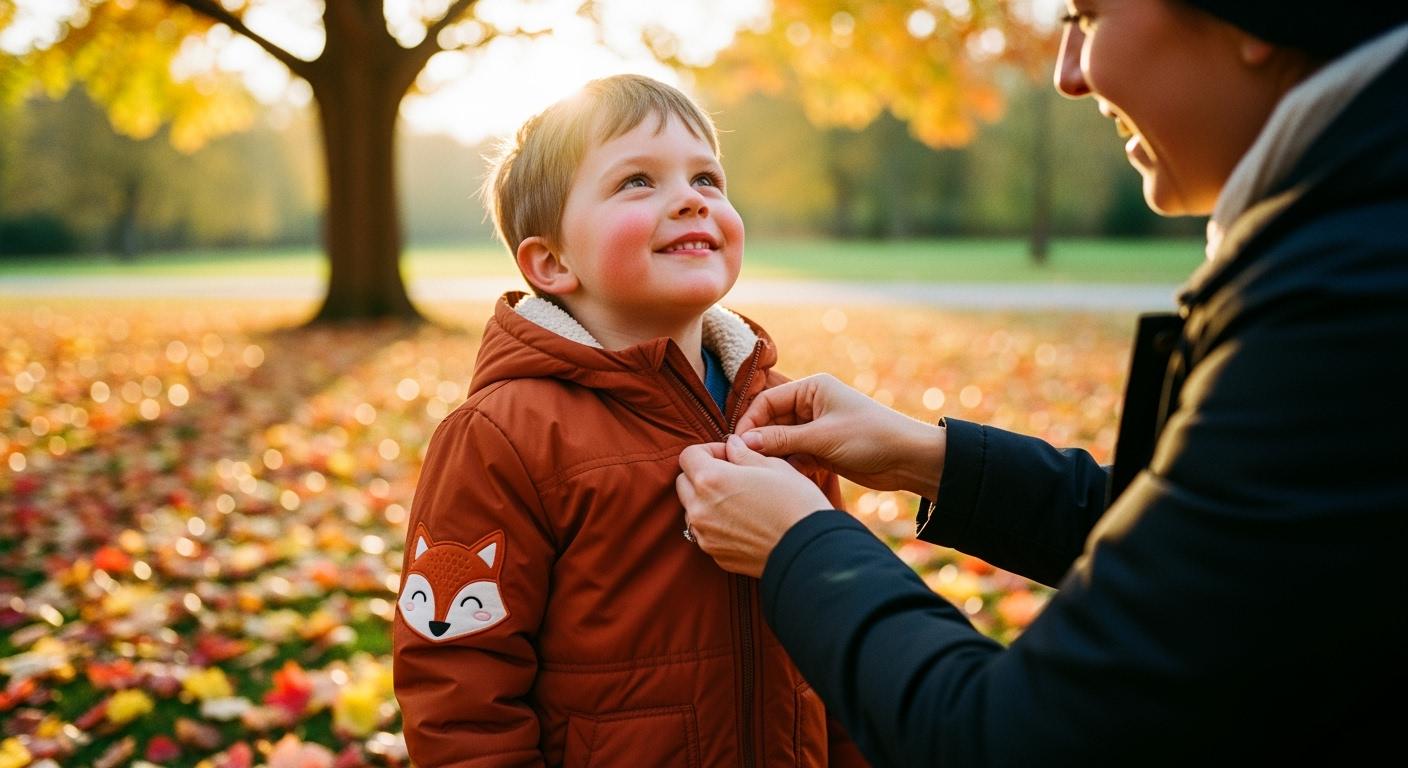
You can choose the right kids fall jacket by focusing on practical factors that meet your child’s needs. Pay attention to weather conditions, daily activities, comfort, and fit. Many parents make mistakes such as selecting poor materials, ignoring thermal properties, or overlooking easy-care options. Involve your child in the selection process and check for durability and style. This guide helps you make a confident choice for a jacket your child will actually wear.
Key Takeaways
Understand your local fall weather to choose the right jacket. Consider temperature and rainfall patterns to ensure comfort.
Involve your child in the jacket selection process. This helps them feel confident and ensures they will wear the jacket.
Look for jackets with adjustable features like cuffs and hoods. These details enhance fit and comfort, keeping cold air out.
Choose high-quality materials for durability. Jackets made from polyester or nylon resist wear and tear from active play.
Select jackets with safety features like reflective details. These enhance visibility during low-light conditions, keeping your child safe.
Local Fall Weather
Understanding your local fall weather helps you narrow down the best jacket options for your child. Each region in the United States experiences fall differently. Some areas see mild temperatures and little rain, while others face sudden cold snaps or heavy precipitation. You should always check your local forecast before shopping for a jacket.
Temperature and Rain
Temperature and rainfall patterns play a big role in your decision. For example, the contiguous United States averages 57.2°F in the fall with nearly 6 inches of precipitation. However, some regions, like the Southeast, experience much drier conditions, while states such as Idaho and Texas have set new temperature records in recent years. Georgia, for instance, had less than half its usual seasonal rainfall during a recent fall.
Region | Average Fall Temperature (°F) | Precipitation (inches) | Notes |
|---|---|---|---|
Contiguous U.S. | 57.2 | 5.97 | Third warmest fall on record |
Southeast | N/A | N/A | Driest fall since 1978 |
Idaho | N/A | N/A | Set new statewide fall temperature record |
Texas | N/A | N/A | 100 counties set new records for November |
Georgia | N/A | < 50% of seasonal avg | Fourth driest fall |
You should choose a jacket that matches your region’s typical fall weather. In wet climates, waterproof jackets keep your child dry and comfortable. In drier areas, a lighter jacket may be enough.
Tip: Layering works well for regions with unpredictable temperature swings. You can add or remove layers as the weather changes throughout the day.
Wind and Weather Changes
Wind and sudden weather changes can affect your child’s comfort and willingness to play outside. Increased wind speeds often lead to less physical activity and more complaints about being outside. Adverse weather, like heavy rain or sudden cold, can force children indoors, which may cause frustration or restlessness.
Weather Condition | Effect on Children’s Activities |
|---|---|
Increased Wind Speeds | Decreased physical activity, increased refusal behaviors |
Adverse Weather Conditions | Indoor confinement, frustration, restlessness |
Precipitation | Lower activity, emotional distress |
Sensory Sensitivities | Discomfort shown through non-verbal behaviors |
Regional climate differences also influence your jacket choice. In places with mild, wet falls, like the Pacific Northwest, you need a lightweight, waterproof jacket. In colder regions, such as the Midwest or Northeast, you should look for insulated parkas that protect against wind and dropping temperatures. Matching your child’s jacket to your local climate ensures they stay warm, dry, and happy during all their fall adventures.
Kids Fall Jacket Types
Choosing the right kids fall jacket starts with understanding the main types available. Each style offers unique benefits for different weather and activity levels. You can match the jacket type to your child’s needs for comfort and protection.
Jacket Type | Features | Suitability |
|---|---|---|
Fleece-lined Raincoat | Waterproof with plush interior, ideal for cool and damp days. | Younger children needing insulation. |
Unlined Waterproof Shell | Lightweight, easy to layer, suitable for cool and rainy weather. | Transitional piece for year-round. |
Fleece Jackets | Lightweight, warm, perfect for everyday outings. | Great for casual wear. |
Puffer Jackets | Excellent insulation, light enough for early winter, basic rain protection. | Active kids in winter sports. |
Waterproof and Windproof Options
You want your child to stay dry and comfortable during rainy or windy fall days. Waterproof jackets use materials like polyethylene and Gore-Tex to block water completely. These jackets often include breathable fabrics, which help prevent overheating when your child plays outside. Windproof jackets focus on blocking cold air, keeping your child warm even when the temperature drops. Many waterproof jackets also offer windproof features, giving extra protection against harsh weather.
Waterproof jackets keep water out, using advanced materials.
Windproof jackets block cold air, helping maintain warmth.
Breathable designs reduce overheating during active play.
Tip: Look for jackets with taped seams and storm flaps. These features add extra protection against rain and wind.
Insulated Jackets for Cold Days
Insulated jackets provide essential warmth for chilly fall mornings and evenings. You can find options with synthetic or down insulation, both designed to trap heat and keep your child comfortable. Many insulated jackets include windproof and waterproof materials, which help maintain warmth during wet or snowy conditions. Some brands offer 3-in-1 jackets, combining an outer shell with a removable insulated layer. This design gives you flexibility for changing weather.
Insulated jackets protect against cold and wet weather.
3-in-1 styles offer versatility for unpredictable fall temperatures.
Features like hoods, elastic cuffs, and draw cords prevent heat loss.
Note: Choose insulated jackets with adjustable features. These details help seal out cold air and keep your child cozy.
Lightweight and Layering Choices
Fall weather often changes quickly. Lightweight jackets and layering systems give you flexibility to adjust your child’s outfit throughout the day. You can start with a base layer that wicks moisture away from the skin. Add a middle layer for insulation, then finish with an outer layer to block wind and rain. This approach keeps your child comfortable during outdoor activities and prevents overheating.
Purpose | |
|---|---|
Base Layer | Manages moisture by wicking sweat away from the skin, preventing discomfort in cold weather. |
Middle Layer | Traps warm air close to the body, providing insulation and warmth while allowing for temperature adjustments. |
Outer Layer | Protects against wind, rain, and snow, ensuring kids stay dry and warm while allowing moisture to escape. |
Layering works well for active children who need freedom of movement. You can add or remove layers as the temperature changes, making lightweight jackets a practical choice for mild fall days.
Callout: Layering helps you adapt to unpredictable weather. You can keep your child comfortable without carrying multiple coats.
When you compare kids fall jacket types, consider your local climate, your child’s activity level, and the features that matter most. You can find options that combine waterproofing, windproofing, and insulation for all-around protection. Lightweight jackets and layering systems offer flexibility for changing conditions. Insulated jackets keep your child warm during cold snaps. By understanding these types, you make a smart choice for your child’s fall wardrobe.
Fit and Comfort
Choosing the right fit ensures your child stays comfortable and active throughout the fall. You want a jacket that allows for movement, growth, and easy layering. Paying attention to sizing, mobility, and adjustability helps you make a smart choice.
Sizing and Growth Room
Children grow quickly, so you should always check sizing guidelines before buying. Many brands recommend sizing up, especially for taller or thinner kids. This approach gives your child extra room for growth and makes the jacket last longer. You should also pay close attention to sleeve length. Sleeves that reach the wrist keep out cold air and provide better coverage.
Brand | Sizing Recommendation |
|---|---|
General Tips | Size up for taller or thinner kids, especially for coats and cotton items. |
Growth Spurts | Recommend sizing up to accommodate growth spurts during tween years. |
Sleeve Length | Check sleeve length to ensure the jacket fits properly and does not rise above the wrist. |
Reima | Outerwear designed with approximately 6 cm of extra space for growth; buy size corresponding to age. |
Appaman | When in doubt, order the larger size; consider body type and style versatility. |
Tip: If your child is between sizes, choose the larger one. This strategy helps you get more use out of the jacket.
Mobility and Layering
Your child needs freedom to move, whether playing at recess or walking to school. A good fit should allow for easy movement and layering. Layering helps regulate temperature and manage moisture, which is crucial for comfort during outdoor activities.
The base layer keeps your child dry by moving sweat away from the skin.
The mid-layer traps body heat, providing essential warmth.
The outer layer shields against rain, snow, and wind, keeping your child dry and comfortable.
You can add or remove layers as the weather changes. This flexibility makes it easier to keep your child comfortable all day.
Adjustable Features (Cuffs, Waist, Hood)
Look for jackets with adjustable cuffs, waists, and hoods. These features help you customize the fit and seal out cold air. Adjustable cuffs prevent sleeves from riding up, while a drawcord waist keeps warmth close to the body. A hood with toggles or Velcro offers extra protection on windy or rainy days. These small details make a big difference in comfort and help you find the best cold weather coats for your child.
Note: Adjustable features also make it easier for your child to put on or take off the jacket independently.
Durability and Care
Material Quality
You want a jacket that stands up to active play and unpredictable weather. Material choice plays a major role in durability. Polyester and nylon offer lightweight strength and resist wrinkles and moisture. Ripstop fabric prevents tears and cleans easily. Bonded fleece provides warmth without bulk, while quilted polyester adds comfort and insulation. The table below shows how each material supports durability and function:
Material | Characteristics | Use Case |
|---|---|---|
Polyester | Lightweight, colorfast, wrinkle-free, fast drying, moisture-wicking | Active play clothes |
Nylon | Tough, abrasion-resistant, water-resistant when coated | Outerwear |
Ripstop fabric | Prevents tears, lightweight, strong, easy to clean | Windbreakers, raincoats |
Bonded fleece | Provides warmth without bulk | Cold-weather gear |
Quilted polyester | Offers warmth and comfort | Insulation layer in jackets |
Choosing high-quality materials means you invest in a jacket that lasts longer and keeps your child comfortable.
Easy to Clean
You save time and effort when you select outerwear that cleans easily. Always check the care label before washing. Following the manufacturer’s instructions helps you avoid accidental damage.
Before washing a jacket, it is important to read the care label for specific instructions. Following the manufacturer’s instructions ensures you do not accidentally damage the jacket.
Proper washing techniques minimize damage and keep jackets looking new.
Use gentle detergents and wash in cold water to preserve fabric strength and color vibrancy.
Air-dry whenever possible to avoid shrinkage and fading.
Spot treat stains with tech wash.
Wash in a machine with rain-gear-specific detergent.
Use a delicate cycle for waterproofing treatments.
Spray waterproofing on wet gear if it has a lining.
Care instructions help you maintain insulation and color, extending the lifespan and appearance of your child’s outerwear.
Sturdy Zippers and Seams
You need strong zippers and reinforced seams to handle rough use. Cheap zippers and weak seams cannot withstand the wear and tear from active play. Heavy-duty zippers, such as YKK, resist jamming and breaking. Storm flaps cover the zipper, blocking wind and snow. Easy-pull tabs help kids with gloves or small hands. Reinforced stitching keeps seams intact during playground activities and bike rides.
Heavy-duty zippers last longer and work smoothly.
Storm flaps add extra protection from the elements.
Easy-pull tabs make jackets easier for kids to use.
When you invest in high-quality outerwear, you reduce replacements and save money. Durable jackets keep children comfortable and ready for learning and play.
Safety and Ease of Use
Reflective Details for Visibility
You want your child to stay visible and safe, especially during early mornings or late afternoons when daylight fades. Many manufacturers design jackets with reflective details to enhance visibility in low-light environments. These features help drivers and cyclists spot children from a distance, reducing the risk of accidents. You should look for jackets that use bright colors and reflective materials. Some brands follow ANSI standards, which ensure optimal 360° visibility in various lighting conditions.
Designed to enhance visibility and safety for children in low-light environments.
Made with bright colors and reflective materials for high visibility.
ANSI-compliant, ensuring optimal 360° visibility in various light conditions.
Reflective strips often appear on sleeves, hoods, or backs. You can check for these details before purchasing. If your child walks to school or plays outside after sunset, reflective features become even more important.
Tip: Choose outerwear with reflective patches or piping. These small additions make a big difference in safety.
Easy On and Off Designs
You want your child to dress independently and quickly, especially during busy mornings. Easy on and off designs help children put on and take off their jackets without assistance. Features like large zipper pulls, snap buttons, and wide openings simplify the process. Young children benefit from jackets with fewer fasteners and clear closures. You should check for smooth zippers and sturdy snaps that do not jam or break easily.
Feature | Benefit |
|---|---|
Large zipper pulls | Easier for small hands to grip |
Snap buttons | Quick closure, less frustration |
Wide openings | Faster dressing, less struggle |
You can encourage independence by choosing outerwear with simple closures. Children feel confident when they manage their own clothing. Parents save time and avoid morning stress.
Note: Easy on and off designs also help teachers and caregivers during school or daycare transitions.
Best Kids Coats for Minus Degrees
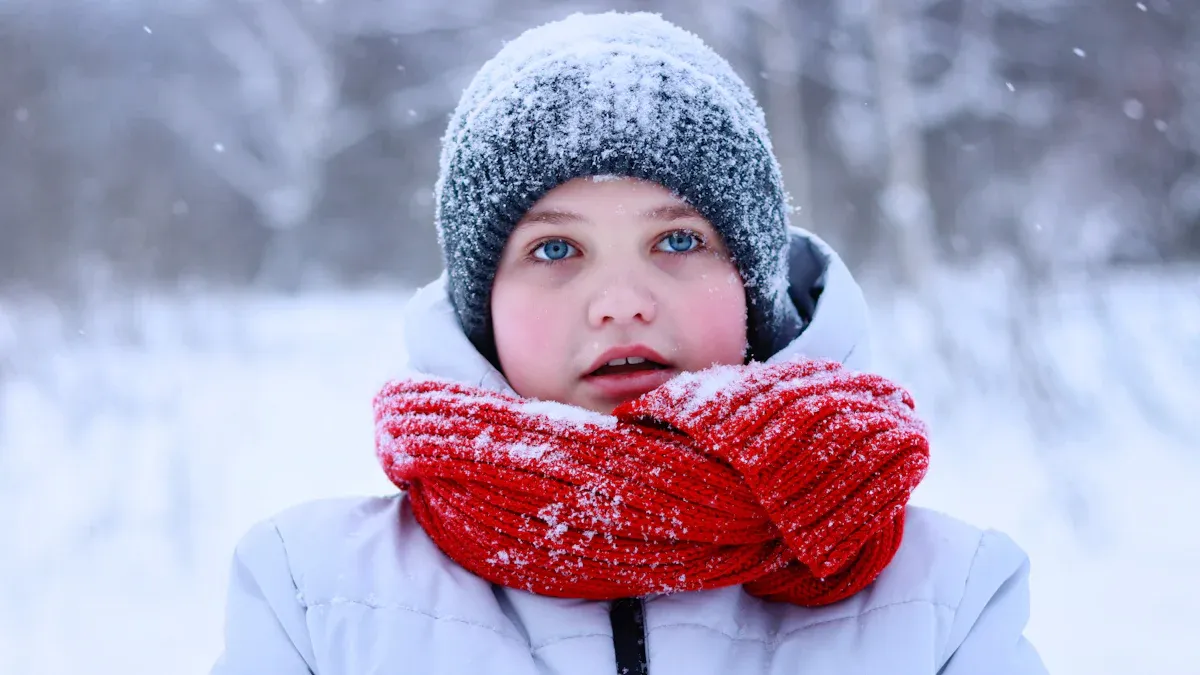
When you shop for the best kids coats for minus degrees, you need to focus on insulation and temperature ratings. These features help your child stay warm and comfortable during the coldest fall days.
Down vs. Synthetic Insulation
You will find two main insulation types in coats designed for subzero temperatures. Each type offers unique benefits for different weather conditions and activities.
Down insulation provides exceptional warmth and remains lightweight. You can rely on down for dry, cold climates. However, down loses its insulating power when wet, so it works best in areas with little rain or snow.
Synthetic insulation keeps your child warm even if the coat gets damp. This material dries quickly and often allows for machine washing, which makes it practical for active kids and unpredictable weather.
You should consider your local climate and your child’s daily routine before choosing between down and synthetic insulation. If your area sees frequent wet weather, synthetic insulation may offer better performance.
Tip: Synthetic insulation is easier to care for and maintains warmth in wet conditions, making it a smart choice for many families.
Temperature Ratings
Temperature ratings help you compare the warmth of different coats. Leading brands provide clear guidelines so you can select the best kids coats for minus degrees. These ratings show how much protection each coat offers during light or moderate activity.
Brand | Warm (°F) | Warmer (°F) | Warmest (°F) |
|---|---|---|---|
L.L.Bean | light activity to 25° | light activity to 35° | light activity to 10° |
moderate activity to 0° | moderate activity to -15° | moderate activity to -15° | |
Lands’ End | lightweight | low end at or above 0° | low end below 0° |
Mini Boden | Stay snug down to -18°C |
You should check these ratings before buying. They help you match the coat to your child’s needs and local weather. If your child spends time outdoors in freezing temperatures, choose a coat with a lower temperature rating for maximum warmth.
Note: Always layer clothing under winter coats for extra protection against extreme cold.
Style and Preferences
Color and Pattern Choices
You want your child to feel excited about wearing their fall jacket. Color and pattern play a big role in that decision. Recent sales data shows that certain colors and prints stand out this season. You can use these trends to guide your selection:
Olive green appears as a favorite for boys’ jackets. This color matches many outfits and hides stains well.
Satin cheetah print is a trendy choice for girls. This bold pattern adds personality and flair to any outfit.
Classic red variegated patterns work well for unisex fleece jackets. This style offers a timeless look that appeals to many children.
You can find a wide range of options in stores. Many brands offer both neutral and bright colors, so you can match your child’s taste. Patterns like stripes, animal prints, and geometric shapes also remain popular. When you choose a jacket with a fun color or pattern, your child feels more confident and eager to wear it.
Tip: Bright colors and bold patterns help your child stand out in a crowd, making it easier for you to spot them during outdoor activities.
Involving Kids in Selection
You help your child develop independence and confidence when you involve them in choosing their coat. Children often have strong opinions about what they like. You can ask them about their favorite colors or patterns before shopping. Letting your child try on different coats ensures a comfortable fit and increases the chance they will wear the jacket without complaints.
Many parents find that children who help pick out their outerwear take better care of it. You can turn the shopping experience into a fun activity by discussing style options and practical features together. When you listen to your child’s preferences, you show respect for their individuality. This approach makes the process of selecting children’s coats more enjoyable for both of you.
Callout: Involving your child in the decision helps prevent morning struggles and ensures they feel happy and comfortable in their new coat.
You can choose the right kids fall jacket by following a simple checklist. Experts recommend looking for insulation types, waterproofing, windproofing, and a proper fit. You should check hood design, zippers, safety features, and pocket functionality. Easy maintenance and style preferences matter too. When you use these steps, you feel confident picking coats that keep your child warm and safe. Kids enjoy wearing coats that match their style and needs, making every fall day comfortable.
Insulation types
Waterproofing and windproofing
Fit and length
Hood design
Zippers and closures
Safety features
Pocket functionality
Maintenance
Style preferences
Tip: A step-by-step guide helps you select the best kids fall jacket and coats for any weather.
FAQ
How do I know if a jacket is truly waterproof?
You should check the product label for terms like “waterproof” or “water-resistant.” Look for taped seams and waterproof materials such as Gore-Tex. Test by sprinkling water on the fabric—water should bead up and roll off.
What is the best way to layer clothing under a fall jacket?
Start with a moisture-wicking base layer. Add a fleece or light sweater for warmth. Finish with the fall jacket as the outer layer. This system keeps your child comfortable and dry.
How often should I wash my child’s fall jacket?
Wash the jacket when it looks dirty or after heavy use. Always follow the care label instructions. Spot clean minor stains to extend the life of the jacket.
Can my child wear the same jacket for school and outdoor sports?
Yes, if the jacket allows for movement and has breathable, durable materials. Choose a style with adjustable features and easy closures. This makes the jacket versatile for both school and play.