

A Complete Guide to Kids Jacket Materials and Insulation for Parents
Table of Contents
Display
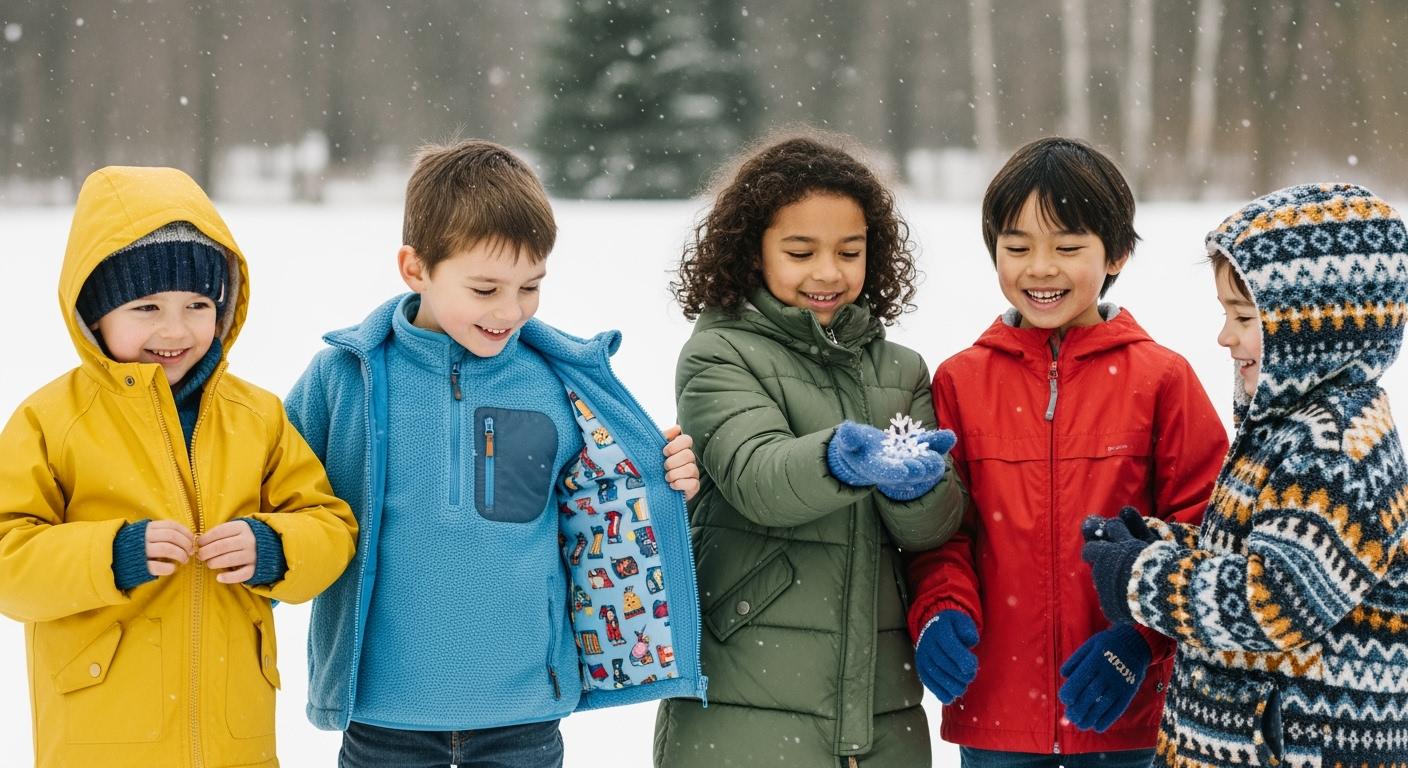
You want your child to stay warm, comfortable, and safe during winter. The best kids jacket materials include polyester, fleece, and down, while top insulation types feature down and synthetic fills. Many jackets now use recycled materials for sustainability. Parents trust certifications like bluesign® or OEKO-TEX® STANDARD 100, which appear on most high-quality jackets. Features such as articulated sleeves and ergonomic cuts help kids move freely. The right jacket makes all the difference for your child’s comfort and protection.
Material/Insulation Type | Description/Trend |
|---|---|
Recycled Materials | Increasingly used in shell fabrics and insulation, reflecting sustainability trends. |
Performance Features | Features like articulated sleeves and ergonomic cuts are favored for comfort and movement. |
Certifications | Certifications like bluesign® or OEKO-TEX® STANDARD 100 are trusted by parents, appearing on over 68% of jackets priced above $80. |
Key Takeaways
Choose jackets made from polyester or fleece for moisture-wicking and quick-drying properties. These materials keep kids dry and comfortable during winter play.
Select down insulation for dry, cold climates and synthetic insulation for wet conditions. Each type offers unique benefits for warmth and moisture resistance.
Look for jackets with certifications like bluesign® or OEKO-TEX® STANDARD 100 to ensure safety and quality. These labels indicate high standards in materials and production.
Prioritize features like waterproofing, windproofing, and a good fit. These elements enhance comfort and protection against harsh winter weather.
Consider layering for flexibility. A base layer, insulating middle layer, and waterproof outer layer work together to keep kids warm and dry in changing conditions.
Why Material and Insulation Matter
Comfort and Warmth for Kids
You want your kids to feel cozy and protected every time they step outside. The choice of material and insulation in a jacket directly affects warmth and comfort. Down insulation offers lightweight warmth, making it ideal for cold, dry climates. However, down loses its insulating properties when wet. Synthetic insulation, often made from polyester microfibers, keeps its thermal qualities even in damp conditions. This difference matters when you select jackets for kids who play in snow or rainy weather. Children lose heat faster than adults because they have a higher surface area compared to their mass. Their higher metabolic rates help retain warmth, but the right jacket material and insulation provide essential protection. You should look for jackets that balance warmth and comfort, especially for active kids during winter.
Tip: Always check the insulation type before buying a jacket. Synthetic fills work best for wet climates, while down suits dry, cold days.
Safety and Durability
Safety goes beyond warmth. The right material and insulation protect kids from cold-related risks. Studies show that infants need proper insulation for safe sleep outdoors in winter. Overdressing in mild weather or underdressing in cold conditions can lead to rapid cooling and discomfort. You must choose jackets that match the climate and activity level to ensure protection. Durability also plays a key role. Wool, especially thick-denier types, stands out for its long-lasting quality. Fine-merino wool feels soft but wears out faster. Fleece sits in the middle, offering decent durability but can pill over time. When you select jackets, consider how the material and insulation will hold up to frequent use and rough play. Durable options mean better protection and comfort for kids throughout the season.
Wool: Highly durable, especially thick-denier varieties.
Fleece: Moderately durable, more resistant than some wool types but may pill.
Down and synthetics: Often paired with tough outer shells for added protection.
Choosing the right material and insulation ensures your kids stay warm, comfortable, and safe, no matter the weather.
Kids Jacket Materials Overview
Choosing the right materials for your kids jacket makes a big difference in warmth, comfort, and durability. You will find several options on the market, each with unique benefits and drawbacks. Understanding these materials helps you select winter jackets that keep your kids safe and comfortable in any weather.
Polyester and Fleece
Polyester and fleece stand out as top choices for kids jacket materials. Polyester resists moisture and dries quickly, making it ideal for winter jackets and rain shells. Fleece, made from polyester fibers, feels soft and lightweight. You can wash fleece easily, and it retains warmth even when damp. Both materials offer excellent comfort and breathability, which is important for active kids.
Fabric Type | Moisture Absorption | Drying Time | Risk of Cold Feeling |
|---|---|---|---|
Polyester | Minimal | Short | Low |
Fleece | Minimal | Short | Low |
Cotton | Significant | Long | High |
You should choose polyester and fleece for winter jackets because they wick moisture away from the skin. This feature keeps your kids dry and comfortable during play. Polyester and fleece also resist pilling and wear, so jackets last longer through rough use.
Tip: Look for moisture-wicking polyester or fleece in kids jacket designs for the best comfort during cold, wet weather.
Down and Synthetic Fills
Down insulation provides unmatched warmth for winter jackets. You will notice that down feels light and compresses easily, which makes jackets comfortable to wear and pack. However, down loses its insulating power when wet and may trigger allergies in some kids. Synthetic fills, such as Thinsulate or polyester microfibers, offer reliable warmth even in damp conditions. These synthetic materials cost less and resist moisture better than down.
Material | Pros | Cons | Best For |
|---|---|---|---|
Down | High warmth-to-weight ratio, highly compressible | Loses insulation when wet, can be expensive, may trigger allergies | Insulating fill in high-quality winter coats |
Fleece | Lightweight, warm, breathable, soft, machine-washable, retains warmth when damp | N/A | Everyday play, mid-layers, pajamas |
Synthetic fills make winter jackets more versatile for kids who play outside in snow or rain. You should consider synthetic insulation if your child needs a jacket for wet climates or frequent outdoor activities.
Wool and Merino Wool
Wool and merino wool offer natural insulation and breathability. Wool keeps your kids warm and comfortable, even in cold weather. Merino wool feels softer and less itchy than regular wool, which improves comfort for sensitive skin. Wool materials last longer and resist wear, making them a good choice for winter jackets and sweaters.
Material | Pros | Cons | Best For |
|---|---|---|---|
Wool | Naturally insulating, breathable, durable | Can be itchy, requires careful washing | Cozy sweaters and cardigans |
You should wash wool jackets carefully to maintain their shape and softness. Wool is biodegradable and hypoallergenic, which makes it safer for kids with sensitive skin. Natural fibers like wool have a lower environmental impact than synthetic materials, so you support sustainability when you choose wool.
Natural fibers are more sustainable and biodegradable.
Wool requires less mechanical processing and fewer chemicals than synthetic materials.
Cotton and Cotton Blends
Cotton and cotton blends appear in some kids jacket designs, but you should avoid them for winter jackets. Cotton absorbs moisture and dries slowly, which increases the risk of your kids feeling cold. Laboratory tests show that cotton holds significant moisture and takes a long time to dry. This property makes cotton unsuitable for winter jackets or wet weather.
Fabric Type | Moisture Absorption | Drying Time | Risk of Cold Feeling |
|---|---|---|---|
Cotton | Significant | Long | High |
Cotton jackets may feel soft and comfortable at first, but they lose warmth quickly when wet. You should choose moisture-wicking materials like polyester or fleece instead. Cotton works better for light layers or casual wear, not for winter jackets.
Note: Cotton jackets increase the risk of cold feeling in wet conditions. Always select synthetic or wool materials for winter jackets.
Comparing Environmental Impact
When you choose kids jacket materials, consider the environmental effects. Synthetic materials like polyester and nylon come from petroleum, which leads to greenhouse gas emissions and water pollution. The dyeing process for synthetic fabrics uses large amounts of freshwater, and washing these jackets releases microfibers into waterways. Natural fibers, such as wool and cotton, are more sustainable and biodegradable. They require less processing and fewer chemicals, making them safer for kids and the environment.
Synthetic materials contribute to plastic pollution and environmental degradation.
Natural fibers support sustainability and reduce your ecological footprint.
You can make a responsible choice by selecting winter jackets made from recycled synthetic materials or natural fibers. Look for certifications that guarantee safe and eco-friendly production.
Summary Table: Pros and Cons of Kids Jacket Materials
Material | Pros | Cons | Best For |
|---|---|---|---|
Polyester | Moisture-wicking, quick-drying, durable, affordable | Petroleum-based, environmental impact | Shells, insulation, rain jackets |
Fleece | Lightweight, warm, breathable, easy care | Synthetic, may pill over time | Mid-layers, everyday jackets |
Down | High warmth-to-weight, compressible | Loses warmth when wet, expensive, allergies | High-quality winter jackets |
Wool | Natural, insulating, breathable, durable | Can be itchy, needs careful washing | Sweaters, winter jackets |
Cotton | Soft, breathable, natural | Absorbs moisture, slow drying, loses warmth | Light layers, casual wear |
You should prioritize polyester, fleece, and moisture-wicking synthetic materials for kids jacket designs. These materials provide the best comfort, warmth, and durability for winter jackets. Avoid cotton for winter jackets, as it increases the risk of cold and discomfort. Wool and merino wool offer natural insulation and sustainability, making them excellent choices for eco-conscious parents.
Insulation Types in Kids Jackets
Choosing the right types of insulation for kids snow jackets helps you keep your child warm, dry, and comfortable in any winter condition. You will find several insulating materials available, each with unique strengths. Understanding how down, synthetic insulation, fleece liners, and shell jackets work allows you to select the best option for your child’s needs.
Down Insulation
Down insulation remains a popular choice for kids snow jackets. You will notice that down comes from the soft under-feathers of ducks or geese. This material traps air efficiently, creating a layer that holds warmth close to the body. Down jackets feel light and compress easily, making them easy for kids to wear and pack. The warmth rating for down insulation depends on fill power, which measures how much loft the down provides.
Fill Power | CLO Value |
|---|---|
550 | 0.7 |
625 | 0.92 |
800 | 1.68 |
Higher fill power means greater warmth for less weight. Jackets with 800 fill power offer superior insulation, making them ideal for very cold and dry winter days. Down insulation excels in warmth and packability, but it loses effectiveness when wet. If your child plays in snow or rain, down may not keep them warm after getting soaked. Down jackets also tend to cost more and may trigger allergies in some kids.
Tip: Choose high fill power down for maximum warmth in dry, cold climates. Always check if the jacket has a water-resistant shell to protect the down.
Synthetic Insulation (e.g., Thinsulate)
Synthetic insulation, such as Thinsulate or PrimaLoft, uses fine polyester fibers to mimic the warmth of down. You will find synthetic insulation in many kids snow jackets designed for wet and snowy conditions. These insulating materials retain warmth even when wet, dry quickly, and resist moisture better than down. Synthetic insulation also costs less and is often machine washable, making it practical for active kids.
Feature | Down Insulation | Synthetic Insulation |
|---|---|---|
Warmth | Superior warmth-to-weight ratio | Comparable warmth |
Moisture Resistance | Loses insulation properties when wet | Retains insulating properties when wet |
Durability | Generally more durable | Varies, but often less durable than down |
Cost | Typically more expensive | Often less expensive |
Down insulation is lighter and warmer but loses effectiveness when wet.
Synthetic insulation, like Thinsulate, performs well in wet conditions and retains warmth.
If moisture resistance is a priority, synthetic options may be preferable.
For regions with frequent snow and rain, you should select waterproof jackets with sealed seams and high breathability. Synthetic fills, including Thinsulate, maintain warmth even when wet and dry quickly. These features make synthetic insulation the best choice for kids who spend time outdoors in snowy or rainy climates.
Synthetic jackets, such as the Kifaru Lost Park Parka, experience a significant reduction in loft and warmth after about 30-60 days of use. In contrast, down jackets like the Stone Glacier Grumman maintain their loft and functionality for up to 6 years. You should consider how often your child will use the jacket and whether durability or moisture resistance matters most.
Note: Synthetic insulation offers reliable warmth and moisture resistance for kids snow jackets in wet climates. Down insulation provides longer lifespan and superior warmth in dry conditions.
Fleece Liners
Fleece liners add an extra layer of comfort and warmth to kids snow jackets. Fleece, made from polyester fibers, feels soft and lightweight. You can use fleece liners as mid-layers under shell jackets or as standalone jackets during mild winter days. Fleece retains warmth even when damp and dries quickly, making it suitable for active kids who play in snow.
Fleece liners work well for layering. You can combine them with other insulating materials to adjust warmth based on the weather. Fleece jackets are easy to wash and maintain, which helps you keep your child’s winter gear fresh throughout the season.
Fleece liners provide moderate insulation for everyday use.
You can layer fleece under shell jackets for extra warmth in snow.
Fleece dries quickly and resists pilling, making it durable for kids.
No Insulation (Shell Jackets)
Shell jackets offer protection from wind and snow without any built-in insulation. You will find shell jackets made from waterproof and windproof materials, such as polyester or nylon. These jackets work best as outer layers in wet or snowy weather. You can pair shell jackets with fleece liners or other insulating materials to create a versatile system for your child.
Shell jackets keep kids dry and block cold winds, but you must add layers underneath for warmth. This flexibility allows you to adjust insulation based on changing weather conditions. Shell jackets are lightweight and easy to pack, making them ideal for kids who need protection during outdoor activities in snow.
Tip: Use shell jackets with fleece liners or synthetic insulation for maximum versatility in snow and winter weather.
Comparing Insulation Types for Different Climates
You should match the insulation type to your local climate and your child’s activity level. Down insulation works best for dry, cold winter days. Synthetic insulation excels in wet and snowy conditions, providing reliable warmth even when soaked. Fleece liners offer flexible layering for mild or changing weather. Shell jackets protect against wind and snow but require additional layers for warmth.
Insulation Type | Best For | Key Benefit |
|---|---|---|
Down | Dry, cold climates | Superior warmth, longevity |
Synthetic | Wet, snowy climates | Moisture resistance |
Fleece Liners | Mild, variable weather | Layering flexibility |
Shell Jackets | Wet, windy, snowy conditions | Weather protection |
You can choose puffer jackets with down or synthetic insulation for maximum warmth in snow. Liner jackets with fleece or synthetic fill work well for layering and everyday use. By understanding the strengths of each insulation type, you ensure your child stays comfortable and safe in any winter weather.
Choosing the Right Kids Jacket for Weather
Cold and Dry Climates
You want your kids to stay warm during winter outings. In cold and dry climates, insulation becomes the most important factor for adequate cold weather protection. You should look for a warm jacket with down or high-quality synthetic fill. Layering helps you adjust warmth and comfort, especially when temperatures fluctuate. Outdoor apparel experts recommend these features for the perfect jacket:
Down or synthetic insulation for maximum warmth.
Roomy fit for easy layering and movement.
Snowsuit options with jacket and bib pants for versatility.
Elastic or Velcro fasteners, zip closures, and hoods for better fit.
Elastic straps to keep pant legs secure.
A snowsuit works well for kids who play outside, not just on snowy days. You should choose a suit that allows comfortable movement and play. The perfect jacket in these conditions keeps your child cozy and active.
Wet and Snowy Conditions
You need a kids jacket that stands up to moisture and snow. Synthetic insulation offers better moisture resistance than down, making it the perfect jacket for wet climates. Waterproof shells and sealed seams keep kids dry. Look for features like adjustable hoods and cuffs to block out snow and rain. Breathable materials help prevent overheating during play. The perfect jacket for wet and snowy conditions combines waterproofing, synthetic insulation, and a comfortable fit.
Tip: Always check for waterproof ratings and moisture-wicking linings when shopping for a kids jacket in snowy regions.
Mild or Changing Weather
Mild or unpredictable weather calls for flexibility. You want a jacket that adapts to changing conditions. Lightweight synthetic jackets work well because they resist moisture and provide comfort. Leather jackets offer style and warmth for layering in cooler temperatures. Down jackets suit dry, chilly days but may not perform well in rain. The table below shows how different materials fit various weather needs:
Jacket Type | Material/Insulation Type | Best For |
|---|---|---|
Synthetic | Moisture resistance | Wet, unpredictable weather |
Down | Unparalleled warmth | Dry, cold climates |
Leather | Mild temperatures | Layering in colder weather |
You should select the perfect jacket based on your local climate and your child’s activity level. The right choice keeps kids comfortable and protected, no matter the weather.
Key Features in Kids Snow Jackets
When you shop for kids snow jackets, you want to focus on key features to look for that guarantee warmth, comfort, and safety. The right features help your child stay protected during winter activities and make every outdoor adventure more enjoyable.
Waterproofing and Windproofing
Waterproof jackets keep kids dry and comfortable during snow play. You should check the waterproof rating before buying. This rating tells you how well the jacket resists water. Most high-quality jackets use technical fabrics or a durable water repellent coating. These technologies prevent water from soaking into the fabric and help moisture bead up and roll off.
Technology Type | Description | Effectiveness |
|---|---|---|
Technical Fabric | Special fabric that guarantees waterproofing, preventing water penetration. | Keeps children dry and protected from moisture during snow activities. |
Durable Water Repellent | Coating that allows water to bead up on the surface of the fabric. | Prevents moisture from soaking into the fabric, prolonging dryness. |
You will also see DWR coatings on many jackets. This thin layer adds extra protection against moisture. For windy days, choose jackets with windproof layers. Dense outer fabrics like ripstop nylon block wind chill. Some jackets include wind flaps behind zippers and draw cords to keep warm air inside.
Tip: Always check the waterproof rating and windproof features to ensure your kids stay dry and warm in harsh weather.
Fit, Hoods, and Closures
A good fit improves thermal efficiency and comfort for kids. Jackets that fit well trap heat better and prevent cold air from entering. If a jacket is too bulky, your child may feel uncomfortable and overheat. Children who wear less bulky clothing often report better comfort. Look for adjustable hoods, elasticated cuffs, and secure closures. These features help seal out wind and snow. Hoods protect the head and neck, while cuffs and closures keep sleeves in place during play.
Adjustable hoods shield from snow and wind.
Elastic cuffs and fastening closures keep warmth in.
Proper fit supports movement and comfort.
Reflective Elements and Pockets
Reflective elements increase visibility, especially during dark winter mornings or evenings. You want your kids to stay safe when walking near roads or playing outside. Many jackets include reflective strips or logos for added safety. Pockets are also important. They give kids a place to store gloves, snacks, or small treasures. Look for jackets with secure, easy-to-reach pockets.
Reflective details help drivers see your child in low light.
Multiple pockets add convenience for kids on the go.
When you focus on these key features to look for, you help your kids enjoy winter safely and comfortably. Always check the waterproof rating, windproof design, fit, and added safety details before making your choice.
Practical Tips for Parents
Assessing Needs and Activities
You want to match your child’s jacket to their favorite activities. Start by thinking about where and how your kids will use their outerwear. For skiing, hiking, or dressing kids right for a snowy day out, focus on these important factors:
Waterproof
Windproof
Insulated
Breathable
Lightweight
Waterproofing stands out as essential. Kids often spend hours in the snow, so look for jackets with materials like Gore-Tex. Check the waterproof rating, measured in millimeters, to see how well the jacket resists water. Insulation helps regulate body temperature in cold conditions. Many winter jackets combine a waterproof shell with an insulated layer. Some even offer removable insulation for flexibility.
Tip: Choose a jacket with both waterproof and breathable features for active kids.
Sizing, Layering, and Growth
Proper sizing and layering keep kids comfortable and extend the life of their winter gear. You should select a coat that fits loosely enough for layering but does not restrict movement. Layering traps heat by creating air pockets between clothes. It also lets you remove layers if your child gets too warm.
A good system includes a snug, moisture-wicking base layer, an insulating layer like fleece or down, and an outer waterproof shell.
Too many layers can cause sweating, which makes kids feel colder.
Make sure the jacket allows for growth, so your child can wear it through more than one season.
Note: Layering gives you flexibility for changing weather and activity levels.
Balancing Quality and Budget
You want the best value for your investment. High-quality jackets cost more up front but last longer and perform better. Budget jackets are more affordable but may wear out faster. Consider the long-term value when shopping.
Jacket Type | Price Range |
|---|---|
High-Quality Jackets | $100+ |
Budget Jackets | $10–$50 |
A durable jacket protects your kids through many winter adventures. Spending a bit more now can save you money and hassle later.
Tip: Look for sales or buy slightly larger sizes to get more use out of each jacket.
Care and Maintenance for Winter Coats
Washing and Drying
You want your kids’ outerwear to last through many seasons. Proper washing and drying help maintain insulation and waterproofing. Always check the care label before cleaning any winter coat. Most snowsuits and jackets can be machine washed on a gentle cycle at low temperatures. Use a mild detergent designed for technical fabrics, down, or wool. Avoid fabric softeners because they reduce water resistance.
Turn the jacket inside out and close all zippers and Velcro before washing.
Wash down-filled coats separately and use a detergent made for down or wool.
For synthetic outerwear, lay flat to dry in a well-ventilated space. Do not use a machine dryer.
For down outerwear, tumble dry at low or no heat. Add wool dryer balls to help restore loft and volume.
Air-dry flat or hang in a ventilated room if the care label allows. Gently fluff insulation by hand once dry.
Reapply a water-repellent finish with a spray or wash-in treatment designed for children’s clothing.
Tip: Never skip reading the care label. High heat can damage insulation and shorten the life of your kids’ winter gear.
Storage and Longevity
Storing your kids’ winter gear correctly extends its life and keeps it ready for next season. Follow these steps for best results:
Clean the jacket before storage to remove dirt and salt that can harm fabrics.
Inspect for rips or loose seams and repair them to maintain durability.
Choose breathable bins or bags to prevent moisture buildup.
Hang the winter coat or fold it gently to preserve its shape.
Label storage bins for easy identification.
Store in a cool, dry place away from heat and humidity.
You protect your investment and ensure your kids stay warm and comfortable every winter when you care for their outerwear properly.
You can confidently choose the right kids jacket by focusing on materials, insulation, and features that match your child’s needs. Experts recommend layering for warmth and protection:
Purpose | Recommended Materials | |
|---|---|---|
Base Layer | Wicks moisture | Synthetic, merino wool |
Middle Layer | Traps heat | Fleece, wool, down |
Outer Layer | Shields from wind, rain, and snow | Nylon, waterproof fabrics |
When shopping, use this checklist to guide your decision:
Checklist Item | Description |
|---|---|
Evaluate Local Climate | Choose a jacket for your area’s weather. |
Insulation Type | Pick the right insulation for warmth and comfort. |
Waterproofing | Make sure the jacket keeps kids dry. |
Style Preferences | Select a style your kids will love. |
Ease of Cleaning | Find jackets that are easy to care for. |
You help your kids thrive in winter when you make informed choices. Children benefit from outdoor play, and the right jacket supports their health and happiness.
FAQ
What is the warmest jacket insulation for children?
Down insulation provides the most warmth for cold, dry weather. Synthetic insulation works better if you expect wet or snowy conditions. You should always check the fill power or insulation rating before you buy.
How do I know if a jacket is waterproof?
Look for a waterproof rating on the label. Jackets with sealed seams and a durable water repellent finish keep moisture out. You can also check for technical fabrics like Gore-Tex.
Can my child wear a cotton jacket in winter?
Cotton jackets do not keep kids warm when wet. Cotton absorbs moisture and dries slowly. Choose polyester, fleece, or wool for better warmth and comfort during winter.
How should I layer clothing under a winter jacket?
Start with a moisture-wicking base layer. Add a warm middle layer, such as fleece or wool. Finish with a waterproof outer layer. This system keeps your child dry and warm in changing weather.
How often should I wash my child’s winter coat?
Wash winter coats only when needed. Always follow the care label. Too much washing can damage insulation and waterproofing. Spot clean stains to keep the jacket in good condition for kids.