

Running singlet stories for comfy runs every time
Table of Contents
Display
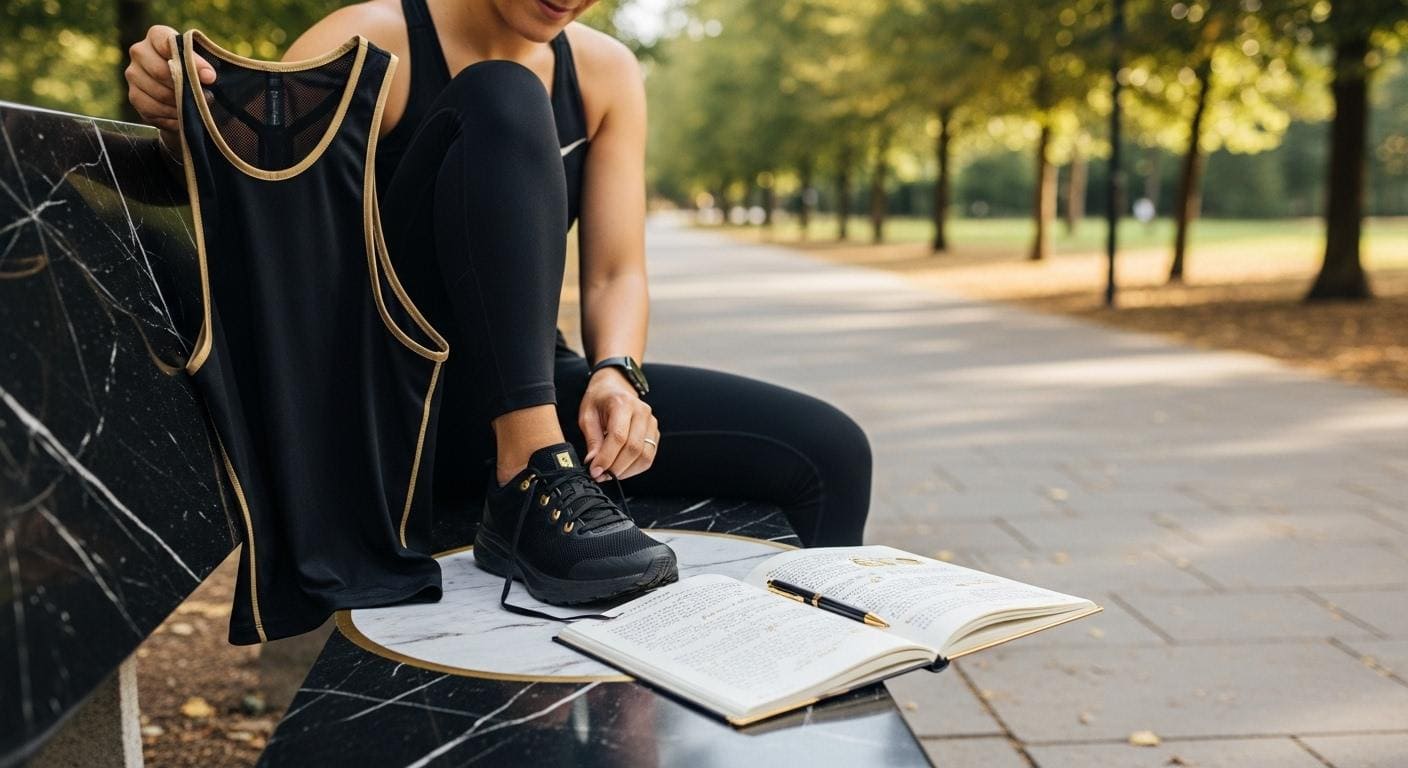
Choosing the right running singlet can make your runs much more enjoyable. You want a comfortable singlet that supports your movement and feels good against your skin. Many runners say the best tank top is slightly fitted. It should give you space to move, but not feel baggy or too tight. A well-chosen tank top helps you stay cool and focused, whether you use it as your main running gear or switch between it and a classic tank top. Always think about your running habits, local weather, and personal style when picking a fit that works for you.
Key Takeaways
Choose a running singlet that fits well. It should be close to your body without being too tight or loose.
Consider your running distance and frequency. Select a singlet that supports your training needs, whether for short runs or marathons.
Match your singlet to the weather. Use lightweight fabrics for hot days and layered options for cooler conditions.
Look for moisture-wicking materials. These fabrics keep you dry and reduce the risk of chafing during your runs.
Pay attention to seams and stitching. Flatlock seams and seamless designs help prevent irritation and enhance comfort.
Test your singlet before long runs. Movement tests ensure it allows full range of motion and does not restrict your stride.
Check brand reliability. Trusted brands offer quality and durability, ensuring your singlet lasts through many workouts.
Choose a style that motivates you. A singlet that you feel good in can boost your confidence and performance.
Your running needs
Distance & frequency
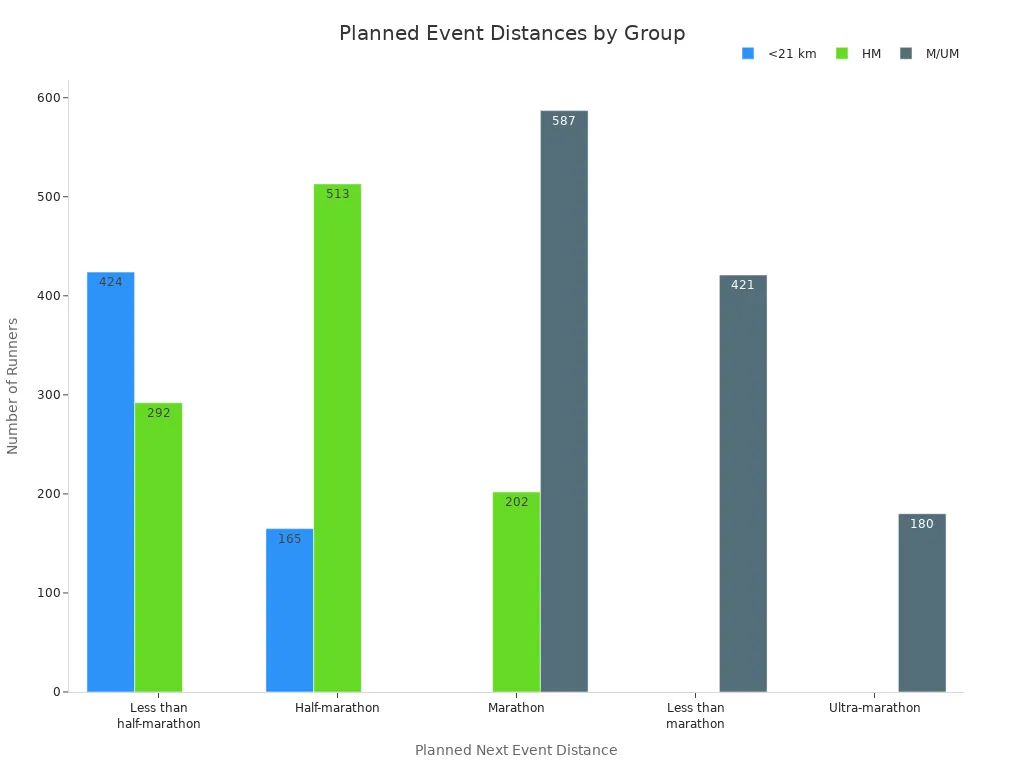
You should consider how far and how often you run before choosing a running singlet. Runners train for a wide range of events, from short races to marathons and even ultra-marathons. The following table shows how many recreational runners plan to participate in different race distances:
Running Group | Planned Next Event Distance | Number of Runners |
|---|---|---|
<21 km | Less than half-marathon | 424 |
<21 km | Half-marathon | 165 |
HM | Half-marathon | 513 |
HM | Less than half-marathon | 292 |
HM | Marathon | 202 |
M/UM | Marathon | 587 |
M/UM | Less than marathon | 421 |
M/UM | Ultra-marathon | 180 |
Most beginners start with three runs per week. You should avoid pushing yourself too hard at first. Gradually increase your running frequency and distance as you become more comfortable. Many runners aim for half-marathons or marathons, which means you need gear that can handle longer distances and more frequent use.
Weather & climate
Running conditions change with the seasons and your local climate. You need to select materials that match your environment. For hot weather, lightweight and airy fabrics like nylon/elastane blends help you stay cool and protect your skin from sunburn. The C-R Pro Singlet uses these materials to provide a weightless feel and shield you from the sun. In cooler weather, layering becomes important. Start with a sweat-wicking base layer made from polyester, nylon, or Merino wool. Add an insulating mid layer, such as fleece or Merino wool, and finish with a weather-resistant outer layer if needed.
Tip: The heat index combines temperature and humidity. High humidity makes it harder for sweat to evaporate, so you feel hotter even at lower temperatures. Adjust your layers to match the heat index and humidity for maximum comfort.
Comfort preferences
Your comfort depends on personal preferences and the features you value most. Many runners look for sustainable materials, such as recycled polyester, organic cotton, or bamboo blends. Moisture-wicking technology is essential for keeping you dry and comfortable during your run. Versatile designs allow you to adapt your gear to different running conditions and activities.
Sustainable materials
Moisture-wicking technology
Versatile designs
You should choose a running singlet that matches your comfort needs and supports your running goals. The right singlet helps you enjoy every run, no matter the distance or weather.
Running singlet features
Fabric & breathability
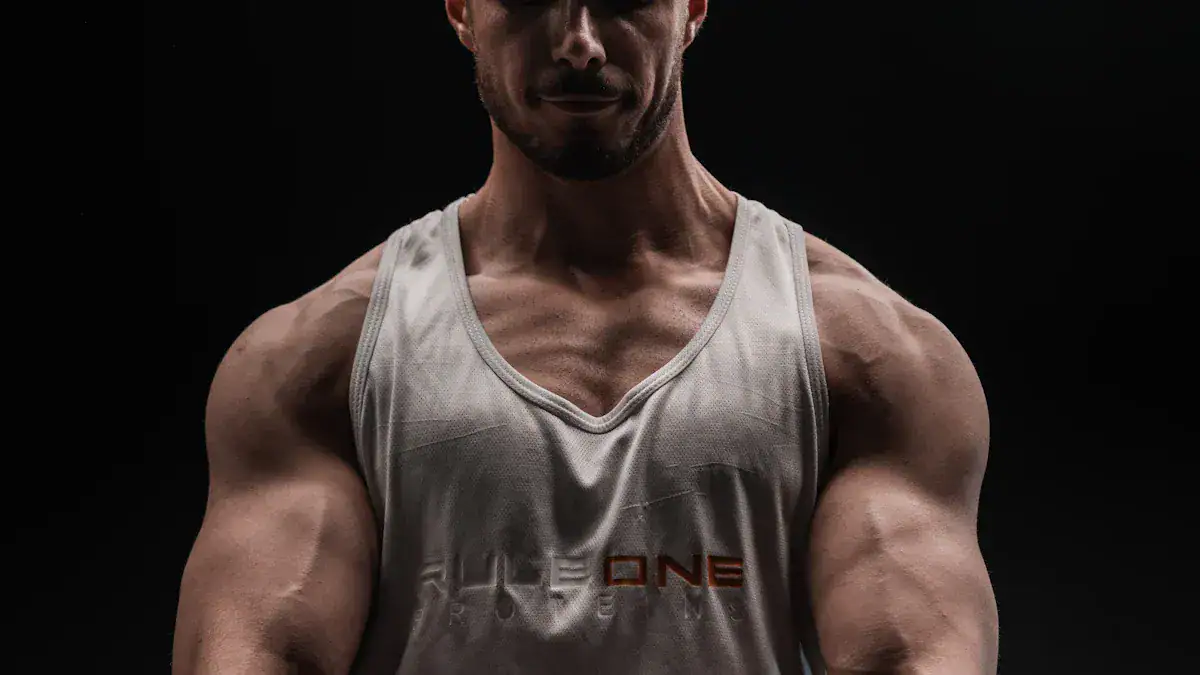
When you choose a running singlet, the fabric matters more than you might think. The best running shirts use moisture-wicking fabric, such as polyester, nylon, or spandex blends. These materials pull sweat away from your skin and help it evaporate quickly. This keeps you dry and reduces the risk of chafing during long runs. Moisture-wicking tops also feel lighter as you sweat, so you stay comfortable even on hot days.
Breathability is another key factor. A breathable fabric allows air to flow through the tank top, which helps cool your skin. Studies show that while high breathability in fabrics like Dry Aeroflow can lower the skin temperature on your chest, it does not always change your core body temperature during exercise in hot weather. Airflow from your movement plays a big role in keeping you cool. For the best results, look for a tank top with mesh panels or laser-cut holes for extra ventilation. These features help your sweat evaporate faster and keep you feeling fresh.
Tip: Choose a running singlet with both moisture-wicking and breathable fabric for the best comfort during any run.
Fit & cut
The fit and cut of your tank top can make a huge difference in your running experience. A good fit means the singlet sits close to your body without feeling too tight or too loose. This helps prevent chafing and lets you move freely. Racing singlets often have a slim athletic cut, while regular running shirts offer a more relaxed fit. The table below highlights the main differences:
Feature | Racing Singlets | Regular Running Shirts |
|---|---|---|
Fit | Slim athletic cut | More relaxed, flowy fit |
Design | Designed for minimal distraction | More versatile for various activities |
Breathability | High breathability for racing | Moderate breathability |
You will notice that racing singlets use flat straps that stay in place, so you do not have to adjust them as you run. The slim-cut design sits close to your skin, which can help with speed and comfort. If you prefer a looser tank top, you may want to size up. The racerback design is popular because it gives your shoulders and upper back more freedom to move. This full range of motion is important for keeping your running form strong and efficient, especially during long runs.
Seams & stitching
Seams and stitching play a big role in how comfortable your tank top feels. Look for flatlock seams, which lie flat against your skin and reduce the chance of irritation. Some of the best running shirts use bonded seams or seamless construction for even more comfort. These features help prevent chafing resistance, especially when you sweat a lot or run for long periods.
Pay attention to where the seams are placed. Seams under the arms or along the sides can rub against your skin and cause discomfort. A well-designed running singlet will have minimal seams in high-friction areas. This makes your tank top feel almost invisible, so you can focus on your run instead of your clothes.
Note: Always check the inside of your tank top for rough stitching or tags that might irritate your skin during a run.
Weight & thickness
When you choose a running tank top, you need to pay close attention to its weight and thickness. These two factors play a big role in how comfortable you feel during your run. A lighter tank top often means better lightweight performance, especially when you run in hot or humid weather. Thinner fabrics allow more air to flow, which helps your body release heat and manage sweat more efficiently.
You might notice that some tank tops feel almost invisible on your skin. These ultra-light options use advanced materials to reduce weight without sacrificing durability. They help you avoid feeling weighed down, even as you sweat more during intense workouts. If you run in warm climates, a thin, light tank top can keep you cooler and drier.
In contrast, thicker tank tops provide more coverage and can help you stay warm during cooler runs. However, extra thickness can trap heat and moisture, making you feel uncomfortable if you sweat a lot. You should always match the weight and thickness of your tank top to the climate and your personal comfort level.
The type of fabric also affects how weight and thickness influence your run. The table below compares common fabrics used in running tank tops and their impact on temperature, humidity, and performance:
Fabric Type | Effect on Microclimate Temperature | Effect on Relative Humidity | Performance Impact |
|---|---|---|---|
Cotton | Higher temperature retention | Higher humidity levels | Decreased performance |
Polyester | Lower temperature retention | Lower humidity levels | Improved performance |
Mesh | Optimal temperature regulation | Balanced humidity levels | Enhanced performance |
You can see that polyester and mesh fabrics offer better breathability and sweat control than cotton. Mesh tank tops, in particular, provide excellent airflow and help regulate your body temperature. This makes them a top choice for runners who want to maximize comfort and performance.
Tip: Always test your tank top on a short run before using it for a race or long workout. This helps you find the right balance between weight, thickness, and comfort.
To sum up, the best tank top for you depends on your running environment and how much you sweat. Lightweight tank tops with thin, breathable fabrics work best for hot weather and high-intensity runs. Thicker tank tops may suit cooler days or runners who prefer more coverage. By understanding how weight and thickness affect your comfort, you can choose a tank top that helps you perform your best every time you hit the road.
Comfort & sizing
How to measure
Finding the right fit for your running singlet starts with accurate measurements. You want a comfortable singlet that moves with you and does not restrict your stride. Use these steps to measure for the best running shirts:
Lay your favorite tank top or singlet flat on a table. Smooth out any wrinkles so you get a true measurement.
Take a tape measure and measure from armpit to armpit. This gives you the chest width, which is the most important measurement for fit.
Compare your measurement with the sizing chart from the brand, such as the GFNY singlet chart. Focus on the “1/2 chest width” for the closest match.
Tip: Always measure your tank top when it is clean and dry. Sweat or stretching can change the fit and affect your comfort.
Sizing charts
Sizing charts help you choose the best running shirts for your body type. Each brand uses its own chart, so you should check the measurements before you buy. Look for the chest width, length, and sometimes shoulder width. These numbers guide you to the right fit and help you avoid a singlet that feels too tight or too loose.
Here is a sample sizing chart for reference:
Size | 1/2 Chest Width (inches) | Length (inches) |
|---|---|---|
S | 17 | 25 |
M | 18.5 | 26 |
L | 20 | 27 |
XL | 21.5 | 28 |
You should match your measurement to the chart. If you fall between sizes, consider how you want your tank top to fit. A closer fit works well for racing, while a looser fit may feel better for casual runs.
Note: Some brands run smaller or larger than others. Always check reviews or ask for advice if you are unsure about sizing.
Movement test
After you find your size, test your running singlet for comfort and flexibility. Movement tests help you see how the tank top performs during real runs. You want a singlet that supports your body and does not restrict your motion.
Try these movement tests:
Mobility and stability tests show how well your tank top moves with you.
Achilles tendon tightness: Slide your knees past your toes. If your heels lift off the ground, you may have tightness. Your singlet should not restrict this movement.
Big toe dorsiflexion: Flex your big toe upward. If you cannot, your plantar fascia may be tight. Your tank top should allow full range of motion in your feet and legs.
Hip extension: Move your leg behind you. Good hip extension means your singlet does not limit your stride.
The Bridge Test: Lie on your back and lift your hips. This checks glute and hamstring strength. Your tank top should stay in place and not bunch up.
🏃♂️ Pro tip: Try these tests in your new singlet before your first run. You will notice if the fit or seams cause discomfort.
A comfortable singlet passes all movement tests and feels good during every stride. The best running shirts combine the right fit, flexible fabric, and smart design. You should always check for comfort before you commit to a long run or race.
Best running singlets: what to look for
Brand & reliability
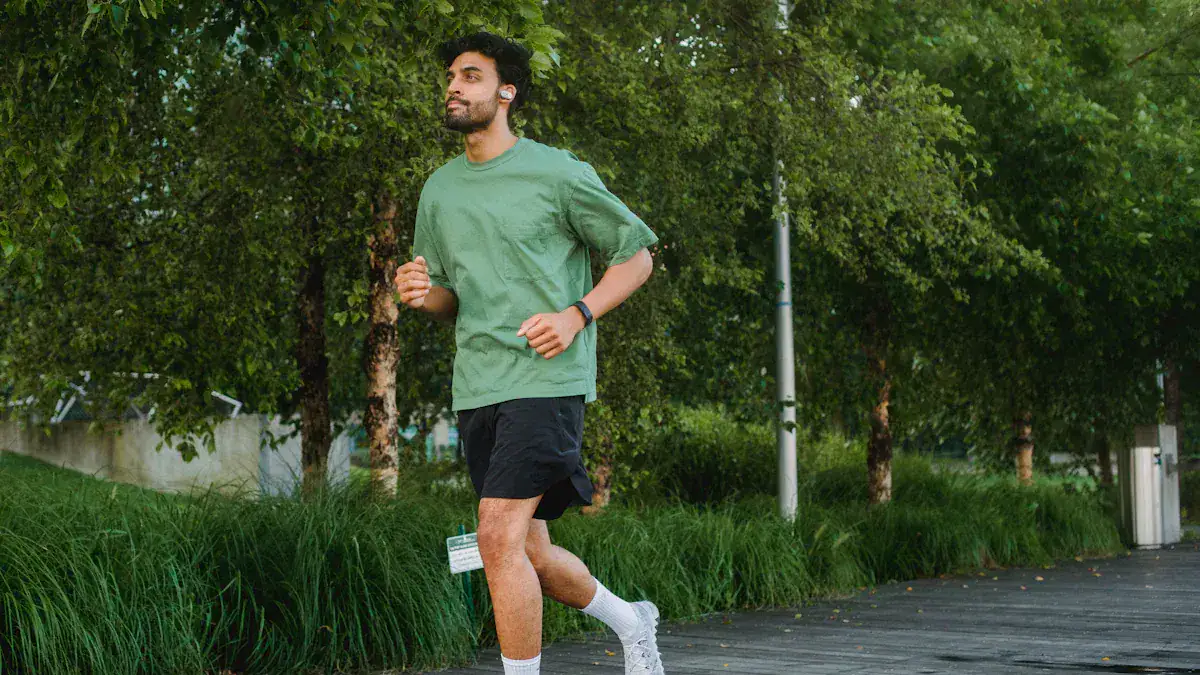
When you search for the best running singlets, you should start with brand reputation. Trusted brands invest in quality control and advanced fabric technology. You get durable running gear that lasts through many washes and workouts. Reliable brands offer consistent sizing, which helps you find the right fit every time. You should check reviews from other runners. Look for feedback about stitching, color retention, and how the singlet performs after repeated use. Many runners agree that the best for race day singlets come from brands with a history of supporting athletes. You want value for money, so choose a singlet that balances price with long-term durability.
Tip: If you plan to use your singlet for training and racing, pick a brand known for performance consideration and comfort.
Style & color
Style and color trends change each season. You see vibrant colors like red, green, and blue on many popular running singlets. Duo-toned options also attract attention at races. Unique designs stand out, with fresh silhouettes and retro-inspired looks gaining popularity. High-quality materials improve both performance and comfort. You can express your personality through your running gear. Many runners choose bold colors for motivation and visibility. Some prefer classic shades for a timeless look. The best running singlets often feature advanced fabric blends that wick moisture and keep you cool.
Vibrant colors: red, green, blue, duo-toned
Unique designs: fresh silhouettes, retro-inspired
High-quality materials: advanced fabric technology
Note: Choose a style that matches your mood and helps you feel confident on race day.
Gender-specific
Fit matters for every runner, but gender-specific designs address unique needs. Many female runners notice that women’s fit shirts run small. Some switch to men’s sizes for better comfort. Flattering designs, such as minor V-neck or scoop neck, appeal more than boxy cuts. You should look for a torso design that suits your body shape. Longer shirts prevent exposure of the midsection, which many runners prefer. Brands now offer options that accommodate different body types, making it easier to find the best for race day singlet.
Women’s fit shirts often run small
Flattering necklines: minor V-neck, scoop neck
Torso design: longer shirts, better coverage
You should always try on different styles and sizes to find the running singlet that fits your body and supports your performance consideration. The best running singlets combine reliable brands, stylish designs, and gender-specific features to help you run your best.
Running performance tips
Anti-chafing
You want to avoid chafing during your runs. Chafing happens when fabric rubs against your skin, causing irritation or even painful sores. The right running singlet can help you prevent this problem. Look for singlets with flatlock seams or seamless construction. These designs reduce friction and keep your skin safe. Moisture-wicking fabrics also play a big role. They pull sweat away from your body, so your skin stays dry and less likely to chafe.
Many runners choose compression-style singlets for added support. Compression garments can minimize muscle movement and reduce the impact of repetitive motion. This can help you feel less sore after a run. The table below shows some findings about compression garments and their effects on running:
Evidence Type | Findings |
|---|---|
Compression Garments | |
Muscle Activation | Can minimize muscle movement, potentially improving running economy |
Impact Forces | May reduce the effects of impact by altering muscle activation |
You should always test your singlet on a short run before using it for a long workout or race. If you notice any rubbing or discomfort, try a different size or style. Some runners also use anti-chafe balms for extra protection in high-friction areas.
Tip: Wash your singlet after every run. Clean fabric feels softer and reduces the risk of skin irritation.
Motivation & style
The right running singlet does more than protect your skin. It can boost your motivation and help you feel confident. When you wear a singlet that fits well and matches your style, you feel ready to take on any challenge. Bright colors and unique designs can lift your mood and make you stand out at races. Many runners say that wearing their favorite gear gives them an extra push to finish strong.
Performance also depends on how you feel in your gear. A comfortable singlet lets you focus on your pace and breathing, not on adjusting your clothes. Some studies show that compression garments may improve running economy at low intensities. Individual responses vary, but many runners notice better recovery and less muscle fatigue when they wear the right gear.
Evidence Type | Findings |
|---|---|
Running Economy | May improve at low sub-maximal intensities |
Recovery Benefits | Linked to reduced muscle soreness and fatigue, especially after running |
Energy Consumption | Reduced muscle activity may lower oxygen use and improve running economy |
You should choose a singlet that supports your goals and makes you feel good. When you feel comfortable and confident, your running performance improves. The right singlet helps you enjoy every mile and reach your personal best.
Stories & tips
Runner testimonials
You can learn a lot from other runners’ experiences with singlets. For example, Jamie, a high school cross-country runner, says,
“I used to wear regular cotton tank tops for practice. I always felt heavy and sweaty by the end. Once I switched to a moisture-wicking singlet, I noticed I stayed dry and comfortable, even during long intervals.”
Another runner, Alex, shares,
“I tried a few different brands before finding one that fit my shoulders and didn’t ride up. Now, I always check the seams and try a movement test before buying. It makes a huge difference on race day.”
Stories like these show that the right singlet can help you focus on your run, not your clothes. You might need to try a few styles before you find your favorite, but listening to other runners can help you avoid common mistakes.
Mistakes to avoid
Many runners make similar mistakes when choosing a singlet. You can avoid discomfort and wasted money by watching out for these issues:
Picking cotton shirts. Cotton traps sweat and stays wet, which can cause chafing and make you feel cold or heavy.
Ignoring fit. A singlet that is too tight can restrict your movement. One that is too loose may bunch up or cause friction.
Overlooking seams. Rough or bulky seams can irritate your skin, especially on long runs.
Forgetting to test. If you do not try your singlet on before a race, you might discover problems when it is too late to change.
Not considering the weather. Wearing a thick singlet in hot weather or a thin one in the cold can make your run uncomfortable.
Note: Always wash your new singlet before your first run. This softens the fabric and removes any residues from manufacturing.
Quick checklist
Before you buy your next running singlet, use this checklist to make sure you pick the best option for your needs:
Choose moisture-wicking athletic tops to stay dry and comfortable.
Ensure a personal fit. Decide if you prefer a fitted or looser style.
Opt for lightweight materials for warm weather. Pick insulated options for cold weather.
Avoid cotton shirts because they retain moisture and increase the risk of chafing.
Check the seams for smoothness and placement.
Try a movement test to make sure the singlet does not restrict your stride.
Consider your running frequency and climate.
Pick a style and color that motivates you.
You can use this checklist every time you shop for a new singlet. It helps you focus on comfort, performance, and personal style. The right singlet supports your goals and makes every run more enjoyable.
You can boost your running performance by choosing a running singlet that matches your needs. Focus on comfort, fit, and features that support your goals. The table below highlights top models and their best uses:
Singlet Model | Key Features | Best For |
|---|---|---|
rnnr Men’s All Out Singlet | Lightweight, moisture-wicking, recycled materials | Hot weather, intense workouts |
adidas Own The Run Base Tank | Reflective, breathable, racerback | Visibility, easy movement |
Nike Dri-FIT ADV Aeroswift | Ultra-light, bonded seams, airflow | Staying cool, high performance |
Look for moisture-wicking fabrics, flatlock seams, and mesh panels for better comfort and performance. Use the checklist to guide your next purchase. The right singlet helps you enjoy every run and reach your best.
FAQ
How do you wash a running singlet?
Wash your singlet in cold water with mild detergent. Avoid fabric softeners. Air dry it to keep the fabric strong and stretchy. This method helps your singlet last longer and keeps it comfortable.
Can you wear a running singlet in cold weather?
You can wear a singlet as a base layer. Add a long-sleeve shirt or jacket on top. This keeps you warm while letting sweat escape. Layering helps you adjust to changing temperatures.
What is the difference between a singlet and a tank top?
A running singlet uses technical fabrics that wick moisture and reduce chafing. A regular tank top often uses cotton and may not breathe well. Singlets focus on performance and comfort during runs.
How tight should your running singlet fit?
Your singlet should fit close to your body without feeling restrictive. You want enough room for movement. A good fit prevents chafing and keeps the singlet from bunching up as you run.
Do you need to wear anything under a running singlet?
Most runners wear the singlet alone. Some prefer a sports bra or compression base layer for extra support. Choose what feels most comfortable for you during your runs.
How long does a running singlet last?
A quality singlet lasts through many washes and runs. You may need to replace it if the fabric thins, stretches, or loses its moisture-wicking ability. Check for signs of wear every few months.