

Custom softshell vs winter jackets adaptation plans for different seasons
Table of Contents
Display
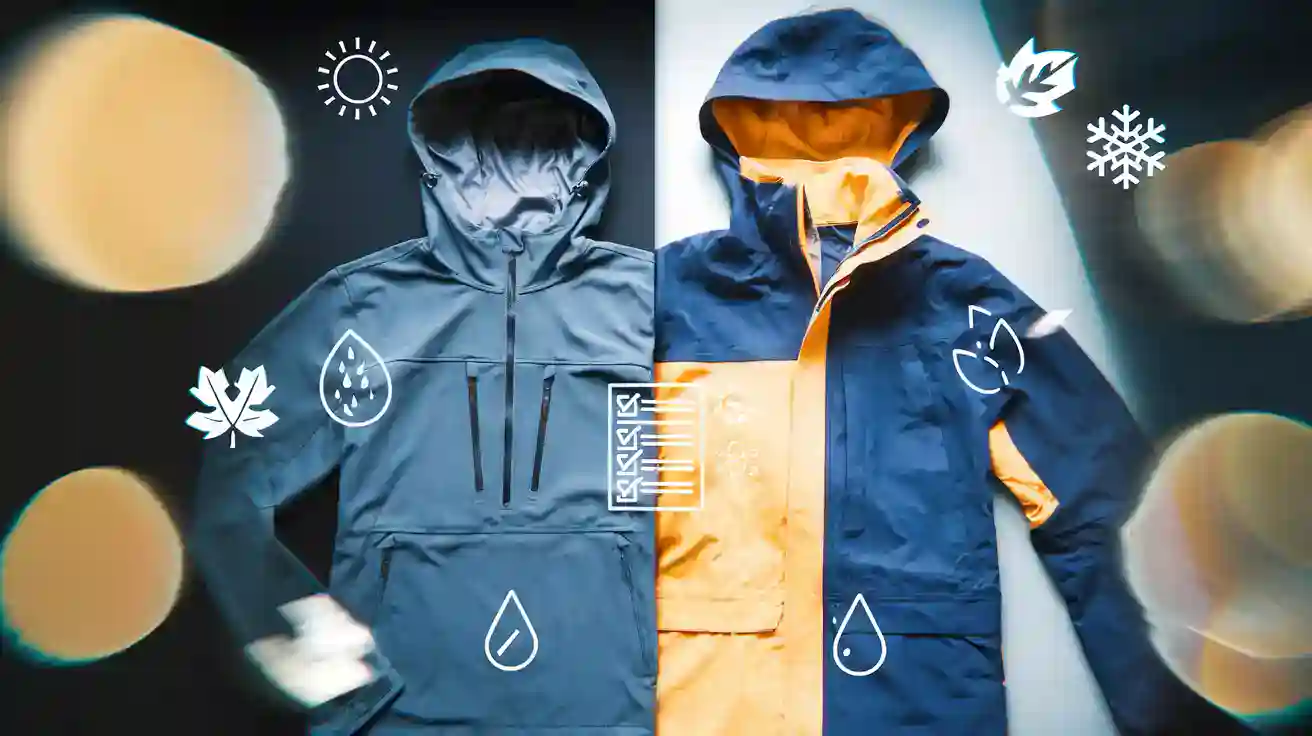
When I face changing weather, I always ask myself which jacket works best. In spring, a lightweight jacket handles humidity and minimum temperature shifts. Fall calls for a jacket that adapts to average temperature drops and cool evenings. For winter, I reach for a jacket with insulation that stands up to cold. The choice between custom softshell vs winter jackets depends on how I balance comfort and performance. I rely on outerwear that adapts as conditions shift. Here’s what guides my jacket selection:
Factor | Season | Impact on Sales |
|---|---|---|
Humidity | Spring | |
Minimum Temperature | Spring | Essential for jacket choice |
Average Temperature | Autumn | Partially affects jacket choice |
Minimum Temperature | Autumn | Partially affects jacket choice |
Temperature | Winter | Drives winter jacket demand |
I always look for outerwear that tackles changing weather, keeps me comfortable, and adapts to every season.
Key Takeaways
Choose a softshell jacket in spring for breathability and light rain protection. It allows for movement and comfort during fluctuating temperatures.
In fall, opt for a transitional jacket that manages moisture and adapts to both warm afternoons and chilly evenings. Layering enhances comfort.
For winter, prioritize insulation and weather protection with a winter jacket. Look for features like waterproofing and wind resistance to stay warm.
Transitional jackets are versatile and essential for unpredictable weather. They should be water-repellent, breathable, and adaptable across seasons.
Layering is key to comfort. Start with a moisture-wicking base layer, add a mid-layer for warmth, and finish with an appropriate outer layer.
Consider the activity when selecting a jacket. Softshells suit high-intensity activities, while winter jackets are better for less active pursuits in cold weather.
Always check the fit and insulation quality of winter jackets. A snug fit retains warmth and adjustable features block out cold air.
Stay prepared for sudden weather changes by checking forecasts and packing suitable clothing. A compact umbrella and waterproof shoes can be lifesavers.
Jacket Choice by Season
Spring
When spring arrives, I notice the weather can shift quickly from chilly mornings to mild afternoons. I always reach for a jacket that adapts to these changes. I prefer a softshell jacket during this season. It offers excellent breathability, which keeps me comfortable when I move around or take brisk walks. The water-resistant finish protects me from light rain and damp air, which is common in spring. I find that a transitional jacket works best because it balances warmth and ventilation. I can wear it over a t-shirt or a light sweater, and I never feel overheated.
Here’s how I compare softshell and winter jackets for spring:
Feature | Softshell Jackets | Winter Jackets (Hard Shells) |
|---|---|---|
Breathability | Very high—ideal for touring | Lower, designed for full waterproofing |
Water Resistance | Water-resistant (DWR finish only) | Fully waterproof and windproof |
Best For | Fair weather, spring skiing, high-output movement | Harsh winter conditions |
I always choose a transitional jacket for spring because it lets me stay active without feeling restricted. I avoid heavy winter jackets during this season since they trap too much heat and limit my movement.
Fall
Fall brings cooler temperatures and unpredictable weather. I rely on a transitional jacket that can handle both warm afternoons and chilly evenings. I often choose a softshell jacket for fall outdoor activities. It manages moisture well and allows sweat to evaporate, which keeps me comfortable during hikes or bike rides. I appreciate how these jackets adapt to my activity level and the changing weather.
Softshell jackets are breathable and manage moisture, making them ideal for active fall activities.
They allow sweat to evaporate, enhancing comfort during vigorous activities.
Winter jackets offer heavier insulation, suitable for less active pursuits in cold weather, providing better protection from wind and rain.
When I plan to spend more time outdoors, I layer a transitional jacket over a base layer. This combination gives me flexibility as temperatures drop. I avoid wearing heavy winter jackets in early fall because they can feel bulky and too warm for transitional weather.
Winter
Winter demands a different approach. I always look for a jacket that provides maximum insulation and weather protection. In extremely cold climates, I choose a winter jacket with thick down or synthetic insulation. I make sure it has a thermal lining to trap heat. I also check for waterproof and windproof materials, such as Gore-Tex, to keep moisture and wind out. I know that wind resistance is critical in winter, especially when the air feels dry but the wind chill is severe.
For milder winter days, I sometimes wear an insulated softshell jacket. It gives me moderate warmth and better mobility. However, I always layer it with a warm mid-layer if I expect colder temperatures. I find that insulated jackets, whether down or synthetic, use my body heat to keep me warm. I avoid jackets with sewn-through baffles in harsh winter conditions because they can let cold air in.
Tip: I always check the insulation quality and the fit of my winter jacket. A snug fit helps retain warmth, while adjustable cuffs and hoods block out cold air.
I rely on a transitional jacket only when I know the winter weather will be mild or when I plan to stay active outdoors. For extreme cold, I never compromise on insulation and windproofing.
Transitional Jacket
Transitional jackets play a crucial role in my wardrobe. I rely on them when the weather shifts between seasons. I often face unpredictable conditions, such as sudden rain or temperature drops. I choose a jacket that adapts quickly and keeps me comfortable.
I look for three main qualities in a transitional jacket:
Versatility: I need a jacket that works for both warm afternoons and chilly mornings. I often wear the same jacket in early autumn and late spring.
Water-repellent and breathable: I prefer jackets that protect me from light rain but do not trap heat. Breathable fabrics help me stay dry and comfortable during active days.
Seasonal adaptability: I use transitional jackets across multiple seasons. I layer them over a t-shirt in spring or add a sweater in fall.
Here is how I compare the defining characteristics of transitional jackets:
Characteristic | Description |
|---|---|
Versatility | Handles unpredictable weather, suitable for both warmer and colder temperatures. |
Water-repellent and breathable | Protects from light rain and allows moisture to escape, preventing overheating. |
Seasonal adaptability | Useful across seasons, such as wearing a spring jacket in early autumn and vice versa. |
When I select a transitional jacket, I focus on features that enhance comfort and performance. I look for adjustable cuffs, lightweight insulation, and flexible materials. I avoid heavy winter jackets during transitional periods because they restrict movement and trap too much heat.
Tip: I always test my transitional jacket in different weather conditions. I check if it keeps me dry during a drizzle and if it feels comfortable when temperatures rise.
I recommend keeping a transitional jacket ready for days when the forecast is uncertain. I find that layering with a base or mid-layer increases warmth without sacrificing breathability. I choose colors and styles that match my personal taste and outdoor activities.
Transitional jackets help me stay prepared and comfortable as the seasons change. I trust their adaptability and rely on them for daily wear during unpredictable weather.
Custom Softshell vs Winter Jackets
Softshell Jackets
Features
When I evaluate custom softshell vs winter jackets, I always start by examining the features that set softshell jackets apart. Softshell jackets represent the pinnacle of lightweight outerwear for aerobic activities. I notice that the best jacket fabrics in softshell construction include stretch-woven technical materials. These fabrics provide flexibility and allow me to move freely during climbing, hiking, or cycling. I find that softshell jackets excel in breathability, which means moisture and heat escape easily. This keeps me comfortable and prevents overheating during high-output activities.
I appreciate the wind resistance that softshell jackets offer. The durable water repellent finish sheds light rain, making these jackets suitable for unpredictable weather. The comfort level stands out, especially when the jacket includes spandex or elastane. I feel the jacket move with my body, which enhances my experience outdoors. Moisture management is another key feature. Softshell jackets regulate my body temperature and prevent sweat buildup, which is essential for maintaining warmth and dryness.
Stretchiness allows for a full range of motion.
Breathability ensures moisture and heat escape.
Wind resistance protects against gusts.
Water resistance handles light rain.
Comfort comes from flexible, body-hugging materials.
Moisture management keeps me dry during activity.
Uses
I rely on softshell jackets as my go-to lightweight outerwear for aerobic activities. These jackets work best for hiking, running, cycling, and spring skiing. I wear them as an outer layer in mild conditions or as a mid-layer under a quilted coat when temperatures drop. Their adaptability makes them ideal for environments where movement is crucial. I often use softshell jackets for high-intensity activities, knowing they will keep me comfortable and dry.
User reviews consistently highlight the comfort and adaptability of custom softshell jackets. I find that they provide moderate warmth, which suits me in mild weather. I use them for hiking, skiing, and other activities that require flexibility. I also layer softshell jackets under a puffer or quilted coat for added warmth in colder conditions. Their versatility means I can wear them across seasons, adjusting my layers as needed.
Winter Jackets
Features
When I compare custom softshell vs winter jackets, I focus on the features that define winter jackets. Winter jackets prioritize warmth and weather protection. I look for thick insulation, which can be down, synthetic, or hybrid. Down insulation offers excellent heat retention with minimal bulk, making it ideal for dry conditions. Synthetic insulation retains warmth even when wet, which is important for damp climates. Hybrid insulation combines both types, giving me balanced performance for various activities.
Winter jackets use the best jacket fabrics for durability and weather resistance. I see that hardshell materials like Gore-Tex provide full waterproofing and windproofing. These jackets often include quilted construction, which traps heat and prevents cold air from entering. Adjustable cuffs, hoods, and sealed seams enhance protection against harsh winter elements. I notice that winter jackets are heavier than softshell jackets, but they deliver superior warmth and insulation.
Jacket Type | Durability | Waterproof | Best Use Cases |
|---|---|---|---|
Softshell | Less durable in extreme conditions | Not fully waterproof | High-intensity activities in milder weather |
Hardshell | Very durable | Waterproof | Long-term use in harsh winter weather |
Uses
I reach for winter jackets when I need maximum warmth and protection. These jackets serve me well during extreme cold, snowstorms, and windy conditions. I wear them for winter hiking, snowboarding, and commuting in freezing temperatures. Winter jackets, especially quilted jackets and puffer coats, trap heat and shield me from wind and moisture. I rely on them for long-term use in harsh environments, knowing they will keep me warm and dry.
Winter jackets perform best when I need insulation and weather resistance. I use them for less active pursuits, such as walking or standing outdoors for extended periods. The quilted design and thick insulation ensure that I stay comfortable even when temperatures plummet. I select winter jackets with advanced ventilation features if I plan to engage in moderate activity, but I know that softshell jackets manage moisture better during high-exertion activities.
Note: I always consider the environmental impact when selecting outerwear. Softshell jackets often use responsibly sourced down feathers, which can be more sustainable. Some brands now offer eco-friendly winter jackets, reducing their environmental footprint.
Comparing Flexibility, Breathability, Warmth, and Weather Resistance
When I compare custom softshell vs winter jackets, I focus on four main factors: flexibility, breathability, warmth, and weather resistance. Softshell jackets offer unmatched flexibility and breathability, making them the best choice for lightweight outerwear during aerobic activities. They manage moisture well and keep me comfortable during movement. Winter jackets excel in warmth and weather resistance, using quilted construction and advanced insulation to protect me in extreme conditions.
I find that softshell jackets are less durable in harsh environments, but they provide the comfort and adaptability I need for high-intensity activities. Winter jackets, especially quilted jackets and puffer coats, deliver superior durability and protection. I select the best jacket fabrics based on my activity and weather conditions, ensuring that my outerwear meets my needs.
Brand | |
|---|---|
The North Face | $93.15 – $180.10 |
Eddie Bauer | $40.75 – $149.04 |
Nike | $83.84 – $111.78 |
I always weigh the price, durability, and performance when choosing between custom softshell vs winter jackets. I select lightweight outerwear for active days and rely on quilted jackets or puffer coats for warmth during winter. My approach to selecting the best jacket fabrics ensures that my outerwear adapts to every season and activity.
Multiseasonal Adaptation Plans
Layering
I always rely on layering to adapt my jacket choices for every season. Layering gives me the flexibility to adjust my outfit as temperatures shift throughout the day. In spring, I start with a lightweight base layer, such as a fine knit or soft cotton shirt. I add a mid-layer like a vest or a light sweater for extra warmth. When the weather turns unpredictable, I top it off with a softshell jacket. This approach lets me stay comfortable without feeling bulky.
During fall, I use a similar strategy. I begin with a long-sleeve top or turtleneck, then layer a flannel shirt or a cardigan. I finish with a jacket that matches the autumn color palette. Mixing textures, such as pairing a chunky knit scarf with a leather jacket, adds depth to my look. I balance bold patterns with solid colors to keep my outfit harmonious.
In winter, I focus on insulation. I choose a thermal base layer, add a thick sweater, and finish with a winter jacket that offers maximum warmth and weather protection. Layering helps me transition seamlessly from one season to another, ensuring I stay comfortable and stylish.
Tip: I always experiment with different combinations to express my personal style while staying prepared for changing conditions.
Weather Protection
Weather protection remains a top priority when I select a multiseasonal jacket. I look for features that shield me from rain, wind, and cold. Custom jackets offer a range of materials tailored for specific weather conditions. Lightweight options work best for spring and summer, while insulated designs keep me warm in winter. Breathability enhances comfort during active days, and water resistance protects me from unexpected showers.
Feature | Benefit |
|---|---|
Tailored for specific weather conditions | |
Lightweight options | Ideal for spring and summer |
Insulated designs | Suitable for winter |
Breathability | Enhances comfort in various activities |
Water resistance | Protects against rain and moisture |
Custom logos/designs | Versatile for casual and professional settings |
I always choose jackets that combine these features, allowing me to adapt quickly as the weather changes. Embracing multiseasonal jackets ensures I stay protected and comfortable year-round.
Comfort
Comfort drives every jacket decision I make. I prefer jackets with flexible materials that move with my body. Breathable fabrics keep me dry and prevent overheating, especially during aerobic activities. I look for adjustable cuffs, hoods, and lightweight insulation to maximize comfort in any season.
Layering adds versatility, letting me remove or add layers as needed. I select jackets that feel good against my skin and allow me to stay active without restriction. Multiseasonal jackets offer the functionality I need to enjoy outdoor activities, no matter the weather.
Note: I always prioritize comfort and adaptability when building my outerwear collection. The right jacket helps me transition seamlessly from one season to another while maintaining style and performance.
Winter Outerwear and Seasonal Fashion Trends
Style
I always pay close attention to winter outerwear and seasonal fashion trends when I select a jacket for cold weather. The importance of winter outerwear goes beyond warmth; it also reflects my personal style and keeps me looking sharp during winter activities. I notice that brands now focus on sustainability, using eco-friendly materials and responsible production methods. This shift matches my values and makes custom jackets more appealing.
I see a wide range of jacket styles each season. Bomber jackets, puffers, and parkas dominate the market. I often choose a custom embroidered softshell for breathability and protection from light snow. When I need extra warmth, I reach for a custom embroidered insulated jacket with down or PrimaLoft. Fleeces with textured fabrics and water-repellent finishes have become popular, adding variety to my winter wardrobe.
Description | |
|---|---|
Custom Embroidered Softshell | Offers breathability and protection from light snow, rain, and wind. |
Custom Embroidered Insulated | Designed for cold and windy conditions, featuring insulation materials like down or PrimaLoft. |
Custom Embroidered Fleeces | Lightweight and water-repellent, available in various styles, and textured fabrics are trending. |
I personalize my jacket with embroidery, screen printing, or heat transfers. These options let me express my style while staying practical. I often participate in collaborative design processes, choosing colors and patterns that match my taste. Customization helps me stand out and ensures my jacket fits my lifestyle.
Functionality
I always consider functionality when I select winter outerwear. My jacket must perform well in cold, wet, and windy conditions. I look for features that enhance comfort and adaptability. A 3-layer fabric provides waterproofing and breathability, keeping me dry during winter sports. I appreciate a fleece-lined collar for extra warmth and protection against wind.
Mesh moisture-wicking linings help manage sweat when I stay active. Triple-stitched dual Velcro closures give me a secure fit, especially when I ski or snowboard. Taped seams prevent water and snow from seeping in, maximizing protection. I choose jackets with helmet-compatible oversized hoods for added safety on the slopes.
Feature | Description |
|---|---|
3-layer fabric | Excellent waterproofing and breathability for comfort in wet conditions. |
Fleece-lined collar | Adds warmth and shields the neck from cold and wind. |
Mesh moisture-wicking lining | Manages moisture, keeping me dry during activity. |
Triple-stitched dual Velcro closures | Secure and adjustable fit, ideal for skiing and snowboarding. |
Taped seams | Prevents water and snow from entering, maximizing protection. |
Helmet-compatible oversized hood | Extra protection and easy integration with ski helmets. |
Customization options | Personalize color, pattern, and embellishments for unique style. |
Freedom of movement | Allows easy mobility, ensuring comfort and performance. |
I always balance style and functionality in my winter jacket choices. Adaptability and comfort remain my top priorities. I select jackets that let me move freely and stay warm, whether I am in the city or on the slopes. Custom jackets give me the flexibility to match my style and meet my performance needs.
Practical Tips
Choosing by Activity
I always match my jacket choice to the activity and weather conditions. When I plan a brisk hike or a morning run, I reach for a softshell jacket. This option gives me flexibility and breathability, which keeps me comfortable during aerobic movement. For cycling, I prefer a jacket with a slim fit and stretch panels. These features allow me to move freely and maintain my style on the road.
If I work outdoors in cold environments, I select a winter jacket with thick insulation. I look for adjustable cuffs and a hood to block wind and snow. When I spend time at outdoor events, I choose a jacket that balances warmth and style. I often layer a fleece under a quilted coat for extra comfort. For casual outings, I pick a transitional jacket that matches my personal style and adapts to changing temperatures.
Activity | Recommended Jacket | Key Features | Style Focus |
|---|---|---|---|
Hiking/Running | Softshell | Breathable, flexible | Sporty, streamlined |
Cycling | Softshell/Transitional | Stretch panels, slim fit | Modern, active |
Outdoor Work | Winter Jacket | Insulated, windproof, adjustable | Rugged, practical |
Events/Outings | Transitional/Winter | Layered warmth, water-resistant | Casual, versatile |
I always consider the level of activity and the expected weather. This approach helps me stay comfortable and maintain my style, no matter where I go.
Maximizing Performance
I maximize the performance of my jackets by using a strategic layering system. I start with a base layer that manages moisture and keeps me dry. Heatwave Technology in base layers helps retain body heat, which is essential in cold weather. I add a heavy mid layer, such as a thick fleece or insulated down jacket, to trap warmth. For the outer layer, I choose a durable, windproof, and waterproof shell. This combination blocks snow and cold winds, keeping me protected.
Tip: I always ensure my outer layer is roomy enough for easy movement and has adjustable features for a custom fit.
I never overlook accessories. Heated gloves and a balaclava provide full coverage and protect against frostbite. I select functional jackets that offer both performance and style. This choice allows me to transition from outdoor activities to social gatherings without sacrificing comfort or appearance.
Here is my layering strategy for cold and variable weather:
1. Baselayer: Worn against the skin, it wicks away moisture and keeps me dry. 2. Mid-layer: Traps warm air; fleece or down works best for insulation. 3. Outer layer: Shields against wind, rain, and snow; adjustable features enhance fit and style.
I always test different combinations to find the best balance between warmth, mobility, and style. My approach ensures I stay comfortable and confident, whether I am working outside or enjoying winter sports. Functional jackets help me adapt quickly to changing conditions while maintaining my preferred style.
Quick Reference
Selection Table
When I need to choose the right jacket for any season or activity, I rely on a clear set of criteria. I always start by considering the material. Durable fabrics like nylon or wool offer the best protection against harsh weather. I check the weight of the jacket. Heavier fabrics, usually between 500 and 800 gsm, keep me warm in winter. Lighter options, ranging from 100 to 300 gsm, work best for spring and fall. I match my jacket to the climate in my area. Wool keeps me comfortable in cold temperatures. Nylon shields me from rain and wind.
I think about how I plan to use the jacket. For outdoor activities, I select designs that allow freedom of movement and breathability. For casual wear, I look for styles that fit my personal taste. I balance functionality with style. I choose colors and patterns that reflect my personality, but I never compromise on performance.
Criteria | Description |
|---|---|
Material | Selection based on durability, insulation, and weather resistance. |
Weight | Heavier fabrics (500-800 gsm) for winter; lighter fabrics (100-300 gsm) for mild weather. |
Climate | Choose materials based on local weather conditions (e.g., wool for cold, nylon for rain). |
Usage | Consider the intended use (e.g., casual, outdoor activities) when selecting a jacket. |
Style | Balance between functionality and personal style; various materials can reflect different looks. |
I use this table as a quick guide whenever I shop for a new jacket or prepare for a change in season. It helps me make informed decisions and ensures I stay comfortable and protected.
Adaptation Checklist
I always prepare for sudden weather changes by following a simple adaptation checklist. This routine keeps me ready for anything, whether I am heading out for a hike or commuting to work.
I check local forecasts every morning. This habit helps me anticipate temperature shifts and precipitation.
I pack clothing that suits varying weather conditions. I include a lightweight jacket for mild days and an insulated layer for colder moments.
I keep emergency plans in place for different climate hazards. I know where to find shelter during storms and carry essentials like gloves and a hat in my bag.
Tip: I always keep a compact umbrella and a pair of waterproof shoes nearby. These items help me stay dry and comfortable when the weather turns unexpectedly.
By following this checklist, I stay flexible and prepared throughout the year. I never let sudden changes in weather catch me off guard. My approach ensures I enjoy every season with confidence and comfort.
I always consider my needs before choosing between custom softshell and winter jackets. Softshell jackets give me breathability and water resistance for active days or mild cold. Winter jackets, like puffers, keep me warm in freezing temperatures. I rely on layering to adapt to changing weather.
Proper jackets and accessories, such as gloves and scarves, prepare me for unpredictable weather.
I recommend reviewing your wardrobe and trying these adaptation plans. Flexibility in outerwear keeps you ready for any season.
FAQ
What is the main difference between a softshell and a winter jacket?
I notice that softshell jackets focus on breathability and flexibility. Winter jackets prioritize insulation and weather protection. I choose softshells for active days and winter jackets for extreme cold. Each type serves a unique purpose in my wardrobe.
Can I wear a softshell jacket in winter?
I often wear a softshell jacket in mild winter weather. I layer it with a warm base and mid-layer for extra insulation. For harsh winter conditions, I switch to a fully insulated winter jacket to stay warm and protected.
How do I layer jackets for changing seasons?
I start with a moisture-wicking base layer. I add a mid-layer like a fleece or sweater. I finish with a softshell or winter jacket, depending on the temperature. Layering helps me adjust quickly as the weather changes.
Are custom jackets worth the investment?
I believe custom jackets offer great value. I get a personalized fit, unique style, and features tailored to my needs. Custom options often last longer and perform better in specific activities. I recommend investing in one if you want durability and comfort.
How do I care for my jacket to extend its life?
I always follow the care instructions on the label. I wash my jacket in cold water and avoid harsh detergents. I hang it to dry instead of using a dryer. Regular cleaning and proper storage keep my jacket in top condition.
Which jacket should I choose for outdoor sports?
I select a softshell jacket for hiking, running, or cycling. It gives me breathability and freedom of movement. For winter sports like skiing or snowboarding, I pick an insulated winter jacket with waterproof features to stay warm and dry.