

How to Pick the Right Children’s Jacket for Winter
Table of Contents
Display
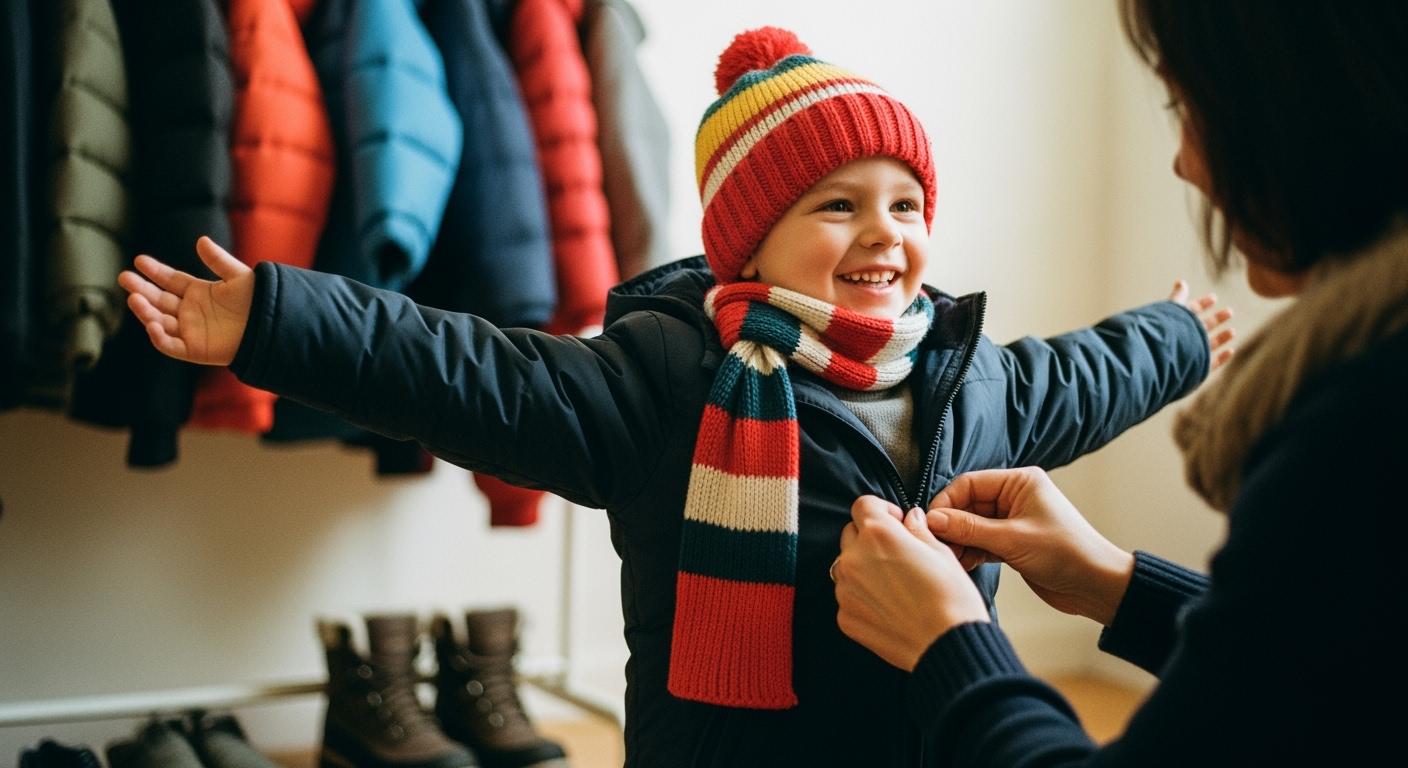
Have you ever stood in a store, surrounded by racks of winter coats, wondering which one will actually keep your child warm and happy? The best children’s winter jacket keeps your child comfortable, fits well, and suits your weather and daily activities. When you shop for childrens jackets, you probably think about warmth, safety, and style. Many parents share these concerns:
Quality matters most for 74% of parents.
Comfort is important for 65%.
Social trends can influence your child’s choices, especially for teens.
You can pick the right winter jacket with a few clear tips.
Key Takeaways
Choose the right type of jacket based on your child’s activities and local climate. Options include puffy jackets for cold days, parkas for extreme weather, and 3-in-1 jackets for versatility.
Look for essential features like insulation, weather resistance, and adjustability. These elements keep your child warm, dry, and comfortable during winter activities.
Involve your child in the selection process. Let them choose styles they like to ensure they feel confident and excited to wear their jacket.
Ensure a proper fit by checking size charts and allowing room for layering. A well-fitted jacket promotes warmth and freedom of movement.
Consider budget-friendly options like shopping sales or buying gently used jackets. Quality doesn’t have to break the bank.
Types of Childrens Jackets
Choosing the right outerwear for your child starts with understanding the main types of childrens jackets. Each style works best for different ages, activities, and climates. You want to keep your child warm and dry during winter, so knowing the options helps you make a smart choice.
Puffy Jackets
Puffy jackets use down or high-quality synthetic fill to trap heat. These jackets feel lightweight but provide excellent insulation. You should pick a puffy jacket for very cold, dry winter days. Active children enjoy the comfort and warmth without feeling weighed down.
Parkas
Parkas offer extra length and coverage. They often have fur-lined hoods and thick insulation. Parkas work well for extremely cold climates or long periods outdoors. If your child walks to school or spends time outside in harsh winter weather, a parka gives reliable protection.
Fleece Jackets
Fleece jackets feel soft and light. They work best as a middle layer or for mild winter days. You can use a fleece jacket under a heavier coat for extra warmth. Fleece dries quickly and allows freedom of movement, making it a good choice for active play.
3-in-1 Jackets
3-in-1 jackets combine a waterproof shell with a removable inner layer. You can adjust these jackets for changing weather. On cold, wet winter days, your child stays dry and warm. When the weather turns mild, remove the inner layer for a lighter jacket.
Tip: 3-in-1 jackets give you flexibility for unpredictable winter climates.
Snowsuits vs. Jackets
Snowsuits cover the whole body and provide maximum insulation. They work best for young children who play in deep snow or spend hours outside. Jackets allow more movement and make it easier for older kids to transition between indoors and outdoors. If your child needs full-body warmth, choose a snowsuit. For everyday winter wear, a jacket offers convenience and comfort.
Factor | Description |
|---|---|
Climate | Colder regions need jackets with strong insulation and warmth. |
Activity | Active kids benefit from lightweight, durable, and multifunctional jackets. |
You can find many popular childrens jackets from brands like Reima, which focus on durability and insulation for active kids. The right choice depends on your local winter climate and your child’s daily activities.
Key Features for Winter Gear
When you shop for the best winter gear for kids, you need to know which features matter most. The right jacket keeps your child warm, dry, and safe, while also allowing them to move freely during winter activities. Let’s break down the essential features you should look for in childrens jackets.
Insulation and Weight
Insulation traps body heat and keeps cold air out. You want a jacket that uses effective insulation materials. Studies show that wool and bubble wrap work well as insulators because they do not conduct heat easily. Cotton and paper do not retain warmth as effectively. Jackets with high-quality insulation keep your child comfortable, even on the coldest days.
Weight also plays a big role in comfort and mobility. Heavy or bulky coats can restrict movement, especially in car seats or during outdoor play. You should choose lighter jackets and use layers underneath. This approach gives your child more freedom to move and makes it easier to adjust to changing temperatures. For outdoor activities, pack bulky coats separately and let your child wear lighter layers for better mobility.
Tip: Lightweight insulation helps your child stay warm without feeling weighed down.
Weather Resistance
Winter weather can bring snow, rain, and strong winds. You need a jacket that resists water and blocks wind. Look for waterproof and windproof materials. These features keep your child dry and shielded from cold gusts. A waterproof outer shell prevents moisture from soaking through, while a windproof layer stops icy air from reaching the body.
A table can help you compare these features:
Feature | Why It Matters |
|---|---|
Waterproof | Keeps your child dry in snow or rain |
Windproof | Blocks cold air and prevents chills |
Breathable | Allows sweat to escape, prevents dampness |
Choose jackets with sealed seams and durable zippers for extra protection against harsh winter conditions.
Hoods and Cuffs
Hoods and cuffs add extra defense against the elements. A good hood covers your child’s head and ears, keeping warmth in and cold out. Some hoods have fur or fleece linings for added comfort. Adjustable cuffs seal around the wrists, blocking cold air and snow from getting inside the sleeves. These features make a big difference on windy or snowy days.
Adjustability
Adjustable features help jackets fit well as your child grows. You can tighten cuffs to block cold air and loosen them for layering. Hoods with drawstrings or Velcro provide extra head protection. Many jackets have extra room built in, so your child can wear them for more than one winter. This flexibility saves you money and ensures a comfortable fit.
Adjustable cuffs keep warmth in and cold out.
Hoods protect your child’s head from wind and snow.
Room to grow means longer use and better value.
Safety and Visibility
Safety is a top priority during winter, especially when days are short and visibility is low. Jackets with reflective materials make your child more visible to drivers. These materials reflect light back to its source, which helps cars spot your child in the dark or during foggy weather. Reflective strips or patches use tiny glass beads or microprismatic elements to increase visibility and reduce the risk of accidents.
Note: Always check for reflective details on your child’s winter jacket for added safety during early mornings or late afternoons.
When you focus on these key features—insulation, weather resistance, hoods and cuffs, adjustability, and visibility—you give your child the best protection and comfort for winter. The right jacket lets your child enjoy outdoor play, stay safe, and move freely all season long.
Best Winter Outerwear for Kids by Climate
Cold and Dry
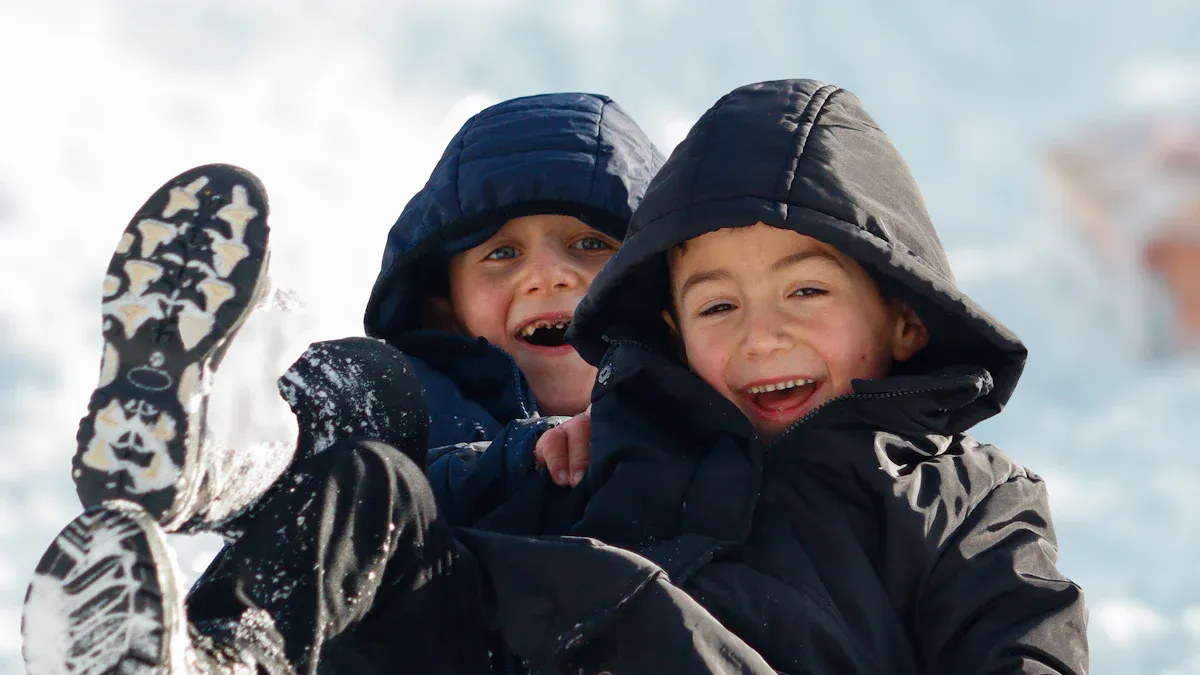
You want your child to stay warm and comfortable during harsh winter days. In cold and dry climates, pediatricians recommend jackets with a waterproof or water-resistant outer layer. Materials like nylon or specialized waterproof fabrics block wind and keep your child protected. Look for a hood that covers the head and ears. Elastic or adjustable cuffs help seal out cold air. A zipper with a protective flap prevents wind from sneaking in. Durable materials and strong insulation make a big difference. Choose jackets that allow for layering, so your child can add or remove clothing as needed. Pockets add convenience for storing gloves or small items. These features make childrens jackets ideal for the best winter outerwear for kids in cold and dry regions.
Wet and Snowy
Wet and snowy winters require special features. You need a jacket that keeps your child dry and warm, even during heavy snow or rain. Focus on these essentials:
Waterproof materials with sealed seams prevent water from soaking through.
Breathable fabrics like Gore-Tex or PU-coated nylon let sweat escape, so your child stays dry inside and out.
Insulation provides warmth without adding bulk.
In dry climates, you can choose thermal insulation such as down-filled jackets. These offer warmth and comfort. For wet and snowy conditions, always check for waterproofing and breathability. These features help you find the best winter gear for kids who love outdoor play.
Mild Winters
Mild winters call for lighter jackets that still provide comfort and protection. You can pick options like the L.L. Bean Puff n’ Stuff Kids Jacket. This lightweight, insulated jacket works well for year-round use. It dries quickly and packs down small, making it perfect for outdoor activities. The North Face Thermoball Kids Jacket is another great choice. It offers reliable insulation and versatility for changing weather. These jackets are not the warmest winter coats for kids, but they keep your child comfortable when temperatures are moderate. For toddlers, the best snowsuits for toddlers may not be necessary in mild climates, but always consider your child’s activity level and local weather.
Matching Childrens Jackets to Activities
Everyday Wear
You want a jacket that handles daily routines and changing winter weather. For everyday wear, focus on comfort, moderate insulation, and easy layering. Choose jackets that feel soft and allow your child to move freely. Look for features like simple zippers, pockets for gloves, and a hood for extra warmth. Many families prefer lightweight jackets for quick trips outside or errands. These jackets should withstand daily use but do not need the heavy-duty features required for sports. Reflective elements help keep your child visible during early mornings or late afternoons.
Outdoor Play and Sports
Active play and winter sports demand more from childrens jackets. You need jackets that offer high durability, strong waterproofing, and excellent breathability. Children who ski, snowboard, sled, or ice skate require specialized winter jackets and gear. These activities often involve:
Skiing
Snowboarding
Sledding
Ice Skating
For these sports, you should also consider insulated clothing, helmets, and goggles. The best winter gear for kids includes jackets with adjustable cuffs, reinforced seams, and secure closures. Pair jackets with the best snow pants for kids to keep your child dry and warm during outdoor adventures. The table below highlights how jacket features differ between everyday wear and outdoor sports:
Feature | Everyday Wear | Outdoor Sports |
|---|---|---|
Durability | Needs to withstand daily use | Must endure rough outdoor conditions |
Waterproofing | Important for light rain | Critical for heavy rain and wet weather |
Breathability | Moderate breathability is sufficient | High breathability is essential |
Fit | Comfortable fit for casual wear | Adjustable fit for layering and movement |
Reflective Elements | Useful for visibility in low light | Important for safety during outdoor activities |
Adjustable Features | May not be necessary | Essential for a secure fit and comfort |
Tip: Always check for reinforced stitching and adjustable features when choosing jackets for winter sports.
School Commute
The school commute exposes your child to cold, wind, and sometimes wet conditions. Select jackets that balance warmth, weather resistance, and comfort. Hoods and adjustable cuffs help block out wind and snow. Reflective strips improve safety during dark winter mornings. Choose jackets that are easy to put on and take off, especially for younger children. Many parents find that midweight jackets work well for the commute, as they provide enough warmth without being too bulky for backpacks or lockers.
Fit, Layering, and Comfort
Choosing the right fit for your child’s winter jacket is just as important as picking the right style or insulation. A well-fitted jacket keeps your child warm, allows for easy movement, and encourages them to wear it every day. You want to make sure your child feels comfortable and confident, whether they are heading to school or playing outside in the snow.
Sizing Tips
Getting the right size can be tricky. Many parents buy winter jackets that are too large, hoping their child will grow into them. While this seems practical, oversized jackets can feel bulky and uncomfortable. Your child may struggle to move or play freely if the jacket is much bigger than their actual size.
Common sizing mistakes include:
Buying jackets more than one size larger than needed, which can make the jacket cumbersome.
Overlooking sleeve length, which should reach the wrists even when your child raises their arms.
Ignoring the hem, which should cover the waistband of pants for full protection.
You should always check the brand’s sizing chart and measure your child before buying. Try the jacket on with a sweater underneath to see if it allows for layering without being too loose. If you shop online, read reviews to see if the jacket runs large or small.
Tip: A jacket that fits well will keep your child warmer and more comfortable during winter activities.
Room for Layering
Layering is key to staying warm in winter. You want a jacket that fits loosely enough to allow for base layers and mid-layers, but not so loose that it lets cold air in. The right jacket should have enough space for a thermal shirt and a fleece, yet still zip up easily.
When checking for layering room, look for:
Sleeves that stay long enough when arms are raised.
A hem that covers the waistband of pants.
Adjustable cuffs, drawstring hems, and high collars to help seal out cold air.
A puffy jacket often works well for layering because it provides warmth without too much bulk. Make sure your child can move their arms and shoulders freely, even with extra layers underneath. This approach helps regulate temperature and keeps your child comfortable during outdoor play.
Mobility and Trying On
Children need to move, run, and play, even in the coldest months. The best winter jackets support this by offering a slightly loose fit that promotes comfort and freedom of movement. When you try on jackets, ask your child to stretch, reach, and bend. The jacket should not pull or restrict their movement.
Key points for mobility:
Warm clothing should allow for easy movement.
Base layers should fit snugly, while top layers can be a bit larger.
Waterproof jackets in a slightly larger size can accommodate growth and layering.
Multiple thinner layers work better than one thick jacket for both warmth and mobility.
Extra length in jackets helps prevent exposed skin and supports active play.
A water-resistant insulated jacket with the right length and fit will keep your child warm and dry. Pairing the jacket with the best lightweight gloves for kids and the best winter hats for kids ensures full protection from the elements.
Note: Let your child try on the jacket with all their winter gear to make sure everything fits comfortably together.
Child’s Style and Preferences
Children are more likely to wear their winter jackets if they feel good about how they look and how the jacket feels. Comfort matters most—kids prefer soft, cozy fabrics over rough or stiff materials. Involving your child in the selection process gives them a sense of autonomy and makes them more excited to wear their jacket.
Ways to encourage your child’s input:
Let them choose styles and designs that reflect their personality.
Offer options like bold prints, fun patterns, or trendy designs such as sporty puffers and faux-fur parkas.
Include gender-neutral colors for more versatility.
Introduce fashionable winter options that match their personal style and the need for warmth.
When you involve your child in the decision, you help them feel confident and happy to wear their winter jacket every day.
Tip: A jacket your child loves is a jacket they will wear—keeping them warm, safe, and comfortable all winter long.
Buying Tips for the Best Winter Gear for Kids
Budgeting
You want to keep your child warm without overspending. Many families buy used jackets to save money. Shopping sales helps you manage costs and find quality options. Sometimes, budget limits mean you choose jackets with fewer features or lower quality. You can still find the best winter boots for kids and the best winter mittens and gloves for kids at a good price if you plan ahead. Look for end-of-season sales or consider gently used items from trusted sources.
In-Store vs. Online Shopping
Shopping in-store lets you check the fit and feel of jackets. You can see the quality and try on different sizes. Online shopping offers convenience and a wider selection. Customer satisfaction often depends on brand and price. The table below compares popular brands for children’s winter jackets:
Brand | Quality Rating | Price Range | Customer Comments |
|---|---|---|---|
L.L. Bean | High | $138 | Good quality, but expensive for a child’s coat. |
Lands End | High | $138 | Similar to L.L. Bean, valued for quality. |
GAP Kids | Moderate | $80 | Nice design but may not withstand wear and tear. |
J. Crew | High | $120 | Best quality but not practical for children due to potential damage. |
You should compare reviews and return policies before buying online. In-store shopping gives you peace of mind about fit and comfort.
Reviews and Recommendations
Reading reviews helps you avoid common mistakes. Parents often share insights about warmth, durability, and fit. Look for feedback on how jackets perform in real winter conditions. Recommendations from friends or local parenting groups can guide you to the best winter gear for kids. You can also check if the jacket pairs well with the best winter boots for kids for full protection.
Care and Maintenance
Proper care extends the life of your child’s winter jacket. Always read care labels before washing. Use gentle cycles and mild detergents. Air dry jackets instead of using a dryer to protect insulation. Brush jackets monthly to prevent moth damage. Store jackets in airtight or breathable bags with moth repellents. Clean storage areas regularly to deter pests. Pre-treat stains and air out coats between washes. Close all fastenings before washing to prevent damage. Avoid frequent washing; spot clean when possible. Remove jackets before securing children in car seats to ensure safety. Over-bundling can cause overheating, especially in babies. Always check the snugness of car seat harnesses with and without the coat.
Tip: Good care and smart storage keep your child’s winter jacket ready for next season.
You can make a smart choice for your child’s winter jacket by focusing on warmth, fit, climate, activity, and personal preference. Jackets with soft, breathable insulation keep your child comfortable during winter. A snug fit allows for layering and movement. Durable materials withstand rough play and daily use. Features like easy zippers and sensory-friendly fabrics help children feel confident. When you involve your child in picking a style they like, you increase the chance they will wear their winter coat. Use these tips to keep your child safe and comfortable all winter long.
FAQ
How do I know if my child’s jacket is warm enough?
You should check the insulation and feel the inside of the jacket. Look for thick, soft lining. Ask your child if they feel cold outside. If they shiver or complain, you may need a warmer jacket.
Can my child wear a winter jacket in a car seat?
No. Bulky jackets can make car seats unsafe. Dress your child in thin, warm layers. Place the jacket over your child after buckling the harness for extra warmth.
How often should I wash a winter jacket?
Wash the jacket only when it gets dirty. Too much washing can damage insulation. Spot clean stains. Always follow the care label instructions for best results.
What features help with visibility in winter?
Look for jackets with reflective strips or bright colors. These features help drivers see your child in low light. You can also add reflective stickers for extra safety.
How do I store a winter jacket during the off-season?
Clean the jacket before storing.
Use a breathable garment bag.
Store in a cool, dry place.
Add a moth repellent if needed.
This keeps the jacket fresh and ready for next winter.