

How to Find the Ideal Work Jacket for Your Needs
Table of Contents
Display
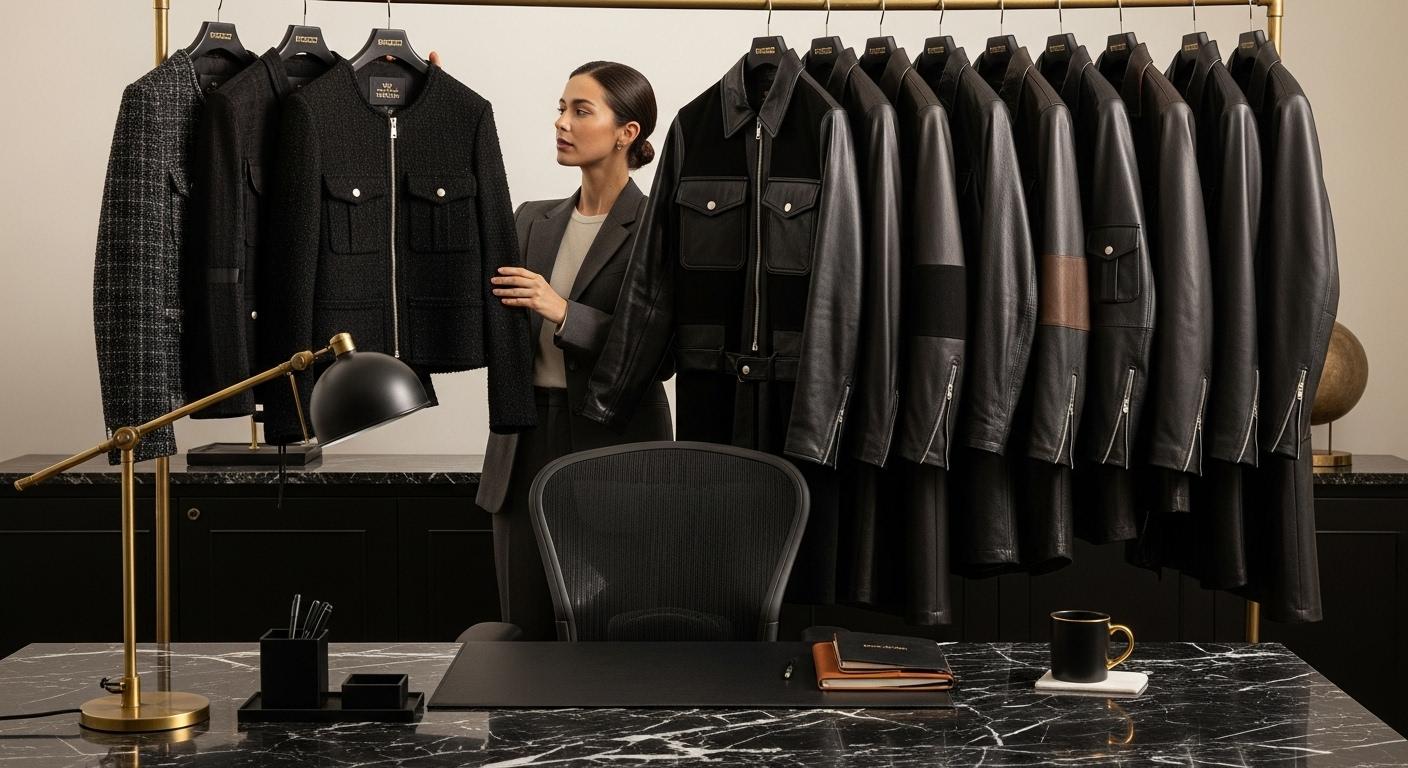
Imagine stepping onto a construction site in freezing weather. You reach for the best work jacket but realize it does not keep you warm or visible. Matching jacket features to your job makes a difference. Workers in industries like highway construction or manufacturing rely on the best work jacket for safety and comfort. You should choose work jackets for men that fit your daily tasks, climate, and hazards. The best work jacket supports you through tough conditions and helps you meet safety standards.
Key Takeaways
Choose the right material for your work jacket based on your job type. Cotton duck and canvas offer durability, while synthetics provide water resistance.
Ensure a proper fit for comfort and safety. A jacket that is too tight restricts movement, while one that is too loose can get caught on equipment.
Look for jackets with adjustable features like cuffs and waistbands. These allow for a customized fit and help maintain warmth and protection.
Select jackets with ergonomic designs, such as gussets and pleated elbows, to enhance mobility and comfort during demanding tasks.
Prioritize weather protection by choosing jackets with insulation, waterproof coatings, and windproof features suitable for your climate.
Check for safety features like high-visibility colors and reflective strips if you work in low-light conditions or near heavy machinery.
Regularly maintain your work jacket by following care instructions. Proper cleaning and timely repairs extend its lifespan and functionality.
Invest in a work jacket that combines strength, functionality, and protection to ensure safety and comfort on the job.
Material Choice
Choosing the right material for your work jacket makes a big difference in your daily comfort and safety. You need to match the material to your job type, whether you work in manufacturing, construction, or outdoors. Each fabric offers unique benefits and drawbacks. Understanding these options helps you select a jacket that meets your needs for durability, protection, and comfort.
Fabric Types
Cotton Duck
Cotton duck is a tightly woven cotton fabric known for its strength. You will find it in many work jackets for manufacturing and construction. This material resists abrasion and stands up to tough environments. Cotton duck feels comfortable and breathable, which helps you stay cool during long shifts. It does not dry quickly and may shrink after washing, so you should check care instructions before buying.
Canvas
Canvas is another popular choice for work jackets. It offers high durability and breathability. Many outdoor workers prefer canvas because it handles rough conditions well. If coated, canvas can provide moderate water resistance. You get a renewable material that feels comfortable and lasts through repeated use.
Synthetics
Synthetic fabrics like polyester and nylon appear in many modern work jackets. These materials offer water resistance and lightweight comfort. Polyester dries quickly and resists wrinkles, making it easy to maintain. Nylon provides wind and UV protection, which is useful for outdoor jobs. Both materials have lower breathability compared to cotton or canvas. You may notice that synthetics can feel less comfortable in hot weather.
Tip: If you need a work jacket for manufacturing, consider cotton blends for softness and breathability, or polyester for water resistance and durability.
Here is a comparison of common work jacket fabrics:
Material | Advantages | Disadvantages |
|---|---|---|
Cotton | Comfortable, Breathable, Hypoallergenic, Low Maintenance, Easy to Decorate, Machine-Washable | Does not dry quickly, Prone to shrinking |
Polyester | Flexible, Quick-Drying, Moisture-Wicking, Wrinkle-Resistant, Durable, Comfortable, Machine-Washable | Can stick to sweaty skin, Sensitive to high temperatures, Not as breathable as cotton, Usually not sustainable |
Nylon | Waterproof, Wind-Resistant, Versatile, UV Protective, Doesn’t shrink, Tough and durable | Not very breathable, Can be difficult to clean |
Denim | Tough and durable, Does not shrink | Warm and insulating, Stretches out over time, More difficult to decorate |
Durability
Abrasion Resistance
You need a work jacket that can handle daily wear and tear. Abrasion resistance measures how well a fabric stands up to friction and rough surfaces. Cotton canvas and denim offer high abrasion resistance, making them ideal for jobs with heavy equipment or frequent movement. Synthetic fabrics like polyester and nylon provide moderate resistance but may thin or fray faster in high-friction areas.
A construction company in the US switched from poly-blend jackets to cotton canvas. After nine months, they saw a 45% drop in replacement rates and improved worker mobility. Workers also reported less fraying and tearing, which extended the life of their jackets.
Fabric Type | Abrasion Resistance | Breathability | Water Resistance | Comfort Level | Sustainability |
|---|---|---|---|---|---|
Cotton Canvas | High | High | Moderate (if coated) | High | Renewable |
Polyester Blend | Moderate | Low | High | Moderate | Synthetic |
Nylon | Moderate | Low | High | Low | Synthetic |
Denim (Cotton) | High | High | Low | High | Renewable |
Cotton canvas stands out for durability and comfort.
Synthetic fabrics resist tearing but may wear out faster in high-abrasion areas.
Reinforced Stitching
Reinforced stitching at stress points increases the durability of your work jacket. You should look for jackets with double or triple stitching on the shoulders, elbows, and pockets. This feature helps prevent seams from splitting in tough environments. Many jackets also use military-grade YKK zippers, which withstand heavy use and add to the overall durability. Sealed seams further protect against wear and tear, especially if you work in manufacturing or construction.
Note: Reinforced stitching and sturdy zippers are essential for maximum longevity in high-abrasion environments.
Lined vs. Unlined
You must decide between lined and unlined jackets based on your work setting and climate. Lined jackets provide extra warmth and durability, making them perfect for cold weather or frequent wear. They are easier to clean and maintain, which helps if you work outdoors or in manufacturing. Unlined jackets offer lightweight comfort and breathability. You may prefer them for indoor jobs or warmer climates, where ease of movement matters most.
Lined Jackets: Best for cold climates, frequent wear, and jobs that require extra protection.
Unlined Jackets: Ideal for warm weather, indoor work, and situations where you need flexibility.
If you wear your jacket every day, a lined option will last longer and keep you comfortable. For occasional use or mild conditions, an unlined jacket gives you freedom of movement and keeps you cool.
Tip: Choose lined jackets for durability and warmth. Pick unlined jackets for breathability and lightweight comfort.
You should always match the material and lining to your job type. For a work jacket for manufacturing, cotton blends and lined options offer the best balance of comfort and durability. Outdoor workers may prefer synthetic materials for water resistance and lightweight design. Construction workers often choose canvas or cotton duck for maximum durability and abrasion resistance.
Fit And Comfort
Sizing
You need the right fit to stay comfortable and safe at work. A jacket that is too tight restricts your freedom of movement. One that is too loose can get caught on equipment or feel bulky. Many workers report discomfort when their jackets do not fit properly. For example:
80% of female firefighters say they experience discomfort due to improper fit of protective gear.
Only 20.9% of male firefighters report similar issues.
You should measure your chest, shoulders, and arms before buying a work jacket. Apparel experts recommend a relaxed fit for casual jackets and windbreakers. This allows you to layer hoodies or sweaters underneath. For winter jackets, sizing up gives you extra room for thick layers and improves mobility. If you fall between sizes, choose the larger size for a comfortable fit and better freedom of movement.
Adjustability
Work jackets often include adjustability features that help you achieve a comfortable fit. These features let you customize your jacket for different tasks and weather conditions.
Cuffs
Adjustable cuffs keep cold air and rain out. You can tighten or loosen cuffs for a secure fit. Elastic cuffs offer a custom fit and boost comfort. Velcro closures make quick adjustments easy, so you stay comfortable throughout your shift.
Waist
A jacket with an adjustable waistband provides a secure fit and enhances comfort. Drawstrings and elastic waistbands let you change the fit as needed. This helps you maintain warmth and protection while working. You can adjust the waist for layering or to match your body shape.
Feature | Contribution to Comfort and Fit |
|---|---|
Adjustable Cuffs | Ensures a snug fit, preventing cold air or rain from entering. |
Adjustable Waistbands | Provides a secure fit that enhances comfort and protection. |
Elastic Cuffs | Allows for a custom fit that boosts both comfort and protection. |
Drawstrings | Facilitates easy adjustment for a better fit. |
Velcro Closures | Offers quick and easy adjustments for a personalized fit. |
Ergonomics
Ergonomic features in work jackets improve mobility and freedom of movement. These design elements help you work comfortably and efficiently.
Gussets
Gussets add extra space under the arms. You gain better mobility and can reach overhead or stretch without feeling restricted. This feature supports freedom of movement during demanding tasks.
Pleated Elbows
Pleated elbows make bending your arms easier. You experience less resistance when lifting, carrying, or reaching. This design increases comfort and supports a comfortable fit.
Bi-Swing Back
A bi-swing back allows the jacket to expand and contract as you move. You enjoy greater freedom of movement and less restriction. This feature is essential for jobs that require frequent reaching or lifting.
Feature | Description |
|---|---|
Mighty Back™ | Bi-swing between shoulders for instant recovery |
Flex Elbow™ | Allows for less restriction in arm movement |
Freedom Gusset™ | Provides additional space under the arms |
Rugged Flex™ | Stretch sherpa lining enhances comfort and movement |
Pleated elbows | Facilitates easier bending of the arms |
Split-back construction | Enhances flexibility and movement |
Pleated bi-swing back | Allows the jacket to expand and contract with movement |
You should look for ergonomic features like gussets, pleated elbows, and bi-swing backs to maximize comfort and mobility. These elements ensure you maintain freedom of movement and a comfortable fit throughout your workday.
Allow For Mobility
You need a work jacket that lets you move freely during your shift. Many jobs require you to lift, reach, bend, or twist. If your jacket restricts movement, you may feel uncomfortable or even risk injury. Manufacturers design work jackets with features that allow for mobility. These features help you perform tasks efficiently and stay safe.
You should look for jackets with articulated sleeves. This design follows the natural shape of your arms. You can bend and stretch without feeling tightness. Jackets with a bi-swing back expand across your shoulders. You gain extra room when you reach overhead or carry heavy loads. Gussets under the arms also improve mobility. You can raise your arms or twist your torso with less resistance.
Pleated elbows make a big difference. You can bend your arms easily, which helps when you handle tools or equipment. Split-back construction adds flexibility. You move your upper body without feeling restricted. Many brands use stretch fabrics in key areas. These materials stretch as you move, then return to their original shape. You stay comfortable all day.
Layering is important for mobility. You should measure your chest, shoulders, and arms before buying a jacket. Choose a size that fits over your base layers. If you wear hoodies or sweaters under your jacket, pick a slightly larger size. This gives you room to move and keeps you warm. Avoid jackets that feel too tight or bulky. A proper fit allows you to work without distraction.
Here is a quick checklist to help you choose a jacket that allows for mobility:
Check for articulated sleeves and pleated elbows.
Look for gussets under the arms.
Choose jackets with a bi-swing back or split-back construction.
Select stretch fabrics in high-movement areas.
Measure your body for layering and flexibility.
Try on the jacket and perform basic movements before buying.
Feature | Benefit |
|---|---|
Articulated Sleeves | Easier bending and stretching |
Bi-Swing Back | Extra room for reaching overhead |
Gussets | Improved twisting and lifting |
Pleated Elbows | Comfortable arm movement |
Stretch Fabrics | Flexibility in key areas |
Tip: Always test your range of motion in a jacket before making a purchase. Move your arms, twist your torso, and reach overhead. If you feel restricted, try a different style or size.
You should prioritize mobility when choosing a work jacket. The right features help you stay productive and comfortable throughout your workday.
Weather Protection

Choosing the right work jacket for weather protection helps you stay comfortable and safe on the job. You need to consider insulation, waterproof features, windproof attributes, and seasonal needs. These factors determine how well your jacket performs in harsh conditions.
Insulation
Types
Thermal insulation keeps you warm when temperatures drop. You find several types in work jackets, such as synthetic fills, down, and fleece linings. Synthetic insulation like Thermolite T3 EcoMade traps heat and dries quickly. Down insulation provides excellent warmth but may lose effectiveness when wet. Fleece linings add comfort and help regulate body temperature. You should select thermal insulation based on your climate and activity level.
Removable Liners
Removable liners offer flexibility for changing weather. You can add or remove layers to adjust warmth and mobility. Jackets with removable liners let you adapt to cold mornings and warmer afternoons. This feature supports proper layering, which improves thermal insulation and comfort. You stay productive without overheating or feeling restricted.
Tip: Removable liners make your jacket suitable for multiple seasons. You save money and reduce the need for extra gear.
Waterproofing
Coatings
Waterproof coatings protect you from rain and moisture. Many work jackets use advanced membranes that block water but allow sweat to escape. The Timberland PRO Men’s Dry Shift Max Jacket features a waterproof membrane and a breathable design. You stay dry and comfortable during wet conditions. Rain Defender technology in the Carhartt Quick Duck Full Swing Cryder Jacket provides all-day waterproof protection.
Sealed Seams
Sealed seams prevent water from entering through stitching. You need this feature for maximum water resistance. Sealed seams work with waterproof coatings to keep you dry in heavy rain. Jackets with sealed seams perform well in independent tests, showing no leaks after hours of exposure.
Jacket Name | Material Composition | Insulation Type | Waterproof |
|---|---|---|---|
Timberland PRO Men’s Dry Shift Max Jacket | 100% recycled polyester | Thermolite T3 EcoMade | Yes |
Carhartt Quick Duck Full Swing Cryder Jacket | 59% Cotton, 39% Polyester, 2% Elastane | 3M Thinsulate | Yes |
You should look for jackets with waterproof membranes, sealed seams, and breathable designs. These features keep you dry and comfortable in wet environments.
Seasonal Needs
You must match your jacket to the season and climate. For winter, choose jackets with thermal insulation, windproof attributes, and water resistance. The HiVis Insulated Softshell Jacket suits construction workers in cold weather. It is water-repellent, wind-tight, and rated for temperatures as low as 20°F. Reflective tape adds safety in low-light conditions.
In mild or wet climates, select lightweight jackets with waterproof and windproof features. Removable liners and adjustable cuffs help you adapt to changing temperatures. Layering is important for flexibility. Start with a moisture-wicking base layer, add an insulating middle layer, and finish with a waterproof outer shell.
Flame-resistant materials protect you from flash fires.
Insulation keeps you warm while allowing mobility.
High visibility improves safety in low-light environments.
Proper layering techniques provide comfort in varying temperatures.
Note: Always check for windproof and waterproof features before buying a work jacket. These attributes help you stay safe and comfortable in any weather.
You improve your safety and productivity by choosing a jacket with the right thermal insulation, waterproof protection, and windproof attributes. Match your jacket to your job and climate for the best results.
Safety
You need a safety jacket that matches your job’s hazards. Safety features in work jackets protect you from accidents and injuries. You should always check for high-visibility, fire-retardant, and protective padding when choosing a safety jacket. These features help you meet safety standards and keep you safe in manufacturing, construction, and industrial settings.
High-Visibility
High-visibility safety jackets make you stand out in busy or low-light environments. You need this type of safety jacket if you work near moving vehicles or heavy machinery. High-visibility clothing helps prevent accidents by making you easy to spot.
Reflective Strips
Reflective strips on a safety jacket bounce light back to drivers and equipment operators. You stay visible during night shifts or in foggy weather. The American National Standards Institute (ANSI) and the International Safety Equipment Association (ISEA) set standards for high-visibility safety apparel. OSHA requires safety jackets to meet ANSI/ISEA 107 standards in many work environments. Safety jackets come in three types: Type O (off-road), Type R (roadway), and Type P (public safety). Performance Classes 1, 2, and 3 show how much bright fabric and reflective tape a safety jacket has. Class 3 offers the highest visibility.
Bright Colors
Bright colors like neon yellow, orange, and lime green make your safety jacket easy to see. You should choose a safety jacket with bold colors and wide reflective strips for maximum protection. These safety features help you avoid accidents and stay safe on the job.
Tip: Always check the label for ANSI/ISEA 107 certification before buying a safety jacket.
Flame Resistance
Fire-retardant safety jackets protect you from heat, flames, and electrical hazards. You need a fire-retardant safety jacket if you work near energized circuits, molten metal, or flammable substances. Electrical workers, oil and gas employees, and manufacturing workers rely on fire-retardant safety jackets for protection. OSHA and other safety standards require flame-resistant clothing in hazardous environments. Fire-retardant properties in a safety jacket help you comply with regulations and reduce your risk of burns or injuries.
You should wear a fire-retardant safety jacket if you face:
Molten metal
High heat levels
Electric arcs and flammable substances
Note: Fire-retardant safety jackets are essential for jobs with fire, heat, or electrical risks.
Protective Padding
Protective padding in a safety jacket absorbs impacts and shields you from injuries. You need this safety feature if you work in construction, manufacturing, or any hazardous environment. Effective personal protective equipment, including padding, reduces workplace injuries. Fit and comfort matter. If your safety jacket fits well, you are more likely to wear it every day. Many workers skip PPE because of discomfort or poor fit. This increases the risk of accidents.
Reason for Not Using PPE | Impact on Safety |
|---|---|
Discomfort | Higher injury risk |
Lack of knowledge | More accidents |
Poor fit | Less protection |
You should always choose a safety jacket with padding designed for your tasks. This safety feature gives you extra protection against falls, bumps, and sharp objects.
Callout: Wearing a safety jacket with proper padding and fire-retardant properties helps you stay safe and productive.
Safety features in a safety jacket are critical for jobs in construction, manufacturing, and industrial settings. You protect yourself from hazards and meet safety standards by choosing the right safety jacket. Always look for high-visibility, fire-retardant, and protective padding when selecting your next safety jacket.
Best Work Jacket Features
When you search for the best work jacket, you need to focus on three essential qualities: strength, functionality, and protection. These features help you stay safe, comfortable, and productive in demanding environments.
Strength
You want a work jacket that stands up to tough conditions. Strength comes from the materials and construction methods used. Manufacturers reinforce stress points and use heavy-duty closures to make jackets last longer. Triple-needle stitching prevents seams from splitting when you lift or reach. Bar tacks add extra support at pockets and corners, so your jacket does not tear easily. Heavy-duty zippers with metal teeth keep closures working even after repeated use. Reinforced backing supports zipper integrity, which is important during demanding tasks.
Here is a table that shows how these features contribute to durability and strength:
Feature | Contribution to Durability and Functionality |
|---|---|
Triple-needle stitching | Prevents seam failure during heavy lifting and reaching. |
Bar tacks | Reinforces stress points to avoid tearing. |
Extra reinforcement | Added at corners, pockets, and closures where strain concentrates. |
Heavy-duty zippers | Ensures closures remain functional and do not fail mid-task. |
Metal teeth | Provides strength and durability to zippers. |
Reinforced backing | Supports zipper integrity during demanding work conditions. |
You should look for jackets from brands known for strength. Carhartt offers tough, flame-resistant options and high visibility for safety. Dickies provides budget-friendly jackets with eco-friendly practices. Orvis delivers rugged durability and classic style. L.L.Bean produces weather-resistant jackets with insulated designs. Barbour uses durable water-resistant materials and supports sustainability.
Functionality
Functionality means your jacket helps you work efficiently. You need pockets that hold tools and personal items. Adjustable cuffs and waists let you customize the fit for comfort and layering. Articulated sleeves and bi-swing backs allow you to move freely. Removable liners give you flexibility for changing weather. High-grade hook-and-loop fasteners and reinforced snaps maintain functionality, so closures do not fail during use.
You can use this checklist to evaluate functionality in a work jacket:
Multiple pockets for tools and essentials
Adjustable cuffs and waistbands for a secure fit
Articulated sleeves and bi-swing back for mobility
Removable liners for seasonal versatility
Heavy-duty zippers and reinforced snaps for reliable closures
High-grade hook-and-loop fasteners for easy adjustments
Tip: Choose a jacket with features that match your daily tasks. You improve your efficiency and comfort when your jacket supports your workflow.
Protection
Protection is the most important feature in a work jacket. You need a jacket that shields you from hazards like cold, rain, wind, and impacts. High-visibility colors and reflective strips keep you safe around moving vehicles and machinery. Flame-resistant fabrics protect you from heat and electrical risks. Padding absorbs impacts and reduces injuries. Waterproof coatings and sealed seams keep you dry in wet conditions.
You should select a jacket that offers optimal protection for your job. The best work jacket combines strength, functionality, and protection to keep you safe and productive. Brands like Carhartt, L.L.Bean, and Barbour design jackets with advanced safety features. You get high visibility, flame resistance, and weatherproofing in one package.
Here is a quick summary of what makes the best work jacket:
Reinforced stitching and heavy-duty zippers for strength
Functional pockets, adjustable features, and ergonomic design
High-visibility, flame-resistant, and padded areas for protection
Weatherproof coatings and sealed seams for optimal protection
Callout: When you choose the best work jacket, you invest in your safety, comfort, and productivity. You protect yourself from hazards and work with confidence every day.
Work Jackets For Men
Types
You have many options when choosing work jackets for men. Each type offers unique benefits for comfort, protection, and style. Your choice depends on your work environment and daily needs. Here are some common types you will find:
Flannel jackets keep you warm and feel soft. You can layer them easily, but they do not protect you from rain.
Duck shirt jackets resist abrasion and last in tough conditions. They feel bulky but provide warmth for outdoor jobs.
Denim jackets give you a rugged look and work well for layering. Some have water-repellent finishes for extra protection.
Bomber jackets fit close to your body and keep you comfortable in cold weather. Many offer water resistance.
Chore coats use tough fabrics and loose fits. You get freedom of movement for demanding tasks.
Military style jackets adapt to indoor and outdoor jobs. Their design suits many work settings.
Fleece-lined jackets provide warmth and comfort. You should avoid them in hot weather because they trap heat.
Waterproof jackets protect you from rain. You can find them in styles for different work environments.
Barn coats help you stay warm during outdoor tasks. They often include insulation and water-repellent materials.
Insulated jackets keep you warm in cold climates. Many have adjustable features for a better fit.
High-visibility jackets improve safety in low-light conditions. You can choose lightweight or winter styles.
Tip: Match your jacket type to your job’s demands and climate for the best results.
Job Roles
Your job influences which work jacket you should choose. Construction workers need jackets with abrasion resistance and insulation. Manufacturing jobs require durable fabrics and reinforced stitching. Service roles often call for lighter jackets with a professional appearance. Outdoor jobs demand waterproof and insulated options. High-visibility jackets are essential for jobs near traffic or heavy machinery.
You should consider the tasks you perform each day. If you work outside, select a jacket with weather protection. For indoor jobs, pick a lighter style that allows easy movement. Some jackets, like chore coats and duck shirt jackets, suit heavy-duty jobs. Others, such as bomber jackets, work well for service roles or office settings.
Personal Style
Your personal style matters when selecting a work jacket for men and women. You want a jacket that fits well and looks professional. The right fit shows confidence and competence. High-quality fabrics reflect your commitment to your job. Industry norms also shape your choices. Traditional fields prefer formal jackets, while creative industries allow casual styles. You should respect regional dress codes to show inclusivity.
Here is a table that highlights factors influencing your choice:
Factor | Description |
|---|---|
Fit and Tailoring | A well-fitted jacket shows confidence and professionalism. |
Fabric Quality | High-quality fabric signals seriousness and reliability. |
Industry Norms | Different jobs require different styles, from formal to casual. |
Cultural Sensitivity | Adapting to local dress codes shows respect and inclusivity. |
Note: You can balance style and function by choosing a jacket that meets your job’s requirements and matches your personal taste.
You improve your comfort, safety, and appearance by selecting the right work jacket for men. Consider your job, climate, and style preferences to make the best choice.
Maintenance
Proper maintenance keeps your work jacket in top condition and extends its useful life. You can protect your investment by following a few simple steps for cleaning, repairing, and caring for your jacket.
Cleaning
You should always start by checking the care label on your work jacket. Manufacturers provide specific instructions for washing temperatures and cleaning methods. Following these guidelines helps you avoid shrinking or damaging the fabric. Here is a step-by-step process to clean your work jacket and keep it looking new:
Check the Care Label: Read the label for washing instructions, including water temperature and cleaning method.
Prepare for Washing: Close all zippers and Velcro. Turn the jacket inside out and pre-treat any stains with a gentle stain remover.
Choose the Right Detergent: Use a mild, non-bio detergent. Avoid bleach or harsh chemicals that can weaken fibers.
Washing Techniques: Select a gentle cycle if you use a washing machine. For delicate jackets, hand wash in lukewarm water. Some jackets may require professional dry cleaning.
Drying the Jacket: Air-dry your jacket flat or hang it in a well-ventilated area. Avoid high heat unless the care label says it is safe.
Tip: Regular cleaning prevents dirt and grime from breaking down the fabric, helping your jacket last longer.
Repairs
You can fix minor damage to your work jacket and prevent small issues from becoming big problems. Simple repair techniques help maintain the jacket’s durability and safety features.
Patching: Use patches to cover small cuts or punctures. This stops the damage from spreading and keeps the jacket strong.
Sewing: Repair split seams right away. Open seams can let in cold air or water and reduce the jacket’s protection.
Waterproofing: Reapply a waterproof coating if you notice water soaking into the fabric. This restores the jacket’s ability to keep you dry in wet weather.
Note: Quick repairs keep your jacket functional and safe, so you can rely on it every day.
Lifespan
The lifespan of your work jacket depends on several factors. You can get the most out of your jacket by understanding what affects its durability and taking steps to protect it.
Work Environment: Tough job sites wear out jackets faster. If you work in a harsh environment, inspect your jacket often for signs of damage.
Type of Hazard: Exposure to heat, chemicals, or sharp objects can shorten your jacket’s life.
Maintenance Practices: Clean your jacket as recommended and avoid overwashing. Proper care preserves the fabric and stitching.
Usage Patterns: High-wear areas like elbows and cuffs may show damage first. Rotate jackets if possible to spread out wear.
Garment Design and Material: Jackets made from quality materials with reinforced seams last longer and perform better.
Callout: Take care of your work jacket, and it will take care of you. Regular cleaning, timely repairs, and smart usage help you get the most value and protection from your gear.
When you choose work jackets for men, focus on your job’s demands, comfort, and protection. The best work jacket should offer durability, insulation, and visibility for safety. You improve protection by selecting jackets with reinforced seams and weather features. Avoid common mistakes like wearing the wrong size or ignoring damage. Use this checklist:
Fit and mobility for your job
Visibility and compliance for safety
Weather features for protection
Factor | Satisfaction (%) | Productivity (%) |
|---|---|---|
Comfort | 86 | 19 |
Functionality | 86 | 19 |
Cleanliness | 86 | N/A |
Investing in the best work jacket increases protection, safety, and job satisfaction.
FAQ
What is the best material for a work jacket?
You should choose a material based on your job. Cotton duck and canvas offer durability. Synthetics provide water resistance. For heavy-duty tasks, select cotton duck or canvas. For wet conditions, pick polyester or nylon.
How do I know if my work jacket fits correctly?
You should check that the jacket allows you to move your arms freely. The sleeves should cover your wrists. The jacket should not feel too tight or too loose. Try layering to test comfort.
Can I wash my work jacket in a washing machine?
Most work jackets can go in a washing machine. Always read the care label first. Use mild detergent and cold water. Close all zippers and Velcro before washing. Air-dry the jacket for best results.
What features should I look for in a winter work jacket?
You should look for insulation, a windproof shell, and adjustable cuffs. Removable liners add flexibility. Waterproof coatings help in snowy or rainy weather. Choose a jacket that allows layering for extra warmth.
Are high-visibility jackets required for all jobs?
Not all jobs require high-visibility jackets. You need them if you work near traffic, heavy equipment, or in low-light areas. Always check your workplace safety rules before choosing your jacket.
How long does a typical work jacket last?
A work jacket usually lasts one to three years. The lifespan depends on the material, how often you wear it, and how well you care for it. Regular cleaning and quick repairs help extend its life.
What makes work jackets for men different from regular jackets?
Work jackets for men use tougher fabrics, reinforced stitching, and safety features. You get more pockets, better weather protection, and designs that allow easy movement. These jackets focus on durability and job-specific needs.