

How to Pick Comfortable and Professional Retail Uniforms
Table of Contents
Display
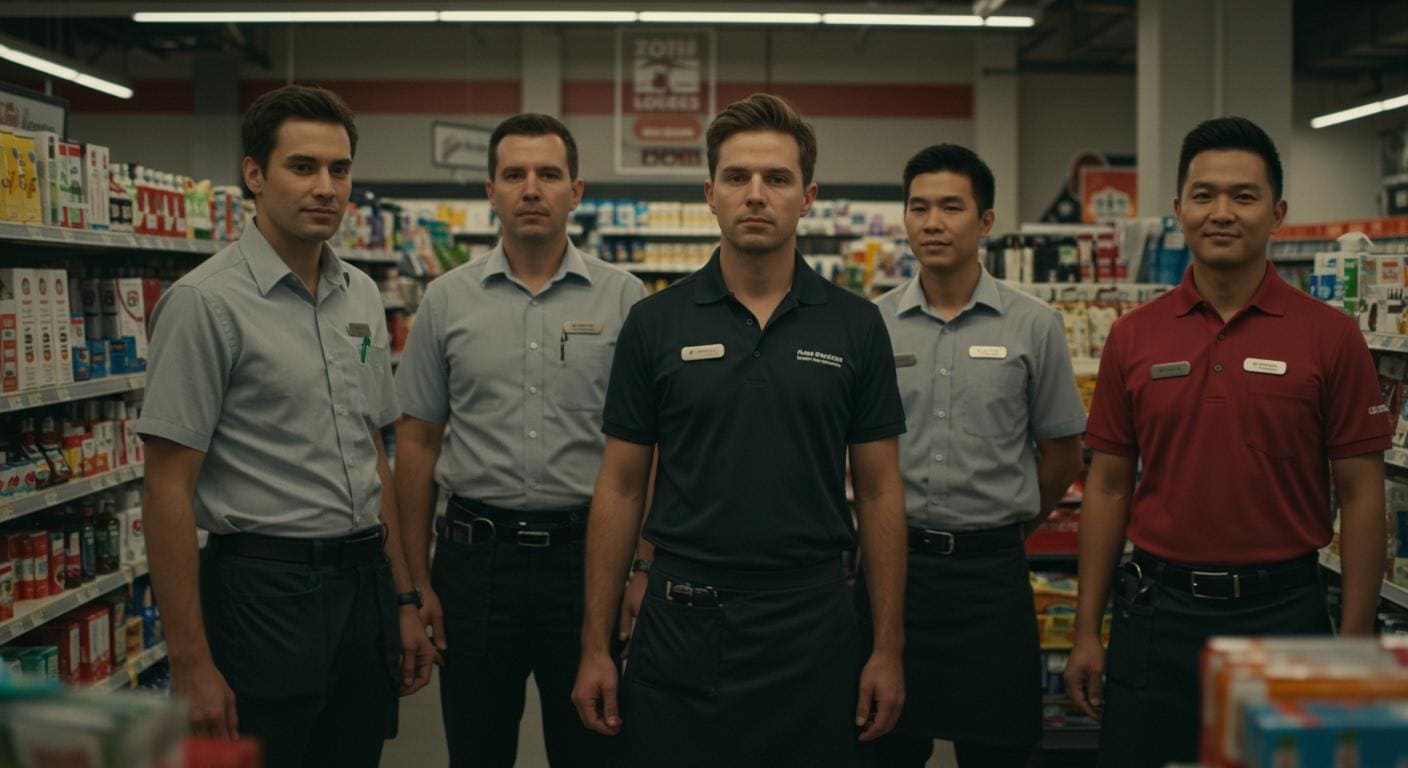
I know that selecting retail uniforms requires careful attention to both comfort and professionalism. When I choose uniforms that reflect a strong brand, I see how they shape customer impressions and employee morale. Recent consumer studies highlight these key points:
64% of people say branded apparel improves their view of a business.
Customers associate branded clothing with professionalism, company pride, and team cohesion.
Among Gen Z, 74% report a positive impression of businesses with branded apparel, linking it to quality service and reliability.
A well-chosen uniform becomes a vital part of a brand’s image.
Key Takeaways
Choose uniforms that reflect your brand’s core values to create a strong first impression.
Understand your target customers’ preferences to design uniforms that meet their expectations.
Select breathable and durable fabrics to ensure employee comfort during long shifts.
Prioritize ease of movement in uniform design to enhance employee performance and customer service.
Maintain consistency in uniform style and color to strengthen brand recognition and trust.
Involve employees in the uniform selection process to boost morale and ensure comfort.
Regularly review and update uniforms to keep them looking professional and aligned with your brand.
Consider sustainability by choosing recyclable materials and ethical production practices.
Brand Identity
Defining Brand Message
When I select company uniforms, I start by clarifying my brand’s core message. I ask myself what values my business stands for and how I want customers to perceive us. For example, some brands focus on innovation, while others highlight tradition or reliability. I use this understanding to guide every decision about uniforms.
Uniforms act as a visual signal. They show customers what my brand represents before I even say a word.
To define my brand message in the context of uniform selection, I follow these steps:
I identify my brand’s core values.
I decide what my brand stands for, such as creativity or dependability.
I use these ideas to design uniforms that reflect my company’s identity.
Uniforms do more than provide a dress code. They reinforce brand recognition and loyalty by presenting a consistent and organized appearance. I see how uniforms foster unity among employees and create a shared mission. When my team wears uniforms that match our brand, customers notice the professionalism and trustworthiness we project.
Target Customer
Understanding my target customer shapes every aspect of my uniform design. I consider who shops at my store and what they expect from my brand. If my customers value a modern look, I choose sleek and contemporary uniforms. If they prefer a classic experience, I select timeless styles.
Coordinated uniforms help me build consumer trust. Customers see my staff as professional and consistent.
Uniformed employees appear knowledgeable and credible. This improves customer interactions and satisfaction.
Branded clothing boosts morale and teamwork. My employees feel proud to represent our brand, which leads to better service.
I always keep my target customer in mind. Their preferences guide my choices and ensure my uniforms support a positive shopping experience.
Store Environment
My store environment also influences uniform selection. I look at the layout, lighting, and overall atmosphere. In a bright, open space, I might choose lighter colors and breathable fabrics. In a more formal setting, I opt for structured designs and classic colors.
Tip: I match uniform style to my store’s ambiance. This creates a seamless experience for both employees and customers.
I make sure my uniforms fit the environment and reinforce my brand’s identity. When everything aligns, customers feel comfortable and confident in my store.
Employee Comfort

When I focus on employee comfort, I see a direct impact on satisfaction and productivity. Comfortable retail uniforms help my team stay focused and motivated. I always remember that a professional uniform design should never sacrifice comfort for style. Here’s how I approach this essential part of a successful uniform program.
Fit and Sizing
Getting the right fit is one of the most important steps in designing a uniform. If a work uniform fits poorly, employees feel distracted and less confident. I want everyone on my team to feel included and comfortable, so I pay close attention to sizing options and gender inclusivity.
Sizing Options
Sizing challenges can create frustration for both employees and managers. I have learned that offering a wide range of sizes reduces returns and improves morale. The following table highlights common fit and sizing challenges in the retail industry:
Challenge Type | Evidence |
|---|---|
Return Rates | Fashion return rates average 20-40%, with size and fit accounting for 40-60% of total returns. |
Customer Service Burden | 25-40% of fashion e-commerce customer service calls are related to sizing. |
Conversion Rate Optimization | 52% of consumers hesitate to purchase when unsure about fit. |
Average Order Value Improvement | 49% of consumers would add 1-2 more items if they were sure of the right size. |
Brand Loyalty Impact | 62% of shoppers consider ease of returns and accurate sizing key to repeat shopping. |
First-Time Customer Frustration | Nearly half of first-time customers facing fit issues do not return to shop again. |

I always provide clear sizing charts and samples for my team to try on. This reduces confusion and helps everyone feel confident in their uniforms.
Gender-Inclusive Choices
I believe that every employee deserves a uniform that fits their identity. I offer gender-inclusive options, such as unisex cuts and flexible sizing. This approach supports diversity and makes my team feel valued. When I include everyone in the uniform program, I see stronger team unity and higher morale.
Fabric Choices
The right fabric makes a huge difference in daily comfort. I select materials that balance breathability and durability, so my team can perform at their best.
Breathability
Retail environments can get busy and warm. I choose fabrics that allow air to circulate and wick away moisture. Here are some of my top picks:
Cotton: Soft, breathable, and gentle on sensitive skin. It keeps my team cool during long shifts.
Cotton blends (with polyester or spandex): These fabrics combine comfort with strength and resist shrinking.
Polyester-spandex blends: Flexible and great at controlling moisture.
Breathable fabrics help my employees stay comfortable and focused, even during the busiest hours.
Durability
A uniform must withstand daily wear and frequent washing. I look for materials that hold their shape and color over time. My favorites include:
Polyester: Strong, wrinkle-resistant, and long-lasting.
Cotton-spandex jersey: Offers both comfort and stretch, perfect for active roles.
Cotton-polyester blends: These fabrics keep their color and resist damage.
Durable fabrics protect my investment and keep my team looking sharp.
Climate Adaptation
I always consider the climate when designing a uniform. In warm regions, I select lightweight, breathable fabrics. For cooler areas, I add layers or choose thicker materials. Adapting uniforms to the local climate keeps my team comfortable and productive.
Note: Customizing uniforms for climate and culture boosts morale and helps employees focus on their work. When my team feels comfortable, they deliver better service and represent the brand with pride.
I also pay attention to cultural needs and personal preferences. This flexibility in corporate uniform design shows respect for my team and strengthens our brand identity.
A well-designed uniform program that prioritizes employee comfort leads to higher productivity, better teamwork, and a positive work environment. When I invest in comfort, I see the results in both employee satisfaction and customer service.
Ease of Movement
When I select retail uniforms, I always prioritize ease of movement. My team spends hours on their feet, reaching, bending, and lifting. If a work uniform restricts movement, employees lose focus and energy. I want every staff member to feel confident and agile throughout their shift.
I pay close attention to ergonomic features in every professional uniform design. These features help my team move freely and perform at their best. I use the following table to guide my decisions:
Ergonomic Feature | Contribution to Ease of Movement |
|---|---|
Allows for ease of movement while on the job. | |
Comfort and Fit | Enhances employee performance and customer service. |
I look for uniforms with stretch panels, raglan sleeves, and side vents. These design elements give employees the flexibility they need. I also choose fabrics with a bit of spandex or elastane. This material stretches with the body and returns to shape, so uniforms never feel tight or restrictive.
Tip: I always ask my team to test new uniforms. Their feedback helps me spot any issues with movement or comfort before I roll out a new uniform program.
A uniform that supports ease of movement does more than improve employee comfort. It also boosts morale and reduces fatigue. When my team can move naturally, they interact better with customers and handle tasks efficiently. This positive energy reflects on my brand and creates a welcoming atmosphere in the store.
I make sure every uniform fits well at the shoulders, waist, and hips. I avoid stiff collars or tight cuffs. Instead, I select designs that allow for a full range of motion. I also consider the placement of the logo. I want it to stand out, but not interfere with comfort or movement.
A thoughtful approach to ease of movement shows my commitment to both my employees and my brand. When I invest in ergonomic retail uniforms, I see better performance, happier staff, and a stronger connection between my team and our customers.
Professional Style

Company Uniforms
When I design company uniforms, I focus on creating a professional appearance that aligns with my brand’s values. A well-designed work uniform does more than dress my team; it sends a message to every customer who walks through the door. I always make sure the uniform features our logo and brand colors in a way that stands out but remains tasteful. This approach helps customers recognize my staff quickly, which improves their shopping experience and builds trust.
I select uniform styles that match the tone of my business. For example, branded T-shirts or smart dresses can both look professional if they reflect the brand’s identity. I avoid overly casual or flashy designs because I want my team to project authority and expertise. When customers see a consistent, polished look, they feel confident that my employees are trained and ready to help.
A recognizable uniform helps customers identify staff and creates a positive first impression. This is essential in retail, where every interaction shapes the brand’s reputation.
Color Selection
Color plays a powerful role in professional uniform design. I choose colors that not only match my brand but also influence how customers feel about my business. For instance, blue uniforms often signal trust and stability, while red can create a sense of urgency. I use these color cues to shape customer perceptions and reinforce my brand’s message.
Here is a table showing a popular color scheme for retail uniforms and what it communicates:
Color Scheme | Description |
|---|---|
Navy, Yellow, Beige | This combination conveys professionalism and optimism, balancing the seriousness of blue with the liveliness of yellow. |
When I select colors, I also consider how they look under store lighting and how they fit with the overall store environment. I want the uniform program to create a cohesive and professional look across all locations. Uniforms that represent corporate identity and consistency help build team unity and make the brand more memorable.
Uniforms with the right color scheme enhance safety and brand recognition.
Consistent use of brand colors in uniforms strengthens the connection between employees and the brand.
Industry Standards
I always make sure my retail uniforms meet industry standards for appearance and presentation. These standards help me maintain a professional look and ensure my team feels confident at work. I follow guidelines that cover everything from attire to grooming and safety.
Some key elements I include in my uniform program:
Company uniforms that clearly represent the brand’s identity.
Grooming and hygiene standards, such as neat hair and clean nails.
Dress code policies that outline acceptable clothing and accessories.
Safety requirements to protect both employees and customers.
Professional attire that matches the job role and industry expectations.
Maintaining these standards ensures a consistent customer experience and fosters brand recognition. It also promotes equality among staff and builds an environment of trust and comfort for customers. When my team looks professional and feels confident, their performance improves, and customers notice the difference.
Consistency in uniforms across all customer touchpoints reinforces reliability and professionalism. This leads to the “halo effect,” where positive impressions in one area influence perceptions in others.
By focusing on company uniforms, thoughtful color selection, and adherence to industry standards, I create a professional uniform design that supports my brand and delivers a positive experience for both employees and customers.
Consistency
Consistency in retail uniforms plays a critical role in shaping how customers perceive my business. When I maintain a unified look across all locations and roles, I reinforce my brand’s identity every time a customer interacts with my team. I have learned that repetition is powerful. Just as we memorized multiplication tables through repeated practice, a consistent uniform design helps customers remember my brand.
A consistent look helps people remember your business. Repetition reinforces recognition, much like how we learned the multiplication tables as kids.
I always ensure that every uniform follows the same color palette, style, and placement of the logo. This approach creates a seamless experience for customers, whether they visit one store or another. I see how consistency builds trust and makes my brand more memorable.
A consistent color palette can boost brand recognition by up to 80%.
Consistent branding increases revenue by 23% on average.
About 82% of people click first on products from brands they know when searching online.
I use the following checklist to maintain consistency in my uniform program:
Consistency Checklist | Why It Matters |
|---|---|
Standardized Colors | Reinforces brand identity |
Uniform Styles | Creates a professional and cohesive appearance |
Logo Placement | Ensures instant recognition |
Accessories | Maintains a unified team look |
Seasonal Adjustments | Keeps style consistent year-round |
Whole Foods demonstrates the power of consistency. By using the color green in every aspect of their visual identity, they have created a strong association in consumers’ minds. Customers expect and remember the brand because of this reliable visual cue. I strive to achieve the same effect with my retail uniforms, making sure every detail aligns with my brand’s message.
Consistency does more than improve recognition. It also boosts employee morale. When my team wears uniforms that match, they feel part of something bigger. This unity translates into better service and a stronger connection with customers. I believe that investing in consistent uniforms is one of the most effective ways to build a lasting brand presence.
Branding Details
Logos and Embroidery
When I design retail uniforms, I always start with the logo. Thoughtful placement of the logo increases brand visibility and shows professionalism. I usually place the logo on the left chest, which creates an instant association with trust and reliability. Sometimes, I add the logo to the sleeve for a subtle touch or use the back for a bold statement. Each location serves a different purpose, but all help reinforce the brand.
Custom logo embroidery stands out as one of the most effective ways to showcase a brand. High-quality embroidery not only looks sharp but also lasts through daily wear and washing. I have seen how custom embroidered uniforms boost recognition and foster team spirit. Employees feel proud to wear uniforms that display our brand with care and attention to detail.
Tip: I always match the embroidery thread colors to our brand palette for a cohesive look.
Accessories
Accessories play a key role in making uniforms unique and memorable. I use piping, trims, and even embroidered patches to create a distinct identity for my team. These small details help reinforce brand consistency across all locations. When I select accessories, I make sure they enhance both functionality and professionalism.
Accessories like name tags, belts, and scarves add a finishing touch to the uniform.
Consistent use of brand colors and logos on accessories helps customers quickly recognize our staff.
Functional accessories, such as aprons or hats, improve the employee experience while keeping the look unified.
I see accessories as the “cherry on top” of a well-designed uniform. They bring the whole look together and make a lasting impression on customers.
Custom Company Uniforms
Custom company uniforms set my team apart from the competition. When employees wear uniforms designed just for our brand, they become easy to identify. This improves customer interactions and encourages repeat business. I notice that custom uniforms make a strong first impression and turn employees into walking advertisements for the company.
Custom uniforms enhance professionalism and brand identity.
Incorporating our logo and colors creates visual consistency, making the brand memorable.
Employees feel a sense of belonging, which boosts morale and efficiency.
Valued employees provide better service, building customer trust in the brand.
I always invest in custom company uniforms because they help my team feel united and proud. This unity translates into better service and a stronger brand presence in the retail space.
Practical Factors
Durability
When I select retail uniforms, durability stands out as a top priority. I want my team to look sharp every day, so I choose materials that withstand constant wear and frequent washing. Industry testing shows that moisture-wicking fabrics maintain garment integrity in hot environments. Interlock mesh adds strength, while Lycra provides flexibility for unrestricted movement. Polyester blends resist shrinking and wrinkling, which keeps uniforms looking fresh. Ripstop fabric features a reinforced weave that prevents tearing, making it ideal for active retail roles.
Moisture-wicking fabrics keep uniforms intact in demanding conditions.
Interlock mesh and Lycra offer both durability and comfort.
Polyester blends and ripstop fabric resist damage and maintain a professional appearance.
I rely on the Taber Abrasion Test to evaluate wear resistance. This test ensures that the fabric can handle friction without tearing. By choosing these proven materials, I protect my investment and reinforce my brand’s commitment to quality.
Maintenance
Proper maintenance extends the lifespan of retail uniforms and keeps my team looking professional. I conduct regular inspections to catch minor issues early and repair them promptly. Rotating uniforms throughout the week helps distribute wear and tear evenly. I educate employees on handling, washing, and storing uniforms to enhance durability.
I wash uniforms inside out to protect logos and designs.
Cold water and a gentle wash cycle prevent color fading and fabric damage.
Mild detergents made for athletic wear preserve fabric quality.
Air drying uniforms maintains their shape and texture. When I use a machine dryer, I select low heat settings and avoid direct sunlight. I store uniforms in a dry, climate-controlled area to prevent mold and damage. These practices help my team present a consistent brand image every day.
Tip: Regular care and smart storage keep uniforms looking new and save money over time.
Cost
Cost plays a major role in my uniform selection process. I balance quality and budget to ensure every employee receives a professional uniform without overspending. The average cost for outfitting retail staff varies by role. Office and senior staff uniforms cost around $240.98 per person, while sales staff average $175.64. Delivery and warehouse uniforms are more affordable, ranging from $105.54 to $117.65.
Staff Type | Trousers | Suits | Shirts | Shoes | Total Cost |
|---|---|---|---|---|---|
Office | 98.34 | 96.34 | 22.65 | 23.65 | 240.98 |
Sales | N/A | N/A | N/A | N/A | 175.64 |
Senior | N/A | N/A | N/A | N/A | 240.98 |
Delivery | 7.64 | 85.64 | 4.05 | 20.32 | 117.65 |
Warehouse | 7.49 | 76.15 | 3.26 | 18.64 | 105.54 |

I review these costs regularly to ensure my brand maintains a professional look while staying within budget. Investing in durable and easy-to-maintain uniforms reduces long-term expenses and supports a positive brand reputation.
Safety and Compliance
When I select retail uniforms, I always prioritize safety and compliance. These factors protect my employees and my business. I know that recognizable uniforms help customers identify staff quickly. In industries like healthcare or food service, this recognition becomes even more important. Uniforms signal authority and expertise, which builds trust in my brand.
I pay close attention to legal requirements for uniforms. Many regions have strict rules about safety standards, sanitation, and employee identification. Non-compliance can result in fines or penalties. I make sure every uniform meets these standards before I roll out a new design. This approach keeps my team safe and my brand reputation strong.
Here are some key safety and compliance considerations I follow:
I choose uniforms that make staff easy to identify. This helps customers find assistance and ensures only authorized personnel access restricted areas.
I review local and industry-specific regulations. Each industry has unique rules for uniforms, such as flame-resistant fabrics for certain roles or hair restraints in food service.
I check for sanitation requirements. In some environments, uniforms must be easy to clean or made from materials that resist bacteria.
I ensure uniforms support employee identification policies. Name tags, badges, or embroidered names help customers and supervisors recognize staff members.
I stay updated on changes in safety standards. Regulations can change, so I review my uniform program regularly to maintain compliance.
Tip: I always consult with legal or HR experts before finalizing a new uniform design. Their input helps me avoid costly mistakes and keeps my brand in good standing.
I also consider the comfort and mobility of my team. Safety features should never restrict movement or cause discomfort. I select materials that protect employees without sacrificing flexibility. For example, I might choose slip-resistant shoes for retail staff who work on slick floors. I also look for uniforms with reflective strips if employees work in low-light conditions.
My commitment to safety and compliance shows customers that I care about my team and my brand. When employees feel safe and supported, they deliver better service. This positive environment strengthens my brand identity and builds lasting customer trust.
Implementation
Employee Feedback
I always involve my employees when selecting new retail uniforms. Their feedback helps me understand what works and what needs improvement. I organize surveys and small group discussions to gather honest opinions. Employees share their experiences with fit, comfort, and style. I listen to their concerns about fabric choices and how uniforms affect their daily tasks.
When my team feels heard, they become more invested in the uniform program. I notice higher morale and stronger commitment to our brand. Employees who help shape the uniform design take pride in wearing it. Their input leads to practical solutions, such as adding pockets or adjusting sleeve lengths. I use their suggestions to create uniforms that support both comfort and professionalism.
Tip: I encourage open communication during the feedback process. Employees who feel valued contribute more ideas and help build a positive workplace culture.
Testing Uniforms
Before I roll out new uniforms, I always test them in real retail environments. I select a small group of employees to wear sample uniforms during their shifts. They report on comfort, durability, and ease of movement. I ask them to note any issues with sizing or fabric performance. Their feedback helps me identify problems before making a large investment.
Testing uniforms allows me to see how they hold up under daily wear. I check for color fading, shrinkage, and stitching quality. I also observe how the uniforms look after multiple washes. This process ensures that every uniform meets my standards for quality and brand consistency.
I use a simple checklist to guide the testing phase:
Testing Criteria | Employee Observations |
|---|---|
Comfort | Does the uniform feel good all day? |
Fit | Are sizes accurate and inclusive? |
Durability | Does the fabric resist wear? |
Appearance | Does the uniform maintain its look? |
Functionality | Are pockets and features useful? |
By testing uniforms, I avoid costly mistakes and ensure my team feels confident representing our brand.
Working with Design Teams
I collaborate closely with design teams to create custom uniforms that reflect my brand’s identity. These experts help me select high-quality materials and craft uniforms with precision. Their attention to detail transforms how my team operates. I see improvements in teamwork, unity, and overall performance.
Custom uniforms, made with care, boost team confidence and pride.
High-quality sublimated materials keep uniforms looking sharp, reinforcing our brand image over time.
Matching uniforms foster a sense of belonging and motivate employees to perform at their best.
Design teams listen to my needs and translate them into stylish, functional uniforms. They suggest features that enhance comfort and support daily tasks. I work with them to choose colors, logos, and accessories that align with my brand. This partnership ensures every uniform meets my standards for quality and professionalism.
Note: Collaboration with design teams leads to uniforms that unite my team and strengthen our brand presence in the retail space.
Supplier Selection
Choosing the right supplier for retail uniforms shapes the success of my uniform program. I always begin by identifying my business needs. I assess the size of my workforce and how often I need to replace uniforms. This step helps me avoid shortages and ensures my team always looks professional.
I use a clear set of criteria when evaluating potential suppliers. The following table outlines the main factors I consider:
Criteria | Description |
|---|---|
Assess your requirements based on workforce size and uniform replacement frequency. | |
Integration | Ensure compatibility with existing systems for efficient data exchange. |
Software compatibility | Verify compatibility with hardware and operating systems used in your business. |
User-Friendly interface | Look for intuitive design to minimize training time and enhance user engagement. |
Customization options | Choose software that allows branding elements to maintain consistency. |
Pricing model | Evaluate the pricing structure to fit your budget and consider scalability. |
Reliable customer support | Opt for providers offering comprehensive support and training resources. |
Data security | Ensure compliance with security protocols to protect employee data. |
Compliance | Verify adherence to industry regulations and standards. |
I always prioritize suppliers who offer customization options. My brand must remain consistent across all locations. Custom embroidery, color matching, and unique accessories help reinforce my brand identity. I ask suppliers to provide samples so I can check fabric quality and logo placement before making a final decision.
Reliable customer support is essential. I look for suppliers who respond quickly to questions and resolve issues without delay. Good communication builds trust and helps me avoid costly mistakes. I also check if the supplier’s ordering system integrates with my existing software. This integration streamlines the process and reduces errors.
Pricing plays a big role in my decision. I compare pricing models and look for suppliers who offer scalable solutions. This flexibility allows my brand to grow without unexpected costs. I always review contracts carefully to avoid hidden fees.
Data security and compliance cannot be overlooked. I verify that suppliers follow industry standards and protect employee information. This step keeps my business safe and upholds my brand’s reputation.
Tip: I request references from other retail businesses before signing any agreement. Their experiences help me make informed choices and avoid unreliable suppliers.
Selecting the right supplier ensures my team receives high-quality uniforms that reflect our brand. This attention to detail supports employee satisfaction and strengthens customer trust.
Selecting the right retail uniforms means balancing comfort, professionalism, and a strong brand presence. I regularly review and update uniforms to ensure they reflect my brand and support employee comfort. I gather feedback from my team and adjust options for seasonal or branding changes. Sustainable practices matter, so I focus on long-term use and responsible production:
Strategy | Description |
|---|---|
Recyclability | Choose recyclable clothing to reduce waste. |
Social Responsibility | Use ethical production for a positive brand image. |
Maintenance | Design for durability and easy care. |
Recycling Programs | Encourage recycling to support sustainability. |
I invite ongoing feedback to keep my brand’s uniform program effective and relevant.
FAQ
What fabrics do I recommend for retail uniforms?
I prefer polyester blends and cotton-spandex fabrics. These materials offer breathability, durability, and easy care. My team stays comfortable during long shifts, and the uniforms keep their shape after many washes.
How often should I replace retail uniforms?
I review uniforms every six to twelve months. If I notice fading, tears, or loss of shape, I replace them immediately. Regular inspections help me maintain a professional appearance for my team.
Can I customize uniforms for different roles?
Yes, I often customize uniforms by role. For example, I use aprons for cashiers and polos for sales staff. This approach helps customers identify employees quickly and supports efficient teamwork.
How do I ensure uniforms fit everyone?
I provide a wide range of sizes and offer gender-inclusive options. I always let employees try on samples before ordering. This process reduces returns and ensures everyone feels comfortable and confident.
What is the best way to care for retail uniforms?
I wash uniforms inside out with cold water and mild detergent. I air dry them when possible. These steps protect logos and fabric quality, keeping uniforms looking new longer.
Why should I invest in sustainable uniforms?
Sustainable uniforms support my brand’s reputation and reduce environmental impact. I choose recyclable fabrics and ethical suppliers. Customers appreciate my commitment to responsible business practices.
How do uniforms improve customer service?
Uniforms make my staff easy to identify. Customers find help faster, which improves their shopping experience. A professional look also builds trust and encourages repeat visits.
What should I look for in a uniform supplier?
Criteria | Why It Matters |
|---|---|
Quality Samples | I check fabric and stitching. |
Custom Options | I need branding flexibility. |
Reliable Support | Quick help prevents problems. |
I always request references before making a final decision.