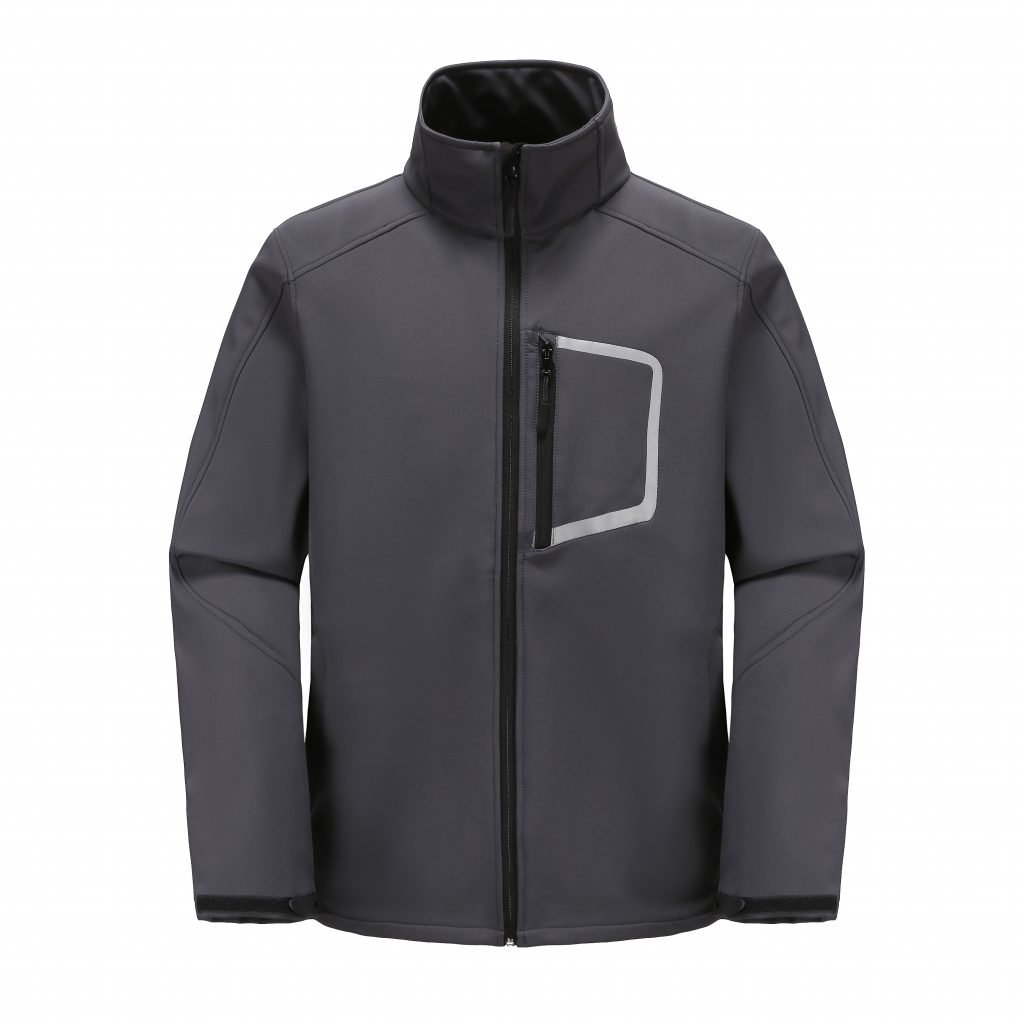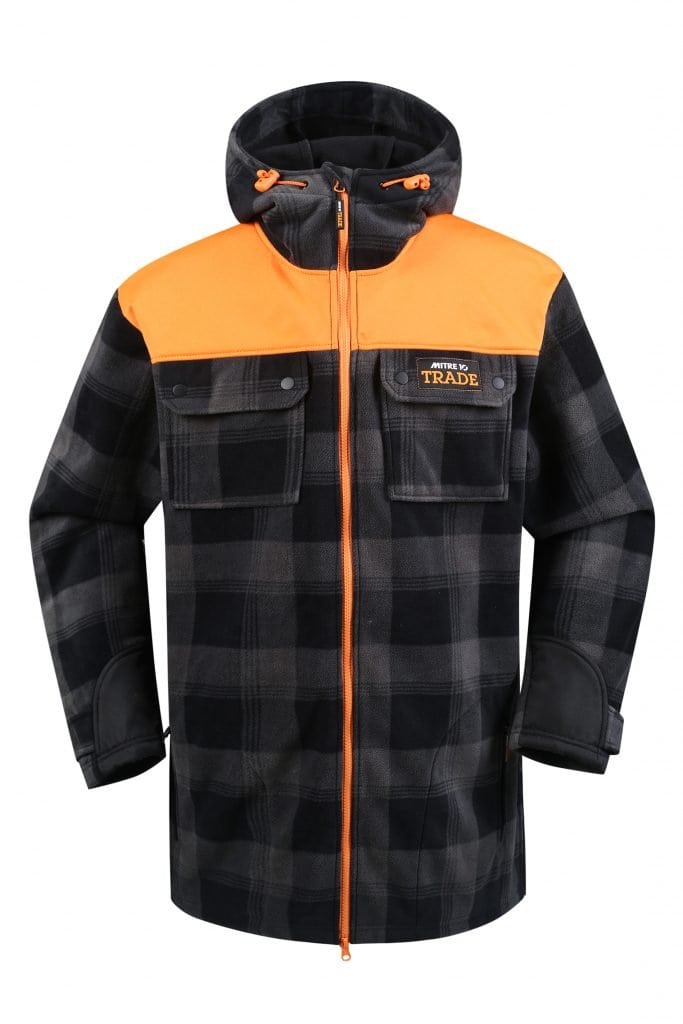

What is a Thermal Jacket and How Does It Work

Imagine stepping outside on a frosty morning—your body instantly feels the chill. A thermal jacket is a specially designed outerwear that helps you stay warm by trapping your body heat and blocking cold air. You need to know how this works so you can choose the right protection for your comfort and health in cold conditions.
Key Takeaways
A thermal jacket traps body heat and blocks cold air, keeping you warm in chilly conditions.
Look for jackets with high-quality insulation to ensure maximum warmth during winter activities.
Choose a thermal jacket with moisture-wicking properties to stay dry and comfortable while active.
A good fit is essential; it helps retain warmth and allows for layering without feeling restricted.
Consider the climate and your activities when selecting a thermal jacket for optimal performance.
Durable materials and construction ensure your jacket lasts through harsh weather and frequent use.
Smart features like heating elements and temperature sensors enhance comfort and convenience.
Sustainable options, such as jackets made from recycled materials, help protect the environment while keeping you warm.
What is a Thermal Jacket

Definition
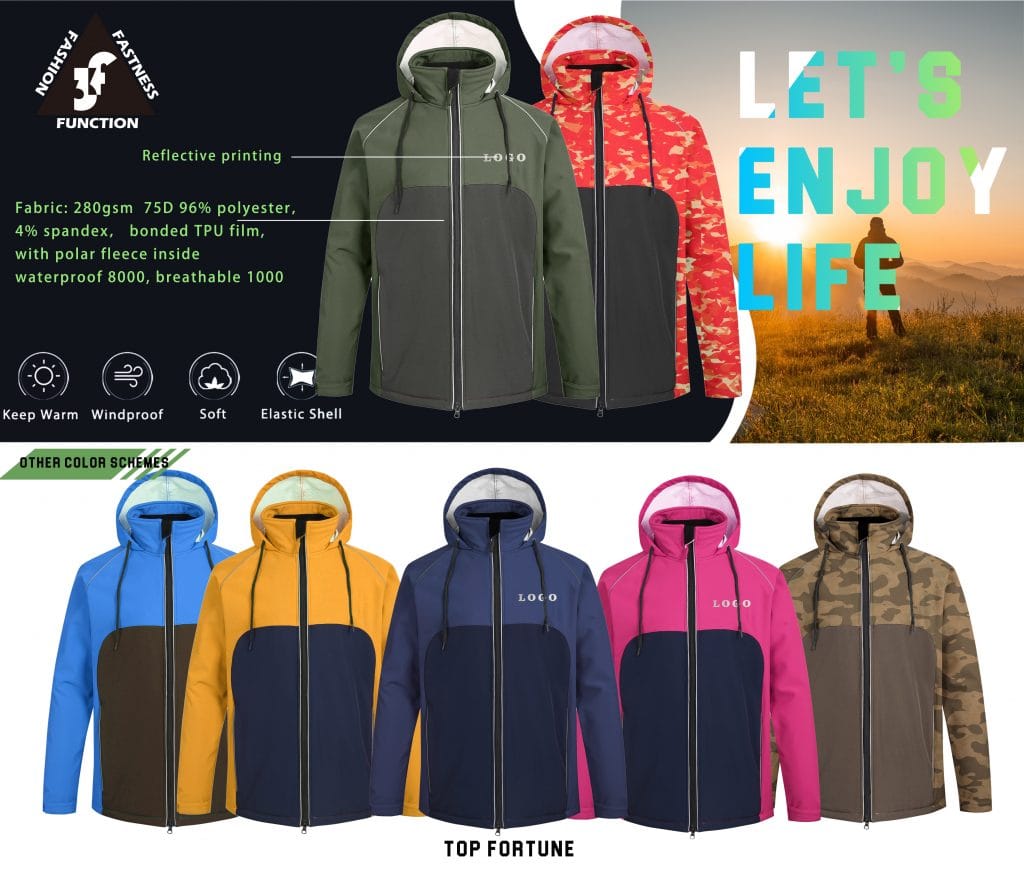
You wear a thermal jacket to protect yourself from cold temperatures. This type of jacket uses special materials and design to keep your body heat close and block cold air from getting in. The main goal is to help you stay warm and comfortable when the weather turns chilly.
Purpose
A thermal jacket helps you maintain a safe and comfortable body temperature outdoors. You need this jacket when you face cold, windy, or damp conditions. It works by trapping warm air near your skin and stopping heat from escaping. You can rely on a thermal jacket for daily wear, outdoor sports, or work in cold environments. The jacket gives you confidence to enjoy activities without worrying about the cold.
Tip: Choose a thermal jacket when you want reliable warmth and protection during winter or unpredictable weather.
Key Features
You find several important features in a high-quality thermal jacket. These features make the jacket effective and comfortable for different situations.
Feature | Description |
|---|---|
Provides warmth in extremely cold conditions, enhancing comfort outdoors. | |
Materials Used | High-quality insulation materials that retain heat while being lightweight. |
Comfort | Features like elastic cuffs and adjustable hems for better fit and warmth. |
Usability | Breathable designs with cinch systems for temperature regulation. |
You also notice these practical details in many thermal jackets:
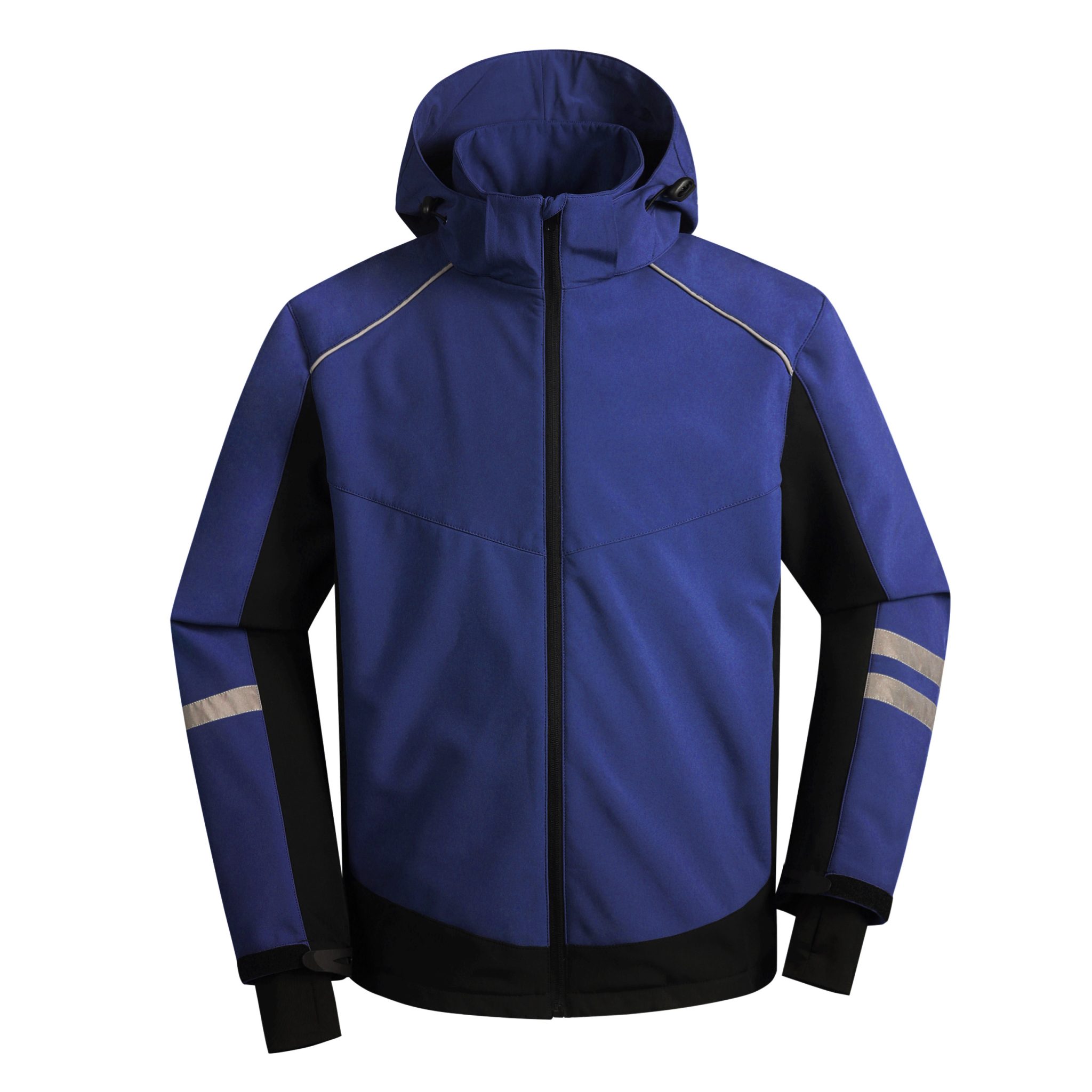
Elastic cuffs that keep cold air out and improve fit
Velcro adjustments for easy temperature control
Dual or single cinch adjustments to help you regulate breathability
These features work together to give you warmth, flexibility, and comfort. You can adjust your thermal jacket to match your activity level and the weather outside.
How It Works
Insulation
A thermal jacket keeps you warm by using insulation. Insulation acts as a barrier between your body and the cold air outside. You benefit from insulation because it slows down the movement of heat away from your body.
Trapping Air
Insulation materials in your jacket trap tiny pockets of air. Air is a poor conductor of heat, so it slows down the transfer of warmth from your body to the environment. When you wear a jacket with good insulation, you create a layer of still air that surrounds you. This layer helps keep your body heat close.
Insulation materials trap air, which slows down heat transfer from your body to the surrounding environment.
Less dense materials, like air, provide better insulation because their widely spaced atoms make it hard for heat to move through.
A winter jacket traps body heat and slows its transfer to cold air, preventing rapid heat loss.
The thickness of the insulation also matters. As the air gap inside your jacket increases, the insulation improves—up to a point. If the gap gets too large, air can start to move and carry heat away through convection. In most jackets, the air gaps stay small enough to prevent this.
Insulation Thickness | Thermal Resistance | Heat Loss |
|---|---|---|
Thin (small air gaps) | Low | High |
Medium (optimal air gaps) | High | Low |
Thick (large air gaps, convection starts) | Medium | Medium |
Preventing Heat Loss
You lose heat in three main ways: conduction, convection, and radiation. Your jacket’s insulation blocks these processes.
The insulation creates a barrier that reduces heat transfer by reflecting thermal radiation and decreasing conduction and convection.
Materials with low thermal conductivity, like those in your jacket, slow down the transfer of heat.
In smaller air gaps (less than 10 mm), conduction is the main way heat escapes. When air gaps get bigger than 10–15 mm, convection can start, which makes the jacket less efficient.
By choosing a jacket with the right insulation, you keep more warmth close to your body and stay comfortable in cold weather.
Microclimate
When you zip up your jacket, you create a microclimate around your body. This microclimate is a small, controlled environment that helps you maintain a steady body temperature. Some advanced jackets use technology to monitor and adjust this microclimate.
Certain jackets use heating pads and sensors to track your body temperature and movement.
The jacket’s system processes this information and adjusts the heat output, so you do not overheat or get too cold.
You benefit from this microclimate because it keeps you comfortable, even when the weather outside changes quickly.
Moisture Wicking
Staying dry is just as important as staying warm. When you move, your body produces sweat. If sweat stays on your skin, it can make you feel cold. Moisture-wicking technology in your jacket helps solve this problem.
Moisture-wicking fibers pull sweat away from your skin, keeping you dry.
These fibers absorb moisture up to seven times faster than regular materials.
You get a drier zone next to your skin, which helps you stay warm.
Parameter | Description |
|---|---|
Moisture Vapor Permeability (MVP) | Measures how well your jacket lets sweat escape. |
Thermal Conductivity | Shows how much heat passes through the jacket. Lower is better for warmth. |
Correlation | High MVP and low thermal conductivity mean you stay warm and dry. |
When your jacket wicks moisture away, you avoid the chill that comes from sweat cooling on your skin. This feature also supports layering, so each layer works together to keep you comfortable during activity and rest.
Tip: Choose a jacket with good moisture-wicking properties if you plan to be active outdoors. You will feel warmer and drier, even when you sweat.
Thermal Jacket Materials

Synthetic Fibers
You often find synthetic fibers at the core of modern insulation. These fibers mimic the warmth of natural materials but add benefits like water resistance and durability. Synthetic insulation works well because it traps air in small pockets, keeping you warm even if the jacket gets wet. You can see the differences between popular synthetic fibers in the table below:
Synthetic Fiber | Type | Thermal Properties |
|---|---|---|
Polartec Alpha | Knit Insulation | Self-supporting, allows airflow, low warmth, designed for high exertion activities. |
Primaloft Gold | Short-Staple | Soft feel, excellent conformability, good warmth-to-weight, loses insulation over time. |
Climashield Apex | Continuous Filament | Strong, retains loft longer, made with larger diameter fibers. |
You benefit from synthetic fibers because they dry quickly and keep their shape after many uses. If you plan to stay active outdoors, synthetic insulation helps you stay warm without feeling weighed down.
Tip: Choose synthetic insulation if you want a lightweight jacket that performs well in damp or unpredictable weather.
Natural Insulation
Natural insulation uses materials like down or wool. Down comes from the soft feathers of ducks or geese. You get excellent warmth-to-weight performance with down, making it a favorite for cold, dry conditions. Wool, another natural option, insulates even when wet and resists odors. You might prefer wool if you want a jacket that stays warm in damp climates.
Down insulation compresses easily, so you can pack your jacket into a small space.
Wool provides steady warmth and breathability, which helps regulate your body temperature.
Natural insulation feels soft and comfortable. You may notice that down jackets feel lighter and fluffier, while wool jackets feel heavier but offer reliable warmth.
Outer Shell
The outer shell protects you from wind, rain, and snow. You need a strong shell to keep the insulation working well. Most thermal jackets use polyester or nylon for the outer layer. These materials resist water and last a long time. The table below shows how different shell materials help you stay comfortable:
Material | Properties | Contribution to Weather Resistance |
|---|---|---|
Polyester | Durable, hydrophobic | Enhances water-resistance and durability |
Nylon | Durable, hydrophobic | Provides strength and water-resistance |
DWR Treatment | Improves water-resistance | Prevents water from saturating the fabric |
Breathability | Allows moisture transfer | Reduces sweat accumulation, maintaining comfort |
Windproof | Prevents wind penetration | Protects against cold winds |
Waterproof | Prevents water penetration | Keeps you dry in wet conditions |
You also find special coatings like DWR (Durable Water Repellent) that help water bead up and roll off the fabric. Some shells add windproof or waterproof membranes, so you stay dry and warm in harsh weather. Breathable shells let sweat escape, which keeps you comfortable during activity.
Note: A good outer shell keeps your insulation dry and effective, so always check for water-resistant or windproof features when choosing a thermal jacket.
Lining
You might not notice the lining of your thermal jacket at first, but it plays a huge role in how warm and comfortable you feel. The lining sits closest to your skin or base layer. It manages moisture, adds softness, and helps the insulation work better. When you choose a jacket, you should pay attention to the lining material because it affects your comfort during different activities and weather conditions.
The best linings do more than just feel good. They help regulate your body temperature, wick away sweat, and prevent cold spots. Some linings even reflect your body heat back toward you, boosting warmth without adding bulk. You can find a variety of lining materials in thermal jackets, each with unique benefits.
Here’s a quick comparison of common lining materials and their performance:
Lining Material | Properties | Performance Characteristics |
|---|---|---|
Polyester | Good value, moisture-wicking, durable | Provides decent insulation and comfort, easy to maintain. |
Rayon and Viscose | Breathable, moisture-wicking, silky drape | Moderate thermal insulation, excellent breathability, absorbs moisture. |
Down | Excellent warmth for weight, compresses well | Performs poorly when wet, best for dry, cold environments. |
Synthetic Insulation | Maintains warmth when wet, good loft | Better water resistance than down, suitable for wet conditions. |
Mesh | Open weave for airflow, moisture management | Keeps body temperature balanced, pulls moisture away from skin. |
Acetate/Nylon Taffeta | Blocks wind, allows movement | Ideal for wind-prone areas, provides comfort without restricting movement. |
Thermal-Reflective | Redirects body heat, allows sweat to escape | Effective in mountain environments, balances warmth and moisture control. |
You often see polyester linings in many jackets. Polyester feels soft, wicks moisture, and stands up to repeated washing. If you want a jacket that dries quickly and is easy to care for, polyester is a solid choice. Rayon and viscose linings offer a silky feel and breathe well, so you stay comfortable if you sweat during activity.
Down and synthetic insulation linings add extra warmth. Down works best in dry, cold weather because it loses its insulating power when wet. Synthetic insulation keeps you warm even if your jacket gets damp, making it a better option for wet climates.
Mesh linings help with airflow and moisture management. You might prefer mesh if you plan to be active or wear your jacket during exercise. Acetate or nylon taffeta linings block wind and let you move freely, which is great for windy days or outdoor work.
Some jackets use thermal-reflective linings. These linings bounce your body heat back toward you while letting sweat escape. You get more warmth without feeling stuffy, especially in mountain or high-altitude environments.
Tip: Always check the lining material when choosing a thermal jacket. The right lining keeps you dry, warm, and comfortable, no matter what the weather brings.
Design Elements
Layers
You gain the most warmth and adaptability from a thermal jacket that uses a smart layering system. Layers work together to trap heat, manage moisture, and protect you from wind and rain. You can adjust your comfort by adding or removing layers, which helps you respond to changing temperatures and activity levels.
A basic three-layer system may not give you enough versatility. You might struggle to stay comfortable when the weather or your activity changes.
The 5 LAYERING® system solves this problem. You get precise temperature control and enhanced insulation without feeling bulky.
All five layers work together to keep you warm, dry, and able to move freely. You do not need to constantly add or remove layers.
Jackets like the CONCURVE Thermo Hybrid use stretchy thermal knit fabric and wind-resistant woven zones. You stay comfortable and can move easily, which helps regulate your temperature.
The CONCURVE WINDSTOPPER® Insulated Jacket uses a three-layer system with a windproof membrane and insulation. You retain warmth and let moisture escape, so you stay comfortable during different activities.
The Finetrack 5 LAYERING® system lets you manage your body temperature and moisture efficiently. You stay safe and comfortable outdoors, even when conditions change.
Tip: Choose a jacket with a flexible layering system if you want to stay comfortable during outdoor activities or unpredictable weather.
Closures
Closures play a key role in keeping heat inside your jacket and cold air out. You find several types of closures in thermal jackets, each with its own strengths.
Double D-Rings: You get heavy-duty security for insulation covers. These work best in extreme temperatures and constant motion. They hold tight but can be harder to remove.
Velcro Closures: You open and close these easily. They work well for maintenance, but you should avoid them in extreme cold because they may not seal tightly.
Drawstring Plastic Clasp: You use these for quick adjustments. They keep covers secure without knots, which improves safety.
Snap Closures: You remove these quickly. They work well in low temperatures, but high heat can warp or melt them.
Combination Closures: You benefit from tailored solutions that mix Velcro, snaps, or other types. These give you a snug fit and easy use.
You should look for closures that match your needs. If you expect harsh weather, choose strong and secure options. For everyday use, pick closures that are easy to adjust.
Breathability
You need breathability in your thermal jacket to stay comfortable and dry. Breathable fabrics let sweat and moisture escape, which prevents humidity from building up inside your jacket.
Breathability in thermal jackets is crucial for effective moisture management and overall comfort. It allows moisture from perspiration to escape, preventing the buildup of humidity inside the jacket, which can lead to discomfort. However, the effectiveness of breathability is influenced by external humidity levels and the condition of the fabric’s durable water repellant (DWR) finish. If the outside humidity is high or the fabric becomes saturated, breathability can be compromised, leading to trapped moisture and discomfort.
You should check for breathable materials and a good DWR finish when choosing a jacket. If you plan to be active, breathability helps you avoid feeling clammy or overheated. You stay dry and comfortable, even when you sweat.
Note: Breathability works best when the jacket’s outer layer stays dry. Regularly maintain the DWR finish to keep your jacket performing well.
Thermal Jacket Benefits
Warmth
You want to stay warm when the temperature drops. A thermal jacket gives you reliable warmth by trapping your body heat and blocking cold air. The insulation inside the jacket creates a barrier that keeps warmth close to your skin. You feel comfortable even when the wind blows or snow falls. The jacket’s design helps you maintain a safe body temperature during outdoor activities or daily commutes.
You can see the difference in warmth when you compare a thermal jacket to a regular coat. The insulation works better, and you do not lose heat as quickly. You stay protected from cold weather, which helps you avoid chills and discomfort. If you spend time outside in winter, you need a jacket that keeps you warm for hours.
Tip: Choose a jacket with high-quality insulation if you want maximum warmth in freezing conditions.
Comfort
You value comfort when you wear a jacket for long periods. A thermal jacket uses soft linings and flexible materials to make sure you feel good all day. The jacket fits well and does not restrict your movement. You can walk, run, or work without feeling bulky or stiff.
Many jackets include features like adjustable cuffs, stretch panels, and ergonomic seams. These details help you move freely and stay comfortable. You do not have to worry about itching or irritation because the lining feels smooth against your skin. Breathable fabrics let sweat escape, so you stay dry and avoid feeling clammy.
Here is a quick comparison of comfort features:
Feature | Benefit |
|---|---|
Soft lining | Prevents irritation |
Stretch panels | Allows easy movement |
Adjustable cuffs | Improves fit and warmth |
Breathable fabric | Keeps you dry during activity |
Note: Comfort matters as much as warmth. You should look for a jacket that feels good and fits your lifestyle.
Versatility
You want a jacket that works in many situations. A thermal jacket gives you versatility for different activities and weather conditions. You can wear it for hiking, skiing, commuting, or working outdoors. The jacket adapts to your needs, whether you face rain, wind, or snow.
You can layer the jacket over other clothes or wear it alone. Many designs include removable hoods, zippered pockets, and adjustable hems. These features let you customize the jacket for each activity. You do not need a separate coat for every season because one jacket covers many uses.
Wear your jacket for sports, travel, or everyday errands.
Adjust the fit and features to match your environment.
Use the same jacket for mild or extreme weather.
Tip: Pick a versatile jacket if you want to save money and space in your closet.
Durability
You want your thermal jacket to last through many seasons and activities. Durability stands out as a key benefit when you invest in a high-quality jacket. Manufacturers design these jackets to withstand harsh weather, frequent use, and the demands of outdoor adventures. You can trust a durable jacket to protect you, even after years of wear.
Durability starts with the materials. Most thermal jackets use tough outer shells like polyester or nylon. These fabrics resist tears, abrasions, and water. You get a jacket that holds up against rough surfaces, sharp branches, or accidental snags. Many brands also treat the fabric with water-repellent coatings, so rain and snow bead up and roll off. This keeps the insulation dry and effective.
Construction quality plays a big role in how long your jacket lasts. Strong stitching and reinforced seams prevent rips and leaks. You find jackets with double or triple stitching in high-stress areas, such as the shoulders and cuffs. Bonded seams add extra strength and stop cold air from sneaking in. Zippers, snaps, and closures use sturdy materials that resist breaking or jamming, even after repeated use.
You can see how durability gets tested in real-world conditions. Researchers and outdoor enthusiasts have put thermal jackets through their paces in winter environments across the U.S. and overseas. They shovel snow, go sledding, and perform other demanding activities to check how the jackets hold up. Thermal imaging shows that jackets with darker colors often retain heat better, which can help the jacket last longer by reducing stress on the insulation.
Here is a summary of what experts look for when testing jacket durability:
Aspect | Details |
|---|---|
Materials | Ruggedness and resistance to liquid absorption of the fabrics used. |
Construction Quality | Stitching and bonding techniques for long-term performance. |
Overall Durability | Ability to perform excellently over time in various conditions. |
You benefit from these durability features every day. A strong jacket means fewer repairs and less money spent on replacements. You can wash and wear your jacket many times without losing warmth or comfort. The jacket keeps its shape, color, and performance, even after exposure to sun, snow, and rain.
Jackets get tested in different winter conditions, both in the U.S. and abroad.
Activities like shoveling snow and sledding help check real-world performance.
Thermal imaging helps measure heat retention and spot weak points.
Tip: Look for jackets with reinforced seams, high-quality zippers, and tough outer shells. These features help your jacket last longer and keep you protected in any weather.
A durable thermal jacket gives you peace of mind. You know it will stand up to your lifestyle, whether you use it for daily commutes, outdoor work, or weekend adventures. You can rely on your jacket to keep you warm and comfortable, year after year.
When to Use
Everyday Wear
You can rely on a thermal jacket for daily activities when temperatures drop. You might walk to school, run errands, or wait for the bus on a cold morning. The jacket helps you stay warm and comfortable, even if you spend time outside. You do not need to worry about sudden changes in weather because the insulation keeps your body heat close.
Thermal jackets come in different ratings for various temperature ranges. You should check the label before you buy one. The table below shows recommended temperature ranges for everyday use:
Temperature Range | Description |
|---|---|
Warm (Above 0°F) | Rated for above 0°F, ideal for moderate cold and active work. |
Warmer (-19°F to 0°F) | Rated for 0°F to -19°F, provides insulation for extended exposure to cold. |
Warmest (-20°F to -60°F) | Rated for -20°F to -60°F, designed for extreme cold conditions. |
You can choose a jacket based on your local climate. If you live in a place with mild winters, a jacket rated for above 0°F works well. If you face harsh winters, pick a jacket designed for lower temperatures. You get the best results when you match your jacket to your environment.
Tip: Always check the temperature rating before you wear your thermal jacket outside. This helps you stay comfortable and safe.
Outdoor Activities
You need a thermal jacket for outdoor activities like hiking, skiing, or camping. The jacket gives you warmth and protection against cold winds and moisture. You can move freely because the design balances insulation and breathability. Field tests show that thermal jackets excel in outdoor activities by providing essential warmth, comfort, and weather resistance. You benefit from lightweight materials that make the jacket easy to pack and carry.
Ski jackets combine insulation with protective shells. You get excellent defense against cold and moisture. The jacket keeps you warm during cold chairlift rides and windy summits. This comfort is crucial for skiing and other winter sports. Insulated jackets also work well during breaks or when you stop moving, such as at a cold summit. You can use them as part of a layering system, which makes them suitable for both active and stationary situations.
You should wear a thermal jacket when you plan to spend time outdoors in cold weather. The jacket helps you enjoy your activities without worrying about the cold.
Note: Choose a jacket with good breathability if you plan to be active. This keeps you dry and comfortable during high-intensity activities.
Work Environments
You need a thermal jacket if you work in cold environments. The jacket protects you from extreme temperatures and helps you stay productive. You benefit from features designed for tough conditions:
Flexibility through Performance-Flex panels and durable stretch materials
Water-resistant and breathable softshell materials
Less bulk for higher mobility
You can move easily and stay warm, even if you work outside for long hours. The jacket’s design reduces bulk, so you do not feel restricted. Water-resistant materials keep you dry, while breathable fabrics prevent overheating. You should look for these features if your job exposes you to cold weather.
Tip: Pick a thermal jacket with flexible panels and water-resistant materials for maximum comfort and safety at work.
Extreme Weather
You face some of the toughest challenges when you step into extreme weather. Freezing temperatures, biting winds, and heavy snow can quickly drain your body heat. A thermal jacket gives you the protection you need to stay safe and comfortable in these harsh conditions. You rely on advanced insulation and weather-resistant materials to shield yourself from the elements.
Thermal jackets use thick insulation to trap your body heat. You benefit from multiple layers that block cold air and prevent heat loss. The outer shell resists wind and water, so you stay dry even during snowstorms or icy rain. You find that many jackets include adjustable hoods, cuffs, and hems. These features help you seal out drafts and keep warmth close to your body.
Survival gear studies show how effective thermal protection can be. Researchers tested survival suits in ice-water at 1°C for six hours. They monitored body temperature, skin temperature, and heart rate. The results prove that high-quality thermal gear can protect you from hypothermia for extended periods. You can see the findings in the table below:
| Study Focus — | Findings — | Conclusion — | | Thermal protection performance of survival suits in ice-water | Monitored rectal temperature, extremity skin temperatures, and heart rate of subjects in ice-water at 1°C for 6 hours. | Survival suits provide excellent protection against hypothermia, with predicted survival time exceeding 1 day if drowning is avoided. |
You do not need a survival suit for everyday use, but you benefit from similar technology in thermal jackets. Insulation keeps your core temperature stable. Windproof and waterproof shells block the worst weather. You stay warm and dry, even when conditions turn dangerous.
You should look for jackets rated for extreme cold. Manufacturers test these jackets in harsh environments to ensure they perform well. You find temperature ratings on the label, which help you choose the right jacket for your climate. If you plan to spend time outdoors in subzero temperatures, pick a jacket with maximum insulation and weather resistance.
Tip: Always check the temperature rating and weatherproof features before heading out in extreme weather. Your safety depends on reliable gear.
You can prepare for emergencies by wearing a thermal jacket. If you get stranded or lost, your jacket helps you maintain body heat until help arrives. You reduce your risk of frostbite and hypothermia. You stay comfortable and confident, no matter how cold or stormy it gets.
You face unpredictable conditions in extreme weather. A thermal jacket gives you the protection and peace of mind you need to enjoy the outdoors or work safely. You make smart choices by investing in gear designed for the harshest environments.
Choosing a Thermal Jacket
Fit
You need a jacket that fits your body well to get the best insulation. A good fit keeps warm air close to your body and blocks cold air from sneaking in. If your jacket is too loose, heat escapes and you feel cold. If it is too tight, you lose comfort and may not have room for extra layers.
When you choose the right fit, think about these important factors:
Environmental Conditions: Check if you will face rain, snow, strong winds, or bright sun. A snug fit helps seal out the elements.
Durability: Look for a jacket that can handle wear and tear. A well-fitted jacket lasts longer and needs less repair.
Safety: Make sure your jacket protects you from high temperatures, humidity, and moisture. A proper fit keeps you safe in harsh weather.
Purpose: Decide if you need extra features, like abrasion resistance or special certifications for work or sports.
You should try on different sizes and move your arms to see if you have enough flexibility. Pay attention to the cuffs, hem, and collar. These areas should fit closely but not feel tight. You want to keep warmth in and cold out.
Tip: Wear the layers you plan to use underneath when trying on a jacket. This helps you find the best fit for real-life use.
Activity
Your daily activities affect the type of jacket you need. If you plan to hike, ski, or work outdoors, you need a jacket that allows easy movement. Look for features like stretch panels, articulated sleeves, and adjustable hems. These details help you stay comfortable during active use.
For high-intensity sports, choose a lightweight jacket with good breathability. If you spend more time standing or sitting in the cold, pick a jacket with thicker insulation. Some jackets have removable liners or hoods, so you can adjust them for different activities.
Activity Type | Recommended Jacket Features |
|---|---|
Hiking/Running | Lightweight, breathable, flexible |
Skiing/Snowboarding | Insulated, windproof, adjustable |
Outdoor Work | Durable, water-resistant, flexible |
Everyday Use | Comfortable, easy to layer |
You should match your jacket to your main activity. This ensures you stay warm, dry, and able to move freely.
Climate
You must consider your local climate before choosing a thermal jacket. Think about how often the wind blows, how much the temperature changes, and what kind of weather you face most often. People in warmer places usually wear fewer layers, while those in colder regions add more for comfort. Cultural traditions can also influence your choice. For example, some places expect you to cover up more, even if the weather is warm.
If you live where the weather changes quickly, pick a jacket with adjustable features. In cold, windy areas, choose a jacket with strong insulation and a windproof shell. In milder climates, a lighter jacket with good breathability works best.
Note: Always check the weather forecast and think about your local customs before picking your jacket. This helps you stay comfortable and respectful wherever you go.
Care
You want your thermal jacket to last and keep you warm season after season. Proper care helps you maintain its insulation and comfort. If you follow a few simple steps, you can extend the life of your jacket and make sure it performs at its best.
Start by letting your jacket breathe. After each use, hang it in a dry, well-ventilated area. This prevents moisture buildup and keeps odors away. Avoid stuffing your jacket into a bag or leaving it in a damp place. When you give your jacket space to air out, you help the insulation stay fluffy and effective.
Tip: Hang your jacket on a wide hanger to keep its shape and prevent the insulation from getting compressed.
You do not need to wash your thermal jacket often. Frequent washing can damage the insulation, especially if your jacket uses down. Only wash your jacket when it looks dirty or stops keeping you warm. If you notice clumping or flattening in the insulation, it may be time for a gentle wash.
Here are some best practices for caring for your thermal jacket:
Hang your jacket in a dry, airy spot after each use.
Avoid frequent washing. Clean your jacket only when necessary.
Use a gentle detergent designed for technical outerwear or down.
Wash your jacket on a delicate cycle with cold water.
Rinse thoroughly to remove all soap residue.
Dry your jacket on low heat. Add clean tennis balls or dryer balls to help restore loft.
Store your jacket uncompressed. Avoid keeping it in tight spaces for long periods.
If your jacket uses down insulation, you need to give it extra attention. Down can lose its loft and warmth if you wash it too often or store it while compressed. Handle down jackets with care and avoid harsh chemicals or fabric softeners.
Note: Down products need tender loving care. Gentle handling and minimal washing help preserve their insulation properties.
You should always check the care label inside your jacket. Manufacturers provide specific instructions for cleaning and drying. Following these guidelines helps you avoid damage and keeps your jacket working well.
A well-cared-for thermal jacket keeps you warm, dry, and comfortable. You save money by reducing the need for replacements. You also enjoy better performance every time you step outside.
Remember: Enjoy your gear and the opportunities it provides. With the right care, your thermal jacket will serve you well for many adventures to come.
Myths and Facts
Thermal vs. Regular Jackets
You might think all jackets work the same way, but thermal jackets and regular jackets have key differences. Thermal jackets use advanced insulation or heating technology to keep you warmer in cold conditions. Regular jackets rely on basic materials and your own body heat.
Here’s a clear comparison to help you understand:
Feature | Heated Jackets | Traditional Insulation Jackets |
|---|---|---|
Insulation Type | Active warmth through heating elements | Passive insulation materials |
Warmth Control | Customizable heat settings | Relies on body heat |
Suitability for Cold Weather | More suitable for extremely cold conditions | Provides reliable warmth but lacks adjustability |
You control the warmth in a heated jacket by adjusting the heat settings. This feature helps you stay comfortable in freezing weather. Regular jackets trap your body heat but do not let you change the temperature. You get reliable warmth, but you cannot increase it if you feel cold.
Tip: Choose a thermal jacket with heating elements if you need extra warmth for extreme cold or long outdoor activities.
Insulation Types
You may hear myths about insulation materials. Some people believe down is always warmer than synthetic insulation. Others think synthetic jackets cannot keep you warm in wet weather. The truth is, both types have strengths.
Down insulation gives you excellent warmth for its weight. You can compress a down jacket easily, which makes it great for travel.
Synthetic insulation works better when wet. You stay warm even if rain or snow soaks your jacket.
Some thermal jackets combine both types to balance warmth, weight, and weather resistance.
You should pick insulation based on your needs. If you expect dry, cold weather, down works well. If you face damp or unpredictable conditions, synthetic insulation keeps you comfortable.
Note: No single insulation type fits every situation. Consider your climate and activity before you choose.
Breathability
You might think a warmer jacket always means less breathability. This is not true. Many thermal jackets use breathable fabrics and smart designs to let sweat escape. You stay dry and comfortable, even during activity.
Breathable jackets use special membranes or venting systems.
Moisture-wicking linings pull sweat away from your skin.
High breathability prevents overheating and keeps you feeling fresh.
Some people believe waterproof jackets cannot breathe. Modern technology proves otherwise. You find jackets with waterproof shells that still allow moisture to escape.
Tip: Look for jackets with moisture-wicking and breathable features if you plan to be active outdoors. You will avoid feeling clammy or overheated.
You can enjoy warmth and comfort without sacrificing breathability. Manufacturers design thermal jackets to balance insulation and airflow, so you get the best of both worlds.
Innovations
New Materials
You see exciting changes in thermal jacket materials. Manufacturers now use advanced fabrics to boost warmth, comfort, and durability. You benefit from these new materials because they help you stay warmer and make your jacket last longer.
Graphene stands out as a breakthrough. This material improves thermal regulation by managing heat through conduction and diffusion. You notice that graphene jackets keep you warm without adding bulk.
Graphene is naturally antimicrobial. You enjoy better hygiene and odor control, especially if you wear your jacket during sports or long trips.
Jackets with graphene resist mechanical wear and UV damage. You get a product that stays strong and looks new, even after many uses. This durability means you replace your jacket less often, which helps the environment.
You also find jackets made with recycled polyester, bio-based insulation, and water-repellent coatings that use fewer chemicals. These innovations give you more choices for warmth and sustainability.
Tip: Look for jackets with graphene or recycled materials if you want better performance and longer life.
Smart Features
You now have access to thermal jackets with smart technology. These features help you control warmth and comfort with ease.
Some jackets include built-in heating elements. You adjust the temperature with a simple button or a mobile app.
Sensors track your body temperature and activity. The jacket responds by changing heat output, so you stay comfortable whether you rest or move.
You find USB charging ports in some models. You charge your phone or other devices while you stay warm.
Many jackets offer Bluetooth connectivity. You control settings and receive alerts about weather changes.
Here is a quick table showing popular smart features:
Feature | Benefit |
|---|---|
Heating panels | Custom warmth |
Temperature sensors | Automatic adjustment |
USB charging | Power on the go |
Bluetooth | Easy control |
You enjoy more convenience and safety with these smart features. You stay warm and connected wherever you go.
Sustainability
You play a role in protecting the planet when you choose a sustainable thermal jacket. Brands now focus on eco-friendly materials and responsible production.
You see jackets made from recycled plastics and organic fibers. These materials reduce waste and pollution.
Manufacturers use water-saving dyes and less energy during production. You support cleaner processes by picking these products.
Durable jackets, like those with graphene, last longer. You buy fewer replacements, which lowers your environmental impact.
Note: Choose jackets with eco-certifications or recycled content. You help conserve resources and support a healthier planet.
You find that innovations in materials, smart features, and sustainability make thermal jackets better for you and the environment. You stay warm, comfortable, and responsible with every wear.
You now know that a thermal jacket helps you stay warm by trapping heat and blocking cold air. You gain warmth, comfort, and versatility for daily life, outdoor adventures, or work in harsh weather. Think about your climate, activities, and comfort needs before you choose your next jacket. Are you ready to stay warm and confident on your next cold day?
FAQ
What is the difference between a thermal jacket and a regular jacket?
A thermal jacket uses special insulation to trap your body heat. Regular jackets may not have this insulation. You stay warmer in a thermal jacket during cold weather.
Can you wash a thermal jacket in a washing machine?
You can wash most thermal jackets in a machine. Always check the care label first. Use cold water and a gentle cycle. Avoid fabric softeners.
How do you know if a thermal jacket is warm enough?
Check the temperature rating on the label. Look for insulation type and thickness. Try the jacket in cold conditions to see if you feel comfortable.
Are thermal jackets waterproof?
Some thermal jackets have waterproof shells. Others only resist water. Always check the product description. If you need full waterproofing, choose a jacket with a waterproof membrane.
Can you wear a thermal jacket for sports?
You can wear a thermal jacket for many sports. Choose one with good breathability and flexibility. Look for features like stretch panels and moisture-wicking linings.
How long does a thermal jacket last?
A high-quality thermal jacket can last several years. Proper care extends its life. Store it uncompressed and clean it as recommended.
Do thermal jackets make you sweat?
Thermal jackets with poor breathability can trap sweat. Choose a jacket with moisture-wicking and breathable materials. You stay dry and comfortable during activity.