

Which Fabric for Corporate Custom Jackets?
Table of Contents
Display

When I help clients select the right fabric for corporate custom jackets, I always recommend starting with the most reliable options. The most popular choices include polyester, nylon, cotton blends, and fleece. I have noticed that companies now also seek durable double-knit and waterproof materials, along with eco-friendly fabrics like organic cotton and vegan leather, especially for team jackets and team uniforms.
Here is how key factors influence fabric selection for custom jackets:
Factor | Influence on Fabric Selection |
|---|---|
Durability | I look for materials that guarantee long-lasting wear and resist daily stress. |
Comfort | I prioritize fabrics that feel good and offer features like moisture-wicking. |
Climate Suitability | I match the jacket material to the environment, ensuring comfort indoors or outdoors. |
Branding | I choose fabrics that align with the company’s image and sustainability goals. |
Sustainability | I see more teams requesting organic or recycled materials for their custom apparel. |
Key Takeaways
Start with reliable fabric options like polyester, nylon, cotton blends, and fleece for custom jackets.
Choose durable materials to ensure jackets withstand daily wear and maintain their appearance over time.
Prioritize comfort by selecting fabrics that feel good and offer features like moisture-wicking for active environments.
Match fabric selection to the climate, using weather-resistant materials for outdoor use and breathable options for indoor settings.
Consider sustainability by opting for eco-friendly fabrics like organic cotton and recycled polyester.
Customization is key; select fabrics that support your branding goals through effective logo application methods.
Evaluate the intended use of jackets, whether for office wear, events, or outdoor activities, to guide fabric choice.
Request fabric samples and test logo placements to ensure quality and alignment with your brand’s vision.
Fabric Options for Corporate Custom Jackets
Polyester
Durability
When I recommend polyester for corporate custom jackets, I focus on its impressive durability. Polyester stands out as a premium material because it resists stretching, shrinking, and wrinkling. I have seen polyester jackets maintain their shape and color even after frequent washing. This fabric offers moisture resistant materials, making it ideal for outdoor events or active teams. Many clients choose polyester when they want custom jackets that last through daily wear and tear. Polyester also supports different styles of custom jackets, from sleek bombers to sporty windbreakers.
Customization
Polyester is a lightweight fabric that works well with screen printing and heat transfers. I often suggest polyester when clients want vibrant logos or detailed branding. The smooth surface of this material allows for sharp, high-quality designs. Polyester’s versatility means it adapts to various options, including eco-friendly blends. I have noticed a shift toward recycled polyester, which supports sustainability goals. The ability to customize polyester jackets with unique colors and graphics makes it one of the best materials for jackets in the corporate world.
Tip: Polyester’s quick-drying and wrinkle-resistant properties make it a top choice for busy professionals who value quality and convenience.
Nylon
Weather Resistance
Nylon is another popular option for custom jackets. I recommend nylon when clients need jackets that perform well in unpredictable weather. Nylon offers excellent water and wind resistance, which protects wearers during outdoor activities. This material is a staple for teams that travel or work outside. Nylon’s smooth finish also makes it easy to clean, adding to its appeal for corporate custom jackets.
Lightweight
Nylon’s lightweight nature sets it apart from other types of materials for jackets. I often choose nylon for clients who want breathable fabrics that do not feel heavy. The shift toward lighter materials in custom jackets has allowed for more decoration options and improved comfort. Nylon jackets are easy to pack and carry, which suits professionals on the go. I value nylon for its ability to combine function and style in one package.
Cotton Blends
Breathability
Cotton blends, especially the cotton polyester blend, offer a balance of comfort and durability. I recommend these blends for clients who prioritize breathability in their custom jackets. Cotton blends feel soft against the skin and allow air to circulate, keeping wearers cool indoors or outdoors. Textile experts highlight cotton blends as one of the best material options for custom jackets due to their enhanced comfort and quick-drying properties.
Versatility
Cotton blends adapt to different styles of custom jackets, from casual zip-ups to formal blazers. I have found that these blends provide cost efficiency and wrinkle resistance, which appeals to companies seeking quality without sacrificing budget. Cotton blends also support eco-friendly initiatives, as manufacturers now use organic cotton and recycled fibers. I encourage clients to consider cotton blends when they want versatile, breathable fabrics that suit a range of corporate needs.
Fabric Type | Unique Benefits |
|---|---|
Polyester-Cotton Blends | |
Fleece | Softness, warmth, insulating properties, moisture management, and suitability for cold-weather gear. |
Fleece
Warmth
When I advise clients about fleece for corporate custom jackets, I always highlight its exceptional ability to retain heat. Fleece stands out as one of the best insulating materials available for team apparel. I have seen fleece jackets keep employees comfortable during cold mornings and chilly outdoor events. The synthetic fibers in fleece trap air, which helps maintain body temperature. This feature makes fleece a top choice for companies based in colder climates or those planning outdoor activities in the fall and winter.
I often recommend fleece for teams that need reliable warmth without adding bulk. Fleece jackets feel lightweight, yet they provide impressive thermal protection. Many clients appreciate that fleece does not weigh down the wearer, even when layered over other clothing. I have noticed that fleece works well for both casual and professional settings. The material adapts to different jacket styles, including zip-ups, pullovers, and hybrid designs.
Note: Fleece offers quick-drying properties, which means jackets stay warm even if exposed to light rain or snow. This feature adds value for teams who work outside or travel frequently.
Fleece also supports eco-friendly initiatives. Manufacturers now produce fleece from recycled plastic bottles, which helps companies meet sustainability goals. I encourage clients to consider recycled fleece when they want to combine warmth with environmental responsibility.
Comfort
I always emphasize the comfort factor when discussing fleece with clients. Fleece feels soft against the skin, which makes it a favorite among employees who wear jackets for long periods. The plush texture reduces irritation and allows for easy movement. I have received positive feedback from teams who appreciate the gentle feel of fleece, especially during extended workdays or travel.
Fleece jackets offer flexibility in design. I can recommend options with adjustable cuffs, stretch panels, or breathable linings. These features enhance comfort and allow for a tailored fit. Fleece also resists pilling, which means jackets maintain a smooth appearance over time. I have found that fleece holds up well after repeated washing, making it a practical choice for busy professionals.
Clients often ask about the best fabric for comfort and warmth. I consistently point to fleece as a reliable solution. The material balances insulation with breathability, ensuring wearers stay cozy without overheating. Fleece supports a wide range of branding options, including embroidery and patches. The surface allows for clear logo placement, which helps companies showcase their brand identity.
Key benefits of fleece for corporate custom jackets:
Superior insulation for cold weather
Lightweight and easy to layer
Soft texture for all-day comfort
Durable and easy to maintain
Supports sustainable practices
I recommend fleece to companies seeking a fabric that delivers both warmth and comfort. The versatility and performance of fleece make it a standout choice for custom jackets in any corporate setting.
Factors to Consider When Choosing Custom Jackets
Intended Use
Office
When I advise clients about selecting fabric for corporate custom jackets, I always start by considering the primary purpose. Office environments demand a professional appearance and long-lasting quality. I recommend worsted wool or mid-weight blends for daily office wear. These options provide a polished look and maintain their shape throughout the workday. I look for materials that resist wrinkles and offer comfort during long meetings. Solid colors like navy and charcoal work well in formal settings. I pay attention to texture and sheen, choosing smooth fabrics with a matte finish for a traditional business look. Quality construction and attention to detail ensure durability and a refined silhouette.
Events
For events, I shift my focus to versatility and style. Galas, awards ceremonies, and networking events require jackets that stand out. I suggest velvet, wool barathea, or Super 150s+ wool for formal occasions. These types of materials for jackets add elegance and elevate the overall design. For smart casual or seasonal events, I recommend textured wool or corduroy. Lightweight blends suit outdoor celebrations and travel. I match the jacket material to the event’s atmosphere, ensuring the team feels confident and unified. The right choice enhances team unity and supports branding goals.
Intended Use | Fabric Types | Best For |
|---|---|---|
Business Formal | Corporate offices, important client meetings | |
Business Professional | Mid-weight wool, Wool with subtle patterns, Wool/silk blend | Daily office wear, client interactions |
Business Casual | Lightweight wool, Cotton blend, Linen blend | Casual Fridays, creative industries |
Formal Events | Super 150s+ wool, Wool barathea, Velvet | Galas, weddings, awards ceremonies |
Smart Casual | Textured wool, Wool/cashmere blend, Corduroy | Networking events, casual dinner parties |
Seasonal Events | Lightweight wool, Linen blend, Heavier weight wool | Outdoor wedding ceremonies, seasonal celebrations |
Travel | High-twist wool, Wool/polyester blend, Fresco wool | Business trips, destination weddings |

Climate
Indoor
I always assess the climate before recommending custom jackets. Indoor settings require breathable fabrics that regulate temperature. Cotton blends and lightweight wool work well for air-conditioned offices. These options keep the team comfortable and maintain a professional appearance. I select materials that offer moisture management and resist odors. The right choice ensures employees stay focused and productive.
Outdoor
Outdoor environments present different challenges. I look for weather-resistant materials like nylon, polyester, or fleece. These fabrics protect against wind and rain, making them ideal for team jackets used at outdoor events or travel. I consider the season when choosing the material. In summer, I prefer lightweight and breathable options. In winter, I recommend insulated layers for warmth and durability. Sustainable fabrics such as recycled polyester and organic cotton support eco-friendly initiatives and minimize environmental impact.
Climate considerations for custom jackets:
Indoor: Breathable, moisture-wicking, odor-resistant
Outdoor: Weather-resistant, insulated, sustainable
Seasonal: Lightweight for summer, thermal for winter
Comfort and Style
Fit
Fit plays a crucial role in the selection process. I ensure the jacket complements the body type of each team member. A tailored fit boosts confidence and supports team unity. I look for adjustable features and stretch panels that allow easy movement. Employees appreciate jackets that feel comfortable during long hours and adapt to different activities.
Appearance
Appearance matters just as much as comfort. I choose fabrics and designs that reflect the company’s brand and values. Texture, color, and pattern influence the overall look. Smooth fabrics create a formal impression, while textured options add a casual touch. I recommend classic colors like navy blue and charcoal grey for versatility. Seasonal colors add variety and keep the wardrobe fresh. I consider the drape and sheen of the material to achieve the desired silhouette and elegance.
Factor | Description |
|---|---|
Texture | Smooth fabrics create a formal appearance; textured fabrics add casual feel. |
Patterns | Solid colors are versatile; pinstripes offer a classic business look. |
Sheen | Matte finish is traditional; slight sheen adds elegance. |
Drape | Stiff fabrics hold shape; soft fabrics create a relaxed silhouette. |
Color | Navy and charcoal are versatile; bold colors make a statement. |
Seasonality | Lighter colors for spring/summer; deeper colors for fall/winter. |
Tip: Employees value comfort and style in custom jackets. High-quality materials and appealing designs foster team unity and boost morale.
Branding
Logo Application
When I advise clients about branding their corporate custom jackets, I always start with logo application. The fabric type directly impacts how and where a logo appears on a jacket. I consider the jacket style and the size of the logo before making recommendations. For example, fleece and softshell jackets work best for logos placed on the chest or back. These areas provide a smooth surface and enough space for clear visibility.
I select fabrics that support sharp, vibrant logo designs. Polyester offers a smooth finish, which allows for precise screen printing and heat transfers. Cotton blends provide a soft texture, making embroidery stand out. Fleece, with its plush surface, holds stitched logos well and resists pilling, keeping branding crisp over time.
I always check the durability of the fabric before finalizing logo placement. A strong material ensures the logo remains intact after repeated washing and daily wear. I look for moisture-wicking and stretch properties, which help maintain the logo’s shape and color. The right fabric enhances the overall quality and appearance of custom apparel.
Tip: I recommend testing logo placement on sample jackets before full production. This step helps ensure the logo looks professional and aligns with the company’s branding goals.
Color Choices
Color selection plays a vital role in corporate branding. I help clients choose jacket colors that match their brand identity and appeal to their team. The fabric’s ability to hold color affects the final look of the jacket. Polyester stands out for its vibrant color retention and resistance to fading. Cotton blends offer a wide range of shades, from classic neutrals to bold hues. Fleece provides rich, deep colors that remain consistent after multiple washes.
I consider the unique qualities of each fabric when advising on color choices. Breathable materials like cotton keep colors looking fresh and soft. Durable fabrics such as polyester maintain brightness and resist stains. Warm options like fleece deliver cozy tones, perfect for colder weather.
I encourage clients to select colors that reflect their company’s values and create a unified team appearance. I often suggest using accent colors for trims or lining to add visual interest. Matching the jacket color to the logo ensures a cohesive and professional look.
Key factors I evaluate for color choices:
Brand guidelines and company colors
Fabric’s color retention and fade resistance
Seasonal trends and team preferences
Compatibility with logo design and placement
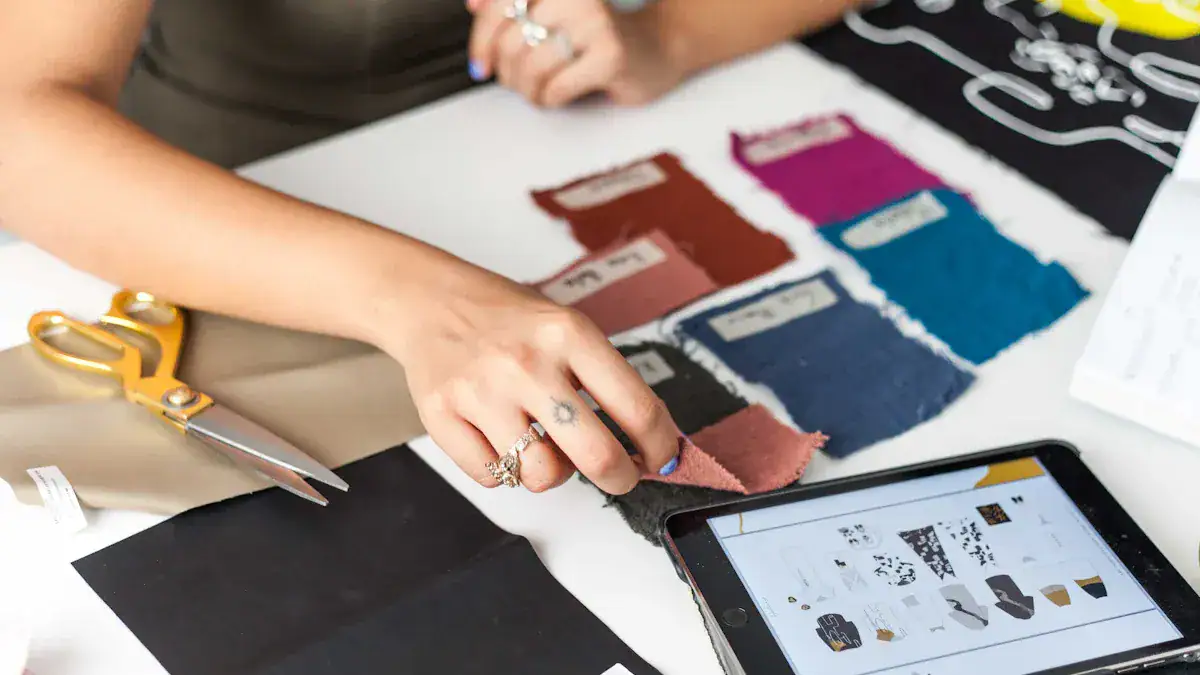
Note: I always recommend requesting fabric swatches in different colors before making a final decision. Seeing the actual material helps confirm the color matches the brand vision and meets quality standards.
Comparing Custom Jacket Fabrics

Durability
When I help clients choose custom jackets, I always start by evaluating durability. The right material ensures the jacket stands up to daily use and keeps its shape over time. I have found that polyester and nylon consistently deliver high durability. These fabrics resist stretching, shrinking, and abrasion, which makes them ideal for busy professionals. Cotton blends offer comfort but tend to wear out faster, especially with frequent washing. Fleece provides moderate durability, balancing flexibility and lightweight comfort.
Here is a quick comparison of durability ratings for popular jacket fabrics:
Fabric Type | Durability Rating | Additional Properties |
|---|---|---|
Polyester | High | Moisture-wicking, stain-resistant, lightweight |
Nylon | High | Abrasion-resistant, lightweight |
Cotton | Low | Breathable, comfortable, less stain-resistant |
Fleece | Moderate | Flexible, lightweight, moisture-resistant, comfortable |
I recommend polyester or nylon for teams who need long-lasting custom jackets. These options handle daily wear and maintain their appearance, even after repeated use.
Affordability
Affordability plays a major role in fabric selection for corporate apparel. I always consider the budget when recommending materials. Polyester stands out as a cost-effective choice. It offers high durability and low maintenance, which reduces long-term expenses. Nylon also provides good value, especially for weather-resistant jackets. Cotton blends cost more due to their comfort and breathability, but they may require more frequent replacement. Fleece sits in the middle range, offering warmth and comfort at a reasonable price.
When I work with clients, I suggest balancing upfront costs with long-term value. Investing in a durable material like polyester or nylon often saves money over time. I encourage teams to consider the total cost of ownership, including maintenance and replacement rates.
Tip: I advise requesting quotes for different fabric options before making a final decision. Comparing prices helps ensure the best value for your custom jackets.
Maintenance
Maintenance requirements can affect the lifespan and appearance of custom jackets. I always look for fabrics that are easy to care for and resist common issues like wrinkling and shrinking. Polyester and nylon require minimal upkeep. These materials resist wrinkles and hold their shape after washing. Cotton blends need more attention. They wrinkle easily and may shrink if not washed properly. Fleece offers easy maintenance. It is machine washable and dries quickly, which suits busy professionals.
Here is a summary of maintenance needs for each fabric:
Fabric Type | Maintenance Requirements |
|---|---|
Polyester | Low-maintenance, resists wrinkling and shrinking. |
Nylon | Low-maintenance, resistant to wrinkling and shrinking. |
Cotton Blends | Requires more care, prone to wrinkling and shrinking. |
Fleece | Easy to maintain, machine washable, quick-drying. |
I always recommend polyester or nylon for clients who want hassle-free custom jackets. These fabrics keep their appearance with minimal effort, which helps teams look professional every day.
Customization
When I help clients select fabrics for corporate custom jackets, I always emphasize the importance of customization. The right fabric determines how well a jacket can showcase a company’s brand, logo, or message. I have worked with many teams who want their jackets to stand out at events, in the office, or during travel. Customization options vary depending on the fabric type, and each method offers unique advantages.
Embroidery remains one of the most popular choices for corporate jackets. I recommend embroidery for fleece, winter coats, and work jackets. The thick texture of fleece holds stitched logos securely, and the result looks professional and long-lasting. Embroidery also works well on heavier fabrics, providing a premium finish that resists wear and tear. Many clients prefer embroidered logos because they maintain their appearance after repeated washing.
Screen printing offers another effective way to customize jackets. I suggest screen printing for track jackets, softshell jackets, and work jackets made from polyester or nylon. The smooth surface of these fabrics allows for sharp, vibrant designs. Screen printing works best for large logos or bold graphics. I have seen teams use screen printing to create eye-catching jackets for events and promotions. The process supports a wide range of colors and design details.
Heat transfer printing provides flexibility for cotton and acrylic jackets, although acrylic is less common in corporate apparel. I recommend heat transfer printing when clients want detailed graphics or small logos. The method works well for lightweight fabrics and allows for quick production. Heat transfer designs look crisp and modern, making them suitable for casual or seasonal jackets.
Here is a quick reference table that I use when advising clients about customization options:
Customization Method | Suitable Fabric Types |
|---|---|
Embroidery | Fleeces, winter coats, work jackets |
Screen Printing | Track jackets, softshell jackets, work jackets |
Heat Transfer Printing | Cotton, acrylic (less common in jackets) |
I always encourage clients to consider the final look and feel of their custom jackets. Embroidery adds texture and durability, while screen printing delivers bold visuals. Heat transfer printing offers precision and speed. The choice depends on the company’s branding goals, budget, and preferred style.
Tip: I recommend requesting samples with your logo before placing a large order. Seeing the finished product helps ensure the customization method matches your expectations and brand standards.
Customization transforms a simple jacket into a powerful branding tool. The right fabric and technique create a unified team appearance and leave a lasting impression. I guide clients through each step, helping them select the best combination for their needs. With careful planning, corporate custom jackets become more than just apparel—they become a statement of identity and professionalism.
Branding with Corporate Custom Jackets
Logo Placement
When I advise clients about branding, I always start with logo placement. The fabric you choose for a corporate jacket directly affects how and where a logo appears. I prefer to use the left chest for embroidered logos because it offers high visibility and a professional look. If a brand logo already sits on the left, I move the custom logo to the right chest. Sometimes, I add personalization under the main logo for a tailored touch.
The texture and thickness of the fabric matter. Polyester and nylon provide a smooth surface, which helps embroidery and screen printing stand out. Fleece holds stitched logos well and resists pilling, keeping branding crisp. Cotton blends allow for detailed embroidery but may require stabilizers to prevent puckering. I always test logo placement on sample jackets before full production.
Here is a quick reference table I use when discussing logo placement options:
Logo Placement | Description |
|---|---|
Default Location | Standard position for embroidered logo: left chest |
Alternative Placement | Right chest if brand logo is on the left |
Personalization | Added under main logo if required |
High visibility jackets also play a role in branding. These jackets not only keep workers safe but also provide excellent opportunities for displaying corporate logos. I recommend adding reflective tape or colored linings to match company branding.
Feature | Description |
|---|---|
Visibility | Essential for safety and brand recognition |
Branding Opportunity | Ideal for prominent corporate logos |
Safety Compliance | Shows commitment to safety and awareness |
Customization Options | Reflective tape, lining, color choices |
Tip: I always suggest reviewing logo size and placement on actual fabric swatches to ensure the best results.
Color Matching
Color matching is a critical part of branding. I help clients select jacket colors that align with their brand identity. Polyester stands out for its vibrant color retention and resistance to fading. Cotton blends offer a wide range of shades, from classic neutrals to bold hues. Fleece provides rich, deep colors that remain consistent after multiple washes.
I always compare fabric swatches to company colors before finalizing a design. The ability of a fabric to hold color affects the overall appearance of the jacket. I recommend using accent colors for trims or lining to add visual interest. Matching the jacket color to the logo creates a unified and professional look.
Note: Requesting fabric samples in different colors helps confirm the match with brand guidelines.
Design Flexibility
Design flexibility depends on the fabric you choose. Polyester and nylon allow for a wide range of customization options, including screen printing, embroidery, and heat transfers. Fleece supports embroidery and patches, making it ideal for winter jackets. Cotton blends work well for detailed embroidery and casual styles.
When designing your custom jacket, I consider the company’s branding goals and the intended use. I select fabrics that support the desired design elements, such as adjustable cuffs, contrast panels, or unique textures. I encourage clients to explore different combinations to achieve the perfect balance between style and function.
Key points I evaluate for design flexibility:
Fabric compatibility with decoration methods
Ability to incorporate unique features
Support for various jacket styles
Callout: The right fabric choice enhances branding, supports logo application, and ensures color consistency. I guide clients through each step to create jackets that reflect their brand and meet their needs.
Care and Maintenance
Washing
I always advise clients to follow specific washing instructions for each type of corporate custom jacket. Proper care keeps colors vibrant and prevents damage to zippers and seams. I recommend checking the care label before washing any garment. I use the following table to guide teams on the best practices for each material:
Fabric Type | Washer Setting & Temperature | Dryer Setting | Do’s & Don’ts |
|---|---|---|---|
Polyester | Normal cycle, warm water | Permanent Press or tumble dry low | Do: wash with similar colors, pre-treat stains. Don’t: use bleach, hot water, or vigorous scrubbing. |
Fleece | Gentle cycle, cold water | Hang dry or lowest dryer heat | Do: use pre-treatment for stains, mild detergent. Don’t: use bleach or fabric softener. |
Nylon or Lycra | Hand wash or low-spin cycle, cold | Tumble dry on low heat | Do: use pre-treatment for stains, turn items inside out. Don’t: use bleach or fabric softener. |
Cotton | Normal cycle, warm water | Tumble dry medium or low | Do: pre-treat stains, separate by color. Don’t: wash in hot water to avoid shrinkage. |
I always remind teams that washing fleece less often and using gentle cycles helps minimize fiber release into water systems. Innovations like Polartec® Shed Less technology can reduce fiber shedding by up to 85%. I encourage clients to use mild detergent and avoid bleach for all custom jackets.
Storage
I recommend storing jackets in a cool, dry place away from direct sunlight. I always hang jackets on wide, sturdy hangers to maintain their shape. For fleece and cotton blends, I fold them neatly to prevent stretching. I avoid overcrowding closets, which can cause wrinkles and damage. I suggest using garment bags for long-term storage, especially for seasonal items. I check pockets and zippers before storing to prevent snags and wear.
Tip: I always advise cleaning jackets before storing them for extended periods. Dirt and stains can set over time, making them harder to remove.
Longevity
Regular care extends the lifespan of every jacket. I have seen polyester DWR shells last two to three years with frequent use. Nylon ePTFE shells, such as GORE-TEX, can last three to five years. Cotton blends and fleece offer moderate durability, but proper maintenance prevents fading, pilling, and wear. I always encourage teams to inspect their jackets for loose threads or broken zippers and repair them promptly.
Regular care keeps colors bright and zippers working smoothly.
Proper maintenance prevents fading and pilling, ensuring jackets look appealing.
Well-maintained jackets foster pride and unity among team members.
I always consider the environmental impact of washing and maintaining each fabric. The production of fleece can lead to material loss, and fiber fragments often wash out during the first few laundry cycles. I recommend gentle washing and less frequent laundering to reduce waste. I believe that investing in quality care practices maximizes the value of every custom jacket.
When I help clients select corporate custom jackets, I always highlight the importance of matching fabric to purpose. Here is a quick reference for the best fabric choices:
Fabric Type | Use Case |
|---|---|
Fleece jackets | Comfort during corporate events |
Rain jackets | Outdoor events in wet weather |
Windbreakers | Windy conditions at events |
Canvas duck fabric | Industrial workwear |
Flame resistant fabric | Hazardous work environments |
Hi-vis fabrics | Safety and visibility |
Weather-proof material | Protection against rain and wind |
To ensure the right fit for your team jackets, I recommend these steps:
Check reviews and testimonials from other brands.
Request samples to assess quality and design.
Visit the manufacturer’s factory if possible.
Compare pricing and minimum order quantities.
Test communication and responsiveness.
Balancing comfort, durability, climate, and branding helps every team look and feel their best in custom jackets.
Feature | Description |
|---|---|
Comfort | Stylish fit and feel for long events or workdays |
Durability | High-quality materials withstand regular use |
Climate | Options like Stormbreaker suit various weather conditions |
Branding | Customization transforms jackets into branding tools |
FAQ
What is the most durable fabric for corporate custom jackets?
I always recommend polyester or nylon for maximum durability. These fabrics resist stretching, shrinking, and abrasion. Teams who need jackets for daily use benefit from their long-lasting performance.
Can I use eco-friendly fabrics for custom jackets?
I often suggest organic cotton or recycled polyester for clients who want sustainable options. These materials support environmental goals and offer comfort. Many suppliers now provide eco-friendly choices for corporate apparel.
Which fabric works best for logo embroidery?
I prefer fleece and cotton blends for embroidery. These fabrics hold stitched logos securely and maintain a professional appearance. Polyester also supports embroidery, but I always test samples for quality.
How do I choose the right fabric for different climates?
I match fabric to climate by considering breathability and insulation. For warm weather, I select cotton blends or lightweight polyester. For cold or wet conditions, I recommend fleece or weather-resistant nylon.
Are custom jackets easy to maintain?
I find polyester and nylon require minimal care. These fabrics resist wrinkles and stains. Fleece is machine washable and dries quickly. Cotton blends need gentle washing to prevent shrinking and fading.
What is the best way to ensure color consistency for branding?
I always request fabric swatches before finalizing colors. Polyester holds vibrant colors well and resists fading. Cotton blends offer a wide range of shades. I compare samples to brand guidelines for accuracy.
Can I order samples before placing a large order?
I encourage clients to request samples. Testing fabric quality, fit, and logo application helps ensure satisfaction. Most suppliers provide sample jackets for review before full production.
How do I select the right fit for my team?
I measure team members and review sizing charts from suppliers. I recommend adjustable features like cuffs or stretch panels for comfort. I always check sample jackets to confirm the fit matches expectations.