

How to make your budget for corporate jackets go further
Table of Contents
Display

I know how important it is to make every dollar count when investing in a budget for corporate jackets. I always look for strategies that deliver real value and help my company stand out. I focus on quality, durability, and smart choices instead of chasing the lowest price. I encourage you to think about what works best for your team, so you can find options that offer both savings and long-term impact.
Key Takeaways
Identify essential features for corporate jackets. Focus on warmth, comfort, and durability to meet your team’s needs.
Avoid unnecessary extras that do not add value. Stick to must-have features to keep costs down.
Gather feedback from your team to distinguish between needs and wants. This helps prioritize what is truly necessary.
Choose the right materials based on usage. Polyester is great for outdoor work, while cotton is better for indoor comfort.
Negotiate with suppliers for better deals. Ask about discounts, promotions, and loyalty programs to save money.
Order in bulk to unlock discounts. Larger orders often reduce the price per jacket significantly.
Be aware of hidden costs. Always request a detailed quote to avoid unexpected fees during the ordering process.
Plan your orders around seasonal sales. Timing your purchases can lead to better deals and savings.
Maximize Your Budget for Corporate Jackets
Prioritize Essentials
Must-Have Features
When I plan my budget for corporate jackets, I start by listing the features my team truly needs. I focus on practical elements like warmth, comfort, and durability. I ask myself if the jackets need water resistance for outdoor work or lightweight fabric for indoor use. I always include pockets, adjustable cuffs, and a reliable zipper. These features help my team stay comfortable and productive. I avoid flashy extras that do not add value.
Tip: I recommend creating a simple checklist. I write down the top five features my team cannot work without. This method keeps my choices focused and prevents overspending.
Avoid Extras
I see many suppliers offer add-ons like custom lining, extra embroidery, or specialty trims. These options look appealing, but they often increase costs without improving function. I avoid extras that do not support my team’s daily tasks. I remind myself that every dollar spent on unnecessary features reduces the overall value of my budget for corporate jackets.
I skip decorative patches.
I avoid premium packaging.
I say no to multiple logo placements.
By sticking to essentials, I keep my spending efficient and purposeful.
Needs vs. Wants
I believe in understanding what my employees actually need versus what they want. I use surveys or quick polls to gather feedback. I ask questions about climate, job roles, and style preferences. This approach helps me separate true requirements from personal wishes.
Needs | Wants |
|---|---|
Warmth | Trendy colors |
Durability | Extra pockets |
Proper fit | Designer labels |
Weather protection | Fancy zippers |
I review the results and adjust my order accordingly. I prioritize needs to maximize the impact of my budget for corporate jackets. I find that this process leads to higher satisfaction and better use of resources.
Note: I always double-check the final list with my team leaders. Their input ensures I do not miss any critical features.
Material Choices
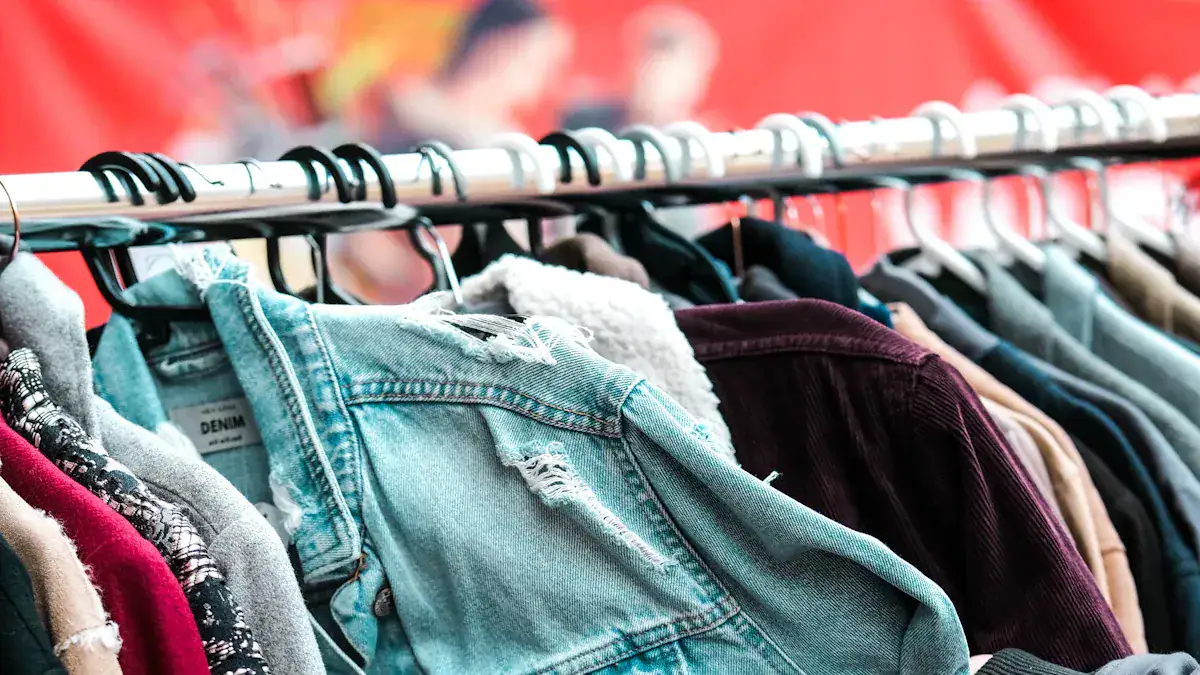
When I select corporate jackets, I always start by comparing fabric options. The right material makes a big difference in comfort, durability, and cost. I work with suppliers like LogoSportswear, VistaPrint, and BlueCotton because they offer a wide range of fabrics. I look for materials that match my team’s needs and help me maximize my budget for corporate jackets.
Compare Fabrics
Polyester
Polyester stands out as a popular choice for corporate jackets. I choose polyester when I need jackets that resist wrinkles and dry quickly. This fabric holds color well, so logos and branding look sharp after many washes. Polyester jackets usually cost less than other options, which helps me stay within budget. I also notice that polyester works well for teams who need lightweight outerwear.
Cotton
Cotton offers a soft and breathable feel. I pick cotton jackets for indoor environments or mild climates. Employees appreciate the comfort, especially during long workdays. Cotton tends to cost more than polyester, but it provides a premium look. I always check if the supplier offers blended fabrics, which combine cotton’s comfort with polyester’s durability. This blend often balances price and performance.
Softshell
Softshell jackets deliver flexibility and weather protection. I select softshells for teams who work outdoors or travel between locations. The fabric repels water and blocks wind, keeping employees comfortable in changing conditions. Softshells cost more upfront, but I find they last longer and reduce replacement costs. I ask suppliers about softshell options with reinforced seams for extra durability.
Tip: I request fabric samples from suppliers before placing a large order. This step helps me compare texture, weight, and color in person.
Match Material to Use
I match jacket material to how and where my team will wear them. For office staff, I choose cotton or cotton blends for comfort. For field teams, I prefer polyester or softshell for durability and weather resistance. I consider how often employees will wash their jackets. Polyester and softshell fabrics handle frequent laundering better than pure cotton.
I also review the supplier’s care instructions. Some materials require special washing or drying methods. I avoid options that add extra maintenance for my team. I always ask about warranty or replacement policies, especially for higher-priced fabrics.
Material | Best For | Price Range | Durability | Care |
|---|---|---|---|---|
Polyester | Outdoor, active | Low | High | Easy |
Cotton | Indoor, comfort | Medium | Medium | Moderate |
Softshell | All-weather, travel | High | Very High | Easy |
Choosing the right material helps me control costs and ensure employees stay comfortable. I make sure every jacket fits the job and lasts through daily use.
Customization Options
Embroidery vs. Printing
When I customize jackets for my team, I always weigh the pros and cons of embroidery and printing. Merchology and Corporate Gear both offer these options at different price points. I notice that embroidery gives a polished, professional look. The stitching stands out and lasts through many washes. However, embroidery usually costs more, especially for complex logos. The detailed stitching and extra labor drive up the price.
Printing, especially screen printing, works well for larger orders. The process uses stencils and ink, which lowers the per-unit cost as the order size increases. I choose printing when I want to keep costs down and still achieve a bold, colorful design. For simple logos or text, printing offers a clean finish without breaking the bank. I always consider the size and detail of my logo before making a decision.
Tip: I ask my supplier for samples of both embroidery and printing. This helps me see the difference in quality and durability before I commit.
Logo Placement
I believe that strategic logo placement makes a big impact without adding extra cost. I usually place the logo on the left chest. This spot keeps the branding visible but subtle. Some companies offer sleeve or back placements, but these often increase the price. I avoid multiple logo placements to stay within my budget for corporate jackets.
Here is a quick comparison of common logo placements:
Placement | Visibility | Cost Impact | Professional Look |
|---|---|---|---|
Left Chest | High | Low | Yes |
Right Chest | Medium | Medium | Yes |
Sleeve | Medium | High | Sometimes |
Back | Very High | High | Sometimes |
I always confirm the placement with my supplier and review a digital proof before production. This step prevents costly mistakes and ensures the final product matches my vision.
Color Selection
Color choice plays a key role in both branding and cost. I stick to my company’s primary colors or choose neutral shades like black, navy, or gray. These colors look professional and appeal to most employees. Suppliers often charge extra for custom or specialty colors, so I avoid them when possible.
I also consider how the logo will appear on different backgrounds. A high-contrast combination makes the branding pop. I ask for digital mockups to compare color options side by side. This approach helps me make a confident decision without overspending.
Note: I always check if the supplier offers discounts for standard color options. This small step can stretch my budget further and keep the process simple.
Bulk Discounts
Order Size
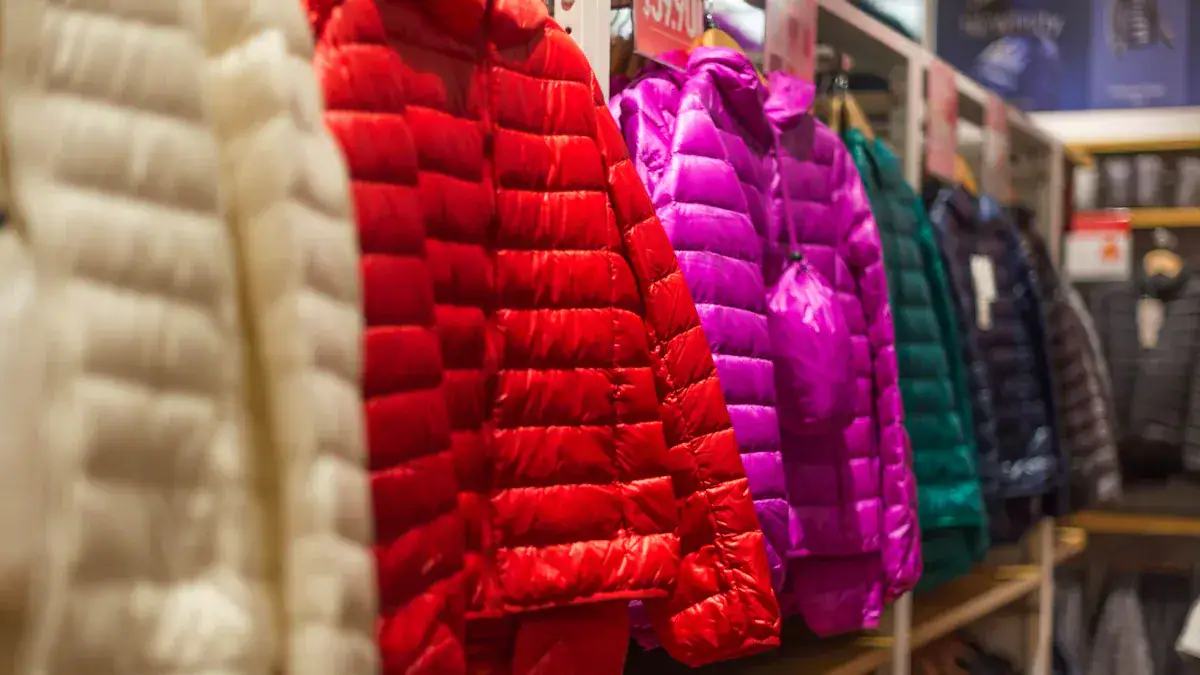
I always pay close attention to order size when planning my jacket purchase. Larger orders often unlock significant savings. Suppliers like Crestline, 4Imprint, and Totally Promotional offer tiered pricing. As my quantity increases, the price per jacket drops. I find that even a small increase in order size can lead to a noticeable discount. For example, ordering 50 jackets instead of 40 might reduce the unit cost by several dollars. I calculate the breakpoints for bulk pricing before finalizing my order. This approach helps me maximize value without exceeding my budget for corporate jackets.
Tip: I ask suppliers for a price chart. This visual tool makes it easy to compare costs at different quantities.
Supplier Negotiation
I never hesitate to negotiate with suppliers. Many companies expect some back-and-forth on pricing, especially for large orders. I contact sales representatives directly and ask about current promotions or unpublished discounts. Sometimes, suppliers offer free setup, reduced shipping, or bonus items for bulk purchases. I mention competing quotes from other vendors to encourage better deals. I also inquire about loyalty programs or repeat customer incentives. These small steps often result in extra savings or added value.
I prepare my order details before negotiating.
I highlight my company’s potential for future business.
I remain polite but firm during discussions.
This strategy builds strong supplier relationships and often leads to better terms on future orders.
No Minimum Orders
Flexibility matters to me, especially when I need a small batch or a quick turnaround. Companies like Corporate Casuals and RushOrderTees stand out because they offer no minimum order requirements. I can order as few or as many jackets as I need. This option works well for new hires, special events, or teams with changing sizes. RushOrderTees also provides fast production, which helps when I face tight deadlines. I avoid over-ordering and reduce waste by choosing suppliers with flexible policies.
Supplier | Bulk Discounts | No Minimums | Fast Turnaround |
|---|---|---|---|
Crestline | ✅ | ❌ | ✅ |
4Imprint | ✅ | ❌ | ✅ |
Totally Promotional | ✅ | ❌ | ✅ |
Corporate Casuals | ❌ | ✅ | ✅ |
RushOrderTees | ❌ | ✅ | ✅ |
Note: I always check for hidden fees when ordering small quantities. Some suppliers charge extra for setup or rush services.
By understanding order size, negotiating with suppliers, and choosing companies with no minimums, I stretch my budget and get the best value for my team.
Longevity
Durable Styles
I always look for classic jacket styles when I want my investment to last. I avoid trendy cuts or flashy details that might go out of fashion quickly. I choose simple silhouettes like bomber, softshell, or zip-up jackets. These styles work well in most professional settings and stay relevant year after year. I ask my supplier about reinforced stitching and quality zippers. These features help prevent wear and tear. I check the care instructions and select jackets that can handle frequent washing without losing shape or color. I know that durable styles reduce the need for replacements and keep my team looking sharp.
Tip: I track the cost of goods sold and gross profit margin for each jacket order. This helps me measure how well my choices perform over time. I also calculate the return on investment and break-even point to see if my purchase delivers lasting value.
Cost of Goods Sold (COGS)
Gross Profit Margin
Return on Investment (ROI) Calculation
Break-even Point Analysis
Timeless Colors
I select jacket colors that never go out of style. I avoid bold or seasonal shades that might clash with future branding updates. I rely on a few timeless options that always look professional:
Black: Versatile and suitable for any occasion.
Navy Blue: Classic and easy to match with other apparel.
Neutral Colors: White, Cream, Beige, Gray, Brown, Camel, and Olive. These shades blend well with most uniforms and office environments.
I find that neutral colors help my team look unified and polished. I also notice that these colors hide stains and signs of wear better than lighter or brighter options. I ask my supplier if standard colors come at a lower price. This small step often stretches my budget further.
Note: I review my company’s branding guidelines before choosing colors. I make sure the jackets match our logo and overall image.
Employee Fit
I believe that proper fit matters as much as style and color. I gather input from my team before placing an order. I ask about preferred sizes and jacket lengths. I offer sample jackets for employees to try on. This process helps me avoid issues with baggy or tight garments. I know that a well-fitted jacket boosts confidence and morale.
Here is how fit impacts satisfaction and long-term wear:
Evidence Description | Impact on Employee Satisfaction and Long-term Wear |
|---|---|
Employees who enjoy their uniforms have higher self-perceptions of job performance and job satisfaction. | Proper fit contributes to enjoyment of uniforms, enhancing satisfaction. |
Baggy or tight garments can make employees feel self-conscious. | Proper fit is crucial for confidence and comfort, affecting long-term wear. |
Well-designed uniforms build employee self-confidence and morale. | Increased confidence leads to better interactions and satisfaction. |
I always double-check size charts and ask for feedback after distribution. I adjust future orders based on what my team prefers. This approach keeps my employees happy and ensures the jackets get regular use.
😊 When my team feels comfortable and confident, they wear their jackets more often. This extends the lifespan of my investment and supports a positive workplace culture.
Timing and Deals
Seasonal Savings
I always pay attention to the timing of my orders. I notice that suppliers often adjust their prices based on the season. I avoid placing large orders during peak times, such as the start of the school year or the holiday season. These periods usually bring higher prices and longer production times. I prefer to order jackets during slower months, like late winter or midsummer. Suppliers want to keep their production lines busy, so they offer better deals to attract customers.
I track supplier newsletters and industry calendars. I see patterns in when discounts appear. For example, some vendors run clearance sales after major events or at the end of a product cycle. I take advantage of these opportunities to secure quality jackets at a lower cost. I also ask my supplier about upcoming promotions before finalizing my order. This strategy helps me plan ahead and maximize my budget for corporate jackets.
Tip: I set reminders to check for seasonal deals every quarter. This habit keeps me informed and ready to act when prices drop.
Promotions
I always look for special promotions before placing an order. Many suppliers offer limited-time discounts, free shipping, or bonus items. I visit vendor websites and sign up for email alerts. I receive notifications about flash sales and exclusive offers. Some companies provide coupon codes for first-time buyers or bulk orders.
I compare deals from multiple suppliers. I create a simple table to track the best offers:
Supplier | Promotion Type | Value | Expiry Date |
|---|---|---|---|
LogoSportswear | Free Shipping | $50 Savings | 06/30 |
VistaPrint | 10% Off Bulk Order | $100 Savings | 07/15 |
BlueCotton | Buy 50, Get 5 Free | $75 Savings | 07/31 |
I read the fine print on every promotion. Some deals require a minimum order or exclude certain products. I confirm all details with the supplier before making a commitment. I also ask about loyalty programs or referral bonuses. These incentives add extra value over time.
😊 I always share successful deals with my team. This practice builds trust and shows that I care about making smart financial decisions.
Avoiding Pitfalls
Hidden Costs
I always pay close attention to the fine print when ordering corporate jackets. Many suppliers advertise low base prices, but extra fees can add up quickly. I have learned to watch for these common hidden costs:
Setup Fees: Many companies charge a one-time fee to prepare embroidery or printing files. This fee often ranges from $25 to $100 per order.
Shipping Charges: Some suppliers offer free shipping, but others add significant costs, especially for rush delivery or large orders.
Rush Charges: When I need jackets quickly, I sometimes face rush production fees. These charges can increase the total cost by 10% or more.
Artwork Revisions: If my logo needs adjustments, suppliers may charge for design edits or additional proofs.
Color Match Fees: Custom color requests sometimes come with extra charges.
Tip: I always request a detailed quote before placing an order. I ask the supplier to list every possible fee, including taxes and optional services. This step helps me avoid surprises and keeps my budget on track.
Here is a quick reference table I use to compare potential hidden costs:
Fee Type | Typical Range | How to Avoid or Reduce |
|---|---|---|
Setup Fee | $25 – $100 | Use existing artwork, ask for waivers |
Shipping | $10 – $100+ | Order early, seek free shipping promos |
Rush Charge | 10-20% of order | Plan ahead, avoid last-minute orders |
Artwork Revision | $10 – $50 | Submit print-ready files |
Color Match | $20 – $50 | Choose standard colors |
Accurate Orders
I know that mistakes in order details can waste both time and money. I take several steps to ensure accuracy before I finalize any purchase.
Double-Check Quantities: I review my team roster and confirm the exact number of jackets needed. I avoid over-ordering, which leads to excess inventory, and under-ordering, which causes delays.
Verify Sizes: I collect size preferences from each employee. I use a simple survey or fitting session to gather this information. This step reduces the risk of returns or exchanges.
Confirm Customization Details: I check the logo file, placement, and color choices. I ask for a digital proof from the supplier and review it carefully.
Review Shipping Information: I make sure the delivery address and contact details are correct. I also confirm the expected delivery date.
Read the Order Summary: I go through the final order summary line by line. I look for errors in quantities, sizes, or customization options.
Note: I always keep a copy of my order confirmation and all communication with the supplier. This record helps resolve any issues quickly if something goes wrong.
By staying alert to hidden costs and double-checking every detail, I protect my budget and ensure my team receives the right jackets on time. This careful approach saves money, reduces stress, and builds trust with both my team and my suppliers.
I always make my budget for corporate jackets go further by focusing on essentials, choosing the right materials, and negotiating with suppliers. I compare options, plan purchases around seasonal deals, and avoid hidden costs.
I recommend reviewing your team’s needs and gathering feedback.
I suggest reaching out to suppliers for quotes and starting with a needs assessment.
Taking these steps helps me deliver professional results and maximize value for my company.
FAQ
What is the best way to determine how many jackets I need?
I always start by making a list of current employees and expected new hires. I add a few extra jackets for future needs or size exchanges. This method helps me avoid waste and ensures everyone gets the right fit.
How can I make sure my logo looks good on every jacket?
I request digital proofs from my supplier before production. I review the logo placement and colors on different jacket backgrounds. I ask for embroidery and print samples to compare quality. This step guarantees my branding stays consistent and professional.
Are there ways to save money on shipping costs?
I combine orders when possible to reach free shipping thresholds. I also ask suppliers about local pickup options. Some vendors offer free shipping during promotions. I always check for these deals before placing my order.
What should I do if I receive jackets with mistakes?
I contact the supplier immediately and provide photos of the issue. I keep all order confirmations and proofs for reference. Most reputable companies offer replacements or refunds for errors. I stay polite but firm to resolve problems quickly.
How do I choose the right jacket size for my team?
I distribute a size chart from the supplier and ask employees to select their preferred size. I offer sample jackets for fitting when possible. This approach reduces returns and ensures everyone feels comfortable in their new jacket.
Can I order different styles or colors in one order?
Many suppliers allow mixed styles or colors in a single order, especially for larger quantities. I confirm this option before finalizing my purchase. I check if mixing styles affects pricing or minimum order requirements.
What is the typical turnaround time for custom jackets?
Most suppliers deliver custom jackets within 2 to 4 weeks. Rush options are available for an extra fee. I always confirm the timeline before ordering, especially if I need jackets for a specific event.
Tip: I plan ahead and order early to avoid rush charges and ensure on-time delivery.