

Sustainable Custom Waterproof Jackets Worth Considering
Table of Contents
Display
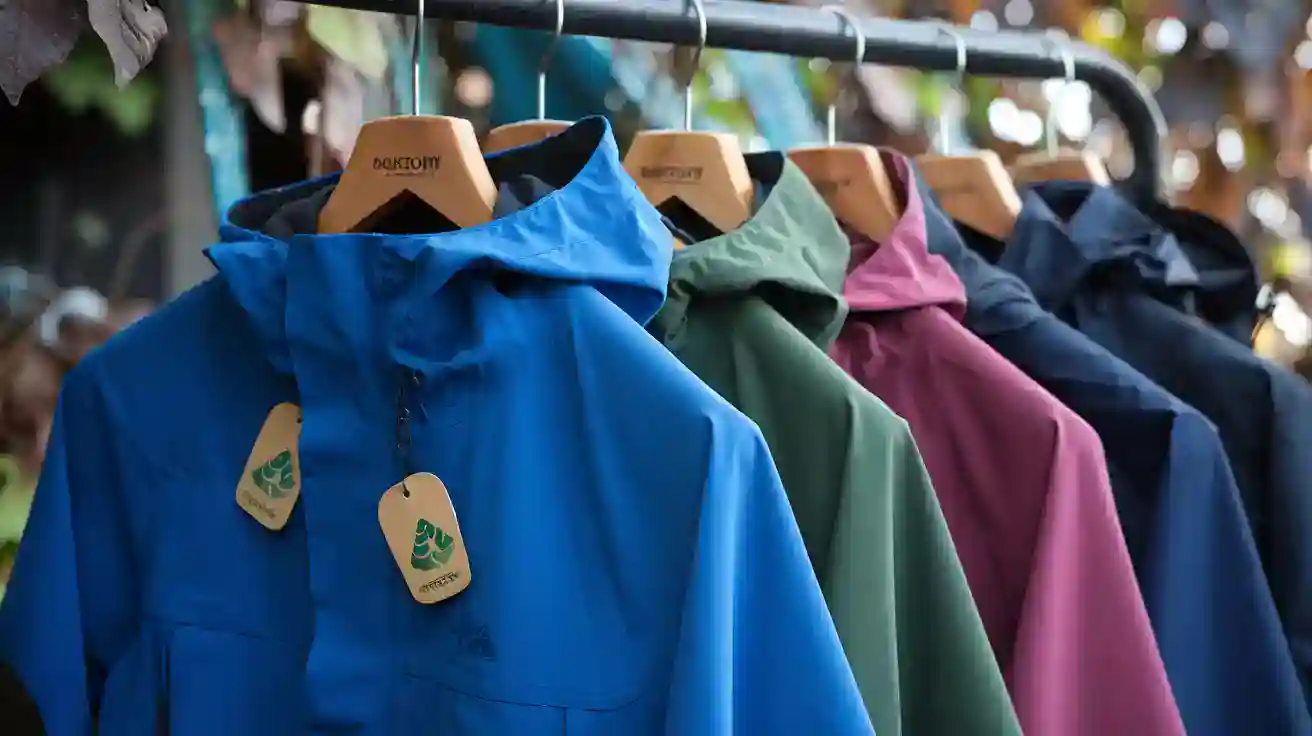
You see more choices than ever for sustainable custom waterproof jackets in 2025. Patagonia, Mammut, Arc’teryx, and Nike lead the way with innovative materials and responsible production. Patagonia uses recycled polyester and organic cotton, while Nike’s ACG line focuses on weather-resistant recycled fabrics. Arc’teryx offers advanced GORE-TEX Pro jackets with eco-friendly methods. The market for waterproof jackets is projected to reach USD 5.4 billion by 2032, growing at 8.2% CAGR. You can enjoy style, function, and sustainability in your custom waterproof jacket—making a responsible choice for outdoor adventures.
Key Takeaways
- Choose jackets made from recycled materials to support sustainability and reduce waste.
- Look for certifications like Bluesign® and OEKO-TEX® to ensure ethical production and environmental responsibility.
- Consider customization options to express your personal style while promoting eco-friendly practices.
- Select jackets with high waterproof ratings (above 10,000mm) for reliable protection during outdoor activities.
- Prioritize breathability features to stay comfortable and dry from sweat during physical activities.
- Invest in durable jackets to minimize waste and ensure long-lasting performance through various seasons.
- Follow proper care instructions to maintain waterproof qualities and extend the lifespan of your jacket.
- Support brands with recycling programs to help close the loop and promote a sustainable future in outdoor apparel.
Top Picks 2025
Editor’s Choice
You want a jacket that stands out for both sustainability and performance. The Mammut Stoney HS Hooded Jacket leads the pack in 2025. This jacket delivers exceptional waterproofing, enhanced durability, and all-day comfort. Expert reviews consistently rate it as a top performer for outdoor enthusiasts who demand reliability in harsh conditions. Patagonia’s Torrentshell 3L also earns high marks for its three-layer construction and BLUESIGN approval, making it a responsible choice for eco-conscious adventurers.
Here’s a quick comparison of top-rated sustainable jackets based on expert reviews:
| Jacket Name | Key Features | Rating |
|---|---|---|
| Mammut Stoney HS Hooded Jacket | Exceptional Waterproofing, Enhanced Durability, All-Day Comfort | ⭐⭐⭐⭐⭐ |
| Patagonia Men’s Torrentshell 3L | Exceptional 3 Layer Performance, Certified BLUESIGN Approved | N/A |
| Rab Downpour Men’s Eco Jacket | Recycled Polyester, Fluorocarbon-Free, Deep-Venting Pit Zips | N/A |
| Tentree Women’s Cloud Shell Jacket | Super-Lightweight, Recycled Materials, Ten Trees Planted for Every Order | N/A |
You can trust these jackets to deliver a mix of function and style, with each model undergoing rigorous testing by industry experts.
Lightweight Options
If you value packability and minimal weight, several jackets excel in this category. The Montane Phase Lite weighs only 308 grams and uses a 30D Gore-Tex Active Shell. You get a lightweight feel, excellent fit, and a superb hood. Patagonia Women’s Torrentshell 3L, at 377 grams, uses 100% recycled nylon and offers rugged protection while remaining light and easy to pack. Both jackets score high for breathability and environmental credentials.
Here’s a breakdown of the best lightweight sustainable waterproof jackets:
| Jacket Name | Weight | Materials | Pros | Cons |
|---|---|---|---|---|
| Montane Phase Lite | 308g | 30D Gore-Tex Active Shell | Lightweight, Excellent fit, Superb Hood, Very breathable | Expensive |
| Patagonia Women’s Torrentshell 3L | 377g | 50D ECONYL 100% recycled nylon | Rugged, light, packable, Environmental credentials | Limited hood adjustment |
You can rely on these options for hiking, travel, or daily use when every ounce matters.
Best for Customization
You may want a custom waterproof jacket that reflects your team, brand, or personal style. Nike, Under Armour, and Eddie Bauer offer robust customization programs in 2025. Nike’s ACG line lets you select colors, add logos, and choose fits tailored to your needs. Under Armour provides options for embroidery and unique design elements, making it popular for teams and corporate events. Eddie Bauer stands out for its range of sizes and personalization features, ensuring you get a jacket that fits perfectly and looks exactly how you want.
Tip: When you choose a custom waterproof jacket, you combine sustainability with personal expression. This approach supports eco-friendly practices while letting you stand out in any outdoor setting.
You can find the right balance between function, sustainability, and individuality with these leading brands.
Most Sustainable
You want the highest level of sustainability in your outerwear. Brands like Outerknown and Picture Organic set the standard for eco-friendly design and responsible manufacturing. These companies use recycled materials, non-toxic dyes, and transparent supply chains. You see their commitment reflected in independent sustainability ratings.
| Brand | Overall Sustainability Rating |
|---|---|
| Outerknown | 5/5 |
| Picture Organic | 5/5 |
Outerknown delivers jackets made from recycled polyester and organic cotton. You benefit from a product that reduces landfill waste and lowers water consumption. Picture Organic uses bio-sourced fabrics and PFC-free waterproofing. You support a brand that invests in renewable energy and ethical labor practices.
You notice that these jackets combine technical performance with environmental responsibility. You get waterproof protection, breathability, and durability without sacrificing your values. Many models offer customization options, so you can select a Custom Waterproof Jacket that matches your style and sustainability goals.
Note: When you choose a jacket with top sustainability ratings, you help drive change in the outdoor apparel industry. You encourage brands to innovate and prioritize the planet.
You make a difference with every purchase. You show that style, function, and sustainability can work together in 2025.
What Makes a Jacket Sustainable
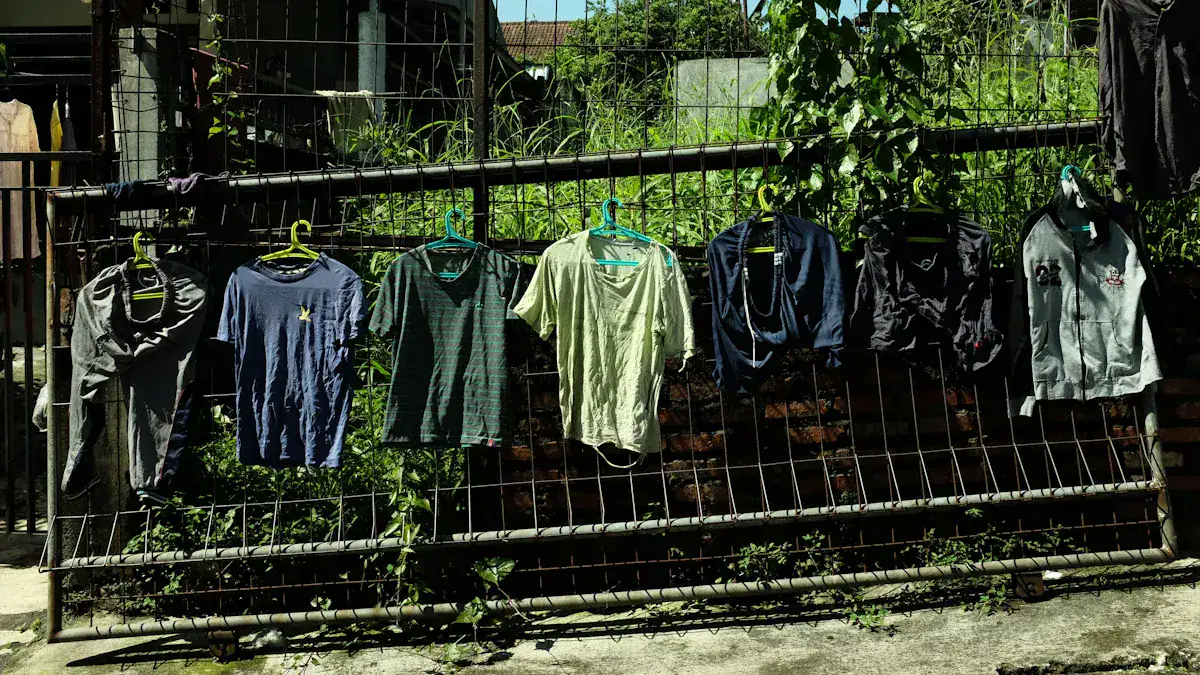
Eco Materials
You play a crucial role in sustainability when you choose jackets made from eco-friendly materials. Brands now use innovative fabrics that reduce environmental impact and maintain high performance. Many sustainable jackets feature shells crafted from 100% recycled materials, such as single-use plastic water bottles. This approach diverts waste from landfills and supports resource conservation. Jackets with REPREVE® recycled polyester repurpose throwaway plastics, while waterproof membranes often contain 75% to 100% recycled content.
You can compare common materials used in sustainable waterproof jackets:
| Material | Description | Sustainability Considerations |
|---|---|---|
| Modern Outdoor Clothing | Utilizes a membrane system and hydrophobic coating for water repellency. | Look for fluor-free products to minimize environmental impact. |
| Plastic Based Rain Gear | Made from plastic coated fabrics; less breathable. | Not very sustainable due to reliance on plastics. |
| Waxed Cotton | Cotton impregnated with wax for water repellency; requires re-waxing. | Natural wax options are more sustainable. |
| Felted Wool | Densely felted wool that is somewhat waterproof; can be enhanced with lanolin. | A sustainable option, though heavier and stiffer. |
You benefit from these material choices by supporting products that use fewer resources and generate less waste.
Ethical Production
You should also consider how your jacket is made. Ethical production practices ensure that workers receive fair treatment and that factories minimize environmental harm. Many leading brands use solution dyeing, which adds pigment before fiber production. This method reduces water usage and harmful waste. Recycled polyester, made from post-industrial waste fibers, promotes recycling and keeps materials out of landfills. PVC-free C6 DWR treatments lower the carbon footprint and reduce environmental harm compared to older chemical treatments.
| Sustainable Practice | Impact on Sustainability |
|---|---|
| Solution Dye | Reduces water usage and harmful waste by adding pigment before fiber production. |
| Recycled Polyester | Utilizes post-industrial waste fibers, promoting recycling and reducing landfill waste. |
| PVC Free C6 DWR | Lowers carbon footprint and environmental harm compared to previous treatments. |
When you select a Custom Waterproof Jacket from a brand that values ethical production, you support both people and the planet.
Durability
You want your jacket to last through many seasons. Durability stands as a key factor in sustainability. Jackets made from natural materials like untreated wool provide inherent water resistance. Silicone-treated fabrics offer water repellence without harmful PFAS chemicals. These features extend the life of your jacket and reduce the need for frequent replacements.
- Natural materials such as wool resist water and wear.
- Silicone treatments add water repellence and avoid toxic chemicals.
- Long-lasting construction means fewer jackets end up in landfills.
By choosing a durable jacket, you make a responsible investment that benefits both you and the environment.
Certifications
When you shop for a sustainable waterproof jacket, certifications give you confidence that your purchase meets high standards. Certifications act as proof that brands follow strict guidelines for environmental responsibility, ethical labor, and animal welfare. You can use these labels to quickly identify jackets that align with your values.
Certifications cover several important areas. Some focus on the entire lifecycle of the product, while others target specific aspects like fair labor or environmental impact. You see these certifications on product tags, websites, and marketing materials. They help you make informed decisions and avoid greenwashing.
Here is a table summarizing the most recognized certification categories for sustainable outerwear in 2025:
| Certification Category | Description |
|---|---|
| Holistic | Certifications that encompass overall sustainability practices. |
| Fair Labor | Certifications ensuring fair labor practices in production. |
| Environmental | Certifications focused on environmental impact and sustainability. |
| Vegan | Certifications for products that do not use animal-derived materials. |
Holistic certifications, such as bluesign® or OEKO-TEX®, look at the entire supply chain. They check everything from raw material sourcing to chemical use and waste management. When you see these labels, you know the brand has taken a comprehensive approach to sustainability.
Fair labor certifications, like Fair Trade Certified™, focus on the people who make your jacket. These programs ensure workers receive fair wages, safe working conditions, and respect for their rights. You support ethical manufacturing when you choose jackets with these labels.
Environmental certifications, such as Global Recycled Standard (GRS), highlight products made with recycled materials or reduced environmental impact. These certifications verify that the jacket uses fewer resources and generates less pollution. You help protect the planet by selecting jackets with strong environmental credentials.
Vegan certifications guarantee that no animal-derived materials appear in the jacket. Look for the PETA-Approved Vegan label if you want to avoid wool, leather, or down. This certification supports animal welfare and appeals to those who prefer plant-based or synthetic alternatives.
Tip: Always check for multiple certifications. A jacket with both environmental and fair labor labels offers a higher level of assurance.
Certifications change over time as standards evolve. Brands that pursue these labels show a commitment to transparency and continuous improvement. You can trust certified jackets to deliver on their sustainability promises. By choosing certified outerwear, you support responsible practices and set a positive example for others.
Custom Waterproof Jacket Features
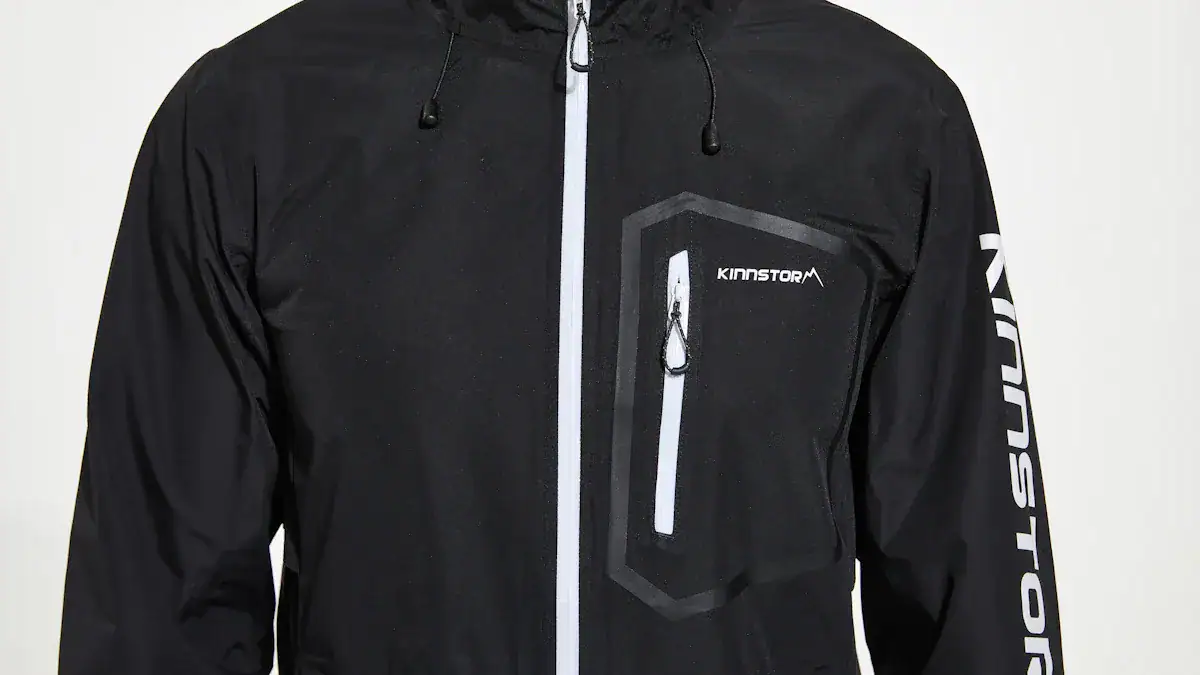
Customization transforms a waterproof jacket into a unique piece that matches your needs and style. You can select features that improve comfort, showcase your brand, or highlight your individuality. Teams and event organizers often request custom options to create a unified look and boost team spirit. You also see individuals choosing custom jackets to express personal style or meet specific performance requirements.
Personal Fit
You experience greater comfort and performance when you choose a jacket tailored to your body. Brands offer stretch fabrics and adjustable features that move with you. The Stretch Ozonic uses lightweight, stretchy material, allowing you to layer easily and maintain coverage during active use. The Black Diamond Fineline provides a generous fit and flexible fabric, giving you freedom of movement for hiking or climbing. Arc’teryx Beta SL includes underarm gussets and an adjustable hood, so you stay comfortable in changing weather. Rab Downpour and Outdoor Research Aspire II use soft, flexible fabrics that adapt to your movements, making them ideal for a range of activities.
- Stretch fabrics enhance mobility.
- Adjustable hoods and gussets improve coverage.
- Flexible designs allow for layering and ease of movement.
You notice that a Custom Waterproof Jacket with a personal fit helps you perform better outdoors and enjoy longer-lasting comfort.
Design Choices
You have many options to personalize the look of your jacket. Teams and organizations often request logos, patches, and woven labels to promote their brand. You can select colors that match your group or event theme. Custom zippers and finishings add a professional touch. Heat transfer and raised silicone artwork provide durable, water-resistant designs. Embroidery works well for nylon and polyester blends, offering a classic look. All-over print and sublimation techniques let you create bold, eye-catching patterns.
| Customization Feature | Description |
|---|---|
| Logos | Add your team or company logo for instant recognition. |
| Patches | Include patches for extra branding or achievements. |
| Woven Labels | Use custom labels for a polished, branded appearance. |
| Custom Zippers | Match zipper colors and styles to your design. |
| Full Cut-and-Sew Options | Request tailored fits for maximum comfort. |
| Heat Transfer | Apply designs with heat for durability and style. |
| Raised Silicone | Create soft, water-resistant artwork. |
| Embroidery | Add embroidered designs for a premium look. |
| All Over Print | Cover the entire jacket with your chosen pattern. |
| Finishings | Select zipper pulls, hang tags, and hardware for final touches. |
You can mix and match these features to create a Custom Waterproof Jacket that stands out in any setting.
Add-Ons
You enhance your jacket’s functionality with practical add-ons. Many brands offer extra pockets, adjustable cuffs, and reinforced seams. You may request reflective strips for safety during nighttime activities. Some jackets include removable hoods or ventilation zippers for added versatility. You can choose hardware and finishings that match your style or meet specific needs for your sport or event.
Tip: When you select add-ons, you increase the jacket’s utility and tailor it to your environment. You make sure your Custom Waterproof Jacket works for every adventure.
Custom options remain popular because they let you combine sustainability, performance, and personal expression. You create a jacket that fits your body, matches your style, and meets your needs—whether you join a team, attend an event, or explore the outdoors on your own.
How to Choose
Waterproof Rating
You need to understand waterproof ratings before selecting your jacket. These ratings tell you how well a fabric resists water under pressure. Manufacturers use the Hydrostatic Head test to measure this. In this test, fabric sits under a sealed tube of water. The test measures how much water pressure the fabric can withstand before it leaks. A fabric must exceed 1,500mm to meet British Standards for waterproofness.
You will see waterproof ratings expressed in millimeters. This number shows the amount of water pressure the fabric can resist. Higher numbers mean better waterproof performance. For example, a jacket with a 10,000mm rating offers more protection than one with a 2,000mm rating. Most outdoor jackets display two numbers: one for waterproofness and one for breathability. When you compare jackets, look for these numbers on the product label or description.
- Hydrostatic Head test measures waterproofness.
- Ratings appear in millimeters (mm).
- 1,500mm is the minimum for British Standards.
- Higher numbers mean better protection.
- Jackets often show two numbers: waterproofness and breathability.
Tip: For hiking or extended outdoor use, choose a jacket with at least a 10,000mm waterproof rating. For city wear, a lower rating may be enough.
Breathability
You want your jacket to keep you dry from both rain and sweat. Breathability measures how well moisture vapor escapes from inside the jacket. If you plan to hike, bike, or run, you need a jacket with high breathability. This feature prevents overheating and keeps you comfortable during activity.
Manufacturers use different tests to rate breathability. You will often see ratings in grams, such as 10,000g/m²/24hr. This number shows how much moisture can pass through a square meter of fabric in 24 hours. Higher numbers mean better breathability. Look for features like pit zips, mesh linings, or vented panels. These details help increase airflow and improve comfort.
- Breathability ratings appear in grams per square meter.
- Higher numbers mean more moisture escapes.
- Features like pit zips and mesh linings boost airflow.
Note: If you sweat a lot or move fast outdoors, prioritize breathability as much as waterproofness.
Fit & Sizing
You need a jacket that fits your body and your activity. A good fit improves comfort, movement, and weather protection. Many brands offer regular, slim, and relaxed fits. You should try on different styles to see what works best for you. For layering in cold weather, choose a slightly looser fit. For active sports, a trim fit reduces bulk and increases mobility.
Check the brand’s sizing chart before you buy. Measure your chest, waist, and arm length for the best match. Some jackets offer adjustable hems, cuffs, and hoods. These features let you fine-tune the fit and seal out wind and rain.
| Fit Type | Best For | Features |
|---|---|---|
| Regular | Everyday wear | Room for light layers |
| Slim | Active movement | Streamlined, less bulk |
| Relaxed | Layering, comfort | Extra space, easy to move |
Tip: Always move your arms and bend your elbows when trying on a jacket. Make sure you have full range of motion and no tight spots.
Sustainability
You want your waterproof jacket to do more than just keep you dry. You want it to reflect your values and support a healthier planet. When you focus on sustainability, you make a positive impact with every purchase. Here are the key criteria you should consider when evaluating the sustainability of a waterproof jacket:
- Recycled Materials: Choose jackets made from recycled polyester, nylon, or other reclaimed fibers. This approach limits the use of virgin resources and helps reduce waste. Many leading brands now use recycled content in both the shell and lining of their jackets. You support a circular economy when you select products that give new life to old materials.
- PFC-Free Water-Repellent Treatments: Traditional waterproof jackets often use perfluorinated chemicals (PFCs) for water repellency. These chemicals can persist in the environment and harm wildlife. Look for jackets labeled as PFC-free or PFAS-free. These options use safer alternatives that still provide excellent water resistance without the environmental risks.
- Certifications: Reliable certifications give you confidence in a jacket’s sustainability claims. Look for labels like Bluesign® or Oeko-Tex® Standard 100. These certifications ensure that the jacket contains no harmful substances and that the manufacturing process meets strict environmental and ethical standards. You can trust certified products to align with your values.
- Local and Low-Impact Manufacturing: Consider where and how your jacket is made. Brands that source materials and manufacture within Europe or other regions with strong environmental regulations often have a lower carbon footprint. Shorter supply chains mean less transportation and fewer emissions. You support responsible production when you choose jackets made closer to home.
- Durability by Design: A truly sustainable jacket lasts for years. Durable construction and high-quality materials reduce the need for frequent replacements. When you invest in a jacket built to withstand tough conditions, you help minimize waste and promote sustainable consumption.
Tip: Always check the product details for information about recycled content, chemical treatments, and certifications. Brands that prioritize transparency make it easier for you to make informed choices.
You should also think about your intended use. If you hike, travel, or wear your jacket daily, durability and eco-friendly features become even more important. Sustainable jackets now offer the same level of performance as traditional options, so you do not have to compromise on comfort or protection.
Here is a quick reference table to help you compare sustainability features:
| Sustainability Feature | Why It Matters |
|---|---|
| Recycled Materials | Reduces waste and conserves resources |
| PFC-Free Treatments | Protects the environment and wildlife |
| Trusted Certifications | Ensures ethical and safe production |
| Local Manufacturing | Lowers carbon footprint |
| Durable Construction | Promotes long-term use and less waste |
By prioritizing these factors, you make a responsible choice that benefits both you and the planet. Sustainable custom waterproof jackets let you enjoy the outdoors while supporting a cleaner, greener future.
Care & Maintenance
Cleaning
Proper cleaning keeps your sustainable waterproof jacket performing at its best. You should always follow the care label, but several universal steps help maintain waterproof properties and extend the jacket’s lifespan.
- Wash by hand using cold or warm water and a mild detergent designed for waterproof gear. Soak the jacket and rinse thoroughly to remove all soap residue.
- If machine washing is allowed, select a delicate cycle and use a specialized detergent such as Nikwax Tech Wash or Granger’s Performance Wash. These products clean without damaging the durable water repellent (DWR) finish.
- Pretreat heavily soiled areas and consider a second rinse cycle to ensure no detergent remains.
- Always close zippers and pockets before washing. Use less detergent than usual and set the spin to minimum to avoid stressing the fabric.
- Dry your jacket by air in a well-ventilated area or use a low-heat dryer setting. This helps maintain the waterproof qualities and prevents shrinkage.
- To revive the DWR finish, clean the jacket and then dry it on low heat. If water no longer beads on the surface, apply a spray-on or wash-in waterproofing product.
- Avoid frequent washing. Only clean your jacket when necessary, as excessive washing can reduce its waterproof performance.
Tip: Regularly reproof your jacket, especially in high-wear areas like shoulders and cuffs, to keep water beading and rolling off.
Repairs
Even the most durable jackets may need repairs after heavy use. You have access to several reputable repair services that specialize in sustainable waterproof outerwear.
- Patagonia repairs any of its items, often for free. Make sure you clean your jacket before sending it in.
- Arc’teryx provides repairs and cleaning for technical apparel. Warranty repairs are free, while other services come at a reasonable cost.
- REI partners with Rainy Pass Repair Inc. for reliable repairs on jackets and other outdoor gear.
- Feathered Friends offers zipper repairs and cleaning for jackets and sleeping bags.
- Rugged Thread accepts mail-in orders for a variety of repairs, including zippers. Some repairs may be free if your item is under warranty.
- Six Moon Designs maintains a list of local outdoor gear repair shops across the United States, emphasizing the value of specialized skills for technical gear.
You should always address small issues like tears or broken zippers promptly. Timely repairs prevent further damage and help you get the most out of your investment.
Storage
Storing your waterproof jacket correctly ensures it stays in top condition for years. You should avoid crumpling the jacket, as deep creases can weaken the fabric over time. Instead, hang it up or fold it loosely.
- Store your jacket in a dry, ventilated area to prevent mildew and unpleasant odors.
- Keep it out of direct sunlight. Prolonged UV exposure can degrade the fabric and reduce waterproof performance.
- Make sure the jacket is completely dry before storing it. Moisture trapped inside can lead to mold and damage.
Note: Proper storage not only preserves the jacket’s technical features but also extends its overall lifespan, keeping you protected on every adventure.
Longevity
You want your sustainable waterproof jacket to last for years, not just a single season. Longevity stands as a key benefit of investing in high-quality outerwear. When you choose a jacket built to endure, you reduce waste and maximize your investment.
Several factors influence how long your jacket will serve you:
- The materials used in your jacket play a major role in its durability. Brands that use robust, recycled fabrics ensure your jacket withstands harsh weather and frequent use. These materials resist abrasion and maintain their waterproof qualities over time.
- Proper care and maintenance extend the life of your jacket. Regular cleaning, prompt repairs, and correct storage prevent premature wear. You protect the jacket’s waterproof membrane and keep seams and zippers functioning smoothly.
- Design features, such as waterproof zippers and taped seams, enhance both performance and longevity. These elements block water from entering weak points, so your jacket stays reliable in heavy rain.
- Sustainable materials not only reduce environmental impact but also contribute to the overall longevity of the product. Many brands now use eco-friendly DWR (durable water repellent) finishes that last longer and require fewer reapplications.
- High-quality jackets address common weak points. Reinforced seams and sturdy zippers prevent leaks and breakdowns. Moisture-wicking linings help maintain the jacket’s integrity by moving sweat away from your body, reducing internal moisture buildup.
Tip: Always inspect your jacket after each adventure. Check seams, zippers, and the DWR finish. Early attention to small issues prevents bigger problems later.
You should also consider how advances in sustainable technology improve longevity. The shift from harmful chemical coatings to more sustainable DWR treatments means your jacket remains effective for longer periods. These new finishes resist breakdown from washing and exposure, so you spend less time reapplying treatments.
A long-lasting jacket does more than save you money. It reduces the number of jackets you need to buy over your lifetime, which lowers your environmental footprint. When you choose a jacket designed for longevity, you support a cycle of responsible consumption.
Here’s a quick checklist to help you maximize your jacket’s lifespan:
- Choose jackets with reinforced seams and waterproof zippers.
- Follow care instructions closely.
- Store your jacket in a cool, dry place.
- Address repairs promptly.
- Refresh the DWR finish as needed.
By focusing on longevity, you get reliable protection and contribute to a more sustainable future. Your careful choices ensure your custom waterproof jacket remains a trusted companion for many adventures to come.
Environmental Impact
Reducing Waste
You play a vital role in reducing waste when you choose sustainable custom waterproof jackets. The production stage of a jacket contributes the most to its environmental footprint, accounting for 64% of total carbon emissions. Disposal has a smaller impact, while proper care and maintenance extend the lifespan of your jacket and further reduce its environmental toll.
| Stage of Production | Environmental Impact Contribution |
|---|---|
| Production | 64% of carbon emissions |
| Disposal | Smaller impact compared to production |
| Care and Maintenance | Extends lifespan, reduces impact |
You also need to consider the materials used in your jacket. Cotton farming can cause pollution from tractors, soil carbon release, and deforestation. Nylon production relies on petroleum, a nonrenewable resource. Processing these materials uses significant water and energy, which increases carbon emissions and pollution.
To address these issues, brands and governments are taking action:
- The US is auditing the use of PFAs in waterproof jackets, which may lead to restrictions and bans on these harmful chemicals.
- California will restrict PFAs in apparel starting in 2025, and other states are likely to follow.
- Brands like Fjällräven and Patagonia are eliminating PFAs, promoting safer alternatives.
- Companies are developing biodegradable and durable water-repellent chemicals.
- Sustainable waterproof coatings require careful maintenance, which promotes longevity and reduces waste.
- Fjällräven offers Greenland Wax for home application, helping you extend the life of your jacket.
Tip: You can reduce waste by choosing jackets with safer coatings and by maintaining your gear regularly.
Supporting Brands
You support sustainability every time you purchase from brands that prioritize eco-friendly practices. Opt for jackets made from recycled materials, such as PET plastic or recycled nylon, instead of virgin polyester or nylon. This choice reduces waste and encourages the use of renewable resources.
When you select jackets produced under ethical conditions, you help ensure better working environments for laborers. Many brands now engage in environmental initiatives, focusing on reducing their carbon footprints and minimizing waste. By investing in high-quality, sustainable jackets, you acquire products designed to last. This reduces the need for frequent replacements and minimizes your environmental impact.
Note: Your purchasing decisions send a clear message to the industry. When you choose sustainable brands, you drive positive change in both environmental and social standards.
Recycling
You can further reduce your environmental impact by participating in recycling programs for waterproof jackets. Several leading brands offer innovative solutions to keep jackets out of landfills and promote circularity in the industry.
| Brand | Program Description |
|---|---|
| Houdini Sportswear | Offers a recycling program where you can return worn clothing to select stores and partner retailers. |
| Jack Wolfskin | Released a circular jacket that can be recycled into other jackets (currently not available in the U.S.). |
| On | Takes back recyclable shoes, which are either recycled into new shoes or repurposed into other products. |
You can return your worn Houdini Sportswear items to participating locations for recycling. Jack Wolfskin’s circular jacket demonstrates how products can be designed for endless reuse, though this option is not yet available in the U.S. On also accepts recyclable shoes, turning them into new products instead of waste.
♻️ By choosing brands with recycling programs, you help close the loop and support a more sustainable future for outdoor apparel.
You make a real difference when you choose a sustainable custom waterproof jacket. You protect the environment and enjoy gear built for your needs. Eco-friendly brands offer quality, style, and responsibility. Responsible customization lets you express yourself while supporting ethical practices.
🌱 Make informed choices. Support brands that care about the planet. Your decision shapes the future of outdoor apparel.
You lead the way toward a greener, more responsible outdoor community.
FAQ
What makes a waterproof jacket sustainable?
You see sustainable jackets use recycled materials, ethical production, and eco-friendly treatments. Brands often display certifications like Bluesign® or OEKO-TEX®. These features reduce environmental impact and support responsible manufacturing.
How do you customize a waterproof jacket?
You select colors, add logos, and choose features like adjustable hoods or extra pockets. Many brands offer online tools for design. Teams and organizations often request embroidery or patches for branding.
Can you wash a sustainable waterproof jacket in a washing machine?
You can wash most jackets in a machine using cold water and a gentle cycle. Always use a specialized detergent for waterproof gear. Check the care label for specific instructions.
How do you know if a jacket is truly waterproof?
You check the waterproof rating, measured in millimeters (mm). Look for sealed seams and waterproof zippers. Ratings above 10,000mm indicate strong protection for outdoor activities.
Are PFC-free jackets as effective as traditional waterproof jackets?
You get similar water repellency from PFC-free jackets. Brands now use advanced treatments that protect you and the environment. Regular maintenance helps maintain performance.
What certifications should you look for in sustainable jackets?
You look for Bluesign®, OEKO-TEX®, Fair Trade Certified™, and Global Recycled Standard (GRS). These labels confirm ethical labor, safe materials, and environmental responsibility.
How long does a sustainable waterproof jacket last?
You extend the lifespan with proper care, repairs, and storage. High-quality jackets often last several years. Durable construction and eco-friendly materials help reduce waste.
Can you recycle your old waterproof jacket?
You return old jackets to brands with recycling programs, such as Houdini Sportswear or Jack Wolfskin. Some companies accept worn gear for repurposing or recycling into new products.