

Is Polyester Fabric Right for You Weighing the Benefits and Drawbacks
Table of Contents
Display
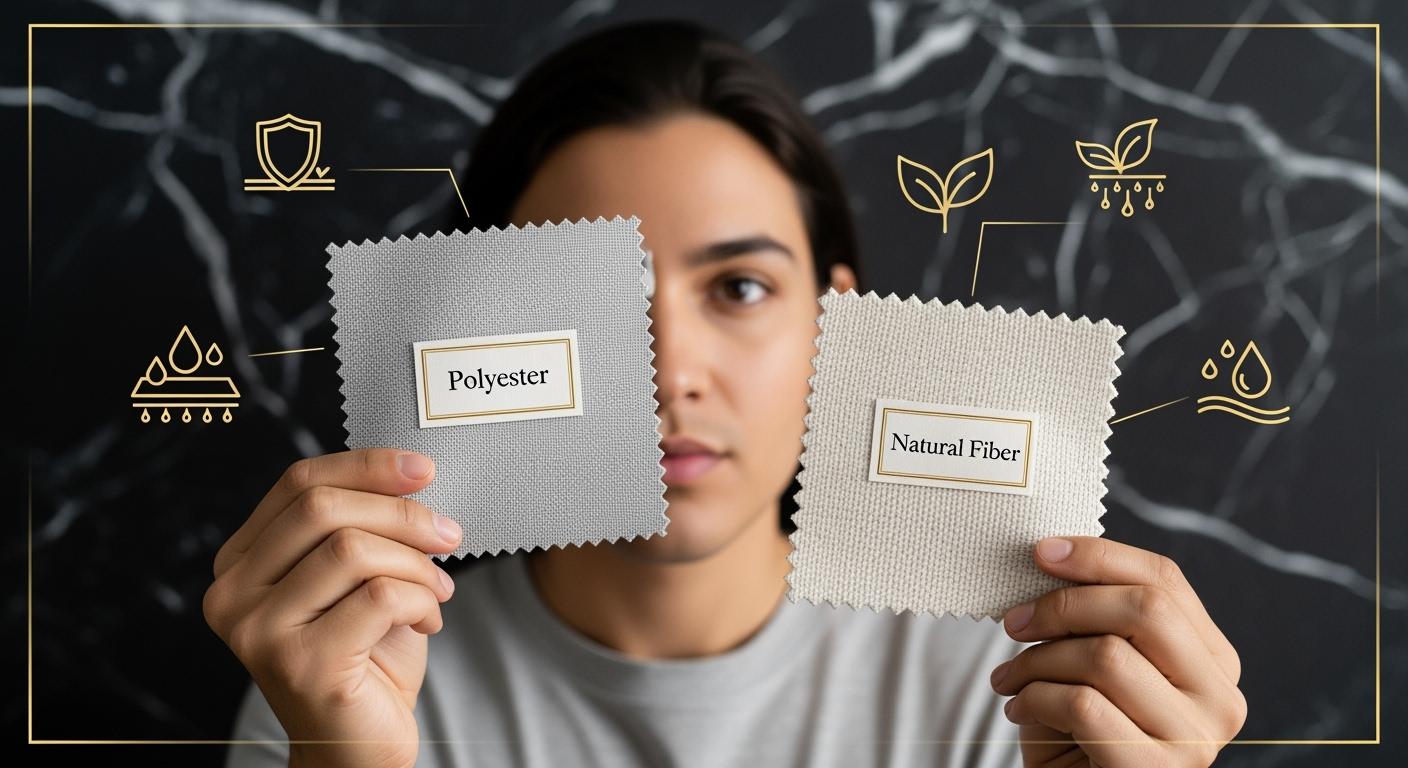
Choosing polyester fabric often means you get a material that stands up to daily wear, resists shrinking, and dries quickly. Many people appreciate its easy care and affordable price. However, you might notice it does not breathe well, holds onto odors, and impacts the environment more than natural fibers. Consider this quick comparison:
Common Advantages | Common Disadvantages |
|---|---|
Strong and lightweight | |
Sun and mildew resistant | Can irritate sensitive skin |
Easy to care for, low cost | Higher environmental impact |
Think about what matters most to you—comfort, cost, care, or sustainability—when deciding if polyester fits your needs.
Key Takeaways
Polyester fabric is durable and resists wear and tear, making it ideal for everyday clothing and activewear.
Easy care is a major benefit of polyester; it dries quickly, resists wrinkles, and can be machine washed.
Consider the environmental impact of polyester; its production creates pollution and it is not biodegradable.
Polyester is often more affordable than natural fibers, providing good value for budget-conscious shoppers.
Breathability is a drawback of polyester; it may feel hot and uncomfortable in warm weather compared to natural fabrics.
Recycled polyester offers a more sustainable option, helping to reduce waste and pollution.
When choosing fabric, consider your priorities: durability, comfort, cost, and environmental impact.
Polyester blends can enhance comfort and breathability, making them suitable for various applications.
What Is Polyester Fabric
Definition
You encounter polyester fabric in many products you use every day. This material comes from synthetic polymers, mainly polyethylene terephthalate, or PET. Manufacturers create PET from petroleum, which gives polyester its strength and resilience. Unlike natural fibers such as cotton or wool, polyester fabric does not come from plants or animals. You notice that polyester feels smooth and lightweight. It resists stretching and shrinking, so your clothes keep their shape longer. Polyester stands out because it is less likely to pill and offers greater durability than many other synthetic fibers, including nylon.
Tip: If you want a fabric that lasts and maintains its look, polyester fabric often delivers better results than natural options.
How It’s Made
You might wonder how polyester fabric goes from raw materials to the finished product. The process starts with polymerization, where dimethyl terephthalate reacts with ethylene glycol to form polyester. Manufacturers cool the molten ribbon and cut it into chips for drying. Next, they melt the chips and extrude them through a spinneret, creating long fibers. These fibers get stretched to align the molecules, which increases strength. Workers then wind the yarn onto bobbins, preparing it for weaving or knitting.
Here is a simplified overview of the steps:
Polymerization: Dimethyl terephthalate reacts with ethylene glycol.
Drying: The molten ribbon cools and is cut into chips.
Melt Spinning: Chips are melted and extruded into fibers.
Fiber Withdrawal: Fibers are stretched to boost strength.
Twisting / Winding: Yarn is wound onto bobbins for use.
You see that each step helps create a strong, versatile material. The process also allows manufacturers to adjust the texture and thickness, giving you many choices in polyester fabrics.
Types of Polyester Fabrics
You find several types of polyester fabrics on the market. Each type offers unique qualities and uses. The table below highlights the most common varieties:
Type of Polyester Fabric | Characteristics | Applications |
|---|---|---|
PET (Polyethylene Terephthalate) | Consistent quality, excellent tensile strength, maintains shape | Food containers, general textiles |
Recycled Polyester (rPET) | Sustainable, made from post-consumer waste | Eco-friendly textiles |
PCDT | Enhanced elasticity, superior stretch recovery | Upholstery, heavy-duty uses |
Plant-Based Polyester | Biodegradable, sourced from renewable resources | Sustainable fashion, eco-friendly products |
You can choose PET for everyday clothing or containers. Recycled polyester appeals to you if you want eco-friendly options. PCDT works well for furniture and items that need extra stretch. Plant-based polyester suits you if you prefer sustainable fashion.
You notice that polyester fabrics offer a wide range of choices, making it easy to match your needs with the right material.
Polyester vs. Natural Fibers
When you shop for clothing or home textiles, you often see labels that mention polyester or natural fibers like cotton and wool. You might wonder how these materials differ and which one suits your needs best. Polyester and natural fibers each offer unique benefits and drawbacks. Understanding these differences helps you make smarter choices.
Polyester stands out for its strength and resilience. You notice that polyester garments last longer and resist wear and tear better than many natural fabrics. Cotton feels soft and familiar, but it tends to wear out over time, especially after repeated washing. Wool offers warmth and durability, but you need to care for it carefully because moths and rough handling can damage it. The table below highlights how durability compares across these materials:
Fabric Type | Durability Description |
|---|---|
Polyester | |
Cotton | Moderate durability, wears over time |
Wool | Durable but susceptible to damage from moths and requires careful maintenance |
You also want to think about comfort and breathability. Polyester feels smooth and lightweight, but it does not allow air to pass through easily. You may feel hot or sweaty when you wear polyester in warm weather. Natural fibers like cotton and wool breathe better. Cotton keeps you cool and comfortable, especially during summer. Wool insulates well and feels cozy in cold weather. The table below shows how these materials compare in terms of comfort and breathability:
Material | Breathability | Comfort |
|---|---|---|
Polyester | Can feel less comfortable against skin, especially in heat | |
Natural Fibers | More breathable | Generally more comfortable, especially in hot weather |
You might prefer polyester if you want clothing that lasts and resists stains. Polyester dries quickly and keeps its shape, so you spend less time ironing or worrying about wrinkles. You save money because polyester costs less than many natural fibers. However, you may find that polyester feels less pleasant against your skin, especially if you have sensitive skin or live in a hot climate.
Natural fibers offer a softer touch and better airflow. You enjoy the comfort of cotton sheets or wool sweaters, especially when temperatures rise or fall. You may need to wash and care for these items more gently, but many people find the extra effort worthwhile for the comfort they provide.
Tip: If you value durability and easy care, polyester works well for busy lifestyles. If comfort and breathability matter most, natural fibers like cotton and wool may suit you better.
Choosing between polyester and natural fibers depends on your priorities. You weigh the benefits of long-lasting, low-maintenance polyester against the comfort and breathability of natural fabrics. Consider where and how you plan to use the material. Everyday clothing, bedding, and sportswear all have different requirements. When you know what matters most to you, you make a choice that fits your life.
Pros and Cons of Polyester Fabric
When you consider polyester fabric for your clothing, bedding, or gear, you need to weigh both the positives and negatives of polyester. Understanding the pros and cons of polyester fabric helps you make a smart choice for your needs. Here is a detailed look at the main advantages and disadvantages you should know.
Pros of Polyester Fabric
Durability
You will notice that polyester fabric stands out for its long lasting durability. This material resists wear and tear better than many natural fibers. If you want something strong and durable, polyester is a top pick. Scientific studies show that standard polyester fabrics with elastane have better elongation at break compared to recycled polyester fabrics, even after aging. Standard polyester maintains superior characteristics, with a statistically significant difference (p-value of 0.04). This means your polyester clothing or gear will likely last longer and resist tearing, even with frequent use.
Polyester fabric resists stretching and shrinking.
It holds up well after many washes.
You can count on it to be tear-resistant, making it ideal for activewear and uniforms.
Easy Care
Polyester fabric offers easy care, which saves you time and effort. You can machine wash it regularly, unlike linen, which needs gentle washing. Polyester can be tumble dried on low heat, while linen should be line dried. You rarely need to iron polyester because it resists wrinkles. This makes it a great choice for busy people who want low-maintenance clothing and home textiles.
You can wash polyester fabric in a machine without worry.
It dries quickly and usually does not need ironing.
Polyester keeps its shape and looks neat with minimal effort.
Note: Polyester fabric is known for its straightforward care and maintenance. It is machine washable, dries quickly, and typically requires minimal ironing due to its wrinkle-resistant properties.
Cost-Effectiveness
If you want a cost-effective option, polyester fabric delivers. It usually costs less than natural fibers like cotton or wool. You get good value for your money because polyester lasts longer and needs less care. This makes it a smart choice for families, students, or anyone on a budget.
Polyester clothing and home goods are often more affordable.
You save money on care and replacement costs.
Moisture Resistance
Polyester fabric resists moisture better than many other materials. You will find that it does not absorb water easily, which helps prevent stains and keeps you dry. This feature makes polyester popular for sportswear and outdoor gear.
Water beads up on the surface, so spills are less likely to soak in.
Polyester dries faster after washing or getting wet.
Quick Drying
You will appreciate how quickly polyester fabric dries. After washing, you can hang it up and expect it to be ready to wear in a short time. This is especially helpful if you travel or need to wash clothes often.
Polyester is ideal for gym clothes, travel outfits, and camping gear.
You spend less time waiting for laundry to dry.
Color Retention
Polyester fabric holds color well. You will notice that your clothes and home textiles stay bright and vibrant, even after many washes. The fibers do not fade easily, so your items look new for longer.
Polyester keeps its original color, resisting fading from sunlight and washing.
You can enjoy bold patterns and colors without worrying about them dulling.
Cons of Polyester Fabric
Breathability Issues
One of the main cons of polyester is its low breathability. You may feel hot or sweaty when you wear polyester in warm weather. Many consumer reviews mention that polyester fabric is less breathable, making it unsuitable for bedding or summer clothing.
Polyester traps heat and moisture against your skin.
You might feel uncomfortable during hot days or intense activity.
Odor Retention
Polyester fabric tends to hold onto odors. If you sweat or spill something, the smell can linger even after washing. This can be a problem for sportswear or everyday clothing.
Odors can build up over time, especially with frequent use.
You may need to wash polyester items more often to keep them fresh.
Static Buildup
You might notice static electricity when you wear or handle polyester fabric. This happens because polyester does not absorb moisture well. Static can make clothes cling to your body or attract lint and pet hair.
Static buildup can cause discomfort and make clothes stick together.
You may need to use fabric softener or dryer sheets to reduce static.
Low Absorbency
Polyester fabric does not absorb liquids well. While this helps with moisture resistance, it also means the fabric can feel clammy if you sweat. The lack of absorbency can make polyester less comfortable for some people.
Sweat stays on your skin instead of being absorbed.
Polyester may not feel as soft or cozy as cotton.
Environmental Impact
You should consider the environmental impact when choosing polyester fabric. Polyester production uses a lot of energy and creates microplastic pollution. The material is not biodegradable, so it can stay in landfills for a long time. Here is a comparison of the environmental impact of polyester and cotton:
Material | Water Consumption (liters) | Carbon Emissions (kg) | Additional Impacts | |
|---|---|---|---|---|
Polyester | 217 | 62 | 21 | Microplastic pollution |
Cotton | 147 | 22,000 | 27 | Soil degradation, pesticide use |
Polyester uses less water than cotton but more energy. It also releases microplastics into the environment, which can harm wildlife.
Dyeability Limitations
Polyester fabric can be harder to dye than natural fibers. The color may not penetrate as deeply, and some shades are difficult to achieve. This limits your choices if you want custom colors or unique designs.
Polyester often requires special dyes and high temperatures.
Some colors may appear less vibrant or fade unevenly.
Tip: Always check the care label and colorfastness before buying brightly colored polyester items.
Weighing the Pros and Cons
When you look at the pros and cons of polyester, you see that it offers many advantages, such as durability, easy care, and cost-effectiveness. However, you also need to consider the disadvantages, like breathability issues, odor retention, and environmental impact. The pros of polyester make it a popular choice for active lifestyles and budget-friendly shopping. The cons of polyester may matter more if you value comfort, sustainability, or unique colors. By understanding the pros and cons of polyester fabric, you can decide if it fits your needs.
Polyester Fabrics in Everyday Use
Clothing
Everyday Wear
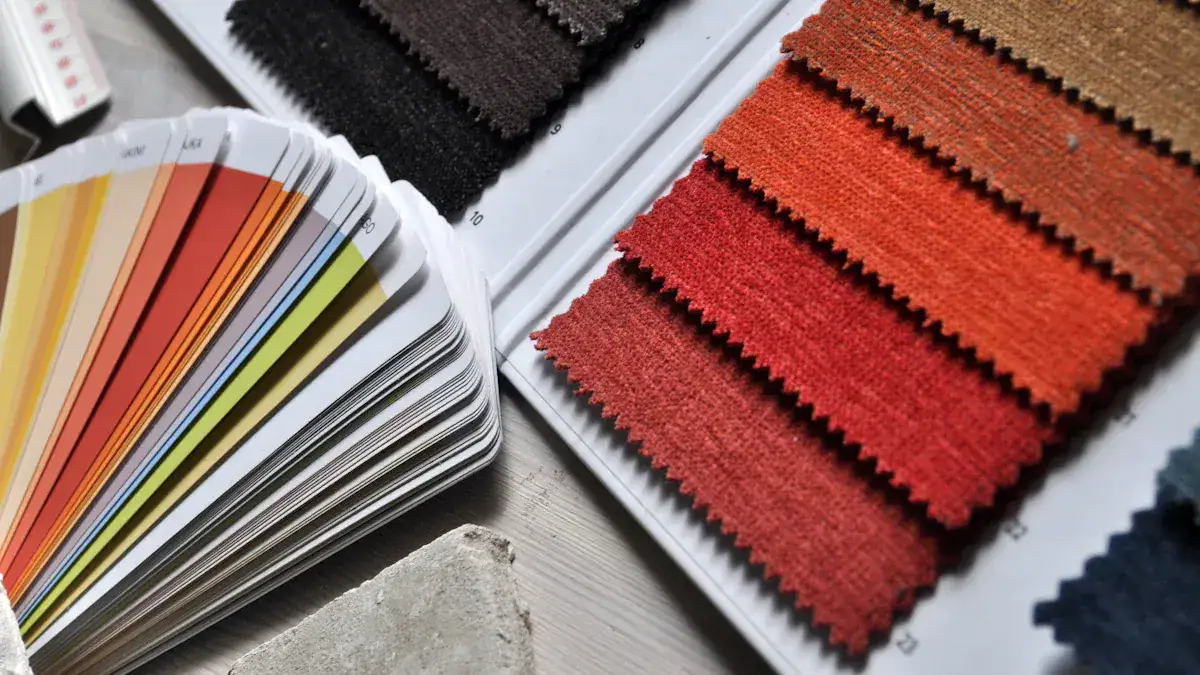
You see polyester clothing everywhere. This material appears in shirts, dresses, pants, and even socks. Polyester fabric makes up a large part of the global apparel market. Studies estimate that 30% to 40% of all clothing sold worldwide contains polyester fabric. You benefit from its easy-care nature and resistance to wrinkles. Polyester clothing keeps its shape after many washes, so you spend less time ironing and more time wearing your favorite outfits.
Polyester fabrics offer you a wide range of choices for everyday wear. You find poly-cotton blends in T-shirts and casual tops. These blends combine the durability of polyester fabric with the softness of cotton. Polyester clothing resists fading, so your garments stay bright and fresh. You also notice that polyester fabric dries quickly, which helps if you need to wash and wear clothes in a hurry.
Here is a table showing common uses of polyester fabric in everyday clothing:
Apparel Category | Polyester Benefits | Common Constructions |
|---|---|---|
Casualwear | Fade-resistant, easy-care | Poly-cotton jersey, interlock knit |
Printed Apparel | Sublimation printing compatibility | Woven or knit white polyester base |
Formalwear | Drapes well, holds pleats, sheen | Satin, chiffon, crepe |
You choose polyester clothing for its practicality and affordability. Polyester fabric helps you maintain a neat appearance with minimal effort.
Workwear
Polyester clothing plays a major role in work uniforms and professional attire. You rely on polyester fabric for its stain resistance and wrinkle-free qualities. Work uniforms made from polyester fabrics stay looking sharp throughout the day. You do not need to worry about spills or creases. Polyester clothing also holds color well, so uniforms remain vibrant after repeated washing.
You find polyester fabric in twill, dobby, and oxford blends for workwear. These constructions provide strength and durability. Polyester clothing suits jobs that require frequent movement or exposure to dirt and moisture. You appreciate how polyester fabric keeps you comfortable and presentable at work.
Sportswear
Performance Benefits
Polyester clothing dominates the sportswear market. You choose polyester fabric for athletic activities because it manages moisture better than cotton. Polyester fabric wicks sweat away from your skin, keeping you dry and comfortable. You notice that polyester clothing dries up to 70% faster than cotton, which helps during intense workouts. Advanced polyester fabrics can wick moisture at rates of 400–600 g/m²/hr, preventing sweat buildup.
You find polyester clothing in activewear, outerwear, swimwear, and lingerie. Polyester fabric provides stretch, shape retention, and lightweight comfort. You move freely and stay cool during exercise. Polyester clothing supports your performance by keeping you dry and reducing distractions.
Drawbacks
You should consider some drawbacks of polyester clothing in sportswear. Athletes report that polyester fabric can cause skin irritation. Synthetic fibers trap heat and moisture, which may lead to discomfort. Polyester clothing feels less breathable than natural fibers, especially in hot conditions. You might feel warmer and sweat more during demanding workouts. Polyester fabric does not absorb moisture quickly, so sweat can remain on your skin.
You weigh these factors when choosing polyester clothing for sports. Polyester fabric offers excellent moisture management, but you may prefer more breathable options for certain activities.
Home Textiles
Bedding
Polyester fabrics appear in many bedding products. You find polyester fabric in sheets, pillowcases, and comforters. Polyester bedding resists wrinkles and stains, making it easy to care for. You enjoy quick-drying sheets that stay smooth after washing. Polyester fabric keeps colors vibrant, so your bedding looks fresh longer.
You may notice that polyester bedding feels less breathable than cotton. If you prefer a cooler sleep, you might choose blends that combine polyester fabric with natural fibers.
Curtains
Polyester fabrics work well for curtains and drapes. You select polyester fabric for its durability and resistance to fading. Polyester curtains hold their shape and color, even with exposure to sunlight. You clean polyester curtains easily, as they resist stains and wrinkles. Polyester fabric offers you a practical solution for home decor.
Tip: Polyester fabrics in home textiles help you save time on cleaning and maintenance. You enjoy long-lasting products that stay looking new.
Outdoor Gear
Weather Resistance
You rely on outdoor gear to protect you from the elements. Polyester fabric stands out as a top choice for jackets, tents, backpacks, and rainwear. Manufacturers use polyester because it resists stretching and abrasion. You notice that your gear keeps its shape and does not wear out quickly, even after rough use. Polyester also resists mold, mildew, and rot. This means your tent or backpack stays clean and usable, even in damp conditions.
Polyester offers UV resistance. Your gear does not fade or weaken when exposed to sunlight. You can use polyester-based outdoor products for many seasons without worrying about sun damage. The lightweight and flexible nature of polyester makes it comfortable to carry and easy to pack. You move freely and do not feel weighed down by your gear.
Here is a table that shows how polyester fabric contributes to weather resistance in outdoor gear:
Property | Contribution to Weather Resistance |
|---|---|
Resistance to Stretching | Maintains shape and durability under stress |
Resistance to Abrasion | Reduces wear and tear from friction |
Resistance to Mold | Prevents growth that can damage fabric |
Resistance to Mildew | Keeps fabric clean and usable in damp conditions |
Resistance to Rot | Extends the lifespan of the gear |
UV Resistance | Protects against sun damage, enhancing durability |
Lightweight and Flexible | Ensures comfort and ease of movement in outdoor gear |
You see that polyester fabric helps your outdoor gear last longer and perform better in harsh environments. You do not need to worry about your tent rotting or your jacket losing its shape after exposure to rain or sun.
Tip: If you plan to camp or hike in wet or sunny areas, polyester gear gives you reliable protection and durability.
Suitability for Travel
You want travel gear that is light, easy to care for, and tough enough to handle different conditions. Polyester fabric meets these needs. You pack polyester jackets, pants, and bags because they do not add much weight to your luggage. You fold them easily, and they spring back to shape without wrinkles. You spend less time ironing and more time exploring.
Polyester dries quickly. If you get caught in the rain or need to wash your clothes on the go, you hang them up and they are ready to wear in a short time. You do not need special detergents or delicate washing routines. You toss polyester travel gear in the machine and it comes out clean and neat.
You also benefit from the stain resistance of polyester. Spills and dirt do not soak in easily. You wipe off mud or food and keep your gear looking fresh. Polyester travel gear holds color well, so your backpack or jacket stays bright after many trips.
However, you should consider breathability. Polyester does not allow air to pass through as easily as cotton or wool. You may feel warm or sweaty in hot climates. If you travel to humid places, you might prefer gear with mesh panels or blended fabrics for better airflow.
Note: Polyester travel gear works best for trips where you need lightweight, quick-drying, and low-maintenance items. For comfort in hot weather, look for products that combine polyester with breathable materials.
You choose polyester outdoor gear for its weather resistance and travel-friendly features. You enjoy reliable protection, easy care, and long-lasting performance wherever your adventures take you.
Comfort and Care of Polyester Fabric
Wearing Comfort
You want your clothes to feel good all day. Polyester fabric offers a smooth texture and lightweight feel, which many people enjoy. Comfort depends on several factors when you wear polyester for long periods. Moisture management plays a big role. If the fabric handles sweat well, you stay dry and comfortable. Breathability matters too. Air circulation helps prevent overheating and keeps you feeling fresh. Thermal properties affect how warm or cool you feel. Some polyester fabrics insulate better, while others work for hot weather. Hydrophilicity, or the ability to absorb moisture, also influences comfort. Polyester does not absorb much moisture, so sweat may stay on your skin. You might notice this more during exercise or in warm climates.
Moisture management keeps you dry.
Breathability allows air to flow.
Thermal properties help regulate temperature.
Hydrophilicity affects how the fabric handles sweat.
If you prefer a cooler feel, look for polyester blends with added breathability. You can choose styles designed for active wear or hot weather. These options often include mesh panels or moisture-wicking finishes.
Washing and Maintenance
You save time and effort with polyester fabric. Washing and caring for polyester is simple if you follow a few steps. Always check the care label before you wash. Most polyester items do well in cold water, which helps maintain color and shape. Mild detergents work best. Harsh chemicals can damage the fibers. Air drying is a good choice because it prevents heat damage. If you use a dryer, select the lowest heat setting. Polyester dries quickly, so you do not need much time. Ironing is rarely needed. If you must iron, use low heat and check the care label first.
Consult care labels for instructions.
Wash in cold water to protect color and shape.
Use mild detergents and avoid harsh chemicals.
Air dry when possible.
Use the lowest heat setting in the dryer.
Iron on low heat only if necessary.
You find that polyester resists shrinking and fading. Regular care keeps your clothes looking new. You spend less time on laundry and more time enjoying your favorite outfits.
Tip: Washing polyester in cold water and air drying helps extend the life of your garments.
Stain and Wrinkle Resistance
You notice that polyester fabric stands out for its ability to resist wrinkles. Your clothes hold their shape and look neat, even after hours of wear. Polyester is strong and durable, which means it does not crease easily. You can pack polyester garments for travel and unpack them wrinkle-free. The fabric also does not absorb water easily. This feature makes polyester more stain-resistant than many other materials. Spills often sit on the surface, giving you time to clean them before they set. Polyester blends combine the strengths of synthetic and natural fibers, offering both durability and comfort.
The fabric holds its shape well.
Water does not soak in quickly, helping prevent stains.
Blends enhance both comfort and durability.
Polyester is not inherently stain resistant. Manufacturers often add chemical treatments to improve this property. Natural fibers like cotton absorb water-based stains more easily, but you can clean them with less effort. Polyester excels in wrinkle resistance, making it a favorite for busy lifestyles.
Note: If you want clothes that stay crisp and clean with minimal effort, polyester offers reliable wrinkle and stain resistance.
Longevity with Proper Care
You want your polyester items to last as long as possible. Polyester fabric stands out for its impressive durability, but you play a key role in how long your garments and home textiles stay in good condition. When you follow simple care routines, you extend the life of your polyester clothing, bedding, and even industrial products.
Polyester resists stretching, shrinking, and wrinkling. These qualities help your items maintain their shape and appearance over time. You notice that polyester does not fade easily, so colors stay vibrant. However, you still need to pay attention to washing, drying, and storage. Small changes in your habits make a big difference.
Here is a table that shows how long polyester products typically last when you care for them properly:
Application | Typical Lifespan |
|---|---|
Apparel | Several years with proper care |
Home Furnishings | |
Industrial Applications | Several years with maintenance |
You see that polyester clothing can last for several years. Home furnishings, such as curtains and bedding, often remain in good shape for three to ten years. Industrial items, like work uniforms or tarps, also serve you well for many years if you maintain them.
To get the most out of your polyester items, you should:
Wash with care: Use cold or warm water and mild detergent. Avoid bleach and harsh chemicals.
Dry gently: Air dry when possible. If you use a dryer, select a low heat setting.
Store smartly: Fold or hang your items in a cool, dry place. Keep them away from direct sunlight to prevent fading.
Handle stains quickly: Blot spills right away. Treat stains with gentle cleaners.
Avoid over-washing: Wash only when necessary to reduce wear.
Tip: Regular but gentle care helps your polyester items look new and last longer.
You notice that polyester’s resilience makes it a favorite for busy households and workplaces. You spend less time worrying about damage and more time enjoying your favorite clothes and home goods. When you treat your polyester items with care, you save money and reduce waste. You also help the environment by keeping products in use longer.
Polyester’s long lifespan depends on your attention to maintenance. You make smart choices every day that protect your investment. With proper care, you enjoy the benefits of polyester for years to come.
Cost and Value of Polyester Fabrics
Price Comparison
When you shop for fabric, price often plays a big role in your decision. Polyester fabric usually costs less than natural fibers like cotton. You can see the difference in the table below:
Fabric Type | |
|---|---|
100% Polyester | $0.85–$1.25 |
100% Cotton (Combed) | $1.30–$1.80 |
Poly-Cotton Blend | $1.10–$1.50 |
Polyester fabric offers more stable pricing because it does not depend on weather or harvests. Cotton prices can swing up and down with the seasons. If you want a fabric that fits your budget and avoids sudden price jumps, polyester is a smart choice. You may notice that certified polyester, such as OEKO-TEX® or GRS, costs about 8–12% more than regular polyester. Organic cotton, on the other hand, can cost 25–40% more than standard cotton.
Tip: If you want to save money and avoid price surprises, polyester fabric is often the most reliable option.
Long-Term Value
You want your purchases to last. Polyester fabrics stand out for their durability and easy care. You spend less on replacements because these fabrics resist wear, stretching, and shrinking. Manufacturers can offer lower prices since polyester is less expensive to produce than natural fibers. This means you get good value for your money.
The long-term value of polyester also depends on how you use and care for it. If you wash and store your items properly, they can last for years. Polyester’s long life reduces waste and saves you money over time. New innovations, such as recycled and bio-based polyester, make these fabrics more attractive if you care about sustainability. When you choose recycled polyester, you help reduce pollution and support a more eco-friendly lifestyle.
Note: Reusing and recycling polyester clothing can boost its value and lessen its impact on the environment.
Budget Considerations
You want to make the most of your budget. Polyester fabrics give you many options for different needs. The table below shows common uses and price ranges:
Fabric Type | Common Applications | Price Range (per yard) | Notes |
|---|---|---|---|
Polyester | Apparel, linings, crafts | £2 – £6 | Durable, wrinkle-resistant, many finishes |
When you shop, think about how you will use the fabric. If you need something for heavy use, a heavier fabric may cost more but last longer. Look for certifications like OEKO-TEX or GOTS if you want safer chemical use. You can also save money by buying remnants or off-cuts. Always check care instructions, since some fabrics may need special cleaning that adds to the total cost.
Assess the end use: Will the fabric face heavy wear or need special care?
Check fabric weight and feel: Heavier fabrics last longer but may cost more.
Look for certifications: These can mean safer and more eco-friendly choices.
Buy remnants or off-cuts: These can help you stretch your budget.
Consider care instructions: Some fabrics may require extra spending on cleaning.
Several factors affect the price you pay, including the type of material, weight, width, and any special finishes. Brand reputation and where you buy also play a part. By thinking about these points, you can find polyester fabrics that fit your needs and your wallet.
Callout: Polyester fabrics offer a balance of low upfront cost, long-term value, and flexible options for every budget.
Environmental Impact of Polyester Fabric
Production and Pollution
When you look at the environmental impact of polyester, you see several sources of pollution during production. Factories release large amounts of CO2, especially those that use coal power. Wastewater from dyeing and finishing often contains harmful chemicals. If companies do not treat this water properly, it can damage rivers and wildlife. Washing polyester fabrics at home releases microplastic shedding, which adds tiny plastic particles to oceans and lakes. These particles harm fish and other animals.
Here is a table that shows the main sources of manufacturing pollution:
Source of Pollution | Description |
|---|---|
CO2 Emissions | Significant quantities of CO2 are emitted during polyester production, especially in coal-powered factories. |
Water Pollution | Improper disposal of wastewater contaminated with dyes and chemicals leads to serious ecological harm. |
Microplastics | Washing polyester garments releases tiny particles, contributing to microplastic pollution in oceans. |
You need to consider post-manufacturing pollution as well. When you throw away old polyester fabrics, they do not break down quickly. This adds to landfill waste and increases pollution over time. Polyester is not eco-friendly because it relies on petroleum and creates lasting waste.
Note: Choosing recycled polyester can help reduce some of these problems, but it does not solve all issues related to pollution.
Recycling Options
You have two main recycling options for polyester fabrics. Mechanical recycling is the most common. Workers collect, clean, shred, melt, and spin old polyester into new fibers. This process is simple and cost-effective. However, the quality of recycled polyester depends on the cleanliness and purity of the input materials. Contaminants can remain, and fibers lose strength after several cycles. Microplastic shedding can still occur during processing.
Chemical recycling breaks polyester down into its basic building blocks. Factories then rebuild these blocks into new fibers. This method produces high-quality recycled polyester and can handle mixed or dirty feedstocks. Chemical recycling supports closed-loop systems, but it involves chemical risks and emissions.
Here is a table that compares these recycling methods:
Recycling Method | Description | Advantages/Disadvantages |
|---|---|---|
Mechanical Recycling | Involves collecting, cleaning, shredding, melting, and spinning polyester. | – Simple and cost-effective. |
Chemical Recycling | Depolymerizes polyester into monomers for repolymerization. | – Produces high-quality rPET. |
Mechanical recycling is established but has limitations such as quality dependence on feedstock and the presence of contaminants.
Chemical recycling offers high-quality outputs and can manage complex feedstocks, but involves chemical risks.
You see recycled polyester in many products, including eco-friendly clothing and home textiles. Using recycled polyester helps reduce landfill waste and supports sustainability.
Sustainable Alternatives
You can choose sustainable alternatives to traditional polyester fabrics. Eco polyester uses recycled plastic bottles or other post-consumer waste. This reduces the need for new petroleum and lowers water and energy use. Recycled polyester helps minimize landfill waste and pollution. It also produces fewer CO2 emissions compared to regular polyester.
Here is a table that highlights the benefits of eco polyester compared to traditional polyester:
Characteristic | Eco Polyester Benefits | Traditional Polyester Impact |
|---|---|---|
Resource Consumption | Reduces the need for non-renewable resources and requires less water and energy. | High resource consumption, significant water usage. |
Waste Minimization | Made from recycled plastic, reducing landfill waste. | Contributes to landfill waste and pollution. |
Environmental Impact | Less harmful to wildlife and ecosystems, minimizes pollution. | Significant environmental degradation and pollution. |
Emissions Reduction | Lower CO2 emissions due to reduced petroleum use. | High emissions from production processes. |
You can also look for bio-based polyester, which uses renewable plant sources. Some brands offer blends with organic cotton or other natural fibers. These options support sustainability and reduce the environmental impact of polyester. When you choose recycled polyester or eco-friendly clothing, you help protect the planet and support better manufacturing practices.
Tip: Always check labels for recycled polyester content and certifications. This helps you make informed choices for sustainability.
Decision Guide: Is Polyester Fabric Right for You?
Checklist of Key Factors
You want to make a smart choice when selecting fabric for your clothes, home, or gear. Consider these important factors before you decide:
Weave and Density: Tighter weaves usually last longer and feel smoother.
Finishing: Good finishing helps prevent pilling and fading, so your items look new longer.
Breathability and Moisture Management: If you need comfort for sports or hot weather, look for moisture-wicking properties.
Durability and Colorfastness: High-quality polyester fabrics resist wear and keep their color after many washes.
Source and Brand Reputation: Trusted brands often deliver better quality and performance.
Tip: Check product labels and reviews to see if the fabric meets your needs for comfort, durability, and care.
Matching Needs to Pros and Cons
You should match your personal needs to the strengths and weaknesses of polyester. Think about what matters most for your lifestyle:
If you want strength, flexibility, and easy care, polyester fabric offers these benefits. You will also find it affordable and moisture-resistant.
If you care about the environment, remember that polyester uses a lot of energy and water during production. It does not biodegrade and can cause pollution.
If you need clothing for sports or travel, polyester works well because it dries quickly and resists wrinkles.
If you have sensitive skin or want maximum breathability, you may prefer other options.
Consider the brand’s values and your own preferences. Some brands focus on sustainability or use recycled materials.
Note: Your decision should reflect your priorities, such as cost, comfort, durability, and environmental impact.
Alternatives to Polyester
You have several alternatives if polyester does not fit your needs. Modal is a popular choice for those who want softness and breathability. The table below compares modal and polyester across key features:
Feature | Modal | Polyester |
|---|---|---|
Softness | Very soft and comfortable | Less soft compared to modal |
Breathability | Highly breathable | Moderate breathability |
Moisture Absorption | Excellent moisture absorption | Good moisture-wicking properties |
Durability | Less durable | Highly durable |
Ideal Applications | Comfort-focused apparel | Activewear, upholstery, swimwear |
Care Instructions | Requires gentle washing | Easy to care for |
Environmental Impact | Biodegradable | Less eco-friendly |
You may also consider cotton, linen, or blends that combine natural and synthetic fibers. Each option has its own strengths, so think about what you value most in your clothing or home textiles.
Callout: Choosing the right fabric means balancing comfort, care, cost, and sustainability. Take time to compare your options before making a final decision.
You see that polyester fabric offers durability, easy care, and affordability. You may notice drawbacks such as breathability issues and environmental impact. Think about your needs for comfort, cost, and sustainability. Use a checklist to compare features before you decide. You make the best choice when you weigh the benefits and drawbacks for your lifestyle.
FAQ
Is polyester fabric comfortable to wear?
You feel comfortable in polyester if you choose lightweight or blended options. Some people notice less breathability, especially in hot weather. You may prefer polyester for activewear or cooler climates.
How do you wash polyester clothing?
You wash polyester in cold or warm water with mild detergent. You avoid bleach. You dry polyester on low heat or air dry. You rarely need to iron polyester because it resists wrinkles.
Does polyester cause skin irritation?
You may experience irritation if you have sensitive skin. Most people wear polyester without problems. You can choose blends with cotton for a softer feel.
Is polyester fabric eco-friendly?
You see that polyester uses petroleum and creates microplastic pollution. Recycled polyester reduces waste. You help the environment by choosing recycled or eco-certified options.
Can you use polyester for bedding?
You use polyester bedding for easy care and durability. Polyester resists wrinkles and stains. You may notice less breathability compared to cotton sheets.
Does polyester hold color well?
You notice polyester keeps colors bright after many washes. Polyester resists fading from sunlight. You enjoy vibrant patterns and prints for a long time.
What are the best uses for polyester fabric?
You use polyester for sportswear, outdoor gear, work uniforms, and home textiles. Polyester works well when you need durability, easy care, and quick drying.