

What to Know About Student Uniform Fabric and Its Durability
Table of Contents
Display
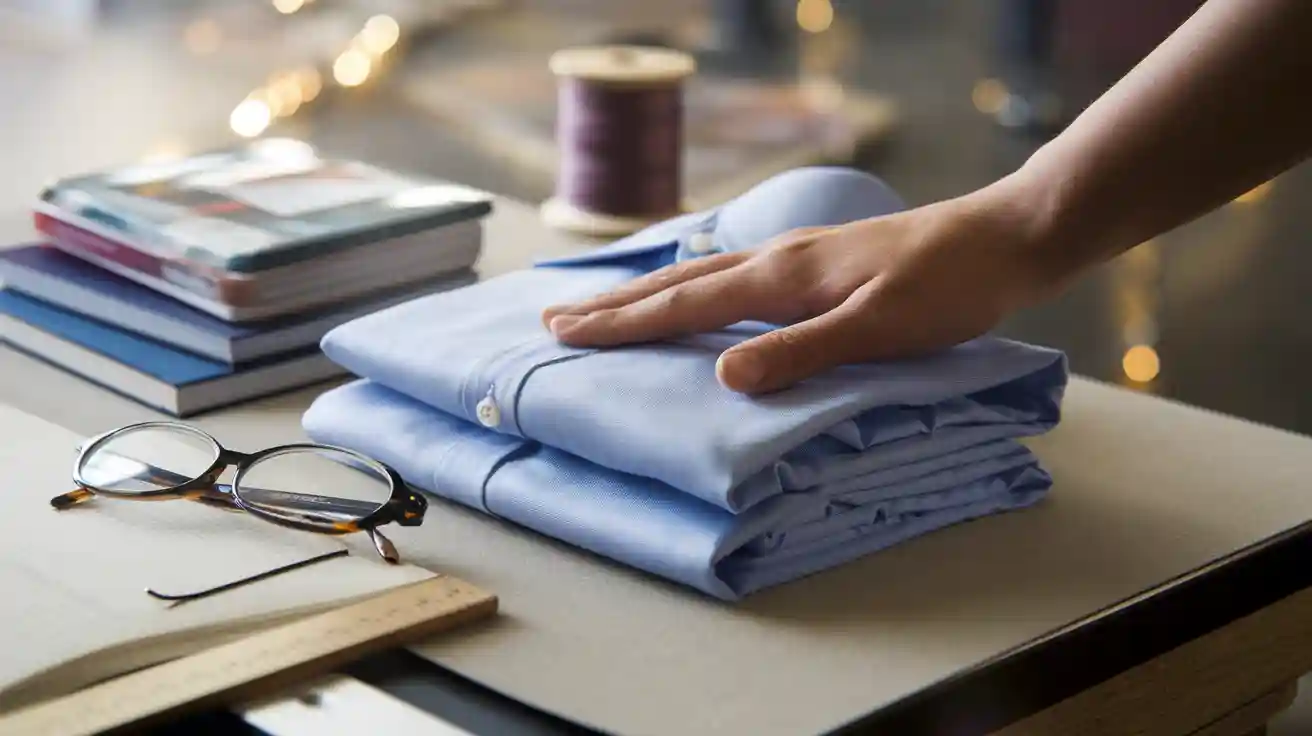
Every morning, I see students rushing to class, spilling juice, or playing tag on the playground. These moments show how important it is to choose student uniform fabric that stands up to daily life. Parents and schools often select uniforms made from high-quality fabric because they last longer, keep their shape, and stay comfortable after many washes. As the school uniform market grows, more families seek uniforms that resist stains and water. I also notice more people asking about the chemicals used in these uniforms and how they affect the environment.
Key Takeaways
Choose uniforms made from durable fabrics like polyester or poly-cotton blends for long-lasting wear.
Look for tight weaves and reinforced seams to enhance the durability of school uniforms.
Consider comfort and breathability; cotton is soft but may require careful maintenance to last.
Check for eco-friendly options, such as organic cotton or recycled polyester, to support sustainability.
Be aware of chemical treatments in uniforms; opt for PFAS-free and hypoallergenic options to protect sensitive skin.
Follow care instructions closely to maintain the quality and stain-resistant properties of uniforms.
Inquire about the safety certifications of uniforms to ensure they meet health and environmental standards.
Explore second-hand uniform options to save money and reduce waste in landfills.
Student Uniform Fabric Durability
Durability Factors
Fiber Strength
When I evaluate student uniform fabric, I always start with fiber strength. Strong fibers form the backbone of any durable uniform. Polyester stands out for its impressive strength and resistance to stretching or shrinking. Cotton, while softer and more breathable, can wear down faster if not blended with other fibers. I often see schools choose polyester-cotton blends because they combine the best of both worlds—strength from polyester and comfort from cotton. These blends help uniforms last longer, even when students wear them every day.
Weave Quality
Weave quality plays a huge role in how well a fabric holds up. A tight weave means the threads are packed closely together, which makes the fabric tougher and less likely to tear. I notice that uniforms with a plain or twill weave resist fraying and pilling better than loosely woven fabrics. Twill weaves, in particular, add extra durability and a smooth finish, making them a popular choice for school uniform pants and skirts.
Construction
The way a uniform is constructed can make or break its durability. I pay close attention to reinforced seams, double stitching, and quality finishing. These details prevent the fabric from unraveling and help the uniform keep its shape after many washes. Well-constructed uniforms also handle the stress of active school days, from running in gym class to sitting through long lessons.
Wear and Maintenance
Daily school life puts uniforms to the test. I see firsthand how frequent washing, rough play, and constant movement challenge the durability of student uniform fabric. Here’s what I’ve observed:
Quality fabrics like cotton blends and polyester are engineered to endure frequent washing and daily wear, maintaining their shape and color over time.
Durable fabrics are essential for school uniforms as they withstand the rigors of active use, ensuring longevity and reducing the need for replacements.
Fabrics such as polyester-cotton blends combine strength and comfort, making them ideal for school uniforms that face daily wear and tear.
The durability of these fabrics means they can handle multiple washes without significant degradation in quality.
The choice of fabric directly influences the comfort and performance of school uniforms, which must endure frequent washing and daily use.
School uniforms must be durable to withstand regular wear and tear, ensuring they retain their quality and appearance over time.
Tip: I always recommend checking care labels and following washing instructions closely. Proper maintenance extends the life of any uniform and keeps it looking sharp throughout the school year.
Common School Uniform Fabrics
Cotton
Comfort and Breathability
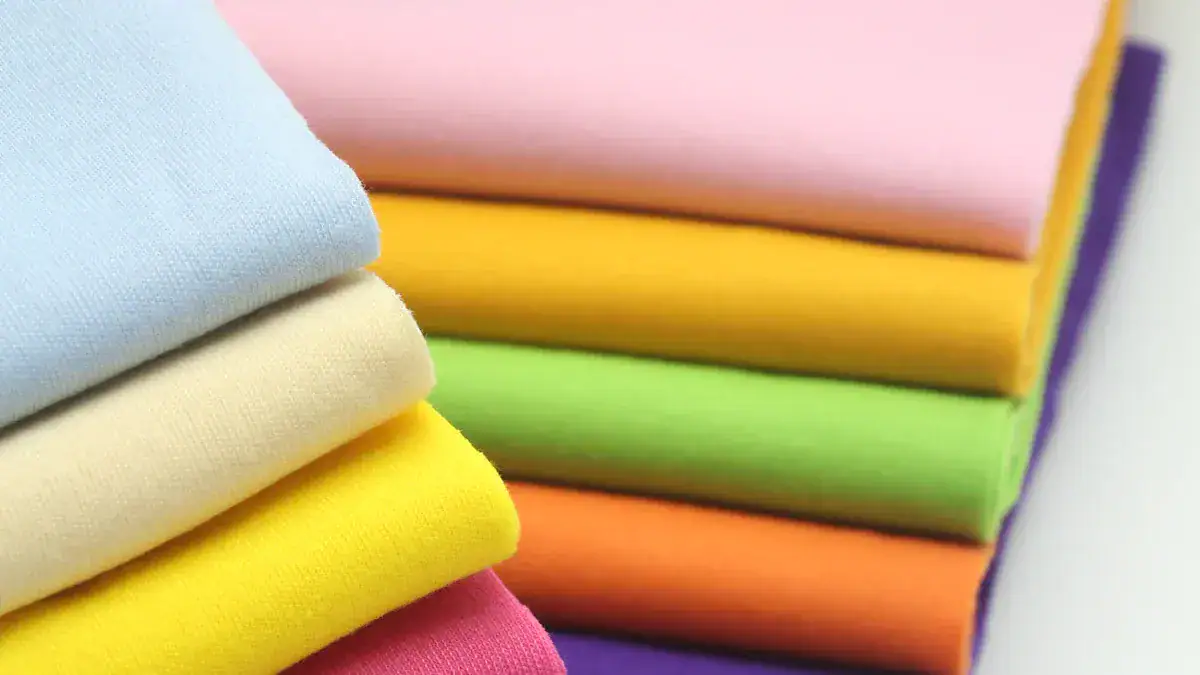
When I think about comfort in student uniform fabric, cotton always comes to mind first. Cotton feels soft against the skin and allows air to circulate, which helps students stay cool throughout the day. I have seen many students prefer cotton uniforms, especially in warmer climates, because they rarely feel sticky or overheated. The breathability of cotton stands out in user reviews and expert tests. For example, cotton’s moisture vapor transmission (MVT) ranges from 1000 to 1200 g/m²/24h, making it one of the most breathable options available.
Durability
While cotton excels in comfort, its durability depends on how it is woven and cared for. I notice that pure cotton uniforms can show wear faster than synthetic fabrics, especially after repeated washing. Cotton tends to wrinkle more easily and may shrink if not washed properly. However, with proper care, cotton uniforms can last through many school terms. I always recommend parents check for reinforced seams and quality stitching when choosing cotton uniforms.
Polyester
Low Maintenance
Polyester has become the leading fabric for school uniforms worldwide. I see this trend in both public and private schools. Polyester stands out because it requires very little maintenance. It resists wrinkles, dries quickly, and rarely needs ironing. Parents often tell me they appreciate how polyester uniforms look neat straight out of the dryer. The average household uses less energy ironing polyester uniforms compared to cotton—about 180 kWh per year versus 200 kWh for cotton.
Strength
I have found that polyester’s strength makes it ideal for active students. This fabric endures frequent washing, rough play, and daily wear without losing its shape or color. Polyester’s wrinkle recovery rate is high, between 90% and 95%, which means uniforms stay crisp and professional-looking. I often recommend polyester uniforms for families who want a long-lasting, easy-care option.
Here’s a quick comparison of cotton and polyester based on breathability and care:
Fabric Type | Breathability (MVT, g/m²/24h) | Wrinkle Recovery (5 min) | Average Household Iron Use (kWh/yr) |
|---|---|---|---|
Cotton | 1000–1200 | 60–70% | 200 |
Polyester | 700–900 | 90–95% | 180 |
Poly-Cotton Blends
Combined Benefits
Poly-cotton blends have become a favorite choice for school uniform manufacturers and parents. I see these blends everywhere because they combine the best features of both cotton and polyester. The cotton provides breathability and comfort, while the polyester adds strength and reduces maintenance. These blends resist wrinkles, shrinkage, and fading, which makes them perfect for busy families.
I always suggest poly-cotton blends for students who need uniforms that look good and last long, even with frequent washing.
Some key reasons I recommend poly-cotton blends:
Machine-washable and quick-drying
Low maintenance, ideal for hectic routines
Poly-cotton blends offer versatility for different climates and activities. They keep students comfortable during class and hold up well during recess or sports. In my experience, these blends provide the best balance of durability, comfort, and practicality for school uniforms.
Twill and Wool
When I evaluate school uniform options, I always pay close attention to twill and wool fabrics. These materials offer unique advantages for students who need uniforms that look sharp and last through the school year.
Twill stands out because of its distinctive diagonal weave. This weave pattern creates a strong, dense fabric that resists tearing and holds up well under stress. I often see twill used in pants, skirts, and blazers. The diagonal lines in twill not only add visual interest but also help hide stains and wrinkles. In my experience, twill uniforms maintain their crisp appearance even after many washes. The fabric feels smooth to the touch and drapes nicely, which gives students a polished look.
Here are some reasons I recommend twill for school uniforms:
High durability due to tight weave
Excellent resistance to wrinkles and stains
Maintains shape and color over time
Comfortable for daily wear
Note: Twill can feel heavier than other fabrics, so I suggest it for cooler climates or for uniform pieces like trousers and jackets.
Wool brings a different set of benefits to student uniform fabric. Wool fibers naturally regulate temperature, keeping students warm in winter and cool in spring. I have seen wool used in blazers, sweaters, and sometimes skirts. Wool’s resilience impresses me; it springs back into shape after stretching and resists creasing. The fabric also repels moisture, which helps students stay dry during unexpected rain.
However, wool requires special care. I always remind parents to check care labels, as most wool uniforms need gentle washing or dry cleaning. Wool can feel itchy for some students, so I recommend looking for blends or garments with a soft lining.
Here’s a quick comparison table for twill and wool in school uniforms:
Feature | Twill | Wool |
|---|---|---|
Durability | High | High |
Comfort | Moderate | High (with lining) |
Maintenance | Easy (machine wash) | Special care needed |
Climate Suitability | All, best for cool | Best for cool/cold |
Appearance | Crisp, smooth | Soft, classic |
Both twill and wool play important roles in school uniform design. Twill offers strength and easy care, while wool provides warmth and a classic look. When I help schools or parents choose the right fabric, I always consider the climate, student comfort, and the level of maintenance required. Selecting the right material ensures uniforms remain practical and professional throughout the academic year.
Stain-Resistant and Waterproof Uniforms

As a professional in the textile industry, I have seen how stain-resistant and waterproof features have become essential in modern school uniforms. These innovations help students stay clean and dry, even during the messiest school days. I want to explain how manufacturers achieve these properties and what they mean for families.
How Stain Resistance Works
Chemical Treatments
Most stain-resistant uniforms rely on chemical treatments to keep stains from setting into the fabric. I often encounter per- and polyfluoroalkyl substances (PFAS) used for this purpose. PFAS-based coatings create a barrier that repels liquids and prevents stains from penetrating the fibers. These chemicals are widespread in the market, especially in uniforms labeled as 100% cotton. In fact, studies have detected PFAS in all analyzed stain-resistant school uniforms, with significant concentrations found in cotton garments. The United States alone uses an estimated three tonnes of PFAS each year in children’s uniforms, which shows how common these treatments are.
Teflon is another well-known chemical used for stain resistance. It forms a protective layer on the fabric, making it easier to wipe away spills before they become permanent stains. However, I always remind parents that while these treatments are effective, their performance diminishes after about 20 washes. Proper care, such as gentle washing and avoiding harsh detergents, helps maintain the stain-resistant properties for as long as possible.
Plant-Based Alternatives
Recently, I have noticed a shift toward safer, plant-based alternatives for stain resistance. Brands like Teflon EcoElite and Bionic Finish Eco offer non-PFAS options that provide similar protection without the environmental risks. These alternatives use bio enzymes and natural acids, such as citric and lactic acid, to break down stains. I find that plant-based treatments clean effectively and do not contribute to antimicrobial resistance, which is a concern with some traditional chemicals. They also avoid releasing toxic fumes or causing skin irritation, making them a safer choice for students with sensitivities.
Waterproofing Methods
Fabric Coatings
To achieve water repellent properties, manufacturers often apply special coatings to the fabric. Polyurethane laminate (PUL) is a popular choice because it is both breathable and waterproof. I have seen GORE-TEX® used in high-end uniforms and outerwear, offering complete waterproofing and excellent wind resistance. Nylon treated with waterproof coatings is another common method, providing durability and lightweight protection. These coatings form a barrier that prevents water from soaking into the fabric, keeping students dry during rainy days.
Tight Weaves
Another method I recommend for waterproofing is using tightly woven fabrics. A dense weave reduces the gaps between threads, making it harder for water to pass through. Twill and wax-coated cotton are examples of fabrics that use this technique. While wax-coated cotton is eco-friendly and water repellent, it is less effective in heavy rain compared to synthetic coatings. I always advise schools to consider the local climate when choosing between these options.
Waterproofing Method | Durability | Breathability | Eco-Friendliness | Common Use Cases |
|---|---|---|---|---|
Polyurethane Laminate | High | Good | Moderate | Rain jackets, uniforms |
GORE-TEX® | Very High | Excellent | Moderate | Outerwear, sports gear |
Nylon with Coating | High | Moderate | Low | Bags, jackets |
Wax-Coated Cotton | Moderate | Good | High | Outerwear, blazers |
Vinyl/PVC | Very High | Low | Low | Covers, aprons |
Practical Benefits
I have spoken with many parents who value stain-resistant and water repellent uniforms for their children. These features help students look neat and feel comfortable throughout the school day. However, I have found that stain resistance does not significantly reduce the frequency of washing. In a survey of over 600 parents, those who prioritized stain resistance washed uniforms every 4.5 days, while others washed every 5.4 days. The need to purchase new uniforms did not change based on the presence of stain-resistant features.
Despite these findings, I believe stain-resistant and waterproof uniforms still offer important benefits:
They help prevent permanent stains from food, ink, or mud, keeping uniforms presentable.
Water repellent fabrics protect students from rain and spills, reducing discomfort.
These features can extend the life of a uniform by reducing visible wear and tear.
Tip: Always follow the care instructions on the label to maximize the effectiveness of stain-resistant and waterproof treatments. Gentle washing and air drying help preserve these properties.
In my experience, the right combination of stain resistance and waterproofing makes school uniforms more practical for busy families. While these features do not eliminate the need for regular washing or replacement, they help students stay comfortable and confident in any situation.
Chemicals in Uniform Fabrics
Teflon and PFAS
Stain and Water Resistance
When I examine school uniform fabrics, I often find that manufacturers use chemicals like Teflon, PFAS, and silicones to achieve stain resistance and water repellency. These treatments help uniforms repel liquids and prevent stains from setting, making them easier to clean and maintain. I see that Teflon and PFAS are especially popular because they create a strong barrier against both water and oil-based stains. This barrier allows uniforms to maintain their appearance and function, even after repeated exposure to spills and rough use.
PFAS (per- and polyfluoroalkyl substances) are commonly used in school uniforms for their stain-resistant properties. High concentrations of PFAS have been found in school uniforms, raising concerns about their harmful effects, especially since children wear these uniforms for extended periods. PFAS exposure has been linked to serious health issues such as cancer and infertility.
I have noticed that stain resistance is a top priority for many parents and schools. However, I always remind families that the chemicals used to achieve this feature can pose risks. Teflon and PFAS do not break down easily in the environment. They can remain in soil and water for years, which makes their widespread use in school uniforms a growing concern.
The risks associated with these chemicals go beyond the classroom. I have reviewed research that highlights several dangers:
PFAS in school uniforms can enter the environment through various pathways such as abrasion, washing, and disposal, leading to significant environmental exposure.
PFAS are highly mobile and persistent in the environment, posing risks to soil biota, pollinators, and aquatic organisms.
Human exposure to PFAS can occur throughout the lifecycle of the product, including during production, use, and disposal.
Children are particularly at risk due to their frequent object-to-mouth behaviors, increasing the likelihood of oral exposure.
Specific PFAS compounds, like 6:2 FTOH, have been found to be highly toxic to rodents, suggesting potential risks to human health.
I always consider these factors when recommending uniforms. While stain resistance offers practical benefits, I believe it is important to weigh these against the potential health and environmental impacts.
Safer Alternatives
In recent years, I have seen a shift toward safer alternatives for achieving stain resistance in school uniforms. Manufacturers now use plant-based treatments and advanced silicones that do not contain PFAS. These options still provide effective protection against stains but do not persist in the environment or pose the same health risks. For example, I have worked with brands that use Teflon EcoElite, a bio-based finish that offers reliable stain resistance without harmful side effects.
When I help parents choose uniforms, I always suggest looking for products labeled as PFAS-free or made with plant-based stain resistance. These uniforms protect students from everyday stains while supporting a healthier environment. I believe that as awareness grows, more schools and families will demand safer, more sustainable options for stain resistance in student uniforms.
Health and Environmental Impact
Health Risks
Skin Sensitivities
When I review school uniform fabrics, I always consider the potential for skin sensitivities. Many uniforms receive chemical treatments to improve stain resistance, but these chemicals can cause problems for students with sensitive skin. I have seen cases where children develop rashes or irritation after wearing uniforms treated with certain substances. The following table highlights some common chemicals found in school uniforms and their associated health risks:
Chemical | Health Risks |
|---|---|
Formaldehyde | |
Tributyl Phosphate | Can cause skin reactions or asthma. |
Dimethyl Fumarate | Associated with skin reactions. |
Disperse Dyes | Linked to skin reactions or asthma. |
I always advise parents to check labels and ask about the chemicals used in uniforms, especially if their child has a history of skin issues.
Allergic Reactions
Allergic reactions can occur when students wear uniforms treated with harsh chemicals for stain resistance. I have spoken with families whose children experienced itching, redness, or even breathing difficulties after exposure to certain dyes or finishes. These reactions often result from direct contact with the skin or from inhaling chemical residues. I recommend choosing uniforms labeled as hypoallergenic or free from known irritants to reduce the risk of allergic responses.
Environmental Concerns
Chemical Runoff
The environmental impact of stain resistance treatments in school uniforms cannot be ignored. Many of these chemicals, such as PFAS, persist in the environment and do not break down naturally. As Marta Venier, an environmental chemist, explains:
PFAS, or per- and polyfluoroalkyl substances, are a group of more than 9,000 molecules widely used in consumer products like waterproof or stain-resistant fabrics. They are known as ‘forever chemicals’ because their carbon-fluorine bond is one of the strongest chemical bonds out there. Once released, that bond does not degrade naturally, leading to accumulation in the environment and human bodies, which raises concerns about long-term exposure, especially in children.
When students wash their uniforms, these chemicals can enter water systems as runoff. I have learned that PFAS and other substances used for stain resistance can disrupt ecosystems and harm aquatic life. Cassie Barker, a toxics program manager, notes:
These chemicals can disrupt the endocrine system, harm metabolism and fertility, and reduce immune response to vaccines. Children are especially vulnerable to such exposures.
Biodegradability
The choice of fabric also affects environmental sustainability. Many school uniforms use polyester or other synthetic fibers that are not biodegradable. Dr. Melis Duyar points out that washing polyester uniforms releases microfibers into water systems, which are difficult to remove and harmful to aquatic life. When these uniforms reach the end of their life, they often end up in landfills, where they take decades to decompose. As a result, they contribute to waste and greenhouse gas emissions.
Non-biodegradable materials in school uniform fabric contribute to growing waste issues. When discarded, they often end up in landfills, taking decades to decompose and releasing harmful greenhouse gases. By switching to biodegradable or recyclable fabrics, schools can help reduce waste and protect the planet.
Biodegradable blends, such as those combining organic cotton with natural fibers, offer a solution to the waste problem caused by traditional school uniform fabric. These materials decompose naturally, leaving no harmful residue behind.
Why Eco-Friendly and Non-Toxic Uniforms Matter
I believe that choosing eco-friendly and non-toxic uniforms is essential for both student health and environmental protection. By selecting uniforms with safer stain resistance treatments and biodegradable fabrics, schools and families can reduce health risks and limit environmental damage. I always encourage parents to look for uniforms labeled as PFAS-free, hypoallergenic, and made from natural fibers. These choices support a healthier future for students and the planet.
Choosing the Right Uniforms
Reading Fabric Labels
When I help parents select the best uniform for their children, I always start with the fabric label. The label reveals crucial information about durability, safety, and environmental impact. I look for eco-friendly materials, such as those made from non-toxic vinyl foil or organic cotton. These materials do not harm the skin and break down more easily in the environment. I also check for safety certifications like REACH, CA65, and CPC. These certifications guarantee that the uniform is safe for direct skin contact and free from harmful chemicals.
A well-made uniform should also feature durability enhancements. I prefer garments with a three-layer design and wash-resistant adhesive, which helps the fabric withstand repeated washing and daily wear. Here is a quick reference table I use when reading labels:
What to Look For | Why It Matters |
|---|---|
Eco-Friendly Materials | Non-toxic, harmless to skin, and better for the environment |
Safety Certifications | REACH, CA65, CPC—ensures safety for direct skin contact |
Durability Features | Three-layer design, wash-resistant adhesive for long-lasting performance |
Tip: Always check the label for both material composition and safety certifications before purchasing.
Questions for Retailers
When I visit a store or speak with a supplier, I ask targeted questions to ensure the uniforms meet high standards for safety and sustainability. I want to know about the chemical treatments used, especially those for stain resistance. Many conventional uniforms use up to 8,000 synthetic chemicals, some of which are carcinogenic. I also inquire about worker safety during production, as poor factory conditions can affect both product quality and ethics.
Here are the questions I recommend asking:
What chemicals are used for stain resistance or waterproofing?
Are the uniforms certified PFAS-free?
Do you offer options made from organic cotton or recycled polyester?
How do you ensure safe working conditions in your supply chain?
Can you provide documentation for safety certifications?
I always look for sustainable alternatives. Organic cotton uniforms use 88% less water and avoid pesticide contamination. Recycled polyester reduces energy consumption by 75% compared to new fibers. These choices help protect both students and the planet.
Note: Textile workers often face unsafe conditions, similar to those in fast fashion factories. I believe it is important to support brands that prioritize safety and sustainability.
Care Tips
Proper care extends the life of uniforms and keeps stain resistance effective. I follow these expert-recommended steps:
Always follow the manufacturer’s care instructions on the label.
Use gentle or eco-friendly detergents to protect the fabric and reduce chemical buildup.
Wash uniforms in cold water to maintain fabric integrity and prevent shrinking.
Avoid over washing; launder only when necessary to preserve stain-resistant coatings.
Hang dry or use a low heat setting in the dryer to prevent damage and maintain elasticity.
For wool or delicate fabrics, use a gentle cycle and a wool-safe detergent. Lay flat to dry, away from direct sunlight.
Store uniforms in a cool, dry place, using padded or wooden hangers to retain shape.
For minor repairs, I keep a sewing kit handy. I use matching thread for small tears and iron-on patches for quick fixes. I also replace missing buttons promptly and strengthen buttonholes if they start to fray.
Keeping up with these care tips helps uniforms last longer, look better, and maintain their stain resistance.
Eco-Friendly Choices
When I help families select school uniforms, I always emphasize the importance of eco-friendly options. Sustainable uniforms not only reduce waste but also offer durability that matches or exceeds conventional choices. I see more parents asking for uniforms that support environmental responsibility. This shift reflects a growing awareness of how our choices impact the planet.
I recommend several eco-friendly fabrics that have proven reliable in school settings. Organic cotton stands out for its softness and strength. It grows without toxic pesticides, making it safer for students and the environment. Recycled polyester offers another excellent choice. Manufacturers create this fabric from plastic bottles, which helps reduce landfill waste. I have found recycled polyester to be just as tough as traditional synthetics, with the added benefit of a smaller carbon footprint.
Hemp is gaining popularity in school uniforms. It is naturally antimicrobial and breathable, which keeps students comfortable throughout the day. Hemp requires less water and fewer chemicals to grow, making it a low-impact crop. Eco denim, made from wood pulp, uses less water during production and provides a stylish, durable option for school attire. Merino wool is another sustainable choice. It is biodegradable and offers warmth and moisture-wicking properties, which I find ideal for colder climates.
Here is a quick overview of popular eco-friendly uniform fabrics:
Fabric | Key Benefits | Durability | Environmental Impact |
|---|---|---|---|
Organic Cotton | Soft, pesticide-free, breathable | High | Very Low |
Recycled Poly | Tough, made from bottles, quick-dry | High | Low |
Hemp | Antimicrobial, breathable, low water | High | Very Low |
Eco Denim | Stylish, reduced water use | Moderate | Low |
Merino Wool | Warm, biodegradable, moisture-wick | High | Very Low |
I often suggest sourcing uniforms second-hand. Thrift stores and school exchanges offer gently used uniforms at lower prices. This approach saves money and keeps clothing out of landfills. Some brands, like David Luke, focus on recycling and durability, which means their uniforms last longer and cost less over time. In the UK, new legislation encourages schools to provide second-hand uniform options, making sustainability more accessible.
Sustainable school shoes also deserve attention. Brands such as Start-Rite and Kickers design shoes that are five times more durable than conventional options. These shoes use eco-friendly materials and manufacturing processes, which I believe sets a strong example for students.
Tip: When shopping for eco-friendly uniforms, I always check for certifications like GOTS (Global Organic Textile Standard) or recycled content labels. These marks guarantee that the product meets strict environmental and safety standards.
Choosing eco-friendly uniforms supports student health, saves money, and protects the environment. I encourage families to explore these options and ask schools to offer sustainable choices. By making thoughtful decisions, we can help students look good, feel comfortable, and make a positive impact every day.
Key Points Recap
Main Takeaways
When I reflect on the most important lessons from my experience and research, several points stand out about student uniforms and their fabrics:
Many schools focus on durability and functionality, but I notice that comfort and safety sometimes receive less attention in uniform selection.
Research highlights the need for better garment design to improve both safety and durability in school settings.
I see ongoing efforts to optimize materials so that uniforms offer a balance of safety, comfort, and long-lasting wear.
The choice of fabric and construction directly impacts how well a uniform resists daily wear, frequent washing, and exposure to stain sources like food or ink.
While stain resistance and waterproofing add convenience, I always consider the potential health and environmental effects of chemical treatments.
Note: I believe that a well-chosen uniform should protect students, feel comfortable, and withstand the challenges of school life.
When I choose a school uniform, I focus on durability, comfort, and safety. I have learned that uniforms with stain resistance often use chemicals like PFAS, which raise health concerns for children.
Stain resistance is important, but safer alternatives exist.
The chemical industry should prove PFAS safety, not parents.
Best Practice | Description |
|---|---|
Student Involvement | Including students in uniform design improves comfort and participation. |
Sustainable Uniform Design | Simple, inclusive uniforms support equity and diverse needs. |
I encourage families to prioritize eco-friendly uniforms and ask questions about fabric safety.
FAQ
What is the most durable fabric for school uniforms?
I recommend polyester or poly-cotton blends. These fabrics resist tearing, shrinking, and fading. I have seen them last through many school years, even with frequent washing and rough play.
How do I know if a uniform is eco-friendly?
I check for labels like GOTS or recycled content. I ask retailers about organic cotton or recycled polyester. Eco-friendly uniforms use fewer chemicals and less water during production.
Can stain-resistant uniforms cause skin irritation?
Some stain-resistant uniforms use chemicals that may irritate sensitive skin. I always suggest looking for hypoallergenic or PFAS-free options. I read labels and ask about chemical treatments before buying.
How often should I wash school uniforms?
I wash uniforms every three to five days, depending on activity level and stains. I follow care instructions to maintain fabric quality and stain resistance. Overwashing can reduce durability.
Are wool uniforms comfortable for students?
Wool uniforms feel warm and soft, especially with a lining. I recommend wool for cooler climates. Some students find wool itchy, so I look for blends or garments with a soft inner layer.
What should I ask retailers about uniform safety?
I ask about chemical treatments, safety certifications, and worker conditions. I look for PFAS-free, organic, or recycled materials. I request documentation for certifications like REACH or CA65.
Do waterproof uniforms need special care?
Waterproof uniforms often need gentle washing and air drying. I avoid harsh detergents and high heat. I follow the manufacturer’s instructions to keep the waterproof coating effective.