

Which Fleece Jacket Is Best for You
Table of Contents
Display
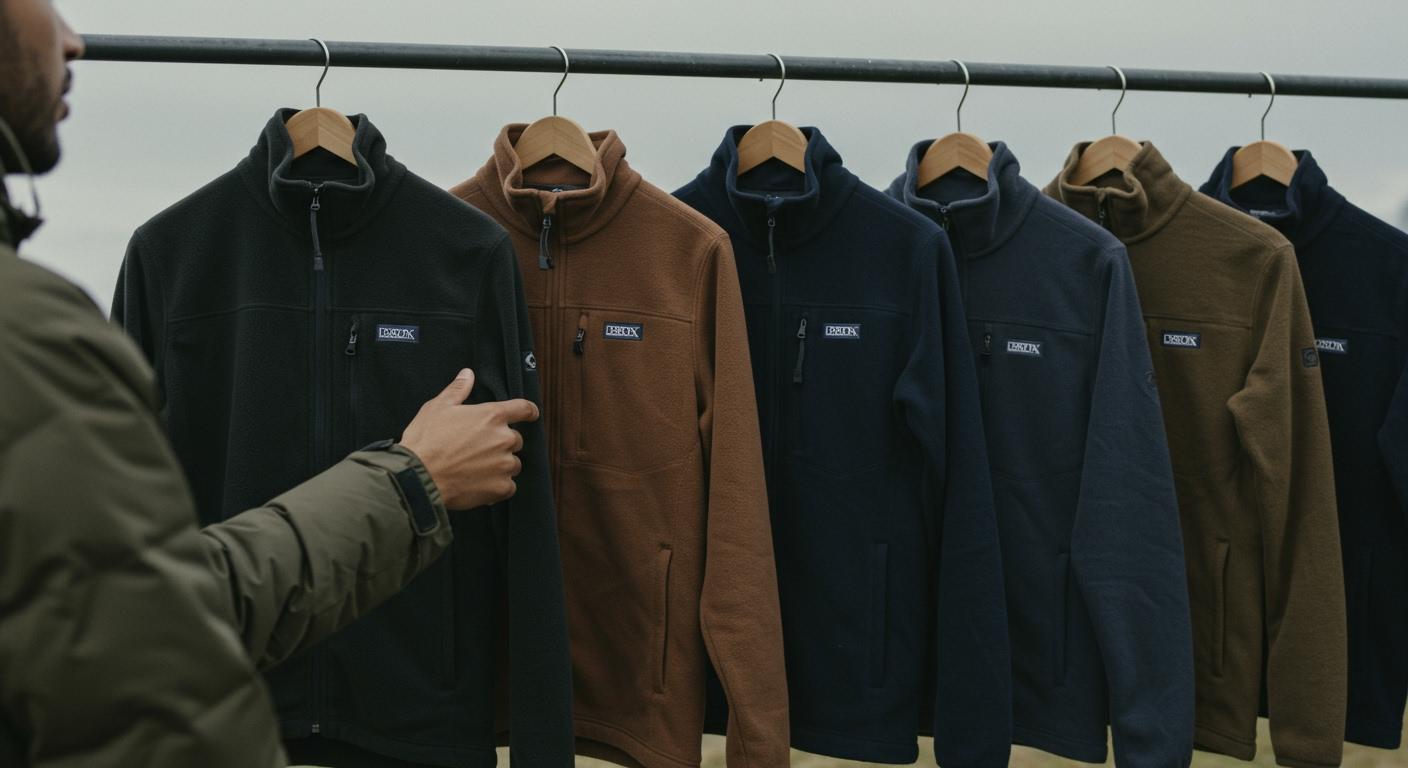
I find that the best fleece jacket depends on what you need. Polyester fleece works well for outdoor enthusiasts and women who want warmth and durability. Cotton fleece feels softer and suits casual wear consumers who want comfort. Kids wear both types with equal ease. Here’s a quick look at who prefers each:
Demographic Group | Polyester Fleece | Cotton Fleece |
|---|---|---|
Outdoor Enthusiasts | High | Low |
Casual Wear Consumers | Low | High |
Women | Increasing | Moderate |
Kids | Moderate | Moderate |
I suggest you consider warmth, comfort, durability, breathability, care, environmental impact, and price before choosing your jacket.
Key Takeaways
Choose polyester fleece for outdoor activities. It offers warmth, moisture resistance, and durability.
Opt for cotton fleece for casual wear. It feels soft, breathable, and is great for lounging.
Consider your needs before buying. Think about warmth, comfort, and the type of activities you will do.
Polyester fleece dries quickly and keeps you warm in cold weather. Cotton fleece absorbs moisture and loses warmth when wet.
Pay attention to the weight of the fleece. Lightweight fleece is best for high-intensity activities, while heavier fleece is good for cold weather.
Look for eco-friendly options. Cotton fleece is biodegradable, while polyester fleece can take centuries to break down.
Check the care instructions. Proper washing and drying can extend the life of your fleece jacket.
Consider your budget. Cotton fleece jackets are usually cheaper, while polyester fleece offers better long-term value.
Cotton vs Polyester Fleece Jacket

Polyester Fleece Overview
When I look at polyester fleece, I see a material designed for performance. This fabric stands out because it resists water and dries quickly. I often notice that water beads up and rolls off the surface, which makes it ideal for outdoor activities. Polyester fleece provides strong insulation, especially when the pile is thick. I find it soft to the touch, but it can feel less breathable and sometimes uncomfortable in warm weather. One thing I always keep in mind is that polyester can trap odors, especially after intense use. It also raises environmental concerns because it sheds microplastics during washing.
Here’s a quick comparison of key properties:
Fleece Type | Insulation | Moisture-Wicking | Comfort | Odor |
|---|---|---|---|---|
Polyester | Good, improves with pile depth | Dries quickly, wicks moisture | Soft, less breathable in heat | May harbor bacteria and odors |
I reach for polyester fleece when I need warmth, moisture resistance, and durability. I use it for hiking, running, or any high-intensity activity where I might sweat or face unpredictable weather.
Cotton Fleece Overview
Fleece cotton jackets feel incredibly soft and comfortable. I love the plush inner nap and the smooth outer surface. These jackets allow air to circulate, so I stay cool and comfortable during daily activities. Cotton fleece does not trap as much heat as polyester, which makes it less suitable for cold, wet conditions. However, it feels naturally breathable and resists odors well. I find that fleece cotton jackets work best for casual wear, lounging, or light outdoor use.
Some defining features include:
Soft texture that feels gentle on the skin
Breathable, allowing for good air flow
Plush inside for comfort and warmth
Smooth exterior for a clean look
Less insulating than synthetic options
Lower water resistance, so it absorbs moisture and dries slowly
I choose fleece cotton when I want comfort and breathability, especially for everyday wear.
Key Differences
When I compare cotton vs polyester fleece, I notice several important differences. Polyester fleece offers better insulation and moisture resistance. It dries quickly and keeps me warm during outdoor adventures. Cotton fleece, on the other hand, excels in comfort and breathability. It feels softer and more natural against my skin, but it does not insulate as well or dry as fast.
Here’s a table that highlights the main differences:
Feature | Polyester Fleece | Cotton Fleece |
|---|---|---|
Moisture Resistance | Superior | Moderate |
Breathability | High | Moderate |
Thermal Insulation | Lower (1.5–3.5 TOG) |
I use polyester fleece for high-intensity activities and outdoor sports. I rely on fleece cotton for everyday comfort and casual outings. The cotton vs polyester debate often comes down to what I need most: performance or comfort.
Tip: If you want a jacket for hiking or running, choose polyester fleece. If you want something cozy for lounging or daily errands, fleece cotton is your best bet.
The cotton vs polyester choice depends on your lifestyle. I always consider where and how I plan to wear my jacket before making a decision.
Warmth
Polyester Fleece Jacket Warmth
When I wear a polyester fleece jacket, I notice how quickly it traps heat. The material feels light, but it creates a thick barrier against cold air. I often choose polyester for hiking or camping because it keeps my body temperature steady. The fibers in polyester fleece trap more air, which forms a strong insulating layer. This layer helps retain warmth even when the weather turns chilly or damp. I find that polyester fleece dries fast after rain or sweat, so I stay comfortable and warm. Laboratory tests show that polyester fleece jackets maintain a temperature range of 36 to 38°C for long periods. This performance makes polyester my top pick for outdoor adventures in cold climates.
Cotton Fleece Jacket Warmth
Cotton fleece jackets feel soft and cozy when I first put them on. I like wearing them around the house or for short walks. The warmth they provide works well in mild conditions. However, I notice that cotton fleece loses its insulating power when it gets wet. If I get caught in the rain, the jacket absorbs moisture and feels heavy. The warmth fades quickly, and I start to feel cold. Cotton fleece does not wick moisture away, so it struggles to keep me warm during active use. I recommend cotton fleece for dry, casual settings where comfort matters more than insulation.
Heat Retention
Heat retention is the key difference between polyester and cotton fleece jackets. I rely on polyester fleece for superior insulation. The fibers trap air and keep warmth close to my body. Cotton fleece cannot match this level of performance, especially in wet conditions. I looked at laboratory studies that compared both materials. The results showed that polyester fleece outperformed cotton in maintaining warmth. Polyester jackets kept temperatures stable for longer periods, while cotton jackets lost heat quickly when exposed to moisture.
Here’s a table that summarizes the insulation and moisture wicking properties:
Material | Insulation Properties | Moisture Wicking Properties |
|---|---|---|
Polyester Fleece | Traps more air, forming a thicker insulating layer, retaining warmth effectively. | Better moisture wicking, retains insulation when dry. |
Cotton Fleece | Loses insulation properties when wet, less effective in cold conditions. | Poor moisture wicking, can lead to loss of warmth. |
Tip: If you need reliable warmth for outdoor activities, choose polyester fleece. For indoor comfort, cotton fleece works well.
Comfort
Softness
When I try on different fleece jackets, I notice that softness makes a big difference in how I feel. Polyester fleece feels smooth and plush, especially when the pile is thick. The fibers create a gentle surface that glides over my skin. I enjoy wearing polyester fleece on chilly days because it keeps me cozy without feeling rough. Cotton fleece offers a different kind of softness. The natural fibers feel warm and inviting. I like how cotton fleece hugs my body and gives me a sense of comfort during quiet evenings at home. The plush inner nap of cotton fleece feels gentle, making it a favorite for lounging or casual outings. I often choose cotton fleece when I want a jacket that feels soft and natural.
Tip: If you want a jacket that feels gentle and soothing, try cotton fleece for everyday wear.
Weight
Weight plays a big role in how comfortable a jacket feels. I notice that polyester fleece jackets are usually lighter than cotton fleece jackets. When I compare the two, polyester fleece gives me excellent warmth without adding bulk. I can pack a polyester fleece jacket in my backpack and barely notice the extra weight. Cotton fleece jackets feel heavier and thicker. They keep me warm, but they can become heavy if they get wet. I sometimes find cotton fleece less practical for long hikes or travel because of the extra weight.
Here’s a table that shows how the two materials compare:
Material | Weight Comparison | Warmth Level Comparison |
|---|---|---|
Polyester Fleece | Typically lighter | Excellent warmth-to-weight ratio |
Cotton Fleece | Heavier and thicker | Warm but can become heavy when wet |
I reach for polyester fleece when I need a lightweight layer for outdoor activities. Cotton fleece works better for short trips or relaxing at home.
Skin Sensitivity
Skin sensitivity matters to me, especially when I wear a jacket for hours. I have learned that polyester fleece can sometimes cause irritation. The chemical treatments and dyes used in polyester fleece may lead to allergic reactions for people with sensitive skin. I have felt itchy after wearing polyester fleece for a long time, especially in warm weather. Cotton fleece feels much safer for my skin. Cotton is a natural fiber, and it rarely causes irritation or allergies. I recommend cotton fleece for anyone who has sensitive skin or wants a jacket that feels gentle all day.
Note: If you have allergies or sensitive skin, cotton fleece is usually the better choice.
I always consider softness, weight, and skin sensitivity before picking a fleece jacket. These factors help me find the right balance of comfort for my lifestyle.
Durability
Polyester Fleece Jacket Durability
I have worn many polyester fleece jackets over the years. I notice that polyester stands out for its impressive durability. The synthetic fibers resist stretching and shrinking, even after frequent use. I often toss my polyester fleece into the washing machine without worrying about damage. The fabric holds its shape and color well. I find that polyester fleece jackets rarely tear or fray, which makes them a reliable choice for outdoor activities. When I hike or camp, I want a jacket that can handle rough terrain and repeated washing. Polyester fleece gives me that confidence.
Tip: If you need a jacket that lasts through tough conditions, polyester fleece is a smart pick.
Cotton Fleece Jacket Durability
Cotton fleece jackets feel soft and comfortable, but I notice they do not match the durability of polyester. The natural fibers can stretch and lose shape over time. I have seen cotton fleece jackets fade after several washes. The fabric sometimes thins out, especially at the elbows and cuffs. When I wear cotton fleece for everyday use, I treat it gently to help it last longer. I avoid rough activities that might cause snags or tears. Cotton fleece works well for casual wear, but I do not expect it to hold up as long as polyester fleece in demanding situations.
Pilling and Wear
Pilling affects both types of fleece jackets. I see small balls of fiber form on the surface after repeated abrasion. This happens when the fabric rubs against itself or other materials. I notice that higher-quality fleece pills less than cheaper versions. Polyester fleece tends to resist pilling better than cotton fleece, but both can show wear over time. I pay attention to the weave and quality when I shop for a new jacket.
Pilling usually starts at high-friction areas like sleeves and pockets.
Tightly woven fabrics resist pilling better than softer ones.
Quality matters: premium fleece jackets pill less and last longer.
I always check the care label and follow washing instructions to reduce wear. I use gentle cycles and avoid harsh detergents. This helps both polyester and cotton fleece jackets stay looking fresh.
Note: If you want a jacket that resists pilling and wear, choose a high-quality fleece and care for it properly.
I consider durability, pilling, and wear before buying a fleece jacket. Polyester fleece offers better long-term performance, while cotton fleece provides comfort for lighter use.
Breathability
Cotton vs Polyester Breathability
When I compare cotton and polyester fleece, I always notice a difference in how breathable each fabric feels. Cotton stands out as the most breathable option. I feel air move through cotton easily, which keeps me cool and comfortable. The open weave of cotton allows maximum airflow. This makes cotton fleece a great choice for people who want a jacket that does not trap heat. I often wear cotton fleece when I plan to relax indoors or take a walk on a mild day.
Polyester fleece also offers a decent level of breathability, but it does not match cotton. The synthetic fibers in polyester fleece create a tighter structure. This design helps trap warmth, but it can limit airflow. When I wear polyester fleece, I notice that it keeps me warm, but sometimes I feel less fresh if the weather turns warm. I choose polyester fleece for outdoor activities in cooler conditions because it balances warmth and breathability.
Note: Cotton is more breathable than fleece made from polyester. Both fabrics allow some airflow, but cotton is the superior choice for breathability.
Moisture Management
Moisture management plays a big role in how comfortable I feel during physical activity. I have tested both types of fleece jackets while hiking and running. Here is what I have learned:
Polyester fleece uses lightweight fibers that let moisture escape. This makes it ideal for activities like hiking or skiing.
Cotton fleece absorbs sweat instead of letting it evaporate. When I wear cotton fleece during exercise, I feel damp and cool down too quickly.
The moisture-wicking properties of polyester fleece keep my skin drier and my core warmer. I stay comfortable even when I sweat.
I always pick polyester fleece when I expect to be active. It keeps me dry and prevents chills. Cotton fleece works better for low-intensity activities or lounging, where moisture is not a concern.
Tip: For the most breathable and moisture-managing fleece jacket, choose polyester for activity and cotton for comfort.
I pay close attention to how each fleece jacket handles airflow and moisture. Breathable fabrics make a big difference in comfort, especially when I move or sweat.
Care
Washing
When I wash my fleece jackets, I always check the care label first. Manufacturers recommend gentle cleaning to keep both polyester and cotton fleece looking new. I usually follow these steps:
I hand wash the fleece in cold water with a mild detergent for about 10 minutes. This helps prevent damage to the fibers.
I rinse the jacket thoroughly to remove all soap.
I avoid using fabric softeners because they can coat the fibers and reduce the jacket’s softness and breathability.
For tough stains, I spot clean the area with a small amount of detergent and water. I gently rub the stain and rinse it out. This method works well for both types of fleece and helps keep the fabric in good condition.
Tip: Always wash fleece with similar colors to avoid color transfer.
Drying
After washing, I never wring out my fleece jackets. Instead, I lay them flat on a clean towel and press gently to remove excess water. Air drying is the best method for both polyester and cotton fleece. I place the jacket flat on a drying rack, shaping it to its original form. Hanging the jacket can stretch it out, so I avoid that.
I keep the fleece away from direct sunlight and artificial heat sources like radiators or hair dryers.
I do not use a tumble dryer, as high heat can damage the fibers and cause shrinkage.
If I need to speed up drying, I use a fan in a well-ventilated room. This keeps the fleece soft and helps it maintain its shape.
Shrinkage
Shrinkage is something I always watch out for, especially with cotton fleece. Polyester fleece is less likely to shrink because it is made from synthetic fibers. Cotton fleece, on the other hand, can shrink if exposed to high temperatures during washing or drying.
Here are some ways I prevent shrinkage:
I always wash fleece in cold water.
I avoid hot water and high heat settings in the dryer.
I air dry my jackets whenever possible.
Following these steps helps preserve the size and texture of my fleece jackets. I find that proper care extends the life of both polyester and cotton fleece, keeping them comfortable and looking great.
Note: If you want your fleece jacket to last, avoid heat and follow the care instructions closely.
Environmental Impact
Biodegradability
When I think about the environmental impact of fleece jackets, I always start with biodegradability. The difference between polyester and cotton fleece is huge. Polyester fleece does not break down in landfills. It can stay in the environment for centuries, which worries me. Cotton fleece, on the other hand, is biodegradable. It returns to the earth much faster. Here’s a simple table that shows the difference:
Material | Biodegradable | Lifespan in Landfill |
|---|---|---|
Polyester | NO | Centuries |
Cotton | YES | N/A |
Polyester fleece is not biodegradable and can last for centuries in landfills.
Cotton fleece is biodegradable.
I always consider this when I choose a new jacket. If I want a product that leaves less waste behind, I look for cotton fleece.
Sustainability
Sustainability matters to me when I shop for fleece jackets. I know that producing polyester fleece uses a lot of energy. The process relies on non-renewable resources and creates greenhouse gas emissions. Factories that make polyester fleece also pollute water. This makes me think twice before buying synthetic options. Some brands now use recycled materials to make fleece, which helps reduce the impact. I have seen companies cut down on water and energy use during production. While cotton fleece does not have the same energy demands as polyester, I still check if brands use eco-friendly practices. I always look for jackets made with recycled or responsibly sourced materials.
Tip: Look for fleece jackets labeled as “recycled” or “sustainably made” to lower your environmental footprint.
Odor and Recycling
Odor control and recycling are important for the life cycle of fleece jackets. I notice that polyester fleece can trap odors after heavy use. This makes me wash it more often, which can wear out the fabric and release microplastics into the water. Polyester fleece jackets made from recycled plastic bottles are more recyclable than cotton fleece jackets. The process turns single-use bottles into fabric, which helps reduce plastic waste. However, recycling polyester fleece is still complex. It is hard to return the material to its original quality. I have not found many recycling programs for cotton fleece jackets. Most cotton fleece ends up in landfills or gets downcycled into lower-quality products.
I always try to recycle my old fleece jackets if possible. I check with local programs or brands that offer take-back schemes. This helps keep waste out of landfills and supports a more sustainable cycle for fleece clothing.
Price
Polyester Fleece Jacket Cost
When I shop for fleece jackets, I notice that polyester options usually offer a wide price range. Entry-level polyester fleece jackets start at about $25. These basic models work well for light use. If I want more features, such as windproof panels or water resistance, I see prices climb to $60 or more. High-end brands sometimes charge over $100 for advanced designs. I find that the cost often reflects the jacket’s thickness, brand reputation, and added technology. Some outdoor stores run sales, so I watch for discounts during the fall and winter seasons.
Here’s a quick table that shows typical price ranges:
Jacket Type | Price Range |
|---|---|
Basic Polyester Fleece | $25 – $40 |
Mid-Range Polyester Fleece | $40 – $80 |
Premium Polyester Fleece | $80 – $120+ |
Tip: I check for seasonal promotions to save money on polyester fleece jackets.
Cotton Fleece Jacket Cost
Cotton fleece jackets tend to cost less than polyester ones. I often find basic cotton fleece jackets for $20 to $35. These jackets feel soft and comfortable, which makes them popular for everyday wear. If I look for designer labels or organic cotton, prices can reach $60 or more. I notice that cotton fleece jackets rarely include technical features, so the price stays lower. I sometimes buy multipacks for my family, which helps me save even more.
Here are some price points I see most often:
Basic cotton fleece: $20 – $35
Organic or branded cotton fleece: $40 – $65
I recommend cotton fleece jackets for anyone who wants comfort at a budget-friendly price.
Value
When I compare value, I think about more than just the price tag. I ask myself how often I will wear the jacket and how long it will last. Polyester fleece jackets cost more, but they offer durability and weather resistance. I use them for hiking, camping, and travel. The extra investment pays off if I need a jacket that performs well outdoors.
Cotton fleece jackets give me great value for casual use. I wear them around the house, to school, or for errands. They feel soft and last a few seasons if I care for them properly. I choose cotton fleece when I want comfort and affordability.
Here’s what I consider before buying:
How often will I wear the jacket?
Will I use it for outdoor activities or just casual wear?
Do I need extra features like water resistance?
Is the price within my budget?
Note: I balance cost, comfort, and durability to find the best fleece jacket for my needs.
Fleece Jacket Decision Guide

Outdoor Use
When I prepare for outdoor adventures, I always think about the demands of the activity. I want a fleece jacket that keeps me warm, lets my skin breathe, and dries quickly. I have learned that not all fleece is equal for hiking, camping, or running. I look for features that match my pace and the weather.
Mid-weight fleece jackets work best for hiking and camping. They balance warmth and breathability, so I stay comfortable during slower-paced activities.
Lightweight fleece is my top pick for high-intensity outings. It offers better airflow and keeps me from overheating.
The Patagonia R1 Air Hoody stands out as a favorite among outdoor enthusiasts. I use it for aerobic activities like hiking because it feels light and manages moisture well.
I always check the thickness and weight before I buy. I want a fleece jacket that fits my outdoor needs and keeps me moving without feeling bulky.
Tip: Choose mid-weight fleece for steady outdoor activities. Pick lightweight fleece for fast-paced adventures.
Everyday Comfort
For daily wear, I focus on comfort and softness. I want a fleece jacket that feels gentle against my skin and fits easily into my routine. I pay attention to the fabric weight, known as GSM (grams per square meter), because it affects how the fleece feels.
Intended Use | Recommended Fleece Type | GSM Range |
|---|---|---|
Casual wear | Softer, lightweight fleece | 100 GSM+ |
Outdoor activities | Insulation and breathable fleece | 200 GSM+ |
Cold weather | Heavyweight or windproof fleece | 300 GSM+ |
High-intensity activities | Lightweight or breathable fleece | 100-200 GSM |
I use lightweight fleece for casual wear. It feels soft and keeps me comfortable at home or school. When the weather turns cold, I switch to heavyweight fleece for extra warmth. I always check the GSM rating to match my needs.
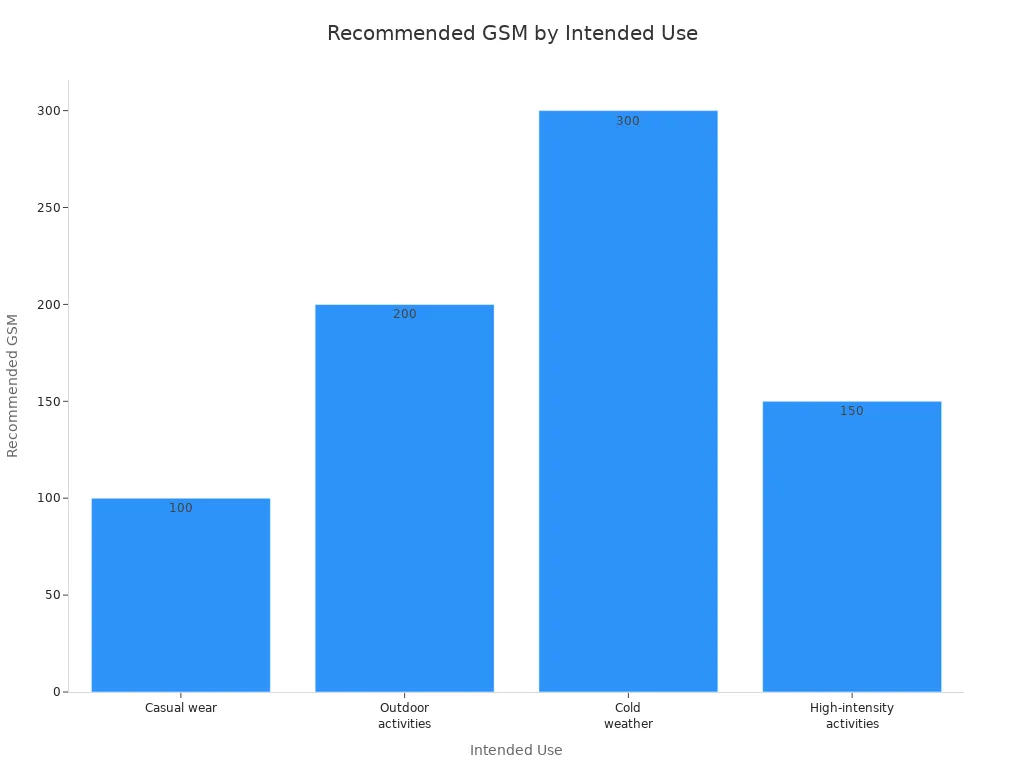
Note: Softer, lighter fleece works best for everyday comfort. Heavyweight fleece is ideal for colder days.
Eco-Conscious Choice
I care about the environment when I shop for fleece. I look for options that reduce waste and support sustainability. I have found that fleece made from recycled polyester is the most eco-friendly choice. Sustainability organizations recommend recycled polyester because it helps cut down plastic waste and supports a circular economy.
Fleece made from recycled polyester reduces plastic pollution.
Choosing recycled fleece supports responsible manufacturing.
Many brands now offer jackets made with recycled materials.
I always read the labels and ask about the source of the fleece. I want my fleece jacket to make a positive impact on the planet.
🌱 If you want to help the environment, choose fleece jackets made from recycled polyester.
Budget Option
When I shop for a fleece jacket on a budget, I look for options that balance cost and quality. I want a jacket that keeps me warm, feels comfortable, and lasts through regular use. I have found several fleece jackets that deliver great value without breaking the bank.
Here are some of my top picks for budget-friendly fleece jackets:
Columbia Steens Mountain: This jacket stands out as the best budget option. I often see it priced about 40% lower than other economical choices. It offers reliable warmth and comfort. I notice that it does not include advanced features like windproof panels or water resistance, but it covers the basics well. I wear it for daily errands, school, or casual outings.
REI Trailmade: I like this jacket for its simplicity and affordability. It provides excellent breathable warmth and holds up well over time. The design feels straightforward, which makes it easy to layer with other clothes. I recommend it for anyone who wants a no-fuss fleece that works in many situations.
Outdoor Research Vigor: This lightweight fleece gives me flexibility and warmth. I find it suitable for different weather conditions. The fabric stretches, so I can move freely during activities. It costs less than many premium jackets, but it still performs well for outdoor use.
Patagonia Better Sweater: While this jacket comes with a higher price tag, I consider it a smart investment. The quality and durability mean I can wear it for years. Over time, the cost per use drops, making it a great value. I reach for this jacket when I want something that lasts and looks good.
I compare these budget options to premium fleece jackets. Premium models often include extra features, such as advanced moisture management, reinforced seams, or eco-friendly materials. They usually last longer and perform better in extreme conditions. However, I find that many budget jackets still offer solid warmth and comfort for everyday use.
💡 Tip: If you want to save money, focus on basic fleece jackets from trusted brands. Look for sales or end-of-season discounts to get even better deals.
I always check the fit, fabric quality, and care instructions before buying. A well-chosen budget fleece jacket can serve me well for school, work, or weekend adventures. I believe that with careful shopping, I do not have to sacrifice comfort or style to stay within my budget.
When I compare fleece jackets, I see clear differences.
Polyester fleece gives me warmth, dries fast, and lasts longer.
Cotton fleece feels softer and lets my skin breathe.
Blended fleece jackets offer a mix of comfort and durability.
I always check style, weight, and features before I choose a fleece jacket.
Consideration | Description |
|---|---|
Style | Pullover, half zip, or full zip |
Weight | Light or mid-weight fleece |
Texture | Hard face or brushed fleece |
Features | Hoods and pocket locations |
Think about your daily needs before picking a fleece jacket. Share your favorite fleece or ask questions below!
FAQ
What is the best way to store my fleece jacket?
I fold my fleece jacket and keep it in a cool, dry place. I avoid hanging it for long periods because this can stretch the fabric. I never store it in direct sunlight.
Can I wear a fleece jacket in the rain?
I wear polyester fleece in light rain because it dries quickly. Cotton fleece absorbs water and feels heavy. I always choose a waterproof layer for heavy rain.
How do I prevent pilling on my fleece jacket?
I wash my fleece jacket inside out on a gentle cycle. I use mild detergent and avoid fabric softeners. I air dry the jacket to reduce friction and pilling.
Is fleece safe for sensitive skin?
I find cotton fleece works best for sensitive skin. Polyester fleece sometimes causes irritation. I always check the label for hypoallergenic options if my skin feels itchy.
Are fleece jackets good for layering?
I use fleece jackets as a mid-layer in cold weather. They trap heat and fit easily under a shell or coat. I pick lightweight fleece for layering under heavier jackets.
How do I remove odors from my fleece jacket?
I soak my fleece jacket in a mixture of water and baking soda for 30 minutes. I wash it with mild detergent and air dry. This method helps remove stubborn odors.
Can I recycle my old fleece jacket?
I check with local recycling programs or outdoor brands that offer take-back schemes. Some polyester fleece jackets use recycled materials. I donate gently used jackets to extend their life.
What features should I look for in a fleece jacket?
I look for zippered pockets, adjustable hems, and a hood for extra warmth. I check the GSM rating for thickness. I choose features that match my daily activities.