

How to Design Your Perfect Clothing Varsity Jacket
Table of Contents
Display
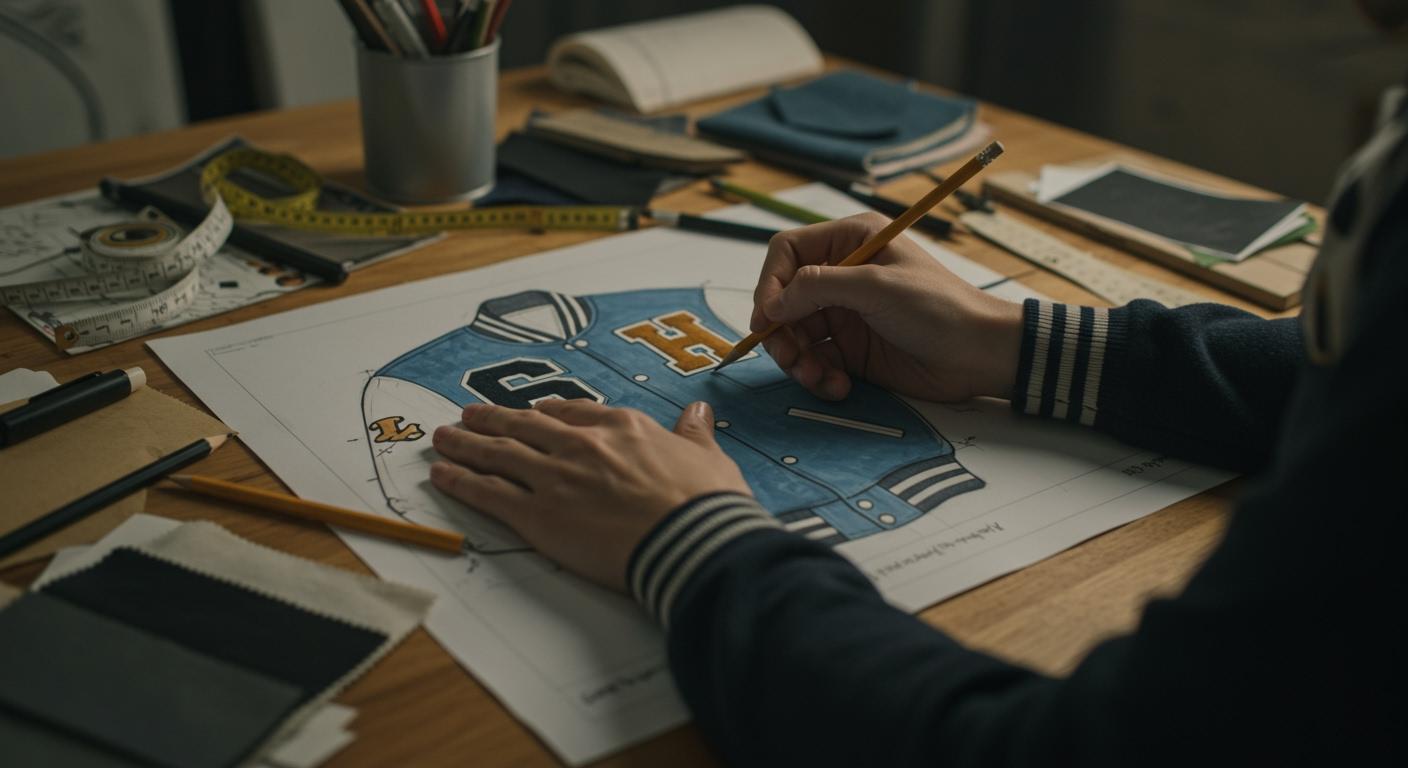
When I design clothing varsity jackets, I always start by identifying my style preferences and the function I want the jacket to serve. I picture how a custom varsity jacket can showcase my personality and highlight my unique style preferences. I select features that fit my lifestyle and avoid mistakes by reviewing customization options with care. Style preferences drive every decision, and I learn from mistakes others have made when choosing materials or trims. I recommend visualizing your finished jacket, focusing on details that set it apart, and never overlooking mistakes that can affect the final look.
Tip: Document your style preferences before exploring customization options to minimize mistakes and create a jacket that truly reflects you.
Key Takeaways
Identify your style preferences and the jacket’s purpose before starting the design process.
Choose materials based on durability, comfort, and climate to ensure your jacket lasts and feels good.
Select colors that match your wardrobe and express your personality; classic combos are always a safe choice.
Personalize your jacket with embroidery, patches, and unique identifiers to make it truly yours.
Experiment with different fits and styles to find the one that balances comfort and your desired look.
Plan your design carefully, including sketching and using digital tools for a clear vision before production.
Consider practical features like insulation and weather resistance to match your lifestyle needs.
Regular maintenance and proper care will extend the life of your varsity jacket, keeping it looking new.
Materials & Colors
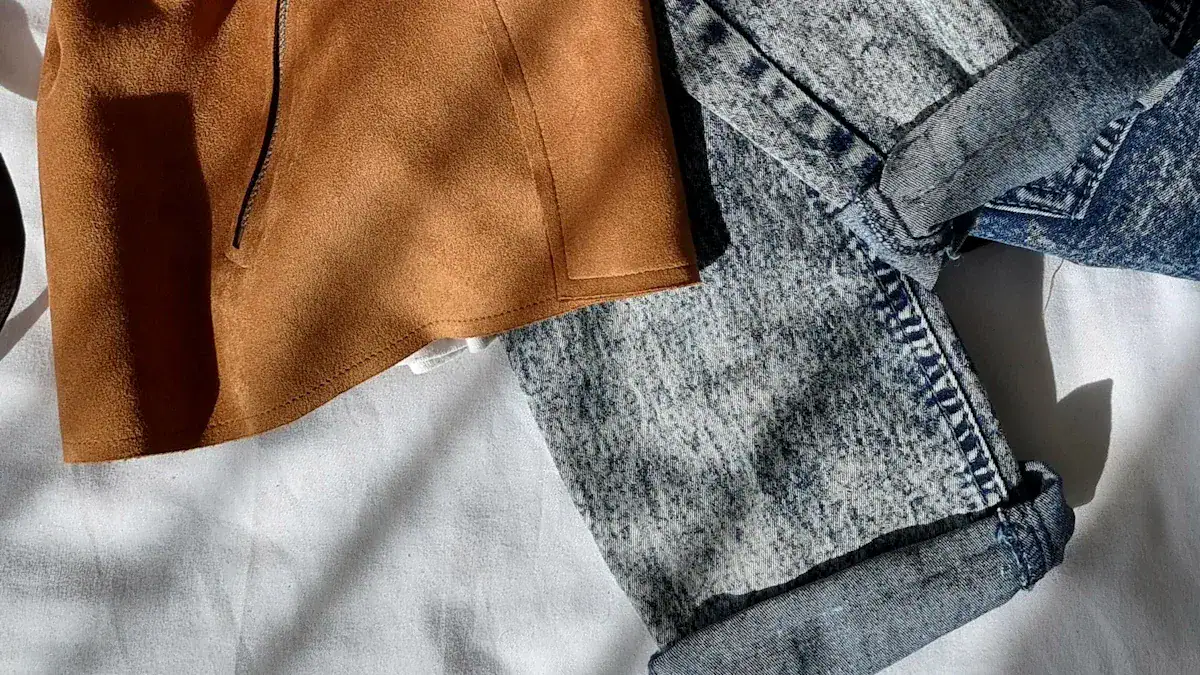
When I design a custom varsity jacket, I always start by considering the materials. The right materials determine how the jacket feels, how long it lasts, and how well it fits my needs. I look for options that balance durability, comfort, and style, especially when I want my jacket to stand out for years.
Custom Wool Varsity Jacket
Wool Options
I find that the choice of wool makes a big difference in both appearance and performance. High-quality wool gives my custom wool varsity jacket excellent insulation and breathability. I often choose blended wools, like 80% wool and 20% polyester, because they offer a good mix of durability and affordability. Pure wool feels softer and looks more elegant, but it can cost more. I always think about the climate where I’ll wear my jacket and how much warmth I need.
Tip: Consider the climate and your personal style when selecting wool for your custom wool varsity jacket. A heavier wool works well for colder seasons, while lighter blends suit milder weather.
Leather Sleeves
Adding leather sleeves to a custom wool varsity jacket gives it a classic, timeless look. Leather stands out for its durability and ability to develop character over time. I like how leather sleeves add structure and a vintage vibe. For those who prefer cruelty-free options, vegan leather offers a similar appearance and feel.
Cotton & Synthetics
Sometimes, I want a lighter or more casual jacket. Cotton fleece provides softness and breathability, making it perfect for warmer climates or layering. Synthetic fabrics, like polyester, offer water resistance and easy care. These materials make my custom wool varsity jacket more versatile for different occasions.
Tip: If you want a jacket that’s easy to care for and suitable for sports or outdoor activities, consider synthetic materials or cotton blends.
Here’s a quick comparison of common varsity jacket materials:
Material | Durability | Weight | Weather Resistance | Style |
|---|---|---|---|---|
Leather | High | Medium to Heavy | Excellent | Classic & Vintage |
Wool Blend | Medium | Medium | Good | Casual & Varsity |
Synthetic Fabric | High | Lightweight | Water-Resistant | Sporty & Modern |
Color Choices
Classic Combos
When I select colors for my custom varsity jacket, I often start with classic combinations. Traditional school colors show spirit and pride. Neutral shades, like navy, black, or grey, give my jacket versatility and make it easy to match with my wardrobe. Bold hues, such as deep reds or greens, help me make a statement and reflect my personality.
Tip: Choose colors that match your existing wardrobe and express your individuality. Classic combos never go out of style, but don’t be afraid to try something bold.
Unique Palettes
Fashion trends change, and I like to keep my custom wool varsity jacket current by exploring unique color palettes. Lately, I’ve noticed shades like Mocha Mousse, Munsell Red, Oxford Navy, Heather Grey, and Moss Green gaining popularity. These colors offer a fresh twist while remaining stylish and easy to wear.
Color Name | Description |
|---|---|
Mocha Mousse | A warm, neutral shade, versatile and stylish, dominating the fashion scene in 2025. |
Munsell Red | A rich, deep hue perfect for making a statement without being overwhelming. |
Oxford Navy | Another rich, deep color option for those looking to add a pop of color to their outfit. |
Heather Grey | A timeless neutral that pairs well with various styles. |
Moss Green | A classic neutral that remains popular in fashion choices. |
Linings & Trims
Comfort Linings
I always pay attention to the inside of my custom wool varsity jacket. Unique linings, such as quilted or sublimated designs, add comfort and a personal touch. Sometimes, I include a custom-printed message or graphic inside the jacket for a hidden detail that only I know about.
Feature | Description |
|---|---|
Inside Lining | Sublimated designs, quilted linings, or custom-printed messages enhance aesthetic value and comfort. |
Trim Styles
Trims finish the look of my custom varsity jacket. Ribbed cuffs and hems can match the main colors or add contrast for extra flair. I sometimes choose trims that reflect my team or brand colors, making the jacket unique to me.
Feature | Description |
|---|---|
Trims | Ribbed cuffs and hems can be tailored to match branding or color schemes, adding uniqueness. |
When I design a custom wool varsity jacket, I always focus on how the materials, colors, linings, and trims work together. I want my jacket to look great, feel comfortable, and last a long time. By following these tips and thinking about my personal style, I create a custom varsity jacket that truly represents me.
Jacket Styles

When I design clothing varsity jackets, I always start by thinking about the style that fits my needs. The right style shapes the jacket’s look, feel, and how well it matches different occasions. I focus on fit and comfort first, then choose details that reflect my personality.
Clothing Varsity Jackets
Traditional Fit
I often choose a traditional fit when I want a classic look. This style features a relaxed cut that gives me room to move. I find it works well for layering over sweaters or hoodies. Traditional fit clothing varsity jackets suit most body types and offer timeless appeal.
Slim & Oversized
Sometimes, I want a more modern silhouette. A slim fit hugs my body and creates a sharp, tailored appearance. I wear slim fits when I want a sleek look for casual outings or smart-casual events. On the other hand, oversized clothing varsity jackets give me a bold, streetwear-inspired vibe. I like oversized fits for comfort and layering, especially in colder weather.
Tip: Try on different fits to see which one gives you the best balance of fit and comfort for your lifestyle.
Sleeve Types
Set-In
Set-in sleeves attach at the shoulder seam. I prefer this style when I want a structured, traditional look. Set-in sleeves give clothing varsity jackets a crisp outline and work well for formal or smart-casual occasions.
Raglan
Raglan sleeves extend in one piece to the collar, creating a diagonal seam. I choose raglan sleeves for extra mobility and a sporty feel. This style offers great fit and comfort, especially if I plan to wear my jacket during outdoor activities.
Contrast
I sometimes select contrast sleeves to make my jacket stand out. Using a different color or material for the sleeves adds visual interest. Contrast sleeves are a signature feature of many clothing varsity jackets and let me express my creativity.
Collar & Closures
Ribbed
Ribbed collars give my jacket a snug, comfortable fit around the neck. I like ribbed collars for their classic look and ability to keep out the cold.
Stand-Up
A stand-up collar adds a modern twist. I wear stand-up collars when I want a sleek, athletic appearance. This style works well for both casual and sporty clothing varsity jackets.
Hooded
Sometimes, I need extra protection from the weather. I choose a hooded style for rainy days or when I want a relaxed, urban look. Hooded clothing varsity jackets combine practicality with style.
Snaps & Zippers
For closures, I pick between snaps and zippers based on convenience and style. Snaps give my jacket a traditional, vintage feel. Zippers offer quick fastening and a modern touch. Both options provide secure closure and contribute to fit and comfort.
Here’s a quick guide to how different jacket styles impact fit, comfort, and occasion:
Jacket Style | Fit Characteristics | Comfort Level | Suitable Occasions |
|---|---|---|---|
Casual Jackets | Relaxed fit, versatile | High | Everyday wear, casual outings |
Sporty Jackets | Functional fit, allows mobility | High | Outdoor activities, sports |
Smart-Casual Jackets | Tailored fit, stylish yet comfortable | Moderate to High | Smart casual events, dining out |
Formal Jackets | Structured fit, enhances appearance | Moderate | Professional settings, formal events |
Winter Jackets | Insulated fit, designed for warmth | High | Cold weather, outdoor winter activities |
Rain Jackets | Functional fit, weather-resistant | Moderate | Wet conditions, casual outings |
When I select style elements for my clothing varsity jackets, I always consider how each choice affects fit and comfort. I match the jacket style to the occasion, whether I need something sporty, formal, or casual. By mixing and matching these features, I create a jacket that looks great and feels just right for any event.
Personalization
Personalization transforms letterman jackets from simple outerwear into meaningful, one-of-a-kind pieces. When I start customizing your letterman jacket, I focus on the details that showcase my story, achievements, and style. I use a mix of embroidery, patches, and printing to create a jacket that stands out in any crowd.
Customizing Your Letterman Jacket
Embroidery
Varsity jacket embroidery remains my favorite method for adding intricate details and lasting designs. I often choose embroidery for names, mascots, or icons because the stitching creates a textured, professional look. I can select from a wide range of thread colors and fonts, which lets me match my school colors or personal preferences. Embroidering animals or floral designs adds a masculine or feminine touch, depending on my vision. I also use varsity jacket embroidery to highlight vintage sports themes or to add a retro vibe to my jacket.
Patches
Patches offer endless possibilities for custom letterman jackets. I use them to display achievements, cover up small tears, or simply add flair. Classic letter patches, especially those with layered stitching, give my jacket a traditional feel. I like to mix chenille and embroidered patches for a blend of texture and artistry. Patches allow me to showcase my identity, whether I want to represent my school, a club, or a personal interest. I often use patches for branding, DIY projects, or to make a statement with custom designs.
Patches can transform plain letterman jackets into statement pieces.
I use them to cover up tears with stylish designs.
Patches help me showcase my personal identity.
They blend artistry and practicality, making them perfect for custom letterman jackets.
Printing
Printing gives me another way to personalize letterman jackets. I use printing for bold graphics, logos, or custom text and names that require sharp lines and vibrant colors. Printing works well for large back designs or sleeve graphics. I often combine printing with varsity jacket embroidery and patches to create a layered, multidimensional look. Printing also allows for quick turnaround, which is helpful when I need my custom letterman jackets for a specific event.
Patch Placement
Where I place each patch on my letterman jackets changes the overall design and visibility. I always plan my patch layout before I start stitching, so the jacket looks balanced and eye-catching.
Front
I usually place larger patches or my main logo on the left or right chest. This area draws attention and gives my jacket a classic varsity look. I often add my school name, mascot, or a meaningful icon here.
Back
The back of my letterman jackets offers the most space for creativity. I use this area for large patches, graduation years, or bold graphics. A big chenille patch or varsity jacket embroidery on the back makes a strong statement and ensures my design stands out from a distance.
Sleeves & Pockets
Sleeves work best for smaller patches or subtle details. I like to add icons, numbers, or club symbols here. Pockets provide a discreet spot for initials or small designs. By spreading out the patches, I create a balanced look that highlights each element without overcrowding the jacket.
Patches on the chest and back enhance visibility and impact.
Larger patches belong on the chest or back for maximum effect.
Sleeves suit smaller designs, keeping the look balanced.
The type of patch—chenille or embroidered—affects the texture and appeal.
Custom Letterman Jackets
Personalizing custom letterman jackets goes beyond just adding patches or embroidery. I use customization services to include names, initials, and unique identifiers that make my jacket truly mine.
Names & Initials
Adding my name or initials to my letterman jackets gives them a personal touch. I often choose varsity jacket embroidery for this detail, placing it on the chest, sleeve, or inside lining. Some customization services offer monograms or custom fonts, which help me match my style.
Unique Identifiers
I like to include unique identifiers such as my graduation year, school mascot, or meaningful icons. These elements tell my story and connect my jacket to a specific time or achievement. I sometimes add meaningful patches that represent clubs, sports, or special events.
Custom Labels
Custom labels inside my letterman jackets add a hidden layer of personalization. I use them to include a special message, my name, or even a quote that inspires me. Customization services often let me design these labels with my choice of color, font, and stitching style.
Here are some of the most requested customizations for custom letterman jackets:
Customization Type | Description |
|---|---|
Names & Initials | Personalize with your name, initials, or monogram using varsity jacket embroidery or patches. |
Icons | Add mascots, animals, or meaningful symbols. |
School Details | Include school name, colors, or mascot. |
Graduation Year | Highlight your class year with bold stitching or patches. |
Meaningful Patches | Represent clubs, sports, or achievements. |
Tip: I always work closely with customization services to ensure every detail matches my vision. I review stitching quality, patch placement, and color choices before finalizing my custom letterman jackets.
Personalization lets me turn letterman jackets into wearable memories. By combining varsity jacket embroidery, creative patch placement, and thoughtful customizations, I create custom letterman jackets that reflect my journey and style. Every stitch, patch, and printed detail tells a part of my story.
Design Inspiration
When I look for inspiring design ideas for my varsity jacket, I draw from both classic and modern influences. I also experiment with creative ideas that push the boundaries of tradition. Here’s how I approach each style:
Classic Looks
Ivy League
I always admire the roots of varsity jackets in Ivy League culture. Varsity jackets first appeared at Harvard University in 1865 as simple knit sweaters with embroidered letters. Over time, they evolved into wool jackets with leather sleeves and chenille patches. These jackets became symbols of athletic achievement and school pride. I find that Ivy League styles use deep school colors, clean lines, and traditional patches. When I want a timeless look, I choose these elements to honor the jacket’s heritage.
Retro
Retro varsity jackets remind me of the 1950s and 60s, when Hollywood stars and rock-and-roll icons like James Dean and Elvis Presley made them famous. I love the bold stripes, oversized chenille letters, and vintage color palettes from this era. In the 1980s and 90s, hip-hop artists brought varsity jackets into streetwear, adding new energy and attitude. I often blend these retro touches into my designs for a nostalgic yet fresh feel.
Modern Styles
Streetwear
Streetwear inspires me to experiment with bold colors, unique patterns, and unexpected details. Modern varsity jackets in streetwear often feature classic, hooded, or patchwork designs. I see how hip-hop and high fashion continue to influence these jackets, making them versatile for everyday wear. Personalization stands out as a key feature, letting me express my individuality through custom graphics or statement patches.
Minimalist
Minimalist varsity jackets appeal to me when I want a sleek, understated look. I focus on clean lines, neutral colors, and subtle branding. Sometimes, I add a single embroidered logo or a small patch for a touch of personality. Minimalist styles prove that less can be more, especially when I want my jacket to pair easily with any outfit.
Creative Ideas
Mix Materials
I enjoy exploring new ways to combine materials for a unique effect. Some of my favorite ideas include:
Using sequins in graduated tones for an ombre look.
Adding rhinestones for chic accents on piping or pocket trims.
Designing bomber jackets with team-branded rhinestones for extra spirit.
Incorporating holographic body panels that shimmer in the light.
Mixing wool and leather with sequin stripes for a luxurious twist.
Artistic Graphics
I often use artistic graphics to make my varsity jacket stand out. I might choose bold prints, hand-drawn illustrations, or custom typography. These graphics let me tell my story and showcase my creativity. I sometimes collaborate with local artists to create one-of-a-kind designs.
Themed Jackets
Themed jackets give me a chance to celebrate my interests or achievements. I design jackets around sports teams, music, movies, or special events. I select colors, patches, and graphics that fit the theme, making each jacket a personal statement.
Tip: I always collect inspiring design ideas from vintage photos, fashion magazines, and street style. I keep a sketchbook to jot down new ideas whenever inspiration strikes.
Style | Key Features | Why I Love It |
|---|---|---|
Ivy League | School colors, chenille patches | Honors tradition |
Retro | Bold stripes, vintage letters | Nostalgic and playful |
Streetwear | Bold colors, patchwork, hoods | Modern and expressive |
Minimalist | Clean lines, subtle branding | Versatile and timeless |
Creative Mix | Sequins, rhinestones, holographics | Unique and eye-catching |
When I combine classic influences with modern trends and creative materials, I discover endless inspiring design ideas for my varsity jacket. Each approach helps me create a jacket that feels personal, stylish, and truly one of a kind.
Design Process
When I begin the design process for a varsity jacket, I always break it down into manageable steps. This approach helps me stay organized and ensures that every detail aligns with my vision.
Sketching
Sketching forms the foundation of my creative journey. I start with simple pencil sketches on paper to visualize the silhouette, color blocking, and placement of patches or embroidery. I use rulers, colored pencils, and fabric swatches to refine my ideas. These tools allow me to experiment with proportions and textures before moving to digital options.
Tools
I rely on basic sketching tools such as fine-tip markers, sketchbooks, and tracing paper. These items help me quickly iterate on designs and make adjustments. I often keep a dedicated notebook for jacket concepts, which makes it easy to compare different styles and features.
Digital Options
Digital sketching platforms have transformed how I approach varsity jacket design. I use software with user-friendly interfaces that make navigation simple, even for beginners. These platforms offer a wide range of customization options, including shapes, colors, and fabric textures. High-quality visual previews let me see realistic mock-ups before I commit to production. Here is a quick overview of the features I look for in digital design tools:
| Feature — | Description — | | User-Friendly Interface — | Easy navigation with a straightforward layout, accessible for all skill levels. — | | Customization Options — | Variety of shapes, colors, and fabrics for personalized designs reflecting user identity. — | | High-Quality Visual Previews — | Realistic mock-ups of designs to ensure accuracy before production. — |
Customization Methods
After sketching, I explore different methods for bringing my design to life. I always follow a step-by-step process to ensure the final jacket matches my expectations.
Online Builders
Online builders provide a streamlined way to customize varsity jackets. I select materials, colors, and trims using interactive menus. These platforms often include visual previews, which help me confirm my choices before placing an order.
Local Tailors
Working with local tailors gives me hands-on control over the design. I bring my sketches and fabric samples to discuss options in person. Tailors offer expert advice on fit, construction, and finishing touches. This method works well when I want a truly bespoke jacket.
DIY
Sometimes, I prefer a diy approach for maximum creativity. I gather materials and follow a step-by-step process to assemble the jacket myself. This method allows me to experiment with patch placement, embroidery, and custom trims. I enjoy the satisfaction of crafting a unique piece from start to finish.
Ordering or DIY
Once I finalize the design, I prepare for production or assembly. I organize my sketches, material lists, and measurements to avoid mistakes.
Preparation
I double-check every detail, from color choices to patch placement. I make sure all materials are ready and that my design files are clear and accurate.
Communicating Design
When working with manufacturers or tailors, I communicate my design using annotated sketches and digital mock-ups. I specify colors, fabrics, and custom features to ensure nothing gets lost in translation.
Timeline
I set a realistic timeline for completion, factoring in production schedules and shipping times. I track progress and stay in touch with my tailor or supplier to address any issues quickly.
Tip: I always document each step of the process to keep my project on track and avoid delays.
By following a step-by-step process, I create varsity jackets that reflect my style and meet my standards for quality and originality.
Sizing & Budget
When I design a varsity jacket, I always start by focusing on sizing and budget. Getting the right fit and understanding costs ensures my jacket delivers both comfort and value. I pay close attention to practical features that affect how the jacket feels and how much I spend.
Measurements
How to Measure
Accurate measurements form the foundation of a great fit. I follow these steps to make sure my varsity jacket fits perfectly:
Measure chest circumference by wrapping a tape around the fullest part of my chest, under my armpits. I keep the tape snug but not tight.
Measure shoulder width from one shoulder tip to the other across my back.
Measure sleeve length from the shoulder tip down to just past my wrist bone.
Measure jacket length from the base of my neck to where I want the jacket to end, usually around my hip.
Measure neck size by wrapping the tape around the base of my neck.
Tip: I always double-check my measurements and write them down before ordering.
Size Charts
I consult the manufacturer’s size chart before making any decisions. Size charts help me match my measurements to the right jacket size. I look for charts that include chest, shoulder, sleeve, and length details. I avoid guessing sizes because even a small error can affect practical features like mobility and layering.
Layering
I consider what I plan to wear under my jacket. If I want to layer hoodies or sweaters, I add a little extra room to my measurements. I also pay attention to sleeve style and jacket length. The hem should hit comfortably at my hips, and the shoulder seam should align with my shoulder bone. I try different fits to find the one that best supports practical features for my lifestyle.
Comfort
Mobility
Mobility stands out as one of the most important practical features in a varsity jacket. I check that the sleeves and shoulders allow me to move freely. Set-in or raglan sleeves each offer different levels of flexibility. I make sure the jacket does not restrict my arms, especially if I plan to wear it for sports or outdoor activities.
Seasonal Use
I select practical features based on the season. Varsity jackets work best for fall and early winter because they provide warmth with a viscose lining and leather exterior. I sometimes wear mine on cool summer evenings, but I avoid it during peak summer heat. I always match the jacket’s insulation to my local climate for maximum comfort.
Budget Tips
Material Costs
Material choice has a big impact on my budget. Wool and leather cost more but offer durability and classic style. Cotton and synthetics provide affordable options and practical features like easy care and water resistance. I balance my desire for premium materials with my spending limits.
Custom Fees
Customizations such as embroidery, patches, and unique linings add to the cost. I review each practical feature and decide which ones matter most to me. I prioritize details that enhance comfort, fit, and personal style.
Saving Strategies
I use several strategies to save money without sacrificing quality:
I look for sturdy stitching, quality materials, and durable hardware. These practical features ensure my jacket lasts longer, saving me money over time.
I invest in one timeless varsity jacket instead of buying multiple trendy pieces. A classic design with practical features remains stylish for years.
I consider cost-per-wear. A custom jacket may cost more upfront, but its unique value and emotional connection make it a smart investment.
Budget Factor | Impact on Cost | How I Decide |
|---|---|---|
Material | High | Balance quality and price |
Customization | Moderate to High | Prioritize practical features |
Brand/Manufacturer | Varies | Research for best value |
Note: I always compare options and focus on practical features that deliver the best combination of comfort, durability, and style.
By knowing my measurements, consulting size charts, and focusing on practical features, I create a varsity jacket that fits well and matches my budget. Careful planning helps me enjoy my custom jacket for years to come.
Varsity Jacket Functionality
When I select a varsity jacket, I always consider how it will perform in different situations. Varsity jacket functionality matters to me because I want my jacket to look great and serve a purpose. I focus on insulation, weather resistance, and breathability to match my lifestyle.
Jacket Types
Insulation
I choose an insulated varsity jacket when I need warmth during colder months. The thick wool body and fleece lining provide medium to heavy insulation. This keeps me comfortable on chilly days. I notice that an insulated varsity jacket holds heat well, making it ideal for fall and winter. I avoid lightweight options if I want to stay warm outdoors.
Weather Resistance
A weather-resistant varsity jacket protects me from wind and light rain. I compare different types to see which one fits my needs. I find that a classic varsity jacket offers good wind resistance because of its thick fabric, but it is not fully waterproof. For better protection, I sometimes pick a windbreaker jacket. It blocks wind and repels water, but it does not keep me as warm as an insulated varsity jacket. I use the table below to compare features:
Feature | Varsity Jacket | Windbreaker Jacket |
|---|---|---|
Insulation | Medium to heavy, often fleece-lined | Minimal to none, usually unlined |
Wind Resistance | Good due to thick fabric, but less breathable | Excellent, designed to block wind |
Water Resistance | Limited, not weatherproof | Typically water-resistant or water-repellent |
I always check if my jacket is a breathable varsity jacket. Breathability helps me stay comfortable by allowing air to flow, which prevents overheating. I prefer a breathable varsity jacket for active days or mild weather.
Care Tips
Varsity jacket functionality depends on how well I care for my jacket. I follow a few simple steps to keep it looking new and lasting longer.
Cleaning
I use a wool brush for the body and a leather cleaner for the sleeves. I avoid soaking the jacket and use cool water for spot cleaning. Before cleaning, I turn the jacket inside out and use mild detergents. I always air dry my jacket in a shaded area to maintain its shape and color.
For grease stains, I sprinkle cornstarch on the spot.
For wine spills, I dab with a vinegar solution.
To remove odors, I mist the jacket lightly with vodka.
Storage
I hang my varsity jacket on a padded hanger to keep its shape. I avoid plastic covers and store it in a breathable fabric bag. This prevents moisture buildup and keeps the jacket fresh.
Repairs
I check my jacket regularly for loose threads or damaged patches. I fix small issues right away to prevent bigger problems. For vintage or delicate jackets, I use professional cleaning and repair services.
Tip: Regular maintenance and gentle cleaning help preserve varsity jacket functionality and extend the life of my favorite piece.
By choosing the right insulated varsity jacket or weather-resistant varsity jacket and following these care tips, I make sure my jacket stays comfortable, stylish, and functional. I always pay attention to breathability and proper cleaning to get the most out of my varsity jacket functionality.
When I reflect on designing your varsity jacket, I remember these essential steps:
Start with a simple design—think letters or mascots.
Prepare your artwork digitally for embroidery.
Mark placement, hoop the fabric, and test stitch before starting.
Stitch carefully, then finish and trim for a polished look.
Common mistakes include skipping test runs, using the wrong needle, or choosing overcomplicated designs.
I encourage you to begin your creative journey today. Share your finished jacket or ideas with others. Express your unique style through custom clothing and inspire those around you.
FAQ
How do I choose the right size for my varsity jacket?
I always measure my chest, shoulders, and arms before ordering. I compare my numbers to the brand’s size chart. I recommend trying on a similar jacket if possible. Accurate measurements help me avoid returns and ensure a comfortable fit.
Can I wash my varsity jacket at home?
I usually spot clean my varsity jacket with mild detergent. For wool or leather, I avoid machine washing. I prefer professional dry cleaning for deep cleaning. I always check the care label before cleaning.
What materials last the longest?
I find that wool and genuine leather offer the best durability. Synthetic fabrics resist water and stains but may not age as well. I choose high-quality materials for longevity and classic style.
How long does it take to customize a varsity jacket?
Custom jackets usually take two to six weeks. The timeline depends on design complexity and the manufacturer’s schedule. I always confirm the estimated delivery date before placing my order.
Can I add patches or embroidery later?
Yes, I often add new patches or embroidery after purchase. I use a tailor or DIY kit for best results. Planning patch placement in advance helps me achieve a balanced look.
Are varsity jackets suitable for all seasons?
I wear my varsity jacket mostly in fall and spring. Wool and leather provide warmth in cool weather. For summer, I choose lighter cotton or synthetic options. I avoid heavy jackets during hot months.
What if my jacket does not fit?
If my jacket does not fit, I contact the seller about exchanges or alterations. I keep my receipt and tags until I am sure about the fit. Some tailors can adjust sleeves or hems for a better fit.
Can I design a varsity jacket online?
Yes, I use online builders to select colors, materials, and custom features. These tools show previews of my design. I save my mock-up before ordering to ensure every detail matches my vision.