

How to Pick the Best Polo Shirt Design for Your Business
Table of Contents
Display
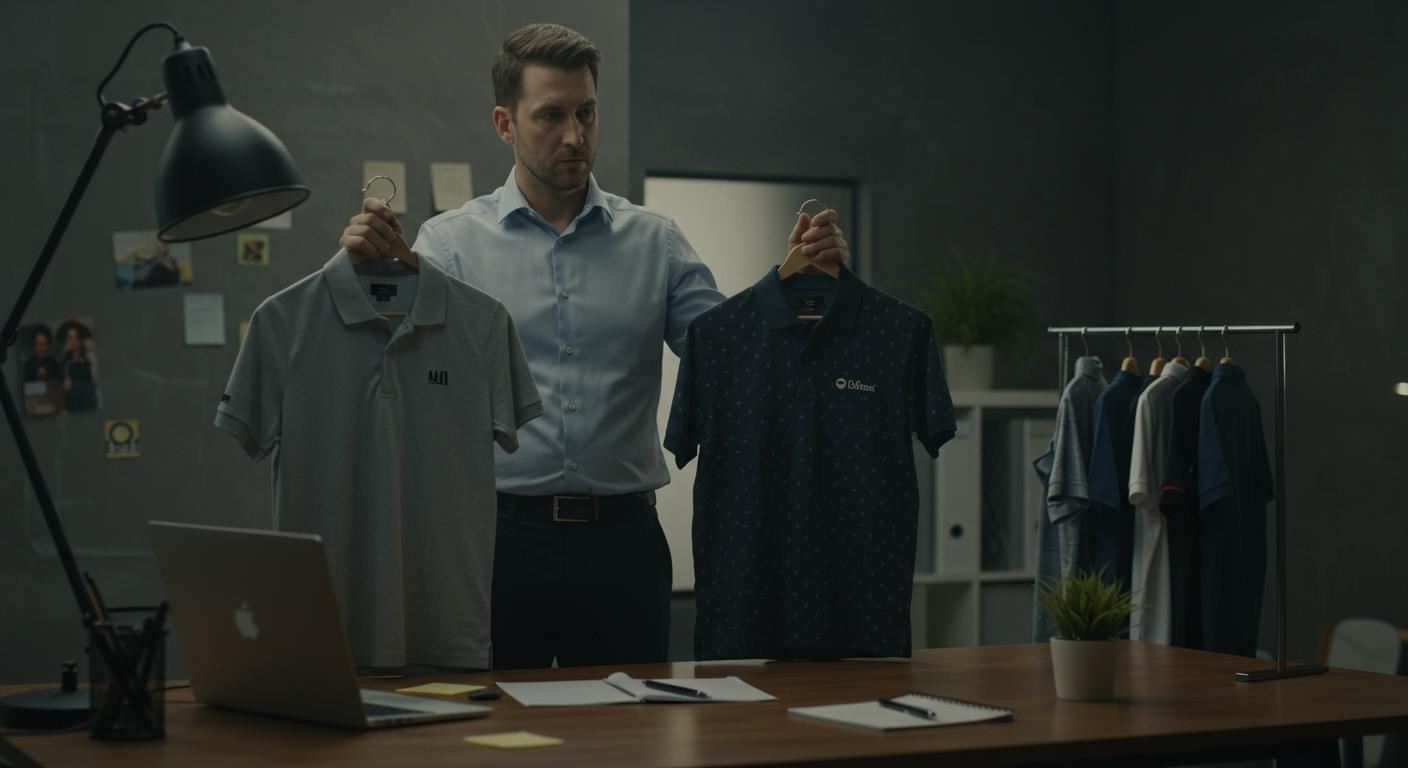
You want your business to stand out with a polo shirt design that feels professional and comfortable. Many businesses see real results with custom apparel:
64% notice a stronger brand image.
To choose wisely, focus on these factors:
Shirt type, including high-quality cotton blends for comfort and durability.
Brand quality, which helps your business look sharp.
Customization, such as proper logo placement for visibility.
Order quantity, which can save your business money.
Colors and design complexity, which affect cost and style.
A tailored fit gives your business a polished look. The right choices help your business project confidence and unity.
Key Takeaways
Choose high-quality fabrics like cotton blends for comfort and durability.
Understand your team’s needs to select the right polo shirt style and fit.
Consider logo placement carefully for maximum visibility and professionalism.
Request samples to evaluate fabric, fit, and color before ordering in bulk.
Involve your team in the selection process to ensure satisfaction and comfort.
Plan your budget wisely to balance cost and quality for custom polo shirts.
Select classic colors for a professional look while reflecting your brand identity.
Explore customization options to enhance your team’s image and unity.
Team Needs Assessment
Choosing the right polo shirt design starts with understanding your team’s needs. You want to make sure every member feels comfortable and confident, whether they wear the shirts as employee uniforms or for special occasions. Begin by clarifying why your team needs polo shirts and what features matter most.
Purpose and Use
Before you select a style, ask yourself how your team will use these shirts. Polo shirts serve several important roles in business settings:
Many companies use polo shirts as employee uniforms because they offer comfort and a professional look.
Teams often wear polo shirts at events to create a unified appearance.
Businesses choose polo shirts for promotional purposes, adding logos or messages to boost brand visibility.
If your team wears polo shirts daily as uniforms, focus on durability and easy care. For events, you might prioritize style and color to match your brand. When you use polo shirts for promotional campaigns, customization and logo placement become key.
Uniforms
Uniforms play a vital role in shaping your team’s image. When you select polo shirts as employee uniforms, you help your team look organized and approachable. Uniforms also make it easier for customers to identify staff members. You should consider how the shirts will hold up to frequent washing and daily wear. Choose fabrics that resist fading and keep their shape. This ensures your uniforms always look sharp.
Events
Events give your team a chance to stand out. Matching polo shirts help your team look cohesive and professional at trade shows, conferences, or community gatherings. For these occasions, you can experiment with colors or limited-edition designs. Make sure the shirts still reflect your brand and offer comfort for long hours.
Team Preferences
Your team will appreciate polo shirts that fit well and feel good. Take time to gather feedback about what your team wants in employee uniforms. Consider age, gender, and body type when you make your choices.
Fit
Fit affects both comfort and appearance. Some team members prefer a classic fit, while others like a more tailored look. Offer options when possible. A good fit helps your team feel confident and ready to represent your business.
Size Range
You want every team member to feel included. Today, many businesses focus on inclusivity and diversity when choosing uniforms. The market now offers gender-neutral and extended sizing options. This trend ensures everyone on your team finds a comfortable fit.
Trend | Description |
|---|---|
Inclusivity and Diversity | The market is focusing on gender-neutral and inclusive sizing options, reflecting societal movements towards diversity. |
Tip: Survey your team before placing an order. Ask about preferred fits and sizes. This step helps you avoid common sizing issues and ensures your uniforms work for everyone.
By assessing your team’s needs, you set the stage for successful employee uniforms, memorable events, and effective promotional campaigns. Your attention to detail will help your team feel valued and ready to shine.
Polo Shirt Buying Guide
Choosing the right fabric is the foundation of any successful polo shirt buying guide. The fabric you select will impact comfort, durability, and how your team feels throughout the day. Understanding the differences between cotton blends, polyester, and performance fabrics helps you make an informed decision.
Fabric Options
The most popular fabrics for business polo shirts include cotton, blends, and performance materials. Each type offers unique benefits and drawbacks.
Description | |
|---|---|
Cotton Polo Shirts | Traditional polo shirts made from cotton fabric, known for their breathability and comfort. |
Performance Polo Shirts | Polo shirts constructed from moisture-wicking, quick-drying materials suitable for athletic activities. |
Blend Polo Shirts | Polo shirts made from a combination of materials, such as cotton-polyester blends, offering enhanced durability and performance. |
Cotton Blends
Cotton blends combine the softness of cotton with the strength of synthetic fibers. You get a shirt that feels soft and breathable, yet resists shrinking and fading. Many teams prefer cotton blends because they balance comfort and durability. Cotton blends also tend to be more affordable than pure cotton, making them a practical choice for large orders.
Polyester
Polyester polo shirts stand out for their durability and resistance to wrinkles and fading. These shirts hold their shape after many washes. However, polyester is less breathable than cotton, which can make it feel warmer in hot conditions. Some team members may notice a synthetic feel. Polyester shirts often cost less, so they work well for businesses with tight budgets.
Performance Fabrics
Performance fabrics use advanced technology to keep wearers comfortable and dry. These shirts often feature moisture-wicking properties, which pull sweat away from the skin. Performance polos are highly breathable and maintain their shape over time. Many brands add features like UV protection, odor control, and stretch for active roles. Performance fabrics suit teams that work outdoors or need to stay cool during long events.
Fabric Type | Breathability | Durability | Cost Comparison |
|---|---|---|---|
Cotton | Naturally breathable | Moderate | Generally more expensive |
Polyester | Less breathable | High, resists fading | Generally more affordable |
Performance Fabrics | Excellent moisture-wicking | High, maintains shape | Varies, often similar to polyester |
Durability and Comfort
You want your team to feel comfortable and look sharp all day. The right fabric technology can make a big difference in both comfort and longevity.
Breathability
Breathable fabrics help regulate body temperature and keep your team feeling fresh. Cotton and performance blends are especially breathable, making them ideal for warm environments or active roles. Many teams praise moisture-wicking fabrics for their ability to keep wearers dry and comfortable. If your team works outdoors or in hot spaces, prioritize shirts that offer maximum airflow.
Tip: Look for shirts with laser-cut ventilation or mesh panels. These features improve airflow and make the shirt even more breathable.
Easy Care
Easy-care fabrics save time and keep your team looking professional. Polyester and many blends resist wrinkles and stains, so you spend less time ironing or replacing shirts. Performance polos maintain their shape and color after repeated washing. This means your investment lasts longer and your team always looks its best.
Many business teams appreciate shirts that combine durability with comfort. They often praise shirts that resist shrinking and fading, while still feeling soft and breathable. Some common complaints include polyester shirts feeling less breathable and having a synthetic texture. Most teams prefer cotton or blends for comfort, but performance fabrics win points for moisture management and easy care.
Modern polo shirts also offer features that enhance comfort and durability:
Moisture-wicking fabrics regulate temperature and keep wearers dry.
Stretch blends improve fit and allow for a greater range of motion.
Snag-resistant materials add durability for high-contact environments.
Odor control finishes support hygiene, especially in foodservice or healthcare.
UV protection is ideal for outdoor teams and event staff.
Sustainable materials, such as recycled polyester or organic cotton, support environmental goals.
Performance polos are designed to maintain their shape and performance even after many washes. This ensures long-lasting comfort and durability for your team.
When you follow this polo shirt buying guide, you can confidently select shirts that balance breathability, durability, and style. Your team will appreciate the comfort, and your business will benefit from a polished, professional look.
Polo Shirt Design and Fit

Selecting the right design and fit for your business polo shirts shapes how your team looks and feels. You want your team to appear professional and feel comfortable during every shift or event. The right choices help your team project confidence and unity.
Perfect Fit for Team Outfitting
You should focus on finding the perfect fit for team outfitting. The fit of a polo shirt affects both comfort and the image your team presents. A well-chosen fit helps your team look polished and feel at ease, no matter the work environment.
Classic Fit
Classic fit polo shirts offer a traditional look. They provide a relaxed silhouette that suits most body types. You get extra room in the chest and sleeves, which allows for easy movement. This fit works well for teams who value comfort and a timeless style. Classic fit polos often serve as the standard choice for many businesses.
Tailored Fit
Tailored fit polos create a sharp, modern appearance. These shirts feature a slimmer cut through the body and sleeves. You see fewer wrinkles and a more structured look. Tailored fits work well for both men and women who want a professional edge. Many corporate teams prefer this style because it enhances the overall image of the group.
Relaxed Fit
Relaxed fit polos give maximum comfort. They offer extra space in the shoulders, chest, and waist. This fit works best for teams who need freedom of movement or have a wide range of body shapes. Relaxed fit polos suit active roles or casual business settings.
You can see how fit impacts both comfort and professionalism in the table below:
Feature | Description |
|---|---|
Moisture-wicking fabrics | Keeps teams dry under winter layers |
Breathability | Prevents overheating indoors |
Odor control | Maintains freshness during long, active shifts |
Tailored fits | Ensures a polished appearance for both men and women |
Tip: Ask your team for feedback before you order. You can offer a mix of fits to ensure everyone feels comfortable and confident.
Style Choices
Style choices help your business stand out while maintaining a professional look. You should consider collar types, sleeve lengths, and color options when selecting polo shirts for your team.
Collar Types
Most business polo shirts feature a classic collared design. The collar adds structure and formality, making the shirt suitable for office settings and customer-facing roles. Some polos use a ribbed collar for a sporty touch, while others have a flat knit collar for a sleek appearance. You can choose the collar style that matches your brand’s personality.
Sleeve Length
Sleeve length affects both comfort and style. Short sleeves remain the most popular choice for business polo shirts. They keep your team cool and allow for easy movement. Long-sleeve polos offer extra coverage and warmth, which works well for cooler climates or layered uniforms.
The table below shows the most common style choices for business polo shirts:
Style Type | Collar Type | Sleeve Length |
|---|---|---|
Classic Polo | Collared | Short |
Slim-fit Polo | Collared | Short |
Long-sleeve Polo | Collared | Long |
Performance Polo | Collared | Short |
Pique Polo | Collared | Short |
Jersey Polo | Collared | Short |
Customized Polo | Collared | Short |
Note: Short-sleeve, collared polos remain the top pick for most business teams.
When you select colors, classic options like black, white, and navy work best for business settings. These colors look professional and match most branding needs. You can also add accent colors or piping to reflect your company’s identity without losing a polished appearance.
You create a unified and professional team image by choosing the right fit, style, and color. Your team will feel comfortable and ready to represent your business with pride.
Custom Polo Shirts Branding
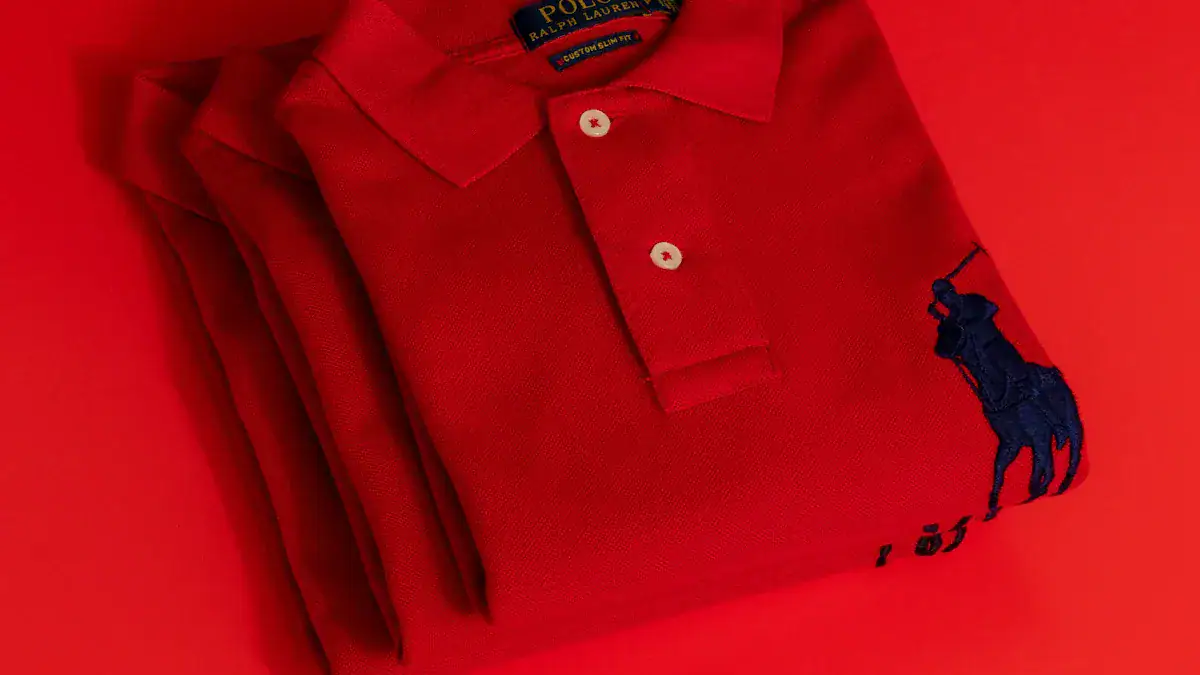
Branding plays a key role when you want your team to look professional in custom polo shirts. The right branding choices help your business stand out and make a lasting impression. You need to focus on logo placement and the method you use to apply your logo. These decisions affect both the look and the lifespan of your best custom polo shirts.
Logo Placement
You want your logo to be visible and professional on your custom polo shirts. The placement of your logo can change how people see your brand. The best custom polo shirts use strategic logo placement to maximize visibility and create a polished appearance.
Placement | Recommendation |
|---|---|
Left Chest | Most common placement for visibility |
Right Sleeve | Secondary common placement for logo visibility |
Avoid | Seams, buttons, or fabric folds that distort logos |
Chest
The left chest is the most popular spot for logos on custom polo shirts. This area gives your logo high visibility without overwhelming the shirt. You create a balanced look that works well for both formal and casual settings. The best custom polo shirts often feature a left chest logo because it looks professional and draws attention.
Sleeve
You can also place your logo on the right sleeve. This option works well if you want to add a secondary logo or highlight a sponsor. Sleeve logos on custom polo shirts give your team a unique look. They also help your brand stand out at events or in group photos. The best custom polo shirts use sleeve logos to add extra branding without cluttering the main design.
Back
Some businesses choose to add a logo to the back of custom polo shirts. This placement works best for larger logos or messages. You might use the back for a company slogan or event name. The best custom polo shirts use back logos for special occasions or promotional campaigns. Make sure the logo does not sit on seams or folds, as this can distort the design.
Tip: Always avoid placing logos on seams, buttons, or fabric folds. These areas can distort your logo and reduce the professional look of your best custom polo shirts.
Embroidery vs. Printing
You have two main options for adding your logo to custom polo shirts: embroidery and printing. Each method offers unique benefits and drawbacks. The best custom polo shirts use the method that fits your brand’s needs and your team’s daily activities.
Method | Advantages | Disadvantages |
|---|---|---|
Embroidery | Premium look, superior durability, color retention | Detail limitations, higher cost, fabric sensitivity |
Printing | Cost efficiency, color precision, design freedom | Less durable, breathability impact, casual appearance |
Embroidery
Embroidery gives your custom polo shirts a premium, upscale look. You get a logo that stands out with raised stitching and vibrant thread colors. Embroidered logos last longer than printed ones. In fact, embroidery often outlasts the shirt itself. This makes embroidery the top choice for the best custom polo shirts in business settings. You should note that embroidery works best for simple logos. Intricate designs may not translate well. Embroidery can also feel stiff on lightweight fabrics, so choose your shirt material carefully.
Printing
Printing offers more flexibility for complex or colorful logos. You can achieve exact color matches and special effects with printing. This method works well if you need many custom polo shirts at a lower cost. Printed logos allow for detailed artwork and creative designs. However, printed logos do not last as long as embroidery. Over time, prints may fade or crack, especially after repeated washing. Large printed areas can also reduce the breathability of your best custom polo shirts. Printing gives a more casual look, which may not suit all business environments.
Note: Embroidered logos have a much longer lifespan than printed logos. If you want your custom polo shirts to look sharp for years, choose embroidery for the best results.
You can create the best custom polo shirts for your business by choosing the right logo placement and branding method. Focus on visibility, durability, and the image you want to project. Your team will look professional, and your brand will leave a strong impression.
Budget and Order Planning
Planning your budget and order for custom polo shirts helps you get the best value for your business. You want to balance cost, quality, and the features that matter most. Careful planning ensures you receive shirts that look professional and last.
Cost vs. Quality
You face many choices when you order custom polo shirts. You want to set a clear budget and decide which features offer the most value for your team.
Setting a Budget
Start by deciding how much you want to spend on each custom shirt. Think about the total number of shirts you need and the features you want. A higher price often means better fabric, more durable stitching, or advanced custom options. You can use a simple list to help you set your budget:
Number of custom shirts needed
Preferred fabric type
Custom logo placement
Embroidery or printing method
Extra features like moisture-wicking or UV protection
You should compare prices from different suppliers. Some suppliers offer better value for large orders or for shirts with fewer custom features. Always check what is included in the price, such as setup fees or shipping.
Prioritizing Features
You want to focus on features that give you the best value for your budget. Many businesses look for custom options, durability, and order quantity discounts. The table below shows the most common features businesses prioritize:
Feature | Description |
|---|---|
Customizable Options | Options for embroidery, logo placement, and various fabric choices. |
Durability | Heavier fabric that resists stains and wrinkles. |
Impact of Order Quantity | Pricing benefits based on the volume of the order. |
Custom options let you choose the best logo placement and fabric for your needs. Durability ensures your custom shirts last longer and keep their shape. Order quantity can affect the price you pay per shirt.
Tip: Make a list of must-have custom features and nice-to-have extras. This helps you stay within your budget and get the best value.
Order Quantity
The number of custom shirts you order affects the price and the options available to you. Planning your order size helps you save money and meet your team’s needs.
Bulk Discounts
Ordering custom shirts in bulk often lowers the price per shirt. Many suppliers offer discounts when you order larger quantities. You can use these savings to add more custom features or upgrade to better fabric. Always ask suppliers about bulk pricing and minimum order requirements.
Sizing Mix
You want to order the right mix of sizes for your team. Ask for a size chart from your supplier and collect sizing information from your team before you order. A good sizing mix ensures everyone gets a custom shirt that fits well. This step helps you avoid extra costs for reorders or exchanges.
Note: Double-check your sizing mix before placing your order. Accurate sizing helps you get the most value from your custom shirt investment.
Careful budget and order planning help you get the best price, quality, and custom features for your business. You create a professional look for your team and maximize the value of your investment.
Review and Feedback
You want your team to feel confident in their new polo shirts. Reviewing samples and gathering feedback ensures your final order meets expectations for comfort, professional appearance, and durability. This step helps you avoid costly mistakes and guarantees satisfaction.
Sample Evaluation
You should always request samples before placing a large order. Samples allow you to check comfort and durability firsthand. You can see how the fabric feels and how the shirts fit your team members. This process helps you confirm that the shirts provide the comfort your team needs for active workdays.
Fabric and Fit Check
Start by examining the fabric. Hold the shirt and stretch it gently. You want a shirt that feels soft but remains durable after repeated use. Ask team members to try on the samples. Notice how the shirts fit across different body types. A good fit supports comfort and a professional appearance. You should look for shirts that allow active movement without feeling tight or restrictive.
Tip: Encourage team members from various roles to test the shirts. Active staff may need more flexible fabrics, while office staff may prefer a tailored look.
Color Accuracy
Check the color of each sample under different lighting conditions. You want the color to match your brand and maintain a professional appearance. Compare the sample to your brand guidelines. Consistent color helps your team look unified and active at events or in daily work.
Evaluation Step | What to Look For |
|---|---|
Fabric Feel | Softness, comfort, durability |
Fit | Range of motion, tailored look |
Color | Brand match, consistency |
Team Feedback
You need input from your team to make the best decision. Collecting opinions helps you choose shirts that offer comfort and durability for every role. You want everyone to feel included and active in the selection process.
Collecting Opinions
Gather feedback using surveys or informal discussions. Regularly ask your team about their apparel needs. Focus on inclusivity by offering a range of sizes, styles, and fits. You can use these methods to collect feedback:
Survey team members about comfort and fit preferences.
Ask for opinions on color and style.
Encourage feedback from active staff and office staff.
Assess needs by role to determine specific requirements.
Engage with managers or representatives to gather insights on features like breathability and durability.
Note: Involving your team in the review process increases satisfaction and ensures the shirts meet comfort and durability standards.
Final Adjustments
Review the feedback and make necessary changes. Adjust sizing, fit, or color based on team input. You want the final order to reflect your team’s preferences and support a professional appearance. Make sure the shirts allow active movement and provide lasting comfort.
You create a positive experience by involving your team in the review and feedback process. This approach leads to a more active, unified, and professional appearance for your business.
You can select the best polo shirt design for your team by following these steps:
Pick colors and logo placement that reflect your brand.
Request samples to check quality.
Work with trusted suppliers.
Benefit | Description |
|---|---|
Custom shirts boost company culture and visibility. | |
Improved Team Spirit | High-quality polos foster unity and pride. |
Start now by exploring design tools or reaching out to suppliers. Your team will appreciate the comfort and professional look.
FAQ
What is the best fabric for business polo shirts?
Cotton blends offer comfort and durability. You get breathability and easy care. Polyester works well for high durability. Performance fabrics suit active teams. Choose based on your team’s needs.
How do you choose the right fit for your team?
Survey your team for preferences. Classic fits suit most body types. Tailored fits give a sharp look. Relaxed fits provide extra comfort. Offer options to ensure everyone feels confident.
Where should you place your logo on a polo shirt?
You should place your logo on the left chest for maximum visibility. Sleeve placement works for secondary branding. Avoid seams and folds to keep your logo looking professional.
Should you choose embroidery or printing for your logo?
Embroidery gives a premium look and lasts longer. Printing allows for detailed designs and costs less. Use embroidery for simple logos. Choose printing for complex artwork.
How do you order the correct size mix?
Request a size chart from your supplier. Collect sizing information from your team before ordering. Double-check the mix to avoid reorders or exchanges.
What colors work best for business polo shirts?
Classic colors like black, navy, and white look professional. You can add accent colors to match your brand. Use a table to compare color options:
Color | Professional | Brand Match |
|---|---|---|
Black | ✅ | ✅ |
Navy | ✅ | ✅ |
White | ✅ | ✅ |
Accent | ❌ | ✅ |
How do you care for custom polo shirts?
Wash shirts in cold water. Avoid bleach. Tumble dry on low heat. Follow care instructions to maintain color and shape.
Can you order samples before placing a large order?
Yes, you should request samples. Samples let you check fabric, fit, and color. You can make adjustments before finalizing your order.