

Understanding Fleece Jackets and How to Select the Right One
Table of Contents
Display
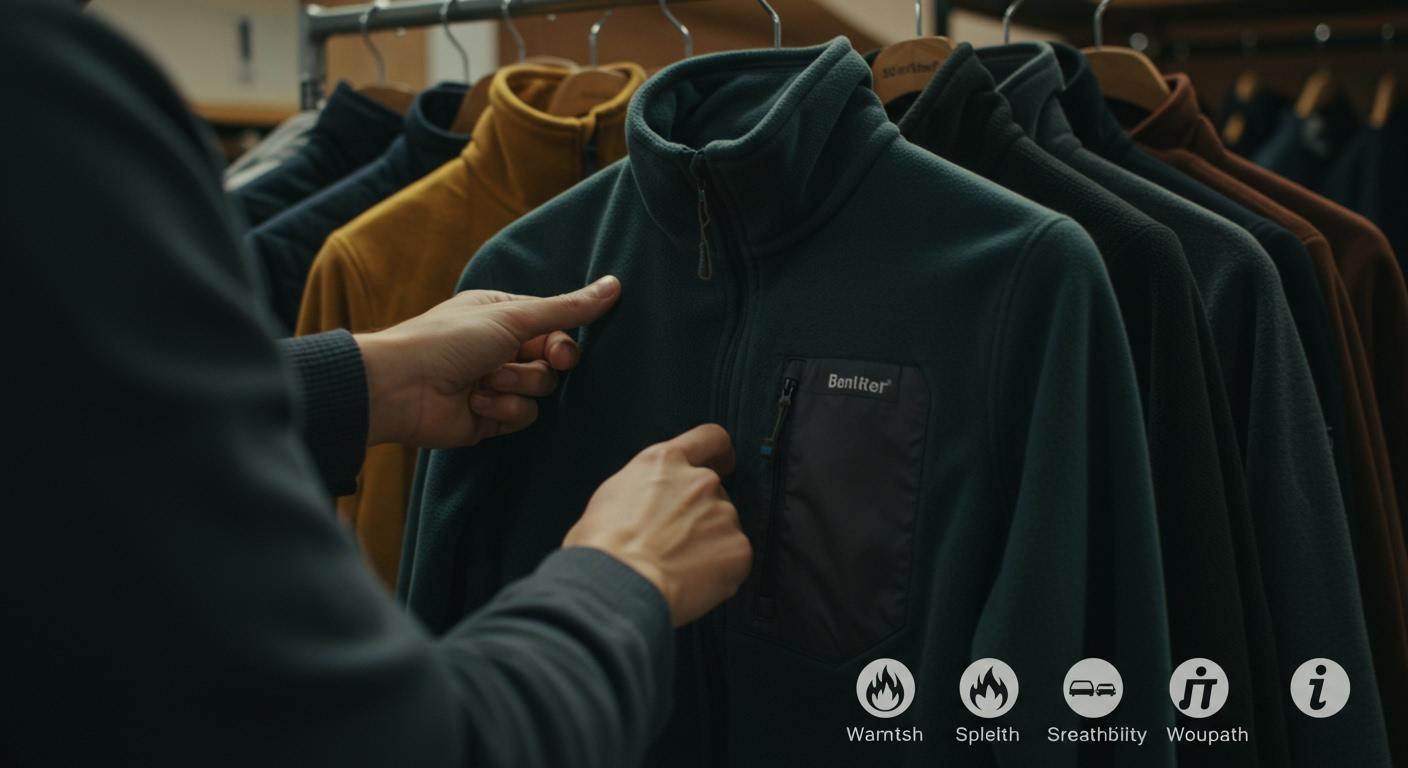
I remember standing in front of a rack of fleece jackets, feeling overwhelmed by the choices. I wanted something light, comfortable, and good for the environment. Many people, like me, look for jackets that use recycled materials and offer new fabric technology for better performance. When I pick clothing fleece jackets, I focus on comfort and versatility. So many options exist, yet matching features to my needs makes all the difference.
Key Takeaways
Identify your needs before choosing a fleece jacket. Consider where and how you will use it.
Match the fleece type to your activity level. Lightweight fleece is best for high-intensity activities, while heavyweight fleece suits cold, stationary use.
Pay attention to fabric and weight. Different fleece types offer unique benefits for warmth and breathability.
Layering is key for adapting to changing weather. Use fleece jackets as mid-layers for warmth and moisture management.
Check for important features like zippers, pockets, and hoods. These details enhance comfort and functionality.
Consider sustainability. Look for fleece jackets made from recycled materials to support eco-friendly practices.
Test the fit and comfort of the jacket. Ensure it allows for movement and feels good when worn.
Care for your fleece jacket properly. Wash in cold water and air dry to maintain its quality and longevity.
Choosing the Right Fleece Jacket
Identify Your Needs
When I start choosing the right fleece jacket, I always ask myself what I need most. I think about where I plan to wear it. If I want something for city life, I look for warmth and style. For outdoor adventures, I focus on lightweight and breathable options. The intended use matters a lot. In urban settings, a bulkier fleece like the Patagonia Lightweight Synchilla works well. It keeps me warm and looks good with casual outfits. For hiking or running, I prefer something like The North Face FutureFleece. It feels light and lets my body breathe during activity.
I also consider the climate. If I live somewhere with unpredictable weather, I need a jacket that layers easily. Layering helps me adapt to changing conditions. Fleece jackets serve as great mid-layers. They provide warmth and insulation without making me feel bulky. I pay attention to fabric choices, too. Good fleece manages moisture and keeps me comfortable.
Tip: Before buying, I always define the jacket’s main purpose. This helps me decide on features like fabric weight, style, and durability.
Activity and Environment
My activities shape the kind of fleece jacket I choose. When I hike or run, I sweat more and move fast. I need a jacket that breathes well and feels light. For slower-paced adventures or daily wear, I want moderate warmth and comfort. If I spend time outside in cold weather without moving much, I pick a heavyweight fleece for extra insulation.
Here’s a table that helps me match fleece types to my activity level:
Fleece Type | Activity Level | Breathability | Warmth Level | Ideal Use Case |
|---|---|---|---|---|
Lightweight | High-intensity (e.g., trail running) | High | Low | Ideal for vigorous activities with sweat |
Midweight | Slower-paced adventures | Moderate | Moderate | Good for everyday wear and moderate activities |
Heavyweight | Cold weather/stationary | Low | High | Best for cold conditions without much movement |
I use this table to decide which jacket fits my needs. If I plan to run on chilly mornings, I grab a lightweight fleece. For weekend hikes, I reach for midweight. When I watch outdoor sports in winter, I rely on heavyweight fleece jackets.
Layering is essential for adapting to unpredictable weather.
Fleece jackets work best as mid-layers, giving me warmth and insulation.
The right fabric keeps me comfortable and manages moisture.
When I shop for clothing fleece jackets, I always match the features to my activities and environment. This approach helps me stay comfortable and prepared, no matter where I go.
Clothing Fleece Jackets: Fabric and Weight
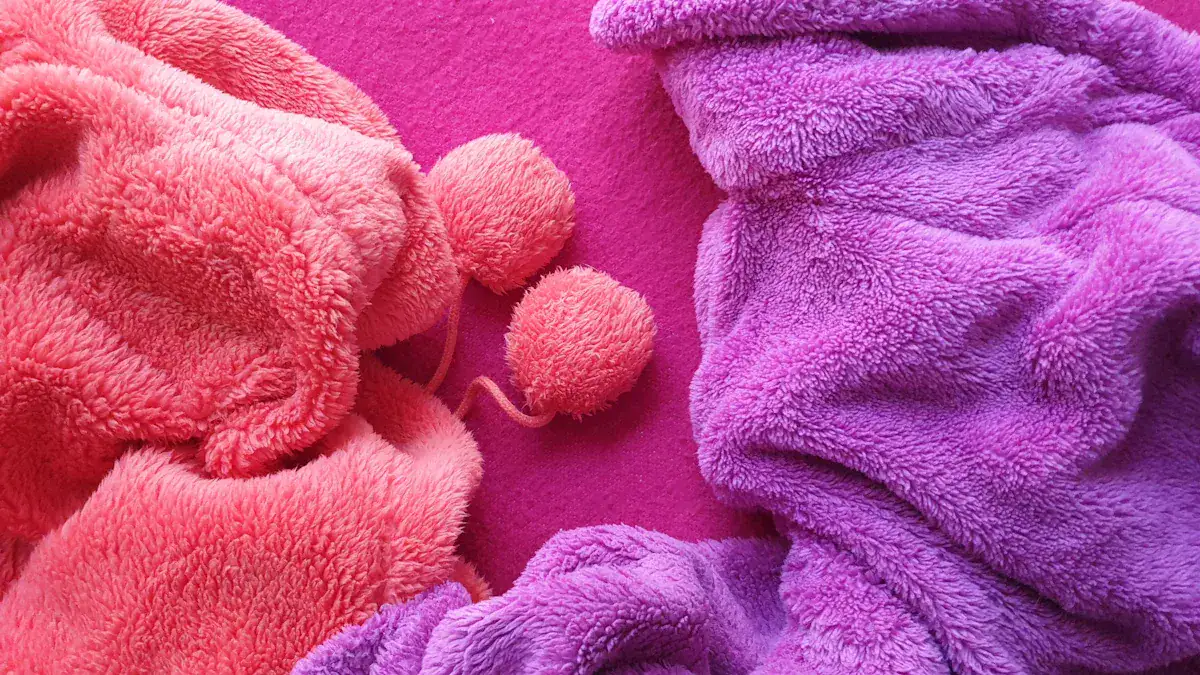
When I shop for fleece jackets, I pay close attention to the fabric and weight. These details affect warmth, comfort, and how well the jacket fits my needs. I learned that not all fleece is the same. Each type offers unique benefits for different activities.
Fleece Types
I often see several types of fleece when I look at clothing fleece jackets. Here’s what I notice:
Polar Fleece: This is the thickest option. It keeps me warm in cold weather and works best for winter jackets or outdoor adventures.
Microfleece: I like microfleece for exercise and layering. It feels light and doesn’t make me overheat, but still holds warmth.
Cotton-Blended Fleece: This blend uses cotton and synthetic fibers. It lets air flow and feels comfortable for light activities or relaxing at home.
French Terry Fleece: One side feels smooth, and the other has soft loops. It absorbs sweat and lets air move, so I wear it for casual outings or workouts.
Microfleece
Microfleece feels soft and light. I wear it when I need a layer that won’t weigh me down. It works well for running or hiking because it keeps me warm without trapping too much heat.
Lightweight
Lightweight fleece jackets are my go-to for active days. They breathe well and suit mild cold. I use them for layering or when I want freedom to move.
Midweight
Midweight fleece gives me a balance of warmth and breathability. I wear these jackets for everyday use or moderate outdoor activities. They keep me comfortable without feeling bulky.
Heavyweight
Heavyweight fleece jackets offer the most insulation. I choose them for cold, stationary activities. The extra thickness helps me stay warm, but they can feel less breathable.
High-Pile vs. Low-Pile
I notice a big difference between high-pile and low-pile fleece. High-pile fleece, like Blizzard fleece, traps more air with its longer plush fibers. This design keeps me warmer and feels cozier. Low-pile fleece has shorter fibers, so it feels lighter and less bulky. I pick high-pile for maximum warmth and low-pile for layering or active use.
Tip: High-pile fleece is best for cold, relaxed settings. Low-pile fleece works well for movement and layering.
Material Blends
Material blends change how fleece jackets feel and perform. I prefer blends with polyester and spandex. These jackets stretch with my movements, whether I’m lifting, bending, or hauling gear. The polyester makes the jacket durable and soft. Spandex adds flexibility, so I never feel pinched or restricted. Some jackets use waffle-knit fleece, which locks in heat but lets air move. I find these blends perfect for performance and comfort.
When I choose clothing fleece jackets, I always check the fabric type, weight, and blend. These factors help me match the jacket to my activity and climate. The right fleece jacket keeps me warm, comfortable, and ready for anything.
Warmth, Breathability, and Comfort
Insulation
When I choose fleece jackets, I always think about how much warmth I need. Fleece provides good insulation, but it does not match the warmth of down or synthetic jackets. I often compare different insulation types before making a decision. Here is a table that helps me understand how fleece stacks up against other options:
Insulation Type | Warmth Rating |
|---|---|
Down | Excellent |
Synthetic | Very good |
Wool | Good |
Fleece | Not good |
I reach for fleece jackets when I want a balance between warmth and breathability. They work best as midlayers. I use them under a shell or over a base layer. Fleece keeps me comfortable during active days, but I do not rely on it for extreme cold. For freezing temperatures, I pick down or synthetic jackets instead.
Breathability
Breathability matters a lot to me, especially when I stay active. Fleece jackets let air move through the fabric, which helps me avoid overheating. Some materials perform better than others. I look at the fabric’s breathability and moisture management before buying. Here is a table that shows how different materials compare:
Material | Breathability | Moisture Management | Weight (GSM) | Durability | Notes |
|---|---|---|---|---|---|
Alpha Direct | Best-in-class | Repels water | 60-190 | Fragile | Requires pairing with a windbreaker for optimal performance. |
Primaloft Active | High | Absorbs sweat | 120 or below | Moderate | Similar to Alpha Direct but less hydrophobic. |
Teijin Octa | High | Absorbs water | 80 | High | More durable than Alpha Direct but less breathable. |
Toray Karuishi | Moderate | Absorbs water | N/A | Very High | Most durable, but less breathable and warm compared to others. |
I prefer Alpha Direct for its top breathability, but I know it needs extra protection from wind. Primaloft Active and Teijin Octa also work well for moisture control. When I plan to sweat, I pick fleece jackets with these materials. They keep me dry and comfortable during hikes or runs.
Tip: I always check the fabric’s weight and durability. Lighter fleece breathes better, but heavier fleece lasts longer.
Fit and Design
Comfort means everything to me when I wear fleece jackets. I pay close attention to how the jacket fits and feels. Many users, including myself, love the soft and warm material. It feels cozy, almost like wearing pajamas. I look for an oversized fit because it lets me layer underneath without feeling tight. The right design makes a big difference in comfort.
Soft, plush material adds warmth and comfort.
Oversized fit allows easy layering.
Cozy feel makes fleece jackets perfect for relaxing or staying active.
When I shop for clothing fleece jackets, I always try them on to check the fit. I move my arms and shoulders to make sure nothing feels restrictive. A good fleece jacket should feel like a second skin—soft, warm, and never stiff.
Key Features
Zippers and Closures
When I shop for fleece jackets, I always check the zippers and closures first. A high-quality zipper makes a big difference in daily use. I prefer jackets with full-length zippers because they let me control ventilation. If I feel too warm, I can open the jacket halfway or all the way. Some jackets use half-zip designs. These work well for layering and keep the jacket lighter. I also look for zipper garages at the top. These small fabric covers prevent the zipper from rubbing against my chin or neck.
Some fleece jackets use snap buttons or Velcro closures. I find these less common, but they can add style or make the jacket easier to put on and take off. I always test the zipper before buying. A smooth, sturdy zipper means fewer problems later. I also check if the zipper is two-way. This feature lets me open the jacket from the bottom, which helps when I sit or need extra movement.
Pockets
Pockets are one of my favorite features of fleece jackets. I use them to keep my hands warm or store small items like keys, a phone, or snacks. Most jackets have two hand pockets on the sides. Some add chest pockets for extra storage. I like zippered pockets because they keep my belongings secure. When I hike or travel, I want to know nothing will fall out.
Some fleece jackets have inside pockets. These work well for valuables or items I want to keep close. I also look for pockets lined with soft fabric. They feel comfortable on cold days. For active use, I prefer jackets with mesh-lined pockets. These add breathability and reduce bulk. I always check pocket placement. High pockets stay accessible when I wear a backpack or harness.
Tip: I always test the pockets by putting my hands inside and moving around. Good pockets should feel natural and not get in the way.
Hoods
A hood adds a lot of value to fleece jackets. I reach for hooded jackets when I expect wind or light rain. The hood keeps my head warm and blocks cold air. Some hoods fit snugly, while others feel loose and relaxed. I prefer adjustable hoods with drawstrings. These let me tighten the hood for a better fit.
Features like fitted hoods, thumb loops, elastic cuffs (to create a tight seal), and drawstring hems also work together to block wind and retain heat.
I notice that not every fleece jacket includes a hood. When I want maximum warmth and versatility, I choose a jacket with a fitted hood. This feature helps me stay comfortable in changing weather. I also check if the hood fits under a helmet. For outdoor sports, this detail matters. A good hood should move with my head and not block my vision.
When I compare the features of fleece jackets, I always consider how the hood, zippers, and pockets work together. These details help me pick the best jacket for my needs.
Cuffs and Hems
When I look at fleece jackets, I always check the cuffs and hems. These small details make a big difference in how the jacket feels and performs. I want cuffs that seal out cold air and keep my wrists warm. Elastic cuffs work best for me. They stretch to fit snugly but never feel tight. Some jackets use adjustable Velcro cuffs. I like these because I can change the fit depending on my activity. If I wear gloves, I loosen the cuffs. When I need extra warmth, I tighten them.
Hems matter just as much. I prefer jackets with drawcord hems. I pull the cord to keep cold wind from sneaking in. This feature helps me trap heat inside the jacket. Some fleece jackets have straight hems. These look casual and work well for everyday wear. For outdoor adventures, I choose jackets with adjustable hems. They give me more control over warmth and fit.
Here is a quick table that shows the types of cuffs and hems I find most useful:
Feature | Benefit | Best Use Case |
|---|---|---|
Elastic cuffs | Seal out cold, easy to wear | Hiking, running |
Velcro cuffs | Adjustable fit | Layering, winter sports |
Drawcord hem | Traps heat, blocks wind | Cold weather, camping |
Straight hem | Casual look, easy movement | Urban, travel |
Tip: I always test the cuffs and hems before buying. I move my arms and bend over to see if the jacket stays comfortable and keeps out drafts.
Thumb Loops
Thumb loops are one of my favorite features of fleece jackets. I use them when I want extra coverage for my hands. Thumb loops keep the sleeves in place, so they do not ride up when I move. This helps a lot during outdoor activities. When I hike or climb, I notice my sleeves stay put, and my hands stay warmer.
I remember one spring climbing trip in Boulder’s Flatirons. The sturdy thumb loops on my jacket kept my hands warm even when I clung to cold rock. I did not have to worry about my sleeves sliding up. Another time, I carried skis up a steep boot pack in Jackson Hole. The thumb loops shrugged off friction from the skis and protected my wrists.
One tester said it easily shrugged off friction from shouldered skis while heading up Jackson Hole’s notorious White Spider boot pack, and from the sandstone on Boulder’s Flatirons during a spring climbing mission, reported another. That Flatirons scrambler loved the Houdi’s two-way zipper that allowed him to more easily access his climbing harness as well as the sturdy thumb loops on the sleeves that kept his hands warm despite clinging to the cold rock.
Thumb loops also help when I layer my fleece jackets under other clothing. The sleeves stay smooth and do not bunch up. I find this feature especially useful for winter sports and hiking. Thumb loops add comfort and make the jacket more versatile.
When I think about the features of fleece jackets, cuffs, hems, and thumb loops stand out. These details improve warmth, fit, and function. I always look for them when I shop for new fleece jackets.
Layering with Fleece Jackets
Layering helps me stay comfortable in changing weather. I use fleece jackets in different ways depending on the temperature and my activity. I learned that the right layers keep me warm, dry, and ready for anything.
As a Midlayer
I often use fleece jackets as a midlayer. This position in my clothing system gives me the best balance of warmth and breathability. When I ski or hike in cold weather, I wear a base layer first, then add a fleece jacket. The fleece traps air, which keeps me insulated. I feel soft comfort against my skin, and the jacket lets moisture escape. I never feel clammy or overheated.
Here are some reasons why I choose fleece jackets as a midlayer:
It provides excellent breathability, allowing moisture to escape.
Fleece traps air, offering good insulation, making it ideal for activities like skiing.
I notice that fleece jackets work well for active days. They keep me warm without adding bulk. I can move freely and stay dry even when I sweat.
With Base Layers
I always start with a good base layer. The base layer moves sweat away from my body. I prefer synthetic or wool materials because they control moisture. After the base layer, I add my fleece jacket. This combination keeps me warm and dry.
Here is a table that shows how different layers work together:
Layer Type | Material | Functionality |
|---|---|---|
Base Layer | Synthetic/Wool | Moves sweat away from the body for moisture control. |
Mid Layer | Flannel | Regulates temperature and adds insulation while allowing breathability. |
Insulation Layer | Fleece | Provides warmth without bulk and retains insulating properties when damp. |
I find that fleece jackets retain their warmth even if they get damp. This feature helps me during long hikes or when the weather changes quickly. I always check that my base layer fits well under my fleece jacket. A good fit means better comfort and performance.
With Outer Shells
When the weather turns wet or windy, I add an outer shell over my fleece jacket. The shell blocks rain and wind. My fleece jacket keeps me warm underneath. I use this system for winter sports, hiking, and travel. The outer shell protects me from the elements, while the fleece jacket maintains insulation.
I choose lightweight shells for mild weather and heavier shells for harsh conditions. I make sure my fleece jacket fits easily under the shell. This setup lets me adjust my layers as needed. I remove the shell when I get too warm or add it when the wind picks up.
Layering with fleece jackets gives me flexibility. I stay comfortable in many environments. I can change my layers to match my activity and the weather. This system works for city life, outdoor adventures, and travel.
Sustainability
Recycled Materials
When I shop for fleece jackets, I always check the label for recycled materials. Many brands now use recycled polyester, often made from plastic bottles. This process gives new life to waste that would otherwise end up in landfills. I feel good knowing that my choice helps reduce the demand for new fossil fuels. Some companies even highlight the number of bottles used to make each jacket. I find this information helpful when I want to make a more sustainable choice.
I notice that recycled fleece jackets often perform just as well as those made from new materials. They keep me warm, feel soft, and last through many adventures. I also see that some brands use recycled zippers and trims. These small details add up and make a difference for the planet.
Note: Choosing fleece jackets with recycled content supports a circular economy and encourages more brands to adopt eco-friendly practices.
Environmental Impact
I have learned that fleece jackets, like most synthetic outerwear, have a significant environmental footprint. The production process uses polyester, which comes from fossil fuels. This leads to greenhouse gas emissions that contribute to climate change. I also discovered that making fleece jackets involves harmful chemicals. These chemicals can be toxic to both people and the environment.
When I wash fleece jackets, they shed tiny fibers called microplastics. These fibers travel through water systems and end up in rivers and oceans. Marine life can ingest these microplastics, which harms the ecosystem. I try to wash my fleece jackets less often and use a filter bag to catch microfibers.
Here are some key environmental concerns I consider when buying fleece jackets:
The production process uses chemicals that can harm human health and the environment.
Polyester comes from fossil fuels, increasing greenhouse gas emissions.
Fleece jackets do not biodegrade, so they add to landfill waste.
Washing fleece jackets releases microfibers that pollute marine environments.
Manufacturing consumes large amounts of water and creates chemical waste, leading to water pollution.
I believe that making informed choices can help reduce these impacts. I look for brands that use recycled materials, invest in cleaner production methods, and support take-back or recycling programs. Every small step counts when it comes to protecting the environment.
Fleece Jackets for Different Users
Backpackers
When I prepare for multi-day backpacking trips, I always look for fleece jackets that balance durability, weight, and smart features. I need a jacket that can handle rough trails and unpredictable weather. I have learned that some options stand out for backpackers. The Patagonia Better Sweater lasts through years of hiking. I trust its durability when I carry a heavy pack or scramble over rocks. For lightweight packing, I reach for the Rab Ascendor Light Hoody. It weighs less than seven ounces, so I barely notice it in my bag. I also value features like pit zips and multiple pockets. The North Face Retro Denali gives me large pit zips for ventilation and plenty of pockets for storing snacks or a map.
Here is a table that helps me compare the features I value most:
Feature | Description |
|---|---|
Durability | The Patagonia Better Sweater is noted for its exceptional durability, lasting through years of hiking. |
Weight & Packability | The Rab Ascendor Light Hoody is the lightest option at under 7 ounces, ideal for packing. |
Features | The North Face Retro Denali includes large pit zips and multiple pockets, enhancing functionality. |
I always choose clothing fleece jackets that combine these qualities. The best fleece jackets for backpackers help me stay comfortable and organized on the trail.
Hikers
When I plan a day hike, I think about warmth, breathability, and packability. I want a fleece jacket that keeps me warm but does not make me sweat too much. I consider the weather and how much I will move. I know that fleece jackets retain warmth even when wet, which gives me confidence if the weather changes. I also notice that windbreakers are lighter and easier to pack, but fleece provides better breathability during moderate exertion.
I look for a balance between warmth, moisture management, and packability.
Fleece jackets work well for warmth retention, even in damp conditions.
Windbreakers are lighter, which helps over long distances.
Fleece offers better breathability, preventing overheating during steady hiking.
For low weight and easy packing, windbreakers are ideal. For warmth and breathability, fleece jackets are preferred.
I always match my jacket to the day’s activity and weather. I find that the best fleece jackets keep me comfortable and dry, whether I hike in the sun or under cloudy skies.
Urban Use
When I commute or spend time in the city, I want fleece jackets that feel cozy and look stylish. I choose designs that offer comfort and warmth for layering. Casual styles give me a relaxed look, while performance styles help me stay active. I appreciate features like hoods and thumb loops, which add practicality. Weather-resistant materials keep me comfortable when the forecast changes. I find that fleece jackets meet the demands of daily life, from walking to work to meeting friends downtown. These jackets blend comfort, warmth, and style, making them a smart choice for urban use.
Travel
When I travel, I always pack fleece jackets because they help me adapt to different climates. I learned that fleece is lightweight and traps body heat, which makes it essential for cold destinations. I remember visiting Patagonia, where the weather changed quickly. I kept my fleece layer accessible at all times. This habit saved me from chilly winds and sudden drops in temperature.
I consider several factors before choosing which fleece jackets to bring on a trip. I want to stay comfortable, so I look for insulation layers that regulate my body temperature. Sometimes, I stop for a break or the temperature drops unexpectedly. My fleece jacket keeps me warm without adding bulk to my luggage.
Here are the most important things I think about when packing fleece jackets for travel:
Fleece is lightweight, so it does not weigh down my suitcase.
It traps body heat, which is crucial for cold climates.
I always keep a fleece layer within reach, especially in places with unpredictable weather.
Insulation layers help regulate my temperature during stops or sudden cold spells.
I choose between down and synthetic insulation depending on the weather. Each type has its own advantages.
I use a simple table to compare insulation options for travel:
Insulation Type | Weight | Warmth | Best Use Case |
|---|---|---|---|
Fleece | Light | Good | Layering, unpredictable weather |
Down | Light | Excellent | Dry, cold climates |
Synthetic | Moderate | Very good | Wet or humid conditions |
I prefer fleece jackets for layering because they work well in many situations. They fit easily under a shell or over a base layer. I can wear them on a plane, during city walks, or while hiking in the mountains. I also look for clothing fleece jackets that pack down small, so I have more space for other essentials.
When I travel, I always prepare for changing weather. Fleece jackets help me stay warm, comfortable, and ready for anything. I never leave home without one.
Buying Tips
Fit and Sizing
When I shop for fleece jackets, I always start by checking the fit and sizing. I want a jacket that feels comfortable and matches my body shape. I decide if I need a snug fit for layering or a looser fit for wearing as my main outer layer. A snug fit works best when I plan to wear the jacket under a shell or over a base layer. If I want more freedom of movement or plan to use the jacket alone, I choose a roomier style.
I pay attention to the length of the jacket. Some fleece jackets stop at the waist, while others cover my hips. Longer jackets keep me warmer in cold weather. I also check the sleeve length. Sleeves should reach my wrists without riding up when I move my arms. I always try on different sizes to find the best match. I move around, stretch, and lift my arms to see how the jacket feels. A good fit means I can layer easily and stay comfortable all day.
Testing Comfort
Comfort matters most when I pick clothing fleece jackets. I test each jacket in-store before making a decision. Here are the steps I follow:
I check the warmth and pile. Higher pile fleece feels softer and warmer, while lower pile works better for lightweight use.
I decide on the fit. I try both snug and loose styles to see which suits my needs. Snug fits help with layering, and loose fits work for primary wear.
I look at the construction. I choose jackets with breathable materials and sturdy zippers. I also consider water resistance and static-free fabrics for extra comfort.
I test the length and layering ability. I follow the three-layer rule to make sure the jacket fits well over a base layer and under a shell.
Tip: I always move around in the jacket. I bend, stretch, and reach to check if the jacket restricts my movement. If it feels good, I know I have found the right one.
Budget
Budget plays a big role in my decision. I set a price range before I start shopping for fleece jackets. I compare different brands and models to find the best value. Some jackets cost more because they use advanced materials or offer extra features. I look for sales or discounts to save money. I also consider long-term durability. A higher-priced jacket may last longer and perform better, making it a smart investment.
I use a simple table to compare options:
Price Range | Features Included | Durability | Best For |
|---|---|---|---|
Low | Basic warmth, few extras | Moderate | Casual, light use |
Mid | Better materials, pockets | Good | Daily wear, hiking |
High | Advanced tech, extras | Excellent | Outdoor sports |
I always balance cost with quality. I want a jacket that fits my needs and lasts through many adventures.
Care
Taking care of fleece jackets helps me keep them soft, warm, and looking new. I learned that proper care extends the life of my favorite layers. When I buy clothing fleece jackets, I always check the care label first. Each brand gives specific instructions, but I follow a few basic steps for every jacket.
I wash fleece jackets in cold water. Hot water can damage the fibers and cause pilling. I use a gentle cycle on my washing machine. I avoid fabric softeners because they leave a residue that reduces breathability. Mild detergent works best. I never use bleach. Bleach breaks down the material and fades the color.
Drying fleece jackets requires some attention. I prefer to air dry my jackets. I lay them flat on a clean towel or hang them up. If I use a dryer, I set it to low heat. High heat shrinks the fabric and ruins the texture. I remove the jacket as soon as it is dry to prevent wrinkles.
Here is a simple table that shows my fleece care routine:
Step | What I Do | Why It Matters |
|---|---|---|
Washing | Cold water, gentle cycle | Prevents damage and pilling |
Detergent | Mild, no softener | Keeps fibers breathable |
Drying | Air dry or low heat | Maintains softness and shape |
Storage | Fold or hang | Avoids stretching and creases |
I store my fleece jackets in a cool, dry place. I fold them neatly or hang them on padded hangers. Wire hangers stretch the shoulders, so I avoid them. I keep jackets away from direct sunlight. Sunlight fades the color and weakens the fibers.
Tip: I use a lint roller to remove pet hair or dust. This keeps my fleece jackets looking fresh between washes.
Sometimes, fleece jackets develop pilling. Small balls of fiber appear on the surface. I use a fabric shaver or a pumice stone to gently remove them. I never pull the pills off by hand. That method damages the fabric.
I wash fleece jackets less often than other clothes. Frequent washing wears out the material. I spot clean stains with a damp cloth and mild soap. This method saves time and keeps my jackets in good condition.
Caring for fleece jackets helps me enjoy their warmth and comfort for years. I follow these steps every season. My jackets stay soft, cozy, and ready for any adventure.
I always start by thinking about my needs and activities before picking fleece jackets. I compare features like weight, fit, and material to find the best match. I enjoy the comfort and performance these jackets offer in every season. I recommend trying on different styles and considering eco-friendly options. Choosing wisely helps me stay warm and ready for any adventure.
FAQ
What is the best way to wash my fleece jacket?
I always wash my fleece jacket in cold water on a gentle cycle. I use mild detergent and skip fabric softener. I air dry it or use low heat in the dryer. This keeps the fleece soft and prevents pilling.
Can I wear a fleece jacket in the rain?
I wear my fleece jacket in light rain, but it does not keep me dry in heavy rain. Fleece is not waterproof. I layer it under a waterproof shell when I expect wet weather.
How do I stop my fleece jacket from pilling?
I wash my fleece jacket less often and avoid high heat. I use a fabric shaver to remove pills. I never pull them off by hand. Choosing high-quality fleece helps reduce pilling.
Is fleece good for winter sports?
I use fleece jackets as a midlayer for skiing and snowboarding. Fleece traps warmth and breathes well. I add a waterproof outer shell for wind and snow protection.
What is the difference between microfleece and heavyweight fleece?
Type | Weight | Best Use |
|---|---|---|
Microfleece | Very light | Running, layering |
Heavyweight | Thick | Cold, stationary |
I pick microfleece for active days and heavyweight fleece for extra warmth.
Are recycled fleece jackets as durable as regular ones?
I find recycled fleece jackets last just as long as regular ones. Brands use strong recycled polyester. I check reviews and product details before buying to make sure the jacket meets my needs.