

Which fabric for corporate custom jackets? Guide to balancing durability and comfort
Table of Contents
Display
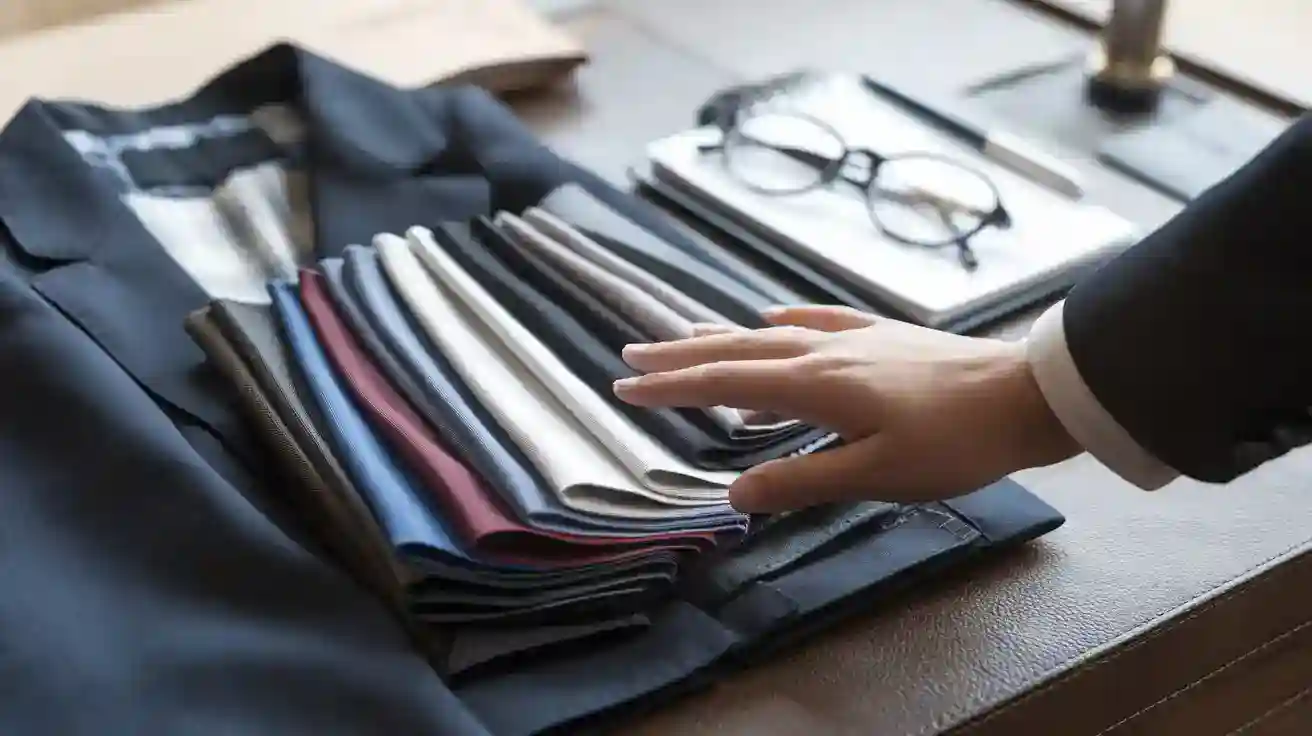
When I select fabrics for corporate custom jackets, I always look for a balance between durability and comfort. The right fabric choice shapes how a jacket looks and feels during long workdays. For example, cotton delivers comfort and breathability, while polyester stands out for its durability and polished appearance. I often refer to the table below to compare how different fabrics impact professional style and employee satisfaction:
Fabric Type | Benefits | Impact on Appearance and Satisfaction |
|---|---|---|
Cotton | Comfort and breathability, ideal for long hours at work. | Maintains a professional look while ensuring comfort. |
Polyester | Durability, moisture-wicking properties, and shape retention. | Provides a polished appearance with low maintenance. |
Merino Wool | Lightweight, high-end feel, suitable for corporate attire. | Enhances brand image with luxury appeal. |
Bamboo | Softness, moisture-wicking, and eco-friendliness. | Aligns with sustainability values, improving brand perception. |
Key Takeaways
Choose fabrics that balance durability and comfort for corporate jackets.
Cotton offers breathability and comfort, while polyester provides durability and low maintenance.
Wool blends enhance comfort and create a luxurious look, ideal for formal settings.
Consider the climate when selecting fabric weight; lighter fabrics suit hot weather, while heavier ones are better for cold.
Maintenance matters; easy-care fabrics save time and keep jackets looking professional.
Blended fabrics combine strengths of different materials, improving comfort and durability.
Customization options like embroidery work best on fabrics that hold colors well, such as polyester.
Test fabric samples to ensure comfort and durability before making a final decision.
Key Criteria for Fabrics
Durability
When I select fabrics for corporate custom jackets, I always prioritize durability. A jacket must withstand daily wear and tear, especially in demanding workwear environments. I look for materials that maintain their structure and appearance over time. Industry experts emphasize that durability is essential for longevity and cost-effectiveness. I often compare different fabric types using the table below to assess their performance:
Fabric Type | Durability | Additional Notes |
|---|---|---|
Polyester | Low | Cheapest option, often used in high street jackets. |
Acetate | Low | Can tear easily, fades with use, but resists wrinkling and wicks moisture. |
Bemberg | Moderate | Imitates silk, more expensive, offers good durability and comfort. |
Silk | High | Gold standard for durability and luxury, offers comfort and a rich history. |
I find that polyester and acetate offer affordability but may not deliver the durability and warmth needed for frequent use. Silk stands out for its resilience and luxury, though it comes at a higher price point. When I advise clients, I always stress that fabric choice should reflect the intended functionality and expected lifespan of the jacket.
Sustainability also plays a role in durability. I recommend choosing environmentally friendly and ethically produced fabrics, as these options often enhance brand reputation and align with corporate values.
Comfort
Comfort is just as important as durability when I choose fabrics for corporate jackets. Employees wear these jackets for long hours, so the material must feel pleasant against the skin and allow for easy movement. I consider several factors that contribute to comfort, including breathability, softness, and insulation. The table below highlights key characteristics of popular jacket materials:
Material | Key Characteristics |
|---|---|
Leather | Durable, wind-resistant, stylish |
Faux Leather | Weather-resistant, ethical, easy-care |
Denim | Rugged, durable, casual |
Polyester | Lightweight, water-resistant, durable |
Fleece | Warm, lightweight, breathable |
Cashmere | Luxurious, soft, insulating |
Cotton | Breathable, comfortable, versatile |
Nylon/Ripstop | Tear-resistant, durable, lightweight |
Twill | Durable, aesthetic, versatile |
I always match fabric weight to the climate and intended use. Heavier materials like leather and wool provide durability and warmth for colder seasons. Lighter options such as polyester and nylon offer comfort and breathability in milder weather. I believe that selecting the right fabric for local conditions ensures employee satisfaction and optimal functionality.
Appearance
Appearance matters in corporate settings. I know that the right fabric can elevate a jacket’s professional look and boost wearer confidence. Wool remains a favorite for its versatility, breathability, and wrinkle resistance. Cotton works well for warmer climates, though it may require more maintenance due to its tendency to wrinkle. I always remind clients that fabric choice directly affects the visual appeal and brand image of their corporate jackets. A polished appearance not only reflects professionalism but also enhances comfort and confidence in the workplace.
Maintenance
When I help clients choose fabrics for corporate custom jackets, I always stress the importance of maintenance. A jacket’s longevity depends not only on the fabric itself but also on how well it is cared for. I have seen many companies invest in high-quality materials, only to see their jackets lose shape, color, or comfort because of improper care. Maintenance requirements can influence both the practicality and the total cost of ownership for corporate apparel.
Each fabric type comes with its own set of care instructions. I always advise clients to consider these before making a final decision. Some fabrics demand more attention, while others offer easy-care solutions that suit busy workplaces. Here are some key maintenance considerations for common jacket fabrics:
Cotton and Cotton Blends: These fabrics feel soft and breathable, but they tend to wrinkle easily. I recommend machine washing on a gentle cycle and air drying to prevent shrinkage. Ironing may be necessary to maintain a crisp appearance.
Polyester and Poly Blends: I find polyester jackets very popular because they resist wrinkles and hold their shape well. Most can be machine washed and dried with minimal fuss. Stains usually come out easily, which makes them ideal for frequent use.
Wool and Wool Blends: Wool offers a luxurious look, but it requires special care. I always suggest dry cleaning to preserve the fabric’s structure and prevent shrinkage. Storing wool jackets in a cool, dry place with moth repellents helps maintain their quality.
Linen and Linen Blends: Linen feels light and comfortable, but it wrinkles quickly. I recommend hand washing or using a gentle machine cycle. Hanging the jacket immediately after washing reduces creases.
Nylon and Technical Fabrics: These materials resist water and stains, making them easy to maintain. I usually advise spot cleaning or gentle machine washing. Avoiding high heat during drying prevents damage.
Softshell and Fleece: These fabrics provide warmth and flexibility. I wash them in cold water and avoid fabric softeners, which can affect their performance. Air drying helps retain their shape and texture.
Proper washing and storage techniques are essential for maintaining jacket quality. I always remind clients that following care labels extends the lifespan of their corporate jackets and keeps them looking professional.
Maintenance also affects the overall satisfaction of employees. Jackets that require less frequent cleaning or special handling save time and reduce hassle. I encourage companies to weigh the benefits of easy-care fabrics against the prestige of more delicate materials. In my experience, the best choice often balances appearance, comfort, and realistic maintenance expectations.
When I consult with suppliers, I always request detailed care instructions for each fabric option. This helps me guide clients toward choices that fit their workplace routines and resources. By considering maintenance from the start, I help companies protect their investment and ensure their team always looks sharp.
Best Fabrics for Corporate Custom Jackets

Cotton and Cotton Blends
When I advise clients on selecting fabrics for corporate custom jackets, I often recommend cotton and cotton blends for their comfort and versatility. Cotton remains a classic choice for workwear, offering a soft feel and reliable breathability. I find that cotton blends, which combine cotton with synthetic fibers, enhance durability and wrinkle resistance while maintaining a professional appearance.
Cotton and cotton blends suit a wide range of climates and work environments. They provide comfort during long hours and help employees feel at ease. I notice that these fabrics for jackets also support customization, making them ideal for embroidered logos and branding. However, I always discuss the pros and cons with clients to ensure the best fit for their needs.
Advantages | Disadvantages |
|---|---|
Potential shrinkage | |
Durability and strength | Environmental impact |
Wrinkle resistance | Less breathability than pure cotton |
Easy care | Higher tendency for static cling |
Color retention | May not absorb moisture as well |
Affordability | Less ideal for hot or humid conditions |
Cotton blends offer a sporty look and resist wrinkling, which helps maintain a polished image. I recommend these fabrics for lined jackets in offices and retail settings where appearance matters. For companies seeking eco-friendly options, organic cotton and recycled blends support sustainability goals. I always encourage clients to consider the environmental impact of their fabric choices.
Tip: Choose cotton blends for lined jackets if you want easy-care, comfort, and a crisp look. For hot climates, pure cotton may offer better breathability.
Polyester and Poly Blends
Polyester and poly blends have become popular in corporate custom jackets due to their durability and low maintenance. I often suggest these fabrics for workwear in industries that demand frequent washing and long-lasting performance. Polyester resists wrinkles and retains its shape, which ensures jackets look sharp throughout the workday.
Poly blends combine polyester with other fibers, such as cotton or rayon, to improve comfort and breathability. I find that these fabrics for jackets excel in environments where durability and warmth are priorities. They also support customization, allowing for vibrant colors and detailed logos.
Advantages | Disadvantages |
|---|---|
Durability | Higher tendency for static cling |
Wrinkle resistance | May not absorb moisture as well |
Ease of care | Less ideal for hot or humid conditions |
Sporty look | Breathability may be a priority |
Easier to care for |
Polyester fabrics for jackets offer affordability and consistent quality, making them a top choice for durable workwear. I recommend lined jackets made from poly blends for outdoor work or industries that require quality workwear with minimal upkeep. These fabrics also support eco-friendly options, such as recycled polyester, which aligns with sustainability initiatives.
Note: Polyester and poly blends work well for lined jackets in high-activity roles. They deliver durability and functionality, but may feel less breathable in hot weather.
Wool Blends
Wool blends represent a premium option for corporate custom jackets. I choose wool blends when clients want a luxurious look and superior comfort. Wool blends combine natural wool with synthetic fibers, enhancing durability and reducing maintenance needs. These fabrics for jackets provide excellent insulation, making them suitable for colder climates and formal settings.
Benefit | Description |
|---|---|
Wool blends enhance the softness of jackets, making them comfortable to wear. | |
Strength | The addition of other fibers increases the durability of the fabric. |
Crease Resistance | Wool blends are less prone to wrinkling, maintaining a polished appearance. |
Breathability | Blends improve airflow, contributing to comfort in various climates. |
Seasonal Variety | Blends allow for a range of styles suitable for different seasons. |
I recommend wool blends for lined jackets in executive offices and client-facing roles. These fabrics for jackets maintain a refined appearance and resist creasing, which supports a professional image. Wool blends also offer seasonal variety, allowing companies to select lightweight options for spring and heavier blends for winter. I always highlight the longevity and quality of wool blends, which make them a smart investment for durable work attire.
Wool blends deliver comfort, durability, and warmth. They help create lined jackets that project professionalism and quality, making them ideal for high-end corporate environments.
Linen and Linen Blends
When I recommend fabrics for corporate custom jackets, I often suggest linen and linen blends for their unique combination of comfort and style. Linen stands out as a lightweight and breathable fabric, making it an excellent choice for lined jackets in hot and humid climates. I have found that linen’s moisture-wicking properties keep wearers cool throughout the workday, which is especially valuable in environments where comfort is a priority.
Linen blends, such as those mixed with cotton or wool, offer additional benefits. These blends combine the best properties of both fibers, resulting in a smoother silhouette and reduced wrinkling. I advise clients to consider linen blends for lined jackets when they want to maintain a professional appearance without sacrificing breathability. Choosing the right colors and structure further enhances the versatility of linen suits and jackets in formal office settings.
Linen is lightweight and breathable, ideal for hot climates.
Linen blends with cotton or wool reduce wrinkling and maintain comfort.
Moisture-wicking properties keep the wearer cool.
Linen wrinkles easily, so blends are better for formal corporate environments.
Selecting appropriate colors and structure increases the versatility of linen jackets.
For cooler climates, I recommend wool or wool blends instead, as they provide better insulation. Cotton suits also work well for mild weather, but linen remains my top choice for summer workwear. I always remind clients that while linen offers unmatched comfort, its tendency to wrinkle means that linen blends are often more suitable for lined jackets in professional settings.
Tip: Opt for linen blends in lined jackets if you want a balance of breathability and a polished look for your team.
Nylon and Technical Fabrics
Nylon and technical fabrics have become increasingly popular in corporate custom jackets, especially for workwear that demands durability and performance. I often choose nylon for lined jackets because it offers excellent water resistance and stands up to daily wear. Nylon comes in different weights and deniers, which allows me to select the right fabric for each specific use.
Here is a comparison of lightweight and heavyweight nylon fabrics for lined jackets:
Characteristic | Lightweight Nylon | Heavyweight Nylon |
|---|---|---|
Fabric Weight (GSM) | Over 200 GSM | |
Denier | 30 to 70 denier | 100 to 600 denier |
Feel | Light, soft, often translucent | Thicker, more rigid |
Common Use | Sportswear, rain jackets, travel gear | Backpacks, outdoor tents, workwear |
Water Resistance | Water-resistant, not waterproof | More likely waterproof, treated for rain |
Breathability | More breathable, ideal for activewear | Less breathable, suitable for heavy-duty |
I prefer lightweight nylon for lined jackets in active or outdoor roles, where breathability and comfort matter most. Heavyweight nylon works better for workwear and coats that require extra protection and durability. Technical fabrics, which often blend nylon with other fibers, add features like stretch, enhanced water resistance, and improved breathability. These fabrics make lined jackets versatile and suitable for a wide range of corporate environments.
Note: Nylon and technical fabrics are ideal for lined jackets that need to withstand tough conditions and frequent use.
Softshell and Fleece
Softshell and fleece fabrics offer distinct advantages for corporate custom jackets, especially when warmth and comfort are priorities. I often recommend fleece for lined jackets in cold climates because it provides a soft texture and excellent insulation. Fleece retains warmth even when wet and dries quickly, making it a reliable choice for layering in winter workwear.
Fleece jackets use durable fabrics that insulate and provide warmth.
Fleece retains heat when wet and dries quickly, outperforming softshell jackets in cold conditions.
Softshell jackets balance warmth with wind and water resistance.
Softshell fabrics incorporate stretch for mobility but do not retain as much heat as fleece.
Softshell fabrics, on the other hand, offer a balance between warmth, wind resistance, and water repellency. I choose softshell for lined jackets when employees need flexibility and protection from the elements without overheating. Softshell fabrics include stretch, which improves mobility and comfort during active workdays.
When I consult with clients, I help them decide between fleece and softshell based on their climate and work environment. Fleece works best for lined jackets in colder settings, while softshell suits roles that require both protection and freedom of movement.
Tip: Select fleece for lined jackets in cold, damp conditions and softshell for workwear that demands flexibility and weather resistance.
Specialty Fabrics (Spandex, Rayon)
When I help clients select corporate custom jackets, I often discuss specialty fabrics like spandex and rayon. These materials add unique qualities that can enhance both comfort and performance. I have seen how the right specialty fabric can make a jacket stand out in terms of flexibility, fit, and style.
Spandex
Spandex, also known as elastane or Lycra, brings stretch and flexibility to jackets. I recommend spandex blends when employees need a greater range of motion. This fabric works well for active roles or for teams that value comfort during long hours. Spandex does not lose its shape easily, so jackets maintain a tailored look even after repeated wear. I often choose spandex blends for fitted styles or for jackets that require a modern, athletic silhouette.
Rayon
Rayon offers a soft, silky feel that mimics natural fibers like silk or cotton. I suggest rayon blends for clients who want a lightweight, breathable fabric with a smooth drape. Rayon absorbs moisture well, which helps keep wearers comfortable in warmer environments. However, I always caution that rayon can wrinkle and may require gentle care. For lined jackets, rayon blends can add a touch of luxury without the high cost of pure silk.
Here is a quick comparison of these specialty fabrics:
Fabric | Key Benefits | Considerations |
|---|---|---|
Spandex | Stretch, flexibility, shape retention | May reduce breathability, can pill |
Rayon | Softness, drape, moisture absorption | Wrinkles easily, needs gentle care |
Tip: I recommend spandex blends for jackets that need to move with the wearer, and rayon blends for a soft, upscale feel.
I have found that specialty fabrics work best when blended with other materials. For example, a cotton-spandex blend combines breathability with stretch, while a polyester-rayon blend offers durability and a smooth finish. These blends allow me to tailor the fabric properties to the specific needs of each client.
When I consult with companies, I always ask about the intended use of the jackets. If employees need to move freely or wear their jackets for extended periods, I lean toward spandex blends. For a polished, professional appearance with a soft touch, I suggest rayon blends. I believe that specialty fabrics can elevate the comfort and style of corporate custom jackets, especially when chosen with care.
Comfort and Durability in Fabrics for Jackets

Fabric Weight
When I select a fabric for a corporate custom jacket, I always pay close attention to its weight. The weight of a fabric determines how the jacket feels and performs throughout the workday. Lightweight fabrics, which range from 100 to 180 GSM, offer comfort and breathability. These materials work best for shirts and linings, especially in warmer climates. Medium-weight fabrics, between 180 and 270 GSM, strike a balance between strength and flexibility. I often choose these for uniforms and trousers because they provide enough durability without sacrificing comfort. Heavyweight fabrics, above 270 GSM, deliver toughness and long-lasting wear. I recommend these for jackets and outdoor gear that need to withstand frequent use and harsh conditions.
Fabric Weight Category | GSM Range | Characteristics |
|---|---|---|
Lightweight | 100–180 GSM | Soft, breathable, ideal for shirts and linings. |
Medium Weight | 180–270 GSM | Balanced strength and flexibility, suitable for uniforms and trousers. |
Heavyweight | 270+ GSM | Tough, long-lasting, perfect for jackets and outdoor gear. |
Matching the weight of the fabric to the climate and intended use ensures that the jacket provides both comfort and durability. I always advise clients to consider the environment where employees will wear their jackets. In hot weather, breathable materials with lower GSM keep the wearer cool. For colder seasons, heavier fabrics offer better insulation and protection.
Lined vs. Unlined Jackets
The choice between lined and unlined jackets plays a major role in comfort and durability. I often recommend lined jackets for corporate settings because they add structure and extend the lifespan of the garment. A lining shapes the jacket around the wearer, creating a pleasing silhouette and a more formal look. Lined jackets also help retain warmth, making them suitable for colder climates. They hide seams and imperfections, giving the jacket a professional finish. The extra material allows for adjustments, which helps achieve a better fit.
Advantage | Description |
|---|---|
Durability | A lined jacket has more weight, providing better structure and extending its lifespan. |
Warmth | Lined jackets help retain warmth, making them suitable for colder seasons. |
Professional Finish | Linings can hide seams and imperfections, enhancing the overall appearance. |
Adjustability | Lined jackets often have more material for adjustments, allowing for better fit. |
However, lined jackets come with higher costs due to additional fabric and finishing. Sometimes, the lining can stiffen the drape, which may not suit every style. Unlined jackets promote breathability and keep the wearer cooler, which is ideal for warm climates. They require less fabric for interior finishing, making them less expensive. I always discuss these pros and cons with clients to help them choose the best option for their needs.
Lined jackets provide structure, warmth, and a polished look.
Unlined jackets offer comfort and breathability, especially with the right fabrics.
Lined jackets cost more due to extra materials and finishing.
Unlined jackets may lack durability compared to lined options.
Blended Fabrics
Blended fabrics combine the strengths of different fibers to improve comfort and durability. I often select blends for corporate custom jackets because they offer a tailored balance of properties. For example, a cotton-polyester blend increases durability while maintaining comfort and breathability. Wool blends add softness and crease resistance, making the jacket easier to care for. Spandex blends introduce stretch, which allows for greater mobility and a better fit.
Blended fabrics adapt well to various climates and work environments. I find that they resist wrinkling and hold their shape, which keeps the jacket looking professional. These fabrics also support customization, making it easy to add logos or branding. When I consult with clients, I always recommend requesting samples to test comfort and durability before making a final decision.
Tip: Choose blended fabrics for jackets when you need a combination of comfort, durability, and easy maintenance. Blends often outperform single-fiber fabrics in demanding corporate settings.
Choosing Fabrics for Corporate Needs
Climate and Seasonality
When I help companies select the right jacket, I always start by considering climate and seasonality. The local weather shapes which fabrics will deliver the best comfort and performance. For hot weather, I recommend lightweight wool, linen blends, or cotton. These materials breathe well and wick moisture, keeping employees cool. In cold climates, I choose heavy wool, flannel, or cashmere blends. These options provide excellent insulation and warmth, which is essential for outdoor workwear or winter uniforms. For all-round use, medium-weight wool or four-season blends adapt to changing temperatures. Transitional seasons call for lightweight tweeds or wool/cotton blends, balancing breathability and warmth.
Weather Condition | Key Features | |
|---|---|---|
Hot Weather | Lightweight wool, Linen blends, Cotton | Breathable, moisture-wicking, cool |
Cold Weather | Heavy wool, Flannel, Cashmere blends | Excellent insulation, soft, warm |
All-Round Weather | Medium weight wool, Four-season wool | Versatile, adaptable to various temperatures |
Transitional Seasons | Lightweight tweeds, Wool/cotton blends, Gabardine | Balance of warmth and breathability, water-resistant |
I always match the jacket’s fabric weight and lining to the season. This ensures employees stay comfortable and presentable year-round.
Branding and Customization
Branding plays a major role in fabric selection for corporate jackets. I know that high-quality materials create a strong professional image. When I choose fabrics, I look for those that support clear logo placement and vibrant colors. Customization options, such as embroidery or screen printing, help turn each jacket into a walking advertisement for the company. The right logo placement maximizes visibility and aligns with branding goals.
Branded apparel increases visibility and employee pride.
Customization options, like logo placement, boost branding impact.
Quality fabrics foster unity and loyalty among employees.
I always discuss branding needs with clients before finalizing fabric choices. I recommend testing logo placement on fabric samples to ensure the design stands out and the jacket maintains a polished look. This approach helps companies achieve both style and brand recognition in their durable workwear.
Budget and Longevity
Budget constraints often influence fabric selection for corporate jackets. I always strive to balance quality with cost. Cotton blends offer a durable workwear solution that remains affordable. These blends provide both comfort and durability, making them a smart choice for frequent use. Synthetic fibers, such as polyester, usually cost less than natural fibers but still deliver long-lasting performance. Higher GSM fabrics and special treatments, like waterproofing, can increase costs but extend the life of the jacket.
Fabric Type | |
|---|---|
Natural Fibers | More expensive due to farming and processing costs |
Synthetic Fibers | Generally cheaper than natural options |
Higher GSM Fabrics | Increased costs compared to lower GSM options |
Special Treatments | Additional costs for features like waterproofing |
I always advise clients to consider the long-term value of their investment. Durable work attire may require a higher upfront cost, but it reduces replacement frequency and maintains a professional appearance over time.
Practical Steps for Selection
When guiding companies through the selection process, I follow these steps:
Identify the purpose of the jacket—outdoor work, events, or daily uniforms.
Consider insulation needs for warmth and weather resistance.
Evaluate style and branding requirements.
Consult with suppliers by providing detailed requirements and requesting fabric samples.
Schedule consultations to discuss options and clarify needs.
Test samples for comfort, durability, and appearance.
Factor in employee preferences to ensure satisfaction.
Tip: Take time to review samples and consult with experienced tailors. Rushing the process or ignoring personal preferences can lead to poor choices. Simplicity in design often results in better, more durable work attire.
Selecting the right fabric for corporate custom jackets means balancing durability and comfort. I rely on blends like cotton-polyester for high performance and easy customization. The table below highlights top choices for jacket fabrics:
Fabric Type | Durability | Comfort | Customization Suitability |
|---|---|---|---|
Nylon | High | Moderate | Excellent |
Polyester | High | Moderate | Excellent |
Cotton | Moderate | High | Good |
Cotton-Polyester Blend | High | High | Excellent |
To ensure every jacket fits your team’s needs, I follow these steps:
Assess work environments and job roles.
Match jacket features to duties, such as moisture-wicking or stain resistance.
Gather employee feedback for comfort and satisfaction.
Personalize each jacket with branding and functional accents.
I always recommend testing samples before finalizing your corporate custom jackets to guarantee the best results.
FAQ
What is the most durable fabric for corporate jackets?
I always recommend polyester or nylon for maximum durability. These fabrics resist wear, hold their shape, and withstand frequent washing. Polyester blends also offer excellent longevity for daily workwear.
Which fabric feels most comfortable for all-day wear?
Cotton and cotton blends provide the best comfort. I choose these for breathability and softness. Employees appreciate the natural feel, especially during long shifts or in warmer climates.
How do I choose a fabric for different climates?
I match fabric weight and composition to the local climate. For hot weather, I select linen or lightweight cotton. In colder regions, I prefer wool blends or fleece for warmth and insulation.
Can I customize any fabric with my company logo?
Most fabrics support customization. I find polyester and cotton blends work best for embroidery and printing. These materials hold colors well and display logos clearly.
What fabric requires the least maintenance?
Polyester stands out for easy care. I choose it for jackets that need frequent washing. It resists wrinkles and stains, saving time and effort for busy teams.
Are eco-friendly fabrics suitable for corporate jackets?
I often use organic cotton, bamboo, or recycled polyester for sustainable options. These fabrics balance comfort, durability, and environmental responsibility. They also enhance brand reputation.
How do blended fabrics improve jacket performance?
Blended fabrics combine strengths of different fibers. I select blends to boost durability, comfort, and wrinkle resistance. For example, cotton-polyester blends offer softness and long-lasting wear.
What is the best fabric for outdoor corporate events?
I recommend nylon or softshell for outdoor events. These fabrics provide water resistance, wind protection, and flexibility. Employees stay comfortable and look professional in changing weather.