

Outdoor Jacket Guide for Hikers, Campers, and Travelers
Table of Contents
Display
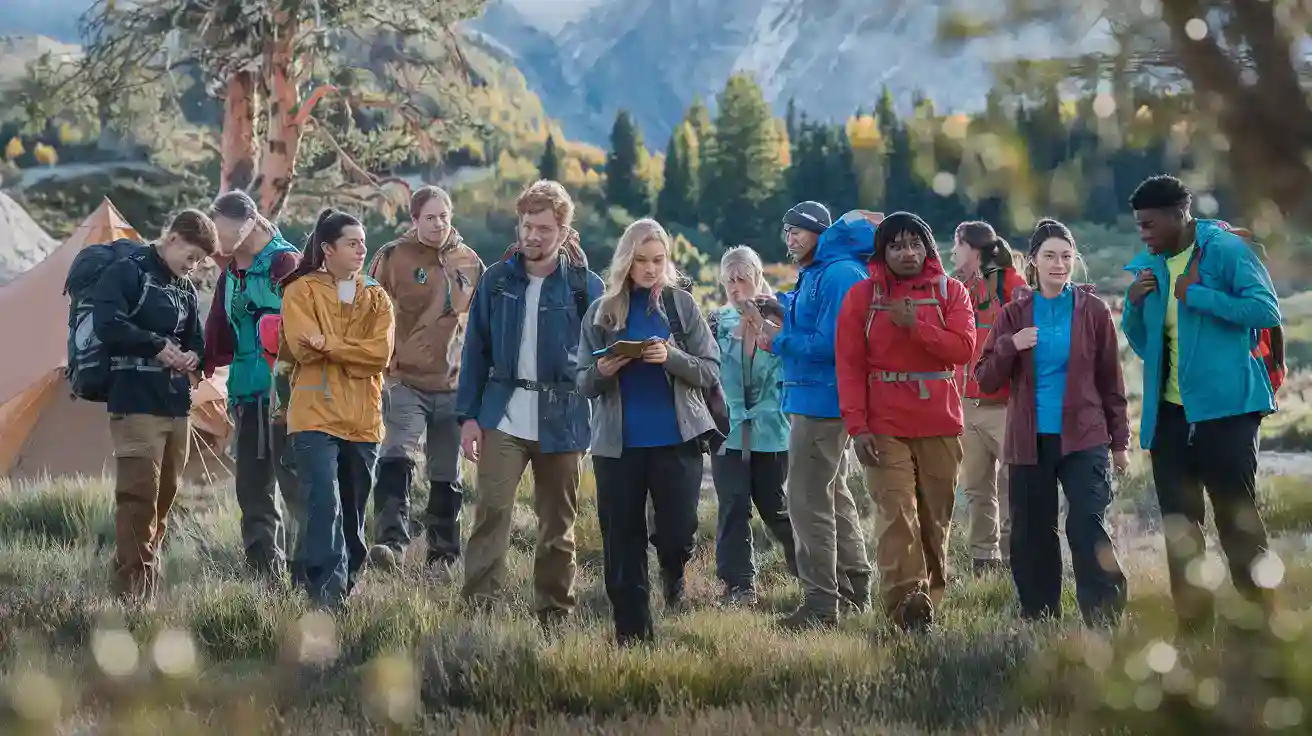
When I search for the best outdoor jacket, I always start by thinking about my activity, the weather, and what feels comfortable. No single jacket works for every situation. I learned that matching the right jacket to my needs makes a big difference outside. I use the Outdoor Jacket Buying Guide to help me figure out which features matter most for hiking, camping, or traveling.
Key Takeaways
Choose the right jacket type based on your activity and weather conditions for optimal comfort and safety.
Understand the differences between jacket types, such as rain jackets for wet weather and insulated jackets for cold climates.
Check waterproof ratings to ensure your jacket can handle the expected rain levels during your outdoor adventures.
Look for breathability features like pit zips to stay comfortable during high-intensity activities.
Prioritize fit and comfort by trying on jackets and checking for mobility and layering options.
Consider eco-friendly materials and ethical sourcing when purchasing jackets to support sustainability.
Regularly maintain your jacket by cleaning it properly and reapplying DWR to keep it performing well.
Invest in a versatile jacket, like a 3-in-1 model, to adapt to changing weather conditions during your trips.
Outdoor Jacket Buying Guide
When I started looking for the right jacket, I realized that the outdoor jacket buying guide helps me make sense of all the options. This guide shows me how to pick the best jacket for my needs. I learn about different types, their features, and how they fit into my outdoor plans. Experts say that a buying guide helps me understand the benefits of each style and ensures I get a jacket that fits well and lasts a long time. I always check the fit, especially when I order online, because a poorly fitting jacket can ruin my experience.
I match my jacket to my activity and the weather. This step is important for both comfort and safety. If I choose the wrong jacket, I might feel too hot, too cold, or even unsafe. For example, I pick an insulated jacket for cold weather, but I go for a breathable one when I plan to move a lot. The outdoor jacket buying guide reminds me that the right jacket makes my trip more enjoyable and keeps me safe.
Types of Outdoor Jackets
I see many types of outdoor jackets in stores and online. Each one serves a different purpose. Here are the most common types I find:
Rain Jackets: Keep me dry in wet weather.
Softshell Jackets: Give me flexibility and comfort for activities like climbing or cycling.
Hardshell Jackets: Offer strong protection in harsh weather.
Fleece Jackets: Add warmth and work well for layering.
Down Jackets: Provide great warmth in very cold conditions.
Windbreakers: Block wind and feel light to wear.
Insulated Jackets: Keep me warm in cold climates.
Parkas: Cover more of my body for extra cold protection.
3-in-1 Jackets: Let me adjust layers for changing weather.
Ski Jackets: Designed for winter sports.
Each type of outdoor jacket has a specific job. I use rain jackets to stay dry, down jackets to stay warm, and softshells for active days. Knowing these differences helps me pick the right jacket for my adventure.
Hardshell
Hardshell jackets give me the best protection against rain, snow, and wind. I use them when I expect storms or harsh weather. They feel sturdy and keep water out. Hardshells work well for hiking in the mountains or camping in unpredictable weather. They are usually less breathable than softshells, but I trust them when I need to stay dry.
Softshell
Softshell jackets feel comfortable and flexible. I wear them when I need to move a lot, like when I hike fast or climb. They breathe well and keep me warm in dry, cool weather. Softshells resist wind and light rain, but I do not use them in heavy storms. I like them for daily use and active trips.
Insulated
Insulated jackets keep me warm when the temperature drops. I choose them for winter hikes or cold nights at camp. Some use down for warmth, while others use synthetic fill. I pick synthetic insulation if I expect wet weather, because it dries faster. Insulated jackets come in many styles, so I always check if they fit under my outer shell.
Fleece
Fleece jackets feel soft and cozy. I use them as a middle layer for extra warmth. Fleece breathes well and dries quickly. I wear it alone on cool, dry days or under a shell when it gets cold. Fleece does not block wind or rain, so I always bring another layer if the weather looks bad.
Puffer
Puffer jackets stand out because of their quilted look. They use down or synthetic fill to trap heat. I wear puffers when I need lightweight warmth. They pack down small, so I can carry them easily. I use them for cold hikes, travel, or as a backup layer.
Parka
Parkas cover more of my body and keep me warm in freezing weather. I choose a parka for winter camping or when I spend a lot of time outside in the cold. They often have fur-lined hoods and extra insulation. Parkas feel heavier, but I rely on them for full protection.
Rain Jacket
Rain jackets are my go-to for wet weather. They use waterproof materials to keep me dry. I always pack a rain jacket when I hike, camp, or travel in rainy places. Some rain jackets feel light and packable, while others offer more features for tough conditions.
I use this table to compare softshell and hardshell jackets:
Feature | Softshell | Hardshell |
|---|---|---|
Weather protection | Water-repellent, windproof | |
Breathability | Very high | High (depending on membrane) |
Freedom of movement | Excellent | Good |
Weight | Fairly light | Varies depending on construction |
Weather comfort | Very high | High |
Ideal weather | Dry, cold conditions | Rain, storm, snow |
Best for | Ski touring, daily use | Piste, freeride downhill |
Softshell jackets give me great breathability and comfort for active days. Hardshell jackets protect me from the worst weather.
Choosing by Activity
I always think about my main activity before I pick a jacket. The outdoor jacket buying guide helps me match the jacket to what I plan to do.
Hiking
When I hike, I want a jacket that balances protection and breathability. I choose a lightweight hardshell or a softshell for most hikes. If I expect rain, I pack a rain jacket. For cold hikes, I add a fleece or puffer for warmth. I look for jackets that let me move freely and keep me comfortable as I climb or walk.
Camping
Camping means I face changing weather. I bring layers, like a fleece for warmth and a rain jacket for storms. If I camp in cold places, I add an insulated jacket or a parka. I want pockets for storage and a hood for extra protection. The outdoor jacket buying guide reminds me to prepare for both warm days and chilly nights.
Traveling
When I travel, I need a jacket that works in many situations. I pick something light and packable, like a rain jacket or a puffer. I want a jacket that looks good in town but also protects me outside. I check if it fits in my bag and if it dries quickly. The right jacket makes my trip easier and keeps me ready for anything.
I learned that matching my jacket to my activity and the weather keeps me comfortable and safe. The outdoor jacket buying guide gives me the confidence to choose the right jacket every time.
Waterproof Jacket Guide
When I started searching for the best waterproof jacket, I realized that not all jackets are created equal. The waterproof jacket guide helped me understand what makes a jacket truly waterproof and how to choose a waterproof jacket for my outdoor adventures. I learned that waterproof construction, materials, and ratings play a huge role in keeping me dry during rain, whether I am hiking, camping, or traveling.
How to Choose a Waterproof Jacket
I always ask myself how to choose a waterproof jacket before buying one. I look at several factors, including waterproof ratings, breathability, windproof performance, and durability. These features help me decide which jacket will protect me best in rain and harsh outdoor conditions.
Waterproof Ratings
Waterproof ratings tell me how much water a jacket can handle before it starts to leak. The rating is an industry-accepted metric that shows the minimum amount of water that can pass through a jacket. I check these ratings to answer the question: how waterproof does it need to be for my activity? The waterproof rating quantifies the protection a jacket offers. Manufacturers test the fabric by measuring the water pressure it can withstand before water penetrates. A higher rating means better waterproofing.
Here is a table that helps me compare waterproof ratings:
Waterproof Rating | Description |
|---|---|
5,000mm and below | Protects against light showers and drizzles; lightweight and packable. |
10,000mm | Good entry-level option; decent waterproofing but may not withstand heavy rain. |
15,000mm | Balances resistance and affordability; reliable protection from rain and snow. |
15,000mm and above | Top performance in wet conditions; breathability is also important for comfort. |
When I plan to hike in heavy rain, I look for a waterproof jacket with a rating above 15,000mm. For light travel or city use, a lightweight waterproof jacket with a lower rating works fine.
Breathability
I always consider how breathable does it need to be when I choose a waterproof jacket. Breathability keeps me comfortable by letting sweat vapor escape while blocking rain. If my jacket traps moisture inside, I feel clammy and uncomfortable. Waterproof and breathable jacket technology uses special membranes and fabrics to balance protection and comfort. I look for jackets with good breathability when I expect to move a lot outdoors.
Windproof Performance
Windproof performance matters as much as waterproofing. I learned that wind resistance is a critical feature for jacket effectiveness in outdoor environments. It helps me maintain body warmth and comfort during rain and storms. A well-fitted jacket with elastic cuffs and drawcords enhances wind protection. Breathability also prevents overheating, so I look for a balance between wind resistance and overall protection.
Wind resistance keeps me warm and comfortable.
Elastic cuffs and drawcords improve windproof performance.
Breathability prevents overheating during activity.
Durability
Durability is key for long-term satisfaction. I want a waterproof jacket that maintains its waterproofing and breathability over time. Users report that durable jackets withstand rugged conditions and frequent use, which means reliable protection against rain and the elements. Proper maintenance extends the lifespan of my jacket, so I always follow care instructions. Investing in a high-quality waterproof jacket pays off, especially for outdoor activities.
Durable jackets keep me dry and comfortable for years.
Jackets that hold up under professional use get high marks from mountain guides.
High-quality rain gear is essential for staying dry and happy outdoors.
Breathable Waterproof Jacket Features
When I look for a breathable waterproof jacket, I focus on the features that make it comfortable and effective. Membranes, ventilation, and DWR coating all play a role in keeping me dry and comfortable during rain.
Membranes and Fabrics
Waterproof breathable fabrics are engineered to repel water while allowing moisture vapor to escape. This technology is essential for comfort in outdoor conditions. The effectiveness depends on DWR coatings, waterproof membranes, and the quality of the fabric. Since the introduction of gore-tex in 1978, waterproof breathable technology has evolved. Now, I see jackets with advanced materials that improve performance.
Hydrophobic membranes repel water and let sweat vapor escape.
Hydrophilic membranes attract water and have microscopic pores that allow vapor to pass but block rain.
Micropores in the fabric are large enough for sweat vapor but small enough to stop rainwater.
I often choose gore-tex for its proven waterproof and breathable qualities. Other brands offer similar technology, but gore-tex remains a top choice for many outdoor enthusiasts.
Here is a table comparing different waterproof materials:
Fabric Type | Category | Durability | UV Resistance | Chemical Resistance | Cold Tolerance |
|---|---|---|---|---|---|
Renegade | Waterproof | High | Excellent | Excellent | Excellent |
Vinyl | Waterproof | Very High | Moderate | Excellent | Moderate |
PU-Coated Nylon | Water-Resistant | Moderate | Moderate | Moderate | Moderate |
Latex & Natural Rubber | Waterproof | Moderate | Low | Low | Poor |
Synthetic Rubber | Waterproof | High | Good | Good | Excellent |
Gore-Tex | Waterproof | High | Excellent | Excellent | Excellent |
Polyester | Water-Resistant | Moderate | Moderate | Moderate | Moderate |
Nylon | Water-Resistant | Moderate | Moderate | Moderate | Moderate |
When I want the perfect waterproof jacket, I look for high durability and excellent resistance to UV, chemicals, and cold. Gore-tex and synthetic rubber stand out for their performance.
Ventilation (Pit Zips, etc.)
Ventilation features like pit zips help me regulate temperature inside my waterproof jacket. When I hike or climb, I open pit zips to let heat escape without letting rain in. This keeps me comfortable and prevents overheating. I also look for mesh-lined pockets and back vents for extra airflow.
Tip: I always test pit zips and ventilation features before buying a jacket. Good ventilation makes a big difference during active outdoor adventures.
DWR Coating
Durable Water Repellent (DWR) coating is another important feature. DWR helps rain bead up and roll off the surface of my jacket. Over time, DWR can wear off, so I reapply it to keep my jacket performing well. DWR works with waterproof membranes to provide extra protection against rain.
Features to Look For in a Waterproof Jacket
I use this table to check the most important features in a waterproof jacket:
Feature | Description |
|---|---|
Hood | Covers my head and allows movement; fits over a helmet and protects my eyes from rain. |
Pockets | Number and placement depend on activity; accessible for climbing or storing maps. |
3-in-1 Jackets | Combines waterproof jacket with a removable inner layer for versatility. |
Pull-Cord and Velcro | Seals around head, hands, and waist to keep me dry. |
Taped Seams | Prevents water from entering through stitching. |
Chin Guard | Protects my face from discomfort caused by the zip or fabric, especially in rain. |
Waterproof Ratings | 5,000mm is good for skiing, while 10,000mm-20,000mm is ideal for wet climates. |
When I want an insulated waterproof jacket, I check for these features along with insulation type. Insulated waterproof jackets keep me warm and dry in cold, wet conditions. I use an insulated waterproof jacket for winter hikes, camping in the rain, and travel in wet climates.
Note: I always ask myself how to choose a waterproof jacket and what features matter most for my activity. The waterproof jacket guide helps me find the perfect waterproof jacket for every adventure.
I learned that the perfect waterproof jacket balances waterproof ratings, breathability, windproof performance, and durability. Gore-tex and other advanced membranes offer reliable protection. Features like pit zips, DWR coating, and taped seams make a big difference. Whether I need a lightweight waterproof jacket for travel or an insulated waterproof jacket for winter, I always check the waterproof jacket guide before making a decision.
Key Features
Fit and Comfort
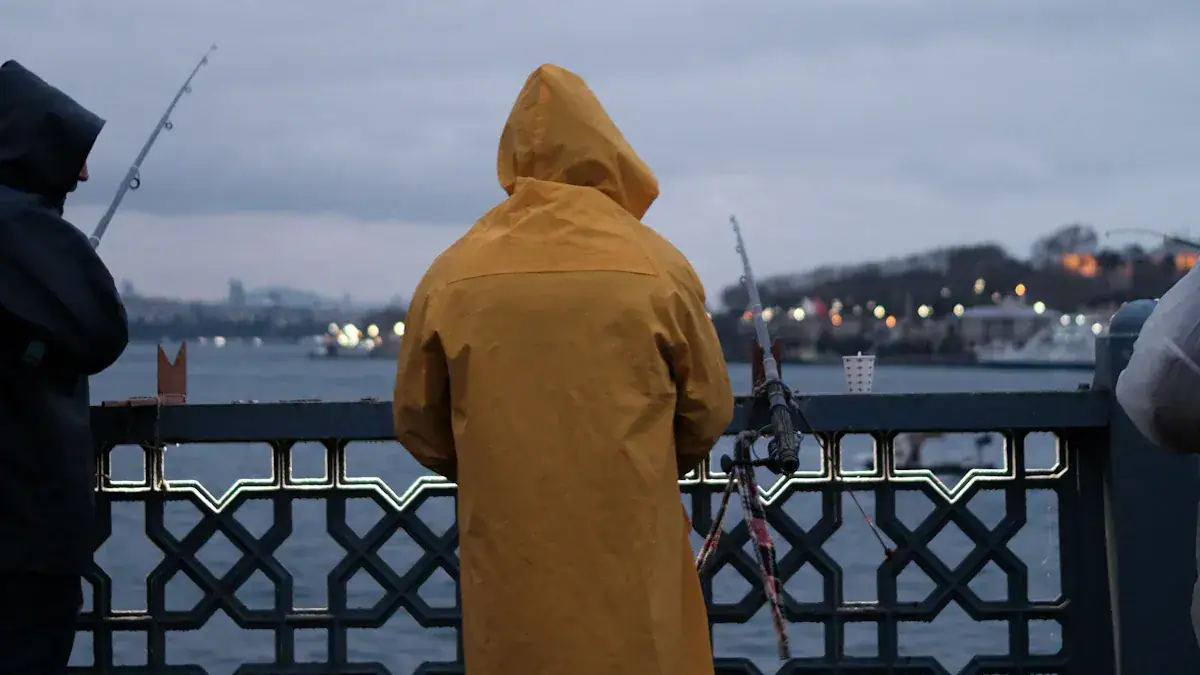
When I choose an outdoor jacket, fit and comfort matter most to me. I want a jacket that feels good and lets me move easily. Materials like wool give me insulation, while synthetic fibers keep the jacket light and help resist water. Down fill works best for extreme cold, so I pick it for winter trips. Gore-Tex fabric gives me a waterproof jacket that also breathes well, which keeps me dry and comfortable. I look for insulation types that match the weather. Down and synthetic options both help retain warmth, especially when conditions get wet. I always check for adjustable cuffs, high collars, and a protective hood. These features trap warmth and block wind. Pockets and moisture-wicking properties make the jacket more useful and comfortable during hikes or camping. I try on jackets before buying to make sure I get a high level of mobility and enough room for layering. A good fit improves my performance outdoors and helps me enjoy every adventure.
Tip: I always move my arms and bend when trying on a jacket. This helps me check if the fit allows for easy movement and layering.
Weight and Packability
Weight and packability influence my choice, especially for multi-day trips. I want a jacket that packs down small and feels light in my backpack. Lightweight jackets work best for long hikes and bikepacking. Ultralight jackets suit expeditions and multi-day races. I use this table to compare jacket series:
Jacket Series | Weight | Packability | Ideal Use Cases |
|---|---|---|---|
LIGHT | Light | High | Multi-day crossings, bikepacking |
MINIMIS | Ultralight | Very High | Expeditions, multi-day races |
A light, packable waterproof jacket saves space and reduces fatigue. I always check if the jacket fits into its own pocket or a small stuff sack. This feature helps me stay organized and ready for changing weather. I notice that lighter jackets sometimes sacrifice durability, so I balance weight with performance needs.
Hoods and Adjustability
A protective hood is essential for outdoor jackets. I look for hoods that adjust easily and fit over my helmet. A rigid brim keeps rain out of my eyes. Some jackets offer a coyote fur ruff for extra warmth in cold weather. Adjustable features like sleeve cuffs and hems help me seal out wind and rain. I prefer jackets with Hypalon and Velcro cuff adjustment straps. Seam sealing with thin tape improves waterproofing and overall performance. I use this table to compare common hood and adjustability features:
Feature | Description |
|---|---|
Hood | Fully adjustable, fits over helmet, rigid brim, optional fur ruff |
Sleeves | Adjustable sleeves for better fit |
Hem | Adjustable hem for comfort and protection |
Cuffs | Hypalon and Velcro adjustment straps |
Seam Sealing | Full lamination with light sealing tape for waterproofing |
Extra Features | Longer back for wind protection, pit-zips for ventilation |
A protective hood and adjustable features help me stay comfortable and dry. I always check these details before buying a jacket. Good adjustability improves the jacket’s performance in changing weather.
Pockets and Storage
When I choose an outdoor jacket, I always check the pockets and storage options first. Pockets help me organize my gear and keep important items close. I use pockets for snacks, maps, keys, and my phone. I notice that pocket design changes depending on the jacket style and activity.
I prefer zipped pockets when I hike or travel. Zippers keep my items secure, even when I move fast or climb. I use interior pockets for valuables like my wallet or passport. These pockets stay hidden and protect my things from rain or theft. Cargo pockets work best for camping or field trips. They hold larger items, like gloves or a small flashlight. Patch pockets give my jacket a sporty look and carry bigger gear. Slash pockets make it easy to warm my hands or grab small items quickly.
I use this table to compare pocket types and their uses:
Pocket Type | Description | Use Case |
|---|---|---|
Slash Pockets | Angled openings for easy hand access, ideal for small items. | Casual lightweight jackets, blazers. |
Welted Pockets | Elegant openings trimmed with fabric, suitable for formal wear. | Suits, business attire. |
Flap Pockets | Covered openings for security, often with button closures. | Suits, blazers, leather jackets. |
Patch Pockets | Stitched pockets for a sporty vibe, good for larger items. | Casual jackets, relaxed styles. |
Cargo Pockets | Designed for larger items, often expandable. | Utility jackets, field jackets. |
Zipped Pockets | Secure pockets with zippers, stylish and functional. | Casual jackets, activewear. |
Interior Pockets | Concealed pockets for valuables, varying in design and function. | Custom jackets, performance wear. |
I always check the number and placement of pockets. Chest pockets help me reach my phone or GPS without taking off my backpack. Handwarmer pockets keep my hands comfortable in cold weather. Some jackets have mesh-lined pockets that add ventilation. I look for pockets that do not interfere with my backpack straps or harness. I also check if the pockets are waterproof or water-resistant. This feature protects my electronics and documents during rain.
Tip: I empty all pockets before washing my jacket. This keeps my gear safe and prevents damage to the fabric.
Extra Features
I pay attention to extra features when I shop for outdoor jackets. These details improve comfort, protection, and convenience. I look for pit zips that help me cool down during hikes. Pit zips allow air to flow without letting rain inside. Dropped hems cover my lower back and keep wind out. Adjustable cuffs seal around my wrists and block cold air. I prefer jackets with reinforced elbows and shoulders. These areas face the most wear and tear during outdoor activities.
Some jackets include reflective strips for safety at night. I use jackets with removable liners for changing weather. Removable liners let me adjust warmth and weight. I check for chin guards that protect my face from zippers. Storm flaps cover the front zipper and stop rain from getting in. I also look for drawcords at the hem and hood. Drawcords help me adjust the fit and keep out wind and rain.
I find that small details make a big difference. I choose jackets with glove-friendly zipper pulls for winter trips. I use jackets with media ports to listen to music while I hike. I always test these features before buying. Good extra features help me stay comfortable and prepared for any adventure.
Note: I try on jackets and test all adjustments before I buy. This helps me find the best fit and features for my needs.
Materials
Layer Construction
When I shop for outdoor jackets, I always check the layer construction. The way a jacket is built affects how it performs in the wild. I see three main types: 2-layer, 2.5-layer, and 3-layer. Each one has strengths and weaknesses. I use this table to compare them:
Jacket Type | Durability | Breathability | Recommended Use |
|---|---|---|---|
2-layer | Uses cheaper materials and does not last as long. | Traps heat with budget membranes and mesh liners. | Good for budget seekers and casual use. |
2.5-layer | Offers moderate durability but can wear out over time. | Decently breathable, but can feel clammy without a liner. | Works for versatile use, but has limits. |
3-layer | Most durable with a solid liner that protects the membrane from wear. | Uses high-quality membranes that are both waterproof and breathable. | My daily driver or backcountry go-to. |
I pick a 2-layer jacket for city walks or light travel. For hiking or camping, I prefer 2.5-layer or 3-layer jackets. The 3-layer construction gives me the best protection and lasts the longest.
Insulation Types
Choosing the right insulation keeps me warm and comfortable. I often decide between down and synthetic insulation. Each type works best in different conditions. Here’s how they compare:
Feature | Down Insulation | Synthetic Insulation |
|---|---|---|
Warmth | Higher warmth-to-weight ratio | Needs more fill for the same warmth |
Weight | Lighter due to higher fill power | Heavier because more material is needed |
Moisture Resistance | Loses warmth when wet | Stays warm even when wet, dries quickly |
Down Insulation Pros:
Packs down small and feels very light.
Lasts a long time with proper care.
Keeps me warm in cold, dry weather.
Down Insulation Cons:
Loses warmth if it gets wet.
Needs special cleaning.
Costs more than synthetic.
Synthetic Insulation Pros:
Keeps me warm even when soaked.
Dries fast after rain or sweat.
Usually costs less.
Synthetic Insulation Cons:
Feels heavier for the same warmth.
Packs down less than down.
I use down jackets for dry, cold trips. I grab synthetic jackets for wet or unpredictable weather. Some jackets use hybrid insulation, mixing down and synthetic fill. These give me a balance of warmth, weight, and moisture resistance.
Fabrics and Membranes
The fabric and membrane in my jacket decide how well it protects me. I look for materials that block rain, let sweat escape, and stretch when I move. Here’s a table that helps me understand the main options:
Fabric/Membrane | Role in Performance Jackets |
|---|---|
Gore-Tex® | Waterproof and breathable, keeps me dry while letting sweat out. |
eVent® | Vents moisture quickly, great for intense activities. |
Polartec® | Breathable and warm, perfect for high-energy workouts. |
Marmot® MemBrain® | Balances waterproofing and breathability for many uses. |
PrimaLoft® | Insulates well, stays warm even when wet. |
Down Insulation | Traps heat, very warm but loses power when wet. |
Spandex/Lycra® | Adds stretch, helps me move freely. |
Softshell Fabrics | Blocks wind and light rain, stays breathable for active days. |
I always check for a Durable Water Repellent (DWR) finish. DWR helps water bead up and roll off my jacket. Membranes like Gore-Tex® and eVent® keep me dry and comfortable. I pick fabrics that match my activity and the weather I expect. The right materials make my jacket last longer and perform better on every adventure.
Care and Maintenance
Taking care of my outdoor jacket helps me keep it performing well for years. I learned that regular cleaning, reapplying DWR, and proper storage make a big difference. I want my waterproof jacket to stay dry, breathable, and comfortable every time I head outside.
Cleaning
I always start by checking the care label on my jacket. Before washing, I zip up all closures, secure Velcro, and remove any detachable parts. I use a technical cleaner instead of regular detergent because harsh chemicals can damage waterproof fabrics. When I hand wash, I use cool water and a rain-gear-specific detergent. I gently scrub and rinse the jacket thoroughly, then air dry it away from heat.
Sometimes I use a washing machine. I select a delicate cycle with warm water and add an extra rinse. I never use fabric softeners because they can clog the waterproof coating. I wash my jacket separately to avoid contamination. For drying, I use low to medium heat in the dryer to reactivate the DWR coating, or I air dry it in a shaded area. This keeps my waterproof jacket working well and helps maintain breathability.
Tip: I always empty the pockets before washing to protect my gear and the jacket fabric.
Reapplying DWR
Durable Water Repellent (DWR) keeps my jacket shedding water. Over time, the coating wears off, especially with frequent use. I check the effectiveness by sprinkling water on the surface. If the water beads up, the DWR is still good. If it soaks in, I know it’s time to reapply.
Most manufacturers recommend renewing DWR every three to six months for regular use. I choose between spray-on and wash-in treatments depending on my jacket’s needs. After washing, I apply the treatment and use low heat in the dryer to activate it. Regular DWR renewal helps my waterproof jacket perform at its best, even in heavy rain.
Reapply DWR every 3–6 months.
Use spray-on or wash-in treatments.
Activate with low heat in the dryer.
Storage Tips
Proper storage keeps my jacket in great shape. I store it in a cool, dry place when I am not using it. I avoid compressing or folding the jacket for long periods because this can damage the insulation and fabric. I hang my jacket in a spacious closet or use a breathable fabric bag. I never use plastic bags since they trap moisture and can cause mildew.
Store in a cool, dry area.
Hang or use a breathable bag.
Avoid long-term compression or folding.
Taking these steps extends the lifespan and performance of my outdoor gear. Clean, dry, and well-stored jackets keep me ready for every adventure.
Sustainability
Eco-Friendly Materials
When I shop for outdoor jackets, I pay close attention to the materials. I want my choices to support the planet. Many brands now use eco-friendly fabrics that help reduce waste and pollution. I see more jackets made from recycled materials, like plastic bottles and fishing nets. These recycled fabrics keep trash out of landfills and oceans while still giving me the performance I need outdoors.
I also look for natural and renewable fibers. Organic cotton, hemp, and bamboo stand out because they break down naturally and use fewer chemicals during production. I find that these materials feel comfortable and breathable, which makes my time outside even better.
Here are some common eco-friendly materials I look for:
Organic Cotton: Grown without harmful pesticides, it feels soft and safe against my skin.
Recycled Polyester: Made from used plastics, it keeps jackets durable and helps reduce new plastic production.
Tencel (Lyocell): Comes from sustainably sourced wood, offers breathability, and breaks down easily in nature.
Hemp: Grows quickly with little need for pesticides, provides natural insulation, and blocks wind.
By choosing jackets with these materials, I help reduce waste and support better farming practices. I know that every eco-friendly choice I make helps protect the environment for future adventures.
Ethical Sourcing
I want to know that the people who make my jackets work in safe and fair conditions. Ethical sourcing matters to me because it supports workers and communities around the world. Some brands lead the way by being open about where they get their materials and how they treat their workers.
I use this table to compare how different brands approach ethical sourcing:
Brand | Ethical Sourcing Practices |
|---|---|
Outdoor Voices | Lacks transparency, no Fair Trade certification, no clear policies on ethical sourcing. |
Coalatree | Provides certifications and transparency in sourcing materials and labor. |
Patagonia | Known for its commitment to ethical sourcing and transparency in labor practices. |
prAna | Actively engages in fair labor practices and provides clear sourcing information. |
When I buy from brands like Patagonia, prAna, or Coalatree, I feel confident that my jacket supports fair labor and responsible sourcing. I always check for certifications and read about a brand’s values before making a purchase.
Repair and Longevity
I want my outdoor jackets to last as long as possible. I look for brands that offer repair and recycling programs. These programs help me fix my gear instead of throwing it away, which keeps waste out of landfills and saves me money.
Many top brands now support repair and longevity:
Mountain Hardwear: Offers free repairs through its Repair Over Replace program.
NEMO Equipment: Lets me return old gear for gift cards, encouraging recycling.
The North Face: Upcycles damaged jackets into new products with its Renewed program.
Patagonia: Runs the Worn Wear initiative, providing free repairs and store credit for used gear.
When I use these services, I extend the life of my jackets and reduce my impact on the environment. I believe that caring for my gear and choosing brands with strong repair programs is one of the best ways to support sustainability in the outdoors.
Buying Guide FAQs
GORE-TEX vs. Alternatives
When I shop for outdoor jackets, I often see GORE-TEX as the top choice for waterproof and breathable gear. I trust GORE-TEX because it keeps me dry and comfortable during hikes and rainy trips. The membrane blocks water but lets sweat escape, which helps me stay cool. Many brands use GORE-TEX, and I find it in jackets for hiking, skiing, and traveling.
I also see alternatives like eVent, DryVent, and H2No. These membranes offer similar protection and breathability. I tried eVent jackets and noticed they vent moisture quickly, which works well for high-intensity activities. DryVent, used by The North Face, gives me solid waterproofing at a lower price. Patagonia’s H2No feels light and packs down small, which I like for travel.
Here’s a table that helps me compare these options:
Membrane | Waterproof | Breathable | Price Range | Best For |
|---|---|---|---|---|
GORE-TEX | Excellent | Excellent | $$$ | All outdoor activities |
eVent | Very Good | Excellent | $$ | High-output sports |
DryVent | Good | Good | $ | Everyday use |
H2No | Good | Good | $$ | Lightweight travel |
Tip: I choose GORE-TEX for maximum protection. I pick alternatives when I want to save money or need a lighter jacket.
Do I Need Full Waterproofing?
I ask myself if I need full waterproofing before every trip. Full waterproof jackets keep me dry in heavy rain and storms. I use them for hiking in the mountains, camping in wet forests, and traveling to rainy cities. These jackets have sealed seams, waterproof zippers, and strong membranes.
Sometimes, I only need water resistance. Softshells and water-repellent jackets work for light rain or short walks. They breathe better and feel more comfortable when I move a lot. I use water-resistant jackets for dry climates or when I expect only light showers.
I use this checklist to decide:
I expect heavy rain or snow → I choose full waterproofing.
I plan high-output activities → I consider breathability and water resistance.
I travel to dry places → I pick a lighter, water-repellent jacket.
Note: I always check the weather forecast and match my jacket to the conditions. Full waterproofing gives me peace of mind in unpredictable weather.
One Jacket for All?
I often wonder if one jacket can handle every adventure. I want a jacket that works for hiking, camping, and travel. I look for versatility, packability, and comfort. Some jackets, like 3-in-1 models, let me adjust layers for changing weather. I use these when I travel or camp in places with unpredictable climates.
I find that no single jacket does everything perfectly. Lightweight rain jackets pack down small and work for travel, but they lack warmth. Insulated jackets keep me warm, but they feel bulky in mild weather. Softshells breathe well, but they do not protect me in heavy rain.
Here’s what I do:
I choose a 3-in-1 jacket for trips with changing weather.
I pack a lightweight rain shell for travel and day hikes.
I layer a fleece or puffer under my shell for cold days.
I learned that layering gives me the most flexibility. I mix and match jackets to stay comfortable in any condition.
Importance of Brand
When I shop for outdoor jackets, I always notice how much the brand matters. Some brands have a strong reputation for quality, durability, and ethical practices. I trust these brands because they invest in research and use advanced materials. I find that well-known brands often offer better warranties and customer support. This gives me peace of mind when I spend money on gear.
I look for brands that specialize in outdoor clothing. These companies test their jackets in real conditions. I see brands like Patagonia, The North Face, Arc’teryx, and Columbia leading the market. They use high-performance fabrics and focus on sustainability. I also check if the brand supports repair programs or uses recycled materials.
Here is a table that helps me compare popular outdoor jacket brands:
Brand | Known For | Warranty | Sustainability Efforts |
|---|---|---|---|
Patagonia | Eco-friendly, durable | Excellent | Strong focus on recycling |
Arc’teryx | Technical performance | Good | Some recycled materials |
The North Face | Versatile, reliable | Good | Renewed gear program |
Columbia | Affordable, accessible | Decent | Some eco-friendly options |
I always read reviews before buying. I learn from other hikers, campers, and travelers. I check if the brand stands behind its products. If a jacket fails, I want easy access to repairs or replacements. I also consider how the brand treats workers and the environment. I choose brands that align with my values.
Tip: I avoid unknown brands with little information or poor customer service. Trusted brands may cost more, but they often last longer and perform better outdoors.
Jacket Care
I take care of my outdoor jackets to keep them working well. Regular maintenance helps my jackets last longer and stay comfortable. I always follow the care instructions on the label. I wash my jackets with special detergents made for technical fabrics. Regular detergent can damage waterproof coatings and insulation.
I zip up all pockets and close Velcro before washing. I use cold or warm water and a gentle cycle. I avoid fabric softeners because they clog the jacket’s breathability. After washing, I air dry my jacket or use low heat in the dryer. This helps reactivate the Durable Water Repellent (DWR) coating.
I reapply DWR every few months. I use spray-on or wash-in treatments. I test my jacket by sprinkling water on the surface. If water soaks in, I know it is time to renew the coating. I store my jackets in a cool, dry place. I hang them up instead of folding to protect the insulation and fabric.
Here is a simple checklist I use for jacket care:
Read and follow care instructions.
Use technical detergent.
Zip and secure all closures before washing.
Avoid fabric softeners.
Air dry or use low heat.
Reapply DWR regularly.
Store in a cool, dry place.
Note: Proper care keeps my jackets waterproof, breathable, and ready for every adventure. I invest time in maintenance to save money and reduce waste.
When I choose an outdoor jacket, I follow expert tips to get the best results. I always:
Pick the right type, like a softshell for breathability or a hardshell for waterproofing.
Check for quality waterproofing, such as Gore-Tex® membranes.
Look for features like adjustable hoods, ventilation, and sealed seams.
I try on jackets to check fit and comfort. I focus on long-term care to keep my quality jacket in top shape. Use these tips as your checklist for your next outdoor adventure.
FAQ
What is the difference between water-resistant and waterproof jackets?
I notice that water-resistant jackets handle light rain but do not keep me dry in heavy storms. Waterproof jackets use special membranes and sealed seams. These features block water completely. I always choose waterproof jackets for wet or unpredictable weather.
How do I know if my jacket is breathable?
I check for features like pit zips, mesh linings, and technical membranes. I also look for breathability ratings from the manufacturer. When I wear a breathable jacket, I feel less sweaty during activity. Breathable jackets help me stay comfortable on long hikes.
Can I use a winter jacket for summer hiking?
I avoid wearing winter jackets in summer. They trap too much heat and make me sweat. For summer hiking, I pick lightweight, breathable jackets. These jackets protect me from wind and light rain without overheating.
How do I layer jackets for cold weather?
I start with a moisture-wicking base layer. I add a fleece or insulated jacket for warmth. I finish with a waterproof shell. This system lets me adjust layers as the temperature changes. Layering keeps me warm and dry in cold conditions.
How often should I wash my outdoor jacket?
I wash my jacket only when it looks dirty or loses breathability. Frequent washing can damage the fabric. I use a technical cleaner and follow the care label. I always avoid fabric softeners. Clean jackets last longer and perform better.
What should I do if my jacket loses its water repellency?
I test my jacket by sprinkling water on it. If water soaks in, I reapply a DWR treatment. I use spray-on or wash-in products. I follow the instructions and use low heat to activate the coating. This restores water repellency and keeps me dry.