

How to Select Comfortable and Durable Uniforms for Supermarket Employees
Table of Contents
Display
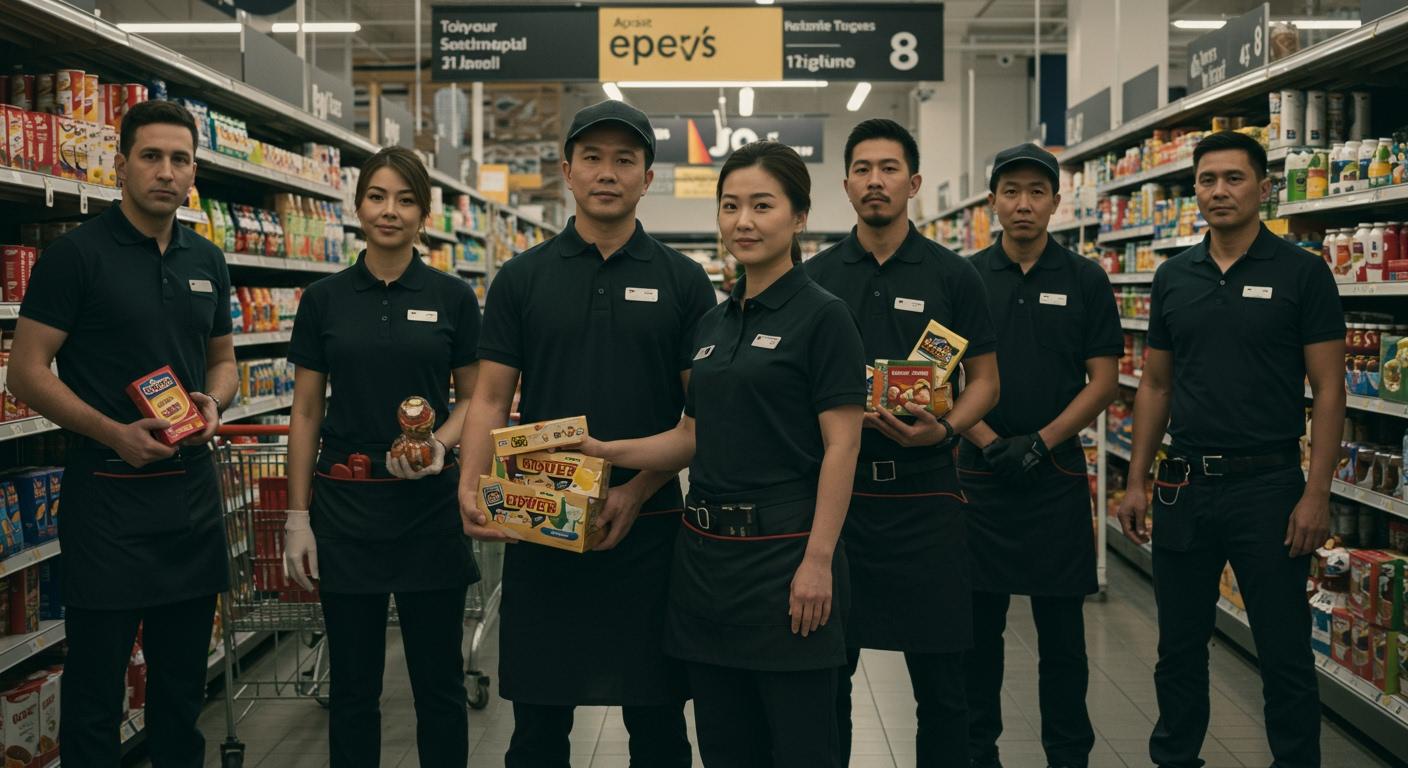
I always consider comfort and durability essential when selecting supermarket uniforms. Well-chosen attire does more than look good; it supports employee performance and builds trust with customers. I know that a strong brand identity and consistent branding help staff feel proud and recognized. Cleanliness and a proper fit also matter since they keep everyone looking professional throughout long shifts.
Key Takeaways
Prioritize comfort in uniforms to support employee performance and morale during long shifts.
Choose durable fabrics that withstand daily wear and reduce replacement costs over time.
Ensure proper fit by offering a full range of sizes and adjustable features for all staff members.
Involve employees in the uniform selection process to gather valuable feedback and improve satisfaction.
Select colors and designs that reflect your store’s brand identity and enhance customer trust.
Implement a clear maintenance policy to keep uniforms looking professional and extend their lifespan.
Consider eco-friendly materials to boost your store’s reputation and align with customer values.
Test uniform samples before ordering to ensure quality, comfort, and functionality for all roles.
Staff Roles
Cashiers
I always pay close attention to the needs of cashiers when selecting retail uniforms. Cashiers spend long hours standing at registers, so their uniforms must support both comfort and professionalism. I recommend the following features for cashier uniforms:
Breathable fabrics help lower body temperature by up to 3°C, which reduces fatigue during extended shifts.
Customizable aprons with multiple pockets allow cashiers to keep essential tools within reach. These aprons also offer an excellent space for custom branding, which can increase brand visibility by 40%.
Color blocking in uniform design makes it easier for customers to identify staff roles. This approach improves team visibility by 25% and strengthens the professional image of the store.
When I choose retail uniforms for cashiers, I focus on these details to create a positive work environment and reinforce the store’s brand identity.
Stock Staff
Stock staff face a different set of challenges. Their tasks often involve lifting, moving, and organizing products throughout the store. I make sure their retail uniforms prioritize both safety and comfort. Key features I look for include:
High-visibility and protective materials keep stock staff safe, especially in busy storage areas or during night shifts.
Uniforms must fit well and allow for a full range of movement. Breathable fabrics help staff stay comfortable during physically demanding work.
I always select uniforms that avoid restrictive cuts or heavy materials, so staff can perform their duties efficiently.
By focusing on these elements, I ensure stock staff can work safely and comfortably, which supports productivity and reduces the risk of workplace injuries.
Food Service
Food service employees require uniforms that meet strict hygiene standards. I never compromise on cleanliness or safety in this area. The best uniforms for food service staff include:
No holes, rips, loose buttons, or visible dirt. Uniforms must always look clean and intact.
Effective hair restraints, such as chef hats, are essential for anyone handling food.
Accessories are limited to plain wedding bands to prevent contamination.
I implement a documented dress code policy and communicate it clearly during food hygiene training.
Professionally laundered uniforms with features like snap buttons and closed seams help prevent contamination from fibers and germs.
These standards ensure that food service staff maintain a clean barrier between themselves and the products they handle, protecting both employees and customers.
Managers
When I select uniforms for supermarket managers, I always prioritize a balance between authority, comfort, and approachability. Managers serve as the face of the store for both staff and customers. Their uniforms must reflect leadership while allowing them to move easily throughout the store.
I look for these essential features in manager uniforms:
Professional Appearance: I choose tailored shirts or blouses, often in a distinct color or with subtle accents, to set managers apart from other staff. This distinction helps customers identify who to approach for assistance or concerns.
Comfortable Fabrics: Managers spend long hours on their feet, walking the sales floor, and handling a variety of tasks. I prefer lightweight, breathable materials that wick away moisture. These fabrics help managers stay cool and focused during busy shifts.
Functional Design: I always select uniforms with practical details. For example, I look for shirts with reinforced collars and wrinkle-resistant finishes. I also value pants or skirts with a bit of stretch, which allow managers to bend, reach, and move quickly when needed.
Subtle Branding: I add embroidered logos or name tags to manager uniforms. This approach maintains a professional look while reinforcing the store’s brand identity.
Tip: I recommend providing managers with at least two sets of uniforms. This practice ensures they always have a clean option available, even during back-to-back shifts.
I also consider footwear a critical part of the manager’s uniform. I advise managers to wear closed-toe, slip-resistant shoes. These shoes protect against spills and provide support during long hours of walking.
Here’s a quick comparison of key uniform elements for managers:
Feature | Why I Choose It |
|---|---|
Tailored fit | Projects authority |
Breathable fabric | Increases comfort |
Reinforces professionalism | |
Practical pockets | Holds pens, notes, or radios |
Slip-resistant shoes | Ensures safety |
I always involve managers in the selection process. Their feedback helps me choose uniforms that meet their needs and reflect the store’s values. When managers feel comfortable and confident in their uniforms, they lead more effectively and set a positive example for the entire team.
Supermarket Uniforms: Key Factors
Comfort
I always prioritize comfort when selecting supermarket uniforms. Staff spend long hours on their feet, so every detail matters. I look for retail uniforms that use breathable fabrics. Mesh panels and moisture-wicking materials keep employees cool and dry. I also pay attention to footwear. Shoes with EVA foam or gel cushioning absorb shock and relieve pressure. Contoured footbeds provide arch support and help maintain proper alignment. Lightweight shoes reduce fatigue and allow staff to move easily. I choose designs with enough toe room to prevent blisters and discomfort. Slip-resistant soles protect employees from falls in busy aisles. I believe that comfortable uniforms improve morale and help staff stay focused throughout their shifts.
Cushioning absorbs impact and relieves pressure.
Arch support maintains foot alignment.
Breathable materials prevent sweat buildup.
Lightweight shoes reduce fatigue.
Slip resistance increases safety.
Proper fit prevents blisters.
Retail uniforms with these features create a supportive environment for every employee.
Durability
Durability stands at the core of my uniform selection process. Supermarket uniforms face daily wear and tear, so I choose high-quality uniforms made from advanced fabrics. Materials designed for durability and stain resistance help lower replacement costs. Aer Fabric, tested for high-intensity use, lasts longer in demanding environments. I always look for retail uniforms that combine breathability with toughness. This balance ensures employees remain comfortable while uniforms maintain their shape and color. Enhanced durability also supports employee performance. Staff feel confident knowing their uniforms will withstand busy shifts and frequent washing.
Durable fabrics lower replacement costs.
Stain resistance keeps uniforms looking fresh.
Advanced technology improves comfort and longevity.
Aer Fabric ensures reliability in demanding roles.
I believe investing in durable supermarket uniforms benefits both staff and the business.
Fit
Fit plays a crucial role in both comfort and functionality. I always offer a full range of sizes, from XS to 5XL, to accommodate every body type. Tailored options help staff feel confident and professional. Adjustable features, such as elastic waistbands or side vents, allow employees to customize their fit. Proper sizing ensures ease of movement, which is essential for retail uniforms. Staff need to bend, reach, and lift without restriction. I use the following sizing guidelines to guarantee a perfect fit for everyone:
Sizing Recommendation | Description |
|---|---|
Full Range of Sizes | Offer sizes from XS to 5XL to accommodate all body types. |
Tailored Fits | Provide tailored options for different body shapes. |
Adjustable Options | Include flexible options to enhance personal comfort. |
I always encourage staff to try on uniforms before finalizing orders. This step helps me identify any adjustments needed for optimal fit and functionality.
Ease of Movement
I always make ease of movement a top priority when selecting supermarket uniforms. Employees perform a wide range of physical tasks throughout their shifts. Stocking shelves, reaching for products, bending, and lifting all require uniforms that move with the body. I have seen firsthand how restrictive clothing can slow down staff and even cause discomfort or minor injuries.
I look for these features to guarantee freedom of movement:
Stretch Fabrics: I prefer materials with a blend of spandex or elastane. These fabrics stretch and recover, allowing staff to bend and reach without feeling restricted.
Ergonomic Seams: I choose uniforms with seams placed to follow the body’s natural lines. This design reduces chafing and increases flexibility.
Gussets and Vents: I select shirts and pants with underarm gussets or side vents. These additions provide extra room for movement, especially during busy periods.
Articulated Knees and Elbows: I recommend pants and jackets with pre-shaped knees or elbows. This feature supports natural movement and prevents fabric from bunching.
Tip: I always ask staff to perform common tasks—like reaching, squatting, or lifting—when trying on new uniforms. This simple test helps me confirm that the clothing supports every movement required on the job.
Here is a quick comparison of movement-friendly features I consider:
Feature | Benefit |
|---|---|
Stretch panels | Flexibility for all tasks |
Ergonomic seams | Reduced irritation |
Gussets/vents | Extra room for dynamic motion |
Articulated joints | Natural, comfortable movement |
I believe that uniforms designed for movement help staff work efficiently and safely. When employees feel unrestricted, they can focus on serving customers and completing tasks with confidence.
Fabric & Material Choices

Cotton Blends
I often choose cotton blends for supermarket uniforms because they offer a practical balance between comfort and performance. Cotton-polyester blends combine the softness of cotton with the durability of polyester. This combination helps uniforms withstand frequent washing and daily wear. I have noticed that cotton blends resist wrinkles and shrinkage much better than 100% cotton. Staff appreciate how these uniforms hold their shape and color, even after many cycles in the laundry.
Here is a quick comparison of cotton-poly blends and pure cotton canvas:
Performance Attribute | Cotton-Poly Blends | 100% Cotton Canvas |
|---|---|---|
$3–$6/yd depending on GSM | $6–$12/yd for similar weight | |
Wrinkle Resistance | High | Low |
Shrinkage | Minimal | Moderate |
Colorfastness | Strong (esp. poly-dominant) | Weaker (natural fade over time) |
I have seen several benefits when I select cotton blends for staff uniforms:
38% reduction in fabric cost
20% reduction in stitching time due to less fraying
3x more wash durability without color fading
These advantages make cotton blends a reliable choice for busy supermarket environments.
Polyester
I rely on polyester when I need uniforms that can handle tough conditions. Polyester stands out for its strength and resistance to wear and tear. I have found that it holds up well against spills, stains, and frequent washing. This material also resists chemicals, which is important in grocery settings where cleaning agents are common.
However, I always consider comfort. Traditional polyester can trap heat and feel less breathable than natural fibers. Staff sometimes report discomfort during hot weather. Fortunately, recent innovations have improved polyester fabrics. Modern versions now wick moisture away and dry quickly, which helps staff stay comfortable throughout their shifts.
It stands up to chemicals and frequent washing.
Newer polyester fabrics offer better breathability and moisture management.
I recommend polyester for roles that demand extra durability, such as stock staff or cleaning teams.
Moisture-Wicking
I always look for moisture-wicking fabrics when selecting uniforms for active supermarket roles. These materials pull sweat away from the skin and allow it to evaporate quickly. Staff who work in warm areas or move constantly benefit the most from this feature. I have seen how moisture-wicking uniforms help employees stay cool, dry, and comfortable during long shifts.
Enhanced breathability keeps staff cool in hot environments.
Moisture management prevents sweat buildup and discomfort.
Overall comfort supports productivity and morale.
Some uniforms, like the Pro Airflow work shirt, use mesh back panels and advanced moisture-wicking technology. These features ensure airflow and comfort throughout the day. I believe that investing in moisture-wicking fabrics leads to happier, more productive teams.
Eco-Friendly
I always consider eco-friendly fabrics when selecting supermarket uniforms. Sustainability has become a top priority for many businesses, including mine. I believe that choosing environmentally responsible materials not only benefits the planet but also enhances a company’s reputation. Customers notice when a supermarket takes steps to reduce its environmental impact. Staff also feel proud to wear uniforms that align with their values.
I have explored several eco-friendly fabric options for uniforms. The most common choices include:
Organic Cotton: Grown without synthetic pesticides or fertilizers. This fabric feels soft and breathable. I find it ideal for staff who have sensitive skin.
Recycled Polyester: Made from post-consumer plastic bottles or textile waste. This material offers the same durability as traditional polyester but uses fewer resources.
Bamboo Fiber: Naturally antibacterial and moisture-wicking. Bamboo grows quickly and requires less water than cotton. I like this option for food service uniforms.
TENCEL™ (Lyocell): Produced from sustainably sourced wood pulp. This fabric feels smooth and resists wrinkles. I have seen it used in premium uniform lines.
Note: I always check for certifications like GOTS (Global Organic Textile Standard) or OEKO-TEX® to ensure the fabrics meet strict environmental and safety standards.
Here is a quick comparison of popular eco-friendly fabrics:
Fabric Type | Key Benefit | Typical Use Case |
|---|---|---|
Organic Cotton | Soft, chemical-free | Shirts, aprons |
Recycled Polyester | Durable, resource-saving | Vests, jackets |
Bamboo Fiber | Antibacterial, cool | Food service tops |
TENCEL™ | Smooth, wrinkle-free | Manager uniforms |
I have noticed several advantages when I switch to eco-friendly uniforms:
Reduced environmental footprint for the business
Improved staff morale and engagement
Positive feedback from eco-conscious customers
Enhanced brand image and differentiation
I recommend starting with a pilot program. I order a small batch of eco-friendly uniforms and gather feedback from staff. This approach helps me identify the best materials for comfort, durability, and appearance. I also work closely with suppliers who specialize in sustainable textiles. They provide valuable guidance on fabric selection and care.
Tip: I always communicate the eco-friendly features of uniforms to both staff and customers. Clear signage or tags on uniforms can highlight the company’s commitment to sustainability.
I believe that investing in eco-friendly uniforms supports long-term business goals. It demonstrates leadership in environmental responsibility and sets a positive example for the community. I encourage every supermarket manager to consider sustainable options when updating staff uniforms.
Grocery Store Uniforms: Design & Branding
Color Selection
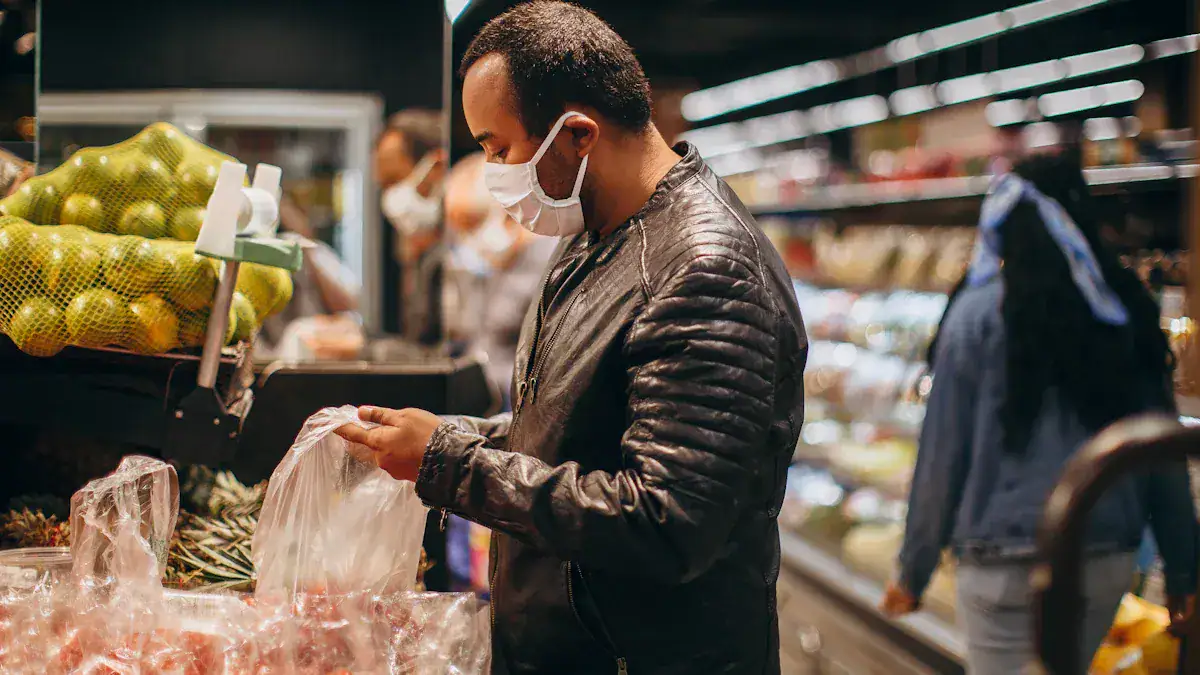
I always pay close attention to color selection when designing grocery store uniforms. The right colors influence how customers perceive both staff and the store. I have found that color psychology plays a major role in shaping customer trust and satisfaction. For example:
Blue uniforms signal trust, dependability, and calmness. Customers feel reassured when they see staff wearing blue in a grocery store setting.
Green uniforms represent health, growth, and eco-friendliness. Many shoppers associate green with sustainability, which aligns with their values during grocery shopping.
I choose colors that reflect the store’s brand identity and create a welcoming atmosphere. Well-designed grocery store uniforms use color to promote brand consistency and make staff easy to identify. I recommend selecting a palette that matches your store’s logo and overall branding.
Logo Placement
Logo placement is a critical aspect of uniform design. I always ensure that the company logo appears in a visible and tasteful location on every uniform. Placing the logo on the chest or sleeve helps customers quickly identify employees. I prefer embroidery for a polished look, but screen printing works well for larger orders. The logo should stand out without overwhelming the uniform’s overall appearance.
I also consider the size and color of the logo. A well-sized logo maintains professionalism and reinforces brand identity. I avoid placing logos in areas that might get covered by aprons or accessories. I always test logo placement with sample uniforms before finalizing the design. This step ensures that the branding remains clear and consistent across all roles.
Tip: I recommend using high-quality thread or ink for logos to prevent fading after repeated washing.
Consistency
Consistency in grocery store uniforms is essential for promoting brand consistency and supporting employee morale. I have seen how a unified look across all staff members strengthens the store’s image and creates a sense of team unity. Consistent uniforms eliminate confusion about dress codes and help customers identify employees easily.
Here is a table that highlights the impact of consistent uniform design:
Impact Area | Description |
|---|---|
Uniforms reinforce brand image and create consistency across locations, enhancing brand recognition. | |
Team Unity | Uniforms eliminate dress code confusion and foster a sense of belonging among employees. |
Customer Confidence | Clear identification of employees boosts customer trust and improves service interactions. |
Employee Happiness | Comfortable and appealing uniforms increase employee satisfaction and engagement. |
Brand Loyalty | A unified appearance leads to memorable customer experiences, fostering long-term relationships. |
I always review uniform design regularly to ensure it aligns with the store’s evolving brand identity. Consistency in style, color, and logo placement helps promote brand consistency and supports long-term business success.
Customization
I always see customization as a powerful tool when selecting grocery store uniforms. Custom options allow me to create a look that truly reflects my store’s brand identity. I believe that when employees wear uniforms designed specifically for their workplace, they feel a stronger sense of belonging and pride. Customization also helps my store stand out in a competitive market.
I start by working closely with my uniform supplier to explore all available customization features. I often choose from a range of fabric colors, trim styles, and accent details. These choices let me match the uniforms to my store’s color palette and overall branding. I also add unique touches, such as embroidered names or department titles, which help customers identify staff roles quickly.
Here are some of the most effective customization options I use for grocery store uniforms:
Embroidered or printed staff names
Department-specific color accents
Custom-fit tailoring for different body types
Special pockets or tool loops for specific job functions
Seasonal or promotional patches
Tip: I always involve my staff in the customization process. Their feedback helps me choose features that improve comfort and functionality.
I have noticed that customized grocery store uniforms boost morale. Employees appreciate uniforms that fit well and reflect their daily tasks. When staff feel comfortable and recognized, they deliver better service to customers. Customization also supports safety. For example, I add reflective strips for night shift workers or water-resistant finishes for staff who handle produce.
The impact of customization extends to customer perception. Shoppers notice when a store invests in unique, well-designed uniforms. This attention to detail signals professionalism and care. It also reinforces the store’s brand identity every time a customer interacts with staff.
Here is a quick table showing how different customization features benefit my store:
Custom Feature | Benefit |
|---|---|
Name embroidery | Builds trust and familiarity |
Department colors | Improves staff identification |
Tailored fit | Increases comfort and confidence |
Functional pockets | Enhances job efficiency |
Reflective accents | Supports staff safety |
I always view uniform design as an extension of my store’s branding strategy. Customization allows me to create grocery store uniforms that are not only practical but also memorable. This approach helps my store build a lasting impression with both employees and customers.
Implementation Tips
Staff Input
I always involve my team early when selecting new grocery store uniforms. Staff members wear these uniforms every day, so their opinions matter. I use several methods to gather feedback and ensure everyone feels heard:
I conduct surveys to learn what employees value most in retail uniforms, such as fit, fabric, and comfort.
I hold short interviews with team members from different departments to understand their unique needs.
I encourage open discussions during staff meetings, where employees can share their experiences with previous uniforms.
I make sure to include staff feedback in the final decision-making process.
This approach helps me choose uniforms that not only look professional but also support daily tasks. When staff feel comfortable and confident, they perform better and represent the store well.
Sample Orders
Before I commit to a full order of grocery store uniforms, I always request samples from suppliers. Sample orders allow me to check the quality, fit, and comfort of retail uniforms firsthand. I distribute these samples to staff members in various roles. Each person tries on the uniform and performs typical job duties, such as stocking shelves or assisting customers.
I ask for honest feedback about the fabric, sizing, and overall functionality. This step helps me identify any issues before making a large investment. I also test how the uniforms hold up after washing and daily wear. If the samples meet my standards, I move forward with a larger order. If not, I work with the supplier to make adjustments.
Tip: I recommend documenting all feedback from sample orders. This record helps guide future uniform selections and ensures continuous improvement.
Supplier Choice
Selecting the right supplier for grocery store uniforms is critical. I use a set of clear criteria to evaluate potential partners. The table below outlines the factors I consider most important:
Criteria | Description |
|---|---|
Product Quality & Durability | I check if the garments withstand industrial wear and tear. Certifications like ISO or OEKO-TEX indicate high standards. |
Customization & Branding | I look for suppliers who can tailor designs, colors, and logos to match our brand identity. |
Compliance & Safety Standards | I ensure suppliers follow OSHA, ANSI, or other relevant safety regulations. |
Supply Chain & Delivery Reliability | Reliable, on-time delivery is essential, especially for large orders. |
Pricing & Cost Efficiency | I seek competitive pricing without sacrificing quality. |
Innovation & Technology Integration | I value suppliers who offer smart textiles or moisture-wicking fabrics for added functionality. |
Customer Support & After-Sales Service | Responsive support and flexible return policies are important for long-term partnerships. |
Sustainability & Ethical Practices | I prefer suppliers who use eco-friendly materials and fair labor practices. |
By following these criteria, I ensure that our retail uniforms meet high standards for quality, safety, and brand consistency. The right supplier helps me deliver uniforms that support both staff satisfaction and store reputation.
Budget
I always approach uniform budgeting with a strategic mindset. Uniforms represent a significant investment for any supermarket, so I make sure to plan carefully. I start by outlining all potential costs. This includes not only the price per uniform but also expenses for customization, shipping, and any required accessories.
To keep spending under control, I use a simple budgeting checklist:
Calculate the number of employees who need uniforms.
Determine how many sets each staff member requires for a full workweek.
Factor in costs for embroidery, patches, or special features.
Include shipping and handling fees.
Set aside funds for replacement uniforms throughout the year.
Tip: I always request itemized quotes from multiple suppliers. This practice helps me compare prices and spot hidden fees.
I also consider the long-term value of each uniform. Sometimes, a higher upfront cost leads to savings over time. Durable fabrics and quality construction reduce the need for frequent replacements. I track uniform expenses in a spreadsheet to monitor spending and identify trends.
Here is a sample budget table I use for planning:
Expense Category | Estimated Cost per Employee | Total (for 50 staff) |
|---|---|---|
Uniform Sets (3 each) | $90 | $4,500 |
Custom Embroidery | $10 | $500 |
Shipping | $5 | $250 |
Replacement Fund | $20 | $1,000 |
Total | $6,250 |
I review the budget every quarter. This routine helps me adjust for staff changes or unexpected needs. By staying proactive, I ensure the uniform program remains cost-effective and sustainable.
Maintenance Policy
A clear maintenance policy keeps uniforms looking professional and extends their lifespan. I always communicate expectations to staff from the start. I provide written guidelines on how to care for each type of uniform. These instructions cover washing, drying, and storage.
I recommend the following best practices for uniform maintenance:
Wash uniforms in cold water to preserve color and fabric integrity.
Avoid bleach or harsh detergents that can damage logos and fibers.
Air dry or use low heat to prevent shrinkage.
Inspect uniforms regularly for stains, tears, or missing buttons.
Report any damage immediately for prompt repair or replacement.
Note: I sometimes partner with a professional laundry service for food service or high-visibility uniforms. This service ensures consistent cleanliness and compliance with hygiene standards.
I also set a schedule for uniform inspections. Every month, I check for wear and tear. I encourage staff to take pride in their appearance and follow the maintenance policy closely. When everyone follows the same guidelines, uniforms last longer and the team always looks sharp.
A strong maintenance policy protects the uniform investment and supports a positive store image. I believe that clear communication and regular checks make all the difference.
Best Uniforms for Grocery Staff: Benefits
Morale
I have seen firsthand how the best uniforms for grocery staff can transform the workplace atmosphere. When I choose comfortable and durable supermarket uniforms, I notice a positive shift in team spirit. Staff members feel united, and this sense of belonging encourages collaboration. Uniforms also project professionalism, which boosts employee confidence and pride. I find that when everyone wears the same high-quality attire, they approach their tasks with greater enthusiasm.
I always appreciate how uniforms simplify daily routines. Employees no longer worry about what to wear each morning. This reduction in stress allows them to focus on serving customers and supporting their teammates. Here are some ways that supermarket uniforms improve morale:
Foster team unity and create a sense of belonging among staff.
Enhance professionalism, which increases employee confidence and pride.
Reduce daily stress by eliminating the need to choose work attire.
When morale is high, staff members deliver better service and contribute to a positive store environment.
Customer Trust
I believe that well-designed supermarket uniforms play a crucial role in building customer trust. Uniforms make it easy for shoppers to identify staff, which helps them feel comfortable and confident while navigating the store. I always select uniforms that reflect our brand identity, using colors and logos that reinforce our reputation.
The following table highlights how uniforms enhance customer trust and support brand loyalty:
Benefit | Explanation |
|---|---|
Uniforms help customers quickly identify staff, making them feel more comfortable and confident. | |
Represent your brand | Custom uniforms with your logo or brand colors reinforce your business identity and encourage customer loyalty. |
Boost professionalism | Well-designed uniforms project a professional image, building customer trust. |
Support brand loyalty | Staff uniforms that reflect your brand make customers feel more connected to your business, encouraging repeat visits. |
I always notice that when customers trust our staff, they return more often and recommend our store to others.
Efficiency
Efficiency improves dramatically when I invest in the right supermarket uniforms. Staff members move through their tasks with confidence, knowing their attire supports their needs. I select uniforms with practical features, such as pockets for tools and ergonomic seams for ease of movement. These details help employees work faster and with fewer distractions.
Uniforms also streamline customer interactions. Shoppers can quickly spot staff members, which reduces confusion and speeds up service. I see how this clarity leads to smoother operations and happier customers. The table below summarizes the efficiency benefits of well-designed uniforms:
Efficiency Benefit | Impact on Store Operations |
|---|---|
Quick staff identification | Customers find help faster, reducing wait times |
Functional design | Employees complete tasks with fewer interruptions |
Unified appearance | Teams coordinate better, improving workflow |
Durable materials | Staff spend less time worrying about repairs |
I always prioritize efficiency when choosing supermarket uniforms, knowing that every detail contributes to a more productive and successful store.
Cost Savings
I always consider cost savings a major advantage when I select the best uniforms for grocery staff. Uniforms represent a significant investment for any supermarket, so I focus on strategies that maximize value and minimize unnecessary expenses. I have learned that choosing high-quality, durable uniforms leads to long-term savings. When uniforms last longer, I spend less on replacements and repairs.
I look for fabrics that resist stains and wear. These materials keep uniforms looking fresh after many washes. I also choose designs that maintain their shape and color. Uniforms that fade or shrink quickly require frequent replacement, which increases costs. I avoid low-quality options because they often lead to hidden expenses over time.
Here are some practical ways I achieve cost savings with my uniform program:
I invest in durable fabrics that withstand daily use and frequent laundering.
I select stain-resistant materials to reduce the need for special cleaning.
I order uniforms in bulk to take advantage of supplier discounts.
I implement a clear maintenance policy to extend the life of each uniform.
I track uniform inventory to prevent over-ordering or loss.
Tip: I always request samples before placing a large order. Testing uniforms for durability and comfort helps me avoid costly mistakes.
I also consider the impact of uniform design on operational costs. For example, I choose styles with reinforced seams and easy-care finishes. These features reduce the risk of damage and simplify cleaning routines. I work with suppliers who offer warranties or repair services. This partnership protects my investment and ensures staff always look professional.
The table below highlights how smart uniform choices contribute to cost savings:
Cost-Saving Strategy | Benefit |
|---|---|
Durable fabrics | Fewer replacements needed |
Stain resistance | Lower cleaning costs |
Bulk ordering | Supplier discounts |
Maintenance policy | Longer uniform lifespan |
Inventory tracking | Reduced waste and loss |
I have seen how the best uniforms for grocery staff help control expenses while supporting staff comfort and store image. By prioritizing quality and smart purchasing, I create a uniform program that delivers lasting value for my business.
Mistakes to Avoid
Ignoring Feedback
I always make it a priority to listen to my staff when selecting supermarket uniforms. Ignoring feedback leads to problems that affect morale and productivity. Employees wear these uniforms every day. Their opinions matter. When I overlook their suggestions, I notice a drop in satisfaction and engagement. Staff may feel undervalued or uncomfortable, which can impact customer service.
I use several strategies to gather feedback. I conduct surveys, hold meetings, and encourage open conversations. I ask staff to share their experiences with previous uniforms. This approach helps me identify issues with fit, comfort, and design. I also review feedback after implementing new uniforms. Continuous improvement keeps my team happy and ensures the uniforms meet their needs.
Tip: I recommend creating a feedback loop. Collect input before and after introducing new uniforms. This process helps me address concerns quickly and maintain a positive work environment.
Poor Maintenance
Uniform maintenance plays a critical role in keeping staff looking professional. I have seen how poor maintenance leads to faded colors, torn seams, and stained fabrics. These issues create a negative impression on customers and lower staff morale. I always provide clear guidelines for washing, drying, and storing uniforms. I encourage staff to report damage immediately.
I sometimes partner with professional laundry services for food service uniforms. This step ensures compliance with hygiene standards and keeps uniforms in top condition. I also schedule regular inspections to catch problems early. When I neglect maintenance, replacement costs rise and the store’s image suffers.
Here is a simple checklist I use to maintain uniforms:
Wash in cold water to preserve color.
Avoid bleach and harsh detergents.
Air dry or use low heat.
Inspect for stains and tears monthly.
Repair or replace damaged items promptly.
Note: Consistent maintenance extends the life of uniforms and protects the store’s reputation.
Low Quality
Choosing low-quality uniforms is a mistake I avoid at all costs. Cheap materials may save money upfront, but they wear out quickly and lose their shape. I have learned that poor-quality uniforms fade, shrink, and tear after just a few washes. Staff become frustrated when their uniforms do not hold up to daily use. Customers notice when uniforms look worn or unprofessional.
I always invest in durable fabrics and strong stitching. High-quality uniforms maintain their appearance and functionality over time. I test samples before placing large orders. I check for colorfastness, comfort, and resistance to stains. I also work with reputable suppliers who offer warranties and support.
Quality Factor | Impact on Staff | Impact on Store Image |
|---|---|---|
Durable fabrics | Increased comfort | Professional appearance |
Strong stitching | Fewer repairs needed | Consistent branding |
Stain resistance | Easier maintenance | Positive customer feedback |
🛑 Avoid low-quality uniforms to protect your investment and ensure staff always look their best.
Inconsistent Branding
I always pay close attention to branding when I select supermarket uniforms. Inconsistent branding creates confusion for both staff and customers. I have seen stores where uniforms vary in color, logo placement, and style. These inconsistencies weaken the store’s identity and make it harder for customers to recognize employees. I believe that every detail in a uniform should reinforce the brand image.
Uniforms serve as a visual representation of the business. When branding elements do not match, the store loses credibility. Customers may question the professionalism of the staff. Employees may feel less connected to the company. I always strive for a unified look across all departments. I choose colors that match the store’s logo and use consistent embroidery or printing for logos. I avoid mixing different styles or outdated designs.
I use a checklist to maintain branding consistency:
Select a color palette that reflects the store’s identity.
Place logos in the same location on every uniform.
Use the same font and size for staff names and titles.
Update all uniforms when the brand changes.
Review samples before placing large orders.
Tip: I recommend involving the marketing team in uniform decisions. Their input ensures that branding stays consistent with other promotional materials.
I have noticed that consistent branding improves customer trust. Shoppers recognize staff members quickly. They feel confident asking for help. Employees also take pride in wearing uniforms that represent the store’s values. Consistency boosts morale and strengthens team unity.
Here is a table that highlights the impact of inconsistent branding:
Branding Issue | Negative Effect on Store | Negative Effect on Staff |
|---|---|---|
Mixed colors | Confuses customers | Reduces team unity |
Irregular logo placement | Weakens brand recognition | Lowers staff confidence |
Outdated styles | Projects unprofessional image | Decreases pride in workplace |
I always review uniforms regularly to ensure they align with the current brand strategy. I communicate changes clearly to all staff. I replace outdated uniforms promptly. I believe that strong, consistent branding sets the foundation for a successful supermarket. It creates a positive impression and supports long-term growth.
Selecting the right supermarket uniforms requires attention to comfort, durability, fit, branding, and staff input. I always review current uniforms and ask my team for honest feedback. I consult with trusted suppliers to request samples and expert advice.
Prioritize staff well-being and store image
Test samples before making decisions
Involve employees in every step
I recommend making uniform choices that support both your team and your brand. Your staff and customers will notice the difference.
FAQ
What is the best fabric for supermarket uniforms?
I prefer cotton-polyester blends. These fabrics offer comfort, durability, and easy maintenance. Staff stay cool and uniforms last longer. I always test samples before making a final decision.
How often should I replace staff uniforms?
I recommend reviewing uniforms every 12 months. Replace items that show visible wear, stains, or damage. Regular inspections help maintain a professional appearance and support staff morale.
Can I customize uniforms for different departments?
Yes, I often use color accents, embroidery, or department-specific features. Customization helps customers identify staff roles quickly. It also boosts team pride and supports store branding.
How do I ensure uniforms fit all staff members?
I always offer a full range of sizes and provide adjustable features. I encourage staff to try on samples before ordering. This approach guarantees comfort and a professional look for everyone.
Are eco-friendly uniforms worth the investment?
I believe eco-friendly uniforms benefit both the business and the environment. These options improve brand reputation and staff morale. I start with a pilot program to test comfort and durability.
What features improve safety for supermarket staff?
I select uniforms with high-visibility accents, slip-resistant shoes, and protective fabrics. These features reduce workplace accidents and keep staff safe during busy shifts.
How should I handle uniform cleaning for food service staff?
I use professional laundry services for food service uniforms. This ensures proper hygiene and compliance with safety standards. I provide clear care instructions to all staff.
Can uniforms help with customer service?
Absolutely. Uniforms make staff easy to identify. Customers find help faster, which improves their shopping experience. I notice higher satisfaction and repeat visits when staff wear clear, branded uniforms.