

How to Pick School Uniform Pants That Meet School Requirements
Table of Contents
Display
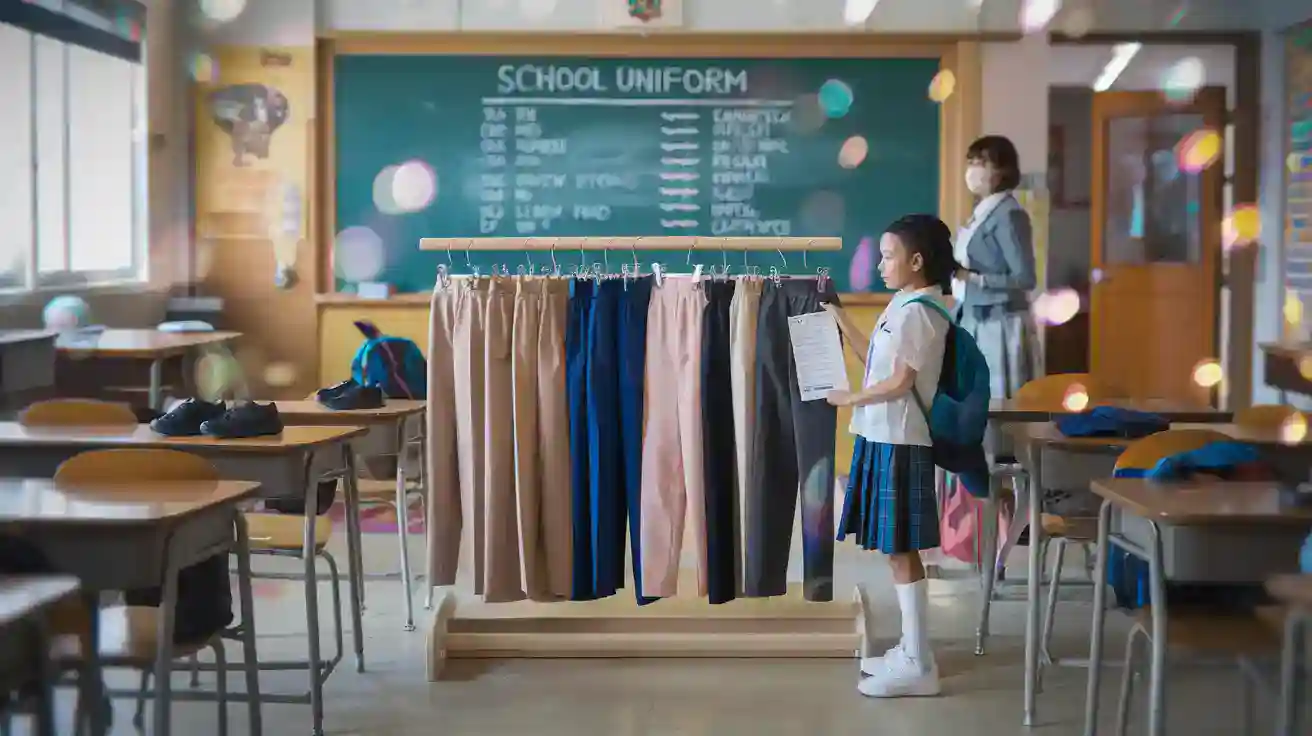
Choosing school uniform pants that match both comfort and school rules matters for every family. Many parents worry about durability, fit, and style while keeping up with school dress codes. In recent years, more schools have set specific requirements for uniform pants:
In the 1999–2000 school year, 12% of public schools required uniforms.
By the 2019–20 school year, this number rose to 18.8%.
You want pants that support your child’s confidence and meet school expectations.
Key Takeaways
Check your school’s dress code for specific requirements on styles, colors, and materials before shopping.
Choose pants made from durable fabrics like poly-cotton blends or twill to ensure they last through daily wear.
Look for growth-friendly features such as adjustable waistbands to accommodate your child’s growth over the school year.
Select pants with reinforced knees to prevent rips and holes, especially for active children.
Inspect stitching and construction for quality; strong seams help pants withstand frequent washing and wear.
Involve your child in the selection process to ensure they feel comfortable and confident in their uniform.
Prioritize easy-care features like machine-washable and wrinkle-resistant fabrics to save time on laundry.
Read reviews of brands to find reliable options that offer durability and comfort for school uniform pants.
Dress Code
Allowed Styles
You want to start by checking which styles your school allows. Most schools prefer classic cuts for school uniform pants. Straight-leg, flat-front, or pleated pants often meet requirements. Skinny, baggy, or cargo styles may not be permitted. Some schools specify that pants must sit at the waist and cover the ankles. You should avoid pants with excessive embellishments, rips, or decorative stitching. If your school provides a handbook, review the section on pants carefully. This step helps you avoid buying pants that your child cannot wear.
Tip: Ask your child’s school if they have sample photos or a visual guide. This can make shopping easier and prevent confusion.
Colors and Patterns
Schools usually require solid colors for uniform pants. Patterns like stripes, checks, or prints are rarely allowed. The most common colors include navy blue, khaki (tan), and black. You can see the typical options in the table below:
Color | Pattern |
|---|---|
Navy Blue | Solid Only |
Khaki (Tan) | Solid Only |
Black | Solid Only |
You should always confirm the approved colors with your school. Some schools allow only one color, while others offer a choice. Sticking to solid colors ensures your child’s pants meet the dress code every day.
Materials
Material choice matters for both comfort and compliance. Most schools specify that school uniform pants must use standard uniform fabrics. You will often see requirements for cotton and twill. Some schools also allow microfiber polyester or cotton corduroy. These materials offer durability and breathability, which help your child stay comfortable throughout the day.
Pants/slacks must be made of standard uniform material (cotton and/or twill).
Pants must be made of chino cotton, microfiber polyester, or cotton corduroy.
The table below highlights common material types and their features:
Material Type | Description |
|---|---|
Chino Cotton | A durable and breathable fabric often used for uniform pants. |
Microfiber Polyester | Similar to golf pants material, lightweight and comfortable. |
Cotton Corduroy | A textured fabric that provides warmth and style. |
Choosing the right material supports a modest school uniform. You want pants that are not see-through and that provide enough coverage. The school uniform guide for parents often explains which fabrics meet the modest school uniform standard. If you have questions, contact your school for clarification.
Modest School Uniform
When you shop for school uniform pants, you often see the term “modest school uniform” in the dress code. Schools use this phrase to set clear expectations for how students should dress. You want to make sure your child’s pants meet these standards, so they feel comfortable and confident at school.
A modest school uniform focuses on coverage and fit. Schools expect pants to cover the legs fully and avoid exposing skin. You should look for pants that reach the ankles and do not ride up when your child sits or moves. Many schools also require that pants fit comfortably—not too tight and not too loose. This approach helps students focus on learning instead of worrying about their clothes.
Note: Modesty in school uniforms is about respect and comfort. When students wear pants that fit well and provide enough coverage, they can participate in class and activities without distraction.
You can use the following checklist to make sure your child’s pants meet modesty guidelines:
Pants should cover the legs completely.
Choose designs that minimize skin exposure.
Avoid pants with slits, cutouts, or rolled cuffs.
Select a fit that is neither baggy nor form-fitting.
Schools often provide more specific rules for uniform pants. Here is a typical set of requirements you might find:
Uniform fabric, style, and fit must be consistent with school guidelines.
Cargo pants, denim, and skinny pants are not allowed.
You should always check your school’s handbook or website for the most up-to-date information. Some schools may have additional rules about belt loops, pockets, or decorative elements. If you are unsure, contact the school office for clarification.
Choosing the right pants helps your child blend in with their peers and avoid dress code violations. You also teach them the value of following guidelines and respecting community standards. When you prioritize a modest school uniform, you support your child’s comfort and help them succeed in the classroom.
Fit and Comfort

Sizing School Uniform Pants
Finding the right size for school uniform pants helps your child feel confident and ready for school. You want to make sure the pants fit well and allow for movement. Accurate measurements are the first step toward a proper fit.
Measuring Tips
You can follow these steps to measure your child for comfortable pants:
Measure your child’s waist, hips, inseam, and height.
Compare these measurements to the sizing charts provided by the uniform brand. Sizing can differ between brands, so always check the chart.
Let your child try on the pants if possible. This helps you confirm the fit and comfort.
Prepare for all seasons by buying sizes that allow for layering.
Tip: Double-check the school’s dress code before shopping. Some schools have specific requirements for pant length or fit.
Room for Growth
Children grow quickly, so you want to plan ahead. Choosing a slightly larger size gives your child room to grow and ensures the pants last longer. Look for growth-friendly features such as adjustable waistbands or extra length in the hem. These features help you avoid buying new pants every few months.
Adjustable waistbands allow the pants to fit comfortably from one grade to the next.
Growth-friendly features make it easier to keep up with your child’s changing size.
Waistbands and Adjustability
Waistbands play a key role in comfort and fit. You should look for pants with adjustable waistbands, especially for younger children. These waistbands let you customize the fit and keep the pants secure throughout the day. Elastic or button-adjustable waistbands offer flexibility and help the pants stay comfortable as your child grows.
Adjustable waistbands ensure a comfortable fit year after year.
You can avoid tightness or sagging by choosing pants with flexible waist options.
Movement and Breathability
Comfort matters during long school days. Breathable materials like cotton and organic cotton help regulate body temperature and manage moisture. These fabrics allow air to flow and sweat to escape, keeping your child cool and dry during class and physical activities. Soft materials such as lyocell prevent skin irritation and distractions.
Evidence Type | Description |
|---|---|
Moisture-Wicking Fabrics | These fabrics help regulate body temperature by drawing sweat away from the skin, keeping students comfortable in varying temperatures. |
Cognitive Performance | Research indicates that non-restrictive clothing enhances focus and participation in tasks, reducing distractions from discomfort. |
Stress Reduction | Comfortable clothing can alleviate stress and anxiety, allowing students to feel more at ease and engaged in their learning environment. |
You want to choose school uniform pants made from breathable fabrics to support your child’s comfort and performance. When students wear comfortable pants, they can focus better and participate more actively in school.
Note: Soft, breathable materials and growth-friendly features help you provide the best possible experience for your child. Prioritizing proper fit and comfort makes a difference in your child’s school day.
Durable Fabrics
Sturdy Materials
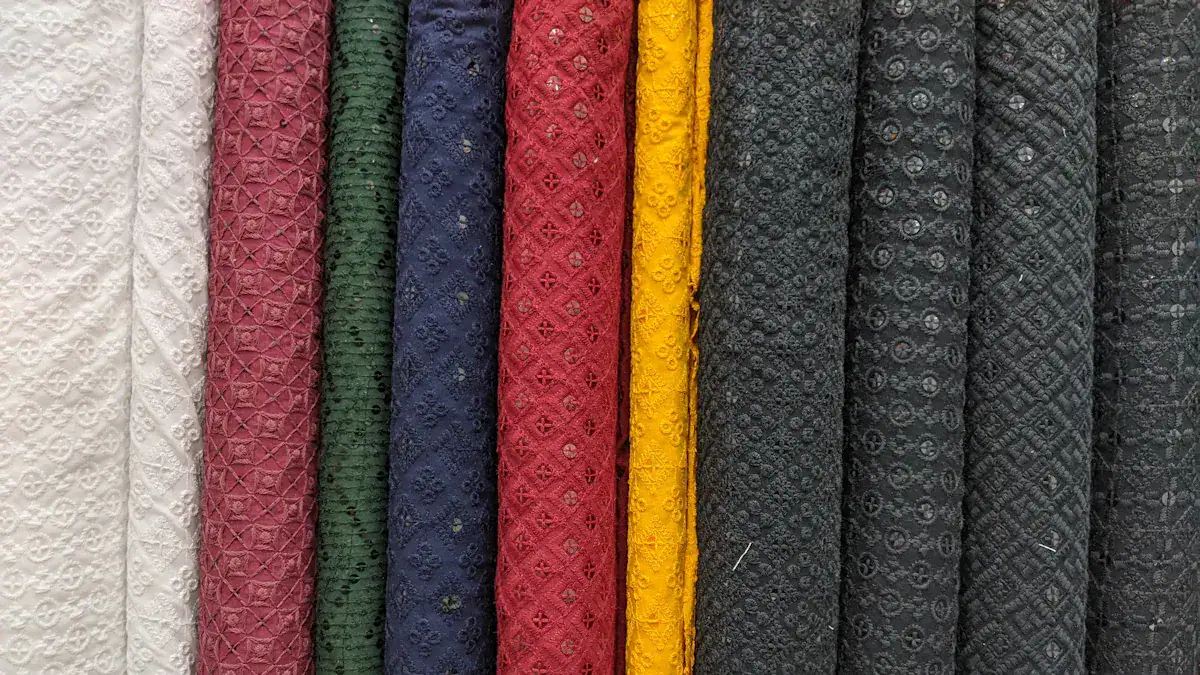
You want school uniform pants that stand up to daily use. Children move, play, and sit in class for hours. Durable fabrics help pants last through the school year. You should look for materials that resist tears, abrasions, and wrinkles. Poly-cotton blends, gabardine, and twill are top choices for durability. These fabrics combine strength with comfort, making them ideal for active students.
Here is a comparison of popular sturdy materials:
Fabric Type | Durability Features | Additional Benefits |
|---|---|---|
Poly-Cotton Blends | Softness of cotton combined with the durability of polyester | Wrinkle resistance, cost-effectiveness |
Gabardine | Resistant to wrinkles, abrasions, and weather elements | Water resistance, structured appearance |
Twill | Resistant to tears and abrasions, suitable for active students | Stain resistance, comfort |
You can rely on these fabrics to keep pants looking neat and feeling comfortable. Laboratory tests show that these materials perform well in dry cleaning fastness, light fastness, and perspiration fastness. You get pants that stay strong and keep their shape, even after many washes.
Fabric Property | Test Result |
|---|---|
Dry Cleaning Fastness | |
Light Fastness | Grade 3-4 |
Perspiration Fastness | Grade 4 |
Breathability | Measured via sweating guarded hot plate test |
Air Permeability | Tested |
Softness | Qmax test |
Reinforced Knees
Active children often wear out the knees of their pants first. You should look for school uniform pants with reinforced knees. This feature adds an extra layer of fabric at the knee area. Reinforced knees protect against rips and holes, especially during recess or sports. You save money and avoid frequent replacements.
A mother shared, “When I started checking stitching and looking for reinforced knees, our uniforms made it through the whole year. Spending $5 more up front paid off.”
Reinforced knees offer long-term value. You invest a little more at the start, but you get pants that last longer. Schools benefit too, since fewer replacements mean more funds for classroom resources.
Fewer replacements save money for families and schools.
Students enjoy reliable clothing that supports their activities.
Easy Care
You want pants that are easy to clean and maintain. Easy-care features make life simpler for parents and students. Quick-drying fabrics reduce laundry time. Machine-washable materials allow you to clean pants without special treatment. Wrinkle resistance keeps pants looking tidy, even after a busy day.
Here are some easy-care features and their benefits:
Feature | Benefit for Parents | Benefit for Students |
|---|---|---|
Quick-Drying | Reduces time spent on laundry | Ensures comfort during active days |
Durability | Designed to last through many washes | Provides reliable clothing for school |
Keeps students dry and comfortable | Enhances focus during school activities | |
Breathable Fabrics | Regulates body temperature | Prevents overheating during physical activity |
Easy Maintenance | Saves time on laundry and upkeep | Allows for active play without worry |
Wrinkle Resistance | Eliminates need for ironing | Keeps pants looking neat and tidy |
Machine Washable | Saves time on laundry | Easy to clean after daily activities |
You get more value for your money when you choose pants with these features. High-quality materials retain their color and shape, boosting student confidence. You also enjoy the ease of wear, since students can put on pants that feel good and look sharp every day.
Benefit | Description |
|---|---|
Reduced replacements | High-quality pants last longer, reducing the need for frequent purchases. |
Investing slightly more upfront leads to savings in the long run. | |
Enhanced appearance | Good quality materials retain their color and shape, improving student confidence. |
This attention to material science saves schools money long-term—fewer replacements mean more funds for classroom resources, which is the ultimate ROI.
Practical Features
Pockets
You want school uniform pants that help your child stay organized throughout the day. Pockets play a key role in this. Many parents rate pockets as one of the most practical features when choosing school pants. Pockets allow students to carry small items like keys, lunch cards, or tissues. This convenience helps your child keep important items close at hand.
Most uniform pants offer front pockets, but some styles include back or cargo pockets. You should check the school’s dress code to see if there are any restrictions on pocket style or size. Some schools do not allow large cargo pockets because they can look too casual. However, standard side or back pockets usually meet requirements and add useful storage.
Tip: Choose pants with reinforced pocket seams. These last longer and prevent tearing, even with daily use.
Closures
Closures affect both comfort and ease of use. You will find several types of closures on school uniform pants, such as zippers, buttons, hooks, and elastic waists. Each type offers different benefits for students of various ages.
Zippers and buttons: These provide a secure fit and a classic look. Older students often prefer this style because it looks more formal.
Elastic waists: These make pants easy to pull on and off. Younger children benefit from elastic waists, especially during bathroom breaks or quick changes.
Hook-and-bar closures: These offer a smooth front and are easy to fasten, making them a good choice for students who want a neat appearance.
Parents value closures that are durable and easy to use. You should look for closures that withstand frequent washing and daily wear. Practical closures help students dress independently and feel confident at school.
Style Options
You have several style options when selecting school uniform pants. Each style offers unique benefits for comfort, durability, and appearance. The most popular choices include chinos, cargo pants, and sweatpants.
Chinos: These pants use sturdy cotton twill fabric. Chinos offer a polished look and work well for both formal and casual school settings. They resist wrinkles and are easy to clean.
Cargo pants: These feature large pockets, making them ideal for students who need extra storage. Cargo pants use durable materials and provide comfort for active children. They suit both casual and formal occasions, depending on the school’s dress code.
Sweatpants: These focus on comfort and ease of movement. Sweatpants use soft, breathable fabrics and are easy to wash. Some schools allow sweatpants for gym days or casual uniforms.
You should consider your child’s daily activities and the school’s guidelines when choosing a style. Practicality stands out as a top priority for many parents. Durable, easy-care pants with useful features make school mornings smoother and help your child feel prepared for the day.
Note: When you select pants with the right features, you support your child’s comfort and confidence at school. Practical details like pockets, closures, and style options make a real difference in daily school life.
Quality Check
Stitching
When you inspect school uniform pants, start by checking the stitching. Strong seams help pants last through daily wear and frequent washing. You want to look for specific stitching techniques that add durability and prevent fraying. The table below highlights the most reliable methods used in quality school uniforms:
Stitching Technique | Description | Benefits |
|---|---|---|
Double Lapped Seam | Overlapping seams that provide durability and a neat appearance. | Strong join without bulk, streamlined manufacturing, versatility, professional look. |
Welt Seam | Provides strength and durability with minimal bulk, ideal for heavy fabrics. | Adds strength, less bulk, prevents fraying, clean appearance. |
Bound Seam | Encloses raw edges with a strip of material to prevent fraying. | Neat finish, ideal for items facing friction, adds strength to seams. |
You should run your fingers along the seams. If you notice loose threads or uneven stitching, the pants may not hold up over time. Quality stitching keeps the fabric together and helps the pants retain their shape. Many brands use double lapped or welt seams for extra strength, especially in areas that face the most stress.
Tip: Inspect the inside of the pants for bound seams. These seams protect against fraying and add a polished finish.
Construction
The overall construction of school uniform pants determines how well they perform throughout the year. You want pants that use reliable stitching and sturdy fabrics. High-quality uniforms often use special sewing threads and maintain a stitch density of 14 stitches per inch. This density prevents seams from unraveling and ensures the pants keep their shape.
Reliable stitching keeps seams secure and prevents gaps.
Polyester fabrics excel in tensile strength, resisting tears and stretching.
Uniforms with reinforced stress points, such as knees and pockets, last longer.
Well-constructed pants use strong threads and careful seam placement.
You should check for even hems, straight seams, and reinforced areas. Pants with solid construction stand up to active school days and frequent washing. When you choose well-made pants, you invest in comfort and durability for your child.
Note: Quality construction means fewer repairs and replacements, saving you time and money.
Brand Reputation
Choosing pants from reputable brands increases your chances of getting durable and comfortable school uniforms. You want to look for brands with positive reviews and a history of customer satisfaction. Two brands stand out for their commitment to quality and service:
School Uniforms by Tommy Hilfiger: Customers praise the exceptional materials and craftsmanship. The ordering process is smooth, and customer service responds quickly to questions. Many parents report that the fabrics feel durable and the stitching is top-notch.
French Toast: This brand is known for affordability and durability. Their uniforms use stain-resistant, wrinkle-resistant, and fade-resistant fabrics. Parents appreciate that French Toast pants maintain a polished look after many washes.
You should read customer reviews before making a purchase. Look for feedback on fabric quality, fit, and how the pants hold up over time. Brands with a strong reputation often offer better warranties and support, giving you peace of mind.
Block Quote: “The quality of the materials is exceptional; the fabrics feel durable, stitching and craftsmanship are clearly prioritized.” – Parent review of Tommy Hilfiger uniforms
When you focus on stitching, construction, and brand reputation, you make a smart choice for your child’s school uniform pants. Quality matters for comfort, appearance, and long-term value.
Checklist for Best School Uniform Pants
Quick Tips
You want to make sure your child feels comfortable and confident every day. Use this step-by-step checklist to guide your shopping process:
Review the School Dress Code
Check the handbook for specific requirements on style, color, and material. Confirm any updates with the school office.Measure Your Child Accurately
Use a soft measuring tape to record waist, hips, inseam, and height. Compare these numbers to the brand’s sizing chart.Choose Growth-Friendly Features
Look for adjustable waistbands and hems that allow for growth. These features help pants last longer.Select Durable Fabrics
Pick materials like poly-cotton blends, gabardine, or twill. These fabrics resist tears and keep pants looking neat.Inspect Stitching and Construction
Check for double lapped or welt seams. Run your fingers along the inside to spot bound seams that prevent fraying.Consider Practical Features
Choose pants with reinforced knees and sturdy pockets. Make sure closures suit your child’s age and needs.Read Brand Reviews
Research brands with positive feedback on durability and comfort. Look for warranties or satisfaction guarantees.
Tip: Involve your child in the selection process. Let them try on different styles to find the best fit and comfort.
Step | Why It Matters |
|---|---|
Measure accurately | Ensures comfort and proper fit |
Check durability | Saves money over time |
Review dress code | Prevents violations and returns |
Common Mistakes
Many parents face challenges when choosing school uniform pants. Avoid these frequent pitfalls to save time and money:
Waiting too long to collect sizes and place orders.
Early shopping gives you more choices and avoids last-minute stress.Ordering from unverified suppliers with inconsistent quality.
Trusted brands offer better materials and reliable sizing.Ignoring return policies for incorrect or damaged items.
Always check the store’s return and exchange policy before buying.Overlooking seasonal or growth-related size changes for students.
Children grow quickly. Choose pants with room for growth and consider seasonal layering.Focusing only on price instead of quality.
Low-cost pants may wear out faster, leading to more replacements.Forgetting to check for easy-care features.
Machine-washable and wrinkle-resistant fabrics save time and keep pants looking sharp.
Note: Careful planning and attention to detail help you avoid these mistakes. You ensure your child has reliable, comfortable pants for every school day.
You can choose the best school uniform pants by following a few key steps:
Review your school’s dress code.
Measure your child for the right fit.
Select durable, easy-care fabrics.
Check for practical features and quality construction.
Involve your child in the process. This helps them feel confident and comfortable. You can make a smart, informed choice that supports your child’s success every school day.
FAQ
What if my child’s school uniform pants do not fit after a few months?
You should choose pants with adjustable waistbands or hems. These features allow for growth. If the pants become too small, you can exchange them if the store offers a return policy.
Can my child wear leggings or jeans as uniform pants?
Most schools do not allow leggings or jeans as uniform pants. You should check your school’s dress code for approved styles. Schools usually require chino, twill, or gabardine pants.
How do I clean school uniform pants to keep them looking new?
Wash pants in cold water and use gentle detergent. You should avoid bleach. Tumble dry on low or hang to dry. Wrinkle-resistant fabrics help pants stay neat.
What should I do if my child has skin sensitivities?
You should select pants made from organic cotton or hypoallergenic fabrics. These materials reduce irritation. Look for labels that mention “skin-friendly” or “allergy-safe.”
Are there uniform pants options for children with disabilities?
Many brands offer adaptive school uniform pants. You can find pants with elastic waists, Velcro closures, or easy-pull tabs. These features support independence and comfort.
How many pairs of school uniform pants should I buy?
You should buy at least three pairs. This number allows for rotation and reduces wear. You can add more pairs if your child has frequent activities or longer school weeks.
What if my child’s school changes the uniform policy mid-year?
You should contact the school for guidance. Ask about transition periods or exchange programs. Some schools offer support for families during policy changes.
Can I alter school uniform pants for a better fit?
You can hem or adjust waistbands if the school allows alterations. Always check the dress code before making changes. Some schools require uniforms to remain unaltered.