

How to Choose the Best Uniforms for Convenience Store Employees
Table of Contents
Display

When I select convenience uniforms for my team, I focus on comfort, branding, and practicality. Industry surveys show branding and comfort matter most, while practicality remains important but ranks slightly lower.
Aspect | Importance Level | Description |
|---|---|---|
Branding | High | Uniforms enhance a professional appearance and reinforce brand values, creating positive impressions. |
Comfort | High | Comfortable uniforms improve employee morale and productivity, essential for a supportive work environment. |
Practicality | Moderate | Practical uniforms are necessary for functionality in retail settings, though less emphasized than branding and comfort. |
Modern trends like sustainable fabrics, modular fits, and gender-neutral or athleisure-inspired designs shape my decision-making process.
Key Takeaways
Prioritize comfort, branding, and practicality when selecting uniforms. Comfortable uniforms boost employee morale and productivity.
Choose colors that align with your brand identity. Consistent color use can increase brand recognition by up to 80%.
Strategically place your store’s logo on uniforms. A visible logo enhances brand visibility and fosters team pride.
Consider modern trends like sustainable materials and modular designs. These options improve comfort and support eco-friendly practices.
Incorporate gender-neutral options to promote inclusivity. This approach helps all employees feel welcome and valued.
Focus on easy maintenance for uniforms. Simple care instructions save time and reduce stress for employees.
Gather employee feedback during the uniform selection process. Involving staff ensures their needs are met and increases buy-in.
Regularly review and update uniforms to keep up with trends and employee expectations. This practice maintains a fresh and professional appearance.
Branding and Image
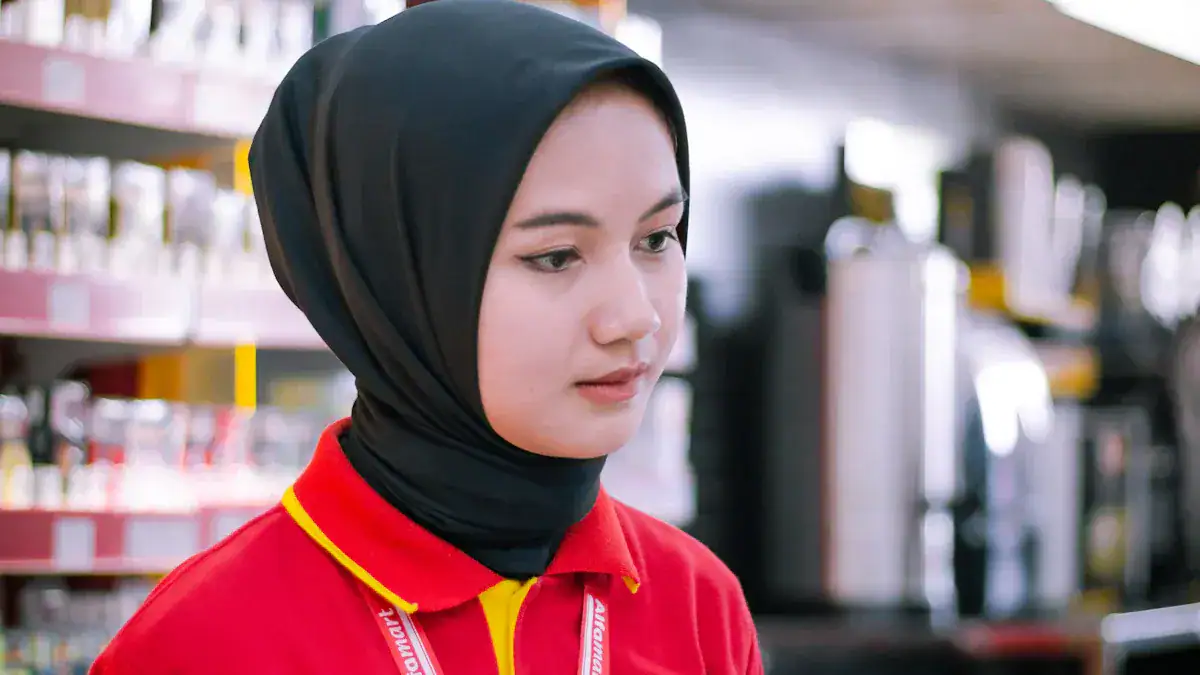
Uniforms play a crucial role in shaping how customers view my convenience store. I always consider branding and image when choosing uniforms because they help create a strong, memorable impression. A well-designed uniform not only looks professional but also tells customers what my business stands for. I focus on three main elements: brand colors, logo placement, and a cohesive look.
Brand Colors
Color selection stands at the heart of brand identity. When I choose uniform colors, I make sure they match my store’s signature palette. Consistent use of color helps customers recognize my brand instantly. Research shows that color impacts customer perception more than most people realize.
Statistic | Description |
|---|---|
Using consistent signature colors boosts brand recognition by up to 80%. | |
62–90% of first impressions are color-based | Within 90 seconds, consumers make judgments about a brand or product, and 62–90% of those are based on color alone. |
85% of consumers choose a brand by color | Studies show that 85% of buyers say color is the main reason for choosing one product over another. |
81% recall brand color, but only 43% recall name | 81% of participants remembered a brand’s color, while just 43% remembered its name. |
92% prioritize visuals in buying decisions | 92% of consumers said visual factors matter most when purchasing, with color being key. |
48–85% say color boosts visibility and purchase intent | About 85% claim color improves brand visibility; 48% link it to buying decisions. |
I always select colors that reflect my store’s personality and values. For example, bright colors can signal energy and friendliness, while darker tones suggest reliability and trust.
Logo Placement
A uniform without a visible logo misses a key branding opportunity. I pay close attention to where I place my store’s logo on uniforms. Strategic placement ensures customers notice the brand during every interaction.
Placing the logo on the left chest or sleeve increases visibility.
The front of the uniform, especially the left chest, works best for retail settings.
Different logo placements can signal professionalism and help staff stand out.
I find that a well-placed logo not only boosts recognition but also gives my team a sense of pride and belonging.
Cohesive Look
Uniforms should create a unified team appearance. I make sure every piece, from shirts to aprons, follows the same design language. This approach helps my staff look organized and professional. A cohesive look also reassures customers that they can expect consistent service every time they visit.
Tip: I recommend reviewing all uniform pieces together before making a final decision. This step ensures every item aligns with the overall brand image.
By focusing on color, logo placement, and a unified design, I strengthen my store’s identity and build trust with customers.
Convenience Uniforms Trends
Sustainable Materials
I see a major shift toward sustainable work uniforms in the convenience store industry. Many suppliers now offer recycled materials and organic fabrics. These options help reduce environmental impact and support my store’s commitment to responsible business practices. I choose uniforms made from eco-friendly fibers because they feel soft and last longer. Employees appreciate breathable and stretchy fabrics, especially during long shifts. I notice that sustainable work uniforms also boost my brand’s reputation among customers who value green initiatives.
Tip: I recommend asking suppliers about certifications for recycled or organic materials. Verified sources ensure true sustainability and quality.
Modular Designs
Modular designs have changed how I select convenience uniforms for my team. I look for mini collections that allow mix-and-match options. This flexibility lets employees choose pieces that fit their body type and personal style. I find that modular uniforms improve comfort and confidence at work. Shirts, vests, and pants in coordinated colors create a polished look while offering practical choices. Modular designs also make it easier to update uniforms for new roles or seasonal changes.
Mix-and-match options support diverse staff needs.
Modular pieces simplify inventory management.
Flexible designs adapt to different tasks and store layouts.
Gender-Neutral Options
Inclusivity matters in today’s workplace. I choose gender-neutral convenience uniforms to make every employee feel welcome. These designs avoid traditional gender distinctions and focus on fit and function. I see more suppliers offering unisex cuts and adjustable features. Gender-neutral options help my team present a unified image and reduce the need for separate uniform orders. Employees appreciate the comfort and simplicity of these styles.
Note: Gender-neutral uniforms support diversity and help build a positive work culture.
Athleisure Workwear
Athleisure workwear has become a game-changer for my team. I see more convenience stores adopting this trend because it blends comfort, style, and function. Athleisure-inspired uniforms use performance fabrics that stretch, wick moisture, and resist wrinkles. These features help my employees stay comfortable during long shifts and busy hours.
I choose athleisure workwear for several reasons:
Enhanced Mobility: Employees need to move quickly and easily. Stretch fabrics and ergonomic cuts support a full range of motion.
Modern Appearance: Athleisure uniforms look sharp and professional. They reflect current fashion trends, which helps my store attract younger talent.
Easy Care: Most athleisure pieces wash and dry quickly. They resist stains and keep their shape, which saves time and money on maintenance.
All-Day Comfort: Breathable materials keep staff cool and dry. This matters in a fast-paced retail environment.
Tip: I recommend testing different athleisure styles with your team. Ask for feedback on fit, comfort, and appearance before making a final decision.
I notice that customers respond positively to modern, athletic-inspired convenience uniforms. These uniforms project energy and approachability. My staff feels more confident and motivated when they wear clothes that fit well and look good. Athleisure workwear also supports my goal of creating a dynamic, forward-thinking brand image.
Best Work Uniforms Features
Comfort
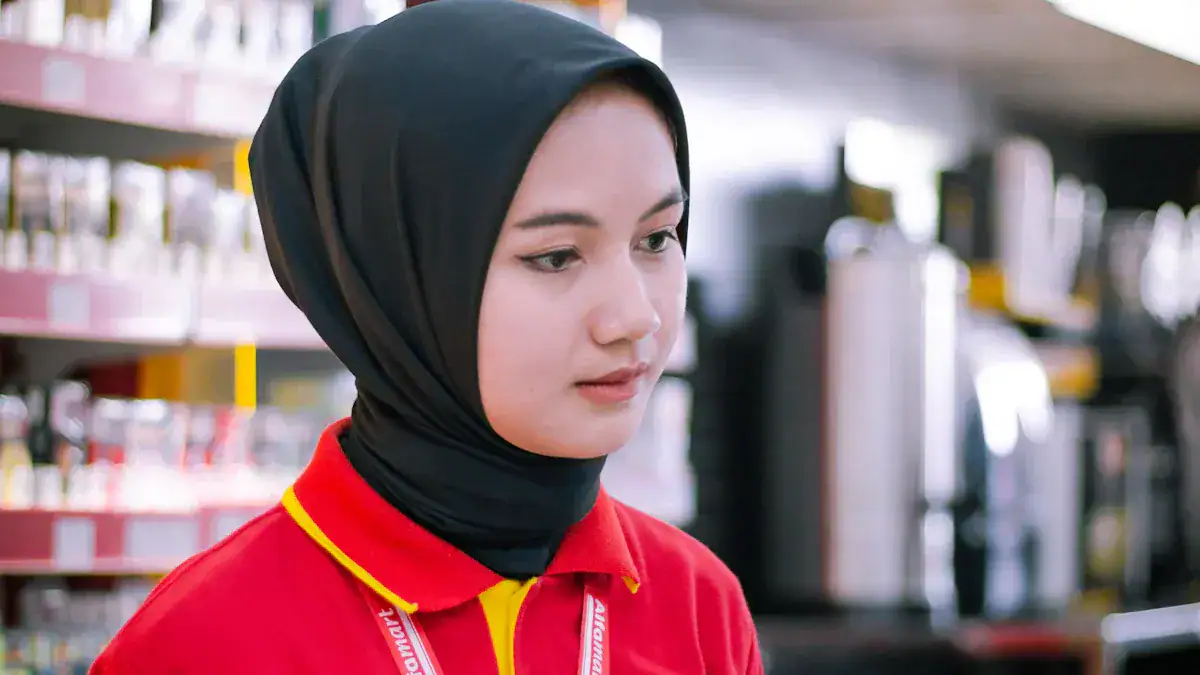
When I select the best work uniforms for my team, comfort always comes first. I know that employees spend long hours on their feet, often moving quickly between tasks. If uniforms feel restrictive or cause discomfort, staff morale drops and productivity suffers. I choose fabrics that feel soft against the skin and allow for easy movement. Cotton blends and moisture-wicking materials help prevent sweating and irritation, especially during busy shifts.
Comfortable fabrics like cotton blends or moisture-wicking materials prevent discomfort and sweating during long shifts.
Functional design elements, such as pockets and loose fits, enhance comfort and practicality, allowing staff to perform their duties effectively.
I pay close attention to the fit and cut of each piece. Loose-fitting shirts and pants give employees freedom to move, while well-placed pockets add convenience. I have noticed that when my team feels comfortable in their convenience uniforms, they work more efficiently and interact with customers in a friendlier manner.
Tip: I always ask my staff to try on samples before making a final decision. Their feedback helps me choose the best work uniforms for comfort and function.
Breathability
Breathability is another essential feature I look for in the best work uniforms. Convenience store employees often work in environments where temperatures fluctuate. I select fabrics that allow air to circulate and wick away moisture. This keeps my team cool and dry, even during the busiest hours.
Breathable fabrics enhance employee comfort during long shifts.
Improved comfort leads to higher productivity levels.
The Aer Fabric is specifically designed for environments like convenience stores, ensuring employees remain cooler and more comfortable, which positively affects their performance.
I have tested several uniform options over the years. Breathable materials consistently outperform others in terms of comfort and staff satisfaction. Employees who feel comfortable stay focused and deliver better service. I recommend choosing uniforms made with advanced fabrics designed for breathability, especially for stores with high foot traffic.
Durability
Durability matters just as much as comfort and breathability. I want the best work uniforms to withstand daily wear and frequent washing without losing their shape or color. Durable uniforms save money over time and keep my team looking professional.
Material Composition | |
|---|---|
100% Cotton | 1.5–2 |
70/30 Cotton/Polyester Blend | 2–2.5 |
60/40 Cotton/Polyester Blend | 2.5–3 |
I prefer cotton/polyester blends for convenience uniforms because they last longer and resist fading. These blends offer the right balance between comfort and strength. I have found that durable uniforms reduce replacement costs and maintain a polished appearance, even after months of use.
Note: I always check the stitching and fabric quality before placing a bulk order. High-quality seams and reinforced stress points extend the life of the best work uniforms.
Easy Maintenance
When I choose the best work uniforms for my convenience store, I always look for options that are easy to maintain. Uniforms that require minimal care save time and reduce stress for my team. I know that many employees work entry-level positions and may not have the resources or time for complicated laundry routines. Simple care instructions, such as machine washing and quick drying, make a big difference in daily life.
Uniforms with easy maintenance features offer several advantages:
They lower the financial burden on employees. Staff do not need to spend extra money on dry cleaning or special detergents.
Employees feel less stress about keeping their uniforms clean and presentable. This relief leads to higher job satisfaction.
A structured uniform program streamlines dress code management. I see more consistency in appearance across my team.
Uniform rental programs handle cleaning and repairs. This approach often costs less than reimbursing employees for personal clothing.
I always select fabrics that resist stains and wrinkles. These materials keep my staff looking sharp with minimal effort. I also prefer uniforms that hold their color and shape after repeated washes. When uniforms stay fresh and professional, my team feels more confident at work.
Tip: I recommend reviewing care labels before making a final decision. Choose uniforms that require only basic washing and drying for the best results.
Easy maintenance is a key reason why the best work uniforms stand out in the retail industry. When my employees spend less time worrying about their uniforms, they focus more on delivering excellent service. This simple feature supports both employee satisfaction and operational efficiency.
Practical Needs
Mobility
Mobility stands at the core of every convenience store role. I always look for uniforms that allow my team to move freely and perform their tasks without restriction. Each position in my store requires different features to support mobility. I rely on a mix of fabrics and thoughtful design to meet these needs. The following table shows how I match uniform features to each role:
Role | Key Features for Mobility |
|---|---|
Cashiers | Comfortable, breathable fabrics for long hours, active polo shirts, smart trousers, fleece for temperature control. |
Stockers | Tear-resistant fabrics, stretch panels for ease of movement, durable trousers, reinforced T-shirts. |
Deli/Bakery Workers | Easy-to-clean materials, aprons for protection, head coverings, nonslip shoes for safety. |
Office Staff | Business-casual attire, lightweight cardigans or blazers for professionalism and comfort. |
I notice that cashiers benefit from active polos and smart trousers. These pieces offer comfort during long shifts. Stockers need uniforms with stretch panels and tear-resistant fabrics. This combination lets them bend, reach, and lift without worry. Deli and bakery workers require easy-to-clean materials and protective aprons. Nonslip shoes keep them safe in busy kitchen areas. Office staff prefer business-casual options that look professional but still feel comfortable. I always test new designs with my team to ensure everyone can move easily throughout their shift.
Storage Options
Storage options in uniforms make a real difference in daily operations. I choose uniforms with practical pockets and compartments. My staff often carries pens, notepads, box cutters, or small tools. Well-placed pockets help them keep essentials close at hand. I look for shirts with chest pockets and trousers with deep side pockets. Some aprons come with extra compartments for coins or receipts. These features save time and reduce frustration during busy hours.
I also consider security. Zippered or buttoned pockets protect valuables and store keys. For stockers and managers, I select uniforms with reinforced pockets. This prevents wear and tear from heavy use. I have seen that when employees have enough storage, they work more efficiently and feel more organized.
Tip: I always ask my team which pocket styles they prefer. Their feedback helps me choose the most functional designs.
Temperature Adaptability
Temperature adaptability is essential in a convenience store. My team works in different climates, from coolers to hot kitchens. I select uniforms with features that help regulate body temperature. Breathable and moisture-wicking fabrics keep my staff comfortable. Improved airflow matters most in hot and humid environments. I notice that when uniforms allow for better temperature control, my employees stay focused and productive.
Breathability and moisture-wicking capabilities help regulate body temperature.
Improved airflow is crucial in hot and humid environments.
Enhanced comfort leads to increased productivity and overall job satisfaction.
I also provide layering options, such as lightweight fleeces or vests. These pieces let employees adjust to changing temperatures throughout the day. When my team feels comfortable, they deliver better service and enjoy their work more. Temperature adaptability in uniforms supports both employee well-being and store performance.
Customization
Best Uniform Ideas
When I think about the best uniform ideas for my convenience store, I focus on both function and style. I want uniforms that reflect my brand’s personality and make my team feel confident. I often start by choosing a color palette that matches my store’s branding. I select fabrics that are comfortable and durable, ensuring that employees can move easily throughout their shifts. I also look for options that offer a wide range of sizes and allow for custom uniform designs. This approach guarantees that every team member feels included and comfortable.
A well-defined dress code sets the tone for customer interactions. It communicates my store’s values and enhances professionalism. I have found that custom work uniforms boost team unity and create a consistent look across all locations. I sometimes add unique touches, such as contrast piping or embroidered names, to give uniforms extra flair. These small details help my staff stand out and reinforce our brand identity.
Tip: I recommend working with suppliers who understand the unique needs of convenience stores. They can suggest creative solutions that balance comfort, practicality, and visual appeal.
Role Differentiation
Role differentiation plays a key role in my uniform strategy. I assign specific uniform elements to different job functions. For example, cashiers might wear polos with the store logo, while stockers use shirts with extra pockets for tools. Deli workers often need aprons and head coverings for hygiene. Managers may wear a different color or style to signal authority and assist customers quickly.
I use custom work uniforms to make these distinctions clear. This system helps customers identify staff roles at a glance. It also streamlines operations, as employees know exactly what to wear for their position. I always ensure that each role’s uniform meets the specific job requirements, from mobility to storage options.
Cashiers: Branded polos, name tags
Stockers: Utility shirts, reinforced pants
Deli/Bakery: Aprons, hairnets
Managers: Dress shirts, blazers
This approach keeps my team organized and ensures a professional appearance throughout the store.
Special Events
Special events give me a chance to refresh my team’s look and energize the store atmosphere. I often design limited-edition uniforms for holidays, grand openings, or community fundraisers. These uniforms might feature seasonal colors, event logos, or playful graphics. Employees enjoy wearing something different, and customers notice the extra effort.
I plan ahead for these occasions by coordinating with my uniform supplier. I make sure the special event uniforms still align with our brand standards. I also gather feedback from my team to ensure the designs are comfortable and practical. These temporary changes boost morale and create memorable experiences for both staff and customers.
Note: Special event uniforms can double as promotional tools. They spark conversations and encourage customer engagement.
Sustainability
Eco-Friendly Fabrics
I always prioritize eco-friendly fabrics when selecting uniforms for my convenience store team. Sustainable materials not only reduce environmental impact but also offer comfort and durability. Over the past year, I have seen a surge in innovative textiles that meet both performance and sustainability standards. I look for fabrics that feel good, last long, and align with my store’s commitment to responsible business.
Some of the most common eco-friendly fabrics I use include:
TENCEL™ Lyocell: This fabric comes from sustainably sourced eucalyptus. It is biodegradable, stretchy, and easy to wear. My staff appreciates its softness and flexibility.
Wool: Wool is natural, renewable, and biodegradable. It regulates temperature, which helps my employees stay comfortable in changing conditions.
Cork: Cork is harvested without harming trees. It is renewable, biodegradable, and surprisingly durable. I use cork accents for aprons and accessories.
Cactus Leather: This vegan material requires little water to produce. It is partially biodegradable and offers a unique look for specialty uniforms.
Recycled Polyester: By utilizing plastic waste, recycled polyester provides durability and quick-drying properties. I choose this fabric for high-traffic roles.
Organic Cotton: Grown without harmful chemicals, organic cotton is soft and breathable. My team prefers it for everyday shirts and polos.
Bamboo: Bamboo fabric is naturally antibacterial and moisture-wicking. It keeps my staff fresh during long shifts.
I always ask suppliers about the origin and certification of these materials. Sustainable fabrics help me reduce my store’s carbon footprint and appeal to environmentally conscious customers. Employees also report higher satisfaction when wearing uniforms made from natural or recycled fibers.
Tip: I recommend rotating eco-friendly fabrics seasonally. This approach keeps uniforms comfortable and relevant throughout the year.
Ethical Suppliers
Working with ethical suppliers is essential for my uniform program. I want to ensure that every garment supports fair labor practices and responsible sourcing. I choose partners who demonstrate transparency and accountability in their operations. Ethical suppliers follow strict guidelines to protect workers and the environment.
Here are some strategies ethical suppliers use to guarantee fair labor practices:
Strategy | Description |
|---|---|
Regular Supplier Audits | Assess ethical risk and confirm adherence to ethical standards. |
Supplier Code of Conduct | Details expectations for ethical business conduct, labor conduct, and environmental responsibility. |
Focus on Fair Labor Practices | Ensures fair wages, safe working conditions, and respect for workers’ rights. |
Fair Wages and Benefits | Employees receive a living wage to support their basic needs. |
Safe and Healthy Working Conditions | Factories maintain clean and safe environments for workers. |
Reasonable Working Hours | Compliance with local labor laws regarding working hours and breaks. |
No Child or Forced Labor | Strict policies and regular audits to prevent child labor and forced work. |
I always review supplier certifications and audit reports before placing orders. Ethical sourcing builds trust with my team and customers. It also protects my brand reputation. By choosing suppliers who value people and the planet, I create a positive impact beyond my store.
Note: I encourage other store owners to ask suppliers about their labor policies and environmental standards. Responsible sourcing benefits everyone in the supply chain.
Employee Feedback
Staff Input
I always start my uniform selection process by listening to my team. Employees wear these uniforms every day, so their opinions matter most. I use surveys and one-on-one interviews to gather honest feedback about what works and what does not. I ask about fit, fabric, comfort, and function. I want to know which features help them do their jobs better and which ones cause frustration.
Most importantly, listen to your employees. Survey or interview them to learn about preferences on fit, fabric, comfort, and function. When employees feel heard and included, they’re far more likely to embrace the new uniform program with enthusiasm.
I notice that when I involve my staff early, they feel valued and respected. This approach builds trust and increases buy-in for any changes. I also encourage open discussions during team meetings. Sometimes, the best ideas come from casual conversations on the sales floor.
Pilot Testing
After collecting input, I move to pilot testing. I select a small group of employees from different roles to try out sample uniforms. This step lets me see how the uniforms perform in real working conditions. I ask the test group to wear the uniforms for several shifts. I observe how the fabric holds up, how easy it is to move, and whether the design meets the demands of each job.
I provide a simple feedback form for the pilot group. I ask questions like:
Did the uniform feel comfortable during your shift?
Were the pockets and features useful?
Did you notice any issues with fit or durability?
How easy was it to clean the uniform?
I collect these responses and review them carefully. Pilot testing helps me catch problems before rolling out uniforms to the entire team. It also gives employees a sense of ownership in the process.
Adjustments
Once I finish pilot testing, I make adjustments based on the feedback. I work closely with my uniform supplier to tweak designs, change fabrics, or add features that my team requests. Sometimes, I need to order different sizes or modify pockets for specific roles. I always communicate these changes to my staff, so they know their voices made a difference.
I believe that continuous improvement leads to better results. I schedule follow-up check-ins after the new uniforms launch. I ask for ongoing feedback and stay open to making further changes if needed. This cycle of input, testing, and adjustment ensures my team always has uniforms that support their work and reflect our brand values.
Tip: Employee feedback is not a one-time event. Make it a regular part of your uniform program to keep your team happy and engaged.
I always start by surveying my team to understand their comfort and practicality needs. I reassess my uniform policy every year to keep up with current trends and employee expectations. I offer a range of sizes and fits to ensure inclusivity. When I review my convenience uniforms, I focus on comfort, branding, and sustainability. I choose the best work uniforms that reflect my brand and support my staff. I update designs and features to match new styles and improve performance.
FAQ
What is the best fabric for convenience store uniforms?
I prefer cotton-polyester blends. These fabrics offer comfort, durability, and easy care. They resist wrinkles and stains, which keeps my team looking sharp throughout every shift.
How often should I update my store uniforms?
I review my uniforms every year. I look for signs of wear, changes in branding, or new trends. Regular updates keep my team comfortable and my store image fresh.
Can I customize uniforms for different roles?
Yes, I customize uniforms by color, style, or accessories. For example, I use aprons for deli staff and polos for cashiers. This approach helps customers identify staff roles quickly.
Are sustainable uniforms more expensive?
Sustainable uniforms sometimes cost more upfront. However, I find they last longer and improve my brand reputation. Over time, the investment pays off through durability and customer trust.
How do I get employee feedback on uniforms?
I use surveys, team meetings, and pilot testing. I encourage honest opinions about fit, comfort, and function. This feedback helps me choose uniforms that my team actually wants to wear.
What features improve uniform comfort?
I look for soft fabrics, breathable materials, and ergonomic cuts. Features like stretch panels and moisture-wicking technology keep my staff comfortable during long shifts.
Should I include my store logo on every uniform piece?
I always include the logo on shirts and outerwear. Visible branding reinforces my store identity and helps customers recognize staff members easily.
How do I care for uniforms to make them last?
I follow care labels closely. I wash uniforms in cold water and avoid harsh detergents. I choose fabrics that resist fading and shrinking, which extends the life of every piece.