

Bulk Uniform Delivery Schedule and Key Deadlines for Schools
Table of Contents
Display
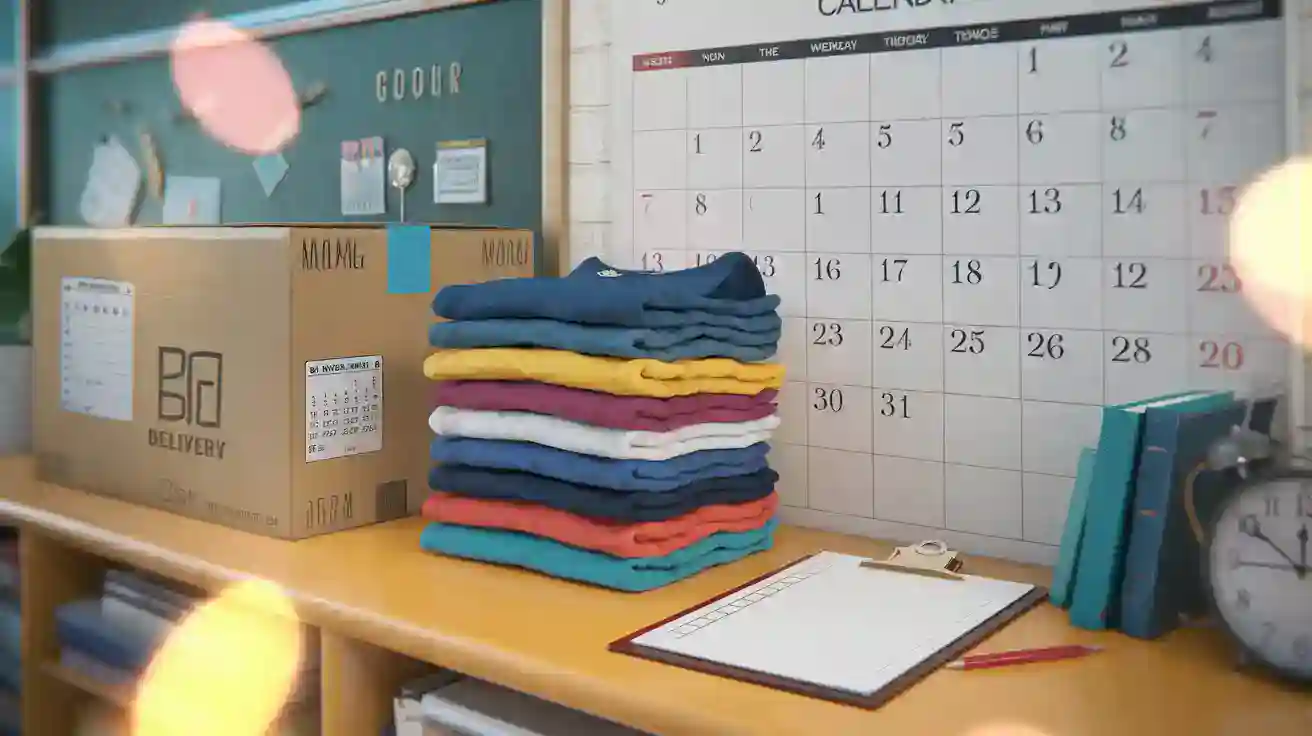
I always recommend that a school schedules bulk uniform delivery well ahead of the new academic year to avoid unnecessary stress. Early cut-off dates help me secure the right quantities and sizes. Supplier timelines can shift, so I track each delivery milestone for a timely arrival. > Reliable uniform distribution starts with careful planning and clear communication.
Key Takeaways
Start planning bulk uniform orders early, ideally three to six months before the school year begins, to avoid last-minute stress.
Set clear cut-off dates in April or May to secure better prices and ensure suppliers have enough stock.
Communicate deadlines to staff and parents well in advance to keep everyone informed and reduce confusion.
Align orders with suppliers’ monthly delivery cycles to ensure timely arrivals and avoid missed deadlines.
Assess student needs by reviewing enrollment data and conducting size surveys to avoid over-ordering or shortages.
Maintain a small surplus of uniforms to quickly address unexpected needs or last-minute changes in enrollment.
Use reliable tracking systems to monitor shipments and ensure timely delivery, keeping parents updated throughout the process.
Prepare a contingency plan for potential issues like supplier delays or sizing errors to minimize disruptions.
Bulk Uniform Delivery Timeline
Lead Times for Bulk School Uniforms
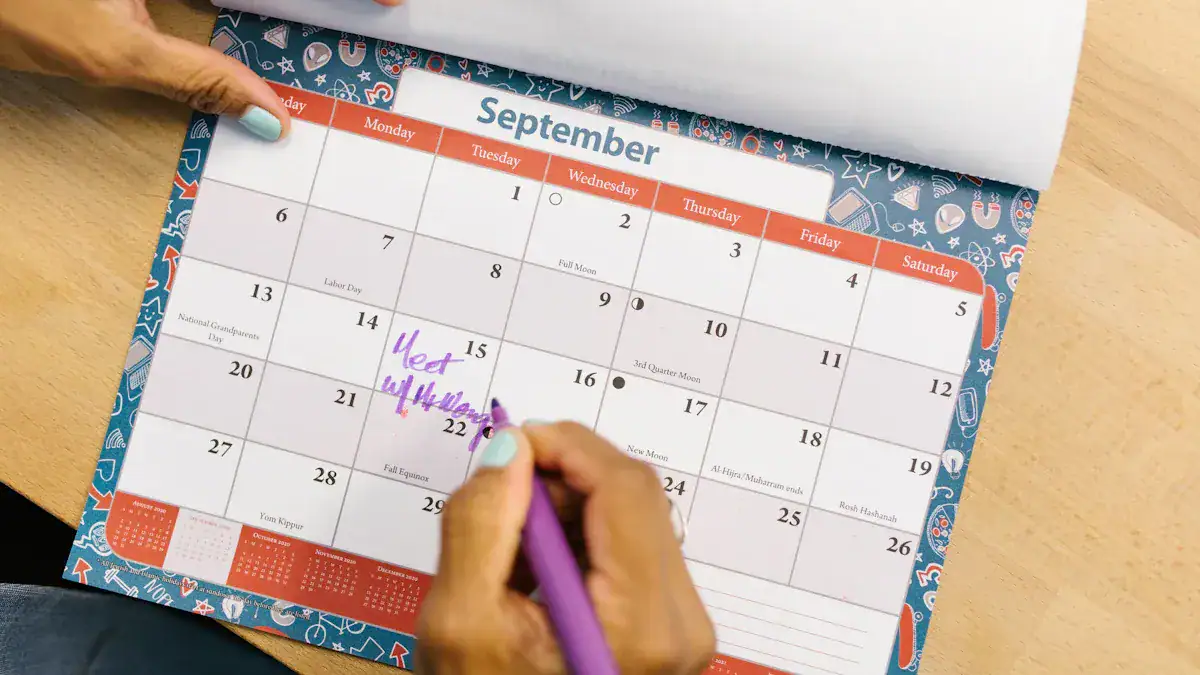
I always advise schools to plan ahead when it comes to bulk school uniforms. Most suppliers require a significant lead time, especially during peak seasons. I usually place bulk school uniform orders three to six months before the academic year begins. This window allows enough time for customization, production, and any unexpected delays. When I work with suppliers, I find that a four to eight-week lead time is the minimum for standard orders. However, I never risk last-minute issues. I always build in extra time to ensure the bulk uniform delivery arrives before students return.
Tip: Placing orders early not only secures your preferred delivery times but also helps avoid rush fees and stock shortages.
Key Cut-Off Dates
Setting clear cut-off dates is essential for a smooth bulk uniform delivery process. I have learned that most schools set their cut-off dates in the spring. This timing gives me access to better prices and ensures that suppliers have enough stock.
Schools generally set cut-off dates for bulk uniform orders in April or May.
This timing allows schools to benefit from better prices and availability.
Some suppliers offer additional discounts of 10-15% for early orders.
I always communicate these deadlines to staff and parents well in advance. This approach helps everyone stay on track and reduces last-minute stress.
Monthly Delivery Cycles
Many suppliers operate on monthly delivery cycles for bulk school uniforms. I coordinate my orders to align with these cycles. This strategy ensures that the bulk uniform delivery fits into the supplier’s production schedule. I track each delivery milestone and confirm estimated delivery times with the supplier. By doing this, I avoid confusion and keep the school community informed. I also recommend reviewing the supplier’s monthly schedule at the start of each year. This step helps me plan for any changes in uniform requirements or school enrollment.
Note: Consistent communication with your supplier about monthly cycles can prevent missed deadlines and ensure a seamless delivery process.
Planning Bulk School Uniform Orders
Assessing Needs
When I plan for the upcoming academic year, I start by assessing the needs of the school. I use a structured approach to ensure accuracy and efficiency. The following table outlines the methods I rely on to determine the requirements for a bulk school uniform order:
Method | Description |
|---|---|
Needs Assessment | I discuss projected enrollment numbers and ideal uniform styles with staff. |
Sample Review | I order fabric swatches and uniform samples for approval before placing the full order. |
I distribute size charts or hold fitting sessions to collect accurate measurements. | |
Bulk Order Placement | I finalize quantities and place a large order with a clear delivery timeline. |
Delivery & Distribution | I receive a consolidated shipment, often with individual polybags for each student. |
Reorder Planning | I set reorder points based on usage rates for the next term. |
Enrollment Data
I always begin with enrollment data. I review current student numbers and consult with the admissions team to estimate new enrollments. This step helps me avoid over-ordering or running short on uniforms. I also check for any changes in grade sizes or new class additions.
Growth Estimates
Next, I consider growth estimates. I look at historical trends and planned expansions. If the school expects an increase in students, I adjust the bulk school uniform order accordingly. I also factor in potential transfers or withdrawals to keep the order as accurate as possible.
Order Quantities
Determining the right order quantities requires careful analysis. I balance several factors to ensure the school receives enough uniforms without exceeding the budget. The table below summarizes the main considerations:
Factor | Description |
|---|---|
I consider affordability for parents while ensuring quality and long-term savings for the school. | |
Supplier reliability | I choose dependable suppliers to guarantee timely delivery and prevent shortages. |
Quality of materials | I test fabric and stitching to ensure the uniforms will last throughout the year. |
Scalability | I select suppliers who can adjust to changing student numbers for future bulk school uniform orders. |
I always order a small surplus to cover unexpected needs. This practice prevents last-minute shortages and supports new students who join mid-year.
Customization Details
Customization options play a significant role in the final order. I review all available choices with the supplier before confirming the order. Larger bulk orders often benefit from economies of scale, which reduces the cost per uniform. I standardize requirements across grades when possible, and sometimes collaborate with other schools to secure volume discounts.
When I select customization options, I consider embroidery, screen printing, and special features like reflective stripes. The complexity of the design and the number of colors can affect pricing. Custom sizing may require pattern adjustments, which can increase costs. I also evaluate the reputation of the supplier, since established manufacturers may charge more for perceived quality and reliability.
Tip: I always request detailed quotes for each customization option to avoid surprises in the final invoice.
Choosing Bulk School Uniform Suppliers
Supplier Lead Times
When I select bulk school uniform suppliers, I always start by evaluating their turnaround time. I ask each supplier for a clear estimate of how long it takes to process and ship a bulk school uniform order. Some suppliers promise quick service, but I look for consistency and reliability. I check if they can handle large orders during peak seasons. I also ask about their certifications, which often indicate a commitment to quality and durability. Certifications like ISO 9001 or OEKO-TEX assure me that the supplier meets industry standards for quality of materials and ethical production. I never compromise on these points because the school community expects uniforms that last.
Delivery Options
I always compare delivery options before finalizing my choice of bulk school uniform suppliers. Each supplier offers different methods, and I match these to the school’s needs. The most common delivery options include:
Description | |
|---|---|
Standard Shipping | Regular delivery time, typically 5-7 business days. |
Expedited Shipping | Faster delivery, usually within 2-3 business days. |
Local Pickup | Option to collect orders directly from the supplier. |
I prefer suppliers who provide flexible delivery schedules. This flexibility helps me coordinate bulk uniform delivery with the school calendar. I also ask about tracking systems and insurance for lost or damaged shipments. Suppliers with certifications in logistics or supply chain management often deliver better service. I always verify that the supplier’s certifications cover both quality and durability, which protects the school’s investment in uniforms.
Order Confirmation
Order confirmation is a critical step when working with bulk school uniform suppliers. I follow a structured process to ensure accuracy and timely delivery:
I create an accurate list of student sizes and uniform requirements early. I include quantities for essentials like shirts, trousers, skirts, and PE kits.
I schedule orders in advance. I avoid last-minute rushes by placing orders weeks before the school year starts, accounting for delivery times and possible delays.
I track and confirm delivery with the supplier. I maintain open communication and verify every item upon arrival to ensure all uniforms match the school’s specifications.
I always request written confirmation from the supplier, including estimated delivery dates and details about certifications. This documentation helps resolve any disputes and ensures the supplier remains accountable. I also review the supplier’s certifications for quality and durability before making the final payment. By following these steps, I protect the school’s reputation and guarantee students receive high-quality uniforms on time.
Ensuring Timely Delivery
Communication with Suppliers
I prioritize clear and consistent communication with suppliers to ensure timely deliveries for my school. I use team communication channels to explain the benefits of our uniform program, answer questions, and address concerns before the rollout. This approach helps everyone understand the process and reduces confusion. I also develop comprehensive messaging about the reasons for the uniform program and its advantages. By sharing these details early, I build trust with suppliers and keep staff informed. I schedule regular check-ins to discuss order status and address any issues that may arise. When I maintain open lines of communication, I can quickly resolve problems and ensure timely delivery.
I use team channels to share updates and answer questions.
I provide detailed information about the uniform program’s benefits.
I schedule regular meetings to review order progress and delivery timelines.
Tip: Early and frequent communication with suppliers helps prevent misunderstandings and supports timely shipping.
Delivery Milestones
I track every step of the bulk uniform order process to ensure timely deliveries. Each milestone marks a critical phase in production and shipping. I monitor progress closely and communicate with suppliers at each stage. The following table outlines the key delivery milestones and their typical durations:
Milestone | Duration |
|---|---|
Material preparation | 2–3 days |
Cutting and sublimation | 4–5 days |
Sewing and assembly | 5–7 days |
Final quality inspection | 1–2 days |
Shipping | After quality check |
I review these milestones with suppliers to confirm that each phase stays on schedule. If I notice any delays, I address them immediately to keep the process moving. By tracking milestones, I ensure timely delivery and avoid last-minute surprises.
Tracking Shipments
I rely on advanced tracking systems to monitor bulk uniform shipments and ensure timely deliveries for my school. These systems provide real-time updates and help me prevent lost or delayed orders. I select tracking solutions that match the needs of my school and offer reliable information throughout the delivery process. The table below summarizes the most effective tracking systems available:
Tracking System | Description |
|---|---|
MAC Tracking System | Tracks uniforms from cleaning to delivery, ensuring accuracy and care throughout the process. |
RFID Smart Garment Tracking | Utilizes RFID technology for 100% accurate tracking and delivery of uniforms, preventing loss. |
InvoTech Uniform System | Comprehensive system using RFID for inventory management, tracking laundry activity, and forecasting. |
I choose systems that allow me to monitor shipments from production to final delivery. These tools help me respond quickly to any issues and guarantee timely shipping. When I use reliable tracking, I can assure parents and staff that uniforms will arrive on time and in good condition.
Contingency Planning
I always prepare for unexpected challenges in the bulk uniform delivery process. Even with the best planning, issues like supplier delays, lost shipments, or last-minute changes can occur. I use a structured contingency plan to keep the school community confident and minimize disruptions.
First, I identify the most common risks. These include late deliveries, incorrect sizes, damaged goods, and sudden changes in enrollment. I create a risk assessment table at the start of each ordering cycle. This table helps me prioritize which issues need the most attention.
Risk | Impact Level | Contingency Action |
|---|---|---|
Supplier Delay | High | Contact backup supplier, expedite shipping |
Incorrect Sizes | Medium | Maintain surplus stock, arrange quick reorders |
Damaged Shipments | Medium | File claims, use emergency stock |
Enrollment Changes | High | Adjust order quantities, communicate with supplier |
I always keep a list of reliable backup suppliers. If my primary supplier cannot deliver on time, I contact an alternate vendor who has already passed my quality checks. I also negotiate flexible contracts that allow for last-minute adjustments. This flexibility gives me peace of mind during peak ordering periods.
Maintaining a small surplus of standard uniform items helps me respond quickly to sizing errors or unexpected new students. I store these extras in a secure location and track inventory levels throughout the year. When I notice stock running low, I place a reorder before it becomes urgent.
Tip: I always communicate contingency plans to staff and parents early. Clear updates help everyone stay calm if delays or changes happen.
I set up a communication protocol for emergencies. I assign roles to staff members so everyone knows who to contact if a problem arises. I also prepare template messages for quick updates to parents and teachers. This approach saves time and ensures consistent information.
When I face a delivery issue, I act fast. I contact the supplier, review the contract terms, and request immediate solutions. If the problem cannot be fixed quickly, I use my backup plan without hesitation. My goal is to keep students in uniform and maintain the school’s reputation for organization.
I review and update my contingency plan every year. I learn from past challenges and adjust my strategies to improve future outcomes. This proactive approach ensures that I can handle any delivery challenge with confidence and professionalism.
Distribution of Bulk School Uniforms

Scheduling Distribution
I always start the distribution process by setting a clear schedule that aligns with the academic calendar. I use a step-by-step approach to avoid confusion and ensure every student receives their uniform on time. The following table outlines the main steps I follow when organizing bulk uniform distribution for my school:
Step | Description |
|---|---|
Pre-Ordering | Establish cut-off dates for uniform orders to allow processing and changes. |
Communicate regulations to students and parents regarding uniform standards. | |
Managing Inventory | Keep accurate inventory to anticipate demand and avoid shortages. |
Recycling and Donations | Set up a system for recycling or donating uniforms to support families in need. |
I monitor inventory levels closely and adjust the schedule based on student enrollment changes. I also coordinate recycling and donation programs to help families who need extra support. This process keeps the distribution organized and ensures no student is left out.
Note: I always communicate uniform policies early to prevent misunderstandings and help students prepare for the new term.
Staff Coordination
Efficient staff coordination is essential for a smooth distribution process. I train my team using real-life scenarios and role-playing exercises. This method prepares them for high-pressure situations and improves decision-making skills. I cross-train employees in different roles so they can support each other during busy periods. Regular workshops and skills assessments help my staff stay sharp and ready for any challenge.
I maintain high cleanliness standards throughout the distribution. I use a detailed checklist for laundry and sorting, which helps my team monitor each stage. Regular training sessions keep everyone updated on the latest cleaning technologies. I also implement a system of checks to ensure quality and gather feedback from clients for continuous improvement.
I develop a reliable schedule for pick-ups and deliveries. I study peak demand times and allocate resources accordingly. I communicate regularly with clients about their needs and offer flexible delivery options. Periodic reviews of the schedule allow me to adjust to changing requirements and maintain efficiency.
Parent Communication
I believe that clear communication with parents is the key to successful bulk uniform distribution. I follow a structured process to keep families informed and involved:
I create an accurate list of student sizes and requirements early.
I set a budget and look for bulk discounts to reduce costs for families.
I choose a reliable supplier with experience in handling large school orders.
I schedule orders well in advance to avoid last-minute problems.
I track and confirm delivery, keeping parents updated throughout the process.
I send regular updates to parents about distribution dates and uniform policies. I answer questions promptly and provide guidance on sizing and care. This approach builds trust and ensures a positive experience for every family.
Tip: Early communication with parents helps prevent confusion and ensures a smooth start to the school year.
Common Delivery Challenges
Supply Chain Delays
I encounter supply chain delays frequently when managing bulk school uniform orders. These disruptions can impact the entire delivery timeline and create stress for staff and families. I always monitor the following common causes:
Vendor Delays: I have seen suppliers struggle with production schedules, especially during peak seasons. When vendors miss deadlines, the entire order can get pushed back.
Natural Disasters: Severe weather events like floods or hurricanes can damage infrastructure and inventory. I remember one year when a hurricane delayed shipments for weeks, forcing me to adjust distribution plans.
Supply Scarcity: Global shortages often halt operations. During the COVID-19 pandemic, I faced unexpected delays due to fabric scarcity and shipping restrictions.
Technological Failures: Outdated systems sometimes cause errors in order quantities. I have dealt with overstocking and shortages because of these mistakes.
I always build extra time into my schedule to account for these risks. I communicate with suppliers regularly and request updates on any potential disruptions. When I anticipate delays, I notify staff and parents early to manage expectations.
Tip: I recommend setting up alerts for weather and supply chain news. Early warnings help me adjust plans before delays become critical.
Sizing Issues
Sizing issues can disrupt the uniform distribution process and lead to frustration for students and parents. I have learned that these problems occur most often when schools wait too long to collect sizes or place orders. I also see mistakes when staff overlook seasonal or growth-related changes in student sizes.
I always collect size data early in the planning process.
I review historical trends and anticipate growth spurts, especially for younger students.
I hold fitting sessions and distribute size charts to ensure accuracy.
I keep a small surplus of standard sizes to address last-minute changes. This practice helps me respond quickly when students need replacements or join mid-year. I also communicate with parents about the importance of accurate measurements.
Note: Early size collection and regular updates reduce errors and ensure every student receives a uniform that fits.
Lost Shipments
Lost shipments present a significant challenge in bulk uniform delivery. I have experienced situations where tracking information failed or packages went missing during transit. These incidents can delay distribution and create anxiety for families.
I always choose suppliers who offer reliable tracking systems. I monitor shipments closely and maintain open communication with logistics partners. When a shipment goes missing, I act quickly to file claims and arrange replacements. I keep emergency stock on hand to cover immediate needs.
Action Step | Description |
|---|---|
Track Shipments | Use advanced systems for real-time updates. |
Communicate Issues | Notify staff and parents about delays promptly. |
Emergency Stock | Maintain surplus uniforms for quick replacements. |
I review delivery performance annually and update my protocols to prevent future losses. My goal is to ensure every student receives their uniform on time, even when unexpected challenges arise.
Last-Minute Changes
Last-minute changes often challenge my ability to deliver bulk school uniforms on time. I have faced urgent requests from staff, sudden enrollment spikes, and unexpected size adjustments. These situations require quick thinking and a flexible approach. I always prepare for these scenarios by building extra time into my schedule and maintaining open communication with suppliers.
I keep a small surplus of standard uniform items in stock. This practice allows me to respond quickly when new students enroll or when parents request replacements. I store these extras in a secure location and monitor inventory levels throughout the year. When I notice stock running low, I place a reorder before the situation becomes critical.
I rely on a clear protocol for handling last-minute changes. My process includes the following steps:
Assess the urgency: I determine if the change affects the entire order or just a few students.
Contact the supplier: I communicate the new requirements and ask about expedited options.
Update inventory records: I adjust quantities and sizes in my tracking system.
Notify staff and parents: I send updates about expected delivery times and any changes to distribution plans.
Tip: I always communicate last-minute changes to all stakeholders as soon as possible. Early updates help everyone adjust their expectations and reduce stress.
I work with suppliers who offer flexible delivery options. Some vendors provide expedited shipping or partial deliveries for urgent needs. I negotiate contracts that allow for order adjustments up to a certain date. This flexibility helps me manage unexpected changes without disrupting the entire process.
The table below summarizes my strategies for managing last-minute changes:
Strategy | Benefit |
|---|---|
Surplus Inventory | Immediate response to urgent requests |
Flexible Supplier Terms | Quick adjustments to orders |
Clear Communication | Reduces confusion and builds trust |
Expedited Shipping | Faster delivery for critical items |
I also use technology to streamline the process. My tracking system sends alerts when inventory drops below a set threshold. I receive notifications about new enrollments or size changes from the admissions team. These tools help me act quickly and keep the uniform program running smoothly.
Last-minute changes will always occur in bulk uniform delivery. I stay prepared by maintaining surplus stock, negotiating flexible contracts, and communicating clearly with all stakeholders. My proactive approach ensures that every student receives a uniform, even when plans change unexpectedly.
Best Practices for Bulk Uniform Delivery
Delivery Checklist
I always rely on a detailed checklist to manage bulk uniform delivery for my school. This approach helps me avoid mistakes and ensures every student receives the correct uniform. I start by collecting all student sizes early. I identify essential uniform items for each student. I compare prices and search for bulk discounts to maximize savings. I place orders at least four to six weeks in advance. When the delivery arrives, I inspect everything immediately to confirm accuracy and quality.
Here is the checklist I use for every bulk uniform delivery:
Checklist Item |
|---|
Identify essential uniform items per student. |
Compare prices and look for bulk discounts. |
Place orders at least 4–6 weeks in advance. |
Inspect deliveries immediately to confirm accuracy. |
This checklist keeps my process organized and supports timely distribution. I find that following these steps reduces stress and improves the overall experience for staff and families.
Internal Reminders
I set internal reminders throughout the year to maintain quality and efficiency in the uniform program. I use digital calendars and task management apps to schedule important dates. I remind myself to review supplier contracts, check inventory levels, and update student size records. I also schedule regular meetings with my team to discuss any changes in school enrollment or uniform requirements.
I believe that clear reminders help me stay proactive. I avoid last-minute rushes and ensure that every order meets the school’s standards for quality. I also remind staff to communicate with parents about upcoming distribution dates and uniform policies. These reminders keep everyone informed and prepared for each stage of the bulk uniform delivery process.
Tip: I set recurring reminders for key tasks like inventory checks and supplier follow-ups. This habit helps me catch potential issues before they become problems.
Annual Review
At the end of each academic year, I conduct a thorough annual review of the bulk uniform delivery process. I analyze what worked well and identify areas for improvement. I review feedback from staff, parents, and students. I assess supplier performance and check if the uniforms met our quality expectations. I also evaluate the accuracy of my order quantities and the effectiveness of my distribution schedule.
I use the insights from this review to refine my approach for the next year. I update my checklist, adjust internal reminders, and communicate any changes to the school community. This annual review helps me maintain high standards and ensures that every student receives a quality uniform on time.
Note: Regular annual reviews strengthen the uniform program and build trust with families and staff.
Key Deadlines Checklist
Step-by-Step Deadlines
I always rely on a structured approach to keep my bulk uniform delivery process on track. Setting clear deadlines helps me avoid last-minute issues and ensures every student at my school receives their uniform on time. Here is the step-by-step checklist I follow each year:
January–February:
I review enrollment projections and gather initial size data. I meet with staff to discuss any changes in uniform requirements or policies.March:
I finalize uniform styles and customization details. I request updated quotes from suppliers and compare options for the best value and quality.April:
I set the official cut-off date for bulk orders. I communicate this deadline to parents and staff, emphasizing the importance of timely size submissions.Late April–Early May:
I place the bulk order with the chosen supplier. I confirm all order details, including quantities, sizes, and customization.May–June:
I monitor production milestones and maintain regular contact with the supplier. I address any issues immediately to keep the process moving.July:
I track shipments and prepare for delivery. I organize the distribution schedule and coordinate with staff for efficient handout.August:
I distribute uniforms to students and handle any last-minute adjustments. I collect feedback from parents and staff to improve the process for the next year.
Tip: I always document each deadline in my calendar and set reminders to stay ahead of every task.
Timeline Overview
To visualize the entire process, I use a timeline table. This overview helps me and my team see every critical deadline at a glance. I find that this method improves communication and accountability across the school.
Month | Task | Responsible Party |
|---|---|---|
January | Review enrollment, gather size data | Administration |
February | Meet with staff, discuss changes | Uniform Coordinator |
March | Finalize styles, request quotes | Uniform Coordinator |
April | Set cut-off date, notify parents | Administration |
Late April | Place bulk order, confirm details | Uniform Coordinator |
May–June | Monitor production, supplier check-ins | Uniform Coordinator |
July | Track shipments, prep distribution | Uniform Coordinator |
August | Distribute uniforms, collect feedback | Staff & Administration |
I always share this timeline with all stakeholders. This transparency keeps everyone informed and reduces confusion. I believe that a clear timeline supports a smooth delivery and upholds the quality standards expected at my school.
Note: Consistent review of this timeline each year helps me identify areas for improvement and ensures that the uniform program meets the needs of every student.
I always start bulk uniform planning early and set clear cut-off dates to keep my school organized. I rely on checklists and best practices because they streamline inventory management, optimize packing, and improve staff training, which helps me avoid last-minute problems. Each year, I review the process and implement improvements, such as starting in the autumn term, structuring timelines, and integrating sustainability initiatives. These steps ensure efficient delivery and support a successful uniform program.
FAQ
What is the best time to place a bulk school uniform order?
I always place bulk orders in early spring. This timing gives me access to better prices and ensures suppliers have enough stock. I avoid last-minute rushes and guarantee timely delivery for the new academic year.
How do I handle unexpected changes in student enrollment?
I keep a small surplus of standard uniform sizes. When enrollment changes, I adjust quantities quickly. I communicate with suppliers about urgent needs and use expedited shipping if necessary.
What should I do if uniforms arrive with incorrect sizes?
I check every delivery immediately. If I find sizing errors, I contact the supplier for replacements. I use surplus stock to provide students with correct sizes while waiting for new items.
How can I track my bulk uniform shipment?
I rely on advanced tracking systems. RFID and MAC tracking tools give me real-time updates. I monitor shipments from production to delivery and respond quickly to any delays.
What steps help prevent supply chain delays?
I build extra time into my schedule. I communicate regularly with suppliers and set alerts for potential disruptions. I keep backup suppliers ready and maintain emergency stock for critical situations.
How do I communicate uniform policies to parents?
I send regular updates through email and school newsletters. I explain uniform standards and distribution dates clearly. I answer questions promptly and provide guidance on sizing and care.
Can I customize uniforms for different grade levels?
I review customization options with suppliers. I standardize requirements when possible, but I also request special features for specific grades. I confirm all details before placing the final order.
What is the most important deadline in the bulk uniform process?
I set the official cut-off date for orders in April. This deadline ensures suppliers have enough time for production and delivery. I communicate this date to staff and parents well in advance.