

A Complete Guide to Custom Jacket Contracts for Businesses
Table of Contents
Display
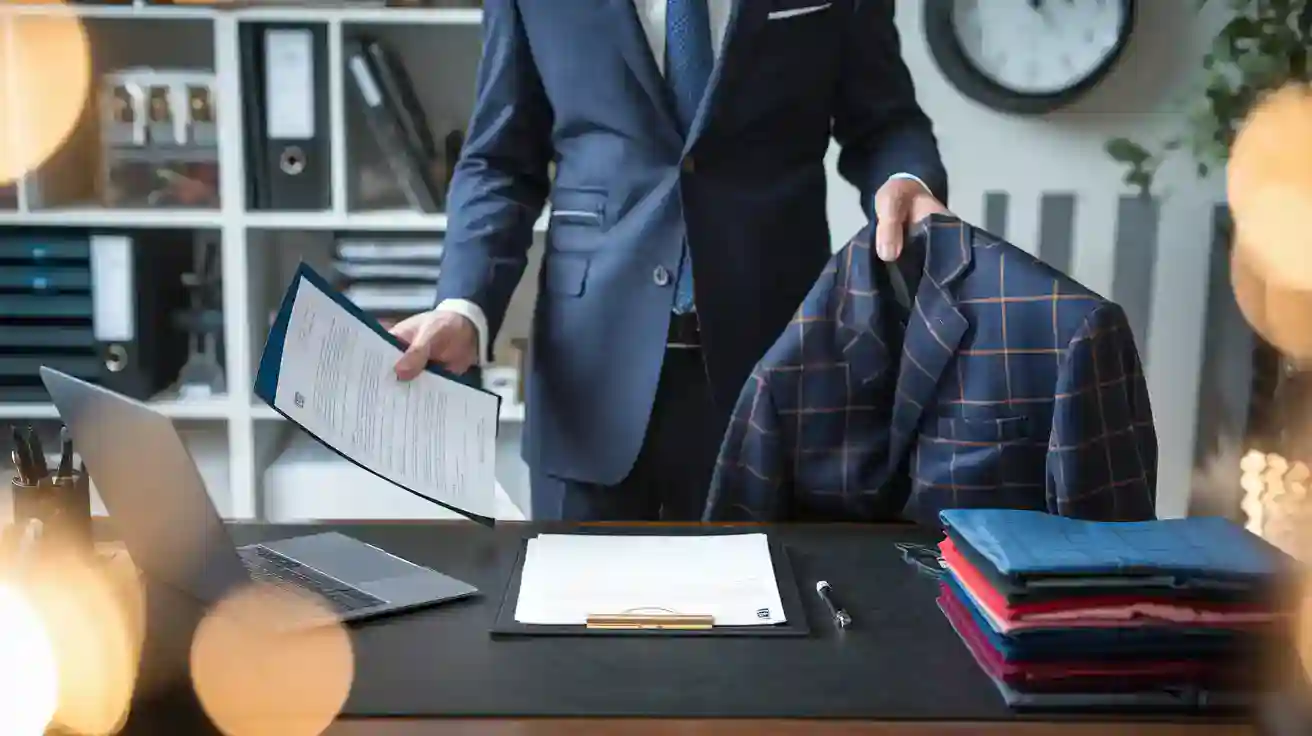
When I work with businesses on custom jacket contracts, I see how crucial it is to define every detail from the start. A clear agreement covers the jacket’s material, fit, and design, which directly impacts branding and the way employees represent a company. I always advise clients to specify the logo placement and ensure quality standards, since these choices shape the image and value of custom jackets in any professional setting.
Key Takeaways
- Define every detail in custom jacket contracts to avoid misunderstandings. Include materials, sizes, and design elements.
- Specify logo placement and quality standards to enhance branding and employee representation.
- Set clear delivery timelines and payment terms to ensure smooth transactions and accountability.
- Include a sample review process to catch design errors before full production begins.
- Foster strong vendor relationships for better communication and quality assurance in custom orders.
- Collect accurate measurements for each employee to guarantee a proper fit and professional appearance.
- Plan for future orders by including clauses for reordering and design updates in the contract.
- Document all quality standards and dispute resolution processes to protect your business and maintain strong partnerships.
Custom Jacket Contracts Overview
Contract Basics
When I draft custom jacket contracts for businesses, I focus on clarity and legal compliance. These agreements outline every detail of the customized workwear, from the type of jacket to the smallest design element. I always include specifications, delivery timelines, payment terms, and dispute resolution procedures. This approach helps both parties understand their responsibilities and reduces the risk of misunderstandings.
Tip: Never use someone else’s trademark or logo on custom jackets without written permission. Doing so can lead to trademark infringement and legal trouble. I recommend creating original designs for your customized workwear and consulting an intellectual property attorney to protect your business and products.
A well-structured contract should cover:
- The exact materials and sizes for each jacket
- Clear descriptions of all design elements and customization
- Delivery schedules and deadlines
- Payment terms, including deposits and final payments
- Procedures for resolving disputes or handling defective products
By addressing these essentials, I help businesses avoid costly mistakes and ensure a smooth process from start to finish.
Why Businesses Need Custom Jacket Contracts
In my experience, businesses choose custom jacket contracts for several important reasons:
- Amplifies brand visibility. Custom jackets act as walking advertisements, increasing recognition and credibility.
- Enhances professionalism. A unified look through customized workwear builds trust and shows that a company is well-organized.
- Fosters customer loyalty. Branded jackets create a personal connection with customers, encouraging them to support and promote the brand.
- Boosts team morale. When employees wear customized jackets, they feel a sense of unity and alignment with company goals.
Custom jacket contracts give businesses control over their image and help them stand out in competitive markets. I have seen how a well-designed contract can transform a team’s appearance and strengthen a brand’s reputation.
Types of Jacket Agreements
I often work with several types of jacket agreements, depending on a company’s needs. Some businesses require one-time orders for special events, while others need ongoing contracts for regular uniform updates. I also see agreements that focus on seasonal workwear, such as insulated jackets for winter or lightweight options for summer.
Each type of agreement should specify:
- The number of jackets and sizes required
- The style and function of the customized workwear
- The process for reordering or making changes in the future
By tailoring each contract to the business’s unique requirements, I ensure that every detail supports their branding and operational goals.
Key Elements of Customized Workwear Contracts
Specifications
When I draft custom jacket contracts, I always start with detailed specifications. These details set the foundation for the entire agreement. I focus on three main areas: materials, sizes, and design elements. Each plays a critical role in the success of customized workwear.
Materials
I select materials based on the client’s industry and needs. The right fabric ensures comfort, durability, and safety. For example, construction companies often require flame-resistant fabrics, while food processing businesses need sanitary materials. I always confirm that the chosen materials meet legal and safety standards, such as OSHA or NFPA requirements. This step protects both the business and its employees.
Sizes
Accurate sizing is essential for a professional appearance and employee comfort. I gather detailed measurements from each team member to guarantee a proper jacket fit. I avoid generic sizing charts because they often lead to poor fit and dissatisfaction. Instead, I use custom tailoring techniques to match each individual’s measurements. This approach improves both the look and functionality of the customized workwear.
Design Elements
Design elements define the visual identity of custom jackets. I work closely with clients to specify every detail, from color schemes to logo placement. I also include options for embroidery, printing, and other branding features. By outlining these elements in the contract, I ensure that the final product aligns with the company’s image and values.
Note: I always recommend including a sample review process in the contract. Reviewing a physical or digital sample helps catch design errors before full production begins.
Here is a table summarizing essential specifications I include in every customized workwear contract:
| Specification Type | Description |
|---|---|
| Safety and Compliance | Uniforms must meet legal and safety requirements, such as OSHA or NFPA standards. |
| Professional Appearance | Uniforms should maintain a clean and professional look to enhance company image. |
| Industry-Specific Considerations | Different industries have unique needs, e.g., flame resistance for construction or sanitary garments for food processing. |
| Workplace Safety | Uniforms can help reduce occupational injuries and protect against workplace hazards. |
| Regular Maintenance | A program should ensure uniforms are cleaned, maintained, and replaced regularly. |
Delivery Timelines
I always set clear delivery timelines in custom jacket contracts. Timely delivery is crucial for business operations. I specify production schedules, shipping dates, and deadlines for each phase. If a client needs jackets for a special event or seasonal change, I build in extra time for sample approval and adjustments. I also include penalties or remedies for missed deadlines. This approach keeps both parties accountable and reduces the risk of delays.
Payment Terms
Payment terms form a vital part of every contract I create. I outline deposit amounts, payment schedules, and final payment deadlines. I also specify acceptable payment methods and any late fees. Clear payment terms prevent confusion and protect both the client and the supplier. I encourage clients to review these terms carefully before signing. This step ensures a smooth transaction and builds trust between both parties.
Quality Assurance
When I help businesses with custom jacket contracts, I always emphasize the importance of quality assurance. Quality assurance protects both the company and its employees. I include clear standards for materials, stitching, and finishing in every contract. I also specify how the supplier must handle inspections and what happens if a jacket does not meet expectations.
I insist on a sample approval process before full production begins. This step allows me to check the fit, color, and design accuracy. I often request a physical sample, especially when custom tailoring or unique design elements are involved. If the sample does not meet the agreed standards, I require adjustments before moving forward.
To maintain consistency, I outline inspection procedures for each batch of customized workwear. I ask suppliers to provide detailed reports and photographs. I also reserve the right to conduct random checks. If I find defects or poor tailoring, I expect the supplier to replace or repair the jackets at no extra cost.
Tip: Always document quality standards in writing. This practice helps avoid disputes and ensures everyone understands the expectations.
Design Rights & IP
Protecting design rights and intellectual property (IP) is a critical part of any customized workwear contract. I make sure the contract clearly states who owns the designs, logos, and any unique features created for the custom jackets. If my client provides original artwork or branding, I specify that these elements remain their property.
Sometimes, a supplier may develop new design elements or patterns during the custom tailoring process. In these cases, I clarify whether the business or the supplier owns the rights to these new creations. I also address the use of third-party logos or trademarks. I never allow unauthorized use, as this can lead to legal issues.
I include clauses that prevent suppliers from reusing or selling my client’s designs to other companies. This step protects the brand’s identity and ensures the uniqueness of the customized jackets. I also recommend registering important designs or trademarks for extra protection.
Dispute Resolution
Disputes can arise even in the best-planned custom jacket contracts. I always include a clear dispute resolution process in every agreement. This process helps resolve issues quickly and keeps business relationships strong.
Here are the most effective dispute resolution methods I use:
| Method | Description |
|---|---|
| Informal Negotiation | Quick and cost-effective, involving direct dialogue to resolve issues while maintaining relationships. |
| Mediation | A neutral third party facilitates discussions, allowing parties to retain control over the outcome. |
| Arbitration | An independent arbitrator provides a binding decision, offering privacy and industry-specific expertise. |
I usually start with informal negotiation. This approach allows both sides to discuss the problem and find a solution without extra costs. If negotiation fails, I move to mediation. Mediation brings in a neutral third party to guide the discussion. If neither method works, I use arbitration. Arbitration provides a binding decision and often involves experts who understand the workwear industry.
Note: I always specify the preferred dispute resolution method in the contract. This clarity saves time and money if problems arise.
Custom Workwear Design & Branding

Logo Placement
When I help clients with custom workwear design, I always emphasize the importance of logo placement. The position of the logo on a jacket can make a significant difference in brand identity and recognition. I specify the exact location for the logo in every contract, whether it appears on the chest, sleeve, or back. This detail ensures consistency across all branded work outfits.
- Custom logo workwear reinforces brand presence.
- It helps customers and colleagues identify team members quickly.
- Strategic logo placement increases customer trust and strengthens brand identity.
I often recommend placing corporate jacket logos where they are most visible during daily tasks. For example, a chest logo works well for face-to-face interactions, while a back logo stands out in group settings. I always include visuals or mockups in the contract to avoid confusion and guarantee the desired promotional effect.
Embroidery vs. Printing
Choosing between embroidery and printing for team jacket logos requires careful consideration. I guide clients through the pros and cons of each method, making sure the final promotional jacket design aligns with their brand identity and budget.
| Feature | Embroidery | Printing |
|---|---|---|
| Durability | More durable, retains shape and color | Less durable, may fade or tear |
| Aesthetic Appeal | More elegant and professional appearance | Can be vibrant but less sophisticated |
| Cost | Generally more expensive, especially for complex designs | More cost-effective for large runs |
| Material Usability | Can be used on a wider variety of materials | Limited to specific fabric types |
| Complexity | More complex process, suitable for small logos | Easier for detailed designs, suitable for larger logos |
I often recommend embroidery for personalized jackets that require a polished, professional look. Embroidery lasts longer and works well for small team jacket logos. Printing, on the other hand, suits promotional campaigns with large, colorful designs. It offers flexibility for detailed personalized jacket designs and is more cost-effective for bulk promotional orders.
Personalization Options
Personalization options play a key role in customized workwear contracts. I offer clients a range of choices to enhance brand identity and employee satisfaction. Personalized jacket designs can include names, roles, or even department colors. These features make branded work outfits stand out and support a strong brand identity.
- Personalized jackets boost morale by making employees feel valued.
- Structured branded work outfits create a strong first impression with clients.
- Dynamic personalized jacket designs elevate brand perception and perceived value.
- I adjust garment quality and utility based on each role’s needs.
- Personalized jacket designs show appreciation for team members.
- Distinct team jacket logos clarify role differentiation, making it easy for customers to identify staff.
I always specify these customization options in the contract. Clear details help avoid misunderstandings and ensure the final work uniform matches the company’s promotional goals. By focusing on branding and thoughtful customization, I help businesses create promotional jackets that reinforce their brand identity and leave a lasting impression.
Measurement & Ordering Process
Measurement Steps
Accurate measurements form the backbone of a successful custom jacket order. I always recommend following a systematic approach to ensure every team member receives a jacket that fits well and looks professional. Here is a table I use to guide clients through each measurement:
| Measurement Type | Description |
|---|---|
| Chest | Measure at the fullest area around the lines of the nipples. |
| Waist | Measure the narrowest part of the waist, a few inches over the navel. |
| Hip | Measure the broadest area of the hip, ensuring the tape is level with the floor. |
| Shoulder Width | Measure from one shoulder’s back to the endpoint of the other shoulder. |
| Sleeve Length | Measure from the shoulder bone to the wrist with the arm slightly stretched. |
| Arm Length | Measure from the shoulder point to the elbow’s tip with the arm at a 90-degree angle. |
| Back Length | Measure from the base of the neck to the pant’s waistline. |
| Jacket Length | Measure from the base of the neck to the desired point on the thigh. |
| Biceps | Measure the broadest portion of the upper arm, usually between the elbow and shoulder. |
| Wrist Length | Snug the tape around the wrist and measure the length. |
In-Person vs. Remote
I often help clients decide between in-person and remote measurement methods. In-person measurement allows me to ensure accuracy and correct posture, which reduces errors. When remote measurement is necessary, I provide clear instructions and visual guides. I always stress the importance of using a flexible tape measure and double-checking each number. For remote teams, I recommend a virtual session to walk everyone through the process.
Common Mistakes
Many businesses rush the measurement process or use incorrect tape placement. I see mistakes like measuring over bulky clothing or not keeping the tape level. These errors lead to jackets that do not fit well. I always remind clients to take their time, check posture, and repeat each measurement for consistency.
Tip: Never skip the measurement step or rely solely on standard sizing charts. Custom jackets require precise data for the best results.
Group Orders
Coordinating group orders for custom jackets brings unique challenges and benefits. I guide businesses through the process to ensure every employee receives a jacket that fits and represents the brand.
- Creating a cohesive look strengthens brand identity.
- Employees feel part of a team, enhancing morale.
- Consistent messaging improves first impressions.
Custom jackets serve as effective marketing tools. They promote the brand and create a professional appearance for all team members. This coordinated look can significantly enhance brand visibility at events and in everyday interactions.
Multiple Sizes
I always collect individual measurements for each team member. This approach ensures that every jacket fits properly, regardless of body type. I avoid using a one-size-fits-all model because it rarely delivers a professional result.
Employee Preferences
I encourage businesses to consider employee preferences when selecting jacket styles and features. Some team members may prefer a longer cut or additional pockets. Gathering feedback before finalizing the order helps increase satisfaction and ensures the customized workwear meets everyone’s needs.
Minimum Quantities & Discounts
Most suppliers set minimum order quantities for custom jackets. I always clarify these requirements at the start of the project. Ordering in bulk often unlocks significant discounts, which can help businesses manage costs. I advise clients to plan ahead and combine orders when possible to maximize savings. By understanding supplier policies, I help businesses get the best value for their investment in workwear.
Fabric & Style Selection for Jackets

Selecting the right fabric and style for a jacket shapes both brand image and day-to-day functionality. I always advise clients to consider how these choices impact not only appearance but also the practical needs of their teams. The right combination creates durable work attire that stands up to daily demands and supports a professional look.
Fabric Choices
I start every project by evaluating fabric options. The fabric determines the jacket’s durability, comfort, and suitability for the work environment. For example, I often recommend polyester blends for teams that need moisture-wicking properties. These performance fabrics keep employees comfortable during physical tasks and help regulate temperature. Cotton offers breathability and a soft feel, which works well for indoor settings. For outdoor teams, I look for water-resistant or insulated materials to ensure jackets provide protection in harsh weather.
Here is a quick comparison of common jacket fabrics:
| Fabric Type | Best For | Key Benefits |
|---|---|---|
| Polyester Blend | Active, outdoor work | Moisture-wicking, quick-dry |
| Cotton | Indoor, light-duty work | Breathable, soft |
| Nylon | All-weather, outdoor work | Water-resistant, lightweight |
| Wool | Cold climates | Insulating, classic look |
I always match the fabric to the specific demands of the job. This approach ensures the jacket delivers both comfort and durability.
Style Options
Style options play a major role in how a jacket supports brand identity and employee satisfaction. I work with clients to select designs that reflect their company’s image and meet the needs of their teams. For example, a sleek bomber jacket can give a modern, energetic feel, while a classic blazer style projects professionalism. I have seen that stylish designs not only enhance brand visibility but also boost morale. When employees wear jackets that look good and feel comfortable, they feel more connected to the company.
Performance features, such as adjustable cuffs or extra pockets, add to the jacket’s functionality. I always recommend considering these details to create functional work gear that employees appreciate. Custom uniforms, including jackets, help establish a unified team identity and promote retention.
Functionality
Functionality stands at the center of every jacket contract I draft. I focus on how the jacket will perform in real work situations. I ask questions like: Will the jacket protect against rain or wind? Does it allow for easy movement? Can it handle frequent washing without losing shape? These factors determine whether the jacket qualifies as durable work attire.
I always prioritize features that improve both safety and efficiency. Reflective strips, reinforced seams, and secure closures make a big difference in demanding environments. I also look for fabrics that resist stains and wear, which extends the life of the workwear. By choosing jackets with the right balance of durability and functionality, I help businesses invest in workwear that supports their teams and strengthens their brand.
Tip: Never overlook the importance of matching jacket functionality to the actual work environment. The right features can prevent accidents and reduce replacement costs.
Common Pitfalls in Custom Jacket Contracts
Miscommunication
I often see miscommunication as the root cause of many problems in custom jacket contracts. When I work with clients, I make sure to clarify every detail from the start. If I leave any specification vague, the supplier might interpret it differently. This can lead to jackets that do not match the company’s expectations. I always recommend documenting every requirement, such as fabric type, color, and logo placement. I also encourage regular updates between the business and the supplier. Open communication helps both sides stay aligned throughout the process.
Tip: I always ask for written confirmation of all changes. This practice prevents confusion and keeps everyone accountable.
Delivery Delays
Delivery delays can disrupt business operations and damage a company’s reputation. I have seen how a late shipment of jackets can leave employees without proper workwear for important events or daily tasks. To avoid this pitfall, I set clear deadlines in every contract. I also include penalties for missed delivery dates. I track the production schedule closely and request progress reports from the supplier. If I notice any sign of delay, I address it immediately to keep the project on track.
Here are some common causes of delivery delays:
- Incomplete or unclear order details
- Supplier overbooking or resource shortages
- Shipping issues or customs holdups
I always plan for potential setbacks by building extra time into the schedule. This approach helps me deliver jackets on time, even when unexpected problems arise.
Quality Issues
Quality issues can undermine the value of custom workwear and hurt a company’s image. I have received jackets with poor stitching, incorrect colors, or substandard materials. These problems often result from unclear quality standards or lack of oversight during production. To prevent this, I specify quality requirements in the contract and insist on a sample review before full production begins.
I check every detail of the sample, from the fit to the durability of the fabric. If I find any flaws, I work with the supplier to correct them before moving forward. I also conduct random inspections of finished jackets to ensure consistency. By taking these steps, I protect my clients from receiving workwear that does not meet their standards.
Note: Never skip the sample review process. It is the best way to catch quality issues early and avoid costly mistakes.
Sample Review
When I manage custom jacket contracts, I always insist on a thorough sample review process. This step often determines the success or failure of the entire project. Many businesses overlook this stage, but skipping it can lead to costly mistakes and dissatisfaction with the final product.
I request a physical sample of the jacket before full production begins. This sample allows me to check every detail, from the stitching quality to the accuracy of the logo placement. I examine the fabric to ensure it matches the agreed specifications. I also test the fit by having an employee try on the sample. This hands-on approach helps me catch issues that digital proofs or photos might miss.
A sample review gives me the chance to verify that the jacket meets all branding requirements. I look at the color, the size of the logo, and the overall appearance. If I notice any problems, I document them and communicate directly with the supplier. I ask for adjustments and request a revised sample if necessary. This process may take extra time, but it prevents larger problems down the road.
Here are the key steps I follow during a sample review:
- Inspect the material and construction for durability.
- Confirm the fit and comfort for the intended wearer.
- Check all design elements, including embroidery or printing.
- Compare the sample to the original contract specifications.
- Provide clear feedback to the supplier for any changes.
Tip: Always keep written records of your feedback and the supplier’s responses. This documentation protects your business if disputes arise later.
I also recommend involving a few employees in the sample review. Their feedback can reveal practical issues, such as restricted movement or uncomfortable seams. This input helps me ensure the jacket will perform well as part of the company’s workwear.
A successful sample review builds trust between the business and the supplier. It sets the standard for the rest of the order and reduces the risk of receiving jackets that do not meet expectations. By making this step a priority, I help businesses avoid one of the most common pitfalls in custom workwear contracts.
Best Practices for Custom Jacket Contracts
Clear Expectations
When I start a custom jacket contract, I always set clear expectations from the beginning. I outline every detail, from the type of jacket to the specific customization options. I specify the fit, the tailoring process, and the exact placement of the logo. This approach leaves no room for confusion. I find that when both parties understand the requirements, the final workwear matches the company’s branding goals. I also include timelines for each stage, so everyone knows when to expect samples, production, and delivery. By setting these expectations, I help businesses avoid costly mistakes and ensure the jackets reflect their brand image.
Tip: I recommend using written checklists for each step. This method keeps the project organized and ensures nothing gets overlooked.
Vendor Relationships
Building strong vendor relationships is essential for successful custom tailoring projects. I invest time in getting to know my suppliers and understanding their processes. Open communication helps me address issues quickly and maintain high standards for every jacket order. I always share feedback and encourage vendors to do the same. This partnership approach leads to better results and fewer misunderstandings.
Here is how strong vendor relationships contribute to contract success:
| Aspect | Contribution to Vendor Relationship |
|---|---|
| Risk Mitigation | Identifies potential risks and establishes mechanisms for addressing them. |
| Clarity and Transparency | Minimizes misunderstandings and promotes a shared understanding of roles and expectations. |
| Legal Compliance | Ensures that both parties adhere to agreed terms, reducing legal disputes. |
When I work closely with vendors, I can resolve problems before they escalate. This collaboration supports smooth customization, consistent tailoring quality, and reliable delivery. I always choose vendors who value transparency and share my commitment to quality workwear.
Contract Review
Before I finalize any custom jacket contract, I conduct a thorough review. I check every clause, from customization details to payment terms. I confirm that the contract covers all aspects of tailoring, fit, and branding. I also verify that the logo placement and workwear specifications match the company’s needs. If I spot any unclear language, I revise it to prevent future disputes.
I encourage clients to review the contract with their team. This step helps catch errors and ensures everyone agrees on the customization and delivery process. I also recommend consulting a legal expert for complex agreements. Careful contract review protects both the business and the supplier, leading to successful custom tailoring projects and long-term partnerships.
Future Orders
When I help businesses with custom jacket contracts, I always encourage planning for future orders. A well-structured contract should not only address the current needs but also set the stage for ongoing success. I find that anticipating future requirements saves time, reduces costs, and strengthens the relationship between the business and the supplier.
I start by discussing potential changes in team size or branding. Companies often grow or rebrand, which means they will need more jackets or updated designs. I include clauses in the contract that outline how to handle these changes. This approach ensures that the process for ordering additional jackets remains smooth and predictable.
I also recommend setting up a reorder process. I specify minimum reorder quantities and lead times for new jacket orders. This information helps businesses avoid last-minute rushes and ensures that every employee receives a jacket that fits and represents the brand. I often create a simple table in the contract to clarify these details:
| Future Order Aspect | Details to Include |
|---|---|
| Minimum Reorder Quantity | The smallest number of jackets per reorder |
| Lead Time | Time required for production and delivery |
| Design Updates | Process for submitting new artwork or logos |
| Pricing | Agreement on future pricing or discounts |
Tip: I always advise clients to keep a record of employee sizes and preferences. This practice makes future jacket orders faster and more accurate.
Another best practice involves reviewing supplier performance after each order. I ask for feedback from employees about the fit and quality of the jacket. If I notice recurring issues, I address them with the supplier before placing the next order. This continuous improvement process helps maintain high standards for all workwear.
I also discuss the benefits of establishing a long-term partnership with a trusted supplier. When I work with the same vendor over multiple orders, I see better consistency in jacket quality and branding. Suppliers who understand a company’s preferences can deliver workwear that matches expectations every time.
Planning for future orders gives businesses flexibility and control. By including clear terms for reorders, updates, and pricing, I help clients avoid surprises and keep their teams looking professional. A proactive approach to future jacket orders ensures that the company’s image stays strong as it grows.
I have seen that successful custom jacket contracts depend on clear specifications, accurate measurements, and strong branding. Careful ordering and attention to quality set the foundation for lasting results. I always recommend that businesses focus on open communication and detailed agreements. If you want to elevate your team’s image, consult a custom workwear expert or start drafting your contract today.
Tip: Prioritize clarity and quality at every stage for the best outcome.
FAQ
What details should I include in a custom jacket contract?
I always specify materials, sizes, design elements, delivery timelines, payment terms, and dispute resolution procedures. Clear details help prevent misunderstandings and protect both my business and my supplier.
How do I ensure the jackets fit my team?
I collect individual measurements for each employee. I use a flexible tape measure and double-check every number. Accurate sizing improves comfort and appearance for everyone on my team.
Can I order a small quantity of custom jackets?
Most suppliers set minimum order quantities. I always ask about these requirements before placing an order. Bulk orders often qualify for discounts, but some vendors offer small batch options for special events.
What happens if the jackets do not meet quality standards?
I include a sample review process in every contract. If the jackets fail to meet agreed standards, I request replacements or repairs at no extra cost. I document all quality requirements to avoid disputes.
Who owns the design rights for my custom jackets?
I clarify design ownership in the contract. If I provide original artwork, my business retains the rights. I never allow suppliers to reuse my designs without written permission.
How do I handle disputes with my supplier?
I specify a dispute resolution process in the contract. I start with informal negotiation. If needed, I move to mediation or arbitration. Clear procedures help resolve issues quickly and maintain strong business relationships.