

How to Sign Winter Jacket Custom Contracts
Table of Contents
Display
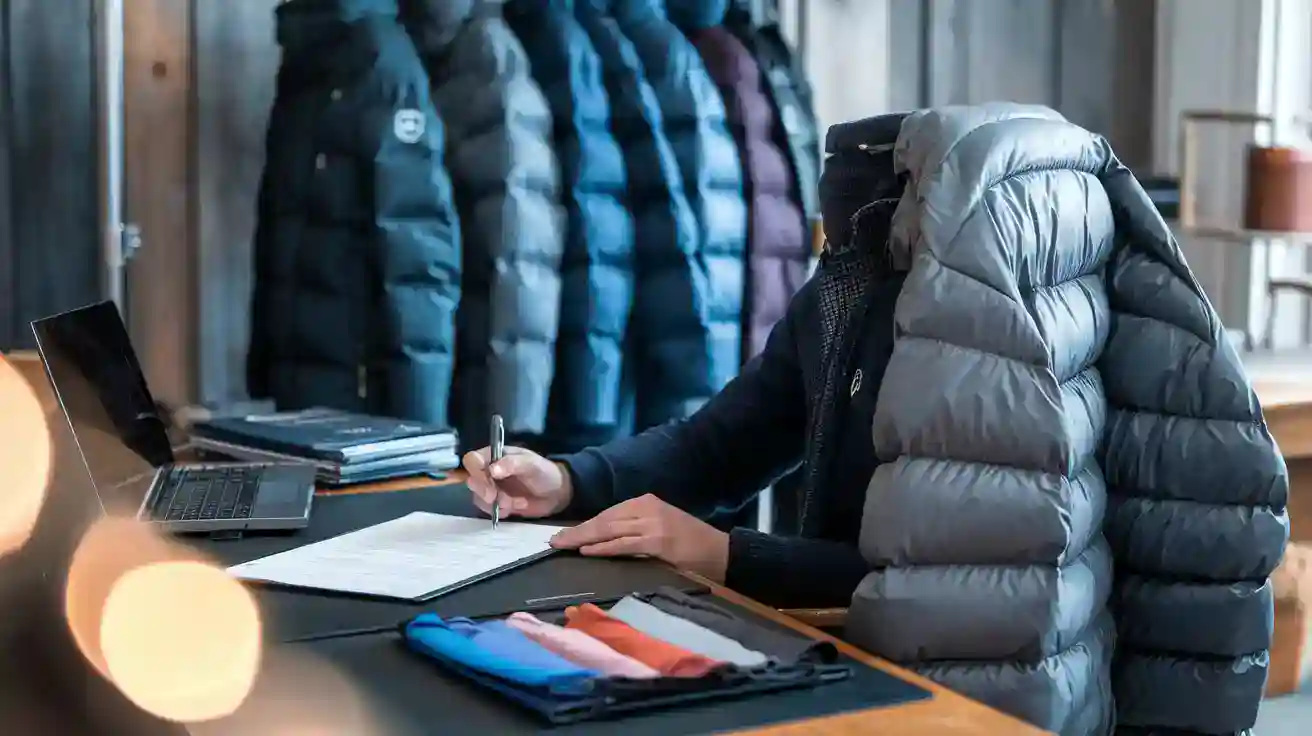
Imagine I need to sign Winter Jacket custom contracts for my company’s team. I often see businesses struggle with unclear requirements or miscommunication, which leads to costly mistakes. I always pay close attention to every detail, from the fabric choice to the final signature. Clear communication with suppliers helps me avoid misunderstandings and ensures smooth production. I rely on a step-by-step approach to minimize risks and secure the best outcome.
Key Takeaways
- Define clear requirements for materials, sizes, and designs before signing contracts to avoid misunderstandings.
- Research suppliers thoroughly by checking their reputation and capabilities to ensure quality and reliability.
- Always review the contract for detailed product specifications, including fabric type, custom elements, and payment terms.
- Establish a sample approval process to inspect quality and fit before full production begins.
- Communicate regularly with suppliers during production to track progress and address any issues promptly.
- Document all agreements and changes in writing to protect your interests and avoid disputes later.
- Include clear clauses for delivery timelines and remedies for defects or delays to safeguard your project.
- Continuously improve your contract process by reviewing past experiences and updating your templates accordingly.
Sign Winter Jacket: Preparation

Requirements
When I prepare to sign Winter Jacket custom contracts, I always start by defining clear requirements. This step sets the foundation for a successful project.
Material
I select the right material for the jackets based on the climate and intended use. For harsh winters, I choose insulated fabrics like down or synthetic fill. For milder conditions, I might opt for lighter materials. I also consider water resistance and breathability. I request fabric samples from suppliers to check quality before making a decision.
Size
Accurate sizing prevents costly mistakes. I gather size charts from the supplier and compare them with my team’s measurements. I ask for sample jackets in different sizes to ensure a good fit. If I need custom sizing, I confirm that the supplier can accommodate special requests.
Design
Design details make each jacket unique. I specify color, style, and any custom elements such as logos or embroidery. I provide clear artwork files and detailed placement instructions. I also discuss zipper types, pocket styles, and lining options with the supplier.
Tip: I always document every design detail in writing and share visual references to avoid confusion later.
Supplier Research
Choosing the right supplier is critical when I sign Winter Jacket contracts.
Reputation
I research each supplier’s reputation by reading reviews and checking references. I look for consistent quality, timely delivery, and good communication. I also ask colleagues for recommendations.
Capabilities
I assess the supplier’s production capabilities. I ask about their experience with similar projects and request photos of past work. I check if they can handle my order size and meet my quality standards.
Order Quantity
Understanding order quantity requirements helps me avoid surprises.
Minimums
Most suppliers set a minimum order quantity. I confirm this number early in the process. If my needs fall below the minimum, I ask if exceptions are possible or if combining styles is allowed.
Flexibility
Some suppliers offer flexibility with order quantities, especially for repeat customers. I discuss options for scaling orders up or down in the future. I also clarify how changes in quantity might affect pricing and lead times.
By following these steps, I ensure that every detail is clear before I sign Winter Jacket custom contracts. This preparation reduces risks and sets the stage for a smooth production process.
Contract Review
Specifications
Product Details
When I review a contract, I always start by checking the product details. I make sure the contract lists every important aspect of the winter jacket. This includes the type of fabric, insulation, lining, and hardware like zippers or buttons. I look for clear descriptions of color, weight, and any special treatments such as waterproofing or windproofing. If the contract lacks these details, I ask the supplier to update it before I move forward.
Note: I never assume the supplier understands my expectations unless they appear in writing. I insist on precise language to avoid confusion later.
Custom Elements
Custom elements set my jackets apart from standard products. I check that the contract covers all customizations, such as embroidery, patches, or unique trims. I confirm the placement, size, and color of each custom feature. I also make sure the contract references any artwork files or design mockups I have provided. If the supplier offers design services, I clarify who owns the final designs.
Sample Approval
Process
Before I sign Winter Jacket contracts, I require a sample approval process. I outline the steps in the contract. First, the supplier produces a pre-production sample based on my specifications. Next, I receive the sample and inspect it for quality, fit, and accuracy. If the sample meets my standards, I give written approval. If not, I request changes and review a revised sample.
Expectations
I set clear expectations for sample approval timelines. I specify how many rounds of revisions the supplier will provide. I also state who pays for sample shipping and whether the cost applies to the final order. I make sure the contract says that full production cannot begin until I approve the sample in writing.
Tip: I always keep a record of my sample feedback and approvals. This helps resolve disputes if the final product does not match the approved sample.
Payment Terms
Deposits
Payment terms can make or break a deal. I check the contract for deposit requirements. Most suppliers ask for a deposit before starting production. I confirm the deposit amount, usually a percentage of the total order value. I also check the payment method and due date. If the supplier requests a non-refundable deposit, I make sure I am comfortable with the risk.
Final Payment
The contract should state when I must pay the balance. I prefer to pay the final amount only after I inspect the finished jackets or receive shipping confirmation. I look for details about acceptable payment methods and any penalties for late payment. If the contract includes milestones, such as partial payments after certain stages, I make sure the schedule is clear.
Reminder: I never send full payment before I see proof of quality and shipment. This protects my investment and encourages the supplier to meet my standards.
Delivery Timeline
Production
I always pay close attention to the production timeline in every contract. I make sure the contract lists the estimated start and finish dates for manufacturing. I ask the supplier to break down the production process into clear stages, such as material sourcing, cutting, sewing, and finishing. This breakdown helps me track progress and spot delays early.
I also request regular updates from the supplier. I want to know if they face any issues that could slow down production. If the supplier cannot meet the agreed timeline, I expect them to notify me immediately. I include a clause in the contract that requires written notice of any production delays.
Tip: I keep a simple table to track each stage of production and compare it to the agreed timeline. This helps me stay organized and proactive.
| Stage | Planned Date | Actual Date | Status |
|---|---|---|---|
| Material Sourcing | MM/DD | MM/DD | On Track |
| Cutting | MM/DD | MM/DD | Delayed |
| Sewing | MM/DD | MM/DD | On Track |
| Finishing | MM/DD | MM/DD | Pending |
Shipping
Shipping terms can make or break a project. I always confirm the shipping method, carrier, and delivery address in the contract. I specify whether the supplier will handle shipping or if I need to arrange it myself. I also clarify who pays for shipping and insurance.
I ask for a clear shipping schedule. I want to know the estimated ship date and expected delivery window. I include a requirement for tracking numbers and shipping documents. If the supplier ships internationally, I check for customs requirements and import duties.
Note: I never assume shipping details are standard. I spell out every expectation to avoid confusion and costly mistakes.
Remedies
Defects
Defective products can ruin a project. I make sure the contract explains what happens if I receive jackets with defects. I define what counts as a defect, such as poor stitching, wrong materials, or incorrect sizing. I require the supplier to replace or repair defective items at no extra cost.
I also set a time frame for reporting defects. I usually give myself a few days after delivery to inspect the jackets and notify the supplier of any problems. I include a process for returning defective goods and getting replacements quickly.
- I always document defects with photos and written descriptions.
- I keep all communication with the supplier in writing.
Delays
Delays can disrupt my plans and cost money. I address this risk in every contract. I specify what happens if the supplier misses the agreed delivery date. I may ask for a penalty or discount if the delay is significant.
I also include a force majeure clause. This clause covers unexpected events like natural disasters or shipping strikes. I make sure the contract explains how both parties should communicate and resolve delays caused by these events.
Reminder: I never ignore delay clauses. I protect my interests by planning for the unexpected.
Design Rights
Logo Ownership
My company’s logo is valuable. I always clarify logo ownership in the contract. I state that my company owns all rights to our logo and any custom artwork we provide. I do not allow the supplier to use our logo for other clients or marketing without written permission.
If the supplier creates new designs or modifies my logo, I make sure the contract explains who owns the final version. I prefer to keep full ownership of any new artwork related to my order.
Artwork Use
I control how my artwork is used. I include a clause that limits the supplier’s use of my designs to producing my order only. I do not allow the supplier to share, sell, or display my artwork without my approval.
If I need to sign Winter Jacket contracts with multiple suppliers, I make sure each one agrees to respect my design rights. I keep copies of all artwork files and written agreements for my records.
Alert: I never skip the design rights section. Protecting my intellectual property is just as important as getting quality jackets.
Negotiation
Terms
Order Quantity
When I negotiate order quantity, I always start by reviewing my actual needs and the supplier’s minimums. I ask the supplier if they can offer flexibility for my first order. Sometimes, I request a lower minimum to test their quality before committing to a larger batch. If the supplier insists on a high minimum, I try to negotiate a mix of sizes or styles within that quantity. I also discuss future orders and ask if they can offer better terms as our relationship grows.
Tip: I always document any agreement about order quantity in the contract. This prevents misunderstandings later.
Payment
Payment terms can affect my cash flow and risk. I prefer to negotiate a deposit that feels reasonable, usually between 20% and 40%. I ask if the supplier can accept the balance after I inspect the finished jackets or receive proof of shipment. If the supplier requests full payment upfront, I explain my concerns and suggest a compromise, such as milestone payments. I also clarify acceptable payment methods, like bank transfer or credit card, and confirm who pays transaction fees.
- I always check if the supplier offers discounts for early payment.
- I ask about penalties for late payment and try to negotiate fair terms.
Delivery
Delivery terms are critical for my planning. I negotiate the production timeline and expected ship date. I ask the supplier to commit to a clear delivery window. If I have a strict deadline, I explain why it matters and ask for written confirmation. I also discuss shipping methods and costs. Sometimes, I request expedited shipping if I need the jackets quickly. I make sure the contract states who is responsible for customs clearance and import duties.
Note: I never assume delivery terms are standard. I spell out every detail to avoid delays and extra costs.
Clarification
Ambiguities
Ambiguous contract language can cause serious problems. When I review the contract, I highlight any vague terms or unclear clauses. I ask the supplier to explain their meaning in plain language. If I do not understand a section, I request a rewrite. I want every part of the contract to be specific and easy to interpret. For example, instead of “reasonable time,” I ask for exact dates or time frames.
- I keep a list of all questions and clarifications.
- I only move forward when I feel confident about every term.
Amendments
During negotiation, changes often happen. I make sure every amendment appears in writing. If we agree to adjust the order quantity, payment schedule, or delivery date, I ask the supplier to update the contract. I review the revised document carefully before I sign Winter Jacket contracts. I also keep copies of all emails and written agreements. This record helps me resolve disputes if they arise later.
Alert: I never rely on verbal promises. I insist that all changes appear in the final contract.
Final Steps
Confirmation
Details
Before I sign any winter jacket custom contract, I always double-check every detail. I proofread the contract line by line. I look for errors, missing information, or unclear terms. I make sure the contract matches my requirements for materials, sizes, designs, and delivery dates. If I spot anything that does not fit my needs, I ask the supplier to revise the document. This careful review shows my professionalism and protects my interests.
- I review and customize the contract to match my project.
- I check that all specifications, payment terms, and timelines are correct.
- I verify that custom elements, such as logos and embroidery, appear exactly as agreed.
Tip: I never rush this step. Attention to detail now prevents costly mistakes later.
Contacts
I confirm that the contract lists the correct contact information for both parties. I check names, addresses, phone numbers, and email addresses. I make sure the contract includes a primary contact for each side. This helps resolve issues quickly if questions or problems arise during production.
Legal Review
Compliance
I want my contract to comply with all relevant laws and regulations. I check for any legal requirements related to product safety, labeling, or import/export rules. If I work with international suppliers, I pay extra attention to customs and trade compliance. I do not assume the supplier knows my country’s laws. I take responsibility for understanding the legal landscape.
Expert Advice
When I feel uncertain about legal language or complex clauses, I consult a legal expert. I ask an attorney to review the contract and highlight any risks. I value their advice on intellectual property, liability, and dispute resolution. This step gives me peace of mind and strengthens my position if issues arise.
Note: Legal review may add time and cost, but it often saves much more in the long run.
Signing
Authorized Signatories
I make sure the right people sign the contract. I check that I have the authority to sign on behalf of my company. I ask the supplier to provide the name and title of their authorized signatory. Both parties must sign for the contract to be valid.
| Party | Name | Title | Signature Required |
|---|---|---|---|
| Buyer (Me) | [My Name] | [My Position] | Yes |
| Supplier | [Supplier Rep] | [Their Position] | Yes |
Digital/Physical
I decide whether to sign the contract digitally or on paper. Many suppliers accept digital signatures, which speeds up the process. I use secure platforms to sign and store digital contracts. If I sign a physical copy, I scan and save it for my records. I always keep a copy of the final, signed contract in a safe place.
Reminder: I never consider a contract final until both parties have signed and exchanged copies.
After Signing
Records
Storage
After I sign a winter jacket custom contract, I always store the documents securely. I save both digital and physical copies. For digital files, I use a cloud storage service with password protection. I organize my folders by project name and date. For physical contracts, I keep them in a locked cabinet in my office. I label each folder clearly so I can find any contract quickly.
Tip: I back up my digital files regularly. This habit protects me from accidental loss or computer failure.
Tracking
I track every contract and order using a simple spreadsheet. I record key details such as contract number, supplier name, order quantity, and delivery dates. I update the status as the project moves forward. This system helps me stay organized and spot any delays early.
| Contract # | Supplier | Order Qty | Delivery Date | Status |
|---|---|---|---|---|
| 2024-01 | ABC Ltd | 200 | 10/15/2024 | In Prod. |
| 2024-02 | XYZ Inc | 150 | 11/01/2024 | Shipped |
Follow-Up
Supplier Communication
I keep in touch with my supplier after signing the contract. I send a quick email to confirm that they received the signed document. I ask for a production schedule and request regular updates. If I have questions or concerns, I reach out right away. Good communication helps me build trust and solve problems before they grow.
Production Monitoring
I monitor production closely. I ask the supplier for photos or videos of the jackets at different stages. I check that they follow the agreed timeline. If I notice any issues, I address them immediately. I keep a log of all updates and feedback. This record helps me track progress and hold the supplier accountable.
Note: I never assume everything is on track. I stay proactive and involved throughout the process.
Compliance
Quality Checks
Quality matters to me. I arrange for quality checks before the jackets ship. I ask the supplier to send detailed inspection reports. Sometimes, I hire a third-party inspector to visit the factory. I review the reports and compare them to my contract specifications. If I find any problems, I ask for corrections before shipment.
Issue Resolution
Problems can happen, even with the best planning. If I receive jackets with defects or if there are delivery issues, I act fast. I document the problem with photos and clear descriptions. I contact the supplier and refer to the contract remedies section. I work with them to find a solution, such as repairs, replacements, or refunds.
Alert: I always keep records of every issue and how it was resolved. This habit protects my business and helps me improve future contracts.
Common Pitfalls
When I sign winter jacket custom contracts, I always watch for common pitfalls that can cause trouble later. Over the years, I have learned to spot these issues early and address them before they become costly problems.
Missed Clauses
Delivery
I have seen many contracts that skip over delivery details. If I do not specify delivery dates, shipping methods, or responsibilities, I risk late shipments or extra costs. I always check for clear delivery clauses. I want to see exact timelines, named carriers, and who pays for shipping and insurance. If the contract leaves these points out, I ask the supplier to add them. Missing delivery terms can lead to confusion and missed deadlines.
Tip: I use a checklist to confirm every delivery detail appears in the contract before I sign.
Warranty
Warranty clauses often get overlooked. If I do not include a warranty, I have no protection if jackets arrive with defects. I always ask for a written warranty that covers workmanship and materials for a set period. I want to know the process for returns or repairs. If the supplier refuses to offer a warranty, I consider it a red flag.
Poor Communication
Requirements
Miscommunication about requirements can ruin a project. If I do not explain my needs clearly, the supplier may deliver the wrong product. I always provide written specifications, visual references, and detailed instructions. I ask the supplier to confirm their understanding in writing. This step helps prevent costly mistakes.
Documentation
I never rely on verbal agreements. If I do not document changes or approvals, I have no proof if a dispute arises. I keep all emails, signed documents, and sample approvals organized. I use a simple folder system on my computer. Good documentation protects my interests and speeds up problem-solving.
Alert: I always say, “If it’s not in writing, it doesn’t exist.”
Supplier Issues
Vetting
Choosing the wrong supplier can lead to disaster. If I skip the vetting process, I risk working with unreliable partners. I always check references, review past work, and verify business licenses. I look for suppliers with experience in custom winter jackets. I avoid those with poor reviews or unclear histories.
Performance
Supplier performance can make or break my project. If the supplier misses deadlines or delivers poor quality, I face delays and extra costs. I monitor their performance closely. I set clear expectations and follow up regularly. If problems arise, I address them quickly and refer to the contract for solutions.
| Pitfall | My Solution |
|---|---|
| Missed Clauses | Use a contract checklist |
| Poor Communication | Document every detail |
| Supplier Issues | Vet and monitor suppliers closely |
By staying alert to these pitfalls, I protect my projects and ensure a smoother experience every time I sign a winter jacket custom contract.
Best Practices
Relationships
Communication
I believe strong communication forms the backbone of every successful winter jacket contract. I always keep my messages clear and concise. I use email for important updates and confirmations, so I have a written record. I schedule regular check-ins with my supplier, especially during key production stages. These meetings help me catch issues early and show the supplier that I care about the project’s progress.
- I ask direct questions if something seems unclear.
- I confirm every agreement in writing.
- I encourage my supplier to share updates or concerns as soon as possible.
Tip: I find that a friendly, respectful tone builds trust and makes problem-solving easier.
Expectations
Setting clear expectations prevents misunderstandings. I outline my requirements for quality, timelines, and communication frequency at the start. I share my standards for materials, workmanship, and packaging. I also explain how I will measure success, such as on-time delivery or defect-free products.
| Expectation | My Approach |
|---|---|
| Quality Standards | Provide detailed specs and samples |
| Timelines | Set milestones and deadlines |
| Communication | Schedule regular updates |
I review these expectations with the supplier before signing. I ask them to confirm their understanding and ability to meet each point. This step helps both sides stay aligned throughout the project.
Improvement
Review
After each contract, I take time to review the entire process. I look at what went well and where I faced challenges. I gather feedback from my team and the supplier. I check if the jackets met my quality standards and if the delivery stayed on schedule. I also review my documentation to see if I missed any important details.
- I keep a checklist of lessons learned.
- I note any recurring issues for future contracts.
Note: Honest self-review helps me avoid repeating mistakes.
Updates
I believe in continuous improvement. I update my contract templates and checklists based on my latest experiences. If I discover a new risk or a better way to track orders, I add it to my process. I also share updates with my team, so everyone stays informed.
I stay open to supplier suggestions. Sometimes, they offer insights that improve efficiency or quality. I treat every contract as a chance to refine my approach and build stronger partnerships.
Alert: I never stop learning. Each project teaches me something new about signing winter jacket custom contracts.
When I sign Winter Jacket custom contracts, I focus on clear requirements, detailed contract review, strong negotiation, and consistent follow-up. I rely on checklists to track every step and consult experts when I face uncertainty. Careful contract management protects my business and ensures quality results. I encourage you to approach each project with the same attention to detail and commitment to clear communication.
FAQ
What documents do I need before signing a winter jacket custom contract?
I gather detailed specifications, artwork files, and size charts. I also prepare my company’s legal information and payment details. These documents help me communicate my needs clearly and avoid misunderstandings.
How do I handle disagreements with my supplier?
I refer to the contract’s dispute resolution section. I document every issue and communicate directly with the supplier. If we cannot resolve the problem, I consult a legal expert for advice.
Can I change my order after signing the contract?
I can request changes, but I always check the amendment clause first. Some suppliers allow minor adjustments, while others may charge extra fees. I make sure all changes appear in writing.
What should I do if the supplier misses the delivery deadline?
I review the contract’s delay remedies. I contact the supplier immediately and request an updated timeline. If the delay is significant, I ask for compensation or consider alternative solutions.
How do I ensure my logo and designs stay protected?
I include clear design rights clauses in every contract. I state that my company owns all logos and artwork. I do not allow the supplier to use my designs for other clients or marketing.
Is a sample jacket necessary before full production?
Yes, I always request a pre-production sample. This step lets me check quality, fit, and design accuracy. I approve the sample in writing before the supplier starts mass production.
What payment methods do suppliers usually accept?
Most suppliers accept bank transfers, credit cards, or PayPal. I confirm payment options in advance and check for any transaction fees. I avoid sending full payment before receiving proof of shipment.
How do I track the progress of my order?
I ask for regular updates and photos from the supplier. I use a spreadsheet to track production stages and delivery dates. This system helps me spot delays early and stay organized.