

Tee Shirts for Local Shops That Sell
Table of Contents
Display
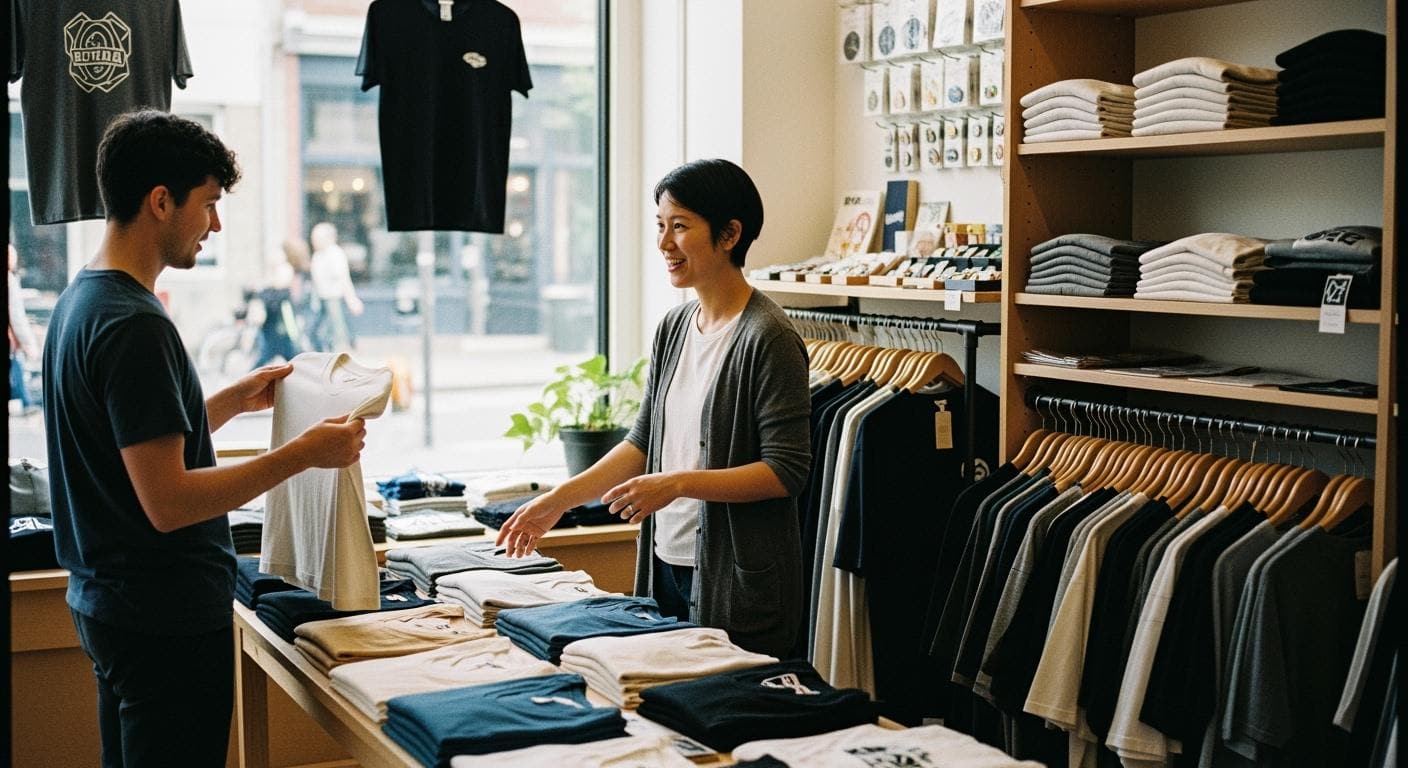
You face a real challenge when choosing tee shirts for your shop. Customers often buy on impulse or look for features that catch their eye. Your pricing can sway decisions, and your reputation matters. Listening to feedback helps you understand what works. To maximize profit and minimize risk, balance style, quality, and price. Consider these common factors:
Factor | Description |
|---|---|
Impulse Buying | Shoppers make spontaneous choices when excited. |
Product Features | Details and perceived value guide purchase. |
Pricing | Fair prices and promotions attract buyers. |
Seller Reputation | Trust builds through reviews and word-of-mouth. |
Customer Feedback | Opinions from others influence new customers. |
Website Reliability | Reliable shopping platforms inspire confidence. |
Key Takeaways
Understand your customers’ preferences to choose tee shirts that appeal to them.
Gather feedback through surveys and conversations to build trust and loyalty.
Stay updated on trends using online tools to keep your inventory fresh and appealing.
Source from reliable suppliers and check their quality through reviews and samples.
Set competitive prices by analyzing costs and market rates to attract more buyers.
Use creative in-store displays to enhance product visibility and encourage impulse purchases.
Engage customers with loyalty programs and online contests to foster repeat business.
Manage inventory smartly by tracking sales data and adjusting orders based on demand.
Find Best-Selling Tee Shirts
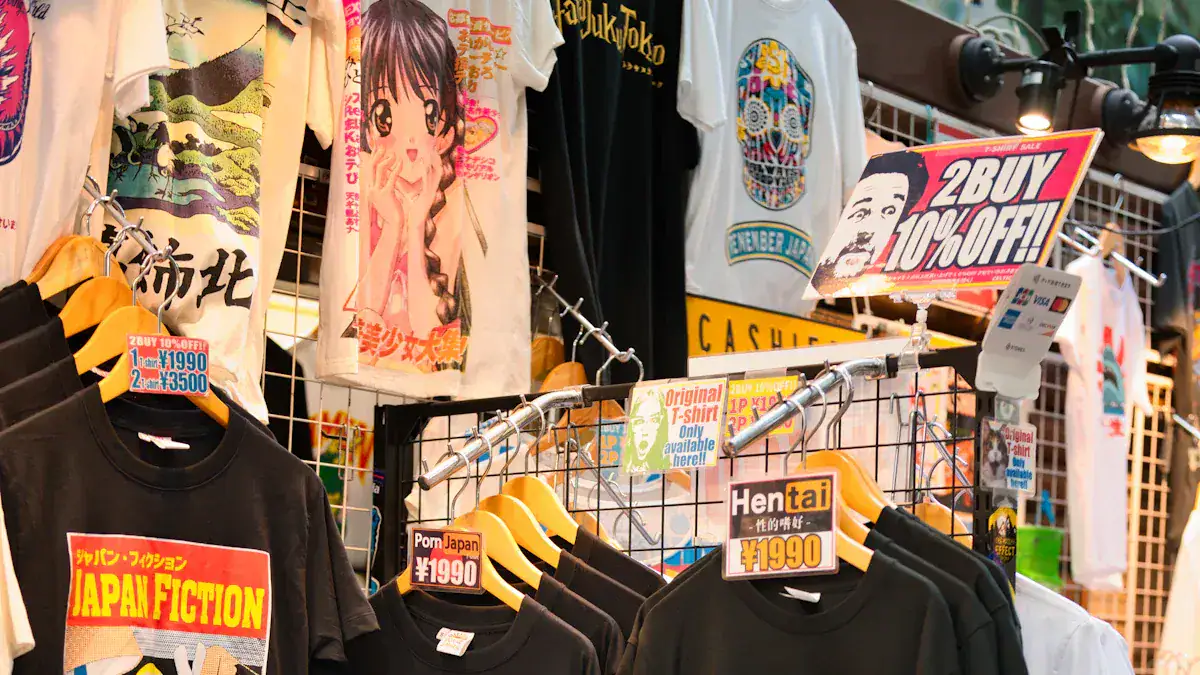
Know Your Customers
Understanding your customers helps you choose tee shirts that sell. You need to know who shops at your store and what they like. Building a profile of your ideal customer guides your decisions. You can use several methods to learn about your audience.
Gather Feedback
Ask your customers what they want. You can use surveys, comment cards, or quick conversations at checkout. Collecting feedback gives you direct insight into their preferences. You might notice requests for certain colors, styles, or graphics. When you listen, you build trust and encourage repeat visits.
Review Sales Data
Look at your sales records to see which tee shirts sell best. Track which sizes, colors, and designs move quickly. Use your point-of-sale system or a simple spreadsheet. Patterns in your sales data reveal what your customers prefer. You can also compare your results with other local shops to spot differences.
Tip: Create a table to organize your findings. List factors like materials, fitting, costs, trends, and demographic needs. This helps you see what matters most to your shoppers.
Factors Considered | Description |
|---|---|
Materials | The quality and type of fabric used in tee shirts. |
Fitting | How well the tee shirts fit different body types. |
Costs | The price point of the tee shirts in relation to customer expectations. |
Trends | Awareness of current fashion trends that may influence customer choices. |
Demographic Needs | Understanding the specific preferences and lifestyle of your target audience. |
Spot Trends
You need to stay updated on what is popular. Trends change quickly, so watch for new styles and graphics. Use online tools like Etsy, TikTok, and Google Trends to see what people are searching for. Create a trend board in your shop or on your computer to visualize popular designs.
Popular Graphics
Many customers look for graphics that stand out. Vintage and retro designs attract buyers who want a classic look. Minimalist graphics and geometric patterns appeal to those who prefer simple styles. Bold typography also grabs attention. Eco-friendly materials have become more popular, so consider offering sustainable options.
Vintage and retro designs
Eco-friendly materials
Minimalist designs
Geometric patterns
Bold typography
Local Themes
Local pride drives sales. Tee shirts with city maps, neighborhood names, or local landmarks connect with your community. Hyperlocal designs make your shop unique and foster loyalty. You can also target niche groups, such as sports teams or school clubs, to build engagement.
Trend Type | Description |
|---|---|
Hyperlocal Designs | Consumers want tee shirts that reflect local pride, such as city maps or landmarks. |
Sustainability | Eco-friendly materials are in demand, and sales of sustainable tee shirts are rising. |
Niche Targeting | Apparel for specific communities builds loyalty and repeat business. |
Plan for Seasons
Seasonal changes affect what customers buy. You need to plan your inventory around weather and local events. This helps you avoid overstock and keeps your selection fresh.
Weather Changes
Warm weather increases demand for lightweight tee shirts. Cooler months may require long sleeves or thicker fabrics. Adjust your orders as the seasons change. Producing smaller batches lets you respond quickly to shifts in demand.
Seasonal trends dictate styles and timing of purchases.
Customized clothing production allows you to adapt to trends as they emerge.
Holidays & Events
Local holidays and events create opportunities for special designs. Offer themed tee shirts for festivals, parades, or school events. You can test new styles in small quantities before investing in larger orders. This strategy reduces risk and helps you find what sells best.
Note: Planning for seasons and events keeps your shop relevant and encourages customers to return for new releases.
Source Wholesale Tee Shirt Suppliers
Finding the right wholesale supplier helps you keep your shop stocked with products customers want. You need to know where to buy, how to check supplier quality, and how to compare prices and minimums.
Where to Buy Tee Shirts
You have two main options for sourcing: online marketplaces and local distributors.
Online Marketplaces
Online marketplaces offer a wide selection and make it easy to compare brands. You can find suppliers like ShirtMax, ShirtSpace, T-ShirtWholesaler.com, AllDayShirts.com, BulkThreads.com, Bella + Canvas, Apparel.com, Gildan USA, Blankstyle, and The Adair Group. Many of these suppliers provide fast shipping and bulk discounts. For example, ShirtMax delivers orders in 1 to 2 business days and offers free shipping for purchases over $99.
Here are some reputable suppliers you can explore:
Sierra Pacific
Shaka Wear
Sport-Tek
Team 365
Yupoong
Gildan
Bella + Canvas
Hanes
Comfort Colors
Jerzees
Next Level Apparel
You can also compare features and delivery speeds:
Supplier Name | Key Features |
|---|---|
T-Shirt Wholesaler | Offers a wide range of apparel, including t-shirts, hoodies, and more. Known for quality brands like Gildan and Bella + Canvas. |
ShirtMax | Provides fast delivery (1-2 business days), bulk discounts, and high-quality clothing from brands like Hanes and Bella + Canvas. |
Local Distributors
Local distributors give you the chance to see products in person before you buy. You can build relationships with sales reps and negotiate deals face-to-face. Local suppliers may offer lower minimum order quantities and faster restocking for urgent needs. You can ask other shop owners in your area for recommendations.
Tip: Local distributors sometimes provide samples or allow you to inspect inventory before placing a large order.
Check Supplier Quality
You need to make sure your supplier meets your standards for quality and reliability.
Read Reviews
Read customer reviews on supplier websites and independent platforms. Look for feedback about delivery speed, product consistency, and customer service. Reliable suppliers have positive reviews and a history of on-time delivery.
Reliability and On-Time Delivery: Choose a supplier with a track record of reliability and the ability to consistently deliver orders on time.
Product Quality and Consistency: Ensure the supplier offers high-quality products that meet your standards consistently.
Request Samples
Request samples before committing to a large order. Samples let you check fabric quality, stitching, and fit. You can compare samples from different suppliers to find the best option for your shop.
Criteria | Description |
|---|---|
Capacity | Can they handle your order volume? |
Competence | Do they have the technical skills for your needs? |
Culture | Are their labor and material standards ethical? |
Cost | Are there hidden fees? |
Communication | Do they respond promptly and clearly? |
Control | What are their quality assurance processes? |
Consistency | Do they have a track record of reliability? |
Conformance | Are they compliant with industry standards? |
Continuity | Are they financially stable? |
Collaboration | Will they adapt to your business as it grows? |
Supplier reliability is crucial for maintaining a consistent quality of t-shirts. Brands should prioritize suppliers with clear policies on labor practices and environmental impact to ensure ethical sourcing. Certifications like OEKO-TEX® and GOTS confirm that products are free from harmful chemicals and use organic materials.
Compare Prices & Minimums
You need to compare prices and minimum order quantities to maximize your profit.
Bulk Discounts
Many suppliers offer bulk discounts when you order larger quantities. ShirtMax, for example, provides free shipping on orders above $99. Some suppliers, like Blank Shirts, have no minimum order requirement and offer same-day delivery for most orders.
Supplier Name | Starting Price | Minimum Order Quantity | Shipping Details |
|---|---|---|---|
Shirt Max | $2.30 | N/A | Free shipping on orders above $99 |
Spectra, USA | N/A | Low minimum order | Fast turnarounds |
TSF Sportswear | N/A | N/A | N/A |
Blank Shirts | N/A | No minimum order | Same-day delivery for 99% of orders |
Bulk Apparel | $2.39 | N/A | N/A |
You can expect wholesale prices to start as low as $2.68 and range up to $17.30 or more, depending on the brand and quality.
Price Range |
|---|
From $2.68 |
From $2.82 |
From $3.28 |
From $3.54 |
From $3.88 |
From $4.25 |
From $4.29 |
From $4.53 |
From $4.86 |
From $4.87 |
From $5.53 |
From $5.59 |
From $5.98 |
From $6.59 |
From $6.75 |
From $6.98 |
From $7.29 |
From $8.89 |
From $11.59 |
From $13.89 |
From $14.48 |
From $16.48 |
From $17.30 |
Negotiation Tips
You can negotiate with suppliers for better prices, especially if you plan to order regularly. Ask about bulk discounts, free shipping, or special promotions. Some suppliers may lower minimum order quantities for new customers. Always clarify shipping policies and any hidden fees before you place an order.
Note: Building a strong relationship with your supplier can lead to better deals and priority service during busy seasons.
You need to choose suppliers who offer consistent quality, fair prices, and flexible order options. This approach helps you keep your shop stocked with tee shirts that customers want.
Check Tee Shirt Quality & Fit
Fabric Types
Cotton vs. Blends
You need to understand fabric types before you choose products for your shop. Cotton is a popular choice because it feels soft and breathes well. Many customers prefer cotton for comfort, but it wrinkles easily and may shrink or fade after washing. Poly-cotton blends offer more durability and resist wear and tear. These blends balance comfort and strength, making them suitable for everyday use.
Cotton is absorbent but wrinkles easily.
Poly-cotton blends are strong and resistant to wear and tear.
Tri-blend fabric withstands frequent washing and wearing without losing quality.
Fabric Type | Durability | Customer Preference |
|---|---|---|
Cotton | Prone to wrinkling | Soft, breathable, comfortable but may wrinkle easily |
Blended Fabrics | Offers balance of comfort and durability, suitable for various activities |
Eco-Friendly Choices
Eco-friendly options attract customers who care about sustainability. Brands like Comfort Colors use ring-spun cotton, which feels plush and retains its shape. You can offer organic cotton or recycled blends to appeal to environmentally conscious shoppers.
Brand | Fabric Type | Characteristics |
|---|---|---|
Comfort Colors | Ring-spun Cotton | Soft, durable, heavyweight, plush texture, retains shape |
Sizing Options
Standard & Custom Sizes
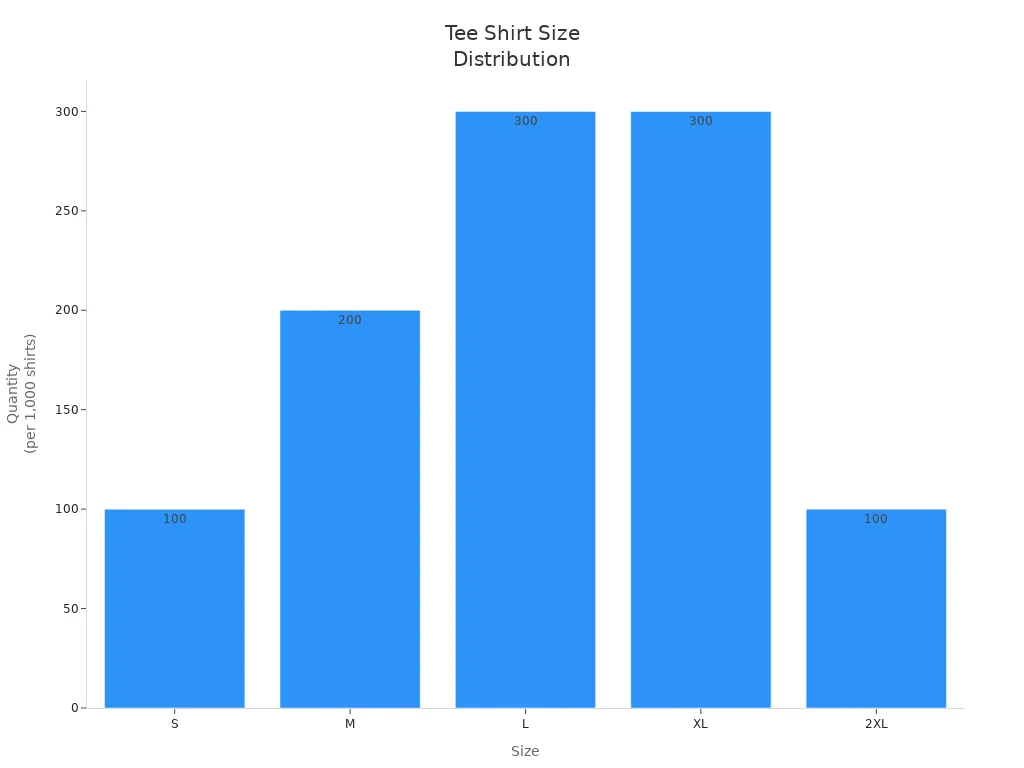
You should stock a range of sizes to meet customer needs. Most local shops offer sizes from small to 2XL. Medium, large, and XL sizes are the most popular. Custom sizing can help you serve special requests or unique body types.
Size | |
|---|---|
S | 100 |
M | 200 |
L | 300 |
XL | 300 |
2XL | 100 |
Inclusive Ranges
Expanding your sizing range helps you reach more customers. Offering sizes like 1XL and 2XL increases sales and improves customer satisfaction. Inclusive sizing supports diversity and body positivity, which can build loyalty and encourage repeat purchases. The plus-size market continues to grow, so stocking these sizes can boost your shop’s reputation.
Durability & Comfort
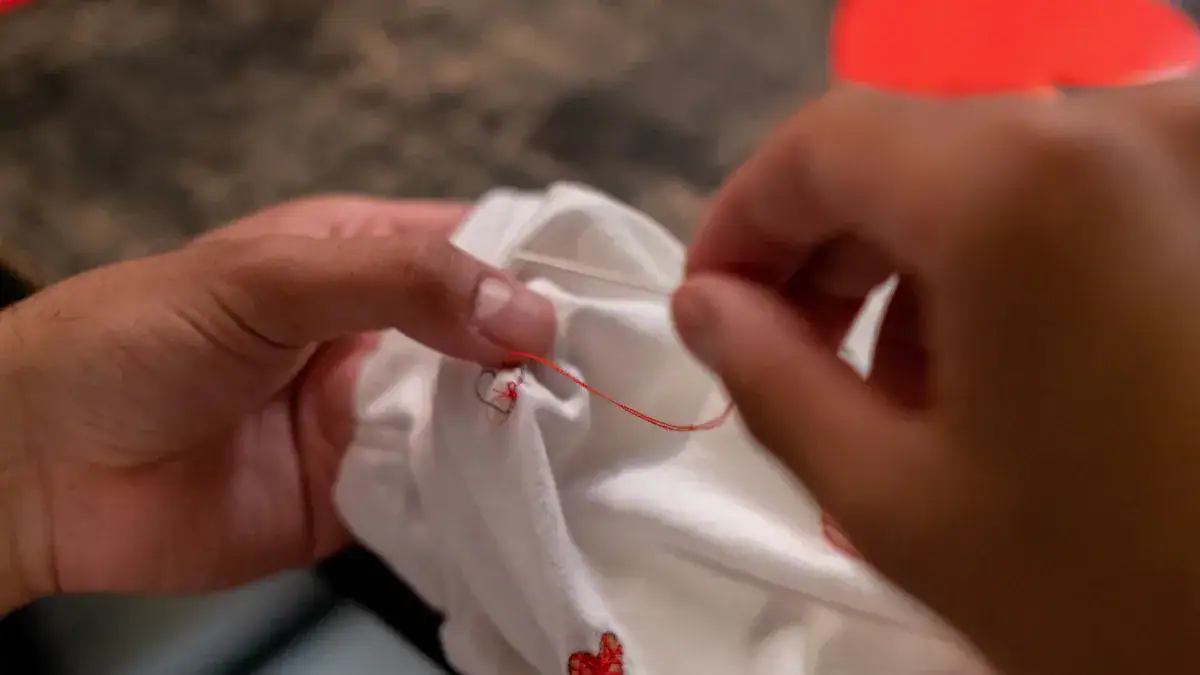
Stitching Quality
Material quality and stitching play a big role in durability. Trusted brands such as Gildan and Hanes are known for reliable construction. High-quality stitching prevents shirts from unraveling and ensures they last through repeated wear.
Tip: Always inspect seams and hems for tight, even stitching. Loose threads or uneven seams can lead to early damage.
Wash Performance
Customers expect tee shirts to hold up after many washes. Quality material and strong stitching help shirts keep their shape and color. Breathable and soft fabrics improve comfort, especially in warm weather. A comfortable fit prevents dissatisfaction and encourages customers to buy again.
Quality material and stitching are fundamental for customer satisfaction.
Durability is expected, with shirts needing to withstand regular wear and washing.
Softness and breathability enhance comfort.
You can build trust and loyalty by offering tee shirts that feel good, fit well, and last.
Set Profitable Tee Shirt Prices
Setting the right price for your tee shirts helps you maximize profit and attract more customers. You need to understand your costs, analyze the market, and use smart pricing strategies.
Calculate Costs
Knowing your total costs gives you a clear starting point for pricing. Consider every expense that affects your bottom line.
Shipping & Fees
Shipping costs can change your profit margin. You should include shipping fees in your retail price. Some shops offer free shipping to attract buyers, but you must make sure this does not hurt your profits. Factor in any transaction fees from payment processors or online platforms.
Overhead
Overhead includes rent, utilities, salaries, and marketing expenses. Estimate these costs for each shirt you sell. Larger sizes often cost more to produce, and extra print areas add to your expenses. Track these details to avoid surprises.
Tip: List all costs before setting your price. This helps you see where you can save money or adjust your pricing.
Understand your target market and their preferences.
Estimate production costs, including salaries and logistics.
Consider extra charges for additional print areas.
Account for higher costs for larger shirt sizes.
Include shipping costs in your retail price.
Analyze competitors’ pricing.
Differentiate costs for physical stores and online platforms.
Price for Retail
You need to set a price that appeals to your customers and keeps you competitive.
Competitive Analysis
Look at what other local shops charge for similar products. Market-oriented pricing helps you attract a broad audience. You can set your price above or below the market average based on your brand’s perceived value. Discount pricing starts high and uses sales to draw in customers. Penetration pricing begins low to build market share, then increases over time.
Market-oriented pricing aligns with average market prices.
Above or below market average pricing adjusts based on value or competition.
Discount pricing uses sales to attract buyers.
Penetration pricing starts low to gain customers.
Value Pricing
Value-based pricing focuses on what your customers believe the shirt is worth. Specialty shops often use this method. Competitor-based pricing keeps you in line with other stores. Dynamic pricing lets you adjust prices for different customer groups or market conditions. Psychological pricing, such as setting prices just below a whole number, can make your shirts seem more affordable. Threshold pricing offers discounts or free shipping when customers spend a certain amount.
Note: Value pricing builds trust and loyalty. Customers feel they get more for their money.
Use Bundles & Promotions
Bundles and promotions encourage customers to buy more and help you manage inventory.
Multi-Buy Deals
Offering bundle discounts creates a sense of value. For example, a “Buy 3 t-shirts, get 10% off” deal motivates customers to purchase more. Bundling helps you clear out slow-moving inventory by pairing less popular shirts with best-sellers.
Evidence Type | Description |
|---|---|
Bundle Discounts | Offer discounts for multiple purchases, increasing sales volume. |
Inventory Management | Pair slow-moving items with popular ones to clear excess stock. |
Customer Engagement | Encourage customers to try new products, boosting overall sales. |
Bundle discounts create value.
Customers buy more items, increasing your sales volume.
Bundling helps you move slow inventory.
Seasonal Sales
Seasonal promotions drive traffic during holidays and special events. You can offer limited-time discounts or themed bundles to match the season. These strategies keep your shop fresh and encourage repeat visits.
Callout: Use seasonal sales to attract new customers and reward loyal shoppers.
Pricing your tee shirts with these strategies helps you stay competitive, boost sales, and grow your business.
Manage Orders & Inventory
Managing your orders and inventory helps you avoid overstock, reduce waste, and keep your shop running smoothly. You need to plan your order quantities, track your inventory, and reorder smartly to meet customer demand.
Order Quantities
Start Small
When you first start selling tee shirts, begin with small order quantities. This approach lowers your risk and helps you learn what your customers like. Set your minimum order quantity (MOQ) based on production costs and expected demand. Many suppliers offer lower first-order MOQs to encourage new buyers. Always communicate your MOQ clearly in your product materials or linesheets. This transparency helps you and your suppliers make better decisions.
Define your MOQ based on costs and demand.
Offer different MOQ levels for various shop sizes.
Highlight MOQ in your product information.
Use flexible terms for first-time orders.
Adjust MOQ as you track sales trends.
Test New Styles
Testing new styles in small batches lets you see what sells before you commit to larger orders. Monitor which designs, colors, and sizes move quickly. This method helps you avoid tying up money in slow-moving stock.
Track Inventory
POS Systems
A point-of-sale (POS) system makes inventory tracking easier. Many local shops use systems like Shopify POS, Lightspeed Retail, or Zoho Inventory. These tools scan barcodes, warn you about low stock, and generate detailed sales reports. Some systems sync inventory across multiple sales channels and automate reorder points.
System Name | Key Features | Pricing |
|---|---|---|
Shopify POS | Barcode scanning, low stock alerts, trend tracking | Starts from $39/mo |
Lightspeed Retail | Multi-location tracking, detailed sales reports | Starts from $89/mo |
Zoho Inventory | Multi-channel sync, automated reorders, analytics | Starts from $29/mo |
Manual Methods
If you run a smaller shop, you might track inventory by hand or with spreadsheets. Sort your stock by style, size, and color to make order fulfillment easier. Regularly count your inventory and update your records. Manual tracking works for small volumes but can lead to errors as your business grows.
Tip: Use automated inventory systems when possible to reduce mistakes and save time.
Reorder Smart
Monitor Sell-Through
You need to know how fast your tee shirts sell. Calculate your sell-through rate with this formula:
Sell-Through Rate = (Units Sold / Units Purchased) x 100
For example, if you buy 200 shirts and sell 120 in a month, your sell-through rate is 60%. High sell-through rates show strong demand. Use this data to plan future orders and avoid overstock.
Method | Description |
|---|---|
Manual Calculation | Use a simple formula for quick checks. |
POS System | Track sell-through automatically with analytics tools. |
Seasonal Consideration | Adjust inventory for holidays and seasonal demand. |
Build Supplier Relations
Strong relationships with your suppliers help you get timely deliveries and better deals. Keep communication open about your inventory needs and sales trends. Reliable suppliers can offer flexible MOQs and help you restock quickly during busy seasons. Regularly review your inventory management methods and work with your suppliers to improve efficiency.
Note: Good supplier relations and smart inventory tracking keep your shop ready for every customer.
Market Tee Shirts in Your Shop
In-Store Displays
Eye-Catching Setups
You can boost sales by creating displays that grab attention. Stacked table displays encourage customers to interact with products, increasing engagement by 18%. Rotating racks make your merchandise more visible, raising product visibility by 40%. Consider placing a T-shirt tower near the entrance to draw people in. Use lighting and signage to highlight new arrivals or best-sellers.
Display Strategy | Impact on Sales/Engagement | Cost Range |
|---|---|---|
Stacked Table Displays | Boosts customer interaction by 18% | $100 – $200 |
Rotating Racks | Increases product visibility by 40% | $150 – $300 |
Themed Merchandising
You can tell a story with your displays. Group tee shirts by theme, such as local pride, sports, or seasonal events. This approach creates emotional connections and encourages impulse purchases. Highlight trendy or seasonal items at the front of your shop. Change themes regularly to keep your displays fresh and exciting.
Tip: Use props and decorations that match your theme to make your displays memorable.
Social Media Tips
Product Photos
High-quality images help your products stand out online. Showcase your tee shirts on Instagram with clear, well-lit photos and short videos. Use creative backgrounds and real people to make your posts relatable. Platforms like Facebook and Instagram allow you to reach specific groups with targeted ads. Influencer partnerships can increase your brand’s credibility and exposure.
Online Contests
Engage your audience with online contests. Run giveaways or challenges on TikTok to attract younger shoppers. Ask followers to share photos wearing your products for a chance to win a prize. Social competitions foster emotional connections and encourage sharing. Limited-time contests create excitement and drive quick action.
Callout: Online contests and creative campaigns can turn followers into loyal customers.
Engage Customers
Loyalty Programs
Reward repeat buyers with a loyalty program. Offer points for every purchase and let customers redeem them for discounts or exclusive items. Tiered rewards motivate shoppers to return and spend more. Personalized challenges and exclusive rewards make your program stand out.
Introduce loyalty systems that reward purchases and engagement.
Use tiered rewards and point-based systems to motivate repeat interactions.
Collect Reviews
Ask customers to leave reviews after their purchase. Positive feedback builds trust and attracts new shoppers. Feature reviews in your store and on social media. Distribute newsletters that highlight new releases and exclusive content. Promote limited editions to keep your product range fresh and encourage prompt action.
Note: Customer reviews and engagement drive repeat business and help you grow your shop.
You can set your shop up for success by following these steps:
Know your customers and spot trends.
Choose reliable suppliers and check quality.
Set smart prices and manage inventory.
Use creative displays and engage shoppers.
Start with a small, focused order. Test what sells best in your shop. With the right tee shirts, you can grow your business and build a loyal customer base. 🚀
FAQ
How do I choose the right tee shirt sizes for my shop?
You should review your sales data and ask customers about their preferences. Start with popular sizes like M, L, and XL. Offer a few options in S and 2XL. Adjust your inventory as you learn what sells best.
What is the best way to test new tee shirt designs?
Order small batches of new designs. Display them in a visible spot in your shop. Track sales and ask for customer feedback. This approach helps you avoid overstock and discover what your customers like.
How can I tell if a tee shirt supplier is reliable?
Read online reviews and request product samples. Check for clear return policies and fast response times. Reliable suppliers communicate well and deliver orders on time. You can also ask other shop owners for recommendations.
Should I offer eco-friendly tee shirts?
Yes, you should consider eco-friendly options. Many customers prefer sustainable products. Offer organic cotton or recycled blends. Highlight these choices in your shop to attract environmentally conscious shoppers.
How do I set prices for my tee shirts?
Calculate your total costs, including shipping and overhead. Research what other local shops charge. Use value-based pricing to reflect quality and design. Offer bundle deals or seasonal promotions to increase sales.
What is the best way to manage tee shirt inventory?
Use a POS system to track stock levels and sales trends. For small shops, spreadsheets work well. Regularly count your inventory. Reorder popular styles quickly to avoid running out. Monitor slow-moving items and adjust future orders.
Post high-quality photos and short videos of your products. Use local hashtags and tag your shop location. Run contests or giveaways to engage your audience. Share customer reviews and encourage shoppers to post photos wearing your shirts.