

A Complete Guide to Men’s Sweatshirt Materials and Fabrics
Table of Contents
Display
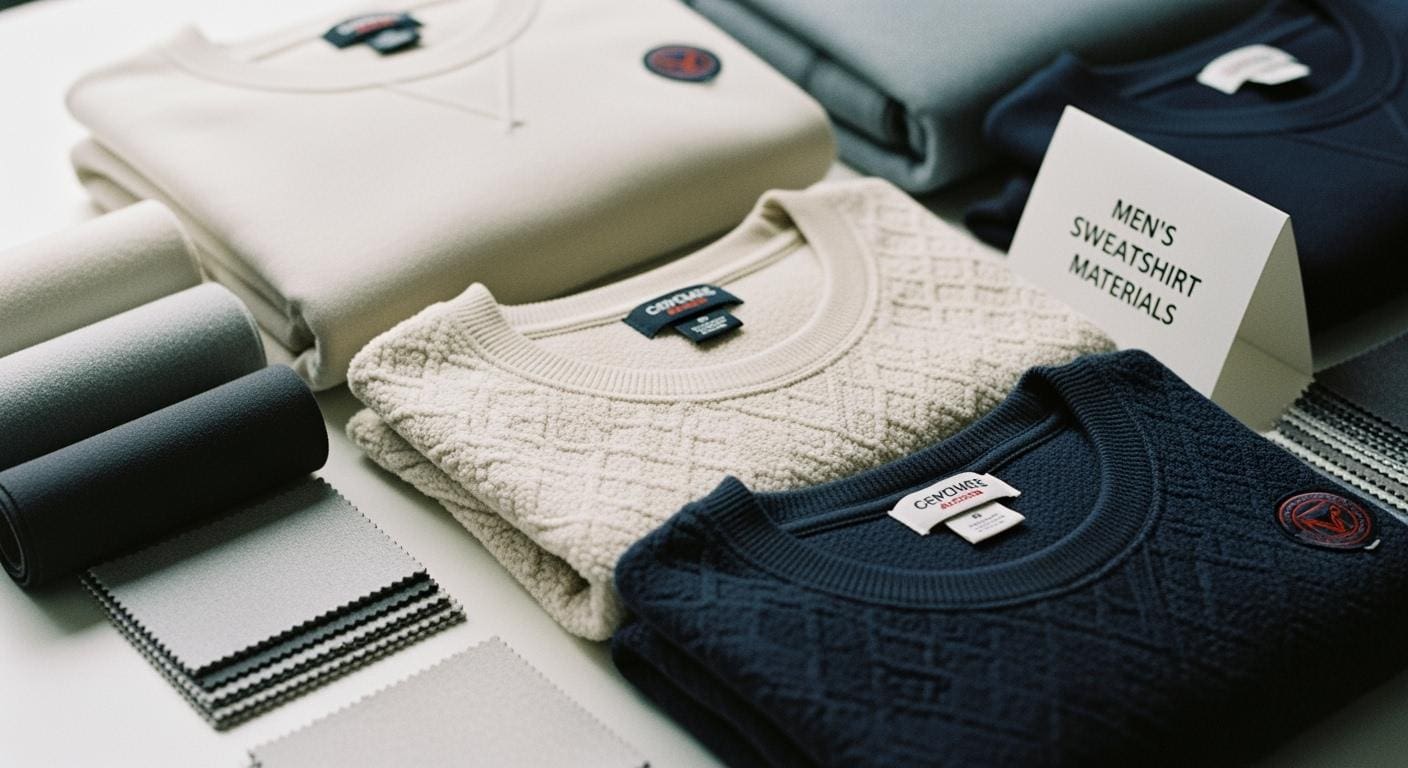
You want a sweatshirt that feels great and lasts through every season. Material choice shapes your experience with comfort, durability, and style. Cotton leads with 36.2% market share because it offers breathability and versatility. Fleece stands out for softness and insulation, while wool brings exceptional warmth but requires special care. Many people prefer natural materials for their skin-friendly and sustainable qualities. The right blend ratio and fabric weight can make a difference in how your sweatshirt herren fits your lifestyle.
Material | Market Share (%) | Key Attributes |
|---|---|---|
Cotton | 36.2 | Comfort, breathability, versatility |
Fleece | Significant | Softness, superior insulation properties |
Wool | Niche | Exceptional warmth, higher cost, care requirements |
Natural Materials | 38 | Sustainability, skin-friendliness, breathability |
Consumer Focus | >60 | Health benefits, fabric innovation |
Key Takeaways
Cotton is the most popular sweatshirt material due to its comfort, breathability, and versatility.
Fleece provides exceptional softness and insulation, making it ideal for colder weather.
Polyester is durable and moisture-wicking, perfect for athletic wear and everyday use.
Cotton-polyester blends combine the best qualities of both materials, offering comfort and durability.
Wool sweatshirts excel in warmth and moisture management, suitable for extreme cold conditions.
French terry fabric is breathable and moisture-wicking, making it great for transitional seasons.
Always check the fabric weight and blend ratios to ensure the sweatshirt meets your comfort and activity needs.
Eco-friendly options like bamboo and organic cotton are sustainable choices that also provide comfort.
Ultimate Guide to Sweatshirt Materials
Overview of Men’s Sweatshirts
When you shop for men’s sweatshirts, you face a wide range of choices. Sweatshirts have become a staple in every wardrobe because they offer both style and function. You can wear them for workouts, casual outings, or even as a layering piece in colder months. The types of sweatshirts you see today come in many shapes, from classic crewnecks to hoodies. Each style uses different materials to achieve a unique look and feel. The ultimate guide to sweatshirt material helps you understand what makes each option special.
Key Fabric Types
You will find that the most common sweatshirt material options include cotton, polyester, blends, fleece, and French terry. Each fabric brings its own set of qualities to the table. The following table gives you a quick look at the main types of sweatshirt fabrics and their defining characteristics:
Fabric Type | Characteristics |
|---|---|
100% Cotton | Breathable, comfortable, absorbs ink well, but may shrink if not pre-treated. |
Cotton-Polyester Blends | Balances comfort and durability, retains shape, resists wrinkles, but may affect ink adhesion. |
Polyester | Wicks moisture, durable, but may struggle with ink adhesion on traditional transfers. |
Fleece and French Terry | Soft and textured, may require extra prep for printing due to plush surface. |
You will notice that cotton stands out for its comfort and breathability. Cotton-polyester blends combine the best hoodie fabrics for softness and strength. Polyester offers durability and moisture-wicking, making it a top choice for athletic wear. Fleece and French terry provide warmth and texture, which many people love for cozy days. The hoodie fabric guide shows that each material has a purpose, and knowing these differences helps you pick the right sweatshirt material for your needs.
Why Material Matters
Choosing the right sweatshirt material affects how you feel and how long your sweatshirt lasts. Materials like cotton give you a soft touch and keep you cool, which is perfect for everyday wear. Polyester adds strength and helps your sweatshirt keep its shape after many washes. Blends offer a balance, giving you both comfort and durability. Fleece and French terry add warmth, making them ideal for colder weather.
Tip: Always check the label for blend ratios and fabric weight. These details help you find the best hoodie materials for your lifestyle.
The ultimate guide to sweatshirt material shows that your choice impacts comfort, style, and even care. Breathable fabrics keep you feeling fresh, while heavier materials add warmth. The types of sweatshirts you choose depend on your activities and climate. If you want the best hoodie fabric guide, focus on how each material feels, looks, and performs. You will find that the right sweatshirt material makes a big difference in your daily comfort and style. The ultimate guide to materials helps you avoid common mistakes and ensures you get the most out of your men’s sweatshirts, hoodies, and even men’s sweaters.
Cotton Sweatshirt Fabrics
Cotton Properties
You will notice that cotton stands out as a natural fiber with unmatched softness. When you choose a sweatshirt made from 100% cotton hoodie fabric, you get a material that feels gentle against your skin. Cotton absorbs moisture well, which helps keep you dry during daily activities. The breathability of cotton allows air to circulate, making it a popular choice for those who value comfort. Many people prefer cotton because it is hypoallergenic and rarely causes irritation. You can rely on cotton for softness and daily comfort, especially if you have sensitive skin.
Soft and breathable
Comfortable against the skin
Hypoallergenic
Highly absorbent, can hold up to 27 times its weight in water
Pros and Cons
Cotton offers several advantages, but you should also consider its drawbacks before choosing it for your sweatshirt. Textile experts highlight the following points:
Advantages | Disadvantages |
|---|---|
Unmatched Softness & Comfort | Holds moisture, making it heavy when wet |
Breathability | Less durable compared to blends |
Hypoallergenic | Prone to shrinkage and wrinkling |
Print-Friendly |
You will appreciate the softness and breathability of cotton, especially in a 100% cotton hoodie fabric. The material feels light and gentle, making it ideal for everyday wear. However, cotton can wrinkle easily and may shrink after washing. If you get your sweatshirt wet, it can feel heavy because cotton holds moisture. Cotton is less durable than polyester or blends, so you may notice signs of wear sooner.
Tip: To maintain the softness and shape of your cotton sweatshirt, wash it in cold water and avoid high heat in the dryer.
Best Uses
Everyday Comfort
Cotton sweatshirts excel in providing daily comfort. You can wear them for commuting, relaxing at home, or casual outings. The softness of 100% cotton hoodie fabric makes it a favorite for those who want a cozy feel throughout the day. Cotton sweatshirts work well in cooler climates because they trap air and help retain warmth. The breathability prevents overheating, even when you stay active.
Sensitive Skin
If you have sensitive skin, cotton is a smart choice. The natural softness and hypoallergenic qualities reduce the risk of irritation. You can wear a cotton sweatshirt for hours without discomfort. Many people with allergies or skin sensitivities choose cotton over polyester or blends. The gentle touch of cotton makes it suitable for all-day wear, especially if you want a hoodie that feels soft and soothing.
Polyester Sweatshirt Fabrics
Polyester Features
You will notice that polyester stands out as a synthetic fiber with several practical advantages for men’s sweatshirts. This material resists wear and keeps its shape, even after many washes. You can count on polyester to maintain color and size, which means your sweatshirt looks new longer. The fabric dries quickly and wicks moisture away from your skin, making it ideal for active lifestyles. Polyester traps heat without feeling heavy, so you get lightweight warmth during workouts or layering.
Feature | Description |
|---|---|
Durability | Resists wear and maintains size and color after multiple washes. |
Quick-drying | Wicks moisture away from the skin, ideal for active use. |
Shape retention | Keeps its size and does not stretch out easily. |
Lightweight warmth | Traps heat without feeling heavy, practical for workouts or layering. |
Tip: If you want a sweatshirt that stays vibrant and holds up to frequent use, polyester is a smart choice.
Pros and Cons
Polyester offers many benefits, but you should also consider its drawbacks before choosing it for your hoodie or sweatshirt. The table below highlights the main pros and cons:
Pros | Cons |
|---|---|
Less breathable | |
Quick-drying | Can hold odor |
Keeps color | Texture varies |
Lightweight warmth | Synthetic material |
You will appreciate the durability and quick-drying nature of polyester. The fabric keeps its color and shape, so your sweatshirt looks sharp after repeated washes. Polyester provides lightweight warmth, which is useful for layering or outdoor activities. However, you may notice that polyester feels less breathable than cotton. The material can sometimes hold odor, and the texture may vary depending on the blend. Some people prefer natural fibers, but polyester remains popular for its performance and easy care.
Note: Washing polyester sweatshirts regularly helps reduce odor and keeps the fabric fresh.
Best Uses
Athletic Wear
Polyester excels in athletic wear. You will find that this material wicks moisture away from your skin, keeping you dry during exercise. The quick-drying feature makes polyester sweatshirts perfect for gym sessions, running, or outdoor sports. You can move freely because the fabric retains its shape and does not stretch out easily. Many sports brands use polyester in their hoodie designs to maximize performance and comfort.
Durability
You should choose polyester if you want a sweatshirt that lasts. The fabric resists wear and tear, so it stands up to frequent washing and daily use. Polyester keeps its color and size, which means your sweatshirt looks good season after season. In colder environments, polyester helps retain heat, making it a practical choice for layering or outdoor activities. You may find polyester less comfortable in warm conditions, but its insulating properties make it ideal for chilly days.
Callout: Polyester sweatshirts offer a balance of performance and durability, making them a reliable option for active lifestyles and colder climates.
Cotton-Polyester Blends
Blend Ratios (50/50, 65/35, 80/20)
You will see many sweatshirts made from a cotton and polyester blend. The ratio of cotton to polyester changes how the fabric feels and performs. Here is how the most common blend ratios affect your hoodie:
50% Polyester, 50% Cotton: This blend gives you a balance between softness and durability. You get a sweatshirt that feels comfortable and stands up to regular wear.
65% Polyester, 35% Cotton: This ratio increases durability and wrinkle resistance. You still get some softness and breathability, which works well for casual and workwear.
80% Cotton, 20% Polyester: This blend focuses on comfort and breathability. You feel the softness against your skin, but the polyester adds a touch of strength and helps prevent wrinkles.
You can choose a cotton-polyester blend based on your needs. If you want more comfort, look for a higher cotton percentage. If you need durability, pick a blend with more polyester.
Pros and Cons
Cotton and polyester blend sweatshirts offer several advantages. You get the best qualities of both fibers. The cotton provides comfort and breathability, while polyester adds strength and helps the sweatshirt keep its shape. Many people prefer blends because they resist wrinkles and shrinkage.
You will notice that cotton-polyester blends are popular for men’s sweatshirts. This is because they combine the softness of cotton with the durability and wrinkle resistance of polyester. The blend also helps the sweatshirt maintain color and shape over time. You get a garment that works for both active and casual wear. The cost-effectiveness of polyester makes these blends a top choice in the mass market.
However, blends may not feel as soft as pure cotton. Some blends can pill over time, especially with frequent washing. You might also notice less breathability in blends with higher polyester content.
Best Uses
Versatility
You can wear a cotton and polyester blend sweatshirt almost anywhere. The fabric works for mid-range tees, work shirts, and casual button-downs. You get a hoodie that fits many occasions, from relaxing at home to working in a busy environment.
Blend Ratio | Characteristics | Common Use Cases |
|---|---|---|
50/50 | Equal comfort and durability | Mid-range tees, work shirts |
65/35 & 60/40 | Cotton feel, polyester performance | Hospital scrubs, polo shirts |
80/20 | Prioritizes cotton comfort | Casual button-downs |
Easy Care
You will find that cotton-polyester blend sweatshirts are easy to care for. The polyester helps the fabric dry quickly and resist wrinkles. You spend less time ironing and washing. In hospitality, a 70/30 blend with an anti-microbial finish increased the time between washes by 50%. This saved labor costs and improved comfort for guests.
Tip: Choose a cotton and polyester blend if you want a sweatshirt that looks good, lasts longer, and requires less maintenance.
You can rely on these blends for everyday wear, work, and travel. The combination of comfort, durability, and easy care makes cotton-polyester blend sweatshirts a smart choice for your wardrobe.
Fleece and French Terry Sweatshirts

Fleece Features
You will notice that fleece fabric stands out for its plush softness and warmth. Manufacturers create fleece by brushing the fabric to raise the fibers, which gives it a fluffy texture. This process traps air, helping you stay warm in cold conditions. Fleece fabric feels lightweight, so you can wear it comfortably without feeling weighed down. You will find that fleece resists moisture, which keeps you dry during outdoor activities. Many brands use synthetic fibers like polyester to make fleece, which adds durability and helps the material hold its shape after washing. You can rely on fleece for cozy comfort, especially when temperatures drop.
French Terry Texture
French terry offers a unique texture that sets it apart from other sweatshirt fabrics. You will see smooth fabric on the outside and a loopback texture on the inside. This loopback design helps wick moisture away from your skin, keeping you comfortable during active days. French terry sits in the midweight range, usually between 250 and 350 GSM, so you get substance without excessive bulk. The fabric breathes well, making it a smart choice for transitional weather. You stay warm without overheating, which is ideal for spring or fall. French terry maintains its shape longer than fleece, giving you a refined look while still feeling relaxed.
Tip: Choose French terry if you want a sweatshirt that balances comfort, breathability, and style.
Benefits of French Terry Texture:
Loopback interior wicks moisture, unlike heavyweight cotton or fleece.
Midweight feel provides substance without heaviness.
Breathable design suits transitional seasons.
Holds shape for a polished appearance.
Pros and Cons
You should consider the strengths and weaknesses of both fleece and French terry before choosing your next sweatshirt. Fleece fabric excels at providing warmth and softness, making it perfect for cold weather. You will appreciate how fleece resists moisture and dries quickly. However, fleece can pill over time and may feel too warm in mild conditions. French terry gives you a lighter, more breathable option. You get moisture-wicking benefits and a fabric that keeps its shape. On the downside, French terry does not insulate as much as fleece, so it may not be the best choice for freezing temperatures.
Feature | Fleece Fabric | French Terry |
|---|---|---|
Warmth | High | Moderate |
Breathability | Moderate | High |
Moisture Wicking | Good | Excellent |
Weight | Lightweight | Midweight |
Shape Retention | Good | Excellent |
Best For | Cold weather, lounging | Transitional seasons, layering |
Note: Think about your climate and activity level when picking between fleece and French terry. Each fabric offers distinct advantages for different situations.
Best Uses
When you choose a sweatshirt, you want it to fit your lifestyle and the season. Fleece and French terry each shine in different situations. Understanding when to wear each fabric helps you stay comfortable and stylish all year.
Cold Weather
Fleece sweatshirts work best when temperatures drop. The brushed fibers trap air, which creates insulation and keeps you warm. You will notice that fleece feels soft and cozy, making it a favorite for winter days or chilly evenings. Many people wear fleece sweatshirts for outdoor activities like hiking, camping, or walking the dog in cold weather. The fabric resists moisture, so you stay dry even if you face light rain or snow. Fleece also dries quickly, which is helpful if you get caught in the elements.
Tip: Layer a fleece sweatshirt under a jacket for extra warmth during winter sports or outdoor events.
You can rely on fleece for warmth and comfort. The lightweight feel means you do not feel weighed down, even when you wear several layers. Fleece sweatshirts often appear in winter clothing lines because they provide reliable insulation.
Transitional Seasons
French terry sweatshirts excel during transitional seasons like spring and fall. The fabric feels soft and breathable, so you stay comfortable when the weather changes throughout the day. French terry features a smooth exterior and a looped interior, which helps wick moisture away from your skin. This makes it a smart choice for mild mornings and cool evenings.
You will find French terry sweatshirts in casual and athleisure wear. The fabric offers enough warmth for brisk days but does not overheat you when the sun comes out. Many people wear French terry for running errands, going to the gym, or relaxing at home. The material holds its shape well, so you look polished even in a laid-back outfit.
Here is a quick comparison to help you decide which fabric suits your needs:
Fabric Type | Characteristics | Best Scenarios |
|---|---|---|
French Terry | Soft, breathable, thick, warm, good water absorption, resilient | Casual and athleisure wear, winter clothing lines |
Fleece | Provides warmth and insulation | Ideal for colder weather |
Note: Choose fleece for maximum warmth in winter. Pick French terry for versatility and comfort during changing seasons.
You can build a wardrobe that keeps you comfortable year-round by selecting the right sweatshirt material for each season.
Wool and Tri-Blend Sweatshirts
Wool Properties
You might notice that wool stands out as a premium material for men’s sweatshirts. Wool, especially Merino wool, offers impressive thermal regulation. You get reliable warmth without feeling stifled, even in extreme conditions. For example, the Minus33 Kodiak Men’s Expedition Hoodie uses heavyweight 400-gsm Merino wool, which helps regulate your body temperature. This makes it a smart choice for both Arctic and Antarctic climates. Wool also excels at moisture management. The fibers wick sweat away from your skin, so you stay dry and comfortable during outdoor activities. You benefit from a sweatshirt that keeps you warm while allowing your body to breathe.
Wool sweatshirts give you warmth and comfort, making them ideal for cold weather adventures.
Tri-Blend Softness
Tri-blend fabrics combine three fibers—cotton, polyester, and rayon—to create a unique sweatshirt experience. You will feel the difference as soon as you touch a tri-blend sweatshirt. The addition of rayon gives the fabric a silky, luxurious texture that feels softer than most 100% cotton options. You enjoy a gentle touch against your skin, which makes tri-blend sweatshirts popular for everyday wear. However, tri-blends may not breathe as well as pure cotton. The polyester content can trap heat and moisture, so you might feel warmer during intense activity. Still, many people choose tri-blends for their unmatched softness and stylish drape.
If you want a sweatshirt that feels smooth and lightweight, tri-blend is a top contender.
Pros and Cons
You should weigh the advantages and disadvantages before choosing wool or tri-blend sweatshirts. Each material brings unique qualities to your wardrobe.
Advantages | Disadvantages |
|---|---|
Less breathable than 100% cotton | |
Moisture-wicking and quick-drying | Traps heat and moisture |
Wrinkle-resistant | May shrink, wrinkle, and fade over time |
Color-fastness |
Wool sweatshirts provide excellent warmth and moisture control, so you stay comfortable in cold and damp conditions. Tri-blend sweatshirts deliver a soft, luxurious feel and resist wrinkles, which helps you look polished. On the other hand, both materials can trap heat and moisture more than pure cotton. You may also notice that tri-blends and wool blends can shrink or fade if not cared for properly.
Tip: Always check care instructions to maintain the warmth, softness, and appearance of your sweatshirt.
You can choose wool for maximum warmth and moisture management during winter. Tri-blend sweatshirts work best when you want a soft, stylish layer for everyday comfort. Both options add variety and function to your collection, helping you stay warm and comfortable in different settings.
Best Uses
Warmth
You want a sweatshirt that keeps you comfortable in changing temperatures. Wool sweatshirts excel at providing warmth, especially during cold mornings or chilly evenings. The fibers trap heat close to your body, which helps you stay cozy without feeling bulky. You can wear wool sweatshirts for outdoor activities like hiking or camping. The natural moisture-wicking ability of wool keeps you dry, even if you start to sweat. Tri-blend sweatshirts also offer warmth, but with a lighter feel. The combination of cotton, polyester, and rayon creates a fabric that insulates while remaining breathable.
Wool and tri-blend sweatshirts work well for travel. You can pack them for trips to places with unpredictable weather. The temperature-regulating properties help you adapt to both cool and warm conditions. If you plan to run or exercise outside, these sweatshirts manage moisture and keep you comfortable. You do not need to worry about overheating because the fabric releases excess heat.
Here is a quick comparison of warmth and performance:
Sweatshirt Type | Warmth Level | Best Scenarios | Moisture Management |
|---|---|---|---|
Wool | High | Cold weather, travel | Excellent |
Tri-Blend | Moderate | Mild climates, activity | Good |
You can rely on wool for maximum warmth in winter. Tri-blend sweatshirts give you enough insulation for spring or fall. Both options suit active lifestyles and help you stay comfortable during movement.
Unique Texture
You notice the difference in texture when you touch wool or tri-blend sweatshirts. Wool feels soft yet substantial. The fibers create a surface that is gentle against your skin. You get a luxurious sensation that stands out from standard cotton. Tri-blend sweatshirts offer a silky, lightweight texture. The addition of rayon makes the fabric smooth and drapey. You can wear tri-blend sweatshirts for casual outings or athletic activities. The fabric moves with you, which adds comfort during exercise or travel.
Wool sweatshirts often feature a slightly fuzzy finish. You get a classic look that pairs well with jeans or outdoor gear.
Tri-blend sweatshirts have a sleek appearance. The fabric resists wrinkles, so you look polished throughout the day.
Blends with synthetic fibers like Tencel improve breathability. You stay cool during high-aerobic activities, such as running or hiking.
You can choose wool or tri-blend sweatshirts for their unique texture and style. The fabric feels different from traditional options, which adds variety to your wardrobe.
You find that both wool and tri-blend sweatshirts suit a range of climates and activities. You can wear them for warmth, comfort, and a distinctive feel. Whether you need insulation for winter or a breathable layer for summer, these materials adapt to your needs.
Specialty and Eco-Friendly Fabrics
Bamboo Sweatshirts
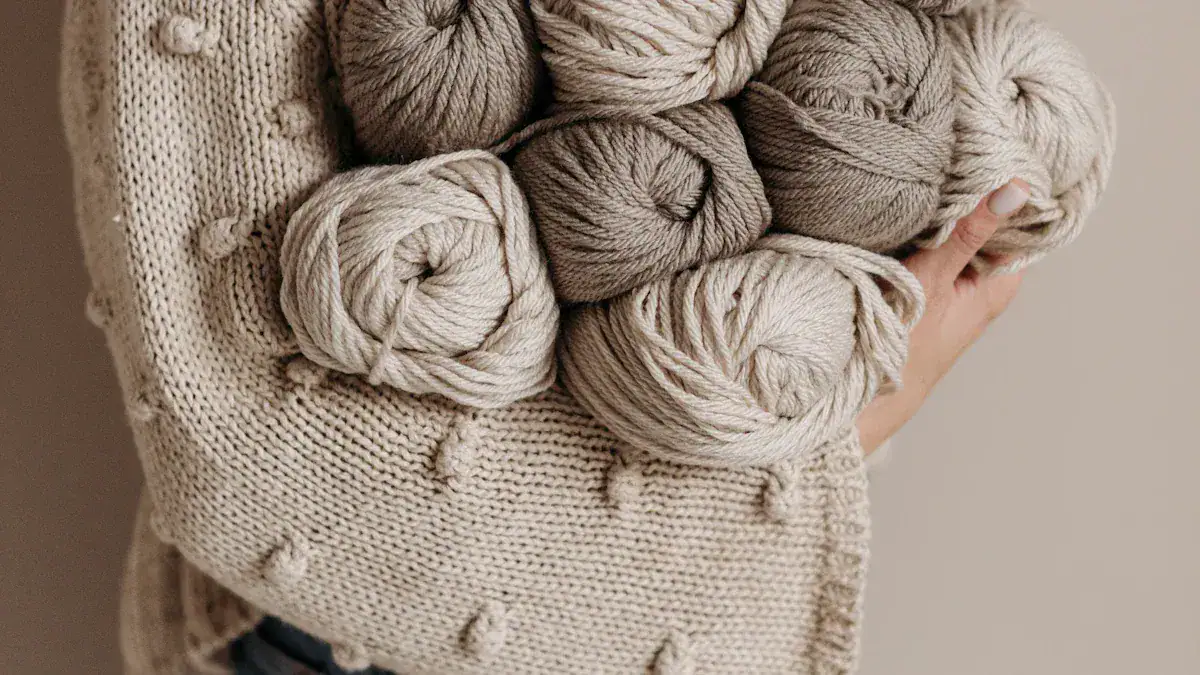
You might want a sweatshirt that feels soft and also helps the planet. Bamboo fabric stands out as a sustainable choice. Bamboo grows quickly, sometimes up to one meter per day. It does not need fertilizers or pesticides. This plant uses much less water than cotton, so it works well in places where water is scarce. Bamboo also absorbs more carbon dioxide and releases more oxygen than many other plants. When you wear bamboo, you support a cleaner environment.
Bamboo fabric feels smooth and gentle on your skin. It resists odors and wicks away moisture, which keeps you comfortable. You can wear bamboo sweatshirts for workouts or casual days. The fabric also breaks down naturally, so it does not pollute the earth when you throw it away.
Here is a table that shows the environmental benefits of bamboo and other sustainable fabrics:
Environmental Benefit | Description |
|---|---|
Rapid Growth & Renewable Resource | Bamboo grows up to 1 meter per day without fertilizers or pesticides, regenerating quickly. |
Low Water Consumption | Requires significantly less water than cotton, making it sustainable in water-scarce regions. |
No Need for Harmful Pesticides or Fertilizers | Naturally resistant to pests, eliminating the need for harmful chemicals. |
High Oxygen Production and Carbon Absorption | Absorbs more CO₂ and releases more oxygen, improving air quality. |
Biodegradability | Naturally decomposes without polluting, unlike synthetic fibers. |
Soil Protection and Erosion Prevention | Strong root system prevents soil erosion and improves soil quality. |
Tip: Choose bamboo if you want a sweatshirt that feels soft and supports a healthier planet.
Sustainable Options
You can find many other eco-friendly fabrics for sweatshirts. Organic cotton uses less water and skips harmful chemicals. Recycled polyester comes from old plastic bottles, which keeps waste out of landfills. Hemp grows fast and needs little water. Tencel, made from wood pulp, feels smooth and breaks down easily in nature.
When you pick sustainable options, you help reduce pollution and save resources. Many brands now label their products with eco-certifications. Look for these labels when you shop. You make a difference with every choice.
Organic cotton: gentle on skin, less water use
Recycled polyester: reduces plastic waste
Hemp: strong, needs little water
Tencel: soft, biodegradable
Note: Eco-friendly fabrics often last longer and feel better over time.
Performance Fabrics
You may want a sweatshirt that does more than keep you warm. Performance fabrics use new technology to improve comfort and function. Some wick away sweat, so you stay dry during exercise. Others block wind or resist rain. Many performance fabrics come from recycled materials, which helps the environment.
You can wear these sweatshirts for sports, travel, or daily life. They stretch, breathe, and dry quickly. Some even protect you from the sun’s rays. Performance fabrics give you more options for every activity.
Moisture-wicking: keeps you dry
Quick-drying: ready to wear again fast
UV protection: shields your skin outdoors
Recycled content: supports sustainability
Callout: Performance fabrics combine comfort, function, and eco-friendly features for modern lifestyles.
Fabric Weight and Comfort
Lightweight vs. Heavyweight
You notice a big difference when you compare lightweight and heavyweight sweatshirt fabrics. Lightweight hoodie fabrics feel soft and easy to wear. You move freely and stay cool during activities. These fabrics work well for layering or for mild weather. Heavyweight sweatshirts give you more insulation. You feel the warmth as the thicker material traps heat close to your body. Heavier sweatshirts often last longer because the dense weave resists wear.
Here is a table that shows how fabric weight affects comfort and warmth in different sweatshirt types:
Fabric Type | Weight Range (oz) | Comfort & Warmth Implications |
|---|---|---|
Polyester | 6.5 – 10 | Lighter, breathable, suitable for physical activities. |
Cotton | 19 | Heavier, provides warmth and insulation. |
Adult Hoodies | 16 – 25 | Generally bulkier, offers more warmth. |
Child Hoodies | Thinner & Lighter | Designed for comfort and ease of movement. |
You see that polyester sweatshirts offer a lighter feel, which helps you stay comfortable during exercise. Cotton sweatshirts provide more warmth, making them a good choice for colder days. Adult hoodies use heavier fabrics to keep you cozy, while child hoodies use lighter materials for easy movement.
Tip: Check the weight listed on the product tag. You can choose the right sweatshirt for your climate and activity level.
Seasonal Suitability
You want your sweatshirt to match the season. Lightweight fabrics suit spring and summer. You stay cool and avoid overheating. Heavyweight sweatshirts work best in fall and winter. You get extra warmth when temperatures drop. Some people layer lightweight sweatshirts under jackets for added flexibility. Others pick heavyweight options for outdoor activities in cold weather.
Spring/Summer: Lightweight, breathable, easy to layer.
Fall/Winter: Heavyweight, insulating, protects against wind and cold.
You can build a versatile wardrobe by choosing different weights for each season. This approach helps you stay comfortable all year.
Impact on Drape and Warmth
Fabric weight changes how your sweatshirt hangs and feels. Lightweight fabrics drape softly over your body. You get a relaxed look that works for casual outfits. Heavyweight materials hold their shape. You see a structured fit that looks polished and feels substantial. The thickness of the fabric also affects warmth. Thicker sweatshirts trap more heat, which keeps you comfortable in cold weather. Thinner fabrics let air flow, so you stay cool when you move.
Note: You can test drape by holding the sweatshirt up. Lightweight fabrics fall smoothly, while heavyweight ones feel firm.
You make better choices when you understand fabric weight. You match your sweatshirt to your needs, whether you want comfort, warmth, or style.
Choosing Sweatshirt Material
For Casual Wear
You want your daily casual outfits to feel relaxed and look stylish. The right sweatshirt material helps you achieve both. Cotton stands out as a top choice for casual wear. You get softness and breathability, which means you stay comfortable all day. Cotton sweatshirts work well with jeans, joggers, or shorts. You can create outfit ideas for school, errands, or hanging out with friends.
When you pick a hoodie for casual outfits, check the blend ratio. A higher cotton percentage gives you a softer fit. If you want more durability, look for a cotton-polyester blend. This combination resists wrinkles and keeps its shape after washing. You can wear these sweatshirts with different outfit ideas, such as layering over a t-shirt or under a jacket.
Tip: Choose midweight fabrics for casual outfits. You get enough warmth without feeling bulky, and the sweatshirt drapes nicely over your body.
Here are practical tips for matching sweatshirt material to your daily casual outfits:
Pick cotton or cotton-rich blends for softness and breathability.
Try midweight fabrics for a balanced fit and comfort.
Use outfit ideas like pairing your sweatshirt with jeans or joggers.
Look for a hoodie with a relaxed fit for easy movement.
Wash in cold water to keep the fabric soft and maintain the fit.
You can explore how to wear sweaters with different casual outfits. Layer your sweatshirt over a button-down for a smart look, or wear it solo for a laid-back vibe. You get endless outfit ideas for your daily routine.
For Athletics
You need a sweatshirt that supports your active lifestyle. Polyester is a popular choice for athletic wear. This material wicks moisture away from your skin and dries quickly. You stay comfortable during workouts, runs, or sports practice. Polyester sweatshirts keep their fit even after many washes, so you can rely on them for daily training.
When you select a hoodie for athletics, check the blend ratio. A higher polyester content improves durability and moisture management. You can find sweatshirts with added stretch for better movement. These features help you perform at your best and stay comfortable.
Note: Athletic sweatshirts often use lightweight fabrics. You get freedom of movement and avoid overheating during intense activity.
Here are tips for choosing sweatshirt material for athletics:
Pick polyester or polyester-rich blends for moisture-wicking and quick-drying.
Look for a hoodie with a snug fit to reduce bulk.
Try lightweight fabrics for daily workouts and sports.
Use outfit ideas like layering your sweatshirt over a performance tee.
Wash athletic sweatshirts regularly to keep them fresh.
You can learn how to wear sweaters for sports by pairing them with shorts or track pants. Choose outfit ideas that match your activity, such as a fitted hoodie for running or a looser fit for gym sessions. You get daily comfort and support for every workout.
For Cold Weather
You want your sweatshirt to keep you warm during cold days. Heavyweight cotton sweatshirts provide excellent insulation and comfort. You can wear them for outdoor activities, layering, or relaxing at home. Wool and fleece also offer warmth, but cotton remains a favorite for its soft feel and easy care.
When you pick a hoodie for cold weather, check the fabric weight. Heavier materials trap heat and keep you cozy. You can layer your sweatshirt over thermal tops or under a winter jacket for extra protection. Look for a fit that allows layering without feeling tight.
Callout: Heavyweight cotton sweatshirts work best for cold weather. You get warmth and comfort for daily outdoor activities.
Here are practical tips for choosing sweatshirt material for cold weather:
Pick heavyweight cotton or fleece for maximum warmth.
Try wool for superior insulation and moisture management.
Use outfit ideas like layering your sweatshirt with jackets or scarves.
Choose a hoodie with a roomy fit for easy layering.
Wash in cold water to preserve the fabric and maintain the fit.
You can explore how to wear sweaters in winter by combining them with boots and thick pants. Create outfit ideas for daily walks, outdoor sports, or cozy nights at home. You get reliable warmth and comfort for every cold day.
For Sensitive Skin
You want a sweatshirt that feels gentle and does not irritate your skin. Material choice matters most when you have sensitive skin. Natural fibers like cotton and bamboo offer the best comfort. These fabrics breathe well and rarely cause allergic reactions. You should avoid synthetic materials with harsh chemicals or rough textures.
Top Materials for Sensitive Skin:
Material | Skin Benefits | Common Issues |
|---|---|---|
100% Cotton | Hypoallergenic, soft, breathable | May shrink, wrinkle |
Bamboo | Silky, moisture-wicking, antibacterial | Less durable over time |
Organic Cotton | No pesticides, gentle feel | Higher cost |
Modal/Tencel | Smooth, eco-friendly | May pill with wear |
You should check the label for blend ratios. Sweatshirts with high cotton or bamboo content work best for sensitive skin. Blends with more polyester or rayon may trap heat and moisture, which can lead to irritation.
Tip: Choose sweatshirts labeled “hypoallergenic” or “organic” for extra protection. These options use fewer chemicals and feel softer.
You need to pay attention to fabric weight. Lightweight sweatshirts allow air to flow and reduce sweating. Heavyweight fabrics may trap heat and cause discomfort. You should select midweight or lightweight options for daily wear.
How to Choose Sweatshirt Material for Sensitive Skin:
Look for 100% cotton, bamboo, or organic cotton.
Avoid blends with high polyester or synthetic content.
Pick lightweight or midweight fabrics for breathability.
Check for certifications like OEKO-TEX or GOTS.
Wash new sweatshirts before wearing to remove residues.
Note: You can test a fabric by rubbing it on your inner arm. If it feels scratchy or causes redness, choose a different material.
You can find sweatshirts designed for sensitive skin in many stores. Brands often highlight gentle fabrics and safe dyes. You should read product descriptions and reviews to make sure the sweatshirt meets your needs. You deserve comfort and confidence every time you wear your favorite hoodie.
Blend Comparison for Men’s Sweatshirts
Cotton vs. Polyester
You often see cotton and polyester as the main choices for men’s sweatshirts. Each material brings unique qualities to your wardrobe. Cotton lets air flow through the fabric, which keeps you cooler during daily wear. Polyester traps more heat, so you feel warmer but may notice less breathability. You want a sweatshirt that lasts, so durability matters. Cotton wears out faster and can fade or develop holes over time. Polyester stays strong, holding its shape and color even after many washes. Maintenance also differs. Cotton needs careful washing to avoid shrinking or wrinkling. Polyester resists shrinking and wrinkling, making it easier to care for.
Here is a quick comparison:
Property | Cotton | Polyester |
|---|---|---|
Breathability | Allows air to pass through, keeping you cooler. | Less breathable, traps more heat. |
Durability | Wears out faster, may fade or develop holes. | Very strong, maintains shape and color. |
Maintenance | Requires careful washing to avoid shrinking/wrinkling. | Low maintenance, resists shrinking and wrinkling. |
Tip: Choose cotton for comfort and breathability. Pick polyester if you want a hoodie that stands up to frequent use and needs less care.
Fleece vs. French Terry
You may wonder which fabric suits your needs when comparing fleece and French terry. Fleece feels plush and warm, making it perfect for cold weather. The brushed fibers trap air, giving you insulation without extra weight. French terry offers a smooth outside and a looped inside. This design helps wick moisture away, so you stay comfortable during active days. Fleece works best for lounging or outdoor activities in winter. French terry fits transitional seasons, such as spring or fall, when you want warmth but also breathability.
Fleece: Soft, fluffy, excellent for cold climates.
French terry: Breathable, moisture-wicking, ideal for layering.
Note: Pick fleece for maximum warmth. Choose French terry if you want a sweatshirt that balances comfort and breathability.
Wool vs. Synthetic
You face a choice between natural and synthetic fibers when shopping for warmth. Wool stands out for its ability to regulate temperature. You stay warm in cold weather, and the fibers wick moisture away from your skin. Synthetic materials, such as acrylic or nylon, offer durability and easy care. Wool feels soft and luxurious but may require special washing. Synthetic fabrics resist shrinking and dry quickly, which makes them practical for busy lifestyles.
Feature | Wool | Synthetic |
|---|---|---|
Warmth | Excellent insulation | Good, but less than wool |
Moisture Control | Wicks moisture | Varies by fiber |
Care | Needs gentle washing | Easy to wash and dry |
Texture | Soft, natural feel | Smooth, sometimes less soft |
Callout: Wool gives you natural warmth and comfort. Synthetic fibers provide durability and easy maintenance for everyday wear.
You can match your sweatshirt material to your climate, activity, and care preferences. Each blend offers benefits that help you stay comfortable and stylish.
Comfort and Style Tips
Quality Indicators
You want your sweatshirt to last and look good. Quality starts with the fabric. Check the label for high cotton content or reputable blends. Feel the material. Softness and thickness often signal durability. Inspect the stitching. Tight, even seams show good craftsmanship. Loose threads or uneven hems can mean poor quality.
Look for these signs when you shop:
Fabric weight: Heavier fabrics usually last longer.
Stitching: Double-stitched seams resist wear.
Ribbed cuffs and hem: These features help the sweatshirt keep its shape.
Brand reputation: Trusted brands often use better materials.
Tip: Hold the sweatshirt up to the light. Thin spots may wear out quickly.
Style Choices
You can express your personality through your sweatshirt style. Crewnecks offer a classic look. Hoodies add a casual vibe and extra warmth. Zip-up sweatshirts give you flexibility for layering. Choose colors that match your wardrobe. Neutral shades like gray, black, or navy work with most outfits. Bold colors or patterns make a statement.
Consider these style options:
Style Type | Features | Best For |
|---|---|---|
Crewneck | Simple, timeless | Everyday wear |
Hoodie | Hood, kangaroo pocket | Casual, sporty looks |
Zip-up | Easy layering, adjustable | Outdoor activities |
Oversized | Relaxed fit, trendy | Street style, comfort |
Note: Try different fits. Slim styles look sharp. Oversized sweatshirts feel cozy.
Longevity and Care
You extend the life of your sweatshirt with proper care. Wash in cold water to prevent shrinking and fading. Turn your sweatshirt inside out before washing. This protects the outer surface. Use gentle detergent. Avoid bleach, which can damage fibers. Air dry your sweatshirt when possible. High heat from dryers can weaken fabric and cause pilling.
Follow these steps for longer-lasting sweatshirts:
Read the care label before washing.
Wash with similar colors to avoid staining.
Use a mesh laundry bag for delicate fabrics.
Store folded in a cool, dry place.
Callout: Regular care keeps your sweatshirt soft and looking new. You save money and reduce waste by making your clothes last.
You make smart choices when you know what to look for. Quality, style, and care all play a role in comfort and appearance. Your sweatshirt becomes a reliable part of your wardrobe when you pay attention to these details.
Common Mistakes
When you shop for sweatshirts, you want to make smart choices. Many people overlook key details that affect comfort, durability, and satisfaction. You can avoid these common mistakes by paying attention to fabric weight, care instructions, and the balance between style and comfort.
Ignoring Fabric Weight
You might focus on color or design and forget about fabric weight. This mistake can leave you with a sweatshirt that feels too hot or too thin for your needs. Fabric weight determines warmth, durability, and how the sweatshirt drapes on your body.
Lightweight fabrics work best for layering or mild weather.
Heavyweight fabrics provide insulation and last longer.
Tip: Always check the product label for fabric weight, measured in GSM (grams per square meter) or ounces. Choose a weight that matches your climate and activity level.
Fabric Weight | Best Use | Warmth Level |
|---|---|---|
Lightweight | Spring, layering | Low |
Midweight | Everyday wear | Moderate |
Heavyweight | Winter, outdoors | High |
You can avoid disappointment by matching fabric weight to your lifestyle.
Overlooking Care Instructions
You want your sweatshirt to last, but ignoring care instructions can shorten its lifespan. Each material needs specific care to maintain softness, color, and shape. You should read the label before washing or drying.
Cotton may shrink in hot water or high heat.
Polyester resists wrinkles but can hold odors.
Wool requires gentle washing and air drying.
Note: Turn your sweatshirt inside out before washing. This protects the outer surface and keeps prints looking fresh.
You can extend the life of your sweatshirt by following simple care steps. Use mild detergent, avoid bleach, and air dry when possible.
Prioritizing Style Over Comfort
You may choose a sweatshirt based only on style. This mistake can lead to discomfort or regret. The best sweatshirt combines style with comfort and function. You should consider how the material feels against your skin and how it fits your body.
Soft, breathable fabrics like cotton and bamboo suit sensitive skin.
Blends offer durability and easy care.
Oversized styles feel cozy, while slim fits look sharp.
Callout: Comfort matters as much as appearance. Try on different styles and materials to find what works for you.
You can enjoy your sweatshirt more when you balance style with comfort. Make choices that fit your needs and preferences.
Sweatshirt Herren and Global Trends
International Styles
You see sweatshirt herren styles changing across the globe. In the United States, you often find classic crew-neck sweatshirts in neutral colors. These pieces work well for school, sports, or casual outings. American brands focus on comfort and versatility. You might notice bold logo prints or graphic designs that make a statement.
In Europe, sweatshirt herren trends lean toward minimalism. Many European men choose slim-fit sweatshirts in muted tones. French and Italian designers often use high-quality cotton or even cashmere blends. You see loopback construction, which adds durability and a soft feel. German fashion highlights practical details, such as zip pockets or adjustable hoods. You can wear these sweatshirts for both work and leisure.
Asian countries bring unique twists to sweatshirt herren fashion. In Japan and South Korea, you spot oversized fits and playful prints. Streetwear brands experiment with colors and textures. You might see sweatshirts paired with tailored pants or layered under jackets. This mix of casual and formal creates a fresh look.
Tip: Explore international brands to find new sweatshirt herren styles that match your personality.
Popular Materials Worldwide
You notice that certain materials dominate the global sweatshirt herren market. Recent fashion trends show that 100% cotton remains the top choice for comfort and breathability. Many brands use loopback cotton, which feels soft inside and lasts longer. Some luxury sweatshirts blend cotton with cashmere for extra warmth and a premium touch.
Polyester and cotton-polyester blends also appear worldwide. These fabrics add durability and help sweatshirts keep their shape. In colder regions, fleece-lined sweatshirt herren provide extra insulation. French terry fabric is popular for its moisture-wicking properties and midweight feel.
Printed and logo sweatshirts have gained popularity everywhere. You see them in American streetwear, European designer collections, and Asian fashion scenes. These designs let you express your style while enjoying the comfort of sweatshirt herren.
Region | Popular Styles | Common Materials |
|---|---|---|
USA | Crew-neck, logo prints | 100% cotton, blends, fleece |
Europe | Minimalist, slim-fit | Cotton, cashmere blends, loopback |
Asia | Oversized, playful prints | Cotton, polyester, French terry |
You can choose from a wide range of sweatshirt herren options. Each region offers something different, but comfort and quality remain important everywhere.
Sweatshirt Material Checklist
Step-by-Step Guide
You want to pick the best sweatshirt for your needs. Use this checklist to make smart choices every time you shop. Follow each step to match material, comfort, and style to your lifestyle.
Check the Label for Material Composition
Look for cotton, polyester, blends, wool, bamboo, or specialty fabrics.
Higher cotton content means more softness. More polyester adds durability.
Review the Blend Ratio
Common ratios include 50/50, 65/35, and 80/20.
Choose a higher cotton percentage for comfort. Pick more polyester for easy care and strength.
Assess Fabric Weight
Lightweight: Good for layering and mild weather.
Midweight: Suits everyday wear.
Heavyweight: Best for cold climates and extra warmth.
Feel the Texture
Touch the fabric. Softness signals comfort. A smooth finish often means better quality.
Fleece feels plush. French terry has a looped interior. Wool feels substantial.
Consider Your Skin Sensitivity
If you have sensitive skin, select 100% cotton, bamboo, or organic options.
Avoid rough or heavily synthetic blends.
Match the Material to Your Activity
Athletic: Polyester or performance blends wick moisture and dry fast.
Casual: Cotton or cotton-rich blends offer breathability.
Outdoor/Cold: Wool, fleece, or heavyweight cotton provide insulation.
Check for Eco-Friendly Features
Look for organic cotton, recycled polyester, bamboo, or Tencel.
Eco-labels like GOTS or OEKO-TEX show safer, sustainable choices.
Inspect Quality Indicators
Examine stitching, ribbed cuffs, and hems.
Quality sweatshirts have tight seams and sturdy construction.
Read Care Instructions
Cotton may shrink. Wool needs gentle washing. Polyester resists wrinkles.
Choose materials that fit your laundry routine.
Tip: Use this checklist when shopping online or in-store. You save time and avoid common mistakes.
Step | What to Look For | Why It Matters |
|---|---|---|
Material | Cotton, polyester, blends, wool | Comfort, durability |
Blend Ratio | 50/50, 65/35, 80/20 | Softness vs. strength |
Weight | Lightweight, midweight, heavyweight | Seasonal suitability |
Texture | Soft, plush, smooth | Skin comfort |
Eco-Friendly | Organic, recycled, bamboo | Sustainability |
You can print this checklist or save it on your phone. Next time you shop, follow each step. You will find sweatshirts that fit your style, comfort, and values. 🧥
You make every outfit better when you choose the right sweatshirt material. Blend ratios and fabric weight shape how your clothes feel and last. Comfort should guide your decision, especially if you want to wear your favorite outfit all day. Use the checklist and tips to shop with confidence. Try different fabrics to discover what works best for your style and daily needs.
FAQ
What is the best material for a men’s sweatshirt?
You get the most comfort from cotton. Polyester adds durability. Blends offer a balance. Your best choice depends on your needs. For softness, pick cotton. For athletic use, choose polyester or a blend.
How do I know if a sweatshirt is high quality?
Check the fabric weight and stitching. Heavier sweatshirts last longer. Tight seams and ribbed cuffs show good construction. Softness and even color also signal quality.
Are cotton-polyester blends good for sensitive skin?
You may find blends less gentle than pure cotton. For sensitive skin, choose 100% cotton or bamboo. Always check for “hypoallergenic” labels.
What sweatshirt fabric is best for cold weather?
Fleece and wool keep you warm. Heavyweight cotton also works well. Layering with these fabrics helps you stay comfortable in winter.
How do I care for my sweatshirt to make it last?
Wash in cold water. Turn your sweatshirt inside out. Air dry when possible. Avoid bleach and high heat. Read the care label for best results.
Do eco-friendly sweatshirts last as long as regular ones?
Many eco-friendly fabrics, like organic cotton and recycled polyester, last just as long as standard materials. Proper care helps them stay soft and strong.
Can I wear a sweatshirt for sports or workouts?
Yes! Polyester and performance blends wick moisture and dry quickly. These fabrics help you stay comfortable during exercise.
Tip: Always choose a sweatshirt that matches your activity and comfort needs.