

Fleece Vest Choices for Outdoor Comfort
Table of Contents
Display
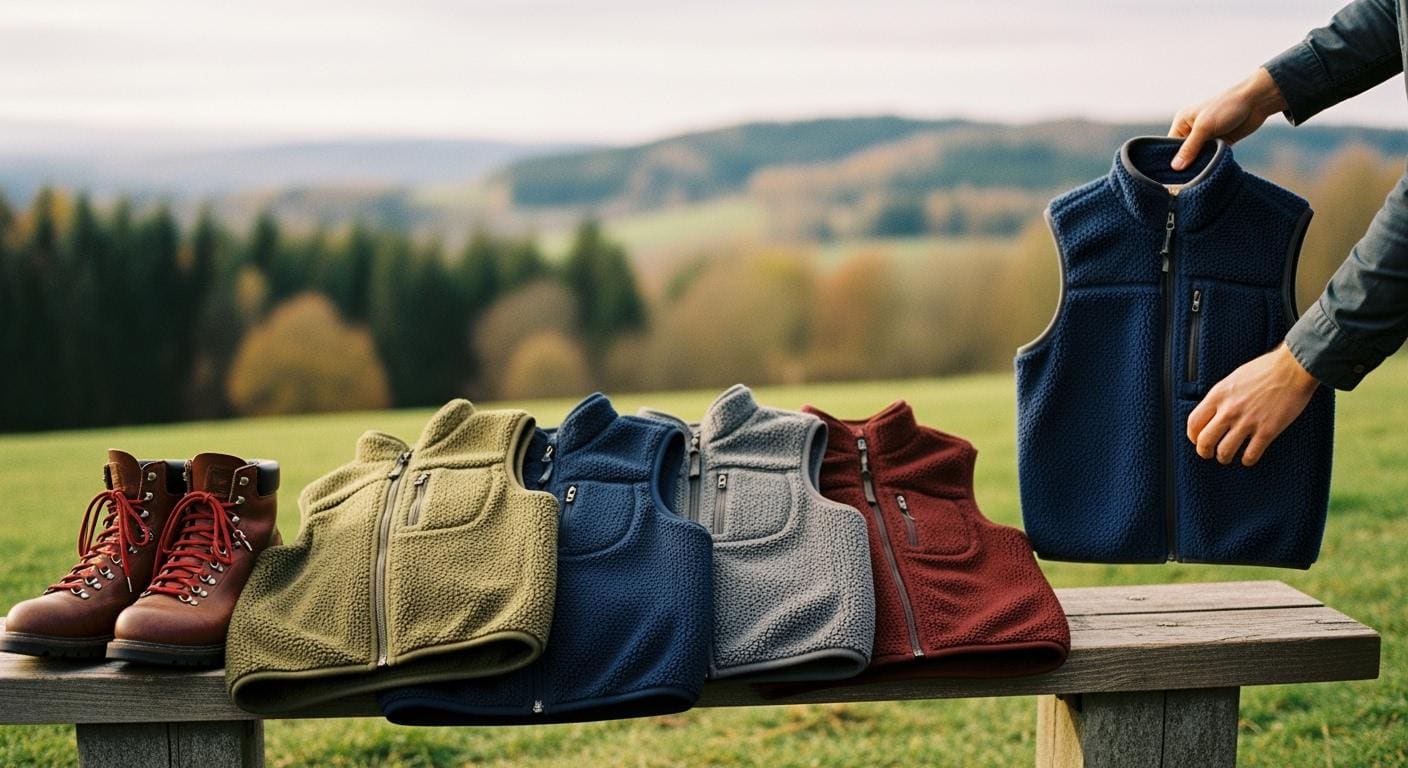
When you search for the best fleece vest for outdoors, consider your main goal. Climate and activity type strongly influence which jacket suits you. Outdoor participants often prefer jackets that offer comfort, warmth, and mobility. You should focus on features like weight, breathability, packability, and flexibility. A versatile jacket helps you stay comfortable in changing weather. Match jacket features to your specific outdoor plans for the best experience.
- Think about your activity and climate needs.
- Choose a jacket that balances comfort and function.
Key Takeaways
- Consider your outdoor activity and climate when choosing a fleece vest.
- Select a vest that balances warmth, breathability, and mobility for comfort.
- Microfleece is ideal for high-output activities like running and climbing.
- Heavyweight fleece provides superior insulation for cold weather outings.
- Look for features like adjustable hems and zippered pockets for added utility.
- Check the fit to ensure freedom of movement during outdoor activities.
- Maintain your fleece vest by washing it inside out and air drying.
- Invest in quality brands for durability and performance in outdoor conditions.
Assessing Outdoor Activity Needs
Activity Types
Choosing the right jacket for your outdoor plans starts with understanding your main activity. Each activity demands different features for optimal performance and comfort.
Hiking and Walking
When you go hiking, you need a jacket that balances warmth and breathability. A versatile fleece vest works well as a layering piece. You can add or remove layers as the temperature changes. For hiking, microfleece offers lightweight comfort and quick drying, making it ideal for layering. Polar fleece provides more warmth for cooler trails.
Running and Cycling
Running and cycling require a jacket that supports high-output movement. You want a layer that breathes well and wicks moisture. Microfleece stands out for its light weight and breathability. Windstopper fleece adds wind resistance, which is helpful for cycling in open areas. You should look for a slim fit to reduce bulk and improve performance.
Everyday and Travel
For everyday use or travel, you need a jacket that adapts to changing environments. Regular fit jackets offer comfort and easy layering ability. Polar fleece and French terry fleece both provide warmth and style for daily wear. You can rely on these options for versatile use, whether you are exploring the city or heading outdoors.
| Fleece Type | Characteristics | Ideal Use Cases |
|---|---|---|
| Polar Fleece | Excellent warmth-to-weight ratio, soft, traps air for insulation. | Everyday wear, outdoor activities. |
| Microfleece | Thinner, lighter, breathable, quick-drying. | Layering, travel, active wear. |
| French Terry Fleece | Heavier, durable, superior insulation. | Workwear, casual wear. |
| Sherpa Fleece | Thick, fluffy, high warmth retention. | Outdoor gear in extremely cold conditions. |
| Windstopper Fleece | Wind-resistant, breathable, insulated. | Outdoor and sporting activities. |
Climate and Weather
Weather plays a major role in your jacket choice. You need to match your layering system to the climate for the best performance.
Cold Conditions
In cold weather, you want a jacket with strong insulation. Sherpa fleece and 300g or 400g fleece vests trap heat and keep you warm. These jackets work well as part of a cold-weather layering system. You can add a shell layer for extra protection.
Mild or Variable Weather
For mild or changing weather, lightweight fabrics like polyester or nylon provide breathability. Microfleece or 100g fleece vests offer enough warmth without overheating. These jackets excel as a layering piece, letting you adjust your outfit as needed.
Wet or Windy Days
Wind and rain demand special features. Windstopper fleece or jackets with RuggedTex™ block wind and keep you comfortable. You should choose a jacket that resists moisture and maintains warmth. This ensures you stay dry and warm during outdoor adventures.
Duration and Intensity
The length and intensity of your activity affect your jacket needs. You must consider how much insulation and breathability you require.
Short vs. Long Trips
Short trips may only need a light layer. For longer outings, you should bring a jacket with better insulation and layering ability. This helps you adapt to temperature changes throughout the day.
Low vs. High Activity
The purpose of active insulation is to provide an appropriate (usually minimal) amount of insulation for high-output activities in cool or cold conditions, while at the same time offering improved moisture elimination, as compared to traditional insulated garments.
For low-intensity activities, you need more insulation to stay warm. For high-output activities like climbing or running, you want a jacket that breathes well and wicks moisture. This balance keeps your performance high and your comfort steady.
- MVTR is crucial for maintaining comfort during high-output activities.
- Active insulation is designed to balance heat generated by activity with heat loss to the environment.
- Effective moisture elimination is essential to prevent overheating and maintain warmth.
| Insulation Level | Characteristics | Ideal Use Cases |
|---|---|---|
| 100g Fleece | Lightest, minimal insulation, highly breathable. | Mild weather, layering. |
| 200g Fleece | Moderate insulation, versatile for various conditions. | Everyday wear, cooler outdoor activities. |
| 300g Fleece | Heavier, robust insulation for colder climates. | Outdoor activities, work environments. |
| 400g Fleece and Above | Thickest, excellent insulation for extreme cold. | Specialized outdoor gear, harsh environments. |
| Fit Option | Description | Ideal Use Cases |
|---|---|---|
| Regular Fit | Comfortable, not too tight or loose. | Everyday wear, light outdoor activities. |
| Slim Fit | Tailored, closer to the body, modern look. | Fashion-oriented brands. |
| Relaxed Fit | Looser, roomier feel, ideal for layering. | Workwear, casual wear. |
Key Fleece Vest Features
Material and Warmth
Fleece Types
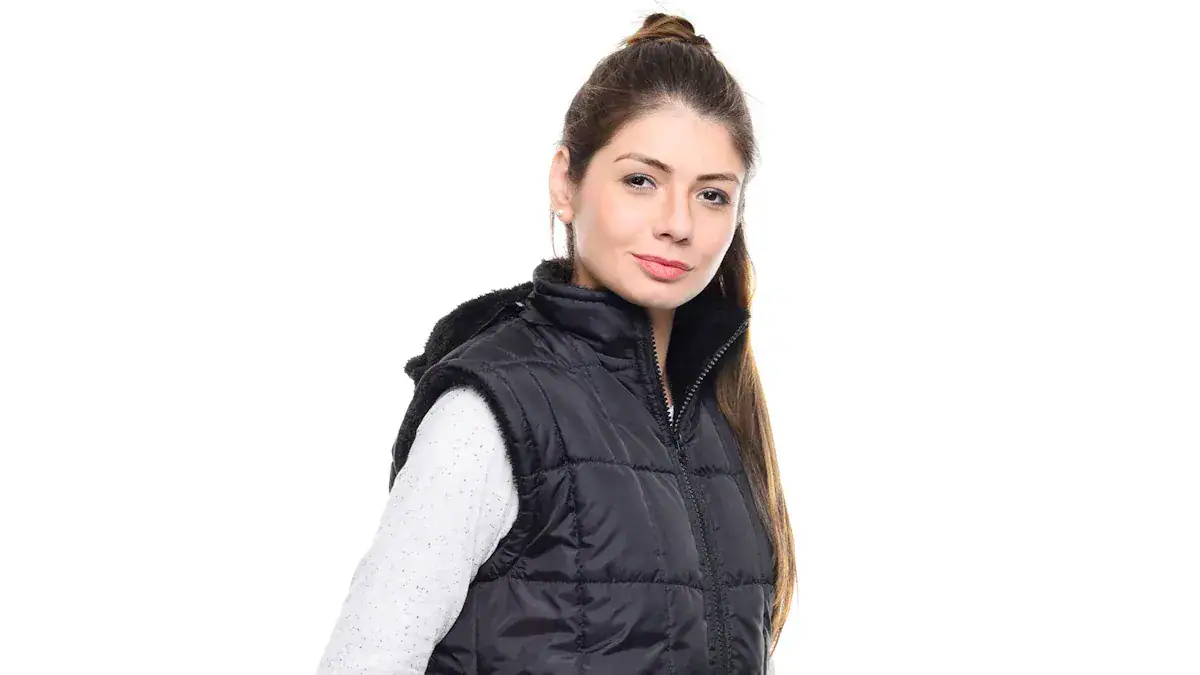
You encounter several fleece types when you shop for a fleece vest. Each type offers unique benefits for warmth, comfort, and performance. Microfleece feels soft and lightweight, making it ideal for layering during hiking or climbing. Polar fleece provides more warmth and works well as a mid-layer for cold outdoor conditions. Technical fleece uses advanced fiber blends to boost insulation and durability, which suits high-performance layer needs for climbing or running. Sherpa fleece delivers plush warmth for extreme cold, while French terry fleece gives you a versatile option for casual wear or travel.
Tip: Choose a fleece type that matches your main activity and expected weather. Microfleece suits high-output activities like running or climbing. Sherpa fleece works best for cold, low-intensity outings.
The choice of fleece material impacts comfort and thermal efficiency. Studies show that blends like 80% cotton and 20% polyester offer optimal thermal comfort in winter due to their thermal resistance. You get better moisture vapor permeability with 100% cotton, which feels more comfortable in summer. Air permeability and thermal conductivity also affect how warm and dry you stay during outdoor adventures.
Insulation Levels
Insulation levels determine how much warmth your jacket provides. Lightweight fleece vests with 100g insulation work well as a layering piece for mild weather or high-intensity activity. Medium-weight options with 200g insulation balance warmth and breathability, making them versatile for hiking or climbing. Heavyweight fleece vests with 300g or more insulation trap heat for cold outdoor conditions and low-activity outings.
| Insulation Level | Warmth | Best Use Cases |
|---|---|---|
| 100g | Light | Layering, running, climbing |
| 200g | Moderate | Hiking, everyday, travel |
| 300g+ | High | Cold weather, low activity |
You should match insulation to your activity and climate. For climbing or running, select a lightweight layer that breathes well. For hiking in cold weather, choose a jacket with robust insulation.
Breathability and Moisture
Ventilation
Ventilation features help you manage moisture and maintain comfort during outdoor activity. Zippered vents, mesh panels, and high MVTR (Moisture Vapor Transmission Rate) ratings allow sweat to escape. You stay dry and comfortable even during intense climbing or running.
- MVTR measures how well a jacket lets moisture vapor escape.
- High MVTR means better breathability and moisture management.
- Ventilation features improve performance during exertion.
Moisture Wicking
Moisture-wicking fleece vests use polyester fibers to draw sweat away from your skin. The fiber structure creates a large surface area that traps air for insulation and allows moisture to evaporate quickly. You benefit from a breathable fleece jacket that keeps you dry during hiking, climbing, or running. Thinner and loosely woven fleece jackets perform better in breathability during high-intensity activity.
Note: Moisture-wicking and breathable features are essential for high-performance layer needs. You avoid overheating and maintain warmth during outdoor adventures.
Weight and Packability
Lightweight Options
Lightweight fleece vests offer excellent packability and layering flexibility. You can easily store them in your backpack during multi-day outdoor trips. These jackets adapt to fluctuating weather and varying activity levels. Lightweight fleece works well as a layering piece for hiking, climbing, or running.
- Lightweight and packable options make layering efficient.
- Easy storage in backpacks is crucial for multi-day trips.
- Ideal for changing weather and versatile activity needs.
Bulkier Choices
Bulkier fleece vests provide more warmth and insulation. You use them as outer layers in cold weather or low-activity outings. These jackets may take up more space in your pack, but they deliver reliable warmth for extended outdoor exposure. Choose bulkier options when warmth is your top priority and pack space is less of a concern.
| Feature | Lightweight Fleece | Bulkier Fleece |
|---|---|---|
| Warmth | Moderate | High |
| Packability | Excellent | Limited |
| Layering Ability | High | Moderate |
| Best For | Hiking, climbing, running | Cold weather, low activity |
Tip: For versatile outdoor plans, combine lightweight and bulkier layers to adjust warmth and comfort as needed.
Fit and Flexibility
Spandex/Elastane Content
You want your fleece vest to move with you during outdoor activities. Manufacturers often add spandex or elastane to the fabric blend. This addition increases stretch and flexibility, which helps you reach, bend, and twist without restriction. When you go climbing or hiking, a jacket with spandex content allows you to layer comfortably and maintain full range of motion. You can wear a lightweight fleece vest as a layering piece for running or climbing, and the stretch fabric will not bunch up or feel tight.
Range of Motion
A good fit means more than just the right size. You need a jacket that adapts to your body shape and supports your movement. Brands like Ariat design vests with adjustable hem drawcords and flexible side panels. These features let you customize the fit for different activities. You can adjust your jacket for warmth and comfort during hiking, climbing, or running. Ergonomic seams and soft linings prevent chafing, so you stay comfortable during extended wear. You get better performance when your jacket does not hinder your movement, especially when you use it as a layer for versatile outdoor plans.
Tip: Try on your fleece vest with your usual layering system. Make sure you can move freely and that the jacket does not restrict your arms or shoulders.
Pockets and Storage
Hand and Chest Pockets
You need practical storage when you spend time outdoors. Pocket placement can make a big difference in your experience. A left chest zipper pocket gives you a secure place for your phone or wallet. You can access your essentials quickly during hiking or climbing. Front zipper hand pockets offer extra space for valuables and keep your hands warm. This feature is especially useful when you use your jacket as a layering piece in cold weather or when you chop wood at camp. You get more utility from your fleece vest when pockets are easy to reach and sized for your needs.
- Chest pockets keep small items safe and accessible.
- Hand pockets provide warmth and storage for gloves or snacks.
- Zippered pockets prevent items from falling out during activity.
Note: Choose a jacket with pocket placement that matches your activity. For climbing or running, look for streamlined pockets that do not add bulk. For hiking or camping, larger pockets offer more storage and warmth.
Durability
Stitching and Construction
You want your fleece vest to last through many outdoor adventures. The construction and stitching methods play a big role in durability. Manufacturers use ballpoint or stretch needles to prevent snags and skipped stitches. Polyester thread adds strength and a slight stretch, which improves the overall quality of your jacket. Neatening seams with a zigzag stitch or using a serger creates a clean and durable edge. These techniques help your jacket withstand frequent layering, climbing, and running.
- Ballpoint or stretch needles prevent snags and skipped stitches.
- Polyester thread provides strength and flexibility.
- Zigzag stitches or serged seams create durable edges.
You can check the durability of your fleece vest by looking at how it performs in abrasion tests. The Martindale Test simulates wear using wool or sandpaper discs until the fabric shows distress. The Wyzenbeek Test uses a specialized machine to assess abrasion resistance. These tests help you choose a jacket that will hold up during hiking, climbing, and other outdoor activities.
| Test Name | Description |
|---|---|
| Martindale Test | Measures fabric durability by simulating wear using discs of wool or sandpaper until distress occurs. |
| Wyzenbeek Test | An abrasion test that assesses the durability of various fabrics using a specialized machine. |
Tip: Inspect the seams and stitching before you buy a fleece vest. Strong construction means your jacket will last longer and perform better as a layering piece in versatile outdoor conditions.
Comparing Fleece Vest Types
Lightweight vs. Heavyweight
Pros and Cons
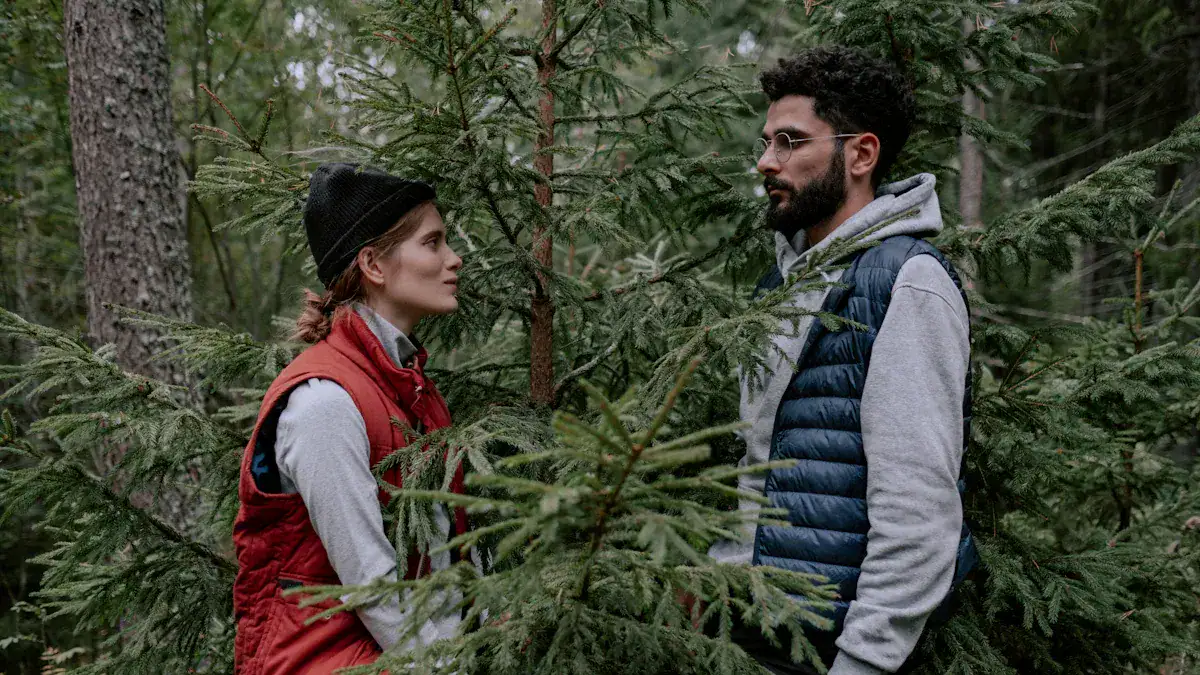
When you compare lightweight and heavyweight vests, you notice clear differences in warmth, comfort, and versatility. Lightweight vests excel in breathability and packability. You can easily add them as a layer without feeling weighed down. These vests dry quickly and work well for high-output activities. Heavyweight vests provide superior insulation and warmth. You feel cozy during cold outdoor adventures, but these vests can be bulkier and less breathable.
| Type | Pros | Cons |
|---|---|---|
| Lightweight | Easy to pack, dries fast, breathable, flexible | Less warmth, not ideal for extreme cold |
| Heavyweight | Maximum warmth, durable, great insulation | Bulky, slower to dry, less breathable |
Best Uses
You should choose a lightweight fleece vest for hiking, running, or cycling. These activities demand a breathable layer that keeps you comfortable. Heavyweight vests shine during winter camping or low-activity outings. If you want the best vest for active use, go for lightweight options. For the best overall vest in cold climates, pick a heavyweight style.
Full-Zip vs. Half-Zip
Ventilation
Full-zip vests give you excellent control over ventilation. You can open the jacket completely to release heat during intense activity. This feature helps you stay cool and dry, especially when you need a breathable layer. Half-zip vests offer a more streamlined fit. They reduce bulk and make layering under a shell jacket easier. You get a balance of warmth and performance with both styles, but full-zip vests stand out for temperature regulation.
Layering
Layering becomes simple when you select the right zip style. Full-zip vests let you adjust your layers quickly. You can remove or add the jacket without disturbing other clothing. Half-zip vests work well as a mid-layer. Their slim design fits smoothly under outer layers, improving comfort and performance. Many of the best fleece jackets use full-zip designs for flexibility.
Tip: For changing weather, a full-zip fleece vest offers the most adaptable layering system.
Hooded vs. Non-Hooded
Extra Warmth
Hooded fleece vests provide extra insulation for your head and neck. The hood traps warmth and shields you from cold air. You do not need a separate beanie, which adds convenience. This design makes hooded vests a smart choice for outdoor trips in chilly conditions. Non-hooded vests focus warmth on your core, making them lighter and easier to layer under a jacket.
Versatility
You gain versatility by choosing the right style for your needs. Hooded vests work well for cold, windy days when you want maximum warmth. Non-hooded vests fit easily under other layers and suit a wider range of activities. If you want the best fleece jackets for all-around use, consider non-hooded styles. For the best vests in harsh weather, hooded options deliver superior insulation and performance.
Remember: The best fleece jackets combine warmth, lightweight comfort, and layering ability. Choose the style that matches your outdoor plans and activity level.
Sizing and Comfort Tips
Finding the Right Fit
Sizing Charts
You want your fleece vest to fit well for maximum comfort and performance. Sizing accuracy plays a major role in how your jacket feels and functions. A vest that fits properly allows you to move freely during outdoor activities. Poor sizing can restrict your movement and make layering difficult. Always check the sizing chart before you buy a jacket. Brands often provide measurements for chest, waist, and length. Compare these numbers to your own measurements. If you fall between sizes, consider how you plan to use the vest. For active use, a slightly snug fit supports mobility. For layering, a bit of extra room helps you add a base layer or a lightweight shell.
| Size | Chest (inches) | Waist (inches) | Length (inches) |
|---|---|---|---|
| S | 34-36 | 28-30 | 25 |
| M | 38-40 | 32-34 | 26 |
| L | 42-44 | 36-38 | 27 |
| XL | 46-48 | 40-42 | 28 |
Adjustments
You can improve the fit of your jacket with simple adjustments. Many fleece vests feature adjustable hems or drawcords. These let you customize the fit for better warmth and comfort. Some jackets have stretch panels or articulated seams. These features help you maintain a full range of motion. Try on your vest with your usual base layer to check for comfort. Make sure the armholes and shoulders do not feel tight. A well-fitted vest supports your performance and keeps you comfortable during outdoor adventures.
Layering Advice
Base Layers
Layering is the key to staying warm and comfortable outdoors. Start with a moisture-wicking base layer. This layer keeps you dry by pulling sweat away from your skin. Add a fleece vest as your middle layer for insulation. The vest traps air and provides warmth without adding too much bulk. Choose the thickness of your middle layer based on the temperature and your activity level. For high-output activities, a lightweight fleece jacket works best. You can also layer multiple thin fleece garments for more versatility.
- Begin with a moisture-wicking base layer for dryness.
- Use a fleece vest as a middle layer to balance warmth and mobility.
- Pick the thickness of your middle layer according to weather and activity.
- Layer several lightweight fleece jackets for adaptable warmth.
- Select a slightly loose fit for better air circulation and heat retention.
Avoiding Bulk
You want to maximize warmth while keeping your outfit lightweight. Avoid bulky layers that restrict movement. Choose lightweight fleece vests and jackets for easy layering. These options help you stay agile and comfortable. A slim fit reduces excess fabric and keeps your layering system efficient. When you combine a moisture-wicking base layer with a lightweight fleece jacket, you get warmth without feeling weighed down. Always test your layering system before heading outdoors. Make sure you can move freely and adjust layers as needed.
Tip: A well-planned layering system lets you adapt to changing weather and activity levels. You stay warm, dry, and comfortable throughout your adventure.
Best Fleece Jackets and Brands
Top Brands
When you look for the best fleece jackets, you notice several brands stand out for quality and performance. Each brand offers unique features that help you stay comfortable outdoors.
Patagonia
Patagonia sets a high standard for warmth and sustainability. You find their Better Sweater Fleece Vest popular in many fleece jacket review articles. The jacket uses recycled materials and provides excellent warmth for hiking or everyday wear. You get a lightweight feel with durable construction. Patagonia’s vests work well for layering and adapt to changing weather.
The North Face
The North Face offers reliable warmth and versatility. Their fleece jackets use advanced insulation and lightweight fabrics. You can wear these jackets for outdoor activities or casual outings. The North Face vests feature secure pockets and flexible fits. Many users choose these jackets for their balance of warmth and breathability.
Columbia
Columbia delivers affordable options with solid warmth. Their jackets use soft fleece and lightweight designs. You find Columbia vests easy to layer and comfortable for travel or daily use. The jackets often include adjustable hems and practical pockets. Columbia’s products suit those who want warmth without a high price tag.
Arc’teryx
Arc’teryx focuses on technical performance and lightweight construction. Their jackets use premium materials for superior warmth and durability. You notice ergonomic designs that support movement during hiking or climbing. Arc’teryx vests work well as mid-layers and provide reliable warmth in cold conditions.
REI Co-op
REI Co-op offers versatile jackets for outdoor enthusiasts. You get warmth and comfort at a reasonable price. Their fleece vests use lightweight fabrics and practical features like zippered pockets. REI Co-op jackets suit a range of activities, from hiking to travel.
| Brand | Notable Features | Best Use Cases |
|---|---|---|
| Patagonia | Recycled materials, warmth | Hiking, everyday |
| The North Face | Advanced insulation, lightweight | Outdoor, casual |
| Columbia | Affordable, soft fleece | Travel, daily wear |
| Arc’teryx | Technical, ergonomic, warmth | Climbing, layering |
| REI Co-op | Versatile, lightweight | Hiking, travel |
Budget vs. Premium
You face a choice between budget and premium fleece jackets. Each option offers distinct advantages.
Affordable Picks
Budget jackets focus on cost and basic warmth. You find simple fleece fabrics and lightweight designs. These jackets suit casual use and short outdoor trips. Columbia and REI Co-op provide some of the best vests for value. You get warmth and comfort without spending much.
High-End Features
Premium jackets use higher-quality insulation and advanced materials. You notice superior warmth and moisture-wicking properties in brands like Patagonia and Arc’teryx. These jackets offer lightweight construction and versatile performance. Premium vests work well for both casual wear and demanding outdoor activities.
- Premium jackets use better insulation and materials.
- You get improved warmth and moisture management.
- Budget jackets focus on affordability and basic functionality.
Tip: When you choose a fleece vest, prioritize warmth, lightweight design, and durability. Look for jackets that match your activity level and climate. You get the best value by selecting features that support your outdoor plans.
Care and Maintenance
Washing and Drying
Preserving Quality
You want your fleece vest to last through many outdoor adventures. Proper washing and drying keep your jacket soft and comfortable. Always turn your jacket inside out before washing. This simple step reduces friction on the outer surface and helps prevent pilling. Use cold water and select a gentle cycle on your washing machine. Cold water protects the fibers and keeps your jacket looking new. Choose a mild detergent that does not leave residue. Harsh chemicals can weaken the fibers and shorten the life of your jacket.
Tip: Wash your fleece jacket less often. Spot cleaning removes small stains and reduces wear from frequent washing.
Air drying works best for fleece. Lay your jacket flat on a clean towel or drying rack. Avoid using a dryer because heat can damage the fibers and cause shrinkage. If you must use a dryer, select the lowest heat setting. You protect the shape and texture of your jacket by letting it dry naturally.
Storage and Repairs
Preventing Pilling
You can keep your jacket in top condition with smart storage and simple repairs. Fold your fleece vest instead of hanging it. Hanging stretches the fabric and can cause misshaping over time. Store your jacket in a cool, dry place away from direct sunlight. Sunlight fades colors and weakens fibers.
Pilling happens when fibers rub together and form small balls on the surface. You can prevent this by washing your jacket inside out and using gentle cycles. Spot cleaning also helps reduce friction and abrasion. If you notice pilling, use a fabric shaver or a lint roller to remove the pills. These tools restore the smooth look of your jacket without damaging the material.
- Wash fleece garments inside out to minimize friction.
- Use cold water and a gentle cycle to protect fibers.
- Choose mild detergents to avoid residue.
- Air dry your jacket to prevent heat damage.
- Fold your jacket for storage to avoid stretching.
- Wash less frequently and spot clean to reduce abrasion.
Note: Regular care and quick repairs extend the life of your fleece vest. You enjoy more comfort and warmth from your jacket when you follow these simple steps.
A well-maintained jacket keeps you ready for any outdoor adventure. You save money and reduce waste by caring for your gear. Make these habits part of your routine to get the most from your fleece vest.
- You should match each jacket to your outdoor plans.
- Focus on warmth, comfort, and fit when you select a fleece vest.
- Try on different jackets to find the best fleece jackets for your needs.
- Check durability and care instructions before you buy a jacket.
Remember, the right jacket helps you enjoy every outdoor adventure. Choose wisely and stay comfortable.
FAQ
What is the best fleece vest for hiking?
You should choose a lightweight, breathable vest with moisture-wicking properties. Microfleece works well for hiking because it dries quickly and packs easily. Look for adjustable hems and zippered pockets for added comfort and utility.
How do I wash my fleece vest?
Turn your vest inside out. Use cold water and a gentle cycle. Select a mild detergent. Air dry your vest flat to prevent shrinking and pilling. Avoid using bleach or fabric softeners.
Tip: Spot clean stains to extend the life of your vest.
Can I wear a fleece vest in wet weather?
You can wear a fleece vest in light rain, but fleece is not waterproof. For wet conditions, layer your vest under a waterproof shell. Windstopper fleece offers some water resistance, but you should not rely on it for heavy rain.
How do I prevent my fleece vest from pilling?
Wash your vest inside out. Use a gentle cycle and mild detergent. Air dry your vest. Store it folded, not hung. Remove pills with a fabric shaver or lint roller.
| Prevention Method | Effectiveness |
|---|---|
| Gentle Washing | High |
| Air Drying | High |
| Folding Storage | Medium |
What size fleece vest should I buy?
Check the brand’s sizing chart. Measure your chest, waist, and length. Try on the vest with your usual base layer. Choose a fit that allows free movement but does not feel too loose.
Are fleece vests good for layering?
Fleece vests work well as a middle layer. You can wear them over a moisture-wicking base and under a shell. Lightweight vests add warmth without bulk. Heavyweight vests suit colder conditions.
Note: Layering helps you adjust to changing temperatures outdoors.