

Girls puffer jacket essentials every parent should know
Table of Contents
Display
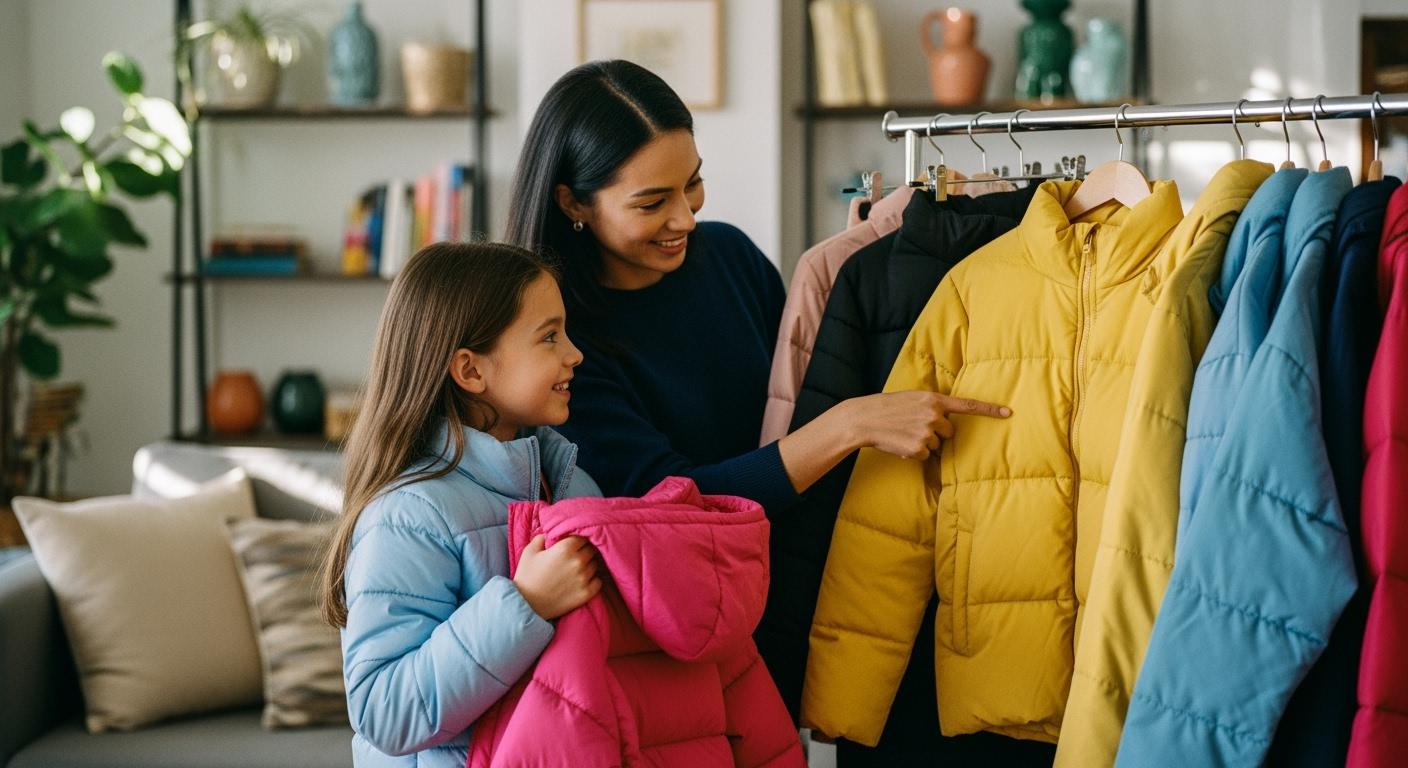
You want your child to stay warm and safe in every season. A quality girls puffer jacket checks all the boxes—warmth, comfort, durability, safety, fit, style, and value. These features help your child feel cozy and protected outdoors. You look for a puffer coat that holds up to play and weather. Puffer jackets with the right fit and materials support your peace of mind.
Key Takeaways
Choose the right insulation type. Down is warm and lightweight for dry weather. Synthetic fill is better for wet conditions.
Ensure a proper fit by measuring your child’s dimensions. Allow extra space for layering to keep them comfortable.
Look for weather-resistant features. A good jacket should block wind and repel water to keep your child dry and warm.
Prioritize safety features. Avoid jackets with drawstrings and choose ones with secure zippers and reflective details for visibility.
Select a style your child loves. Fun colors and designs encourage them to wear the jacket, ensuring they stay warm and protected.
Girls puffer jacket warmth and insulation
Down vs. synthetic fill
When you choose a girls puffer jacket, you want to know what keeps your child warm. The main options are down and synthetic fill. Down comes from the soft feathers under the outer layer of ducks or geese. Down jackets are famous for their warmth-to-weight ratio. You get more warmth with less bulk. This means your child stays cozy without feeling weighed down. Down coats also pack easily into backpacks, which is great for travel or school.
Synthetic fill uses man-made fibers. These jackets can keep your child warm, but they need more material to match the warmth of down. Synthetic insulation works better in wet weather. If your child plays outside in rain or snow, synthetic fill will still keep her warm. Down loses some warmth when it gets wet, so it works best in dry, cold weather.
Tip: For wet climates, pick synthetic fill. For dry, cold days, down gives the best warmth.
Lightweight design
Kids move a lot. You want a puffer coat that feels light but still keeps your child warm. Down jackets are lighter than synthetic ones for the same level of warmth. This makes it easier for your child to run, jump, and play. Some puffer jackets use special lightweight filling that does not add bulk. Your child can wear the jacket all day without feeling tired or restricted.
Weather resistance
A quality girls puffer jacket should protect against wind and rain. Look for features like a water-resistant shell. This keeps the insulation dry and helps maintain warmth. Some jackets use polyester or nylon shells that block wind and shed light rain. If you live in a place with lots of snow or rain, check for these weather-resistant features. Your child will stay comfortable and dry, even when the weather changes.
Puffer coat comfort and fit
Sizing and adjustability
You want your child’s girls puffer jacket to fit well and allow for layering. Manufacturers recommend measuring your child’s chest, waist, sleeve, shoulder width, and jacket length. You should add extra space for layering, especially in the chest and waist areas. This helps your child wear sweaters or hoodies underneath without feeling squeezed. The table below shows the main sizing guidelines:
Measurement Type | Recommended Measurement | Additional Space for Layering |
|---|---|---|
Chest | Measure from armpit to armpit, then double | 3-5.5 inches (8-14 cm) |
Waist | Measure approximately 15.7 inches (40 cm) below shoulder | 3-3.5 inches (6-8 cm) |
Sleeve | Measure from shoulder seam to cuff | N/A |
Shoulder Width | Measure between shoulder seams | N/A |
Length | Measure from collar to bottom | N/A |
Tip: Always check the sizing chart before you buy. This ensures the puffer coat fits comfortably and leaves room for layers.
Layering and flexibility
Active kids need flexibility. You want a girls puffer jacket that allows your child to move freely. Down insulation offers warmth without bulk, so your child can run and play with ease. Puffer jackets with adjustable cuffs and hems help keep warmth in and cold out. These features also make it easy to adjust the fit as your child grows. You should look for jackets with stretchy materials or articulated sleeves. These details support movement and comfort during outdoor activities.
Jacket length
Jacket length matters for both warmth and coverage. You can choose from waist-length, hip-length, or longer styles. Waist-length puffer jackets work well for active play and sports. Hip-length or longer coats provide extra warmth and protection against wind. You should consider your child’s daily activities and the climate in your area. Longer jackets shield your child from cold air and keep her cozy during winter months.
Complaint Type | Description | Remedy |
|---|---|---|
Drawstring inside the lining can become caught on playground equipment. | Refund/Repair |
Note: Avoid jackets with drawstrings inside the lining. This reduces the risk of entanglement and keeps your child safe.
You want a quality girls puffer jacket that balances warmth, fit, and safety. By checking sizing, layering options, and jacket length, you help your child stay comfortable and protected.
Durability and quality
Materials: polyester and nylon
You want a girls puffer jacket that lasts through every adventure. The outer shell material plays a big role in durability and weather resistance. Polyester and nylon are the most common choices. Each offers unique benefits for your child’s comfort and protection. The table below compares these two materials:
Material | Pros | Cons |
|---|---|---|
Nylon | High strength and durability | Less resistant to UV light |
Polyester | Excellent UV resistance | Lower tear resistance than nylon |
Nylon gives you a strong, flexible shell that stands up to rough play. Polyester resists sunlight and keeps its look, even after many washes. Both materials help keep the down insulation dry and maintain warmth. You get a jacket that looks good and works hard.
Stitching and construction
You should check the construction details when you shop for a quality puffer coat. Strong materials matter, but the way the jacket is built makes a difference. Look for these features:
Tight, even stitches that hold the down in place and prevent leaks
Reinforced seams in areas that see the most movement
Metal zippers that last longer than plastic ones
Protective linings that shield the down from moisture and wear
These construction techniques help your girls puffer jacket keep its shape and warmth. You want a jacket that stays fluffy and does not lose down, even after many wears.
Easy-care features
Busy parents need easy-care options. You want a jacket that cleans up quickly and keeps its quality. Many puffer jackets use polyester or nylon shells that resist stains and dry fast. Machine-washable designs save you time. Some jackets have removable hoods or linings, making it simple to wash only what needs cleaning. When you choose a jacket with these features, you protect the down filling and keep the warmth locked in. You get more value and less hassle.
Safety and practical features
Secure zipper and flap
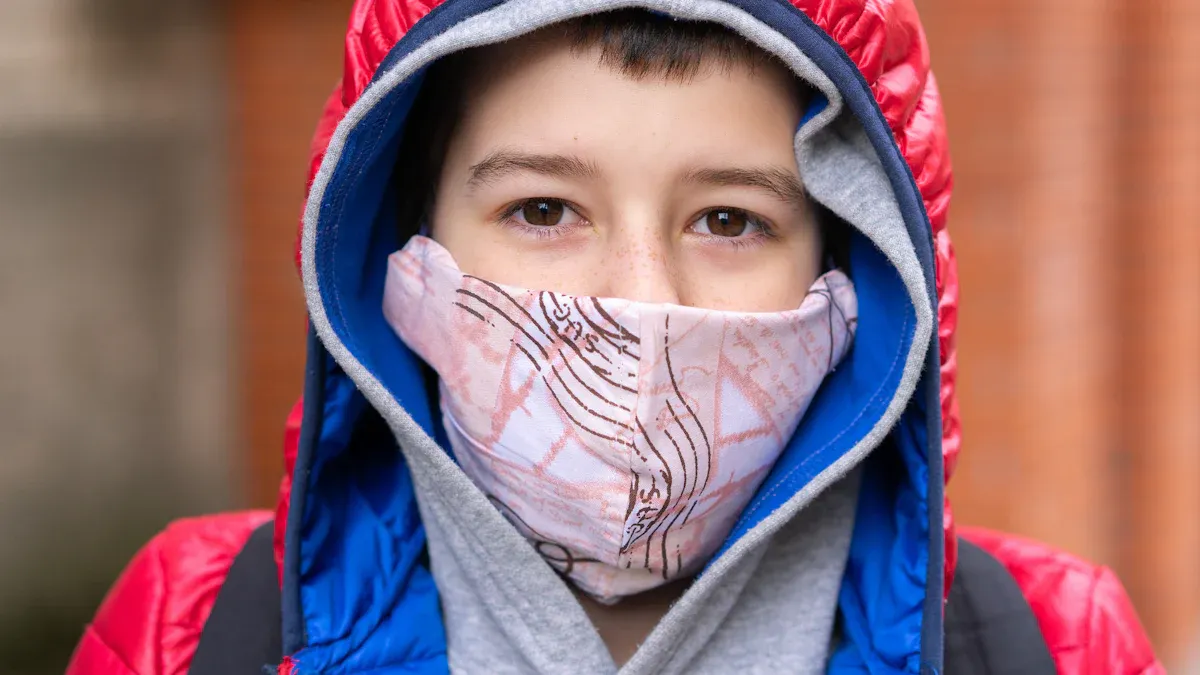
You want your child’s girls puffer jacket to offer protection and comfort. Zippers and flaps play a key role in safety. Manufacturers design zipper guards to prevent skin pinching, which keeps your child safe during quick changes. Jackets should avoid loose cords or drawstrings near the neck and hood. These can pose entanglement risks, especially on playgrounds. You should check for closures that meet safety standards. The table below highlights important safety standards for puffer jackets:
Safety Standard | Description |
|---|---|
Loose cords or drawstrings | Avoid near neck and hood to prevent entanglement risks. |
Zipper guards | Ensure zippers have protective guards to prevent skin pinching. |
CPSIA compliance | Limits on lead and phthalates in children’s clothing. |
You help your child stay safe by choosing jackets with these features. Quality construction means fewer worries for you.
Reflective details
Visibility matters when your child walks or plays outside in low-light conditions. Puffer jackets with reflective strips on the front, back, and sleeves increase safety. You notice these details most during dusk or nighttime. The Kids Reflective Down Jacket uses certified reflective materials that meet EN ISO 20471 and ANSI 107 standards. These strips remain effective after more than 25 washes, so your child stays visible for a long time. Key features of reflective details include:
Enhanced visibility in low-light conditions
Reflective strips placed on multiple areas for maximum safety
Certified materials that last through many washes
You add an extra layer of protection when you choose jackets with these down features.
Non-toxic materials
You want your child’s jacket to be safe from harmful chemicals. Quality girls puffer jacket designs follow strict guidelines for non-toxic materials. CPSIA compliance ensures limits on lead and phthalates in children’s clothing. You should look for jackets labeled as free from toxic substances. Down insulation and shell fabrics must meet these standards to protect your child’s health. You make a smart choice by checking for safety certifications before you buy.
You keep your child safe and comfortable by focusing on secure closures, reflective features, and non-toxic materials. These down features help you choose a jacket that supports your child’s well-being every day.
Style and value
Color and design options
You want your child to feel confident and happy in her jacket. Color and design play a big role in her excitement to wear it. Many brands offer a wide range of colors, from classic navy and black to bright pinks and purples. Some jackets feature fun prints or patterns that let your child express her personality. You can find options with metallic finishes or color-blocked panels for a modern look. Choosing a style your child loves encourages her to wear the jacket every day, which helps keep her warm and protected.
Pockets and hoods
Functional features add real value to a girls puffer jacket. Pockets and hoods do more than just look good—they make life easier and safer for your child. Consider these examples:
The Rothschild Girls’ Long Bubble Jacket includes a faux-fur hood for extra warmth and two pockets for carrying small essentials. This design works well for winter outings.
The Pink Platinum Girls Faux Memory Inverted Chevron Puffer offers reflective trims and a water-resistant shell. These features boost both style and practicality.
The CREATMO Kid’s Water-Resistant Winter Jacket comes with a removable hood and waterproof materials. Your child stays warm and dry during outdoor play.
You should look for jackets with deep, secure pockets and adjustable hoods. These details help your child stay comfortable and prepared for any weather.
Price and brand reputation
You want to get the best value for your money. High-quality puffer jackets often cost more upfront, but they last longer and perform better. Parents rate top brands highly for warmth, durability, and practical features. The table below highlights what you can expect:
Aspect | Description |
|---|---|
Warmth | Puffer jackets provide lightweight warmth and excellent insulation, ideal for cold climates. |
Durability | Investing in high-quality jackets ensures they last through multiple seasons, offering better value for money. |
Features | Many jackets include water-resistant shells, enhancing their practicality for outdoor activities. |
Seasonal trends affect both availability and price. As winter approaches, demand rises and prices often increase. Retailers may offer discounts later in the season, so you can find deals if you shop at the right time.
Choosing a jacket with the right style and value means your child stays comfortable, and you feel confident in your purchase.
You want the best for your child, so use this checklist when choosing a girls puffer jacket:
Understand the weather needs
Focus on insulation types
Waterproofing and windproofing matter
Consider length and fit
Check the hood design
Prioritize zippers and closures
Reflective elements for safety
Pockets: functional and fun
Machine washable and easy to maintain
Style and personality count!
The table below shows what matters most to parents:
Factor | Description |
|---|---|
Warmth | You look for jackets that keep your child comfortable and insulated. |
Safety | You choose non-toxic materials and safe designs. |
Style | You want fashionable options that your child loves. |
Sustainability | You value eco-friendly and ethical choices. |
Convenience | You prefer easy shopping and quick delivery. |
You can feel confident knowing you have the tools to make a smart, safe, and stylish choice.
FAQ
How do you clean a girls puffer jacket?
You should check the care label first. Most jackets allow machine washing on a gentle cycle with cold water. Use mild detergent. Tumble dry on low with clean tennis balls to restore fluffiness.
What is the best insulation for wet climates?
Synthetic insulation works best in wet conditions. It keeps your child warm even if the jacket gets damp. Down insulation loses warmth when wet.
How can you tell if a puffer jacket fits properly?
Check that the sleeves reach your child’s wrists. The hem should cover the hips. Your child should move arms freely. You should fit a sweater underneath without feeling tight.
Are puffer jackets safe for playground use?
Avoid jackets with drawstrings or loose cords. These features can catch on equipment. Choose jackets with secure zippers and elastic cuffs for safer play.
How long does a quality girls puffer jacket last?
A well-made jacket lasts several seasons. Look for strong stitching, durable materials, and easy-care features. Proper care extends the life of the jacket.