

Complete Guide to Kids Snow Pants Materials and Features
Table of Contents
Display
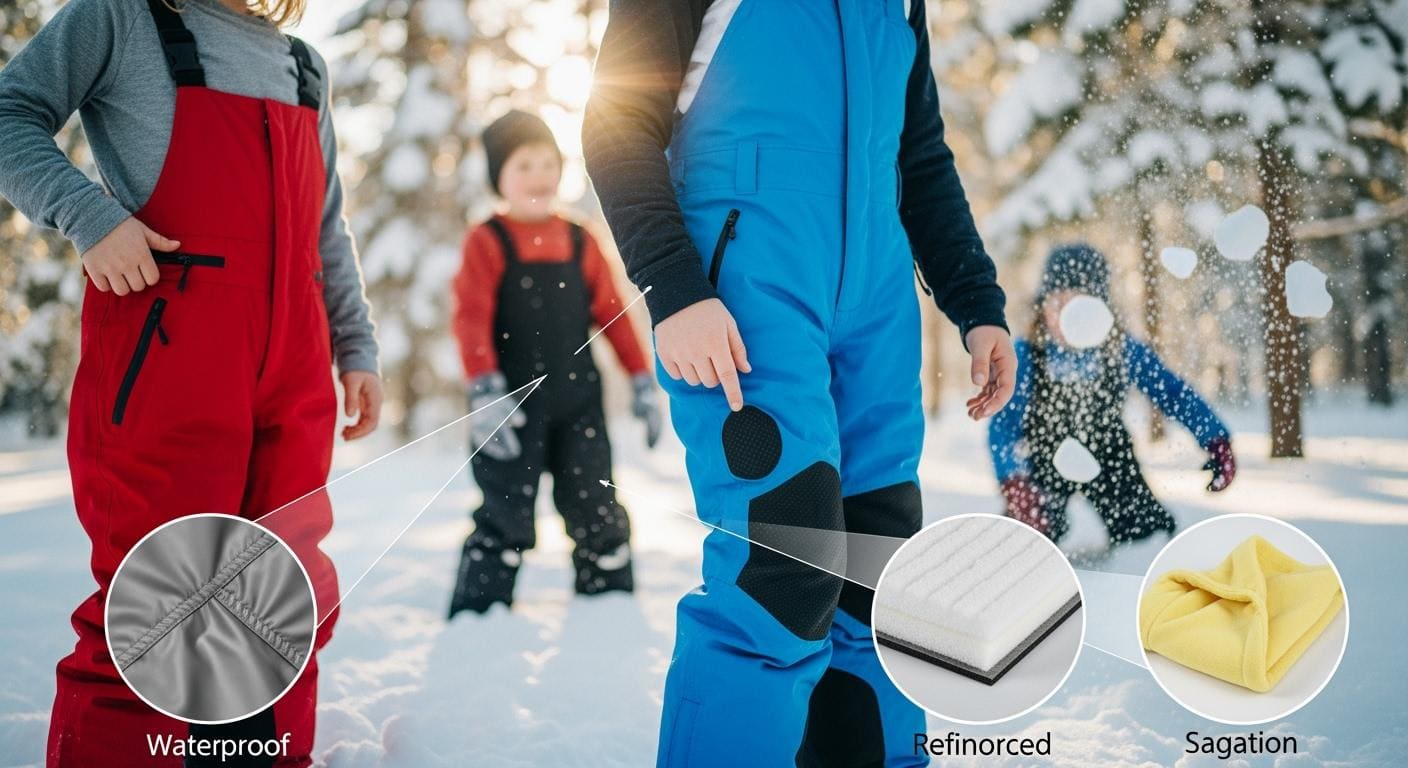
You want your kids to stay warm and dry during winter adventures, and choosing quality kids snow pants gives you peace of mind. When considering waterproofing and insulation, it’s essential to ensure that kids have comfort and flexibility to enjoy snow play. Durable designs help kids snow pants last through rough activities. Parents often look for these features:
Sustainability matters, with many families preferring eco-friendly materials.
Waterproofing and insulation keep kids warm and dry.
Comfort ensures kids move freely in winter conditions.
Durability features like reinforced stitching and adjustable elements add value.
Key Takeaways
Choose waterproof and breathable materials to keep your child dry and comfortable during winter activities.
Look for insulation that matches your local climate, with synthetic options preferred for wet conditions.
Select snow pants with reinforced knees, seat, and cuffs to enhance durability against rough play.
Adjustable waistbands and suspenders help ensure a secure fit and accommodate your child’s growth.
Check for easy-on closures like zippers and Velcro, making it simple for kids to dress themselves.
Reflective details improve visibility in low light, enhancing safety during outdoor play.
Consider snow gaiters and elastic cuff linings to block snow and cold air from entering the pants.
Use a checklist to compare features and ask smart questions before making a purchase.
Why Kids Snow Pants Matter
Cold & Wet Protection
You want your child to enjoy winter without worrying about cold or wet conditions. Kids snow pants play a crucial role in keeping your child warm and dry during winter sports and outdoor play. When you dress your child in layers, you help retain body heat. Waterproof pants and jackets protect against moisture, reducing the risk of frostbite and hypothermia. Children face a higher risk of cold-related injuries than adults, so proper kids ski wear becomes essential.
Waterproof snow pants keep kids dry, even when they sit on snowy ground or ride long chairlifts.
Added insulation in kids snow pants provides extra warmth compared to regular pants.
Bib styles offer higher coverage, shielding your child from snow, wind, and cold.
Prolonged exposure to extreme cold can lead to frostbite, but snow pants help prevent this.
Lack of proper clothing may result in life-threatening hypothermia, so choosing the right gear matters.
Comfort & Flexibility
Your child needs to move freely while playing in the snow. Kids snow pants use design features and materials that enhance comfort and flexibility. You notice the difference when your child climbs, slides, or explores outdoors. The right pants encourage adventure and active play.
Feature | Benefit |
|---|---|
Reinforced durability | Handles rough outdoor activities, resisting tears from ground contact. |
Snow protection | Prevents uncomfortable wetness inside clothing, keeping kids dry during play. |
Adjustable sizing | Accommodates growing children with stretchy waistbands and removable suspenders. |
Enhanced mobility | Supports natural movement patterns, allowing unrestricted climbing and sliding activities. |
Elasticated ankle cuffs | Creates secure seals around boots to block snow infiltration. |
Unrestricted design | Encourages outdoor exploration and adventure without hindrance during active play. |
Modern kids snow pants often feature 100% recycled polyester with four-way stretch fabric, which allows your child to bend and move easily. High waterproofing ratings, such as 20,000MM, and breathability ratings, like 8,000G, keep your child warm, dry, and comfortable. PFAs-free DWR coatings add another layer of protection, making sure your child stays dry during active play.
Durability for Play
Kids love to play hard, especially in winter. You need snow pants that can withstand rough use and frequent falls. Durable construction ensures that kids snow pants last through many seasons of winter fun. Reinforced panels and abrasion-resistant fabrics protect against tears and wear. Adjustable sizing features, such as stretchy waistbands and removable suspenders, let the pants grow with your child. Elasticated ankle cuffs create a secure seal around boots, blocking snow and keeping your child warm and dry. When you choose high-quality kids ski wear, you invest in gear that supports your child’s love for winter sports and outdoor play.
Types of Kids Ski Pants
When you shop for kids ski pants, you will find three main styles: shell ski pants, insulated ski pants, and bib ski pants. Each type offers unique benefits for different winter activities and age groups. Understanding these differences helps you choose the best option for your child’s needs.
Shell Ski Pants
Shell ski pants use waterproof and breathable materials to keep your child dry in wet conditions. These pants do not have built-in insulation, so you can adjust warmth by layering underneath. Shells work well for active kids who generate a lot of body heat or for milder winter days.
Lightweight Shells
Lightweight shells feel less bulky and allow for greater freedom of movement. Your child can run, jump, and play without feeling weighed down. These pants are ideal for high-energy activities like sledding or snowball fights.
Layering Options
Shell ski pants give you flexibility. You can add thermal leggings or fleece pants underneath for extra warmth. This layering system lets you adapt to changing weather or activity levels.
Tip: Choose shell ski pants with high waterproof ratings for the best protection during wet snow or slushy conditions.
Insulated Ski Pants
Insulated ski pants come with built-in insulation, providing extra warmth for cold days. These pants are heavier than shells but keep your child comfortable during long periods outdoors.
Synthetic vs. Down
Most insulated ski pants use synthetic insulation, which dries quickly and keeps warmth even when wet. Down insulation feels lighter and warmer but loses effectiveness if it gets damp. For kids, synthetic insulation is usually the better choice because it handles snow and moisture well.
Warmth Levels
You can compare insulated ski pants and shell pants by their warmth and weight:
Type of Pants | Warmth | Weight |
|---|---|---|
Built-in warmth for colder conditions | Heavier due to insulation | |
Shell Pants | No built-in insulation, relies on layering | Lighter and more flexible |
If your child spends hours skiing or snowboarding, insulated ski pants offer reliable warmth.
Bib Ski Pants
Bib ski pants extend higher on the body and use adjustable straps for a secure fit. They provide extra coverage and help keep snow out, especially during falls or deep snow play.
Extra Coverage
Bibs cover the chest and back, offering more protection from wind and snow. This style works well for younger children who play in deep snow or for kids who need extra warmth.
Adjustable Straps
Adjustable straps let you customize the fit as your child grows. Bibs stay in place during active play, so you do not need to worry about pants slipping down.
Feature | Bib Ski Pants | Traditional Ski Pants |
|---|---|---|
Coverage | Covers upper body and chest for warmth | Only covers legs and lower body |
Fit | Adjustable suspenders prevent sagging | Traditional fit with waistband and belt loops |
Warmth | Additional coverage helps retain body heat | Less coverage may lead to colder conditions |
Ease of Use | May require more effort for toilet breaks | Easier to manage during toilet breaks |
Comfort | Secure fit can enhance comfort during activities | May not stay in place as well during activities |
Choosing the Right Type
You should match ski pants and bibs to your child’s age and activity:
Age Group | Features | |
|---|---|---|
Boulder Gear Nestor Insulated Ski Bib | Toddlers and little kids | Adjustable straps, waterproof, breathable, reinforced knees |
Columbia Snowslope II Insulated Bib | General | Insulation, durable nylon, waterproof |
Obermeyer Snoverall Ski Bib | Little girls | Bright colors, ultra-waterproof, adjustable growth feature |
Obermeyer Enforcer Ski Bib | Older kids | High waterproofing, removable suspenders, environmentally friendly |
AKOVA Elevated Kids Bib/Pants | General | 20K waterproofing, 3M Thinsulate insulation, adjustable fit |
Snow pants are easy to put on and work well for active kids or casual play.
Snow bibs offer extra protection and insulation, making them ideal for skiing, snowboarding, or very cold days.
When you select the right type, you help your child stay warm, dry, and comfortable during every winter adventure.
Kids Snow Pants Materials
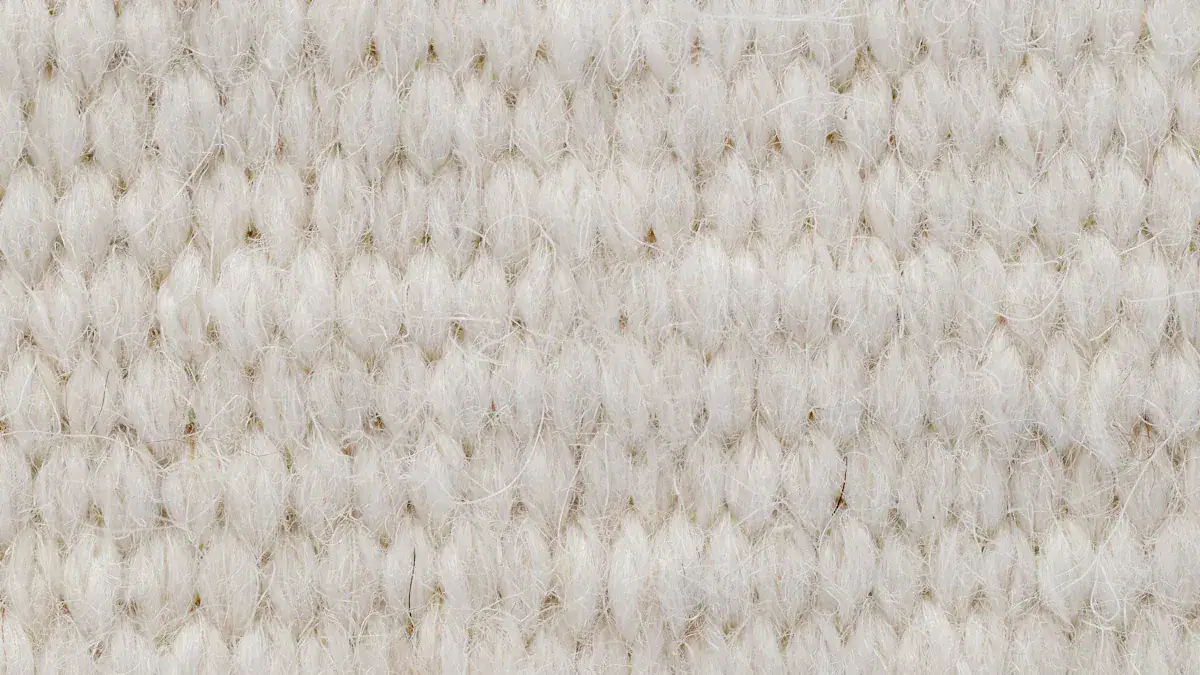
Choosing the right materials for kids snow pants makes a big difference in how warm, dry, and comfortable your child feels during winter activities. You want to focus on waterproofing, breathability, and durability. These qualities help your child stay active and protected in cold, snowy conditions.
Waterproof Fabrics
Waterproof fabrics keep kids dry by blocking snow and moisture from soaking through. You should look for pants with taped seams, which stop water from sneaking in through the stitching. This feature is essential for maintaining comfort when your child sits or plays in wet snow.
GORE-TEX & Alternatives
GORE-TEX stands out as a top choice for waterproofing and breathability. You find this technology in high-quality snow pants like the Outdoor Research Hemisphere Bibs. GORE-TEX keeps kids dry and warm by stopping water from entering while letting sweat escape. Alternatives to GORE-TEX also exist, offering different levels of waterproofing and breathability. Some brands use proprietary membranes or coatings, which can work well but may not match the performance of GORE-TEX.
GORE-TEX provides excellent waterproofing and breathable waterproofing.
Alternatives offer varying waterproof ratings and breathability features.
Articulated knees and thigh vents in some pants help prevent overheating, keeping kids comfortable and dry during active winter play.
Waterproof Ratings
Waterproof ratings measure how well snow pants resist water. You should look for ratings between 10,000 mm and 20,000 mm DWR for the best protection. Higher ratings mean better waterproofing, which keeps kids dry even in heavy snow or rain.
Waterproof Rating (mm) | Protection Level | Best For |
|---|---|---|
5,000 – 10,000 | Light snow, drizzle | Occasional winter play |
10,000 – 15,000 | Moderate snow, rain | Active outdoor use |
15,000 – 20,000 | Heavy snow, wet weather | Skiing, snowboarding |
Tip: Always check for taped seams and high waterproof ratings to ensure your child stays dry and warm during winter adventures.
Breathable Materials
Breathable materials help prevent overheating and sweat build-up inside snow pants. You want your child to stay warm without feeling clammy or uncomfortable. Breathability is measured by ratings like ’10k/10k’ or ’20k/20k’, which show how well the pants let moisture escape while keeping water out.
Ventilation Features
Some quality snow pants include ventilation features such as thigh vents or mesh-lined openings. These features allow air to flow, helping kids stay dry and warm during intense activity. You should look for pants with adjustable vents if your child enjoys skiing or snowboarding.
Breathable materials prevent condensation and overheating.
Ventilation features improve comfort during active winter play.
Higher breathability ratings (15k/15k to 20k/20k) are best for active kids.
Comfort During Activity
Comfort matters when your child moves, climbs, or slides in the snow. Breathable waterproofing keeps kids dry and warm by letting sweat escape. You should choose pants with soft linings and flexible fabrics to support natural movement. High-quality snow pants often use four-way stretch materials, which help kids bend and play freely.
Note: Breathable materials and ventilation features work together to keep your child comfortable and dry, even during long winter days outside.
Durable Construction
Durability ensures that kids snow pants last through rough play and frequent use. You want pants that resist tears and wear, especially in high-stress areas.
Reinforced Panels
Manufacturers place reinforced panels at the knees, seat, and ankles to protect against abrasion. Double stitching strengthens these areas, making the pants more durable. You should look for pants with extra fabric in these spots if your child loves active winter sports.
Reinforced panels extend the lifespan of kids snow pants.
Double stitching adds strength to high-wear areas.
Extra durable fabric at knees, seat, and ankles resists wear from rough play.
Abrasion Resistance
Abrasion-resistant fabrics help snow pants withstand repeated contact with ice, snow, and rough surfaces. You want pants that stay strong after many winter adventures. High-quality snow pants use tough materials and smart construction to keep kids warm, dry, and protected.
Choosing snow pants with reinforced panels and abrasion-resistant fabrics means you invest in gear that lasts, keeping your child warm and dry season after season.
By focusing on waterproof fabrics, breathable materials, and durable construction, you give your child the best chance to stay warm, dry, and comfortable during every winter activity.
Key Features of Kids Snow Pants
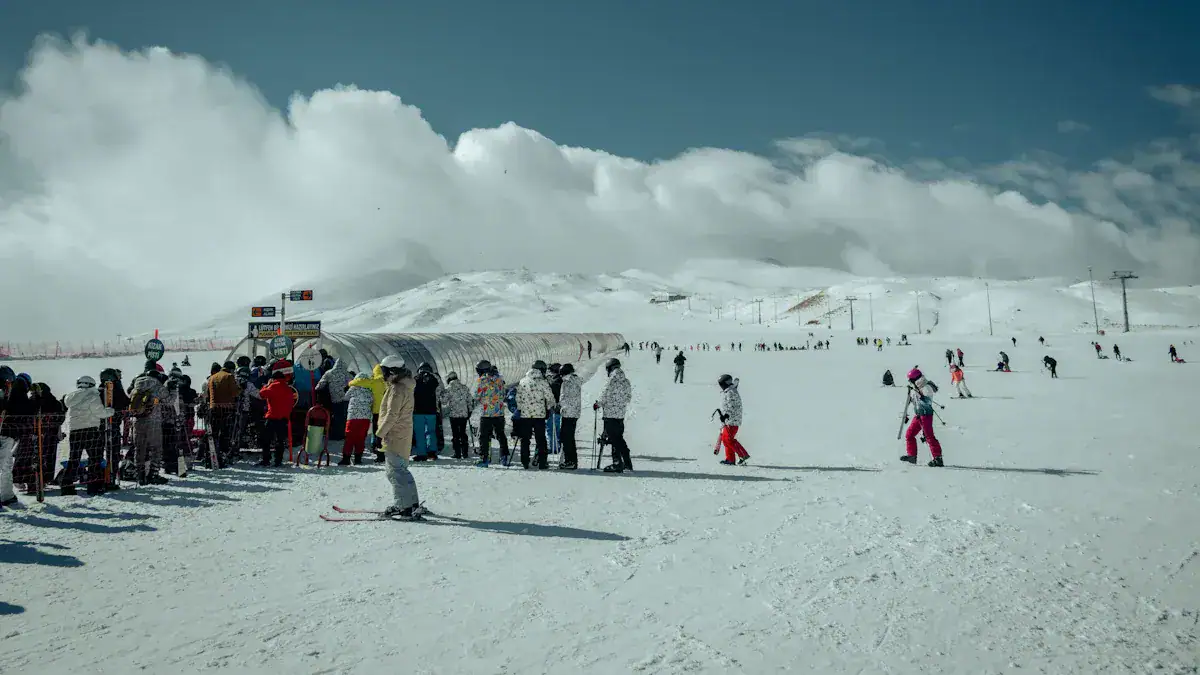
Insulation
Insulation plays a major role in keeping kids warm during winter activities. You want to select snow pants that provide the right level of warmth for your child, whether they are skiing, snowboarding, or playing in the snow.
Types of Insulation
You will find two main types of insulation in kids snow pants: synthetic and down. Synthetic insulation uses polyester fibers to trap heat. This type dries quickly and keeps kids warm even if the pants get wet. Down insulation uses natural feathers to provide warmth. Down feels light and compresses easily, but it loses warmth when exposed to moisture. Most insulated ski pants for kids use synthetic insulation because it performs well in wet winter conditions.
Insulation Type | Pros | Cons |
|---|---|---|
Synthetic | Stays warm when wet, dries fast | Slightly heavier, less compressible |
Down | Lightweight, very warm | Loses warmth if wet, harder to care for |
Synthetic insulation works best for active kids who spend hours outside. Down insulation suits dry, cold climates but may not be ideal for wet snow.
Choosing Warmth
You need to match the insulation level to your local climate and your child’s activity. Dressing kids in layers helps you adjust warmth as needed. A good rule is to add one extra layer for children compared to what you would wear comfortably. You can use a moisture-wicking base layer, an insulating mid layer, and a waterproof outer layer for the best protection.
Tip: Always check the lowest predicted temperatures in your area before choosing insulated ski pants. If your child will be active, you may need less insulation. If they will be stationary, choose pants with more warmth.
Dress kids in multiple layers for flexibility.
Use synthetic fibers or wool for base layers. Avoid cotton, which holds moisture.
Select snow pants with waterproofing and insulation rated for your local winter temperatures.
Adjustable Fit
Kids grow quickly, and you want snow pants that adapt to their changing size. Adjustable fit features help you get more use out of each pair and keep your child comfortable during winter play.
Waistbands & Grow Features
Many kids snow pants include adjustable waistbands. You can tighten or loosen the fit for comfort and security. Some pants offer grow features, such as extendable hems or removable suspenders. These features let you lengthen the pants as your child grows, so you do not need to buy new gear every season.
Adjustable Feature | Benefit |
|---|---|
Elastic waistbands | Easy to adjust for a snug fit |
Removable suspenders | Customizable support and fit |
Extendable hems | Extra length for growing kids |
You should look for ski pants and bibs with these features to ensure a comfortable fit throughout the winter.
Closures & Fastenings
Closures and fastenings keep snow pants secure and help block out cold air and moisture. You want reliable fastenings that are easy for kids to use, even with gloves on.
Zippers, Snaps, Velcro
You will find several types of closures in kids ski pants. Zippers with wind flaps block cold air and keep warmth inside. Snaps and Velcro provide quick and secure fastening. Adjustable straps help you achieve a perfect fit. Elastic cuffs keep snow and moisture out, which is important for winter play.
Zippers with wind flaps block cold air.
Elastic cuffs keep snow and moisture out.
Buckle closures provide secure fastening.
Easy-On Design
Kids need snow pants that are easy to put on and take off. Features like wide openings, simple fastenings, and elasticated cuffs help younger children dress themselves. Draw cords and fastening cuffs help older kids retain warmth and block out snow, rain, and wind.
Note: Choose closures and fastenings that match your child’s age and skill level. Younger kids benefit from elasticated cuffs and simple fastenings. Older kids may prefer draw cords and adjustable cuffs for extra protection.
By focusing on insulation, adjustable fit, and reliable closures, you help your child stay warm, dry, and comfortable in every winter adventure. Kids snow pants with these features support active play and keep kids protected from cold and moisture.
Reinforced Areas
Knees, Seat, Cuffs
You want kids snow pants that stand up to tough winter play. Reinforced areas make a big difference in durability. Manufacturers add extra fabric to the knees, seat, and cuffs. These spots face the most wear when your child kneels, slides, or sits on icy surfaces. You notice fewer tears and scuffs when pants use reinforced panels.
Anti-scuff cuffs protect the bottom of the pants from sharp ice and ski edges.
Reinforced knees handle frequent bending and crawling.
Extra fabric on the seat resists abrasion from sitting on rough snow or chairlifts.
Durable hems prevent fraying and keep the pants looking new.
Kids ski pants with reinforced knees, seat, and hem last longer. You save money because you do not need to replace gear every season. Your child enjoys more freedom to play without worrying about rips or cold spots.
Comfort Details
Microfleece Lining
Microfleece lining adds a soft layer inside snow pants. You feel the difference as soon as your child puts them on. Microfleece traps warmth and feels gentle against the skin. This lining helps wick moisture away, keeping your child dry during active play. You choose microfleece-lined pants for extra comfort on cold days.
Tip: Microfleece lining works well with insulated ski pants, boosting warmth without adding bulk.
Articulated Knees
Articulated knees improve movement and comfort. Designers shape the fabric at the knees to match the way legs bend. Your child climbs, squats, and runs with ease. Articulated knees reduce pulling and bunching, so the pants fit better during active sports. You notice your child moves more naturally in pants with this feature.
Feature | Benefit |
|---|---|
Articulated knees | Easier bending and climbing |
Microfleece lining | Soft, warm, and moisture-wicking |
Functional Extras
Zippered Pockets
Zippered pockets keep small items safe. Your child stores snacks, ski passes, or gloves without losing them in the snow. Zippers prevent snow and moisture from getting inside. You look for snow pants with multiple pockets for convenience during long days outdoors.
Grippy Snow Cuffs
Grippy snow cuffs seal out snow and cold air. These cuffs fit snugly over boots and stay in place during play. You avoid wet socks and chilly ankles. Grippy cuffs use elastic or silicone bands to create a secure barrier. Your child stays warmer and drier, even in deep snow.
Note: Functional extras like zippered pockets and grippy cuffs add value to kids snow pants. You make winter adventures easier and more enjoyable for your child.
Sizing & Fit for Kids Snow Pants
Measuring Tips
You want to make sure snow pants fit your child just right. If the pants are too big, they can slip down and let in cold air. If they are too small, your child may feel restricted and uncomfortable. The Goldilocks principle applies here—aim for a fit that is not too loose or too tight. When you measure your child, use their regular baselayer underneath. This helps you see how the pants will fit during actual use. Adjustable waist features allow you to customize the fit, so your child stays comfortable all day.
Consider these best practices when measuring for snow pants:
Use your child’s normal baselayer during fitting.
Check that the pant leg extends lower than regular pants, ideally landing between the ankle bone and the ground. This ensures coverage over ski or snow boots.
Look for adjustable waistbands for a snug, secure fit.
Choose pants with cuffs that can be raised to avoid dirt and wear.
Tip: Always have your child try on snow pants with boots to confirm the length and coverage.
Sizing Charts
Sizing charts help you find the right fit for your child. Most brands provide charts based on height, waist, and inseam measurements. You should measure your child’s waist at the narrowest point, hips at the widest point, and inseam from the crotch to the ankle bone. Compare these numbers to the brand’s chart before buying.
Measurement | How to Measure | Why It Matters |
|---|---|---|
Waist | Around the narrowest part | Ensures comfort |
Hips | Around the widest part | Prevents tightness |
Inseam | From crotch to ankle bone | Confirms pant length |
If your child falls between sizes, choose the larger size. Adjustable features can help you fine-tune the fit.
Room to Grow
Kids grow quickly, so you want snow pants that last more than one season. Features like adjustable waistbands and extendable lengths allow the pants to adapt as your child gets taller. Some brands offer Room-To-Grow™ technology, which lets you lengthen the pants by releasing a seam. This ensures the pants stay comfortable and do not become too tight, even as your child grows.
Adjustable waistbands provide a custom fit as your child grows.
Extendable lengths let you lengthen the pants for multiple seasons.
Room-To-Grow™ features ensure comfort and mobility, preventing tightness.
Note: Investing in snow pants with room-to-grow features adds long-term value and saves you from buying new gear every year.
You help your child stay comfortable and active in winter by choosing snow pants that fit well and offer flexibility for growth.
Mobility Check
You want your child to feel comfortable and move easily in their snow pants. Mobility plays a key role in winter fun. If snow pants restrict movement, your child may struggle to run, climb, or play in the snow. You can perform a simple mobility check before buying or after receiving new snow pants.
Why Mobility Matters
Kids need to bend, squat, and stretch during winter activities. Snow pants that fit well and allow free movement help your child stay active and safe. Poor mobility can lead to discomfort or even accidents on the slopes or playground.
How to Perform a Mobility Check
You can follow these steps to test the mobility of kids snow pants:
Try On with Layers
Have your child wear their usual base and mid layers under the snow pants. This gives you a realistic sense of fit and movement.Check the Waist and Hips
Ask your child to sit, stand, and twist at the waist. The pants should not pinch or gap. The waistband should stay in place without sliding down.Test the Knees
Let your child squat down or kneel. The fabric at the knees should not feel tight or pull uncomfortably. Articulated knees or gussets improve flexibility.Lift and Stretch
Encourage your child to lift their legs, march in place, or do a few jumping jacks. The pants should not ride up or restrict movement at the thighs or seat.Boot Compatibility
Have your child put on their winter boots. The cuffs should cover the boots without bunching or leaving gaps. Elastic or grippy cuffs help keep snow out.
Tip: If your child complains about tightness or if you see the pants pulling at the seams, try a larger size or a different style with more stretch.
Signs of Good Mobility
Test Action | What to Look For |
|---|---|
Squatting | No tightness at knees or seat |
Sitting | Waistband stays in place |
Jumping | Pants do not ride up |
Walking/Running | No restriction at thighs or hips |
Boot Check | Cuffs cover boots securely |
You should always prioritize mobility when choosing snow pants. Kids who move freely enjoy winter activities more and stay safer. Flexible fabrics, articulated knees, and adjustable features all contribute to better mobility. When you check for these qualities, you help your child stay active, comfortable, and happy in the snow.
Style & Safety
Colors & Patterns
You want your child to feel excited about winter adventures. Bright colors and fun patterns make kids snow pants stand out on the slopes or playground. You can choose from bold reds, blues, greens, or playful prints like stars and stripes. These options help you spot your child easily in a crowd. Many brands offer a wide range of choices, so you find something that matches your child’s personality.
Color/Pattern | Visibility | Popularity |
|---|---|---|
Neon Green | High | Common |
Bright Blue | High | Popular |
Star Print | Medium | Trendy |
Red | High | Classic |
You notice that vibrant colors also add a layer of safety. In snowy conditions, bright pants help you keep track of your child from a distance.
Matching Gear
You can create a coordinated look by matching snow pants with jackets, gloves, and hats. This approach not only looks stylish but also helps you organize your child’s winter wardrobe. When you select matching kids ski gear, you make it easier for your child to dress independently. You also reduce the risk of losing items during busy days outdoors.
Tip: Choose gear with similar waterproof ratings and insulation levels for consistent protection.
You find that some brands design collections with matching pieces. You can mix and match colors or stick to a single theme. Coordinated outfits often include features like adjustable suspenders and elastic waists, which improve fit and comfort.
Reflective Details
Safety matters most when your child plays outside in winter. Reflective details on kids snow pants increase visibility in low light or cloudy conditions. You want pants with reflective strips or patches, especially if your child walks near roads or plays after sunset.
Reflective details improve visibility in dim light.
Silicone bands at the leg ends keep pants in place.
High bibs and protective snow flaps shield your child from wind and snow.
Fully wind and waterproof materials protect against harsh weather.
You see these features in models like the Tarfala Snow Pant. This design includes reflective accents, adjustable suspenders, and a soft matte finish. You help your child stay safe and comfortable by choosing pants with these enhancements.
Note: Reflective details work best when combined with other safety protective gear, such as helmets and gloves. You give your child the best chance to stay visible and protected during winter activities.
Care & Maintenance
Taking good care of your child’s snow pants helps them last longer and perform better. You can keep them looking and working like new by following a few simple steps. Proper washing, storage, and minor repairs make a big difference in durability and comfort.
Washing Guidelines
You should always check the care label before washing kids snow pants. Most snow pants need gentle cleaning to protect their waterproof and breathable features. Using the right detergent and method keeps the fabric strong and effective.
Use a special detergent designed for technical outerwear, such as BaseWash from Nikwax. Regular laundry soap can damage waterproof coatings.
Wash snow pants in cold water on a gentle cycle. Avoid bleach and fabric softeners.
Rinse thoroughly to remove all detergent residue.
Air-dry the pants completely. Tumble drying can harm waterproof membranes and cause shrinkage.
Tip: Air-drying prevents mildew and keeps the fabric in top condition. Hang the pants in a well-ventilated area until fully dry.
Storage Tips
Storing snow pants correctly during the off-season helps maintain their shape and performance. You want to avoid damage from moisture, compression, or pests.
Make sure the pants are completely dry before storing.
Store snow pants in a closet or on a shelf. Hanging them keeps their shape and prevents creases.
Avoid vacuum-seal bags. Compression can damage the fabric and reduce insulation effectiveness.
Keep pants away from direct sunlight and heat sources, which can weaken materials over time.
Storage Method | Effect on Pants |
|---|---|
Hanging in closet | Maintains shape |
Folding on shelf | Prevents deep creases |
Vacuum-seal bag | Can damage fabric |
Note: Proper storage keeps snow pants ready for the next winter and extends their usable life.
Minor Repairs
Kids play hard, so small tears or scuffs can happen. You can fix minor damage at home and keep the pants waterproof.
Repair small tears with waterproof repair patches. These patches stick to the fabric and seal out moisture.
For loose threads or minor seam splits, use a needle and strong thread to reinforce the area.
If a zipper sticks, clean it gently and apply a zipper lubricant.
Quick fixes help you avoid bigger problems later. Addressing small issues right away keeps snow pants protective and comfortable.
By following these care and maintenance steps, you help your child’s snow pants stay warm, dry, and durable for many seasons of winter fun.
Quick Parent Checklist
Choosing the right snow pants for your child can feel overwhelming. You want to make sure your child stays warm, dry, and comfortable during every winter adventure. This checklist helps you focus on the most important details when shopping for kids ski wear.
Must-Have Features
You should look for features that guarantee protection and comfort. These essentials make a big difference in how your child enjoys winter activities.
Waterproof and breathable fabric
Insulation suitable for your local climate
Reinforced knees, seat, and cuffs for durability
Adjustable waistbands or suspenders for a secure fit
Easy-on closures like zippers or Velcro
Room-to-grow features for longer use
Reflective details for safety in low light
Grippy snow cuffs to keep out snow and cold air
Tip: If you want the best ski pants, check for high waterproof ratings and flexible materials. These features help your child stay active and dry.
Questions to Ask
You can make a smart purchase by asking the right questions. These help you compare options and find the best value.
Question | Why It Matters |
|---|---|
Is the fabric waterproof and breathable? | Keeps your child dry and comfortable |
What type of insulation does it use? | Matches warmth to your climate |
Are there reinforced areas? | Extends the life of the pants |
Can you adjust the fit as your child grows? | Saves money over time |
Are closures easy for kids to use? | Promotes independence |
Do the pants have reflective details? | Improves safety outdoors |
How do the pants fit over winter boots? | Ensures full coverage |
Ask these questions before you buy. You will feel confident that you picked the right gear for your child.
Where to Shop
You can find quality kids ski wear at many retailers. Shopping at trusted stores ensures you get reliable products and good customer service.
Outdoor specialty stores like REI or Backcountry
Major sporting goods chains such as Dick’s Sporting Goods
Brand websites including Columbia, Patagonia, and Obermeyer
Local ski shops with expert staff
Online marketplaces like Amazon for wide selection
Note: Try shopping in person when possible. You can check the fit and features directly. Online reviews also help you compare the best ski pants for your child.
You make the process easier by using this checklist. Focus on features, ask smart questions, and shop at reputable stores. Your child will enjoy winter with gear that keeps them warm, dry, and ready for fun.
When you choose kids snow pants, focus on waterproofing, insulation, and breathable materials to keep your child warm and dry during winter sports. Quality snow pants use waterproof fabrics and ventilated polyester to maintain comfort. Features like articulated knees, elastic cuff linings, and adjustable suspenders support movement and growth. Reflective details and snow gaiters add safety and protection. Use this checklist to guide your decision:
Prioritize waterproofing and insulation for warmth.
Look for durable, breathable construction.
Select pants with adjustable fit and reinforced areas.
Feature/Material | Description |
|---|---|
Waterproof Material | Keeps kids dry in snow and wet conditions. |
Insulation | Provides warmth for winter activities. |
Articulated Knees | Improves flexibility during play. |
Multiple Zippered Pockets | Secures small items. |
Elastic Cuff Linings | Blocks snow and dirt. |
Reflective Features | Enhances safety in low light. |
Adjustable Buckled Suspenders | Ensures a secure fit and growth. |
Built-in Elastic Waistband | Adds comfort and adjustability. |
Snow Gaiters | Prevents snow entry. |
Ventilated Polyester Material | Offers breathability and warmth. |
You help your kids stay warm, dry, and comfortable all winter when you match features to their needs and preferences.
FAQ
What is the difference between waterproof and water-resistant snow pants?
Waterproof snow pants block all moisture, keeping you dry in heavy snow. Water-resistant pants only repel light moisture. You should choose waterproof pants for wet or snowy conditions.
How do I know if snow pants will fit over my child’s boots?
You can check the product description for boot-compatible cuffs. Try the pants on with boots. Look for elastic or grippy cuffs that seal around the boot.
Can my child wear regular pants under snow pants?
Yes, you can layer regular pants or thermal leggings under snow pants. This adds warmth and comfort. Avoid cotton layers because they trap moisture.
How often should I wash kids snow pants?
You should wash snow pants after several uses or when they get dirty. Use a gentle detergent for technical fabrics. Always air-dry to protect waterproof coatings.
Are bib snow pants better for younger kids?
Bib snow pants offer extra coverage and stay in place during play. You may find them easier for younger kids who move a lot or play in deep snow.
What do waterproof ratings mean?
Waterproof ratings measure how much water the fabric can resist. Higher numbers mean better protection. For winter sports, you should look for ratings above 10,000 mm.
How do I repair a small tear in snow pants?
You can use waterproof repair patches for small tears. Clean the area, apply the patch, and press firmly. This keeps the pants protective and extends their life.
Do snow pants come in eco-friendly materials?
Many brands offer snow pants made with recycled polyester or sustainable fabrics. You can check product labels for eco-friendly certifications.