Custom Rain Jackets: Color Selection & Work Scenario Matching
Table of Contents
Display
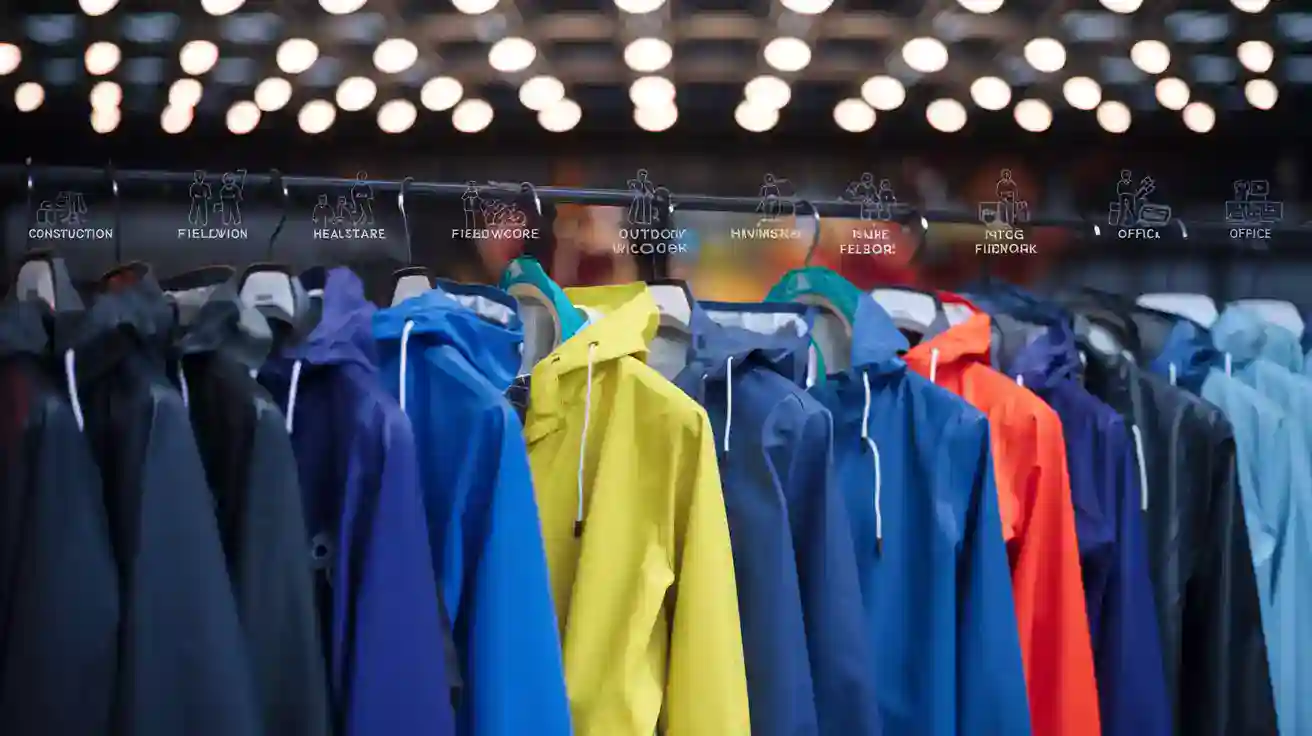
I always consider work scenario, safety, and brand identity when selecting the best color for custom rain jackets. Color matching plays a vital role in boosting visibility, supporting branding efforts, and increasing employee comfort. Recent surveys show that bright colors like yellow can enhance positivity and morale, while blue tones encourage calmness and focus. Strategic color choices connect employees with the brand and create a professional appearance. Customization allows me to tailor rain jackets for different environments and needs, ensuring both function and style.
Key Takeaways
Choose bright colors like safety yellow and orange for high visibility and accident prevention in outdoor work environments.
Align rain jacket colors with your brand identity to enhance recognition and professionalism among clients and customers.
Involve employees in color selection to boost morale and ensure comfort, as their preferences can lead to higher satisfaction.
Test color options in real-world scenarios to evaluate visibility and comfort under different lighting and weather conditions.
Use reflective features on rain jackets to improve safety, especially for teams working in low-light conditions.
Consider the specific work scenario when selecting colors; different roles may require different visibility standards.
Personalize jackets with employee names and department titles to enhance team cohesion and streamline communication.
Regularly maintain jackets by following care instructions to keep colors vibrant and ensure long-lasting quality.
Why Color Selection Matters
Safety and Visibility
Accident Prevention
When I select custom rain jackets for my team, I focus on accident prevention first. Bright colors like safety yellow and orange stand out in any environment. These colors use fluorescent materials and reflective strips, making workers visible during both day and night. Outdoor workers face risks from moving vehicles and machinery, so high-visibility colors reduce those dangers.
High-visibility colors like safety yellow and safety orange are approved by ANSI.
Orange is common in road construction, while yellow offers maximum visibility in all conditions.
These colors are chosen for their ability to stand out against different backgrounds and lighting.
I rely on research to guide my color matching decisions. The following table shows how color impacts workplace safety:
Statistic Description | Impact |
|---|---|
Accident rate reduction during roadside emergencies | |
Decrease in collisions between vehicles and workers | 55% |
Worker deaths due to visibility issues on construction sites | 1 in 5 annually |
High-Visibility Standards
I always check high-visibility standards before ordering rain jackets. Most high visibility rain jackets come in yellow/lime and hi-vis orange. Some designs include black or red bottoms for added style and function. Following these standards ensures my team stays safe and meets industry requirements.
Brand Identity
Recognition
Color matching plays a key role in brand recognition. When I choose rain jackets that match our brand colors, customers remember us more easily. A well-designed raincoat with a logo increases brand visibility and shows professionalism. Giving logo-printed raincoats as gifts also strengthens relationships with clients and partners.
The raincoat market now values fashion and style, so brand colors attract more consumers.
Brands work with designers to create stylish rainwear, boosting recognition through appealing aesthetics.
Consistency
Custom workwear is not just about practicality; it’s also about creating a cohesive brand identity. When your employees wear well-designed uniforms featuring your logo and colors, it projects professionalism and unity.
This consistency strengthens brand recognition and enhances customer trust.
Consistent color coding gives your workplace a polished and professional look. Visitors, leadership and anyone else on site will appreciate instantly knowing who everyone is. It’s a good way to create safety systems that are useful for everyday employees, while also giving your business the professional image you want.
In large organizations, consistency makes it easier to set consistent policies that apply across every facility. For example, a worker transferring from a distribution center in Texas to one in North Carolina can acclimate more quickly if the vest color coding system is the same in both locations.
Employee Comfort
Morale
I notice that color matching affects morale. Employees feel proud when they wear jackets that reflect the company’s identity. Bright colors can boost positivity, while blue tones encourage calmness and focus.
Preferences
I always ask for employee feedback before finalizing colors. Some prefer neutral tones for a professional look, while others want vibrant colors for visibility. Matching colors to employee preferences increases comfort and satisfaction.
A good color matching guide helps me balance safety, branding, and comfort. I make sure every custom rain jacket fits the work scenario and supports our team’s needs.
Color Psychology in Custom Rain Jackets
When I select custom rain jackets, I always consider how color choices affect perception and workplace mood. The right colors can boost safety, reinforce brand identity, and create a positive atmosphere for employees.
High-Visibility Colors
Neon Yellow
Neon yellow stands out in any environment. I use this color for teams working outdoors or near traffic. Neon yellow attracts attention and ensures workers remain visible, especially in low-light conditions.
Neon yellow enhances visibility and draws immediate attention.
The human brain processes warm colors quickly, which helps workers recognize hazards faster.
Yellow symbolizes caution and increases awareness, reducing anxiety on the job.
Orange
Orange is another high-visibility option I often choose for custom rain jackets. This color signals caution and promotes alertness among workers.
Orange indicates potential hazards and encourages vigilance.
Workers wearing orange jackets get noticed right away, which is crucial for safety.
Orange helps teams stay focused and aware of their surroundings.
I always recommend high-visibility colors for jobs that require maximum safety. These colors make a real difference in accident prevention and workplace alertness.
Neutral Colors
Navy creates a sense of trust and stability. I select navy rain jackets for corporate teams and professional settings. This color projects confidence and reliability.
Black
Black rain jackets send a message of authority and elegance. I use black for executive roles or formal industries. Black also hides stains and keeps jackets looking sharp.
Gray
Gray offers sophistication and balance. I choose gray for consulting teams or professional services. This color blends well with other colors and maintains a neutral, polished look.
Color | Message It Sends | Best For |
|---|---|---|
Navy | Trust, stability, confidence | All industries, especially corporate |
Gray | Sophistication, neutrality, balance | Professional services, consulting |
Black | Authority, elegance | Executive positions, formal industries |
Neutral colors help me create a professional image while allowing subtle branding. I often use custom color swatches to match these tones with company logos.
Brand Colors
Custom Dyeing
I work with suppliers to create custom color swatches that match our brand identity. Custom dyeing ensures every rain jacket reflects our company’s unique colors. This process helps me maintain consistency across all teams.
Printing Options
Printing logos and brand colors on rain jackets turns employees into brand ambassadors.
Custom work jackets act as mobile billboards, promoting our logo and colors in public.
86% of small business owners believe visual branding is crucial for success.
78% say visual branding drives revenue growth.
Custom rain jacket colors create a unified look and foster team spirit. Employees feel proud to wear jackets that represent our brand. I always prioritize color consistency to reinforce our values and boost visibility.
Color Matching for Work Scenarios
Construction
Safety Colors
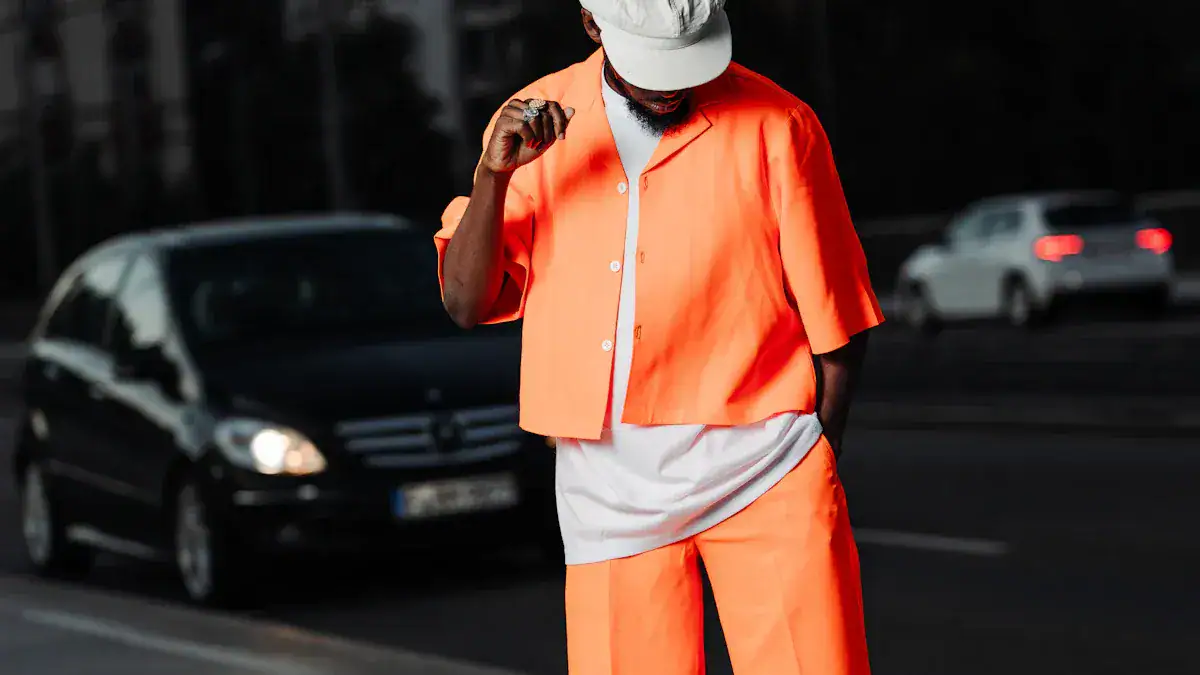
When I select custom rain jackets for construction teams, I always prioritize safety colors. These colors help workers stand out in busy environments filled with moving vehicles and heavy equipment. I rely on color matching to ensure every worker remains visible, especially in low-light or rainy conditions. The most effective colors for construction include safety yellow and safety orange. These shades meet industry standards and provide maximum visibility.
Color | Application in Work Scenarios |
|---|---|
Safety Yellow | Effective in low-light conditions, used alongside roads |
Safety Orange | Ideal for construction and roadwork environments |
Fluorescent Yellow-Green | Preferred in urban and industrial settings |
I choose safety yellow for its high visibility. The human eye recognizes yellow quickly, making it ideal for construction zones. Safety orange is another top choice, especially for roadwork. Both colors help prevent accidents and keep teams safe.
Reason | Explanation |
|---|---|
Yellow is easily recognized by the human eye, especially in low light or rainy conditions. | |
Anti-fouling and practicality | Bright yellow is less likely to show dirt compared to lighter colors, making it practical for daily wear. |
Design preference | Yellow is a vibrant color that stands out, making it a popular choice in raincoat designs. |
Weather Considerations
Weather plays a big role in my color matching decisions for construction. I always select high-visibility rain jackets to ensure safety during dim, rainy, or foggy conditions. These jackets keep workers visible and dry, no matter the weather. I also consider layering kids clothing for young workers or visitors on site, making sure their jackets match safety standards.
High-visibility rain jackets are available, ensuring safety in dim, rainy conditions.
Fluorescent red provides superior visibility in snowy conditions and night work.
I never overlook the importance of matching colors to the environment. For example, fluorescent yellow-green works well in urban construction, while fluorescent red stands out in snow.
Emergency Services
Identification
In emergency services, quick identification saves lives. I use color matching to assign specific colors to different roles. Red rain jackets signal danger and help identify fire marshals and emergency responders. Orange jackets enhance visibility for safety teams, while green is often used for signaling and safety roles.
Color | Usage Description |
|---|---|
Red | Used by fire marshals and emergency responders. |
Orange | Commonly associated with safety and visibility. |
Green | Often used for signaling and safety roles. |
Red indicates danger and is used for emergency roles like firefighters and EMS.
Orange enhances visibility and is often used in safety contexts.
Green is associated with signaling and safety.
I always make sure each team member wears the correct color for their role. This system speeds up response times and reduces confusion during emergencies.
Protocols
Protocols in emergency services require strict color matching. I follow guidelines that assign specific colors to each department. This approach ensures everyone knows who is responsible for what task. For example, kids visiting a fire station can easily spot the leader by their red jacket. I also use matching rain jackets for volunteers, making it easy to identify support staff during drills or real emergencies.
Corporate Roles
Professional Look
In corporate environments, I focus on creating a professional look through color matching. I select sleek, branded rain jackets in navy or black. These colors project confidence and reliability, which are essential in business settings. I avoid bright safety colors unless the job requires outdoor work.
For corporate environments, it is advised to select sleek, branded rain jackets in colors like navy or black.
I always consider how the color of a rain jacket impacts first impressions. A well-chosen color can set the tone for meetings and client interactions.
Subtle Branding
Subtle branding is key in corporate roles. I use color matching to align rain jackets with company logos and brand identity. Branded jackets create a smart and professional image for staff and the company. High-quality uniforms reflect the quality of our services and products. Wearing branded jackets serves as ongoing advertising, increasing brand visibility and potential sales.
High-quality jackets enhance brand visibility and professionalism.
Customized jackets convey reliability and style, positively influencing client views.
The choice of color reflects brand identity and values, crucial for corporate branding.
Jackets are perceived as high-value promotional items compared to lower-cost items like pens.
They create a sense of appreciation and connection, associating the brand with positive attributes.
Well-made jackets can serve as long-term brand ambassadors, enhancing visibility and memorability.
I always make sure the color matching supports our brand values. This approach helps our team look unified and professional, whether in the office or at client events.
Hospitality & Events
Team Cohesion
I always focus on team cohesion when selecting rain jacket colors for hospitality and event staff. Color matching helps me create a unified look that makes employees feel connected. I choose colors that promote positive emotions and energy, which improves teamwork and morale. For example, yellow rain jackets bring warmth and happiness to breakfast areas in restaurants. Blue jackets help staff stay calm and productive in busy hotel offices or spas. Orange adds a fun feeling, perfect for event spaces where excitement matters.
Color | Psychological Effect | Best Use Case |
|---|---|---|
Yellow | Promotes happiness, warmth, and energy | Breakfast areas in restaurants |
Blue | Calming, lowers blood pressure, promotes productivity | Offices, bedrooms, spas |
Red | Stimulates emotions and energy, promotes appetite | Restaurants |
Orange | Warm and fun feeling, appetite stimulant | Vitrine spaces |
Green | Serenity, tranquility, health, good for concentration | Spas, patios, garden furniture |
Purple | Rich, luxurious, calming, but oppresses appetite | Hotel lobbies |
I use color matching to assign specific colors to different teams. This strategy helps guests identify staff members quickly and builds trust. I also consider layering kids clothing for young helpers at family events, making sure their jackets match the team and keep them comfortable.
Guest Experience
Guest experience always comes first in hospitality and event settings. I select rain jacket colors that create a welcoming atmosphere and make staff easy to spot. Matching colors to the environment helps guests feel relaxed and cared for. For example, green jackets work well in garden areas, while purple adds luxury to hotel lobbies. I avoid colors that clash with the décor or confuse guests.
I ask for feedback from employees and guests before finalizing color choices. This approach ensures everyone feels comfortable and valued. I notice that kids respond well to bright colors, which helps them feel included during family events. Color matching improves the overall guest experience and supports brand identity.
Industrial Settings
Functional Colors
I prioritize safety and function when choosing rain jacket colors for industrial settings. Color matching helps me select jackets that meet industry standards and keep workers safe. I look for high-visibility options with features like taped seams, ventilation, and flame resistance. These jackets protect employees from hazards and harsh weather.
Blaklader 4312 Class 3 Black Bottom Rain Jacket provides mobility and protection with a removable hood.
ML Kishigo RWJ112 Brilliant Series Class 3 HiVis Rain Jacket features taped seams for weatherproofing and comfort.
Work King S372 Class 3 300D Ripstop Rain Jacket includes moisture control and a hard hat hood.
Radians RW11 Class 3 Lightweight Ripstop Rain Jacket is breathable, flexible, and available in women’s sizes.
Neese 267AJ Class 3 HiVis Dura Arc 2 FR HRC 2 PVC on Modacrylic Safety Rain Jacket offers arc hazard protection and waterproof performance.
National Safety Apparel FR Class 3 HRC 3 Gore-Tex Foul Weather Safety Jacket combines flame resistance with rain protection.
I always check that the color matching supports visibility and safety. I select colors that stand out in industrial environments, making it easy for supervisors to spot workers and for teams to stay organized.
Role Differentiation
Role differentiation is essential in industrial settings. I use color matching to assign specific colors to different job roles. For example, supervisors wear one color, while technicians and maintenance staff wear another. This system helps everyone know who is responsible for each task and improves communication on the floor.
I include kids in safety drills by giving them rain jackets that match their assigned group. Layering kids clothing ensures they stay warm and visible. Matching colors to roles reduces confusion and supports a safe, efficient workplace.
Raincoat Styles and Customization
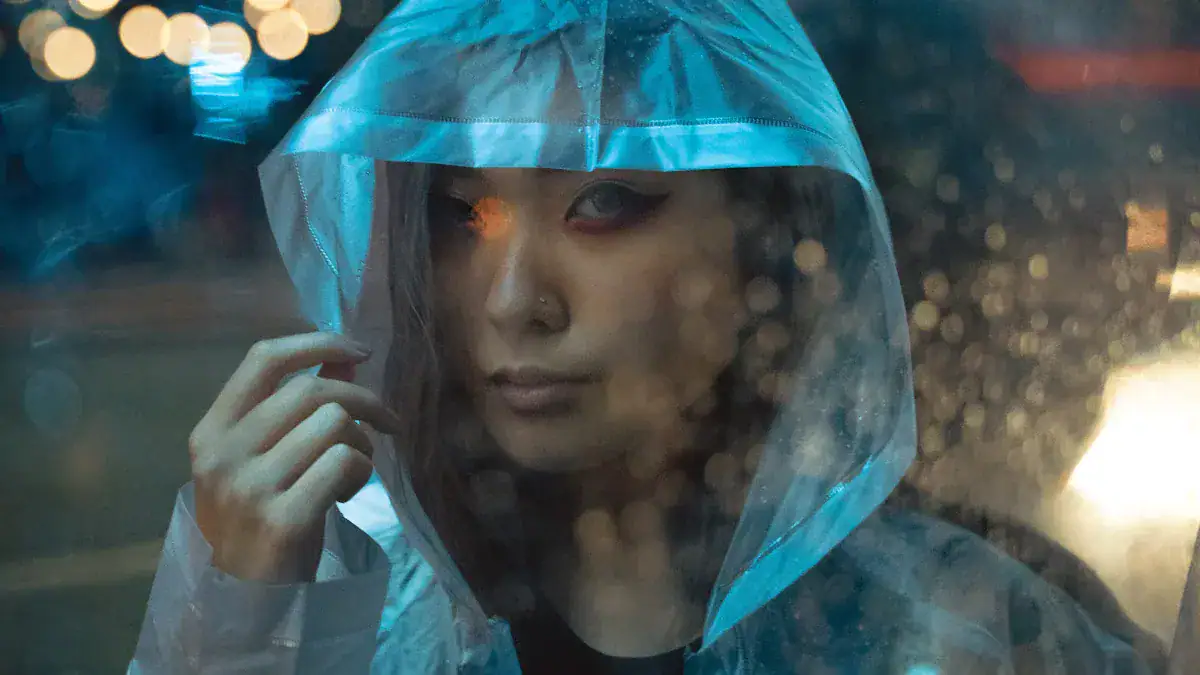
Zip-Up Raincoats
Features
When I select a zip-up raincoat for my team, I look for key features that support both function and style. A straight zip design offers full front access, making it easy to put on and take off. Side pockets provide storage for small tools or personal items. Water-resistant fabric ensures that employees stay dry in wet conditions. I often choose breathable materials to keep comfort levels high during long shifts. Custom color swatches help me match the raincoat to our brand or safety requirements. I can select from a wide range of fabric colors to create a unique look.
Raincoat Style | Features | Customization Options |
|---|---|---|
Straight Zip Rain Jacket | Full Zip, Side Pockets, Water Resistant | Tailored design, choice of base fabric |
Anorak Rain Jacket | Half Zip, Hidden Front Pocket, Water Resistant | Tailored design, choice of base fabric |
Sublimation, Heat Transfer, Raised Silicone, Embroidery | Various decoration techniques available |
Use Cases
I recommend zip-up raincoats for roles that require frequent changes in weather or quick removal of outerwear. Construction supervisors, delivery drivers, and event staff benefit from the convenience of a full zip. The design allows for easy layering over uniforms or business attire. I also use zip-up styles when I want to showcase a company logo or message, as the flat front provides an ideal surface for decoration.
Pullover Jackets
Features
Pullover jackets offer a different set of key features. The anorak style includes a half zip and a hidden front pocket, which keeps valuables secure and dry. Water-resistant fabric protects against rain, while the tailored design ensures a comfortable fit. I often select pullover jackets for their streamlined appearance and minimal bulk. The choice of fabric plays a big role in comfort and durability.
Use Cases
I choose pullover jackets for teams that need lightweight protection and a sleek look. Outdoor event crews, hospitality staff, and maintenance workers appreciate the ease of movement these jackets provide. The design works well for layering, especially in unpredictable climates. Pullover styles also allow for creative decoration methods, such as sublimation or embroidery, which help reinforce our brand identity.
Imprint Colors
Light on Dark
When I design custom raincoats, I pay close attention to imprint colors. Using light colors on dark fabric creates strong contrast and makes logos or text stand out. For example, a white or yellow imprint on a navy or black jacket draws attention and improves readability. I always test imprint colors on custom color swatches to ensure the final design meets my expectations.
Visibility
Visibility remains a top priority in my design process. I select imprint colors that enhance safety and brand recognition. High-contrast combinations, such as neon prints on dark backgrounds, increase visibility in low-light conditions. I also consider the work environment and lighting when choosing fabric colors and imprint shades. This approach ensures that every raincoat not only looks professional but also supports the safety and identity of my team.
Online Design Options
Fabrics
When I start customizing a raincoat, I always pay close attention to the fabric selection. The right fabric determines how well the jacket performs in different environments. I look for materials that offer water resistance, breathability, and durability. Some online platforms provide a wide range of fabric choices, from lightweight polyester to heavy-duty PVC. These options let me match the fabric to the specific needs of my team, whether they work outdoors in heavy rain or need something lighter for occasional showers.
I often use smart customization tools to compare fabric options side by side. These tools help me evaluate the features of each material, such as moisture-wicking ability or resistance to tearing. I find that 3D previews make it easier to visualize how the fabric will look and move once the design is complete. This step gives me confidence that the final product will meet both safety and comfort standards.
Personalization
Personalization has become a key part of the design process for custom rain jackets. I use online tools that allow me to upload my own design, instantly applying it to the selected product. This feature saves time and ensures that the logo or branding appears exactly where I want it. I can refine the design further by adjusting colors, adding text, or selecting finishing options like reflective strips.
The best platforms offer 3D previews, which let me see the finished jacket from every angle before I place an order. This visual confirmation helps me avoid mistakes and ensures that the design aligns with my expectations. I also appreciate the ability to personalize each jacket with names or department titles, making it easy to identify team members on the job.
Here is a quick overview of the most useful online customization features I rely on:
Feature | Description |
|---|---|
Upload your design | Automatically applies your design to the selected product. |
Smart customization tools | Allows users to refine their designs and select finishing options. |
3D previews | Users can confirm their designs visually before checkout, enhancing confidence. |
Tip: Always review the 3D preview before finalizing your order. This step ensures that every detail of your design appears as intended.
Online design options have transformed how I approach custom rain jackets. I can now create a product that matches my team’s needs, reflects our brand, and stands up to the demands of the workplace.
Practical Tips for Choosing Colors
Assess Environment
Lighting
I always start by evaluating the lighting conditions where my team will wear their rain jackets. Lighting plays a critical role in how colors appear and how visible employees remain. In low light or foggy environments, certain colors stand out more than others. I rely on the following table to guide my choices:
Color | |
|---|---|
Orange | Stands out better in fog or heavy traffic |
Yellow | Most noticeable in low light conditions |
High-visibility rain gear is essential for outdoor jobs. Bright colors and reflective tape help workers stand out to drivers and machine operators. I never underestimate the importance of visibility, especially when safety is at stake.
Weather
Weather conditions influence my color selection process. Rain, fog, and overcast skies can dull the appearance of some colors. I choose colors that maintain their brightness and visibility even in poor weather. For example, yellow remains vibrant during rainy days, while orange cuts through fog and heavy traffic. I also consider how the jackets will look after exposure to mud or water, especially for kids who often play or work outdoors. Selecting the right color ensures everyone stays safe and visible, regardless of the weather.
Align with Branding
Logo Colors
I always align rain jacket colors with my company’s logo and brand identity. Companies should choose colors for rain jackets that resonate with their brand identity. I review our branding guidelines and select shades that complement our logo. This approach strengthens brand recognition and creates a unified look across all team members. I also consider offering a variety of color options to cater to different customer preferences, ensuring the jackets align with our overall branding strategy.
Event Needs
Event-specific needs often dictate my color choices. For special occasions or promotional events, I select colors that match the theme or purpose. I might use bold colors for high-energy events or subtle tones for formal gatherings. Offering a range of styles and materials, such as fleece, polyester, nylon, and denim, helps me match the rain jackets to the brand’s purpose and aesthetic. I always ensure the final product reflects our brand identity effectively, whether for adults or kids.
Balance Function and Style
Durability
Durability remains a top priority when I select rain jacket colors. I consider seasonal characteristics and choose materials that withstand frequent use. Neutral tones often serve as a base layer, allowing me to add pops of color for style. I focus on waterproof materials and breathable fabrics to ensure comfort and style. High-quality jackets last longer and maintain their appearance, even after repeated washing.
Cleaning
Cleaning requirements influence my color decisions. Some colors show dirt and stains more easily, especially after outdoor activities. I prefer darker shades for areas prone to mud or heavy use. This choice simplifies maintenance and keeps jackets looking professional. I always check care instructions to ensure the colors stay vibrant and the fabric retains its quality over time.
Employee Input
Feedback
I always prioritize employee feedback when selecting colors for custom rain jackets. Employees wear these jackets daily, so their opinions matter most. I start by conducting surveys or informal interviews to gather insights on color preferences. Some team members prefer bright colors for visibility, while others feel more comfortable in neutral tones. I ask specific questions about which colors make them feel safe, confident, and proud to represent our brand.
I also encourage open discussions during team meetings. Employees share their experiences with previous rain jackets, highlighting what worked and what did not. I listen carefully to their suggestions and concerns. This approach helps me identify trends and common preferences across different departments.
Tip: Use anonymous surveys to get honest feedback. Employees often share more candid opinions when they know their responses remain confidential.
I compile the feedback into a summary report. This report guides my final color selection and ensures that the chosen colors reflect the team’s needs and preferences. I find that involving employees in the decision-making process increases satisfaction and boosts morale.
Testing
After gathering feedback, I move on to testing color options in real-world scenarios. I order sample rain jackets in several colors and distribute them to a small group of employees. I ask them to wear the jackets during typical work activities and report their experiences. I pay close attention to how the colors perform in different lighting and weather conditions.
I use a simple evaluation table to track employee responses:
Color Tested | Visibility | Comfort | Brand Alignment | Employee Rating (1-5) |
|---|---|---|---|---|
Safety Yellow | Excellent | Good | Strong | 5 |
Navy | Good | Excellent | Moderate | 4 |
Black | Fair | Excellent | Strong | 4 |
Orange | Excellent | Good | Moderate | 5 |
I review the results and look for patterns. If a color receives consistently high ratings for visibility and comfort, I consider it a top choice. I also evaluate how well each color matches our brand identity. Sometimes, I discover that a color looks great in theory but does not perform well in practice.
Note: Always test colors in the actual work environment. Lighting, weather, and job tasks can affect how colors appear and function.
By combining employee feedback with hands-on testing, I make informed decisions about color selection. This process ensures that custom rain jackets meet both practical needs and personal preferences. Employees feel valued, and the final product supports safety, branding, and comfort.
Customization Beyond Color
When I customize rain jackets for my team, I always look beyond just the color. I focus on features that boost both utility and branding. The right design choices make a big difference in how effective and professional the jackets appear.
Logos
Placement
I always consider logo placement as a top priority in my design process. A logo on the left chest creates a classic, professional look. Sometimes, I choose to place the logo on the back for maximum visibility, especially during outdoor events or group activities. Sleeve logos work well for subtle branding. I use custom color swatches to ensure the logo stands out against the base color of the jacket. Proper placement helps the brand stay visible without overwhelming the overall design.
Size
Logo size matters just as much as placement. I select a size that balances visibility with style. A large logo on the back grabs attention, while a smaller chest logo keeps the look refined. I always test different sizes using online design tools before finalizing the order. This step ensures the logo complements the jacket’s design and does not interfere with comfort or movement.
Reflective Features
Safety Strips
Reflective features are essential for safety, especially for teams working outdoors in low-light conditions. I often choose rain jackets with 3M reflective material. These safety strips run across the chest, back, and sleeves, making workers visible from every angle. Reflective elements blend seamlessly into the design, so the jacket remains stylish while meeting safety needs.
Standards
I always check that reflective features meet industry standards. High-quality reflective strips enhance visibility and help prevent accidents. I look for jackets that use durable fabric and reliable reflective materials. The table below highlights key features I prioritize in my selections:
Feature | Benefit |
|---|---|
Adjustable Cuffs and Hoods | Provides a personalized fit and seals out wind and rain. |
Reflective Elements | Enhances visibility in low-light conditions for safety. |
High-Quality Materials | Ensures durability and longevity of the jacket. |
Machine-Washable Fabrics | Offers ease of maintenance for users. |
Tip: Always verify that reflective features comply with safety regulations for your industry.
Personalization
Names
Personalizing rain jackets with employee names adds a professional touch. I use online design tools to add names above the chest logo or on the sleeve. This detail helps team members feel valued and makes it easy for clients to identify staff.
Departments
I also personalize jackets by department. Adding department names below the logo or on the back helps with role identification. This approach streamlines communication and keeps teams organized, especially in large organizations.
When I design a raincoat, I combine logos, reflective features, and personalization to create a product that stands out. I select the right fabric for durability and comfort. I use custom color swatches to match the brand’s identity. These extra touches transform a simple jacket into a powerful branding and safety tool.
I always prioritize color matching when customizing rain jackets for my team. Color matching supports safety, strengthens branding, and boosts employee satisfaction. I rely on matching colors to create a unified look and improve visibility in every work scenario. Custom rain jackets allow me to tailor designs for specific needs. I encourage every leader to focus on color matching and matching styles to maximize impact.
Effective color matching leads to safer, more professional, and happier teams.
FAQ
What colors work best for high-visibility rain jackets?
I always choose neon yellow or safety orange for high-visibility. These colors meet ANSI standards and help workers stand out in low light. I recommend adding reflective strips for extra safety.
Can I match rain jacket colors to my company logo?
I work with suppliers to create custom dye lots that match brand colors. Printing options allow me to add logos and text, ensuring every jacket aligns with our visual identity.
How do I select the right rain jacket style for my team?
I assess job roles and work environments. Zip-up jackets suit supervisors and delivery staff. Pullover styles work well for event crews. I always consider comfort, durability, and ease of movement.
Are custom rain jackets available in children’s sizes?
I order custom rain jackets in a full range of sizes, including options for kids. This helps me keep young workers or visitors safe and visible during outdoor activities or family events.
What features improve rain jacket safety?
I look for jackets with 3M reflective strips, adjustable cuffs, and waterproof fabrics. These features boost visibility and protection. I always check that the design meets industry safety standards.
How do I maintain the color and quality of rain jackets?
I follow care instructions from the manufacturer. I prefer machine-washable fabrics and darker colors for areas prone to dirt. Regular cleaning keeps jackets looking professional and extends their lifespan.
Can I personalize rain jackets with employee names or departments?
I use online design tools to add names or department titles. Personalization helps with role identification and builds team spirit. I always preview the design before placing my order.
What is the turnaround time for custom rain jackets?
I usually receive custom orders within two to four weeks. Production time depends on design complexity and quantity. I always confirm delivery dates with my supplier before finalizing the order.