

Which Latin American countries require school uniforms
Table of Contents
Display

When I look at school uniform policies across latin american countries, I see clear rules in several places. I found that Venezuela, Colombia, Mexico, and Brazil require uniforms in most public schools. In these countries, students wear specific clothing every day. Other countries may have optional or regional policies, but these four stand out for their strict requirements.
Venezuela
Colombia
Mexico
Brazil
Key Takeaways
Venezuela, Colombia, Mexico, and Brazil have strict school uniform requirements for public schools.
Uniforms promote equality and discipline, helping students focus on learning rather than fashion.
Argentina and Chile allow schools to set their own uniform policies, leading to regional variations.
Peru’s policy ensures no child is denied education due to inability to afford a uniform.
Recent trends include gender-neutral uniforms in Mexico City and relaxed dress codes during the pandemic.
Uniforms can foster a sense of community and belonging among students, boosting their confidence.
Public schools often have simpler, more affordable uniforms compared to private schools, which may have unique styles.
Local governments sometimes provide free uniforms to support low-income families and increase school attendance.
Uniforms in Latin American Countries
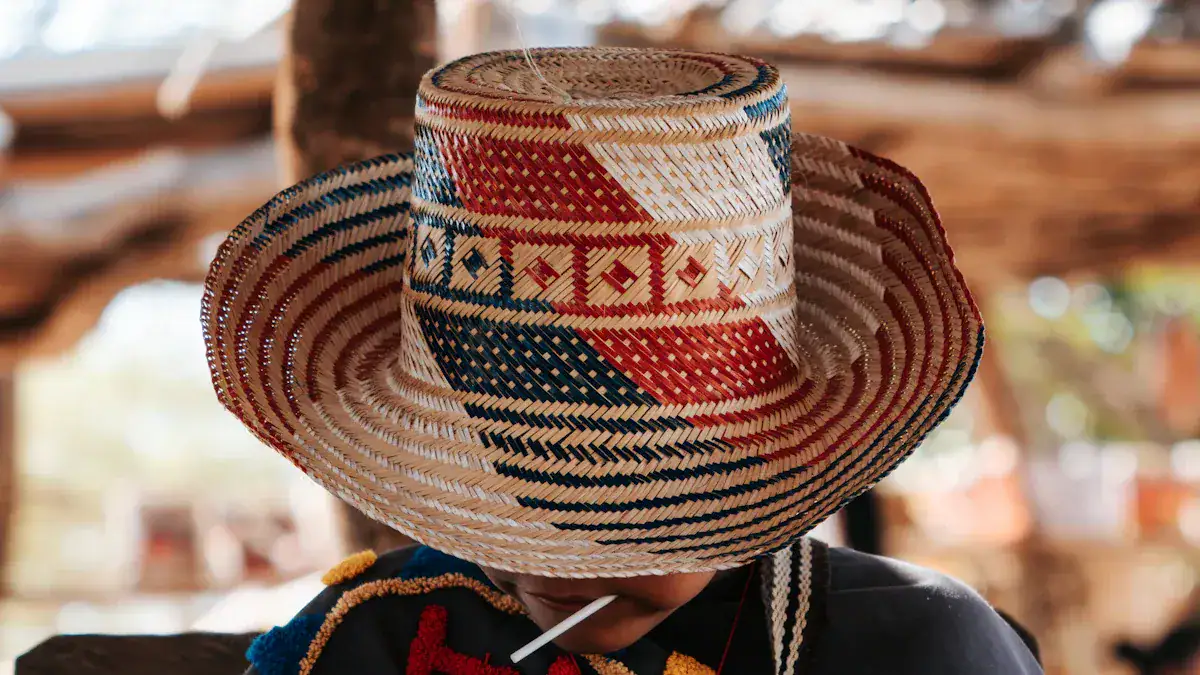
School uniforms play a big role in education across latin american countries. I notice that most countries in the region have some tradition of uniforms, though the rules can differ a lot. Uniforms often symbolize equality and help create a sense of belonging among students. I see that some countries enforce strict policies, while others allow schools or regions to decide.
In my experience, uniforms are more than just clothing. They reflect history, culture, and even climate. Many schools choose simple, durable fabrics that work well in local weather.
Mandatory Uniforms
Venezuela
I found that Venezuela requires uniforms for all public school students. Every child wears a specific outfit, and this rule applies from the first grade through high school. The government sees uniforms as a way to promote equality and discipline.
Colombia
Colombia also has a nationwide policy. All students in public schools must wear uniforms. I see that the style can vary by school, but the rule stays the same everywhere. Uniforms help reduce visible differences between students.
Mexico
In Mexico, public primary and secondary schools require uniforms. Some public high schools also have this rule. I notice that the government wants to create a sense of unity and make sure students focus on learning, not fashion.
Brazil
Brazil stands out because most public schools require uniforms, especially in cities. Private schools almost always have uniforms, but they often design their own styles. I see that uniforms in Brazil are usually simple and comfortable, which makes sense for the climate.
Optional or Regional Uniforms
Argentina
Argentina takes a different approach. State schools do not require uniforms, but private schools often do. I remember seeing children in white smocks, a tradition that comes from European influence. Each school can decide its own policy.
Chile
Chile has a long tradition of school uniforms. By the 1980s and 90s, uniforms became common in most schools. Now, schools can choose whether to require them. Many still do, but it is not always mandatory.
Peru
Peru’s Ministry of Education sets guidelines for uniforms. Most students wear them, but schools cannot turn children away if they do not have the right clothes. This policy helps families who may struggle with the cost.
Other countries with regional or optional policies
Some latin american countries let regions or individual schools decide. For example, in Cuba, uniforms are a symbol of the country’s socialist values. In Grenada, uniforms follow British styles, with boys in short pants and girls in skirts. I see that these policies reflect local history and culture.
Here is a quick overview of uniform policies in latin american countries:
Country | Uniform Policy |
|---|---|
Venezuela | Mandatory |
Colombia | Mandatory |
Mexico | Mandatory (most) |
Brazil | Mandatory (most) |
Argentina | Optional/Regional |
Chile | Optional/Regional |
Peru | Optional/Regional |
Cuba | Mandatory |
Grenada | Mandatory |
Others | Varies |
I find that uniforms remain a strong tradition in latin american countries. The rules may change from place to place, but the idea of equality and community stays important.
Country Policies
Brazil
Most schools require uniforms
I see that Brazil has a unique approach to school uniforms. Public schools do not have a legal requirement for uniforms, but many still issue them. Uniforms are especially common in primary and secondary education. The Brazilian government encourages schools to use uniforms to promote equality and reduce economic gaps. Local governments often provide free uniforms to families who need help. This support increases school attendance and helps students feel included.
Uniforms are widely used in public schools.
The government promotes uniforms for equality.
Local authorities supply free uniforms to low-income families.
I notice that the rules can change from one region to another. Some cities have strict policies, while others leave the decision to individual schools. This variation means that students in different parts of Brazil may have different experiences with uniforms.
Private school uniform styles
Private schools in Brazil have the freedom to set their own uniform policies. Many private institutions design unique uniforms that reflect their values and identity. Some schools choose formal styles, while others prefer casual outfits. I have seen schools with colorful shirts, branded jackets, and even sportswear as part of their uniform. The strictness of these policies varies a lot. Some private schools require uniforms every day, while others allow students to wear regular clothes on certain days.
Here is a quick table showing the differences:
School Type | Uniform Requirement |
|---|---|
Public Schools | No legal requirement; uniforms may be issued but not mandatory. |
Private Schools | Free to establish their own uniform policies. |
Venezuela
Uniforms required for all grades
Venezuela stands out among latin american countries for its strict uniform rules. Every student must wear a uniform, and the style changes by grade level. The government assigns specific colors to each stage of education. I find this system very organized and easy to recognize.
Grade Level | Shirt Color | Trousers/Skirts | Shoes |
|---|---|---|---|
Nursery | Yellow | N/A | Black dress shoes |
Kindergarten | Red | N/A | Black dress shoes |
1st to 6th Grade | White polo | Navy trousers | Black dress shoes |
7th to 9th Grade | Light blue polo | Navy trousers | Black dress shoes |
10th to 11th Grade | Beige polo | Navy trousers | Black dress shoes |
I notice that this structured approach makes it easy to identify students by their grade. The rules apply to all public schools, and enforcement is strict. Uniforms help create a sense of discipline and equality. I see that students in Venezuela follow these guidelines closely.
Colombia
Uniforms required nationwide
Colombia also requires uniforms in all public schools. I observe that every student wears a uniform, no matter where they live. The style can change from one school to another, but the rule stays the same. Uniforms help reduce differences between students and support a sense of community. I have seen schools with simple designs, often using the school’s colors and logo. The policy covers both primary and secondary education. I believe this nationwide rule helps maintain order and unity in Colombian schools.
Mexico
Public primary and secondary schools require uniforms
When I look at Mexico, I see that uniforms play a big role in daily school life. In Mexico City, both public and most private schools require students to wear uniforms. I notice that these uniforms include formal attire for regular days and sports uniforms for physical education. Boys usually wear white shirts, ties, sweaters, and grey pants. Girls often wear pleated skirts and blouses. Schools expect parents to buy new uniforms each year, and they can enforce rules if students do not comply.
I have seen that uniforms help create a sense of order and equality in Mexican schools. They also make it easy to identify students and promote discipline.
Across the country, public primary and secondary schools generally require uniforms. Some schools add their own colors or crests to the standard design. I find that this policy helps students focus on learning instead of fashion.
School Type | Uniform Requirement | Common Styles |
|---|---|---|
Public Schools | Uniforms required for all students | White shirts, ties, sweaters, grey long pants |
Private Schools | Uniforms required for most students | Pleated skirts for girls, long pants for boys |
Mexico City | Required for both public and most private schools | Formal and sports uniforms based on school days |
Some public high schools require uniforms
Not all public high schools in Mexico enforce the uniform rule. I have noticed that some allow students to dress casually, especially in upper grades. However, in Mexico City, the uniform policy remains strict for almost all levels. In 2019, the city introduced a gender-neutral uniform policy. Now, students can choose to wear skirts or pants, regardless of gender. This change, announced by Mayor Claudia Sheinbaum, marked a big step toward inclusivity. I think this policy helps students feel more comfortable and respected at school.
Students in public and most private schools must wear uniforms.
Sports uniforms are worn only on physical education days.
Schools may enforce consequences for non-compliance.
Since 2019, students can choose their uniform style, regardless of gender.
Argentina
Regional and school-level variations
Argentina takes a unique approach to school uniforms. I see that the most common uniform in primary schools is the white ‘guardapolvo,’ a smock that symbolizes learning. This tradition appears across the country, but each region and school can set its own rules. Some schools require uniforms, while others do not. Private schools often have stricter dress codes and may use different colors or styles.
The decision to require uniforms often reflects local values and the community’s social climate. Uniforms in Argentina serve as a management tool and signal tradition. I have noticed that changes in uniform policy often follow broader shifts in education and society. In some areas, schools update their uniform designs to match new attitudes or policies.
The white ‘guardapolvo’ is a national symbol in primary education.
Uniform policies vary by region and school type.
Community values and social trends influence uniform decisions.
Chile
Uniforms common but not always mandatory
In Chile, uniforms remain a strong tradition, especially in public schools. Most public institutions require students to wear traditional uniforms. These usually include a shirt, sweater, and skirt or pants. Private schools have more flexibility. Some require only sports uniforms, while others have no uniform at all.
Aspect | Public Institutions | Private Institutions |
|---|---|---|
Uniform Requirement | Generally mandatory traditional uniforms | Varies, some may require sports uniforms |
Economic Impact | Significant burden on families | May have less economic burden |
Shift in Uniform Type | Gradual shift to sports uniforms | Less common shift observed |
Influence of COVID-19 | Increased questioning of uniform use | Similar questioning but varies by school |
I have seen that the cost of uniforms can be a challenge for some families. Recently, more schools have started to allow sports uniforms, which are often cheaper and more comfortable. The COVID-19 pandemic led many schools to rethink their uniform policies. Some questioned whether uniforms are still necessary, especially with remote learning and changing social attitudes.
I find that, while uniforms are still common in Chile, the rules are slowly changing. Schools now consider family needs and student comfort more than before. This trend matches what I see in other latin american countries.
Peru
Government guidelines, some exceptions
When I look at Peru, I see a country that values both tradition and flexibility in school uniforms. The Ministry of Education sets clear guidelines for uniforms in public schools. Most students wear uniforms that include a white shirt, navy blue pants or skirts, and black shoes. I notice that these uniforms help create a sense of unity and discipline in the classroom.
However, Peru does not force every student to wear a uniform. The government says that no child should miss school because they cannot afford the right clothes. I find this policy very important, especially for families with limited resources. Schools cannot turn away students who do not have a uniform. This rule helps reduce barriers to education.
In my experience, most schools still encourage uniforms. Teachers and principals believe that uniforms help students focus on learning. Some schools offer financial help or uniform exchanges for families who need support. I have seen local communities organize donation drives to collect used uniforms for students in need.
Here are some key points about Peru’s uniform policy:
The Ministry of Education recommends uniforms for public schools.
Schools cannot deny entry to students without uniforms.
Most students wear uniforms, but exceptions exist for financial reasons.
Community support helps families get uniforms when needed.
Note: I have observed that some private schools in Peru set their own uniform rules. These schools may require different colors or styles, but they usually follow the same idea of promoting equality.
I think Peru’s approach balances tradition with compassion. The government wants students to feel included, no matter their background.
Other Latin American Countries
Summary of policies in remaining countries
When I look beyond the main countries already discussed, I see a wide range of uniform policies across latin american countries. Each country shapes its rules based on history, culture, and local needs.
For example, Cuba stands out for its strict national uniform policy. Every student wears a uniform that matches their grade level. The government provides uniforms to ensure all children look the same and feel equal. In contrast, Uruguay does not require uniforms in public schools, but some private schools have their own dress codes.
In Central America, I notice that countries like Costa Rica and Panama usually require uniforms in public schools. These uniforms often include a white shirt and dark pants or skirts. In the Caribbean, countries such as the Dominican Republic and Jamaica also have mandatory uniforms, often influenced by British traditions.
Some countries allow more flexibility. In Paraguay and Bolivia, schools may set their own rules. I have seen schools where uniforms are optional or only required for special events. In Ecuador, most public schools require uniforms, but some rural areas allow students to wear regular clothes.
Here is a quick table to summarize:
Country | Uniform Policy |
|---|---|
Cuba | Mandatory, government-issued |
Uruguay | Not required in public schools |
Costa Rica | Mandatory in public schools |
Panama | Mandatory in public schools |
Dominican Republic | Mandatory |
Jamaica | Mandatory |
Paraguay | School-level decision |
Bolivia | School-level decision |
Ecuador | Mostly mandatory, some exceptions |
I see that school uniforms remain a strong tradition in many places. However, each country adapts its policy to fit local values and challenges.
Policy Variations
Urban vs. Rural
Differences by location
When I travel across Latin America, I notice big differences in school uniform policies between urban and rural areas. Cities often have stricter rules. Schools in urban centers usually require uniforms and enforce dress codes. I see students in large cities wearing matching outfits every day. These uniforms help schools maintain order and create a sense of unity.
Rural areas show more flexibility. Some schools in small towns or villages do not enforce uniforms as strictly. I have visited rural schools where students wear regular clothes because families cannot afford uniforms. Sometimes, local governments provide uniforms to help, but not every student receives one.
Here is a quick comparison:
Location | Uniform Policy | Common Issues |
|---|---|---|
Urban | Strict, mandatory | Cost, enforcement |
Rural | Flexible, optional | Affordability, access |
I believe that location shapes how schools apply uniform rules. Urban schools focus on discipline, while rural schools consider family needs.
Public vs. Private
Variation in requirements
I see clear differences between public and private schools in Latin America. Public schools often follow government guidelines. Most public schools require uniforms, especially in countries like Venezuela, Colombia, and Mexico. These uniforms look similar and cost less. Governments sometimes help families buy uniforms for public schools.
Private schools set their own rules. Some private institutions require formal uniforms with unique colors or logos. Others allow students to wear casual clothes or sportswear. I have visited private schools with very strict dress codes and others with relaxed policies.
Here are some points I notice:
Public schools use uniforms to promote equality.
Private schools choose styles that reflect their identity.
Uniform costs vary more in private schools.
Some private schools allow students to skip uniforms on special days.
In my experience, private schools offer more choices, but public schools focus on unity and discipline.
Recent Changes
Policy updates or trends
I have seen many changes in school uniform policies over the past few years. Governments and schools now listen to families and students more than before. Some countries update their rules to make uniforms more affordable and comfortable. For example, Mexico City introduced a gender-neutral uniform policy in 2019. Students can choose to wear pants or skirts, no matter their gender. I think this change supports inclusivity and respect.
The COVID-19 pandemic also affected uniform policies. During remote learning, many schools relaxed dress codes. Some schools now allow sports uniforms or casual clothes for comfort. I notice that more schools consider family budgets and student preferences.
Here are some recent trends:
Gender-neutral uniforms in Mexico City.
Increased use of sports uniforms in Chile and Peru.
Flexible policies during remote learning.
Community support for families who need uniforms.
I believe these changes show that schools want to balance tradition with student needs. Uniform policies continue to evolve across Latin America.
Reasons for Uniforms
Government Rationale
Equality and discipline
When I visit schools across Latin America, I see that governments often use uniforms to promote equality. Uniforms help students look similar, which reduces visible differences in family income. I notice that this approach makes students feel more included. In Brazil, I have seen government programs that provide free uniforms to children from low-income families. These initiatives aim to prevent bullying and make sure every child feels equal in the classroom.
Discipline stands out as another key reason. Uniforms create a sense of order. When students wear the same clothes, teachers find it easier to manage classrooms. I have watched schools use uniforms to set clear expectations for behavior. Uniforms also help students focus on their studies instead of worrying about what to wear. I believe that this structure supports a positive learning environment.
Uniforms send a message: everyone belongs, and everyone follows the same rules. I see that this helps build respect among students.
Governments in countries like Venezuela and Colombia enforce strict uniform policies. They believe that uniforms teach discipline and responsibility. I have noticed that students who wear uniforms often show more pride in their school. Uniforms become a symbol of commitment to education.
Social Factors
Tradition and culture
Social and cultural attitudes shape uniform policies in many Latin American countries. I find that communities often view uniforms as a way to promote equality and reduce peer pressure. When students wear the same outfit, they worry less about fashion trends. This helps minimize competition and supports a friendly atmosphere.
I have observed several factors that influence these policies:
Government initiatives in Brazil encourage uniform use to foster equality and reduce bullying.
Many communities believe uniforms help students feel equal and avoid pressure to dress in expensive clothes.
Economic challenges in rural areas lead schools to adopt flexible uniform guidelines. Some schools allow regular clothes when families cannot afford uniforms.
Tradition plays a big role. In Argentina, the white ‘guardapolvo’ smock has become a symbol of learning. I see that families value this tradition and pass it down through generations. Uniforms also reflect local culture. In Cuba, uniforms represent national identity and socialist values. I have seen parents take pride in their children’s uniforms, viewing them as a sign of respect for education.
Uniforms connect students to their community and history. I believe that these traditions help students feel proud of their school and culture.
In my experience, social factors and cultural values keep uniform policies strong in Latin America. Even when rules change, the idea of unity and belonging remains important. I see that uniforms continue to shape school life and support students as they learn and grow.
Impact on Families
Costs
Affordability concerns
When I talk to families across Latin America, I often hear that the cost of school uniforms creates real challenges. Many parents want their children to look neat and feel included, but the price of uniforms can strain tight budgets. I have seen this struggle in Colombia, where students need two different uniforms—one for regular classes and another for physical education.
The physical education uniform costs about 30,000 pesos (around $12).
The regular school uniform costs about 15,000 pesos (around $6).
Families with several children must buy multiple sets, which increases the total expense.
Many displaced families earn less than 100,000 pesos ($40) per month, while the minimum wage is 350,000 pesos ($140) per month.
These numbers show how uniforms can take up a large part of a family’s monthly income. I have met parents who must choose between buying uniforms and paying for other essentials like food or transportation. Some children miss school because their families cannot afford the required clothing. I notice that this problem is worse in rural areas and among low-income families.
I believe that when schools or governments provide free or subsidized uniforms, more children attend school regularly. This support helps families feel less pressure and keeps students focused on learning.
Social Effects
Community and identity
Uniforms do more than just create financial concerns. I see that they also shape how students feel about themselves and their school. When everyone wears the same outfit, students often feel a sense of unity. I have watched children stand taller and act with more confidence when they put on their school uniform. Uniforms can help reduce bullying based on clothing and make it easier for students from different backgrounds to connect.
In many communities, uniforms become a symbol of pride. I remember seeing parents take photos of their children on the first day of school, proud to see them in uniform. This shared experience builds a sense of belonging. I notice that uniforms can also help families feel connected to the school and to each other.
Uniforms promote equality by making everyone look similar.
Students feel part of a group, which can boost self-esteem.
Parents and teachers often see uniforms as a sign of respect for education.
However, I also recognize that strict uniform rules can sometimes make students feel less able to express their individuality. Some students want to show their personality through their clothes. I think schools that allow small personal touches, like pins or hair accessories, help balance unity with self-expression.
In my experience, the impact of uniforms on community and identity is mostly positive, but it works best when schools listen to students and families. This approach helps everyone feel included and respected.
Summary Table
Latin American Countries Overview
When I want a quick answer about school uniform rules, I find that a summary table helps the most. I created this table based on my research and personal visits to schools across the region. Each country takes its own approach, but some patterns stand out. I see strict national policies in a few places, while others let schools or regions decide.
Country | Uniform Policy | Notes |
|---|---|---|
Venezuela | Mandatory | All grades, color-coded by level |
Colombia | Mandatory | Nationwide, style varies by school |
Mexico | Mandatory (most) | Required in public primary/secondary, some high schools optional |
Brazil | Mandatory (most) | Common in public and private, regional variation |
Argentina | Optional/Regional | White smock in many primary schools, private stricter |
Chile | Optional/Regional | Tradition strong, many schools still require |
Peru | Optional/Regional | Guidelines exist, no child denied for lack of uniform |
Cuba | Mandatory | Government-issued, grade-specific |
Uruguay | Not required (public) | Private schools may require |
Costa Rica | Mandatory | Public schools |
Panama | Mandatory | Public schools |
Dominican Republic | Mandatory | British influence, all levels |
Jamaica | Mandatory | British influence, all levels |
Paraguay | School-level decision | Some require, some do not |
Bolivia | School-level decision | Varies by school |
Ecuador | Mostly mandatory | Some rural exceptions |
Grenada | Mandatory | British style uniforms |
I use this table when I need to compare policies quickly or explain differences to others. It shows how latin american countries balance tradition, equality, and local needs. If you want to know about a specific country, just scan the table for a fast answer.
I notice that most countries keep uniforms as a tradition, but flexibility is growing. Some governments now allow schools to adapt rules for family needs or changing times. I believe this trend will continue as communities look for ways to support students and families.
I see that most latin american countries require school uniforms, especially Venezuela, Colombia, Mexico, and Brazil. Some countries, like Argentina and Chile, allow schools to set their own rules. I notice recent trends toward flexibility, such as gender-neutral options and relaxed policies during remote learning. If you want to learn more about school traditions or policy changes, I suggest exploring local education websites or government resources.
FAQ
Do all Latin American countries require school uniforms?
No, not every country requires uniforms. I see that Venezuela, Colombia, Mexico, and Brazil have strict rules. Other countries let schools or regions decide. Some places, like Uruguay, do not require uniforms in public schools.
Why do schools in Latin America use uniforms?
I notice that uniforms promote equality and discipline. Governments want students to focus on learning, not fashion. Uniforms also help teachers manage classrooms and reduce bullying based on clothing.
Can students choose their uniform style?
In most places, students must follow school rules. I saw that Mexico City now allows gender-neutral options. Some schools let students pick between pants or skirts. Most schools still expect everyone to wear the same style.
What happens if a student cannot afford a uniform?
Many schools and governments help families. I have seen programs that give free or low-cost uniforms to students in need. In Peru, schools cannot turn away students who do not have uniforms.
Are uniforms different in private and public schools?
Yes, I see big differences. Public schools often use simple, affordable uniforms. Private schools may design unique styles with special colors or logos. Some private schools allow casual clothes on certain days.
Have uniform policies changed recently?
Yes, I noticed some changes. Mexico City introduced gender-neutral uniforms in 2019. During the COVID-19 pandemic, many schools relaxed dress codes. Some countries now allow sports uniforms or more comfortable options.
Do uniforms affect student identity?
I believe uniforms help students feel part of a group. They can boost confidence and reduce peer pressure. Some students want to show their personality, so I think schools should allow small personal touches, like pins or hair accessories.
Where can I find more information about a specific country’s policy?
I suggest checking the official website of the country’s Ministry of Education. Many schools also share their uniform rules online. I find that local news and parent groups can offer helpful updates.