

Custom Jackets for Teams Can You Add Logos
Table of Contents
Display
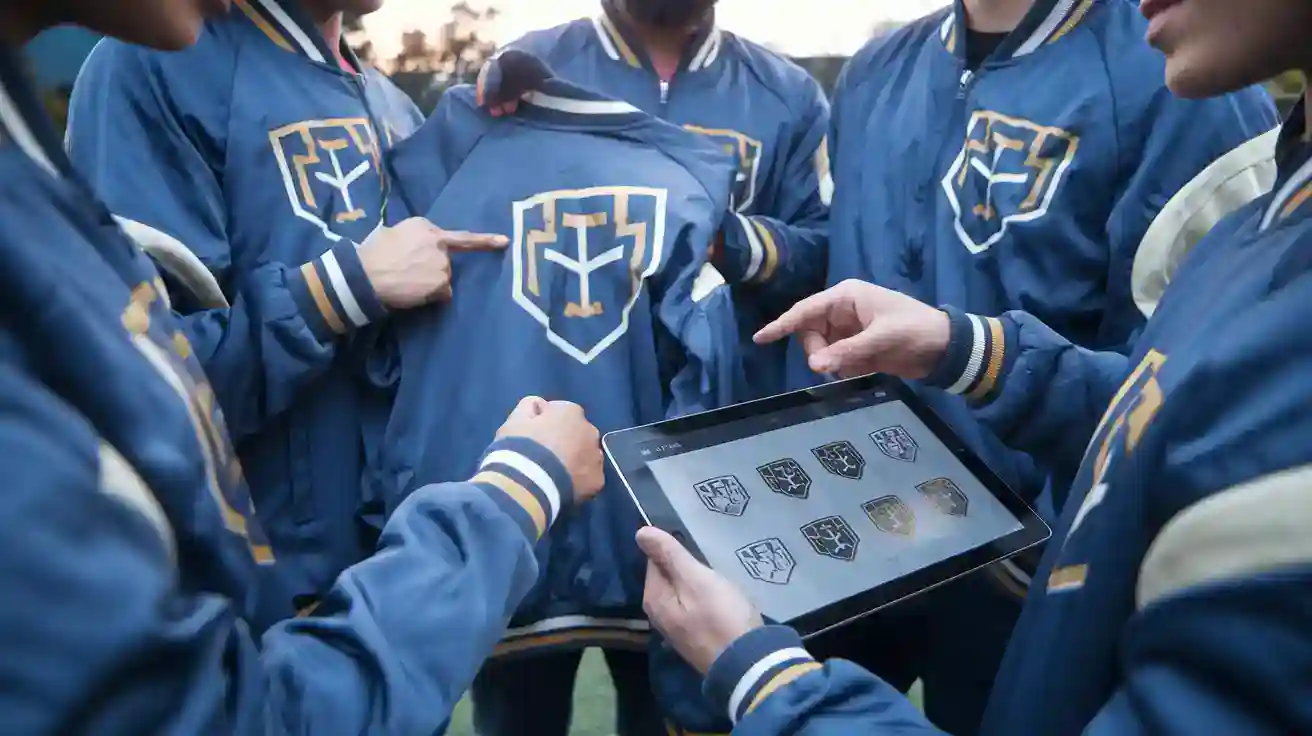
Yes, you can add a logo to Custom Jackets for your team. I often see organizations choose this option to enhance team spirit and create a sense of cohesion. When I wear a jacket that matches my group, it sends a message of unity and builds trust with clients. Many teams find that coordinated jackets make members easy to identify in busy environments, which improves safety and coordination. I believe branded jackets also act as walking advertisements, helping teams reach wider audiences and foster an inclusive atmosphere where everyone feels valued.
Key Takeaways
- Adding a logo to custom jackets boosts team spirit and unity.
- Embroidery offers a professional look and durability for logos.
- Screen printing is cost-effective and great for vibrant designs.
- Patches allow for easy logo updates without replacing jackets.
- Choosing the right material affects logo application and durability.
- Strategic logo placement enhances visibility and brand recognition.
- Always secure permission for trademarked logos to avoid legal issues.
- Review samples before ordering to ensure quality and satisfaction.
Add a Logo to Custom Jackets
When I help teams design custom jackets, I always start by reviewing the main methods for adding a logo. Each technique offers unique benefits for personalized jackets, and the choice depends on the look, durability, and material of the jacket.
Methods
Embroidery
I often recommend embroidery for custom jackets when teams want a professional and long-lasting finish. Embroidery uses threads to stitch the logo directly onto the jacket. This method creates an embroidered logo that stands out with a three-dimensional effect. I find that embroidered logos look luxurious and withstand frequent wear. The process takes longer and costs more, but the result is worth it for team jackets that need to last.
Printing
Printing is a popular way to print a logo on personalized jackets. I use screen printing for larger batches because it delivers vibrant colors and a smooth finish. Direct-to-garment (DTG) printing works well for small orders and detailed designs. When I print a logo using these methods, I can reproduce complex artwork and multi-colored logos. Printing is faster and more affordable than embroidery, but it may not last as long on jackets exposed to heavy use.
Patches
Patches offer a flexible option for custom jackets. I attach embroidered patches or printed patches to the jacket using stitching or adhesive. Embroidered patches provide a high-quality look and feel, while printed patches are more affordable and quicker to produce. I choose patches when teams want to swap or update logos on their jackets without replacing the entire garment.
Heat Transfer
Heat transfer allows me to print a logo with high detail and vibrant colors on personalized jackets. I use heat and pressure to bond the logo to the jacket surface. This method works well for multi-colored designs and is suitable for small or large batches. Heat transfer is versatile and can handle complex artwork, but it may not be as durable as embroidery on jackets that see frequent washing.
Tip: I always advise teams to consider how often they will wear and wash their jackets before choosing a logo application method.
Here is a comparison of the main methods I use for adding a logo to custom jackets:
| Method | Durability | Appearance |
|---|---|---|
| Embroidery | Highly durable, withstands wear | Luxurious, three-dimensional look |
| Screen Printing | Good for larger batches | Vibrant colors, smooth finish |
| Heat Transfer | Versatile, can reproduce detail | Allows for multi-colored designs |
| Direct-to-Garment (DTG) | Best for small batches | High detail reproduction |
I also consider cost and turnaround time when recommending a method for custom jackets. For example, embroidery usually costs between $7.75 and $9.10 per jacket for orders of 24 or more units, with a standard turnaround of 15 business days.
Materials
The material of the jacket affects which logo application method I choose. I work with cotton, polyester, and nylon most often when creating personalized jackets.
Cotton
Cotton jackets are comfortable and easy to customize. I use the Laser EZ Peel transfer method for cotton, which works well for printing a logo or applying heat transfer designs. Embroidery also looks great on cotton jackets, giving the logo a premium finish.
Polyester
Polyester jackets are lightweight and durable. I use the same Laser EZ Peel transfer method for polyester as I do for cotton and nylon. Printing a logo on polyester jackets produces vibrant colors, and heat transfer works well for detailed artwork. Embroidery is possible, but I pay attention to the thickness of the material to avoid puckering.
Nylon
Nylon jackets are popular for outdoor teams. I use the Digital HeatFX system with Laser EZ Peel papers to print a logo on nylon jackets. This method ensures the logo bonds securely to the slick surface. Embroidered logos are possible, but I recommend heat transfer for best results on nylon personalized jackets.
Here is a quick reference for which methods work best for each jacket material:
| Material | Suitable Application Method |
|---|---|
| Nylon | Digital HeatFX system with Laser EZ Peel papers |
| Cotton | Same transfer method as nylon using Laser EZ Peel |
| Polyester | Same transfer method as nylon using Laser EZ Peel |
When I compare embroidered patches and printed patches for custom jackets, I notice some key differences:
| Feature | Embroidered Patches | Printed Patches |
|---|---|---|
| Durability | Known for long-lasting durability | Less durable than embroidered patches |
| Cost | More expensive due to labor-intensive process | Generally more affordable |
| Production Time | Longer lead time for production | Faster production time |
| Customization | Highly customizable in size, shape, color | Limited customization options |
| Quality | High-quality look and feel | May not have the same premium feel |
I always match the logo application method to the jacket material and the needs of the team. When I design custom jackets, I focus on durability, appearance, and cost to ensure the team gets the best personalized jackets possible. If you want to print a logo on your team jackets, consider how you want the logo to look and how long you need the jackets to last.
Logo Placement Options
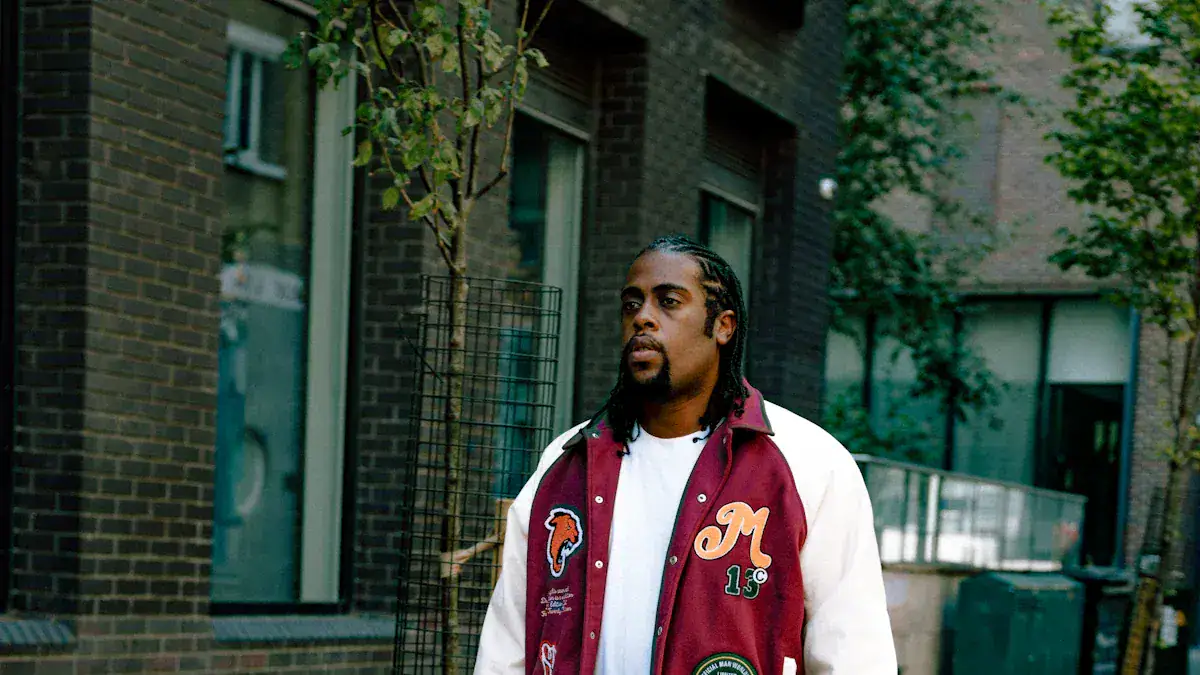
When I work with teams to design custom jackets, I always emphasize the importance of logo placement. The right placement can make a logo stand out and boost brand recognition. Most teams choose from three main areas: the front, the back, and the sleeves. Each area offers unique benefits and serves different purposes.
Front
I often recommend placing the logo on the front of the jacket. This area provides high visibility, especially during face-to-face interactions. When I meet clients or attend events, a front logo helps people identify my team quickly. The left chest is the most popular spot for a logo, as it aligns with traditional branding practices. According to recent market surveys, the recommended position for a front logo is 6 to 8 inches below the left shoulder seam. This placement ensures the logo sits at eye level and remains visible even when the jacket is unzipped.
Tip: A screen printed logo on the front works well for bold, colorful designs that need to catch attention.
Back
The back of the jacket offers the largest canvas for a logo. I use this area when I want to make a bold statement or display a larger design. The back placement is ideal for teams that participate in group events, sports, or outdoor activities. People can see the logo from a distance, which increases brand exposure in crowded settings. The best practice is to center the logo and position it 6 to 9 inches below the neck seam. This approach keeps the design balanced and professional.
| Placement Area | Recommended Position |
|---|---|
| Front | 6 to 8 inches below the left shoulder seam |
| Back | Center aligned, 6 to 9 inches below the neck seam |
Sleeves
Sleeve placement adds a unique touch to custom jackets. I suggest this option for teams that want to include secondary logos, numbers, or special symbols. Sleeve logos are less common, but they can enhance the overall design and show attention to detail. When I determine logo placement for sleeves, I consider the width and length of the sleeve to ensure the logo remains visible without overwhelming the design.
- Logo placement decisions directly impact brand visibility and recognition.
- Strategic placement enhances brand exposure and creates a lasting impression.
- Different placements serve unique purposes and contexts.
- Good design is not enough; placement significantly impacts brand recognition.
- Proper logo placement enhances customer perception of attention to detail.
I always remind teams that the placement of a logo affects both visibility and style. A well-placed logo can increase brand recognition on social media, in public settings, and during team activities. By choosing the right area for your logo, you can reinforce professionalism and make your custom jackets stand out.
Customization Choices
When I help teams design personalized jackets, I always focus on three main aspects: size, color, and style. These choices allow every group to create team uniforms that reflect their identity and stand out in any setting.
Size
Choosing the right logo size is essential for both visibility and aesthetics. I usually recommend a larger logo for the back of personalized jackets, especially when teams want to make a bold statement. For the front, a smaller logo on the left chest works best. This placement keeps the design professional and ensures the logo does not overpower the jacket. Sleeve logos often require a compact size to fit the narrow space. I always check the jacket’s dimensions before finalizing the logo size. Some methods, like embroidery, may limit the maximum size due to stitching constraints. Printing and heat transfer offer more flexibility for larger or more detailed logos on personalized team uniforms.
Color
Color selection plays a huge role in the overall look of personalized jackets. I encourage teams to choose colors that match their brand or school spirit. Embroidery allows for a wide range of thread colors, but extremely intricate color gradients may not translate well. Screen printing excels at producing vibrant, solid colors, making it ideal for bold team uniforms. Heat transfer methods can handle detailed, multi-colored graphics, which is perfect for personalized designs with complex artwork. However, some materials, such as heavy denim or insulated jackets, may not work well with screen printing. I always test color samples on the actual jacket material to ensure the final result matches expectations.
Here is a quick overview of customization methods and their limitations:
| Customization Method | Description | Limitations |
|---|---|---|
| Embroidery | Involves stitching a design directly onto the fabric, resulting in a durable finish. | May be limited by design complexity. |
| Screen Printing | Applies ink using a mesh stencil, ideal for vibrant colors and bulk orders. | Less suitable for thicker fabrics like insulated jackets or heavy denim. |
| Heat Transfers | Uses a heat press for small, detailed graphics, allowing for quick customization. | May not hold up as well under strenuous conditions compared to other methods. |
Tip: I always recommend reviewing a sample before finalizing color choices for personalized jackets.
Style
Style customization lets teams express their unique identity through personalized jackets. I work with clients to select fonts, logo shapes, and additional design elements that match their team uniforms. Embroidery gives a classic, textured look, while screen printing and heat transfer offer modern, flat finishes. Some teams prefer a vintage style with embroidered patches, while others choose sleek, minimalist graphics for a contemporary feel. The jacket material can influence style options. For example, nylon jackets pair well with heat transfer logos, while cotton jackets look great with embroidered or printed designs. I always balance style preferences with practical considerations, such as durability and comfort, to ensure the personalized jackets meet every team’s needs.
Personalized jackets offer endless possibilities for team uniforms. By carefully considering size, color, and style, I help teams create personalized outerwear that looks professional and feels unique. Every detail matters when designing personalized jackets that represent your team with pride.
Legal Considerations for Logos
When I help teams design custom jackets, I always discuss the legal aspects of using a logo. Many people overlook these details, but ignoring them can lead to serious problems. I want every team to understand the importance of respecting trademark rights and securing proper permission before adding a logo to their jackets.
Trademark Rights
I always check if a logo is trademarked before starting any design work. Trademark laws protect logos as intellectual property. If a team uses a logo without permission, they risk violating these laws. I have seen organizations face lawsuits and pay damages because they used a trademarked logo on custom jackets. Trademark owners can send cease and desist letters or take legal action to protect their brand.
Here are some important points I consider about trademark rights:
- Using a trademarked logo for personal use may seem harmless, but it can still cause legal issues if it suggests endorsement or affiliation.
- Even personal use of a logo should be approached with caution to avoid brand dilution.
- Concerns of infringement arise if the logo implies a connection with the trademark owner.
- Trademark infringement and dilution claims can result in lawsuits, statutory damages, and attorney’s fees.
- Trademark owners actively defend their logos and may pursue legal remedies against unauthorized use.
I always advise teams to avoid using any logo that belongs to another company or organization unless they have explicit permission.
Permission
Securing permission is a critical step in the custom jacket process. I never use a logo unless the team owns it or has written authorization from the trademark holder. This protects the team from legal complications and shows respect for intellectual property.
When I work with clients, I recommend these best practices:
- Use original logos created by the team or organization.
- Obtain written permission from the trademark owner if the logo is not original.
- Avoid using logos that could confuse people or imply a false affiliation.
- Review all agreements and keep documentation of permissions for future reference.
- Consult with legal professionals if there is any uncertainty about logo rights.
Note: I always remind teams that unauthorized use of a logo can lead to lawsuits, financial penalties, and damage to their reputation.
By following these guidelines, teams can confidently add a logo to their custom jackets without risking legal trouble. I believe that respecting trademark rights and securing permission ensures a smooth and professional customization process.
Ordering Custom Jackets with Logos
Ordering custom jackets with logos requires careful planning and clear communication. I always follow a structured process to ensure every team receives high-quality jackets that match their vision. Here is my step-by-step guide:
Steps
Choose Style
I start by selecting the style of jacket that fits the team’s needs. I consider material, color, and features such as zippers or hoods. I also decide where to place the logo—most teams prefer the left or right chest, but some request additional placements on the back or sleeves. I specify these details in the notes section during checkout.
Submit Artwork
Next, I create or upload the logo using the supplier’s design studio. I make sure the logo size stays under 3 inches tall by 4 inches wide for chest placement. I use block fonts at least 1/4 inch tall and avoid fine details smaller than 1/16 inch wide. I always submit high-quality, original files. Vector artwork files work best for crisp results. I include Pantone color codes to ensure color accuracy and specify the preferred print size and placement.
| File Type | Description |
|---|---|
| .CDR | CorelDraw (preferred) |
| .AI | Adobe Illustrator |
| .EPS | Encapsulated PostScript |
| .SVG | Scalable Vector Graphics |
| Vector-based only | |
| .PSD | Photoshop (high-resolution) |
| .TIFF | Tagged Image File Format |
| .PNG | Minimum 300 DPI |
| .JPG | Minimum 300 DPI |
Approve Proof
After submitting artwork, I review the art proof provided by the supplier. I check every detail, including logo placement, colors, and sizing. I confirm that the proof matches my expectations before production begins. This step helps prevent costly mistakes and ensures the jackets look professional.
Place Order
Once I approve the proof, I finalize the order. I confirm the quantity, sizes, and delivery method. I arrange for delivery or pickup based on the team’s schedule. I keep a copy of the sales confirmation order for reference.
Tips
Communicate Clearly
I establish clear expectations with the supplier regarding product quality, design specifications, delivery timelines, and pricing. I use visual references such as sketches or mood boards to convey the desired style. I maintain regular follow-ups to keep the production process on track.
| Strategy | Description |
|---|---|
| Establish clear expectations | Outline product quality, design, delivery, and pricing requirements. |
| Use visual references | Share sketches or images to show the desired look. |
| Maintain regular follow-ups | Schedule check-ins to monitor progress and address issues early. |
Review Samples
I always request samples before placing a large order. Reviewing samples lets me check the jacket’s material, logo quality, and overall fit. This step helps me avoid surprises and ensures the jackets meet the team’s standards.
Tip: I recommend working closely with sales representatives and graphic designers to create print-ready artwork and accurate proofs.
By following these steps and tips, I streamline the ordering process and deliver custom jackets that teams wear with pride.
Costs and Requirements
Minimum Orders
When I help teams order custom jackets, I always check the supplier’s minimum order quantity. Some suppliers require large orders, while others offer more flexibility. For example, Aolafree sets a minimum order of 150 pieces. Printful does not require a minimum order, which works well for small teams or special events. I compare suppliers before making a decision. Large orders often unlock better pricing, but small orders allow teams to test quality before committing. Here is a quick reference table I use when discussing options with clients:
| Supplier | Minimum Order Quantity |
|---|---|
| Aolafree | 150 pieces |
| Printful | No minimum |
Tip: I always recommend confirming the minimum order policy before starting the design process. This step helps avoid surprises and ensures the team’s needs match the supplier’s requirements.
Artwork Files
Supplying the correct artwork file is essential for a crisp, professional logo. I always ask clients to provide high-resolution files in accepted formats. Most suppliers prefer vector files because they scale without losing quality. Common vector formats include AI, EPS, PDF, and SVG. Raster files, such as Photoshop EPS, PSD, TIFF, JPEG, and PNG, are also accepted, but they must be high resolution to avoid pixelation. I keep a checklist of accepted formats to streamline the process:
| Type | Formats |
|---|---|
| Vector | .AI, .EPS, .PDF, .SVG |
| Raster | Photoshop EPS, PSD, TIFF, JPEG, PNG, PDF |
I also work with these file types:
- AI
- EPS
- SVG
- CDR
- PNG
- JPG
- TIF
- GIF
- BMP
Note: I always verify the artwork file requirements with the supplier before submitting a logo. This step ensures the logo appears sharp and accurate on every jacket.
Pricing Factors
Pricing for custom jackets with logos depends on several key factors. I always explain these variables to clients so they can budget effectively. Material quality plays a major role in cost. Premium fabrics increase the price, while basic materials keep costs lower. The reputation of the brand also influences pricing. Well-known suppliers may charge more for their expertise and reliability. Customization options, such as the number and complexity of logos, directly affect the final price. Ordering more jackets often leads to bulk discounts, which I encourage for larger teams. Additional features, like waterproofing or extra pockets, add to the overall cost. Production timelines matter too; rush orders usually cost more. After-sale services, such as warranty or support, can impact the total price.
Key pricing factors I consider:
- Material quality
- Brand reputation
- Customization options (number and complexity of logos)
- Quantity ordered (bulk pricing)
- Additional jacket features
- Production timelines (rush orders)
- After-sale services
Tip: I always request a detailed quote from the supplier before placing an order. This step helps teams understand all costs and make informed decisions.
Benefits of Custom Jackets with Logos
Team Unity
I have seen firsthand how custom jackets with a logo transform a group into a unified team. When every member wears the same jacket, the sense of belonging grows stronger. I notice that team members feel proud to represent their group, especially when the logo stands out. Wearing matching jackets acts as a visible reminder of affiliation, which strengthens bonds among the team. I often observe these benefits in action:
- Custom jackets with a logo enhance each team member’s sense of belonging.
- They create pride by representing the group visually.
- Wearing branded jackets serves as a daily reminder of team affiliation, which helps build stronger connections.
I believe that when teams invest in custom jackets, they invest in unity and morale. The logo becomes a symbol that everyone rallies around, making the team feel more connected and motivated.
Brand Visibility
Custom jackets with a logo offer powerful advantages for brand visibility. I always recommend strategic logo placement to maximize recognition. The size and prominence of the logo on a jacket make it easy for others to notice the brand, even in crowded environments. I have seen organizations benefit from these jackets in several ways:
- Custom jackets act as mobile advertisements, increasing brand visibility wherever the team goes.
- Strategic logo placement enhances brand recognition and recall.
- Wearing matching jackets boosts professionalism, which improves brand perception.
- Branded jackets create emotional connections, making customers feel valued and more likely to promote the brand.
- Jackets serve as mobile billboards, exposing the logo to a wider audience every day.
- Employees and loyal customers who wear these jackets feel proud, which strengthens their loyalty to the brand.
I always encourage teams to use custom jackets as part of their marketing strategy. The logo on each jacket helps the team stand out and keeps the brand top-of-mind for clients and the public.
Promotion
Custom jackets with a logo serve as stylish outerwear and effective promotional tools. I often use these jackets to showcase the team during events, trade shows, or community activities. The logo draws attention and sparks conversations, which helps promote the team and its mission. I find that custom jackets offer several promotional benefits:
- They provide a professional look that attracts positive attention.
- The logo on the jacket makes it easy for people to identify the team at events.
- Custom jackets help teams build a strong reputation by presenting a unified image.
- Wearing branded jackets encourages team members to act as ambassadors, spreading awareness wherever they go.
Tip: I always advise teams to choose high-quality jackets and a clear logo design to maximize promotional impact.
Custom jackets with a logo unify the team, boost brand visibility, and promote the organization in style. I have seen teams benefit from these jackets in every setting, from the office to the playing field.
Adding a logo to custom jackets is a smart move for any team. I see how embroidery, printing, and patches offer flexibility for different materials and styles. Strategic logo placement—on the chest, back, or sleeves—boosts visibility and team unity. I always check trademark rights and secure permission before production. Here are the key takeaways:
| Key Takeaway | Description |
|---|---|
| Branding | Jackets reinforce team spirit and corporate branding. |
| Team Unity | Matching jackets foster belonging and pride. |
| Strategic Logo Placement | Placement drives effective marketing and recognition. |
| Material Choices | The right fabric enhances comfort and durability. |
I recommend brainstorming designs, reviewing samples, and working with reputable suppliers. Start designing your custom jackets today and let your team’s logo shine.
FAQ
Can I add my team’s logo to any jacket style?
I can add a logo to most jacket styles, including bomber, fleece, and windbreakers. I always check the material and design to ensure the logo application method works well.
What file format should I use for my logo artwork?
I prefer vector formats like AI, EPS, or SVG. These files keep the logo sharp and scalable. High-resolution PNG or JPG files also work if vector files are unavailable.
How long does it take to receive custom jackets with logos?
Production usually takes 10 to 15 business days after I approve the proof. Rush options may be available, but I recommend planning ahead for best results.
Is there a minimum order requirement for custom jackets?
Some suppliers require a minimum order, while others allow single pieces. I always confirm the policy before placing an order to match my team’s needs.
Can I use copyrighted logos on custom promotional apparel?
I never use copyrighted logos without written permission. I always create original designs or secure authorization to avoid legal issues.
What is the most durable method for adding a logo?
Embroidery offers the highest durability. I choose this method for jackets that need to withstand frequent wear and washing.
Where should I place the logo for maximum visibility?
I recommend placing the logo on the left chest or center back. These areas provide the best visibility and help promote the team’s brand.
Can I see a sample before ordering a large batch?
I always request a sample to review logo quality, placement, and jacket material. This step helps me avoid surprises and ensures satisfaction.