

Uniform policy at Ramsey Middle School
Table of Contents
Display
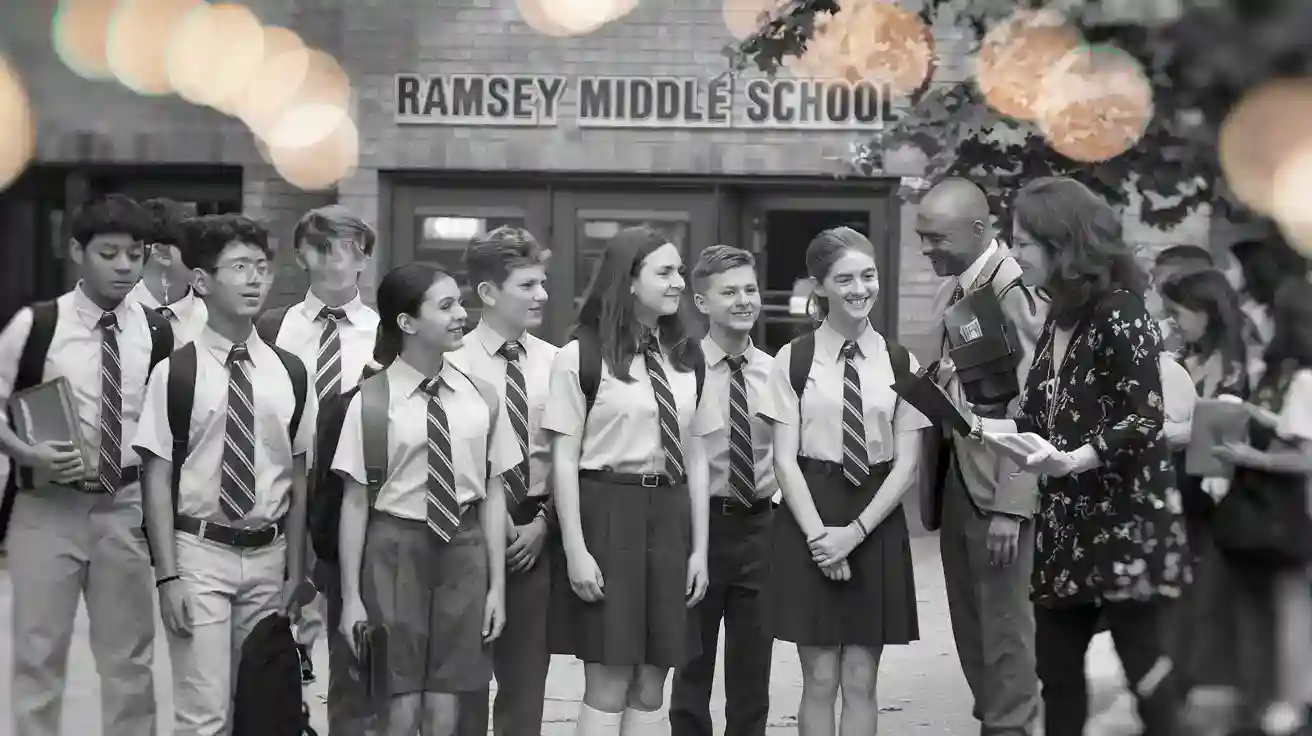
I want to clarify a common question about Ramsey Middle School. The school does not require uniforms for students. Instead, it enforces a dress code policy. Most middle schools in the United States do not have uniform policies; only about 18% require uniforms, while dress codes are much more common. I always check the official school guidelines to understand what clothing is considered appropriate.
Uniforms: required at about 18% of middle schools
Dress codes: more common, but specific percentages not listed
Key Takeaways
Ramsey Middle School does not require uniforms but has a dress code that allows personal style.
The dress code aims to create a safe and respectful learning environment for all students.
Students should wear clothing that covers their bodies and avoids offensive language or images.
Prohibited items include crop tops, overly short skirts, and clothing promoting drugs or violence.
Footwear must be safe and supportive; closed-toe shoes are recommended for daily wear.
Students can express their style on non-uniform days, but the dress code still applies.
The school respects religious and medical exceptions to the dress code.
For questions about the dress code, students should refer to the student handbook or ask staff for help.
Ramsey Middle School Dress Code Policy

Overview
I want to make it clear that Ramsey Middle School does not have a uniform policy. Instead, the school enforces a dress code policy. The difference matters. A uniform policy requires all students to wear the same clothing every day, such as specific shirts and pants with the school logo. A dress code policy sets standards for what students can wear but allows for personal choice and style. I see that the dress code policy at Ramsey Middle School aims to create a safe and respectful learning environment. The code outlines what is considered appropriate and inappropriate clothing for students.
I have noticed that the dress code at Ramsey Middle School shares similarities with other schools in the Salem-Keizer School District. Students across the district have voiced concerns that the code can feel discriminatory, especially for female students. The official code prohibits clothing that exposes midriffs and certain tops. Many students say these rules affect them more than male students. Some have reported feeling embarrassed or body-shamed when staff enforce the code. The district is working to revise the dress code to be more inclusive and body-positive. I believe this change will help students feel more comfortable and respected at school.
Appropriate School Clothing
When I review the dress code policy, I see clear guidelines for what students should wear. The school expects students to dress in a way that supports a positive and distraction-free environment. Here are some examples of appropriate school clothing:
Shirts with sleeves or wide straps
Pants, jeans, shorts, or skirts that fit properly and do not expose undergarments
Dresses that cover the shoulders and midriff
Shoes that are safe for walking and physical activity
I always remind students to choose clothing that covers the body and does not display offensive language or images. The school encourages students to express themselves through their clothing, as long as they follow the code. I notice that the girls’ dress code and boys’ dress code both require modesty and comfort. The standards apply to all students, regardless of gender.
Tip: I recommend checking the student handbook for a full list of approved clothing items. The handbook provides examples and pictures to help students understand the code.
Prohibited Items
The dress code policy at Ramsey Middle School lists several items that students cannot wear. I want to highlight the most common prohibited items:
Clothing that exposes the midriff, such as crop tops
Shorts or skirts that are too short
Clothing with offensive or inappropriate graphics
Hats, hoods, or sunglasses inside the building
Pajamas or slippers
Items that promote drugs, alcohol, or violence
I have seen students get reminders from staff when they wear prohibited items. The code aims to prevent distractions and maintain a respectful atmosphere. The school does not allow clothing that could make other students feel uncomfortable or unsafe. I encourage students to review the code before choosing their outfits each morning.
Note: The district is updating the dress code to address concerns about fairness and inclusivity. I expect future changes will make the policy more supportive of all students.
Guidelines by Category

Tops
I always pay close attention to the guidelines for tops at Ramsey Middle School. The school wants students to wear tops that support a respectful and distraction-free environment. I see that the policy lists several types of clothing that students should avoid. Here are the main rules for tops:
Clothing with profanity or inappropriate slogans and images is not allowed.
Revealing clothing, such as tops that expose the midriff or chest, is prohibited.
Coats, jackets, and gloves should not be worn inside the classroom.
Head coverings, including hats, caps, hoods, hoodies, doo-rags, bonnets, or bandanas, are not permitted indoors.
Head or hair coverings for religious purposes are allowed.
I remind students to choose tops that cover the shoulders and midriff. I notice that many students like to express their style, but I encourage them to select options that meet the school’s standards. I often see students wearing T-shirts, polos, or blouses that fit comfortably and do not distract others. When students follow these guidelines, they help create a positive learning environment.
Tip: I suggest checking your top before leaving home. If you are unsure whether it meets the dress code, ask a parent or guardian for advice.
Bottoms
The school also provides clear rules for bottoms. I see students wearing a variety of pants, shorts, and skirts, but the school expects everyone to follow specific guidelines. Here are the main points:
Shorts and skirts must be long and loose enough to allow freedom of movement. They should extend past the student’s fingertips when arms are at their sides.
Leggings, sweatpants, spandex, or flannel pants are acceptable. Students may wear these under a skirt or shorts for extra comfort.
I encourage students to choose bottoms that fit well and do not expose undergarments. I notice that many students prefer leggings or sweatpants for comfort, especially during colder months. I always remind students that the length of shorts and skirts matters. If you are unsure, stand straight and check if the hem reaches past your fingertips.
Note: The school wants students to dress in a way that allows them to participate in all activities, including physical education and recess.
Footwear
Footwear plays an important role in student safety and comfort. I see students wearing many types of shoes, but the school expects everyone to select options that support movement and protect their feet. I recommend closed-toe shoes, such as sneakers or loafers, for daily wear. Sandals with straps may be allowed, but flip-flops and slippers are not suitable for school. I remind students that shoes should be sturdy and provide support for walking and running. I have seen students trip or slip when wearing shoes that do not fit well or lack grip.
Safety Alert: Always choose shoes that help you move safely in hallways, classrooms, and outdoor spaces.
Accessories
I pay close attention to the accessories students choose each day. Accessories can help students express their personalities, but the school sets clear boundaries to maintain a safe and respectful environment. I see students wearing jewelry, belts, and hair items, but not all accessories are allowed.
The school allows simple jewelry, such as stud earrings, watches, and bracelets. I notice that students often wear necklaces or rings, but I remind them to keep these items small and not distracting. Large hoop earrings or chunky necklaces can pose safety risks, especially during physical activities. I always suggest students select accessories that do not interfere with learning or movement.
Hair accessories, like headbands, scrunchies, and clips, are permitted. I see many students use these items to keep hair neat and out of their faces. The school does not allow hats, hoods, or bandanas inside the building, except for religious or medical reasons. I encourage students to respect these rules, as they help staff identify everyone easily and keep the school secure.
Belts are acceptable if they serve a practical purpose. I advise students to wear belts that fit well and do not have large buckles or decorations. Sometimes, students use belts to hold up pants or skirts, which supports the dress code’s focus on modesty and comfort.
Backpacks and bags are necessary for carrying books and supplies. The school asks students to keep bags in lockers during class to prevent clutter and accidents. I remind students to choose bags that are sturdy and easy to carry.
Some accessories are not allowed. The school prohibits items that could be dangerous or distracting. Here is a quick table to show what is allowed and what is not:
Allowed Accessories | Prohibited Accessories |
|---|---|
Stud earrings | Large hoop earrings |
Watches | Spiked jewelry |
Simple necklaces | Chains or wallet chains |
Hair bands/scrunchies | Hats, hoods, bandanas (indoors) |
Belts | Sunglasses (indoors) |
Tip: I always check my accessories before leaving home. If I am unsure about an item, I ask a parent or teacher for advice.
I believe accessories should help students feel confident without causing distractions. The school’s rules support a positive learning environment. I encourage students to express themselves, but I remind them to follow the guidelines. When students respect the dress code, everyone benefits.
Exceptions and Special Cases
Non-Uniform Days
I notice that Ramsey Middle School schedules non-uniform days several times each semester. On these days, I see students enjoy more freedom in their clothing choices. I always remind students that the dress code still applies, even when uniforms are not required. The school expects everyone to follow basic guidelines to keep the environment safe and respectful.
Here is what I observe about dress code expectations on non-uniform days:
Clothing must be appropriate and cannot be a health or safety hazard, obscene, or discriminatory.
Students must wear a top and a bottom that cover all private parts.
Secure shoes are required on lab days.
No hate speech or obscene words or images on clothing.
I encourage students to express their style while respecting these rules. I see many students wear colorful shirts, jeans, and creative accessories. I always check that shoes are secure, especially when science labs are scheduled. I remind students that the school does not allow clothing with hate speech or offensive graphics. I believe these guidelines help everyone feel comfortable and safe.
Tip: I suggest planning your outfit ahead of time for non-uniform days. If you are unsure about an item, ask a teacher or check the student handbook.
Religious or Medical Exceptions
I understand that some students need exceptions to the dress code for religious or medical reasons. The school recognizes and respects these needs. I have seen students wear head or hair coverings for religious purposes, such as hijabs, turbans, or yarmulkes. The dress code policy allows these items without question.
If a student requires a medical exception, I recommend speaking with the school nurse or counselor. The school reviews requests on a case-by-case basis. I have noticed that staff members work with families to find solutions that support both health and dress code standards.
I believe that honoring religious and medical needs helps create an inclusive environment. I encourage students and families to communicate openly with the school if they need an exception. I see that the school values diversity and works to accommodate everyone.
Note: If you need a religious or medical exception, contact the main office or speak with a trusted staff member. The school will guide you through the process.
Enforcement at School
Consequences
I have seen how Ramsey Middle School enforces the dress code policy with consistency and fairness. Staff members receive training to recognize violations and address them respectfully. When I walk through the halls, I notice that teachers and administrators monitor student attire throughout the day. They use the code as a guide to help students meet the standards set by the school.
When a student violates the dress code, staff usually start with a private conversation. I have observed that most issues resolve quickly when students understand what part of their clothing does not meet the code. Staff members explain the specific rule and offer suggestions for how to fix the problem. Sometimes, students can adjust their clothing on the spot. For example, a student might pull down a shirt or borrow a jacket from the office.
If a student cannot correct the violation immediately, the school provides options. I have seen students call home for a change of clothes or borrow something from the school’s supply. The goal is to help students return to class as soon as possible. The school does not want to embarrass anyone or disrupt learning.
Repeated violations lead to more serious consequences. I have noticed the following steps in the process:
First Violation: Staff give a verbal warning and explain the code.
Second Violation: The school contacts parents or guardians and documents the incident.
Third Violation: The student may receive detention or lose certain privileges.
Ongoing Violations: The school may schedule a meeting with the student, family, and counselor to discuss solutions.
Note: The school always tries to handle dress code issues privately. Staff want students to feel respected and supported.
The code aims to teach responsibility, not to punish. I believe that clear communication and fair enforcement help students understand the importance of following the standards.
Appeals
I know that sometimes students or families disagree with a dress code decision. Ramsey Middle School offers an appeals process to ensure fairness. If a student feels that a staff member enforced the code unfairly, they can ask for a review.
The appeals process works in several steps:
The student or parent contacts the main office to explain the concern.
The school reviews the incident and listens to both sides.
Administrators check the dress code policy and compare it to the situation.
The school communicates the decision to the student and family.
If the student still disagrees, they can request a meeting with the principal. I have seen the school take these concerns seriously. Staff want to make sure that the code is applied equally to all students. The appeals process helps the school improve its standards and address any misunderstandings.
Tip: If you have questions about a dress code decision, speak up. The school values open communication and wants every student to feel heard.
I believe that a fair enforcement system builds trust between students and staff. When everyone understands the code and the reasons behind it, the school community becomes stronger.
Finding Official Dress Code Information
Student Handbook
When I want to understand the dress code at ramsey middle school, I always start with the student handbook. The handbook gives the most detailed explanation of what the school expects from students. I find that it covers every part of the dress code, including examples and clear descriptions. The handbook usually comes home with students at the start of the year. I recommend keeping it in a safe place for easy reference.
I like how the handbook uses simple language and sometimes includes pictures. These visuals help me see exactly what is allowed and what is not. If I have a question about a specific item of clothing, I check the handbook first. I also notice that the handbook explains the reasons behind each rule. This helps me understand why the school sets certain standards.
Tip: If you lose your handbook, you can ask the main office for another copy or check the school’s website for a digital version.
I encourage students and parents to read the dress code section together. This way, everyone knows what to expect before the first day of school. I also suggest highlighting important parts or making notes in the margins. This makes it easier to find answers quickly.
School Communication
I have learned that the school uses several ways to share updates about the dress code. I often receive emails or newsletters with reminders about dress code changes or special events. These messages help me stay informed about any updates during the year. Sometimes, the school sends automated phone calls to families with important announcements.
I also check the school’s website for the latest information. The website usually posts updates, policy changes, and answers to common questions. I find that the FAQ section is especially helpful when I need quick answers. If I still have questions, I contact the main office or talk to a teacher.
Here is a quick list of ways I get dress code information from the school:
Student handbook (print and online)
Email newsletters
Automated phone calls
School website and FAQ page
Direct contact with staff
Note: I always keep an eye on my email and check the website before each new semester. This helps me avoid surprises and stay prepared.
I believe that using these resources makes it easy to follow the dress code. When I stay informed, I feel more confident about my clothing choices and help create a positive environment at school.
I see that the dress code policy at Ramsey Middle School sets clear standards for students. The code helps create a safe and respectful school environment. I notice that following the code supports learning and helps everyone feel comfortable.
The code lists what clothing is allowed and what is not.
The school enforces the code fairly and offers support when needed.
Tip: I always check the student handbook or contact the school for updates about the code.
FAQ
What should I do if I forget the dress code rules?
I always check the student handbook first. The handbook lists every rule. If I still feel unsure, I ask a teacher or visit the school website. Staff help me understand what is allowed.
Can I wear athletic wear to school?
I wear athletic wear like sweatpants or leggings when I want comfort. The school allows these items if they fit well and do not expose undergarments. I avoid wearing athletic shorts that are too short.
Are piercings and tattoos allowed?
I see students with small earrings and simple piercings. The school allows these if they do not distract others or pose safety risks. Tattoos must stay covered. I ask staff if I have questions about body art.
What happens if my clothing violates the dress code?
Staff talk to me privately and explain the rule. I fix my clothing if possible. If I cannot, I borrow something from the office or call home. Repeated violations lead to warnings, parent contact, or detention.
How do I request a religious or medical exception?
I speak with the main office or a trusted staff member. The school reviews my request and helps me find a solution. I know the school respects my needs and works with my family.
Where can I find updates about the dress code?
I check my email and the school website for updates. The school sends newsletters and phone calls with reminders. I always read the student handbook at the start of each year.