

How OEM and ODM Impact Gas Station Workwear Quality
Table of Contents
Display
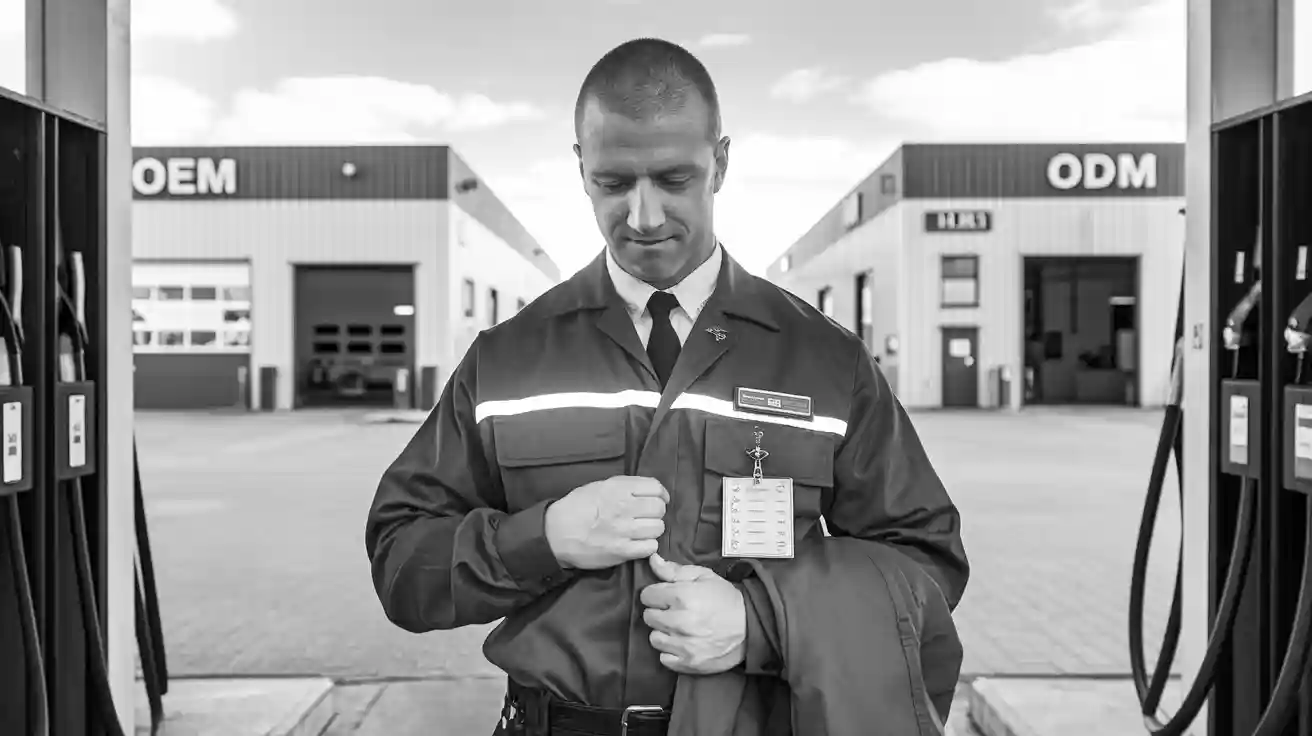
I see firsthand how the right choices in manufacturing models, such as OEM and ODM, shape the quality of gas station workwear. High-quality uniforms do more than meet compliance—they drive real results for businesses. For example:
Flame-resistant uniforms improve worker safety and reduce costs.
A switch to better uniforms helped one company save $150,000 annually.
Employees feel more motivated when provided with gear that meets safety standards.
Selecting between OEM and ODM models can determine whether your uniforms offer these advantages.
Key Takeaways
OEM manufacturing offers complete control over design, allowing for customized uniforms that meet specific safety and branding needs.
ODM manufacturing provides quicker market entry with pre-designed solutions, making it ideal for businesses needing standardized uniforms fast.
High-quality materials and reinforced stitching in OEM workwear enhance durability, reducing replacement costs and improving employee safety.
Choosing OEM can lead to significant cost savings in the long run, as seen in a case where a company saved $150,000 annually by upgrading uniforms.
Quality assurance is crucial in OEM; manufacturers implement strict checks to ensure compliance with safety standards.
ODM is cost-effective and efficient, but it limits customization options, which may affect brand differentiation.
Assess your business needs carefully; choose OEM for unique branding and quality control, and ODM for speed and lower costs.
Always review supplier capabilities and request samples to ensure the chosen manufacturing model aligns with your quality and design expectations.
OEM and ODM Basics
OEM Defined
When I work with an original equipment manufacturer, I see a process that puts my needs first. OEM means the manufacturer builds gas station workwear based on my exact designs and requirements. I can choose the fabric, the stitching, and even the smallest details. This approach gives me full control over the final products. I rely on oem services to ensure my uniforms meet strict safety and branding standards.
A key part of oem manufacturing is quality assurance. The manufacturer uses certifications and employs quality control staff. This ensures high compliance rates and consistent results. Here is a quick overview:
Key Attribute | Description |
|---|---|
Customization | Offers complete design flexibility, allowing for specific fabric choices and stitching details. |
Quality Assurance | Utilizes certifications and employs quality control staff to ensure high compliance rates. |
I trust oem services when I need custom solutions and want to maintain high standards for my gas station workwear.
ODM Defined
When I choose an original design manufacturer, I get a different experience. ODM means the manufacturer designs and produces the products independently. I select from their existing catalog or request minor adjustments. This model works well when I want to enter the market quickly or reduce research and development costs.
ODM manufacturing focuses on efficiency. The manufacturer handles the design, so I do not need to invest in creating new concepts. I can rely on their expertise to deliver reliable products. However, I may have less control over the final look and feel of my uniforms.
Key Differences
I often compare oem and odm to decide which fits my business goals. The main difference lies in control and innovation. OEM gives me the power to shape every detail, while ODM offers speed and lower investment.
The choice between these models also affects my supply chain strategy. Here is a table that summarizes the impact:
Model | Description | Advantages | Disadvantages |
|---|---|---|---|
OEM | Manufactures products based on client designs | Streamlined production | Limited innovation |
ODM | Designs and produces products | Reduced R&D investment, faster market entry | Difficulty in differentiation, potential IP risks |
When I need unique gas station workwear, I turn to oem manufacturing. If I want to save time and money, odm manufacturing becomes the better option. Each manufacturer brings different strengths to the table. My decision depends on whether I value customization or efficiency more.
OEM in Gas Station Workwear
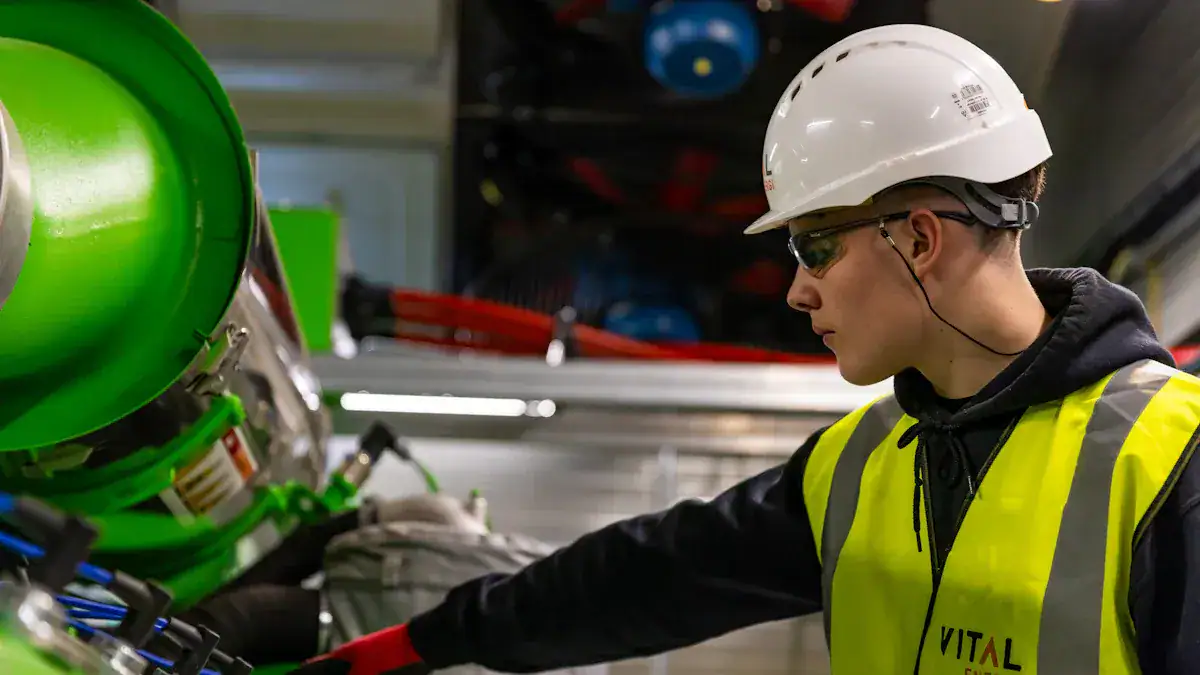
OEM Quality
Custom Specs
When I choose an original equipment manufacturer for gas station workwear, I gain full control over every detail. I work directly with the manufacturer to specify fabric types, stitching patterns, and safety features. This process allows me to create uniforms that match my brand and meet industry regulations. I often request flame-resistant materials and reinforced seams. These custom specs help me deliver high-quality products that protect my team and promote my business image.
I find that working with oems gives me the flexibility to adjust designs as my needs change. I can update colors, add reflective strips, or include company logos. The manufacturer follows my instructions closely, ensuring the final products meet my expectations. This level of customization sets oem manufacturing apart from other models.
Quality Checks
Quality assurance stands at the core of oem manufacturing. I rely on a series of checks to guarantee high quality and reliability in every batch. The manufacturer verifies supplier credentials to confirm they meet industry standards. Regular supplier audits help me assess their quality control procedures. I inspect parts upon delivery to ensure they match my specifications.
Throughout production, the manufacturer implements a comprehensive internal quality control process. Automated inspection systems help catch defects early. Clear communication with suppliers keeps everyone aligned on quality standards. If I encounter defective parts, the manufacturer manages returns using established guidelines. Continuous improvement feedback loops allow me to enhance product quality over time.
Tip: I always ask my manufacturer about their quality assurance process before placing an order. This step helps me avoid costly mistakes and ensures my gas station workwear meets safety requirements.
OEM Material Choice
Sourcing
Material sourcing plays a critical role in oem manufacturing. I work with the manufacturer to select suppliers who provide durable and compliant fabrics. I prefer sourcing from vendors with proven track records in the industry. The manufacturer helps me evaluate options based on cost, availability, and performance.
I often request samples before making a final decision. This practice allows me to test materials for comfort and durability. Working with oems gives me access to a wide range of fabrics, including specialty textiles designed for harsh environments.
Durability
Durability remains a top priority for gas station workwear. I rely on oem manufacturing to deliver uniforms that withstand daily wear and tear. The manufacturer uses reinforced stitching and high-quality materials to extend product life. I see fewer replacements and repairs when I invest in durable workwear.
A table below highlights the benefits of focusing on durability in oem manufacturing:
Benefit | Impact on Gas Station Workwear |
|---|---|
Reinforced stitching | Reduces risk of tears and failures |
Premium fabrics | Improves comfort and longevity |
Advanced treatments | Enhances resistance to stains and fire |
Working with oems ensures my uniforms maintain their appearance and function over time. I trust the manufacturer to deliver high-quality products that support my business goals.
ODM in Gas Station Workwear
ODM Quality
Standardization
When I choose an original design manufacturer for gas station workwear, I see the benefits of standardization. ODM services provide a consistent approach to manufacturing. The manufacturer uses established designs and processes to deliver reliable products every time. I trust that each batch meets the same quality standards, which helps me avoid surprises in fit or durability.
I rely on the following quality assurance practices when working with odms:
Quality Assurance Practices | Description |
|---|---|
Rigorous Quality Control | Ensures that all products meet specific standards before reaching the market. |
Advanced Manufacturing Processes | Utilizes modern techniques to enhance the durability and functionality of workwear. |
High-Quality Materials | Employs premium fabrics that provide comfort and longevity in demanding work environments. |
Professional Design and Engineering | Involves skilled teams to create functional and safe designs tailored for gas station workwear. |
Specialized Manufacturing Techniques | Includes seam taping and reflective strip application to improve safety and visibility. |
I find that odms maintain high standards by using advanced manufacturing processes and professional engineering teams. This approach gives me confidence in the quality of the products I receive.
Efficiency
ODM services excel in efficiency. I often need to move quickly from concept to finished product. The manufacturer offers pre-designed solutions that I can adapt to my needs. This model allows me to skip lengthy development phases and start production right away.
ODM provides pre-designed solutions that can be quickly adapted, leading to faster time-to-market.
It allows for cost-effective manufacturing, especially for standardized products.
Companies can minimize development costs and time while maintaining quality.
ODM manufacturers typically have a range of pre-designed solutions that can be quickly adapted to specific needs.
This model enables businesses to skip lengthy design and development phases, moving directly into production.
When I work with odms, I reduce the time and resources needed for research and development. I appreciate how quickly I can respond to market changes and supply my team with new gas station workwear.
ODM Material Choice
Cost
Cost plays a major role in my decision to use odm services. The manufacturer leverages established production processes to keep expenses low. I avoid high upfront costs for design and prototyping. This approach works well when I need large quantities of products without sacrificing quality.
I see that odm manufacturing is highly cost-effective for standardized product needs. The manufacturer uses efficient methods to produce uniforms at scale. I benefit from lower prices and predictable expenses.
Performance
Performance remains important in odm manufacturing. I rely on the manufacturer to select high-quality materials that meet the demands of gas station workwear. The products must withstand tough environments and frequent use. I trust odm services to deliver uniforms that balance comfort, durability, and safety.
Working with odms gives me access to specialized manufacturing techniques. The manufacturer applies seam taping and reflective strips to improve safety and visibility. I see that the products perform well in real-world conditions, supporting my team and business goals.
Tip: I always review material specifications with my odm before placing an order. This step helps me ensure that the uniforms will perform as expected in demanding environments.
OEM vs ODM Comparison
Quality Control
I always pay close attention to quality control when I select a manufacturer for gas station workwear. OEM manufacturing gives me the ability to set strict standards. I work with the manufacturer to create a detailed checklist for every stage of production. I inspect raw materials, monitor assembly, and verify finished products. This process helps me maintain high quality and ensures that my uniforms meet safety requirements.
ODM manufacturing takes a different approach. The manufacturer uses standardized processes and automated systems to manage quality control. I see consistent results because the manufacturer relies on proven designs and established protocols. ODM offers faster production and fewer errors, which helps me deliver reliable products to my team. I value the efficiency of ODM, but I know that OEM gives me more control over the final outcome.
Note: I always ask for documentation of quality control procedures before I commit to a manufacturer. This step protects my investment and helps me avoid costly mistakes.
Model | Quality Control Approach | Impact on Products |
|---|---|---|
OEM | Client-driven, custom standards | High compliance, tailored quality |
ODM | Standardized, automated systems | Consistent results, efficient production |
Customization
Customization plays a major role in my decision-making process. OEM manufacturing allows me to create customized solutions that reflect my brand control and unique product differentiation. I choose fabrics, colors, and safety features that match my business needs. I work with the manufacturer to design uniforms that stand out in the market. This level of customization supports intellectual property protection and helps me build a strong brand identity.
ODM manufacturing offers limited customization. I select from existing designs and make minor adjustments. The manufacturer focuses on efficiency and faster time to market. I benefit from quick turnaround, but I sacrifice some control over the final look and feel. ODM works well when I need standardized products and want to minimize development costs.
Tip: I always consider my need for differentiation before choosing between OEM and ODM. If I want unique uniforms, I choose OEM. If I need speed and cost savings, I choose ODM.
Consistency
Consistency matters when I supply gas station workwear to multiple locations. OEM manufacturing gives me the ability to maintain strict standards across all products. I work with the manufacturer to ensure every batch meets my specifications. This approach helps me avoid variations and supports long-term brand control.
ODM manufacturing excels in consistency through standardized production. The manufacturer uses automated systems and repeatable processes to deliver uniform products. I see fewer defects and more predictable results. ODM gives me faster time to market and reliable supply, which supports my business growth.
Model | Consistency Strengths | Business Impact |
|---|---|---|
OEM | Custom standards, strict oversight | Reliable quality, strong brand control |
ODM | Automated, repeatable processes | Efficient supply, fewer defects |
I always weigh the benefits of OEM and ODM before making a decision. OEM gives me control, customization, and intellectual property protection. ODM offers efficiency, consistency, and faster time to market. My choice depends on my business priorities and the level of differentiation I need.
Pros and Cons
OEM Pros
When I select oem manufacturing for gas station workwear, I see several advantages that help my business grow. I rely on oem partners to deliver consistent results and support my operations. Here are the main benefits I experience:
Cost-effectiveness: I can order uniforms in bulk, which lowers my overall expenses and helps me manage my budget.
High quality: Every product goes through strict testing, so I know my team receives reliable and safe workwear.
Specialized technology: I gain access to advanced manufacturing techniques and expertise that I do not have in-house.
Efficient professional service: Outsourcing production allows me to focus on my core business activities while experts handle the details.
I value these strengths because they give me confidence in my supply chain and help me maintain high standards for my team.
OEM Cons
Although oem manufacturing offers many benefits, I also face some challenges that require careful management. I have learned to address these issues by working closely with my suppliers and monitoring my operations. The table below outlines the main difficulties I encounter:
Challenge | Description |
|---|---|
Labor Shortages | I sometimes struggle to find and keep skilled workers, which can slow down production. |
Inventory Management Issues | Managing stock levels is tricky. I risk overproduction or shortages if I do not plan carefully. |
Supply Chain Complexities | Coordinating with multiple suppliers and logistics partners makes timely production more difficult. |
Need for Technological Advancements | I must invest in new technologies to stay competitive and meet changing market demands. |
I address these challenges by improving my planning and investing in better systems. I also communicate regularly with my oem partners to solve problems quickly.
ODM Pros
When I choose odm manufacturing, I benefit from a streamlined process that saves me time and resources. I appreciate how quickly I can bring new products to market and respond to changes in demand. The manufacturer provides ready-made solutions, which means I do not need to spend time on design or development. I also enjoy predictable costs and efficient production schedules.
Tip: I always review the manufacturer’s catalog before making a decision. This step helps me find the best fit for my business and ensures I receive reliable workwear for my team.
ODM services help me stay flexible and competitive, especially when I need standardized uniforms for multiple locations.
ODM Cons
When I consider ODM manufacturing for gas station workwear, I always weigh the drawbacks alongside the benefits. While ODM offers speed and efficiency, I have encountered several challenges that can impact my business goals.
Limited Customization: I often find that ODM manufacturers restrict my ability to make significant changes to product design. I can usually only select from existing templates or make minor adjustments. This limitation makes it difficult for me to create uniforms that reflect my unique brand identity or meet specific safety requirements. If I want to stand out in a competitive market, I struggle with the lack of flexibility.
Potential Quality Variability: Although ODM manufacturers use standardized processes, I sometimes notice inconsistencies in product quality. The focus on mass production can lead to occasional lapses in quality control. I have received batches where stitching or material quality did not meet my expectations. These inconsistencies force me to spend extra time on inspections and sometimes result in costly returns or replacements.
Intellectual Property Risks: I remain cautious about intellectual property when working with ODM partners. Since the manufacturer owns the design, I have less control over how the product is used or sold. I have seen similar uniforms appear in the market under different brands. This overlap can dilute my brand and make it harder for me to protect my business’s unique features.
Less Brand Differentiation: I notice that ODM uniforms often look similar across different companies. Because many businesses use the same designs, I find it challenging to create a distinctive image for my gas station staff. This lack of differentiation can weaken my brand presence and make it harder to attract loyal customers.
Dependence on Manufacturer’s Catalog: I rely heavily on the manufacturer’s existing catalog. If the catalog does not include the features or styles I need, I have limited options. I sometimes feel constrained by what the ODM offers, which can slow down my response to changing market trends or new safety regulations.
Note: I always review sample products and clarify customization options before committing to an ODM supplier. This step helps me avoid surprises and ensures the uniforms meet my minimum standards.
In my experience, ODM manufacturing works best when I prioritize speed and cost over uniqueness and control. However, I stay vigilant about these cons to ensure my gas station workwear aligns with my business objectives.
Choosing the Right Model
Assess Needs
When I start the process of selecting between oem and odm for gas station workwear, I always begin by assessing my business needs. I look at my budget, timeline, and the level of product uniqueness I want. If I need complete control over design and branding, I lean toward oem. If I want a faster solution and lower costs, I consider odm. I also evaluate my in-house design capabilities. If my team lacks expertise, odm offers accessible options.
I use the following table to compare criteria for both models:
Criteria | OEM | ODM |
|---|---|---|
Budget | Higher upfront costs for design and tooling | More budget-friendly entry point |
Timeline | Longer turnaround times | Generally faster due to pre-existing designs |
Product uniqueness | Complete design control | Less distinct, may resemble competitors’ products |
In-house design capabilities | Requires internal expertise | Accessible for those without design teams |
Long-term brand goals | Better for unique, proprietary products | May not align with strong brand identity goals |
Supply chain integration | Needs careful consideration | Must evaluate fit with existing operations |
I always match these criteria to my business priorities before moving forward.
Supplier Evaluation
After I define my needs, I evaluate potential manufacturers. I check their experience in manufacturing gas station workwear and review their production capabilities. I ask for samples of their products to inspect quality and durability. I also look at their track record with oem and odm projects. I want a manufacturer who understands my requirements and can deliver consistent results.
I create a checklist for supplier evaluation:
Review manufacturer’s portfolio for relevant experience.
Request product samples for quality inspection.
Assess production capacity and lead times.
Confirm ability to handle oem or odm manufacturing.
Check references from other clients.
Tip: I always visit the manufacturer’s facility if possible. Seeing their production process firsthand helps me make a confident decision.
Decision Guide
I use a decision-making framework to choose the best model for my business. I focus on my core values, available capital, and long-term goals. If uniqueness and brand control matter most, I select oem. If speed and marketing are my priorities, I choose odm. I also consider whether I want to build a long-term brand asset or focus on efficient production.
Here is a table that summarizes my approach:
Criteria | Choose OEM | Choose ODM |
|---|---|---|
Core Value | Uniqueness | Marketing and Speed |
Capital and Time | High upfront costs and longer ROI timeline | Limited budget and quick market entry |
Long-Term Brand Asset | Complete control over product evolution and quality | Focus on brand and customer service, not uniqueness |
I follow these steps to guide my decision:
Choose oem if I want unique products and have the resources for development.
Choose odm if I need fast, cost-effective solutions for standardized products.
Note: I always align my choice with my business strategy and future growth plans. The right model supports my goals for quality, customization, and supply chain efficiency.
Case Studies
OEM Success
I worked with a regional fuel company that wanted uniforms tailored to their safety standards and branding. The company needed flame-resistant jackets with custom reflective patterns. I collaborated with an OEM partner to design every detail. The manufacturer sourced premium fabrics and followed strict quality checks. The uniforms matched the company’s colors and included embroidered logos. Employees reported improved comfort and safety. The company saw a reduction in workplace incidents. The uniforms lasted longer than previous versions, which lowered replacement costs.
Tip: I always recommend requesting prototypes from OEM suppliers before full production. This step helps identify design flaws early.
ODM Solutions
I partnered with a national convenience store chain that required quick delivery of standardized uniforms. The chain chose ODM manufacturing for efficiency. The supplier offered a catalog of pre-designed shirts and pants. I selected styles that fit the company’s needs and requested minor adjustments, such as adding name tags. The ODM manufacturer used automated production lines to ensure consistency. The uniforms arrived on schedule and met basic safety requirements. The chain saved money on development and received reliable products for all locations.
ODM helped the chain:
Launch new uniforms in less than two months
Reduce costs by 20%
Maintain consistent appearance across stores
Industry Lessons
I learned that choosing between OEM and ODM depends on business goals. OEM works best when I need unique features and strict quality control. ODM suits companies that want speed and cost savings. I always assess my priorities before selecting a model. I review supplier capabilities and request samples. I compare durability, customization, and delivery times. Real-world examples show that both models can improve gas station workwear, but the right choice depends on specific needs.
Model | Best For | Key Benefit | Common Challenge |
|---|---|---|---|
OEM | Custom safety features | Full customization | Longer lead times |
ODM | Fast market entry | Cost efficiency | Limited uniqueness |
Note: I always document lessons learned from each project. This practice helps me refine my approach and achieve better results in future uniform orders.
I see clear differences between OEM and ODM when I choose gas station workwear. OEM gives me full control and customization, while ODM offers speed and cost savings. I select OEM for unique branding and strict quality. I pick ODM for fast, efficient supply. Before I decide, I always match my business goals to the strengths of each model.
OEM: Custom, high-quality, brand-focused
ODM: Fast, cost-effective, standardized
I recommend reviewing your priorities and supplier capabilities before making your final choice.
FAQ
What is the main difference between OEM and ODM for gas station workwear?
I see OEM as a model where I control every detail of the uniform. ODM gives me ready-made designs with limited changes. OEM suits unique branding. ODM works best for fast, standardized solutions.
How do I choose the right supplier for OEM or ODM uniforms?
I always review supplier portfolios and request samples. I visit facilities when possible. I check production capacity and ask for references. This process helps me select a reliable partner for my workwear needs.
Can I customize safety features with ODM workwear?
I find ODM offers minor adjustments, such as adding reflective strips or name tags. If I need advanced safety features, I choose OEM. ODM limits my ability to create unique protective elements.
Does OEM cost more than ODM?
I notice OEM usually requires higher upfront investment for design and tooling. ODM provides a more budget-friendly entry point. I weigh my priorities before deciding which model fits my budget.
How do OEM and ODM impact delivery times?
I experience longer lead times with OEM due to custom development. ODM delivers faster because the designs already exist. I choose ODM when I need uniforms quickly.
Will my brand stand out more with OEM or ODM uniforms?
I use OEM to create distinctive uniforms that reflect my brand. ODM uniforms often look similar to competitors. If brand identity matters, I select OEM for full customization.