

How Important is Rain Jacket Scratch Resistance?
Table of Contents
Display
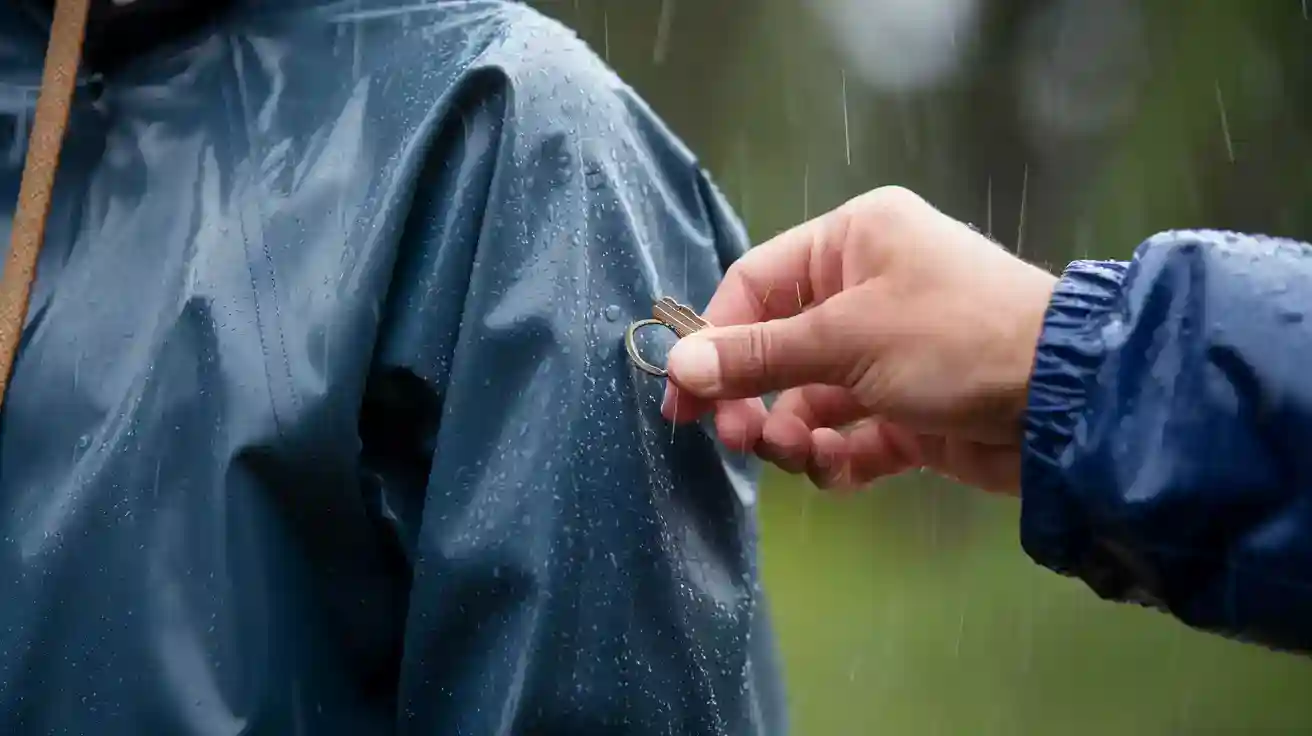
Rain Jacket Scratch Resistance plays a key role in protecting the outer shell from damage. I find that a scratch-resistant rain jacket keeps water out more effectively and maintains high performance during repeated use.
If you hike, bike, or work outdoors, consider how your environment can affect your gear. Think about your daily routine and decide if scratch resistance matters for you.
Key Takeaways
Scratch resistance protects your rain jacket from abrasions and extends its lifespan.
Look for jackets with advanced coatings and tightly woven fabrics for better scratch resistance.
Investing in a scratch-resistant jacket saves money by reducing the need for repairs and replacements.
Scratch resistance helps maintain waterproofing, keeping you dry during outdoor activities.
Consider your environment when choosing a jacket; scratch resistance is crucial for rugged outdoor use.
Check for abrasion test ratings and reinforced areas to assess a jacket’s durability.
A well-constructed jacket balances scratch resistance with comfort and breathability.
Regular care and proper storage can extend the life of your scratch-resistant rain jacket.
Rain Jacket Scratch Resistance

What Is Scratch Resistance
When I talk about rain jacket scratch resistance, I refer to the ability of the jacket’s outer fabric to withstand abrasions, scrapes, and contact with rough surfaces. This feature protects the jacket from everyday wear and tear. I often see scratch resistance described as a measure of how well the material holds up when exposed to branches, rocks, or even the straps of a backpack. The main role of scratch resistance is to maintain the integrity of the fabric. If the surface gets damaged, the jacket can lose its ability to keep water out. I always look for this feature when I need gear that will last through tough conditions.
How It Works
Manufacturers use advanced coatings and tightly woven fabrics to achieve rain jacket scratch resistance. I have learned that superhydrophobic and superamphiphobic coatings play a key role. These coatings allow the fabric to repel water and resist damage from mechanical stresses like scratching and rubbing. Even after repeated abrasion, the jacket can maintain its water-repellent properties. I find that the combination of durable materials and specialized coatings creates a barrier that keeps moisture out and prevents the fabric from breaking down. This process ensures that the jacket remains effective in wet environments.
Tip: When shopping for a rain jacket, check if the product mentions abrasion tests or scratch-resistant coatings. These details often indicate higher durability.
Why It Matters
Rain jacket scratch resistance matters because it directly affects the lifespan and performance of your gear. I have noticed that jackets with strong scratch resistance stay waterproof longer and require less maintenance. If the fabric gets scratched or damaged, water can seep through, making the jacket less reliable. I rely on scratch resistance to keep my rain jacket functioning during hikes, bike rides, and outdoor work. This feature also reduces the need for frequent re-coating or repairs. In my experience, investing in a jacket with good scratch resistance saves money and hassle over time.
Benefits at a glance:
Prolongs jacket life
Maintains water repellency
Reduces need for repairs
I always recommend considering rain jacket scratch resistance if you spend time outdoors or want gear that lasts.
Benefits of Scratch Resistance
Durability
I always look for durability when I choose a rain jacket. Scratch resistance increases the lifespan of the jacket by protecting the outer shell from abrasions and minor impacts. I notice that jackets with this feature hold up better against rough terrain and repeated use. When I hike through dense woods or scramble over rocks, my jacket faces constant threats from branches and sharp surfaces. Scratch resistance helps the fabric stay intact, so the jacket continues to perform well. I find that investing in a durable jacket saves me money because I do not need to replace it as often.
Protection Outdoors
Outdoor environments challenge gear in many ways. I often encounter trail debris, thorns, and rough surfaces during my adventures. Scratch resistance shields the jacket from these hazards. I feel confident when I wear a jacket that resists scratches because it keeps me dry and comfortable. The protective layer prevents water from seeping in, even after contact with rocks or tree limbs. I rely on this feature to maintain the jacket’s effectiveness in unpredictable weather and rugged conditions.
Note: Scratch resistance does not just protect the jacket; it also protects you from discomfort and exposure during outdoor activities.
Less Maintenance
Scratch resistance makes caring for my rain jacket much easier. I spend less time cleaning and repairing my gear. Hydrophobic coatings help repel mud and dirt, so I can wipe the jacket clean after a muddy ride. I do not need to apply extra coatings or perform frequent repairs. The table below shows how scratch resistance reduces maintenance needs:
Benefit | Explanation |
|---|---|
Protects against trail debris and minor impacts | Maintains the integrity of the jacket, reducing wear and tear over time |
Hydrophobic coatings simplify cleaning | Easier cleaning means less maintenance is required, keeping the jacket in good condition longer |
Durability reduces the need for frequent replacements | A more durable jacket means less frequent purchases, saving time and money on maintenance |
I appreciate how scratch resistance keeps my jacket effective with minimal effort. I spend more time enjoying the outdoors and less time worrying about gear upkeep.
Comparing Features
Waterproofing vs. Scratch Resistance
When I shop for outerwear, I always compare the most important features. Waterproofing and scratch resistance stand out as top priorities. Waterproof jacket technology focuses on keeping moisture out. Scratch resistance protects the fabric from damage. I notice that some brands highlight waterproof jacket ratings, while others emphasize durability. I find that a balance between these two features gives me the best performance outdoors.
Feature | Purpose | Benefit to Me |
|---|---|---|
Waterproofing | Blocks rain and moisture | Keeps me dry in heavy storms |
Scratch Resistance | Prevents abrasions and tears | Extends jacket lifespan |
I recommend checking product descriptions for both features. If I hike in dense forests, I need scratch resistance. If I walk in rainy cities, waterproofing matters more. I always choose a jacket that combines both features for maximum protection.
Breathability and Comfort
Breathability ranks high on my list of features. I want my waterproof jacket to keep me dry without trapping sweat. Scratch-resistant fabrics sometimes feel stiff, but new technology improves comfort. I look for features like mesh linings and vented panels. These additions help air flow and reduce overheating. I test jackets by wearing them during long walks. If I stay comfortable and dry, I know the features work well together.
Tip: Try on different jackets to compare how features like breathability and scratch resistance affect comfort. I always move around in the store to check flexibility.
Weight and Packability
Weight and packability influence my decision when I travel or hike. I prefer a rain jacket that feels light and packs down small. Some features, such as heavy-duty scratch resistance, add bulk. I check the product weight and look for features like compressible materials. Lightweight waterproof jacket designs often sacrifice some durability. I decide which features matter most based on my activity. For day hikes, I choose a lighter jacket. For rugged trips, I accept extra weight for better protection.
Key features to consider for weight and packability:
Fabric thickness
Coating type
Storage pouch or pocket design
I always balance these features to match my needs. I recommend listing your top features before shopping. This method helps me find the best jacket for every adventure.
Who Needs Scratch Resistance
Outdoor Activities
I spend a lot of time outside, so I always look for gear that can handle tough conditions. Scratch resistance becomes essential when I hike, climb, or bike through rugged terrain. Branches, rocks, and trail debris constantly threaten my jacket. I rely on scratch-resistant materials to keep my gear intact. When I scramble over boulders or push through dense brush, I notice how well my jacket holds up. I recommend scratch resistance for anyone who enjoys outdoor sports or works in environments with physical hazards.
Common outdoor activities that benefit from scratch resistance:
Hiking in forests or mountains
Mountain biking on rocky trails
Climbing or scrambling over rough surfaces
Camping in wooded areas
Tip: If you plan to spend hours in unpredictable weather or rough landscapes, prioritize scratch resistance for your outerwear.
Everyday Use
I wear my rain jacket around town, especially during wet seasons. Urban environments present their own challenges. I brush against fences, squeeze into crowded buses, and carry backpacks daily. Scratch resistance helps my jacket stay presentable and functional. I notice fewer scuffs and tears, even after months of regular use. For students, commuters, and city dwellers, scratch resistance means less worry about accidental damage.
Everyday Scenarios | How Scratch Resistance Helps |
|---|---|
Walking to school | Prevents damage from backpacks and lockers |
Running errands | Protects against scrapes from shopping carts |
Commuting | Reduces wear from public transportation |
I find that scratch resistance adds value for anyone who wants their jacket to look good and last longer in daily life.
Occasional Wear
Some people only wear their rain jacket a few times a year. I have friends who keep theirs for travel or emergency use. Scratch resistance may seem less important for occasional wear, but I still see benefits. When I pack my jacket for a trip, I want it to survive being stuffed in a suitcase or used during unexpected weather. Even infrequent use exposes gear to potential damage. I prefer a jacket that stays reliable, no matter how often I wear it.
Note: If you use your jacket rarely, scratch resistance ensures it remains ready for action whenever you need it.
I believe everyone can benefit from scratch resistance, whether you are an outdoor enthusiast, a city commuter, or someone who needs reliable gear for special occasions. Choosing the right features depends on your lifestyle and how you plan to use your jacket.
Choosing a Rain Jacket
Assessing Scratch Resistance
When I shop for a rain jacket, I always start by checking how well it resists scratches. I look for information about abrasion tests in the product description. Many brands list test results, such as the number of cycles a fabric can withstand before showing wear. I trust these numbers because they give me a clear idea of durability. I also run my hand over the fabric in-store. If it feels tightly woven and tough, I know it will likely resist scratches better. I ask sales staff about the jacket’s performance in rough conditions. Sometimes, I even read online reviews to see how the jacket holds up for other users.
Tip: Always check for abrasion test ratings or field test results. These details help you compare jackets with confidence.
Materials and Construction
I pay close attention to the materials used in a rain jacket. High-quality water-resistant fabric, such as ripstop nylon or polyester, usually offers better scratch resistance. I notice that jackets with reinforced panels on the shoulders and elbows last longer. These areas face the most friction from backpacks and outdoor gear. I also check the stitching. Double or triple-stitched seams add strength and prevent the fabric from tearing. I prefer jackets with a durable water repellent (DWR) coating. This finish not only keeps water out but also helps the fabric resist dirt and stains.
Here’s a quick table I use to compare material features:
Feature | What I Look For |
|---|---|
Fabric Type | Ripstop nylon, polyester |
Reinforced Areas | Shoulders, elbows |
Stitching | Double/triple-stitched seams |
Surface Coating | DWR finish |
What to Look For
When I choose a rain jacket, I focus on a few key features. I want a jacket that balances scratch resistance with comfort and weight. I look for adjustable cuffs and hems, which help keep out rain and prevent the fabric from snagging. I check for smooth zippers and covered pockets, since these details protect against water entry and reduce wear. I also consider the jacket’s fit. A good fit prevents excess fabric from catching on branches or rocks. I always try on the jacket and move my arms to test flexibility.
My checklist for choosing a scratch-resistant jacket:
Abrasion test results or field test feedback
High-quality, tightly woven fabric
Reinforced high-wear areas
Strong stitching and DWR coating
Comfortable fit and practical features
Note: Investing in a well-constructed jacket saves money and hassle in the long run. I always choose quality over price when it comes to outdoor gear.
Real-World Scenarios

Success Stories
I have seen scratch-resistant rain jackets perform exceptionally well in demanding environments. On a multi-day backpacking trip through the Pacific Northwest, my jacket faced constant exposure to wet branches and rocky trails. The outer shell showed no signs of tearing or abrasion. I stayed dry even during heavy downpours. My hiking partner wore a similar jacket with reinforced panels. He reported the same results—no leaks, no visible damage, and no need for emergency repairs.
I remember a mountain biking event where riders tackled muddy, overgrown trails. My jacket resisted scratches from thorns and brush. I wiped off mud easily thanks to the hydrophobic coating. Riders who invested in scratch-resistant gear finished the race with their jackets intact and their spirits high. These experiences convinced me that scratch resistance is not just a marketing term. It delivers real protection when conditions get tough.
Note: Scratch-resistant jackets often outlast standard models, especially in rugged outdoor activities. I have saved money by avoiding frequent replacements.
I have also used my rain jacket for daily commuting. I brush against fences and squeeze into crowded buses. The jacket still looks new after months of use. Friends who work outdoors tell me their scratch-resistant jackets withstand repeated contact with tools and equipment. They appreciate the reduced need for maintenance and repairs.
Common Issues
I have read many user reviews about rain jackets that lack scratch resistance. The most frequent complaints include:
Jackets wet out in sustained rain, which means water soaks through and the wearer gets wet.
Many users feel disappointed with new eco-friendly DWR coatings. These coatings often fail to keep out heavy rain.
Users express frustration with the reliability of DWR treatments. Some lose faith in brands and models that promise waterproofness but do not deliver.
I have experienced similar problems with older jackets. The fabric wore thin after a few hikes. Water seeped through the shoulders and elbows. I had to reapply waterproof coatings often, which became expensive and time-consuming. Friends who bought budget jackets without scratch resistance reported tears after only a few outings. They found themselves shopping for replacements sooner than expected.
Issue | Impact on Use |
|---|---|
Wetting out | Loss of waterproofness |
Poor DWR performance | Increased discomfort |
Fabric damage | Shortened jacket lifespan |
Tip: I always recommend checking for scratch resistance before buying a rain jacket. It helps avoid these common issues and ensures reliable performance in the field.
Making the Right Choice
Balancing Features
When I choose a rain jacket, I always weigh scratch resistance against other important features. I know that no single jacket can excel in every category. My outdoor activities often demand a balance between durability, waterproofing, breathability, and comfort. I start by listing my top priorities for the season or trip. If I plan to hike through dense forests, I put scratch resistance at the top. For city commuting, I focus more on weight and packability.
I use a simple table to compare features:
Feature | Importance for Me | Notes |
|---|---|---|
Scratch Resistance | High | Needed for rugged terrain |
High | Essential in heavy rain | |
Breathability | Medium | Important for long hikes |
Weight | Medium | Matters for travel |
Packability | Low | Useful for occasional use |
I find that this method helps me avoid impulse buys. I do not get distracted by flashy marketing. Instead, I focus on what I actually need. I always remind myself that a jacket with excellent scratch resistance but poor waterproofing will not keep me dry. I look for a product that offers a good mix of features, even if it means paying a bit more.
Tip: Write down your top three must-have features before you shop. This keeps your decision focused and practical.
Practical Tips
Over the years, I have developed a checklist that makes my rain jacket shopping much easier. I always start by reading product reviews from people who use their gear in similar conditions. I trust real-world feedback more than brand promises. I also visit stores to feel the fabric and test the zippers. If the jacket feels sturdy and moves well with my body, I know it will perform outdoors.
Here are my go-to tips for making the right choice:
Test the Fabric: I run my hand over the jacket. If it feels tough and tightly woven, it usually resists scratches well.
Check for Reinforcements: I look for extra fabric on high-wear areas like shoulders and elbows.
Review Abrasion Ratings: I read the technical specs for abrasion test results. Higher numbers mean better durability.
Try It On: I move my arms and shoulders to check for comfort and flexibility.
Ask Questions: I talk to sales staff or reach out to customer service for details about the jacket’s performance.
📝 Note: I never skip the fit test. Even the most durable jacket will not help if it restricts my movement or feels uncomfortable.
I always remind myself that the best rain jacket is the one that fits my needs and lifestyle. I do not chase trends. I invest in quality and practicality. This approach has saved me money and frustration over the years.
I find scratch resistance essential for anyone who expects their rain jacket to face tough conditions or frequent use. I always weigh this feature against others like waterproofing and comfort to match my needs. Investing in a durable, scratch-resistant jacket offers real value:
Saves money over time by reducing replacements
Provides reliable rain protection for up to 7 years with care
Often includes warranties for added peace of mind
Use these tips to choose a jacket that fits your lifestyle and gives you confidence outdoors.
FAQ
How do I know if my rain jacket is scratch resistant?
I check the product label for abrasion ratings or scratch-resistant coatings. I also look for reinforced areas and read user reviews. Brands often mention these features in their descriptions.
Does scratch resistance affect breathability?
I notice that some scratch-resistant fabrics feel less breathable. Manufacturers now use advanced materials to balance durability and airflow. I always try on jackets to test comfort and ventilation.
Can I improve scratch resistance at home?
I apply a durable water repellent (DWR) spray to boost surface protection. I avoid rough washing and store my jacket properly. These steps help maintain the fabric’s integrity.
Is scratch resistance necessary for city use?
I find scratch resistance helpful in urban environments. My jacket faces daily wear from backpacks, fences, and crowded spaces. This feature keeps my gear looking new and lasting longer.
What materials offer the best scratch resistance?
Ripstop nylon and polyester provide excellent scratch resistance. I prefer jackets with reinforced panels on high-wear areas. These materials withstand abrasions and extend the jacket’s lifespan.
Will scratch resistance make my jacket heavier?
Some scratch-resistant jackets feel heavier due to thicker fabrics. I compare product weights before buying. Lightweight options exist, but I accept extra weight for better protection during rugged activities.
How often should I replace a scratch-resistant rain jacket?
I replace my jacket every five to seven years if it stays in good condition. Regular care and proper storage extend its life. I monitor for signs of wear and loss of waterproofing.
Can scratch resistance prevent all damage?
Scratch resistance reduces abrasions and tears, but it cannot prevent every type of damage. I stay cautious around sharp objects and avoid dragging my jacket over rough surfaces.