

Top 10 Affordable Ski Jackets for Beginners
Table of Contents
Display
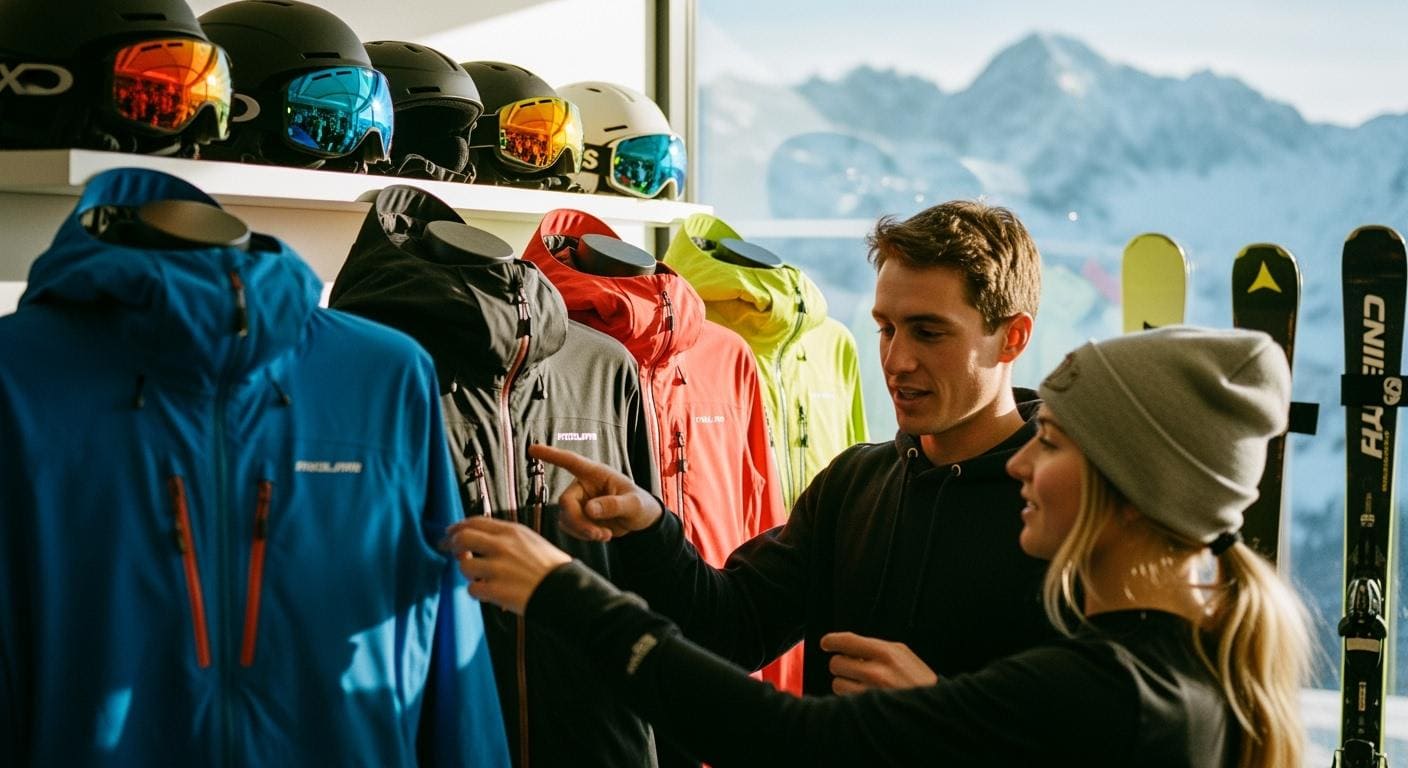
If you want to hit the slopes without breaking the bank, check out these top 10 affordable ski jackets for beginners in 2025:
Columbia Highland Summit Jacket
SNOWMOCACA Ski Jacket
686 Smarty 3-in-1 Jacket
Patagonia Snowshot Jacket
Arc’teryx Sabre Jacket
Outdoor Research Skyward II Jacket
Columbia Whirlibird IV Interchange Jacket
Helly Hansen Alpha 3.0 Jacket
The North Face Chakal Jacket
Decathlon Wedze 500 Ski Jacket
You can trust these picks for reliable weather protection, warmth, and comfort. Choosing the right ski jacket helps you stay comfortable and confident as you learn.
Key Takeaways
Choose a ski jacket with a waterproof rating of at least 10k to stay dry on the slopes.
Look for jackets with good insulation, preferably synthetic, for warmth without added bulk.
Consider 3-in-1 jackets for versatility; they adapt to changing weather conditions.
Adjustable features like cuffs and hoods help seal out snow and wind, enhancing comfort.
Prioritize breathability in your jacket to manage sweat and prevent overheating during skiing.
Shop off-season for the best deals; late February to early April offers significant discounts.
Explore secondhand options or outlet stores for high-quality jackets at lower prices.
Read user reviews to gauge warmth, fit, and functionality before making a purchase.
Best Budget Ski Jackets for Beginners
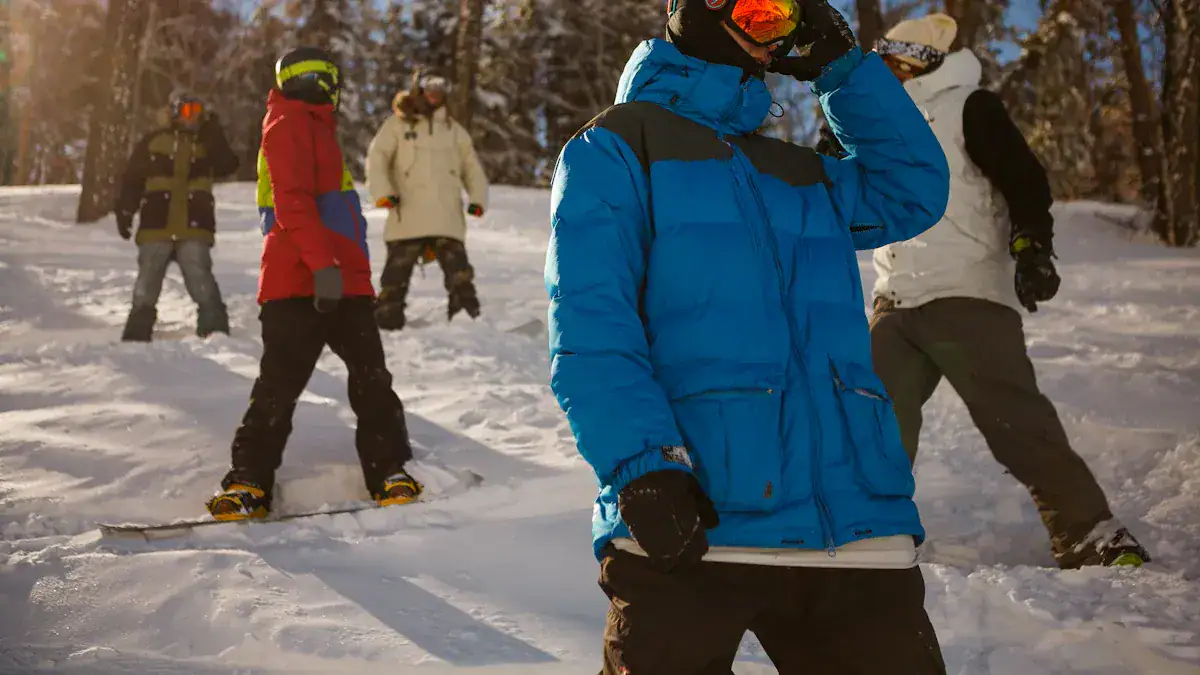
Columbia Highland Summit Jacket
Key Features
You get reliable weather protection with the Columbia Highland Summit Jacket. The outer shell uses Omni-Tech waterproof technology, which keeps you dry in wet snow. The insulation traps heat, so you stay warm on cold days. The adjustable hood and cuffs help block wind and snow. You find zippered pockets for your phone, wallet, and ski pass. The jacket offers a comfortable fit for most body types.
Price Range
Expect to pay between $120 and $160 for this ski jacket. You often see discounts during off-season sales. This price makes it one of the best men’s ski jacket options for beginners who want quality without spending too much.
Beginner Benefits
You benefit from easy-to-use features and solid warmth. The jacket feels lightweight, so you move freely on the slopes. The adjustable features let you customize the fit. You get good value for your money, especially if you look for deals. Many beginners choose this ski jacket because it balances affordability and performance.
SNOWMOCACA Ski Jacket
Key Features
You find the SNOWMOCACA Ski Jacket offers strong insulation and waterproofing. The outer shell resists moisture, keeping you dry in snowy conditions. The fleece lining adds extra warmth. You get multiple pockets for storage. The jacket includes a detachable hood and adjustable cuffs. You notice the design focuses on comfort and protection.
Price Range
You usually pay between $80 and $110 for this ski jacket. Many retailers list it as one of the best ski jacket under $100. This makes it a top choice for budget ski jackets, especially for new skiers.
Beginner Benefits
You enjoy excellent warmth, which helps you stay comfortable during long days on the mountain. The jacket protects you from snow entering through gaps, thanks to its snug fit and design. You get reliable weather protection at a low price. Many beginners prefer this option because it offers the best men’s ski jacket features without a high cost. If you want the best women’s ski jacket for affordability, you find this model available in various sizes and colors.
Tip: Choose a ski jacket with a snug fit to prevent snow from getting inside and to maximize warmth.
686 Smarty 3-in-1 Jacket
Key Features
You get three jackets in one with the 686 Smarty 3-in-1 Jacket. The outer shell provides waterproof protection. The removable insulated liner adds warmth and can be worn separately. You find headphone loops, an internal goggle stash pocket, and pit vents for ventilation. The jacket adapts to changing weather, making it one of the best budget ski jackets for unpredictable conditions.
Price Range
You pay between $180 and $220 for this budget 3-in-1 ski jacket. While it costs more than some other budget ski jackets, you get extra versatility. Many skiers consider it the best ski jacket under $100 when you find it on sale or buy last season’s model.
Beginner Benefits
You benefit from the adaptability of this ski jacket. You wear the liner alone on warmer days or combine both layers for cold weather. The practical features help you stay organized and comfortable. You get a jacket that works for different conditions, so you do not need to buy multiple jackets. Many beginners choose this as the best men’s ski jacket for versatility. You also find it as a top pick for the best women’s ski jacket due to its adjustable fit and style options.
Patagonia Snowshot Jacket
Key Features
You get a ski jacket designed for versatility and comfort. The Patagonia Snowshot Jacket uses a two-layer H2No Performance Standard shell, which keeps you dry in wet conditions. The jacket includes a removable powder skirt, pit zips for ventilation, and an adjustable hood that fits over most helmets. You find hand-warmer pockets and an internal stash pocket for your essentials. The relaxed fit allows you to layer underneath, which is helpful for changing weather.
Price Range
You can compare the price of the Patagonia Snowshot Jacket with similar models using the table below:
Jacket Model | Price |
|---|---|
Patagonia Snowshot | N/A |
Patagonia Untracked | $699 |
The North Face ThermoBall Eco Snow Triclimate | $400 |
686 Smarty 3 in 1 | $310 |
You usually find the Snowshot Jacket priced lower than the Untracked and similar to or below the ThermoBall Eco Snow Triclimate. This makes it a solid choice if you want a ski jacket that balances quality and affordability.
Beginner Benefits
You benefit from a ski jacket that offers reliable waterproofing and breathability. The adjustable features help you customize the fit for comfort. You stay dry and warm, even when the weather changes quickly. The relaxed fit lets you add layers, which is important for beginners who may not know how much insulation they need. You get a jacket that works well for both resort and backcountry skiing.
Tip: Try layering a fleece or lightweight down jacket under your shell for extra warmth on colder days.
Arc’teryx Sabre Jacket
Key Features
You get a ski jacket built for severe winter conditions. The Arc’teryx Sabre Jacket features 3-layer Gore-Tex protection, which blocks wind, rain, and snow. The jacket includes a helmet-compatible hood, powder skirt, and waterproof zippers. You find sealed seams and a durable water repellent (DWR) coating. The design allows for easy movement, which helps you stay comfortable while skiing.
Price Range
You usually pay a premium for the Arc’teryx Sabre Jacket, with prices often ranging from $600 to $750. While this ski jacket costs more than many budget options, you get top-tier weather protection and durability.
Beginner Benefits
You benefit from a ski jacket that experts recommend for unpredictable weather. The Sabre Jacket handles everything winter throws at you, including sleet and heavy rain. You stay dry because the jacket uses high-quality waterproof materials and sealed seams. The powder skirt keeps snow out, and the helmet-compatible hood protects your head and neck. You get a jacket that performs well in water resistance tests, with water beading off the shell. The Sabre Jacket is trusted for its durability and effectiveness, making it a reliable choice if you want to invest in long-term protection.
The Sabre Jacket withstands severe winter conditions.
You get excellent weather resistance and waterproofing.
The design fits over a helmet and seals out snow.
You stay comfortable and dry, even in challenging environments.
Outdoor Research Skyward II Jacket
Key Features
You get a ski jacket designed for comfort and mobility. The Outdoor Research Skyward II Jacket uses a stretchy shell that moves with you. The jacket includes large pit zips for ventilation, a helmet-compatible hood, and multiple pockets for storage. You find a powder skirt and adjustable cuffs to keep snow out. The jacket excels in breathability, which helps you stay dry during active skiing.
Price Range
You usually find the Skyward II Jacket priced between $300 and $350. This ski jacket offers good value for those who want performance and comfort without spending too much.
Beginner Benefits
You benefit from a ski jacket that focuses on comfort and warmth. The stretchy design lets you move freely, which is important for learning new skills. As a shell jacket, the Skyward II does not provide much warmth on its own, so you need to add insulating layers underneath. You stay dry because the jacket blocks wind and manages moisture well. The breathability helps prevent overheating and keeps you comfortable during long days on the mountain. You get a jacket that enhances your skiing experience by reducing the discomfort of cold, wet conditions.
Note: Always wear a base layer and an insulating mid-layer under your shell ski jacket for optimal warmth.
Columbia Whirlibird IV Interchange Jacket
Key Features
You get a versatile ski jacket with the Columbia Whirlibird IV Interchange Jacket. This model features a 3-in-1 design, which means you can wear the waterproof shell, the insulated liner, or both together. The shell uses Omni-Tech technology to keep water out while letting moisture escape. The liner provides synthetic insulation for warmth. You find zippered hand pockets, an adjustable hood, and a powder skirt that blocks snow. The jacket includes underarm vents for extra breathability.
Price Range
You usually pay between $160 and $220 for this ski jacket. You often see discounts during end-of-season sales or holiday promotions. The price makes it a strong choice for beginners who want flexibility without spending too much.
Beginner Benefits
You benefit from the 3-in-1 system, which lets you adjust your layers based on the weather. You wear the shell alone on warmer days or combine both pieces for cold conditions. The adjustable features help you get a snug fit, which keeps snow out and warmth in. You find the jacket easy to care for and durable enough to last several seasons. Many beginners choose this ski jacket because it adapts to changing conditions and offers great value.
Tip: Use the liner as a standalone jacket for casual wear when you are not skiing.
Helly Hansen Alpha 3.0 Jacket
Key Features
You get advanced technology with the Helly Hansen Alpha 3.0 Jacket. The shell uses Helly Tech Professional fabric, which blocks wind and water while allowing sweat to escape. The jacket includes Primaloft insulation in key areas, keeping your core and arms warm. You find a detachable, helmet-compatible hood, wrist gaiters, and a powder skirt. The jacket offers multiple pockets, including a ski pass pocket and internal storage for goggles.
Price Range
You pay between $350 and $450 for this ski jacket. You may find lower prices during sales or when shopping for previous year’s models. The cost reflects the premium materials and technical features.
Beginner Benefits
You stay warm with insulation placed in critical zones. The jacket keeps your core and arms comfortable, which helps if you are sensitive to cold. You manage sweat easily because the jacket uses vents in strategic locations. This breathability keeps you dry during active skiing. Ski instructors recommend this ski jacket for beginners because it balances warmth and ventilation. You feel confident on the slopes, knowing the jacket protects you from wind and snow while preventing overheating.
Note: The combination of warmth and breathability helps you focus on learning instead of worrying about comfort.
The North Face Chakal Jacket
Key Features
You get reliable performance with The North Face Chakal Jacket. The shell uses DryVent technology, which keeps water out and lets moisture escape. The jacket includes Heatseeker Eco insulation for warmth. You find a helmet-compatible hood, adjustable cuffs, and a powder skirt. The jacket offers zippered hand pockets, a chest pocket, and an internal media pocket. The fit allows for easy movement, which helps you learn new skills.
Price Range
You pay between $220 and $280 for this ski jacket. You often find deals online or at outlet stores. The price makes it accessible for beginners who want trusted quality.
Beginner Benefits
You stay dry and warm with the waterproof shell and synthetic insulation. The adjustable features let you customize the fit, which keeps snow out and warmth in. You use the pockets to store your phone, wallet, and ski pass. The jacket’s design gives you freedom to move, which is important when you practice turns and stops. Many beginners choose this ski jacket because it offers dependable protection and comfort at a reasonable price.
Tip: Look for outlet deals to save money on high-quality ski jackets.
Decathlon Wedze 500 Ski Jacket
Key Features
You discover that the Decathlon Wedze 500 Ski Jacket stands out for its thoughtful design and beginner-friendly features. This jacket helps you stay warm and comfortable on the slopes.
Wrist sleeves and internal insulation trap heat, which keeps you cozy even when temperatures drop.
Breathable fabric panels in the shoulders and back allow air to circulate, so you avoid overheating during activity.
The jacket includes a ski pass pocket and large zipped hip pockets, making it easy for you to carry essentials like your phone or snacks.
The outer shell resists wind and moisture, which protects you from changing mountain weather.
Adjustable cuffs and a snow skirt help seal out snow and cold air.
Price Range
You find the Decathlon Wedze 500 Ski Jacket priced between $80 and $120. This range makes it one of the most affordable options for new skiers. Decathlon stores and online shops often run seasonal promotions, so you can save even more if you shop at the right time.
Beginner Benefits
You benefit from a jacket that focuses on warmth and comfort. The insulation and wrist sleeves help you stay warm, which is important if you are new to skiing and not used to cold conditions. The breathable panels prevent you from getting too hot as you move. You use the ski pass pocket for quick access at lifts, and the hip pockets give you space for gloves or snacks. The jacket’s simple design makes it easy to put on and adjust, so you spend less time getting ready and more time enjoying the slopes.
Tip: Choose a ski jacket with both insulation and ventilation. This combination keeps you comfortable as you learn and become more active on the mountain.
Ski Jacket Buying Guide for Beginners
Waterproofing & Breathability
Staying Dry
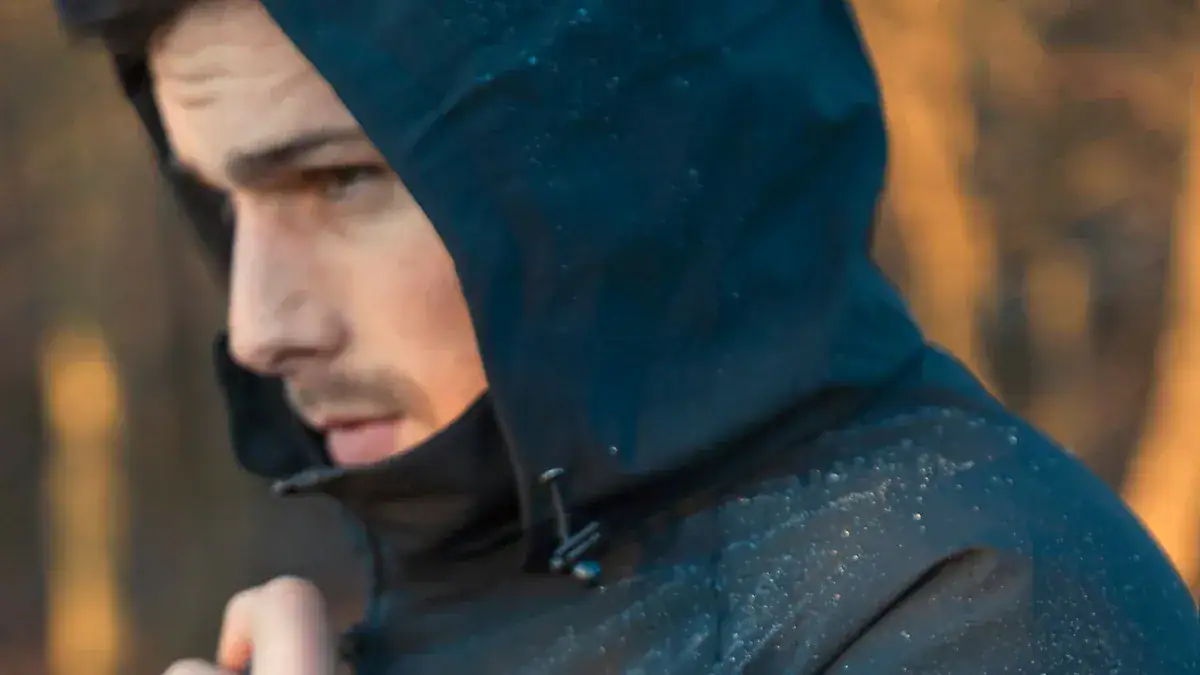
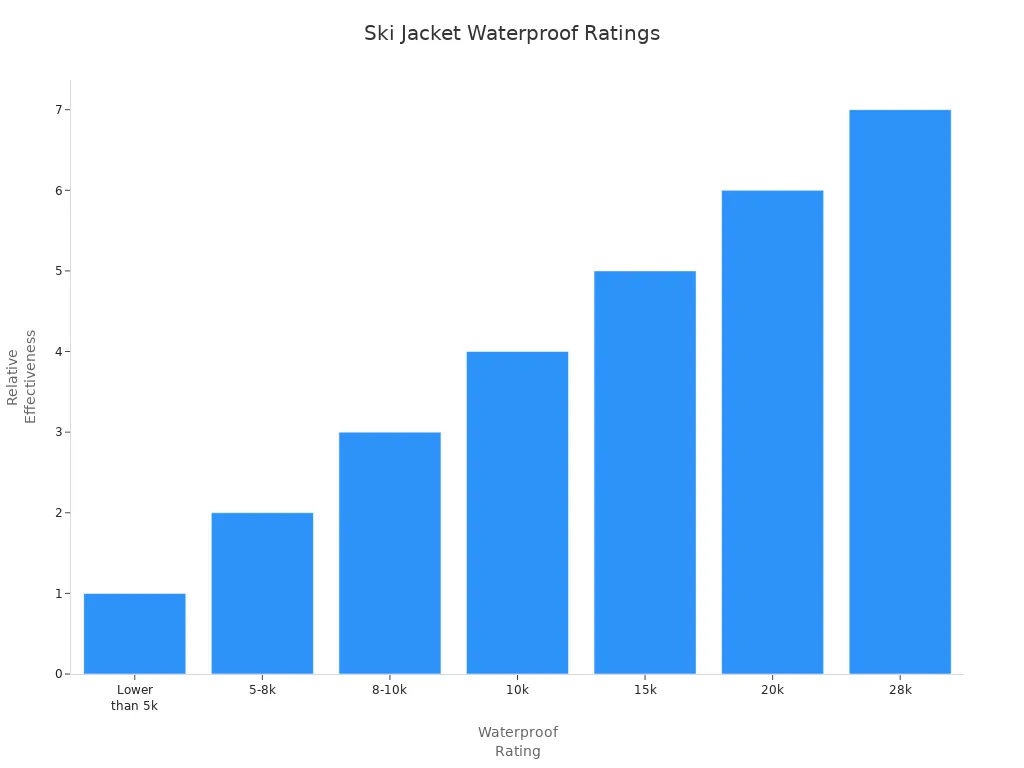
When you choose a ski jacket, waterproofing should be your top priority. Staying dry on the slopes keeps you comfortable and safe. Manufacturers use waterproof ratings, measured in millimeters (mm), to show how much water a fabric can resist before it leaks. You see ratings like 5k, 10k, or even 20k. A 10k waterproof rating is the industry standard for most ski days. This means your jacket can handle several hours in snow without letting water in. If you plan to ski in heavy snow or wet conditions, look for a jacket with a 15k or 20k rating. Jackets below 8k are not recommended for skiing.
Waterproof Rating | Description |
|---|---|
Lower than 5k | Not waterproof enough for skiing. |
5-8k | Not fit for purpose for skiing. |
8-10k | Ok for occasional and fair weather skiing. |
10k | Minimum for several hours on the slopes. |
15k | Good rating, keeps you dry all day. |
20k | Very high rating for snowy conditions. |
28k | Highest rating, typically Goretex fabrics. |
Tip: For most beginners, a 10k waterproof rating offers a good balance of protection and price.
Breathable Fabrics
Breathability matters as much as waterproofing. When you ski, your body generates heat and sweat. A breathable fabric lets moisture escape, so you stay dry inside your jacket. Look for breathability ratings of at least 10k. This level works well for most skiers. If you plan to ski hard or in warmer weather, a 15k rating gives you even better comfort. Avoid jackets with a 5k breathability rating, as they trap sweat and make you feel damp.
Insulation Types
Synthetic vs. Down
You find two main types of insulation in ski jackets: synthetic and down. Synthetic insulation works well when damp, dries quickly, and costs less than down. It is heavier and less packable, but most budget insulated ski jacket options use synthetic fill. Down insulation feels warmer and packs smaller, but it loses warmth when wet and costs more. For most beginners, synthetic insulation offers the best value and performance.
Warmth | Bulk | Moisture Performance | Price | Popularity | |
|---|---|---|---|---|---|
Down | High | Low | Poor | High | Less common |
Synthetic | Moderate | High | Good | Low | Most popular |
Note: Synthetic insulation is the top choice for most insulated ski jackets because it stays warm even if it gets wet.
Layering Options
Layering helps you adjust to changing weather. You can wear a base layer for moisture control, a mid-layer for warmth, and a shell for protection. A budget shell jacket gives you flexibility to add or remove layers as needed. If you get cold easily, choose a jacket with more insulation or add a fleece underneath. Layering lets you adapt to both cold mornings and sunny afternoons.
Fit & Comfort
Sizing Tips
A proper fit makes your ski day much better. Your ski jacket should fit loosely enough to allow for layering, but not so loose that cold air sneaks in. Look for a regular fit that gives you room to move and space for a base layer and a mid-layer. Adjustable hems and cuffs help you seal out snow. Some jackets have a longer cut, which adds coverage and warmth.
Choose a regular fit for comfort and layering.
Make sure the jacket has adjustable features like cuffs and hem.
Try on the jacket with your base and mid-layers to check the fit.
Mobility
You need freedom to move when you ski. A good jacket lets you reach, bend, and twist without restriction. Look for features like articulated sleeves and stretchy fabrics. These details help you move naturally as you learn new skills. A comfortable fit boosts your confidence and makes skiing more enjoyable.
Tip: Always test your range of motion in the jacket before you buy. Lift your arms and twist your torso to check for tight spots.
Durability
Reinforced Areas
You want a ski jacket that stands up to rough use. Look for reinforced areas in high-wear spots. Manufacturers often add extra fabric or padding to the shoulders, elbows, and cuffs. These parts face the most friction from carrying skis, using ski lifts, or falling on the snow. Reinforced stitching also helps prevent tears and rips. You notice that jackets with double-layered fabric in these zones last longer. Some brands use abrasion-resistant materials for added strength. You protect your investment by choosing a jacket with these features.
Tip: Check the cuffs and elbows for extra stitching or thicker fabric. These details help your jacket survive multiple seasons.
Longevity
You want your ski jacket to last more than one season. Durability depends on the quality of materials and construction. Jackets made with ripstop nylon or polyester resist tearing. Waterproof coatings like DWR (Durable Water Repellent) keep the fabric strong against moisture. You should inspect the zippers and seams. High-quality zippers and sealed seams prevent leaks and breakdowns. You extend the life of your jacket by following care instructions. Wash your jacket with gentle detergent and avoid high heat when drying. Store it in a cool, dry place during the off-season.
Choose jackets with ripstop or reinforced fabrics.
Look for sealed seams and sturdy zippers.
Follow care instructions to maintain waterproofing.
Essential Features
Pockets
You need pockets for convenience on the slopes. Most beginner ski jackets offer several pockets for your essentials. You find hand-warmer pockets, chest pockets, and sometimes internal stash pockets. Specialized pockets hold your ski pass or goggles. Some jackets include a clear sleeve for your lift pass, making it easy to scan at the gate. Soft-lined pockets protect your phone or sunglasses from scratches. You stay organized and keep your valuables safe.
Adjustable Hoods & Cuffs
You benefit from adjustable hoods and cuffs. These features help you seal out wind and snow. Many ski jackets have hoods that fit over helmets. You adjust the hood for a snug fit, which keeps your head warm and dry. Cuffs with Velcro or elastic let you tighten the sleeves around your gloves. This prevents snow from getting inside. Removable hoods add versatility for different weather conditions.
Ventilation
You stay comfortable with good ventilation. Skiing can make you sweat, especially during active runs. Zippered vents, such as pit zips under the arms, allow you to release heat quickly. You open these vents when you feel warm and close them when you need extra insulation. Ventilation helps regulate your body temperature and prevents overheating.
Here is a table summarizing the most recommended features for beginner ski jackets:
Feature | Description |
|---|---|
3-in-1 design | Jackets with detachable layers for versatility in varying weather conditions. |
Lots of pockets | Ample storage for essentials, especially for skiers who do not carry packs. |
Specialized pockets | Includes features like a clear sleeve for lift passes and soft-lined pockets for goggles. |
Powder skirt | An inner gasket that prevents snow from entering during falls. |
Specialized hoods | Adjustable or removable hoods that can fit over helmets. |
Zippered vents | Ventilation options like pit zips to regulate temperature while skiing. |
Note: You improve your skiing experience by choosing a jacket with these essential features. They help you stay organized, warm, and comfortable all day.
How We Chose the Best Ski Jackets
Price & Value
Defining Affordable
You want a ski jacket that fits your budget but still delivers on performance. Affordability means more than just a low price tag. You need to consider the balance between cost and quality. Many budget jackets use heavier, bulkier materials that may not last as long or offer the same comfort as premium options.
The criteria for defining affordability in ski jackets for beginners in 2025 include the balance between price and quality, with considerations for materials, durability, weight, and features. Cheaper jackets tend to be bulkier and heavier due to lower-quality materials, while more expensive options offer better performance and longevity.
You see prices ranging from entry-level jackets like the REI Co-op Powderbound at $229 to high-end models such as the Arc’teryx Macai at $1,100. Entry-level designs often feel heavier and lack advanced features, but they still provide the basics you need for learning.
Cost vs. Quality
You do not have to sacrifice warmth or comfort for a lower price. Many budget ski jackets offer solid value for beginners. Here are some examples:
Budget jackets like the GEMYSE Men’s Mountain Fleece Lining cost less than a typical day ticket and provide enough performance for occasional skiers.
The REI Co-op Powderbound Insulated jacket stands out for its good performance-to-price ratio.
Even the least expensive jackets, such as MAGCOMSEN and Free Soldier, deliver sufficient warmth for casual skiing.
You can find affordable options that meet your needs without overspending.
Performance
Weather Protection
You need a ski jacket that keeps you dry and comfortable. Look for these important performance metrics:
Layer compatibility: Choose a jacket with enough room for layering.
Insulation type and weight: Mid-weight insulation (60-100gsm) works well for most beginners.
Weather resistance: High waterproof and breathability ratings (15K-20K or higher) help you stay dry.
Fit and coverage: Make sure your jacket covers your hips and has adjustable cuffs and hem.
Additional features: Powder skirts, snow gaiters, and a well-designed hood prevent cold snow from entering.
Higher insulation numbers mean better warmth. Waterproofing and breathability are essential for comfort on the slopes.
Comfort & Warmth
You want a jacket that feels good and keeps you warm. Medium-weight insulation provides enough warmth for most conditions. Features like adjustable cuffs, soft linings, and a comfortable fit help you enjoy your day on the mountain.
User Reviews
Ratings
You can learn a lot from other skiers’ experiences. User reviews highlight the strengths and weaknesses of each jacket. Most beginners look for feedback on warmth, waterproofing, fit, and functionality.
Feedback from Beginners
Here is a summary of common review themes for budget ski jackets:
Feature | Description |
|---|---|
Warmth | Users mention jackets being fleece-lined and warm, suitable for cold conditions. |
Waterproofing | Reviews highlight jackets keeping users dry during blizzards, indicating effective waterproofing. |
Fit | Comments on fit indicate jackets accommodate multiple layers without being oversized. |
Functionality | Features like multiple pockets and hand covers with thumbholes are frequently praised. |
You can use these insights to choose a jacket that matches your needs and expectations.
Brand Reputation
Trusted Brands
When you shop for a ski jacket, you want to trust the brand you choose. Well-known brands have built their reputations over many years by delivering quality products and reliable customer service. You often see names like Columbia, The North Face, Patagonia, and Helly Hansen on the slopes. These companies invest in research and development to improve their jackets each season. They test their products in real-world conditions, so you can expect consistent performance.
You notice that trusted brands use high-quality materials and advanced technologies. For example, Columbia uses Omni-Tech for waterproofing, while The North Face features DryVent fabrics. Patagonia focuses on sustainability and ethical manufacturing. Helly Hansen is famous for its Helly Tech Professional fabric, which keeps you dry and comfortable. When you pick a jacket from a reputable brand, you get peace of mind. You know the jacket will perform well and last through many ski trips.
Tip: Choose a brand with a strong reputation for quality and customer support. This helps you avoid problems if you need repairs or replacements.
Warranty
A good warranty shows that a brand stands behind its products. When you buy a ski jacket, you want to know what kind of protection you get if something goes wrong. Most top brands offer warranties that cover defects in materials or workmanship. However, the length and terms of these warranties can vary.
Here is a table that compares warranty policies from several popular ski jacket brands:
Brand | Warranty Type | Coverage Details |
|---|---|---|
Rossignol | Limited Warranty (1-2 years) | Covers defects in workmanship or materials; excludes damage from misuse, normal wear, and other specific conditions. |
Eddie Bauer | Lifetime Warranty | Unconditional lifetime warranty on brand name products, including jackets. |
Obermeyer | Limited Lifetime Warranty | Warranty against defects in materials and workmanship for the practical lifespan of the product; wear-and-tear not covered. |
You see that Eddie Bauer offers a lifetime warranty, which means you can return your jacket at any time if it fails due to a defect. Obermeyer provides a limited lifetime warranty, covering your jacket for as long as it remains practical to use. Rossignol gives you a limited warranty for one to two years, which protects you against early defects.
You should always read the warranty details before you buy. Some warranties do not cover normal wear and tear or damage from accidents. If you plan to use your jacket often, a strong warranty can save you money in the long run. You also get better customer service from brands that value their reputation.
Note: Keep your receipt and register your jacket if the brand requires it. This makes it easier to claim your warranty if you ever need it.
Tips for Saving on Budget Ski Jackets
Shopping Off-Season
Best Times to Buy
You can save a lot of money by shopping for ski jackets during the off-season. Retailers often clear out winter gear to make room for spring and summer products. You find the best deals from late February to early April, right after the peak ski season ends. Many stores offer deep discounts to move leftover inventory. Summer months also bring great online deals, as shops try to attract buyers during slower periods.
Late February to early April is ideal for shopping for ski jackets and equipment.
Summer months often feature great online deals.
If you plan ahead, you avoid paying full price and get more value for your budget.
Tip: Set reminders to check for sales at the end of winter and during summer. You increase your chances of finding quality jackets at lower prices.
Online Deals & Discounts
Where to Find Savings
You have many options when searching for online deals on beginner ski jackets. Some retailers specialize in outdoor gear and offer frequent sales. You can explore sites that provide a wide selection and competitive prices.
Evo.com gives you access to many brands and often features ski jackets on sale.
The House is known for flash sales and discounts, though you may need to spend extra time navigating the site.
Backcountry.com offers a good selection and runs regular promotions on ski jackets.
You maximize your savings by comparing prices across these sites. Signing up for newsletters or alerts helps you catch limited-time offers. You also find coupon codes and special promotions during holiday sales.
Note: Always check shipping costs and return policies before you buy online. You want to make sure you can exchange or return your jacket if it does not fit.
Secondhand & Outlet Options
Pros & Cons
You can stretch your budget further by considering secondhand or outlet ski jackets. Many outdoor stores and online platforms sell gently used gear. You find high-quality jackets at a fraction of the original price. Outlet stores also offer last season’s models at discounted rates.
Here is a table that summarizes the pros and cons of buying secondhand ski jackets:
Pros of Secondhand Ski Jackets | Cons of Secondhand Ski Jackets |
|---|---|
Significant savings on costs | Need to check for specific features like waterproofing |
Availability of high-quality options | Overall condition may vary |
You should inspect secondhand jackets for wear and tear. Check for working zippers, intact seams, and reliable waterproofing. Outlet jackets usually come with warranties, while secondhand options may not. You balance cost savings with the need to ensure your jacket will perform well on the slopes.
Tip: Ask sellers about the jacket’s history and look for detailed photos. You make a smarter purchase when you know what to expect.
Maximizing Value
Multi-Use Jackets
You can stretch your budget further by choosing a ski jacket that works in more than one situation. Multi-use jackets, especially 3-in-1 designs, give you flexibility for changing weather. You wear the insulated liner alone on warmer days, use the shell for wet conditions, or combine both for cold and snowy slopes. This versatility means you do not need to buy several jackets for different temperatures.
Multi-use jackets include features that help you stay comfortable and protected:
Adjustable cuffs and gaiters create a barrier against snow.
Snow skirts prevent snow from entering the jacket, enhancing comfort.
Versatility lets you adapt your jacket for different weather conditions.
Elastic cuffs and gaiters help keep snow out.
You also benefit from technical features that improve your experience on the mountain. The table below shows how these features add value:
Feature | Benefit |
|---|---|
Keeps you dry in wet conditions, enhancing comfort and performance. | |
Breathability | Allows moisture to escape, preventing overheating and maintaining comfort during activity. |
Insulation | Provides warmth, essential for comfort in cold weather conditions. |
Adjustable Cuffs | Creates a tight barrier to prevent snow from entering, enhancing protection while skiing. |
Snow Skirt | Prevents snow from getting inside the jacket, keeping you dry and comfortable. |
When you choose a multi-use jacket, you get more for your money. You use the same jacket for skiing, hiking, or even daily winter wear. This approach helps you save space in your closet and reduces the need for extra gear.
Tip: Look for jackets with adjustable features and a snow skirt. These details help you stay warm and dry, no matter the conditions.
Care & Maintenance
You extend the life of your ski jacket by following simple care and maintenance steps. Regular cleaning and proper waterproofing keep your jacket performing well season after season. You should always check the manufacturer’s instructions before washing or treating your jacket.
Here are practical tips for caring for your ski jacket:
Use a mild, liquid detergent instead of standard or powdered types.
Specialized outdoor clothing cleaners help preserve waterproof garments.
Correctly proportion your detergent to avoid residues that can harm the jacket.
Regularly re-waterproof your ski jacket to maintain its protective qualities.
Choose a waterproofing product that matches your jacket’s fabric.
Follow the manufacturer’s instructions on the waterproofing solution.
You also need to handle stains properly to avoid damaging the fabric:
Mud & Dirt: Let the mud dry, scrape it off, apply mild detergent, wait a few minutes, then wash.
Grease: Use grease-fighting dish soap, apply it, rinse with warm water, and repeat if needed.
Blood: Rinse with cold water, apply hydrogen peroxide, and rinse thoroughly.
Proper care helps your jacket last longer and keeps it looking new. You protect your investment and ensure you stay warm and dry every time you hit the slopes.
Note: Store your ski jacket in a cool, dry place during the off-season. This prevents mold and keeps the fabric strong for next winter.
You now have a clear list of beginner-friendly ski jackets that offer great value and performance. Focus on comfort, fit, and essential features when you choose your ski jacket. Use smart shopping strategies to save money and get the best deal. Start your first ski season with confidence and enjoy every moment on the slopes. 😊
FAQ
What features should you prioritize in a beginner ski jacket?
You should look for waterproofing, insulation, adjustable cuffs, and a helmet-compatible hood. Pockets for essentials help you stay organized. Ventilation zippers keep you comfortable during activity.
How do you know if a ski jacket fits correctly?
Try the jacket with your base and mid-layers. You should move your arms freely. The cuffs and hem should seal out snow. The jacket should not feel too tight or too loose.
Can you use a ski jacket for other winter activities?
Yes! Many ski jackets work for snowboarding, hiking, or daily winter wear. Look for versatile designs like 3-in-1 jackets. These give you flexibility for different conditions.
How often should you wash your ski jacket?
Wash your ski jacket once or twice per season. Use mild detergent and follow the care instructions. Regular cleaning helps maintain waterproofing and keeps your jacket fresh.
What is the difference between synthetic and down insulation?
Synthetic insulation stays warm when wet and costs less. Down insulation feels lighter and warmer but loses heat if it gets wet. Most budget ski jackets use synthetic fill.
Where can you find the best deals on ski jackets?
Check online retailers like Evo, Backcountry, and The House. Shop during off-season sales for discounts. Outlet stores and secondhand platforms also offer great savings.
Do all ski jackets come with a warranty?
Not all ski jackets include a warranty. Trusted brands usually offer coverage for defects. Always read the warranty details before you buy. Keep your receipt for future claims.