

Which vest jacket keeps you comfy outdoors?
Table of Contents
Display
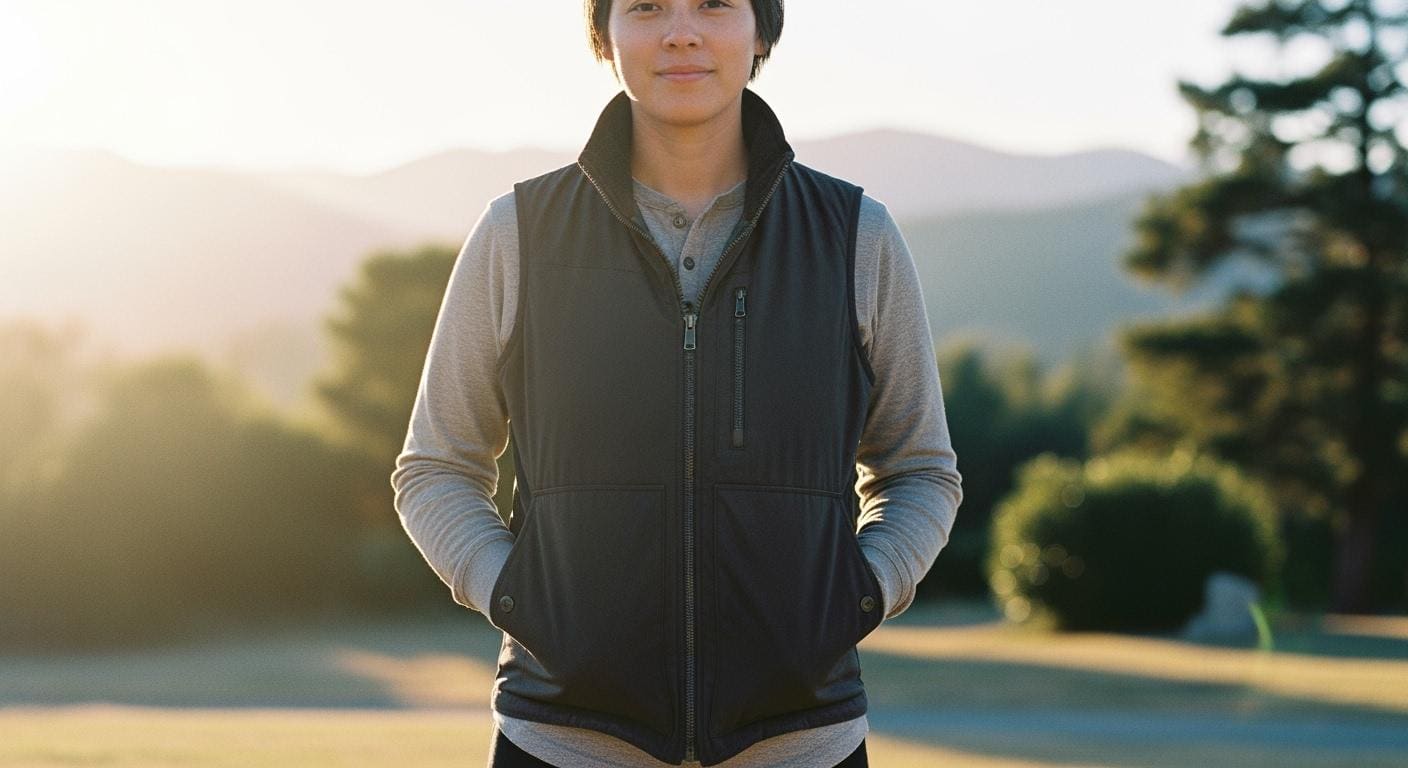
You want a vest jacket that keeps you comfortable during outdoor adventures. Materials like recycled polyester, Cordura, and merino wool offer insulation and breathability. Regular fit with an articulated design helps you move freely. Breathable fabric with ventilation features regulates your body temperature. Layering with other garments boosts comfort in changing conditions. Use this guide and tips to match your jacket to your activity and climate.
Feature | Description |
|---|---|
Materials | Recycled polyester, Cordura, merino wool for insulation and breathability. |
Fit | Regular fit with articulated design for movement. |
Breathability | Breathable fabric with ventilation features. |
Layering | Effective when combined with other garments for optimal comfort in various outdoor conditions. |
Key Takeaways
Choose materials like recycled polyester, Cordura, or merino wool for insulation and breathability.
Select a vest with a regular fit and articulated design to allow for easy movement during activities.
Understand insulation types: down offers warmth but loses heat when wet, synthetic stays warm even when damp, and fleece provides comfort and breathability.
Look for breathable fabrics with ventilation features to keep moisture from building up inside your vest.
Ensure your vest jacket is weather-resistant to protect against rain and wind during outdoor adventures.
Find the right fit by measuring your chest, waist, and length to ensure comfort and mobility.
Layer your vest with moisture-wicking base layers and waterproof outer shells for optimal comfort in changing weather.
Consider your specific outdoor activity when choosing a vest jacket to ensure it meets your needs for warmth, protection, and style.
Vest Jacket Comfort Features

Insulation Types
Choosing the right insulation for your vest jacket makes a big difference in warmth and comfort. You will find three main types: down, synthetic, and fleece. Each type offers unique features for outdoor activities.
Down
Down insulation uses the soft feathers from ducks or geese. You get excellent warmth with very little weight. Down packs easily, so you can store your vest jacket in a small space. However, down loses its insulating power when wet. If you expect rain or snow, you may want to consider other options.
Synthetic
Synthetic insulation uses man-made fibers to trap heat. You stay warm even if your jacket gets wet. Synthetic insulated vests work well in damp climates and dry quickly. They do not pack as small as down, but they offer reliable warmth and water resistance.
Fleece
Fleece insulation uses polyester fibers to create a soft, breathable layer. You get moderate warmth and great comfort. Fleece vests work well for layering and allow easy movement. They do not block wind or water, so you may need an outer shell in harsh weather.
Insulation Type | Warmth Retention | Water Resistance | Packability |
|---|---|---|---|
Down | Excellent | Poor (loses insulation when wet) | High |
Synthetic | Good | Excellent (retains loft when wet) | Moderate |
Fleece | Moderate | Poor | Moderate |
Breathability
Breathability helps you stay dry and comfortable during outdoor activities. When you wear a vest jacket, moisture from sweat needs to escape. Fabrics work best when there is a difference in humidity between the inside and outside. If humidity levels match, breathability drops and moisture can build up. Sometimes, water vapor moves into the jacket instead of out. This makes it important to choose materials that balance waterproofing and breathability. You should look for ventilation features and lightweight fabrics to improve comfort.
Weather Resistance
Outdoor conditions change quickly. Your vest jacket needs to protect you from rain and wind. Weather resistance depends on the materials and construction.
Water-Resistant Fabrics
Manufacturers test water-resistant fabrics using several laboratory methods:
Hydrostatic Head Test (HH): Measures how much water pressure the fabric can handle before leaking.
Water Column Test: Checks the height of water the fabric resists.
ISO 105-B10: Assesses durability against sunlight, heat, and moisture.
Water resistance also depends on how well the fabric lets sweat vapor escape. The water vapor permeability test (Ret) shows how effectively moisture leaves the jacket.
Windproof Materials
Windproof materials keep cold air out and help you stay warm. Technologies like GORE-TEX offer strong protection in both lab and real-world conditions. Jackets with adjustable hoods and ventilation features maintain comfort during windy weather. For example, the Storm Chaser Windbreaker Jacket provides 100% windproof protection and lightweight mobility. You can rely on these features when the weather changes suddenly.
A well-fitting vest jacket combines insulation, breathability, and weather resistance. You get the best comfort and warmth when you match these features to your activity and climate.
Fit & Sizing
Finding the ideal vest jacket size makes a big difference in your outdoor comfort. You want a vest that feels snug but lets you move freely. A good fit helps you layer clothing and keeps your look sharp. Many brands use specific sizing standards to help you choose the right vest. You should pay attention to chest, waist, and length measurements. Armholes need to feel comfortable, not tight or loose. The vest should taper slightly at the waist, avoiding a boxy shape. Length matters too; the vest should sit just below your belt line for balanced proportions. Always consider your activity and style when picking a vest.
Step-by-Step Measurement Guide
Use this step-by-step measurement guide to avoid common vest jacket sizing mistakes. You will need a soft measuring tape and a friend to help if possible.
Chest: Wrap the tape around the fullest part of your chest. Keep the tape level and snug, but not tight.
Waist: Measure around your natural waistline, usually just above your belly button.
Length: Start at the top of your shoulder and measure down to just below your belt line.
Armholes: Place the tape around your shoulder and under your armpit. Make sure the armhole feels comfortable and does not pinch.
Try On: Put on the vest and check for easy movement. The vest should not restrict your arms or torso.
Tip: Always check the brand’s sizing chart before buying. Sizes can vary between manufacturers.
A visual fit guide can help you see how the vest should look on different body types. The table below shows recommendations for a range of shapes:
Body Type | Fit Recommendation |
|---|---|
Rectangular | A vest that adds contours or a slight taper at the waist for a balanced silhouette. |
Triangular (Pear) | Look for vests with broader shoulders or padded options to balance the upper body. |
Inverted Triangle | Sleek, fitted vests that don’t add bulk on top to maintain a sharp look. |
Oval | Vests with a relaxed or slightly loose fit for comfort without clinging. |
Choosing the right fit for different body types helps you stay comfortable and look your best. If you pick a vest that is too small, you may feel tightness around the chest and armholes. This restricts movement and makes layering difficult. A vest that is too large can look sloppy and ruin your proportions. Ignoring torso length can also affect your overall appearance.
The fabric and style of your vest jacket influence comfort and layering. Wool blends hold their shape but may not stretch much. Cotton and denim vests feel softer and allow more movement. Double-breasted vests fit differently than single-breasted styles, so try both to see which works for you.
Layering Tips
Layering with a vest jacket lets you adjust to changing weather. Start with a base layer, such as a moisture-wicking shirt. Add your vest jacket as the middle layer for warmth and mobility. If it gets cold or wet, wear an outer shell for extra protection. Make sure each layer fits well and does not bunch up. You want to move easily and stay comfortable.
Choose lightweight vests for mild weather.
Pick insulated vests for cold conditions.
Use water-resistant vests when rain is likely.
Always test your layers before heading outdoors.
Note: The right fit and layering strategy keep you comfortable and ready for any adventure.
Outdoor Adventure Activity Guide
Hiking
Best Vest Jacket Features
You need a vest jacket that supports your movement and keeps you warm on the trail. Look for lightweight insulation, wind resistance, and a fit that allows layering. Choose a jacket with heat-reflecting insulation for cold mornings. Wool blends offer natural warmth and breathability. Wind-resistant fleece helps block chilly gusts. You want a vest jacket that packs down small so you can store it easily in your backpack. A snug fit around your core keeps warmth in, while armholes should allow free movement.
Top Picks
Here is a guide to top vest jackets for hiking, based on expert reviews:
Vest Name | Key Feature(s) |
|---|---|
Big Agnes Spike/Lucky Penny Vest | Heat-reflecting insulation |
Ibex Shak Stretchy Vest | Made of sheeps wool for warmth |
REI Windbrake Vest | Most wind-resistant fleece |
Rab Strata Vest | Packs down small, ideal for movement |
Feathered Friends Daybreak Vest | Packs down tiny, maximum core warmth |
These options offer a balance of warmth, packability, and fit for your outdoor adventure.
Camping
Best Vest Jacket Features
When you camp, you need a jacket that handles changing weather. Insulated vests work well as mid-layers. Look for nylon ripstop fabric with a durable water-repellent coating. This feature protects you from light rain and snow. Some jackets have DWR coatings that resist moisture but may soak through after long exposure. Most insulated vests are not fully waterproof or windproof, so you should use them under a hardshell for better protection. A good fit lets you layer easily and move around the campsite.
Top Picks
Consider these budget-friendly vest jacket brands and models for camping:
Patagonia DAS Light Hoody: Superior weather resistance with nylon ripstop and DWR coating.
Rab Nebula Pro: Reliable insulation and initial water resistance.
Arc’teryx Atom Hoody: Effective as a mid-layer, good fit for layering.
Rab Xenair Alpine: Performs well in changing conditions, comfortable fit.
These jackets offer comfort and warmth for your camping trips.
Running & Cycling
Breathable Options
You want a vest jacket that keeps you cool and dry during cardio-heavy activities. Breathable sports vests provide excellent airflow, preventing excessive sweating in humid conditions. These jackets maintain comfort without making you feel too warm. Breathable vests work best in warmer climates and interval training. You can layer them over a base shirt for added versatility.
MVTR is a vital specification that indicates how effectively a fabric allows sweat vapor to escape. A high MVTR means greater comfort during strenuous activity in wet or cold conditions.
Lightweight Choices
Lightweight vest jackets enhance your performance. Moisture-wicking properties keep you dry and comfortable. Stretch or flexibility allows ease of movement and a better fit. Durability ensures your jacket withstands the rigors of sports and outdoor activities. Ergonomic design provides freedom of movement, which is essential for athletic performance. Reflective materials increase visibility in low-light conditions, keeping you safe.
Feature | Benefit |
|---|---|
Moisture-wicking properties | Keeps the wearer dry and comfortable |
Stretch or flexibility | Allows ease of movement and range of motion |
Durability | Withstands the rigors of sports and outdoor activities |
Ergonomic design | Provides freedom of movement essential for athletic performance |
Reflective materials | Increases visibility in low-light conditions, enhancing safety during activities |
Choose a vest jacket with these features for your running and cycling needs.
Fishing
Water-Resistant Needs
When you fish, you face unpredictable weather and water splashes. You need a jacket that keeps you dry and comfortable. Many anglers choose jackets with advanced water-resistant features. The AFTCO Fortress Jacket stands out because its hood stays secure at high speeds. Double cuffs prevent water from getting up your sleeves. The Toray 100% nylon membrane blocks moisture, and the SpeedVent adjustable hood adds protection. You also get breathability, which helps you stay cool during long hours by the water.
The Grundens Vector Wading Jacket offers strong water resistance and practical design. Large pockets hold fly boxes and gear. Inner arm cuffs stop leaks, keeping your arms dry. The jacket feels lightweight but remains sturdy. Fleece-lined handwarmer pockets with drains add comfort, and zippered pockets can hold four large fly boxes. You stay organized and protected, even in wet conditions.
Tip: Always check for adjustable hoods and cuffs when you pick a fishing jacket. These features help you stay dry and comfortable during your outdoor adventure.
Storage Features
Fishing requires quick access to gear. You benefit from jackets with organized storage solutions. Specialized pockets and attachment points let you reach your tools fast. Many fishing jackets use breathable mesh vents and adjustable suspensions. These features give you a custom fit and do not restrict movement.
Organized storage helps you keep gear within reach.
Specialized pockets and attachment points improve convenience.
Breathable mesh vents and adjustable suspensions increase comfort and mobility.
You can focus on fishing instead of searching for equipment. A well-designed jacket makes your outdoor experience smoother and more enjoyable.
Casual Outdoor Wear
Everyday Comfort
You want a vest jacket that feels good for daily use. Fleece or insulated vests work well for outdoor activities. These jackets provide breathability and protect you from wind. You can layer them over quick-dry base layers for extra comfort and flexibility. The traditional quilted vest offers warmth without bulk. You move freely and stay cozy in different settings.
Note: Layering with breathable base layers and lightweight vests helps you adjust to changing temperatures throughout the day.
Versatile Styles
Versatility matters when you choose a vest jacket for casual wear. The quilted vest gives you warmth and lets you move easily. You can wear it in many casual settings, from walks in the park to outdoor gatherings. Insulated vests work well for hiking, combining warmth and mobility. You can layer them with breathable base layers for fluid movement.
Fleece or insulated vests suit outdoor activities and casual outings.
Quilted vests offer warmth and flexibility.
Layering with lightweight vests and base layers increases comfort and style.
You find that a versatile vest jacket adapts to your needs. Whether you enjoy an outdoor adventure or relax with friends, you stay comfortable and stylish.
Climate & Layering Guide

Mild Weather
Lightweight Vests
You want comfort and flexibility when temperatures are moderate. Lightweight vest jackets use breathable fabrics and smart designs to help you adapt. These vests often feature polyester mesh, poly-cotton blends, and modacrylics. You can wear them alone or layer them over a base shirt for extra warmth. Lightweight vests are easy to pack and carry, making them a practical choice for day trips or changing weather.
Tip: Choose a vest that allows you to move freely and does not restrict your arms or torso. This ensures a proper fit and keeps you comfortable during outdoor activities.
Versatility
Vest versatility matters most in mild climates. You need a vest that works for both cool mornings and warmer afternoons. Many lightweight vests are designed for layering, which lets you adjust your outfit as the day changes. These vests use materials that balance breathability, moisture-wicking, and weather resistance.
Here is a quick guide to the most effective vest jacket materials for mild weather comfort:
Material Type | Breathability | Moisture-Wicking | Weather Resistance |
|---|---|---|---|
Fleece | Good | Moderate | Low (retains water) |
Softshell | Excellent | Good | High (water-repellent) |
Puffer Vest | Moderate | Good | High (wind-tight) |
You can also look for these features:
Lightweight and breathable fabrics
Polyester mesh
Poly-cotton blends
Modacrylics
Lightweight vest jackets use breathable materials and allow for easy layering. This design gives you comfort and adaptability, so you can handle changing weather with confidence. You get the best fit when you try on different styles and check how they feel with your usual base layers.
Wet Conditions
Waterproofing
Rain and wet weather require special protection. You need a vest jacket that keeps you dry and comfortable. Reliable waterproofing technologies include Rain Defender and PVC/PEVR rainwear. Rain Defender uses a patented water-repellent finish that gives you temporary moisture protection. PVC/PEVR rainwear offers 100% waterproof coverage, which is ideal for long periods in wet conditions. These technologies help your vest maintain its fit and performance, even when the weather turns bad.
Quick-Dry Materials
Quick-dry materials help you stay comfortable after exposure to rain or splashes. Many modern vests use synthetic fibers that dry faster than natural fabrics. Look for vests with moisture-wicking linings and mesh panels. These features pull sweat and water away from your skin, so you feel dry sooner. A good fit ensures the vest does not cling when wet and allows air to circulate for faster drying.
You can use these tips to choose the right vest for wet conditions: check for waterproof coatings, quick-dry linings, and a fit that lets you move easily even when the vest is damp.
Layering Tips
Layering helps you stay comfortable outdoors. You can adjust your clothing to match changing weather and activity levels. A smart layering system uses base layers, vest jackets, and outer shells. Each layer serves a specific purpose. You get better temperature control and moisture management when you choose the right combinations.
Base Layer Pairings
Your base layer sits closest to your skin. It manages moisture and keeps you dry. You should pick a base layer that matches your activity and climate. Synthetic fabrics like polyester and nylon wick sweat away quickly. Merino wool offers natural breathability and odor resistance. Cotton absorbs moisture but dries slowly, so it works best for low-intensity activities.
Here are some base layer pairing tips:
Choose moisture-wicking fabrics for hiking, running, or cycling. These keep sweat off your skin.
Pick merino wool for cold weather. It insulates and resists odors.
Avoid heavy cotton for wet or high-intensity activities. It can trap moisture and make you feel cold.
Select a snug fit. Loose base layers do not wick moisture as effectively.
Tip: You can test your base layer by wearing it for a short walk. If you feel dry and comfortable, you have made a good choice.
Base Layer Material | Best Use | Key Benefit |
|---|---|---|
Polyester/Nylon | High activity | Quick-drying |
Merino Wool | Cold climates | Warmth, odor control |
Cotton | Casual wear | Soft, breathable |
Outer Layer Pairings
Your outer layer protects you from wind, rain, and snow. You should pair your vest jacket with an outer shell that matches the weather. Waterproof jackets work best in wet conditions. Windbreakers shield you from cold gusts. Softshell jackets offer flexibility and moderate weather protection.
Consider these outer layer pairing strategies:
Use a waterproof shell over your vest in rainy weather. This keeps you dry and maintains warmth.
Choose a windproof jacket for blustery days. You block cold air and stay comfortable.
Layer a softshell for mild conditions. You get breathability and freedom of movement.
Check the fit. Your outer layer should fit over your vest without feeling tight or bulky.
Note: Always test your full layering system before heading outdoors. Move your arms and torso to check for comfort and mobility.
You can build a reliable layering system by matching base and outer layers to your vest jacket. This approach gives you flexibility and comfort in any outdoor setting.
How to Choose Your Vest Jacket
Selecting the right vest jacket can feel overwhelming. You want warmth, comfort, and value. This guide helps you compare options, check fit, and avoid common vest jacket sizing mistakes. You will learn how to match features to your needs and body type.
Quick Comparison Guide
Down vs. Synthetic vs. Fleece
You need to know how each jacket type performs. Down jackets offer high warmth and pack down small. Synthetic jackets keep you warm even when wet. Fleece jackets provide moderate warmth and feel soft against your skin. Use this table to compare warmth, weight, and price:
Feature | Fleece Jacket | Down Jacket | Synthetic Jacket |
|---|---|---|---|
Warmth | Moderate warmth | High warmth, excellent insulation | Good warmth, retains heat when wet |
Weight | Light to medium | Ultra-light for warmth provided | Moderate |
Price Range | Generally affordable | More expensive due to natural materials | Affordable to mid-range |
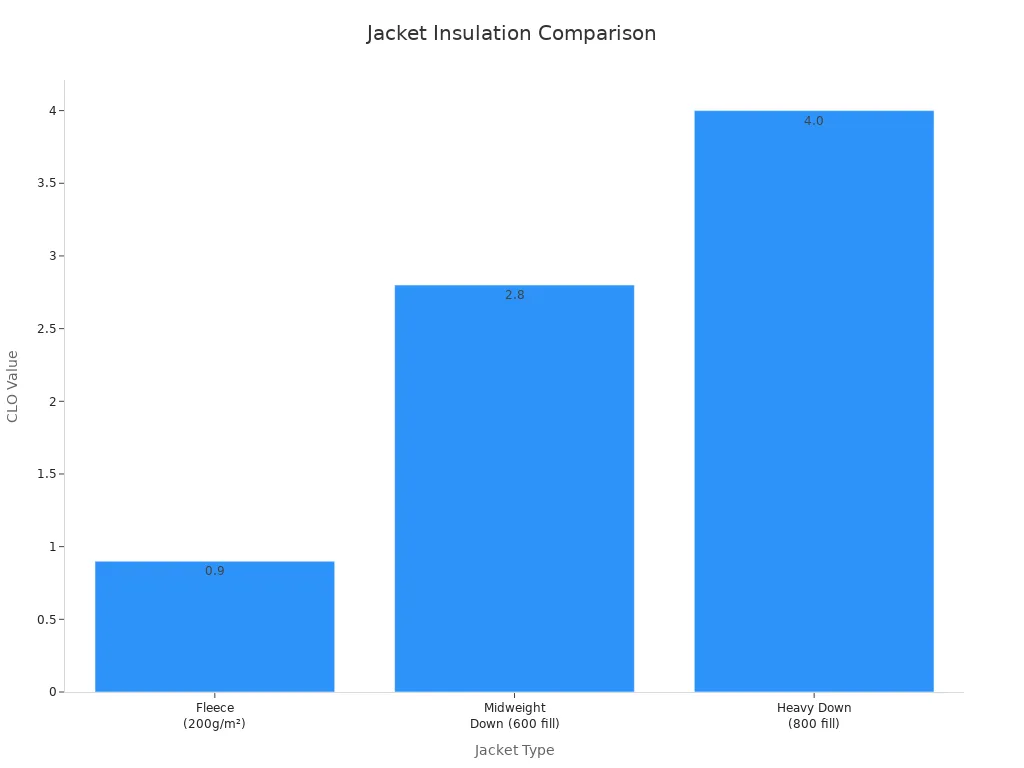
You can see how insulation compares using CLO values and temperature ranges:
Jacket Type | CLO Value (Insulation) | Suitable Temperature Range |
|---|---|---|
Fleece (200g/m²) | ~0.9 CLO | +5°C to +15°C |
Midweight Down (600 FP) | ~2.8 CLO | -5°C to +10°C |
Heavy Down (800 FP) | ~4.0 CLO | -20°C to 0°C |
Weight and packed volume matter when you travel or hike. Down jackets weigh less and pack smaller than fleece jackets.
Metric | Fleece Jacket (average) | Down Jacket (average) |
|---|---|---|
Weight | 400–600g | 250–400g |
Packed Volume | 4–6 liters | 2–4 liters |
Price & Value
You want the best value for your budget. Fleece jackets cost less and suit casual wear. Down jackets cost more but offer premium warmth for cold climates. Synthetic jackets balance price and performance. Use this table to compare average retail prices:
Jacket Type | Average Retail Price (USD) | Market Segment |
|---|---|---|
Fleece Jacket | $40 – $120 | Mid-range, sportswear |
Down Jacket | $100 – $400 | Premium, outdoor gear |
Synthetic Jacket | $60 – $180 | Budget-friendly to mid-range |
You can find budget-friendly vest jacket brands in the synthetic and fleece categories. Down jackets cost more because they use natural materials.
Decision Checklist
You need to consider several must-know factors before buying. This checklist helps you focus on what matters most.
Activity Needs
Insulation: Choose a vest jacket that provides enough warmth for your activity.
Protection: Pick a jacket that blocks wind and resists water if you spend time outdoors.
Versatility: Select a jacket that adapts to hiking, camping, fishing, or casual wear.
Climate Considerations
Cold climates: Down jackets offer the highest warmth.
Wet conditions: Synthetic jackets keep you warm even when damp.
Mild weather: Fleece jackets work well for layering and comfort.
Personal Preferences
Fit: Try on different styles to find your ideal vest jacket size.
Features: Look for pockets, adjustable hems, and ventilation.
Style: Choose colors and designs that match your taste.
Different body types: Use a visual fit guide to see which vest jacket flatters your shape.
Tip: Always check the brand’s sizing chart and try on the jacket with your usual base layers.
Step-by-Step Measurement Guide
You want a vest jacket that fits well and feels comfortable. Use this step-by-step measurement guide to avoid vest jacket sizing mistakes and find your ideal vest jacket size.
Fit Testing
Chest Measurement: Wrap a soft tape measure snugly around the fullest part of your chest. Keep the tape level all around.
Waist Measurement: Measure at the narrowest part of your torso, above your belly button. Wrap the tape snugly but not tight.
Shoulders Measurement: Measure from the tip of one shoulder to the other across your back. This ensures the vest jacket fits your frame.
Vest Length: Measure from the top of your shoulder down to where you want the vest to end.
Try on the jacket and move your arms. You should feel comfortable and unrestricted. The vest jacket should not pinch or hang loosely.
Note: A visual fit guide helps you see how the vest jacket looks on different body types. You can use this to compare styles and find the best fit.
Buying Tips
Check the jacket’s features before you buy. Look for insulation, water resistance, and breathability.
Compare budget-friendly vest jacket brands for value and quality.
Test the fit with your usual base layers and outer shells.
Read reviews to learn about durability and comfort.
Choose a vest jacket that matches your activity, climate, and style.
You can avoid vest jacket sizing mistakes by following this guide and using the step-by-step measurement guide. Choosing the perfect vest means you stay comfortable and ready for any adventure.
You want a vest jacket that delivers comfort and warmth during every outdoor adventure. Focus on insulation, breathability, and fit to stay comfortable in changing conditions. Match your jacket to your activity and climate for the best results. Use this guide to compare options and measure for the right fit. You can enjoy outdoor activities with confidence when you choose the perfect vest jacket.
FAQ
What is the best material for a vest jacket?
You should choose synthetic fibers for wet conditions. Down works best in dry, cold climates. Fleece gives you comfort and breathability. Each material offers unique benefits for outdoor activities.
How do I know if my vest jacket fits correctly?
You should check the chest, waist, and length measurements. Move your arms to test mobility. The jacket should feel snug but not tight. Try layering with a base shirt to confirm comfort.
Can I wear a vest jacket in the rain?
You can wear a vest jacket with water-resistant features during light rain. For heavy rain, pair your vest with a waterproof shell. Always check the jacket’s label for water protection ratings.
What is the difference between down and synthetic insulation?
Down insulation uses natural feathers for warmth and light weight. Synthetic insulation uses man-made fibers that keep you warm even when wet. You should pick the insulation type based on your climate and activity.
How do I layer a vest jacket for cold weather?
Start with a moisture-wicking base layer. Add your vest jacket for insulation. Finish with a windproof or waterproof outer shell. This system helps you stay warm and dry in cold conditions.
Are vest jackets suitable for running or cycling?
You can wear lightweight, breathable vest jackets for running or cycling. Look for moisture-wicking fabrics and reflective details. These features help you stay comfortable and visible during activity.
How do I clean and care for my vest jacket?
You should follow the care instructions on the label. Most jackets require gentle washing and air drying. Avoid using bleach or fabric softeners. Store your jacket in a cool, dry place.
What features should I look for in a fishing vest jacket?
You should look for water-resistant materials, adjustable hoods, and plenty of storage pockets. Breathable mesh panels improve comfort. These features help you stay organized and dry while fishing.