
Convenience Store Uniform ODM helps you save big on costs
Table of Contents
Display
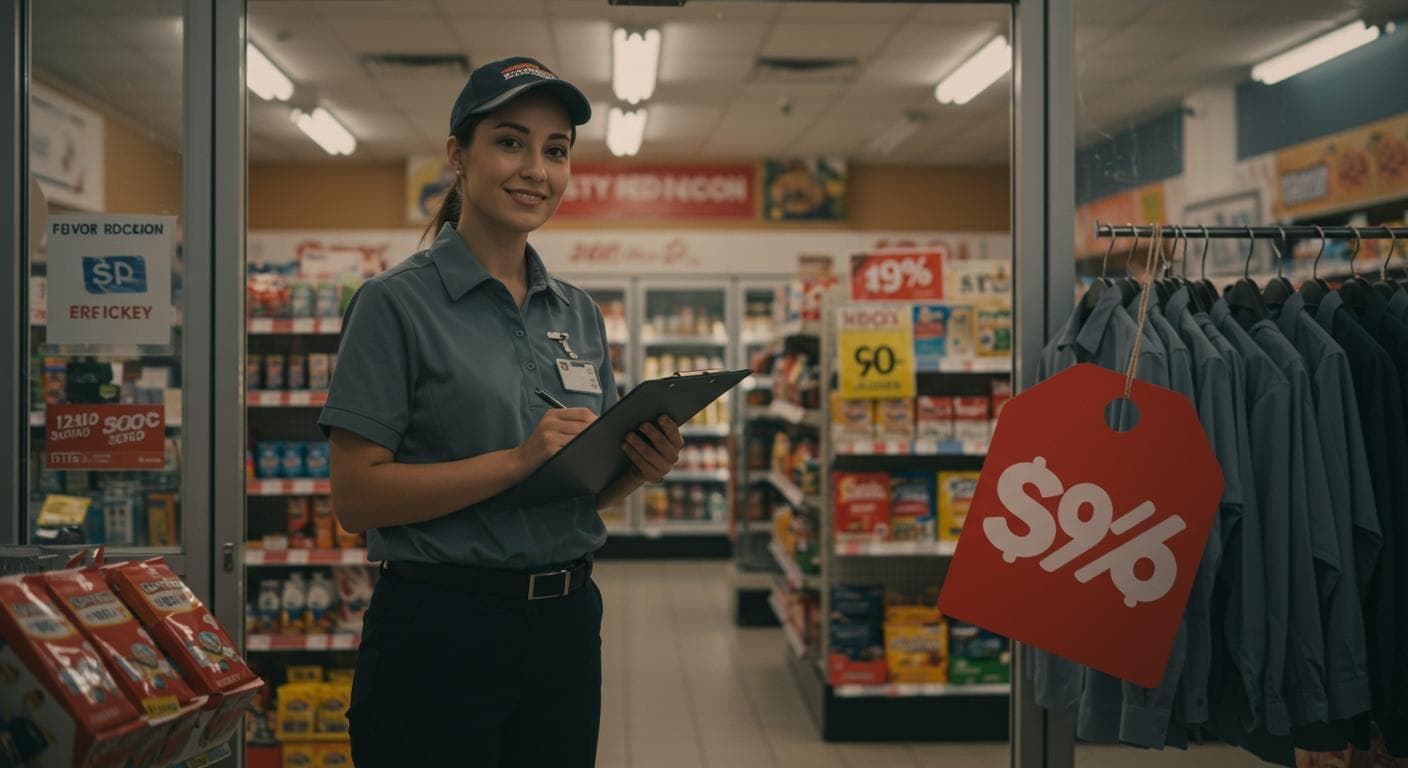
Convenience store uniform odm can help businesses save up to 15% on uniform costs. Many store owners ask, “How much can I save?” The answer often surprises them. For example:
A client who rented uniforms for 45 employees spent $104,000 per year.
By switching to convenience store uniform odm, the total cost for five sets of uniforms dropped to $42,746.85.
The weekly payment plan lowered expenses to $1,781.12, resulting in first-year savings of $53,253.15.
These results show how convenience store uniform odm delivers real financial benefits.
Key Takeaways
Switching to convenience store uniform ODM can save businesses up to 15% on uniform costs.
Bulk ordering leads to significant discounts, helping stores maximize procurement savings.
Streamlined supply chains reduce costs and improve delivery times by eliminating middlemen.
Durable fabrics lower replacement and laundering costs, supporting long-term savings.
Effective inventory management prevents overstocking and minimizes waste, enhancing efficiency.
Long-term contracts with uniform providers often include free alterations, adding to overall savings.
Standardizing uniform designs simplifies management and reduces inventory costs.
Regularly reviewing procurement processes can uncover new opportunities for cost savings.
Savings Overview
Average Savings
Circle K achieved a 15% reduction in uniform costs by switching to convenience store uniform ODM. Many retailers experience similar savings when they adopt strategic retail planning and effective retail planning. Bulk pricing plays a major role in these savings. When stores order 500 or more units, they often receive discounts ranging from 15% to 30%. This approach allows businesses to meet customer demand while lowering expenses.
Retailers who use digital printing for logo customization pay less than $0.50 per unit. This method supports branding without increasing costs. RFID tags, embedded in 15% of premium uniforms, improve inventory tracking and support analytics. These features help stores manage demand and optimize retail planning.
Efficient inventory management also drives savings. Stores analyze employee size preferences and previous orders to forecast demand and avoid surplus uniforms. This process reduces waste and supports effective retail planning. Many retailers negotiate long-term contracts with uniform providers. These agreements often include free alterations or repairs, which add to overall savings.
Tip: Stores that standardize uniform designs can reduce management and inventory costs. Simple designs maintain a professional look and support strategic retail planning.
Choosing durable, low-maintenance fabrics lowers laundering and replacement costs. This decision supports long-term savings and meets customer demand for quality.
Key Factors
Several key factors contribute to savings in convenience store uniform ODM:
Bulk pricing: Stores receive significant discounts when ordering large quantities. This strategy supports effective retail planning and meets customer demand.
Streamlined supply chain: Eliminating middlemen can reduce costs. However, producers or consumers must assume the functions of intermediaries. The table below compares procurement with and without intermediaries:
Aspect
With Intermediary
Without Intermediary
Buyer Negotiation
Negotiates with one intermediary
Negotiates with multiple sellers
Seller Negotiation
Negotiates with one intermediary
Negotiates with multiple buyers
Efficiency
Higher efficiency due to reduced negotiations
Lower efficiency due to increased negotiations
Inventory efficiency: Stores use forecasting and analytics to predict demand and optimize stock levels. This approach minimizes waste and supports savings.
Standardized designs: Simple uniform styles reduce management and inventory costs. Stores maintain a professional appearance while supporting strategic retail planning.
Durable fabrics: Selecting long-lasting materials lowers replacement and laundering costs. This choice supports savings and meets customer demand.
Long-term contracts: Retailers negotiate agreements that include free repairs and alterations. These contracts support savings and effective retail planning.
Retailers who focus on these factors achieve greater savings. They use data to forecast demand and optimize retail planning. Strategic decisions in procurement, design, and inventory management support long-term savings and improved sales.
Convenience Store Uniform ODM Benefits

Lower Costs
Bulk Pricing
Bulk pricing stands out as a primary driver of procurement savings for convenience stores. When stores order uniforms in large quantities, suppliers offer significant discounts. This approach allows stores to buy better and spend better. For example, a store that orders 1,000 uniforms can negotiate a lower price per unit compared to a store that orders only 100. Bulk pricing helps stores streamline purchasing and maximize procurement savings.
Note: Stores that plan uniform orders in advance often secure the best bulk pricing deals. Early planning supports procurement savings and helps stores buy better.
Bulk pricing also reduces the frequency of reordering. Fewer orders mean lower shipping costs and less administrative work. Stores that take advantage of bulk pricing see clear procurement savings over time.
Streamlined Supply Chain
A streamlined supply chain reduces unnecessary steps in procurement. Stores that work directly with ODM providers eliminate extra layers in the supply process. This direct approach leads to faster delivery times and lower costs. Stores can spend better by focusing on efficient supply chain management.
A streamlined supply chain also improves communication between stores and suppliers. Clear communication helps stores address issues quickly and avoid delays. Procurement savings increase when stores reduce errors and minimize waste.
Tip: Stores that review their supply chain regularly can identify bottlenecks and improve procurement efficiency.
Procurement Savings
Fewer Middlemen
Reducing the number of middlemen in the procurement process leads to immediate procurement savings. When stores buy directly from ODM providers, they avoid markups added by distributors or agents. This direct relationship allows stores to buy better and spend better.
The table below shows the impact of fewer middlemen on procurement costs:
Procurement Model | Number of Middlemen | Average Cost per Uniform | Procurement Savings |
|---|---|---|---|
Traditional | 2 | $25 | Low |
Direct ODM | 0 | $20 | High |
Stores that cut out middlemen gain more control over pricing and quality. This control supports long-term procurement savings and helps stores spend better.
Efficient Sourcing
Efficient sourcing means finding the best suppliers and negotiating favorable terms. Stores that focus on efficient sourcing achieve higher procurement savings. They compare multiple ODM providers, evaluate samples, and select partners that offer the best value.
Efficient sourcing also involves monitoring supplier performance. Stores track delivery times, product quality, and service levels. This data-driven approach helps stores buy better and maintain consistent procurement savings.
Callout: Stores that invest in supplier relationships often receive priority service and better pricing. Strong partnerships support ongoing procurement savings.
Efficient sourcing reduces the risk of stockouts and overstocking. Stores that manage sourcing well can spend better and avoid unnecessary expenses.
Cost Breakdown
Production Costs
Production costs form the foundation of uniform pricing for convenience stores. Manufacturers use data to track material prices, labor rates, and production efficiency. They analyze data from previous orders to predict future costs. This process helps them adjust production schedules and reduce waste. Data-driven decisions allow stores to negotiate better rates with suppliers. Stores that use data can compare costs across different factories. They often choose partners who offer the best value. Data also helps stores identify trends in fabric durability and colorfastness. These insights lead to smarter purchasing decisions and lower costs.
Tip: Stores that collect data on uniform wear and tear can plan replacements more accurately. This approach reduces unexpected costs and supports better budgeting.
Design Expenses
Design expenses include the fees for creating custom logos, selecting colors, and choosing uniform styles. Stores rely on data to understand which designs appeal to employees and customers. They use data from surveys and sales reports to guide design choices. Data also reveals which features, such as pockets or moisture-wicking fabrics, improve employee satisfaction. Stores that use data to streamline the design process avoid unnecessary revisions. This strategy keeps costs under control. Data from previous design projects helps stores estimate future expenses. They can set realistic budgets and avoid overspending.
A simple design often costs less to produce. Stores that use data to track design trends can update uniforms without increasing costs. Data-driven design choices support brand consistency and reduce expenses.
Inventory Costs
Inventory costs include storage, handling, and loss from unsold uniforms. Stores use data to monitor inventory levels in real time. They track which sizes and styles move quickly and which remain in storage. Data helps stores avoid overstocking, which ties up capital and increases costs. Inventory management systems use data to automate reordering. This process ensures stores have enough uniforms without holding excess stock.
Demand forecasting relies on data from sales history and seasonal trends. Stores use data to predict how many uniforms they will need each quarter. Accurate demand forecasting prevents shortages and reduces inventory costs. Data also helps stores identify slow-moving items. They can run promotions to clear out old inventory and recover costs.
Note: Stores that invest in inventory tracking technology gain better control over costs. Data-driven inventory management leads to fewer losses and higher efficiency.
Data supports every step of inventory management. Stores that use data for demand forecasting, stock rotation, and loss prevention achieve significant savings. They keep inventory costs low and maintain a steady supply of uniforms.
Real-World Examples
Case Study
Circle K, a well-known convenience store chain, decided to switch from traditional uniform suppliers to an ODM (Original Design Manufacturer) model. The management team wanted to reduce costs and improve uniform quality. They started by analyzing their annual spending on uniforms. The team found that they paid $104,000 each year for rented uniforms for 45 employees. The uniforms required frequent replacements and repairs, which increased expenses.
The team contacted several ODM providers and requested quotes for custom-designed uniforms. After comparing options, they selected a provider that offered durable fabrics and simple designs. The ODM provider supplied five sets of uniforms per employee. The total cost for the first year dropped to $42,746.85. The store chose a weekly payment plan, which made budgeting easier. The new uniforms lasted longer and required fewer repairs.
Circle K tracked uniform performance over the next twelve months. Employees reported higher comfort and satisfaction. The store reduced waste by forecasting demand and ordering only the necessary sizes. The management team noticed a decrease in lost uniforms and replacement requests. The ODM provider included free alterations, which saved additional money.
Tip: Stores that monitor employee feedback and uniform usage can identify areas for improvement and maximize savings.
Cost Comparison
A direct comparison between traditional uniform procurement and ODM reveals clear savings. The table below shows the cost breakdown for a store with 45 employees:
Procurement Model | Annual Cost | Uniform Sets per Employee | Replacement & Repair Fees | Total First-Year Savings |
|---|---|---|---|---|
Traditional Rental | $104,000 | 3 | High | – |
ODM Purchase | $42,746.85 | 5 | Low | $53,253.15 |
Stores that use ODM providers spend less on uniforms and repairs. They receive more uniform sets per employee, which reduces the need for frequent replacements. The ODM model also offers flexible payment plans and free alterations.
ODM providers help stores avoid hidden fees.
Stores gain better control over inventory and uniform quality.
Employees benefit from improved comfort and fit.
Note: Real-world data shows that convenience stores can save up to 15% or more by switching to ODM. These savings allow stores to invest in other areas, such as employee training or store upgrades.
Circle K’s experience demonstrates how ODM solutions deliver measurable cost reductions and operational improvements. Other convenience stores can achieve similar results by evaluating their current procurement process and considering ODM options.
Additional Savings
Durability
Durability plays a crucial role in the long-term savings that convenience stores experience with ODM uniforms. High-quality uniforms last longer and maintain their appearance even after repeated washing. Stores that invest in durable materials see uniforms that withstand daily wear and tear. Employees benefit from uniforms that look professional and feel comfortable throughout their shifts.
Durable uniforms also reduce the need for frequent replacements. This leads to significant cost savings over time. Stores that choose superior construction and strong fabrics spend less on new uniforms each year. The following table compares the annual cost and cost reduction between two common uniform types:
Uniform Type | Annual Cost | Cost Reduction |
|---|---|---|
70/30 Blend Shirt | 47% | |
100% Cotton Shirt | $24.00 | N/A |
A 70/30 blend shirt offers a 47% cost reduction compared to a 100% cotton shirt. This difference highlights the impact of material choice on the budget. Stores that select durable options unlock hidden savings that add up year after year.
Durable materials lead to longer-lasting uniforms.
Superior construction reduces the need for frequent replacements.
High-quality uniforms also boost employee morale. Workers feel valued when they receive comfortable and reliable clothing. This positive environment can improve retention and productivity, which supports the store’s bottom line.
Tip: Stores that track uniform lifespan can better plan for future purchases and avoid unexpected expenses.
Logistics
Efficient logistics further increase the savings for convenience stores using ODM uniforms. Stores that streamline their ordering and delivery processes reduce shipping costs and minimize delays. ODM providers often offer direct shipping from the factory to the store, which eliminates unnecessary steps and speeds up delivery.
Stores that manage logistics well avoid overstocking and understocking. Accurate forecasting ensures that each location receives the right number of uniforms at the right time. This approach prevents wasted storage space and reduces the risk of lost or damaged inventory.
Many ODM providers use advanced tracking systems to monitor shipments in real time. Managers can see where their orders are and plan for arrivals. This transparency helps stores respond quickly to any issues and maintain smooth operations.
Hidden savings often come from improved logistics. Stores that reduce shipping errors and avoid rush orders save money that might otherwise go unnoticed. These savings, combined with the benefits of durability, create a strong case for choosing ODM uniforms.
Note: Stores that review their logistics process regularly can identify new ways to cut costs and improve efficiency.
Maximizing Procurement Savings
Bulk Orders
Convenience stores can maximize procurement savings by focusing on bulk orders. When stores increase purchasing volume, suppliers often offer significant discounts. Bigger orders lead to lower prices, which supports procurement goals. Uniform equipment purchased in bulk minimizes compatibility issues and streamlines procurement processes. One-time delivery saves time compared to piecemeal logistics, reducing procurement complexity.
By purchasing in bulk, convenience stores take advantage of economies of scale. This approach leads to lower prices and reduced logistics costs. Procurement teams benefit from streamlined operations, making cost control easier.
Stores that consolidate orders and shipments help lower factory changeover costs. Combining shipments results in cheaper freight and customs clearance, which supports procurement efficiency. Negotiating lower prices with forwarders becomes easier when procurement teams present larger orders. Procurement managers should plan bulk purchasing cycles to align with uniform replacement schedules. This strategy ensures procurement savings and avoids unnecessary expenses.
A mid-sized retailer upgraded POS systems across 40 stores through bulk purchasing. The procurement team achieved an 18% drop in per-unit cost and a 10% increase in operational efficiency. This example highlights how procurement teams can leverage bulk orders for greater savings.
Inventory Analysis
Effective inventory analysis plays a key role in procurement savings for convenience stores. Procurement managers use data to track uniform usage and forecast demand. Stores analyze employee size preferences and previous orders to avoid excess inventory. Procurement teams rely on inventory management systems to automate reordering and maintain optimal stock levels.
Tip: Stores that invest in inventory tracking technology gain better control over procurement costs.
Procurement teams monitor which sizes and styles move quickly and which remain in storage. This analysis helps procurement teams avoid overstocking, which ties up capital and increases costs. Demand forecasting relies on procurement data from sales history and seasonal trends. Accurate forecasting prevents shortages and reduces procurement expenses.
Stores can engage their workforce in the procurement process by gathering feedback through surveys. Staff input helps procurement teams select uniforms that meet employee needs. Procurement managers identify project champions who advocate for uniform changes and provide feedback. Trialing garments allows procurement teams to test fit and functionality before final purchasing decisions.
Procurement teams should review inventory analysis regularly. This practice supports procurement savings and ensures stores maintain a steady supply of uniforms.
ODM Partner Selection
Selecting the right ODM partner is essential for maximizing procurement savings. Procurement teams evaluate potential partners using clear criteria. The following table outlines important factors for procurement managers:
Criteria | Description |
|---|---|
Reputable fabric suppliers | Partners with major fabric suppliers worldwide, offering a diverse range of fabrics and materials. |
Ensure quality printing and embroidery | Utilizes advanced digital printing technologies for durability and high resolution. |
Tailor designs to meet customer needs | A creative design team collaborates to deliver trendy and elegant designs tailored to customer needs. |
Optimize for quality | Ensures uniform products are durable, with rigorous control over color, style, stitching, and details. |
Procurement teams should consider the fulfillment stage when selecting an ODM partner. A clear process for managing orders and communication regarding delivery supports procurement efficiency. Procurement managers benefit from strong supplier relationships, which often result in priority service and better pricing.
Procurement teams must trial garments before making final purchasing decisions. Samples allow procurement teams to assess fit, comfort, and durability. Procurement managers gather feedback from staff to ensure uniforms meet operational needs.
Procurement teams focus on negotiating lower prices with ODM partners. This strategy supports procurement savings and ensures stores receive the best value. Procurement managers should compare multiple ODM providers, evaluate samples, and select partners that offer the most cost-effective solutions.
Procurement teams that optimize partner selection unlock greater savings and improve uniform quality.
Convenience store owners can expect significant long-term savings by switching to ODM uniform solutions. They benefit from bulk pricing, streamlined supply chains, and efficient sourcing. Owners should review purchasing needs against current inventory, reduce excess stock, and consider outsourcing tasks. The following table highlights features that simplify the transition to ODM:
Feature | Description |
|---|---|
Cloud Solution | Handles multi-store operations with preloaded inventory for quick setup. |
Group and Work Order | Simplifies quoting, ordering, and fulfilling group business. |
Actionable Insights | Offers real-time benchmarks and analytics. |
Reputation Management | Improves local search results and online presence. |
Advanced Shipment Notices | Streamlines purchase orders and reduces errors. |
eCommerce Solutions | Easy setup for group business. |
Payment Processing | Fast and reliable for all card types. |
Owners can request a quote or cost analysis from ODM providers to start saving.
FAQ
How much can a convenience store save by switching to ODM uniforms?
Most stores report savings of up to 15%. Some stores see even higher savings when they use bulk orders and efficient inventory management.
What is the main difference between ODM and traditional uniform suppliers?
ODM providers design and manufacture uniforms directly for stores. Traditional suppliers often act as middlemen. ODM gives stores more control over quality and cost.
Do ODM uniforms last longer than standard uniforms?
Yes. ODM uniforms use durable fabrics and strong stitching. Stores report fewer replacements and repairs, which leads to long-term savings.
Can stores customize ODM uniforms with their own branding?
Stores can add logos, colors, and special features. ODM providers offer digital printing and embroidery for custom branding.
How do stores avoid overstocking uniforms with ODM?
Stores use inventory analysis and demand forecasting. This process helps them order the right amount and avoid excess stock.
What should stores look for when choosing an ODM partner?
Stores should check for quality materials, reliable delivery, and strong customer support. A good ODM partner offers samples and clear communication.
Most ODM providers offer transparent pricing. Stores should review contracts for extra charges, such as shipping or alterations.
Tip: Stores that ask for a detailed quote avoid unexpected costs.