

What Are Private School Uniform Dress Codes
Table of Contents
Display

When I think about private schools uniforms, I see a set of clear rules that guide what students wear every day. These dress codes set specific standards for clothing, appearance, and grooming. Unlike general dress codes in public schools, private schools often require more formal and uniform attire.
Private schools usually have stricter rules, with less room for personal style.
Public schools allow more freedom of expression in clothing.
Private schools enforce their dress code more strictly, expecting students to follow every detail.
Understanding these expectations helps parents and students avoid confusion and ensures everyone feels comfortable at school.
Key Takeaways
Private schools often have strict uniform dress codes that promote a professional appearance.
Uniforms help create a sense of unity and reduce distractions, allowing students to focus on learning.
Dress codes can foster inclusivity by minimizing visible differences among students.
Students should check their school’s handbook for specific uniform requirements and guidelines.
Grooming standards are important; neat hair and clean uniforms show respect for the school environment.
Some schools allow flexibility with dress codes, giving students more choices while maintaining standards.
Dress codes can enhance safety by making it easier to identify students and unauthorized visitors.
Understanding and following dress codes teaches students responsibility and prepares them for future expectations.
Private School Uniforms Overview
Uniform Dress Codes
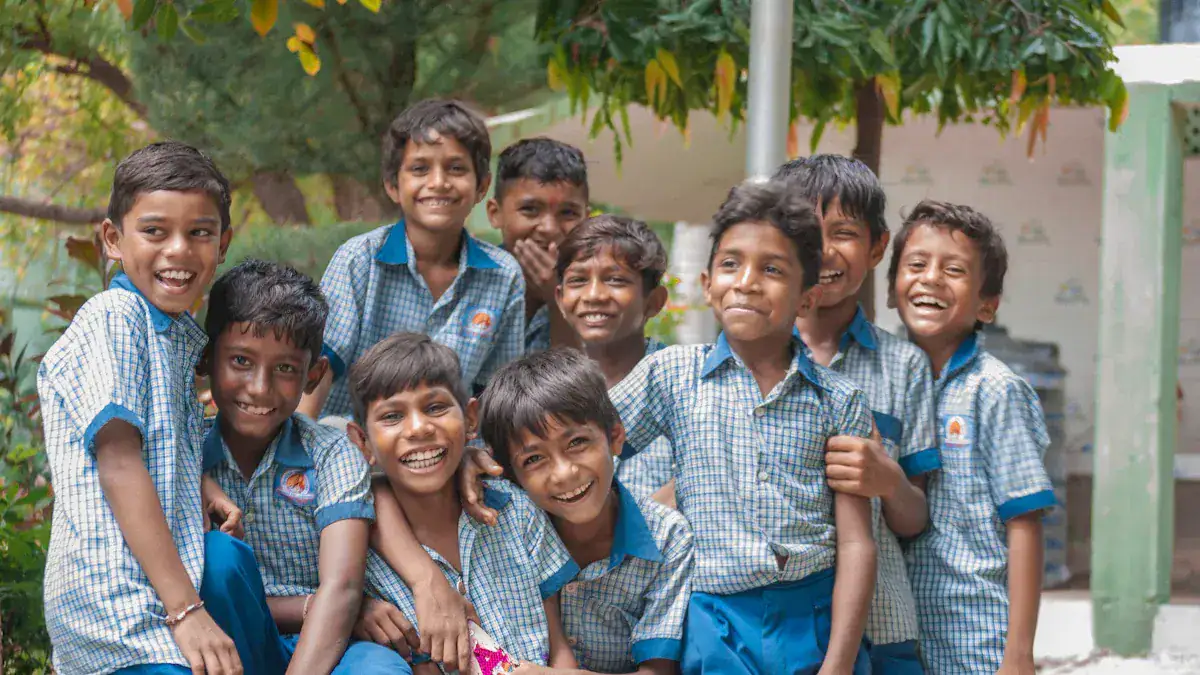
When I walk into a private school, I notice the clear expectations for what students wear. Private schools uniforms often include specific items that every student must have. I see these requirements as a way to create a sense of unity and professionalism. The list of clothing items usually looks like this:
Blazer
White shirt
School tie
Slacks
Socks
Black shoes
Dresses (for girls)
Blouse (for girls)
Skirts (for girls)
I remember how important it felt to wear the right uniform each day. The school uniforms set the tone for the day and help everyone focus on learning. I see that dress codes in private schools leave little room for personal choice. The rules make sure every student looks similar, which can reduce distractions and help students concentrate.
I notice that boys usually wear slacks, blazers, and ties. Girls often wear skirts or dresses with blouses. Some schools allow pants for girls, but most stick to traditional styles. Shoes must be black and polished. Socks are usually plain and match the rest of the uniform. I see that the school tie often carries the school’s colors or emblem, which builds a sense of pride.
Appearance Standards
I believe that neatness and cleanliness matter just as much as the actual clothing. Private schools set high standards for how students present themselves. I see teachers checking uniforms for stains or wrinkles. Shoes must look clean and in good repair. Hair must be tidy and a natural color. I notice that these rules help students avoid distractions and show respect for the school environment.
Here is a table that summarizes the main appearance standards I have seen in private schools:
Standard | Description |
|---|---|
Clothing Condition | Uniforms must be clean, free of stains and wrinkles. Shoes should be in good repair. |
Grooming | Hair must be appropriately groomed and of a natural color and shade. |
Overall Appearance | Students should observe high standards of neatness and cleanliness to avoid distractions. |
I think these expectations teach students responsibility. When I follow these rules, I feel more prepared for the day. Dress codes in private schools do not just focus on clothing. They also shape how students act and interact with others. I see that these standards help create a respectful and focused atmosphere.
Private Schools Uniforms vs. Dress Codes
Uniforms
When I think about private schools, I often picture students wearing matching outfits every day. Uniforms create a clear and consistent look for everyone. Schools with mandatory uniforms require students to wear specific clothing items, such as blazers, ties, and skirts or slacks. I see this policy as strict because it leaves little room for personal choice. Every student must follow the same rules, which helps the school maintain a professional appearance.
I have seen schools like Saints Academy use mandatory uniform policies. At Saints Academy, all students must wear navy blue shirts and either khaki or navy bottoms. The school expects everyone to look the same, which makes it easy to spot who belongs on campus. I notice that uniforms can help reduce competition over clothing and make mornings simpler for families.
Here is a table that shows the difference between a school with a mandatory uniform and one with a general dress code:
School Name | Policy Type | Description |
|---|---|---|
Saints Academy | Mandatory Uniform | All students must wear specific uniforms including navy blue shirts and khaki or navy bottoms. |
General Private Schools | General Dress Code | Many private schools have specific dress codes but do not require a uniform, allowing for more flexibility. |
Dress Codes
Not every private school requires a uniform. Some schools choose to set a dress code instead. I find that a dress code gives students more freedom in what they wear, but still sets clear boundaries. These schools may allow students to pick their own clothes, as long as they follow certain guidelines. For example, a school might require collared shirts and dress pants, but let students choose the color or style.
I have noticed that dress codes often focus on neatness, modesty, and appropriate clothing for a learning environment. Students cannot wear clothing with offensive graphics or slogans. Some schools ban jeans or shorts, while others allow them on special days. I think a dress code can help students express themselves, but still keeps the school environment respectful.
Tip: I always recommend that parents and students check the school’s handbook or website for the exact rules. Each school sets its own policy, so requirements can change from one place to another.
Here are some key points I have learned about dress codes in private schools:
Many private schools use a dress code instead of a uniform.
Dress codes allow for more clothing options, but still set limits.
It is important to research each school’s policy before buying clothes.
I see that both uniforms and dress codes aim to create a positive school environment. The main difference comes down to how much choice students have in what they wear.
Why Dress Codes Matter
Equality
When I look at private schools, I see that dress codes play a big role in promoting equality. By setting clear rules for what everyone wears, schools help reduce visible differences between students. I have noticed that when everyone follows the same dress code, it becomes harder to judge classmates based on their clothes or brands. This helps students focus more on learning and less on what others are wearing.
Through school uniforms, Ramalynn students experience equality, inclusivity, and respect on a daily basis. Our uniforms symbolize the unity and shared purpose that permeates every aspect of our school community.
I believe that a good dress code should treat everyone fairly. Here are some important points I have learned:
Dress codes should not target specific identities.
Policies must not discriminate based on gender identity, sexual orientation, race, or religion.
Dress codes should allow for individual expression while maintaining a respectful environment.
I have seen that when schools follow these guidelines, students feel more included and respected. However, I also know that some students worry about how dress codes are enforced. Sometimes, rules can be stricter for certain groups, which can lead to feelings of unfairness. I think it is important for schools to review their policies regularly to make sure everyone feels welcome.
School Identity
I notice that a school uniform does more than just set rules for clothing. It helps build a strong sense of school identity. When I wear my uniform, I feel like I am part of something bigger than myself. The colors, logos, and styles connect me to my classmates and teachers.
School uniforms symbolize unity and equality, fostering a collective identity among students.
They allow for personal expression through colorful accessories and unique hairstyles, balancing tradition with individuality.
Wearing uniforms helps students feel a sense of belonging, connecting them with peers and strengthening community ties.
I have seen how dress codes can boost school pride. When everyone dresses in a similar way, it creates a team spirit. I feel more connected to my school and more motivated to represent it well.
Safety
Safety is another key reason why private schools enforce dress codes. I have learned that when everyone follows the same dress code, it becomes easier for staff to spot visitors or anyone who does not belong on campus. This helps keep students safe during the school day.
Here is a table that shows some benefits of dress codes, based on recent research:
Benefit | Description |
|---|---|
Minimizes distractions in the classroom. | |
Promotion of School Pride and Unity | Fosters a sense of belonging among students. |
Enhanced Safety and Security | Makes it easier to identify students and unauthorized visitors. |
Convenience and Cost Savings | Simplifies morning routines and reduces clothing expenses for families. |
I have also read that dress codes can help reduce bullying by making everyone look similar. However, some studies show mixed results. Not all students feel that dress codes improve their school experience. Still, I believe that clear rules help create a safer and more focused environment for learning.
Private School Uniforms Requirements
Clothing Items
When I look at private school uniforms, I see that schools set clear expectations for what students must wear each day. The list of required clothing items often feels strict, but it helps everyone know exactly what to wear. I remember how my school provided a checklist at the start of each year. Here are the typical clothing requirements I have seen for boys and girls:
All students must wear clothing that covers from mid-thigh to the top of the chest and back. The material must not be see-through.
Pants must be khaki or navy blue, tailored, and made from standard uniform materials.
Skirts, usually for girls, must be of appropriate length and style, often in khaki or black.
Boys are required to wear solid-colored dress shirts with ties, long pants, and shoes.
Holes or rips in jeans are never allowed, even on casual Fridays.
Hair must be neat and clean, with no extreme hairstyles permitted.
I notice that these dress codes focus on modesty and neatness. The rules help students avoid distractions and keep the school environment professional. I also see that some schools allow girls to wear pants, but most stick to traditional options like skirts or dresses.
Colors and Styles
I have learned that private schools care a lot about the colors and styles of uniforms. Each school chooses specific colors to represent its identity. Most schools require neutral or school-approved colors for shirts, such as white, light blue, or gray. I remember my school only allowed navy blue or white shirts, which made it easy to get dressed in the morning.
Here is a table that shows how schools specify acceptable colors and styles for different uniform items:
Item | Description |
|---|---|
Shirts | Solid, neutral, or school-approved colors like white, light blue, or gray. Long-sleeve and short-sleeve options are available. |
Skirts | Typically knee-length or longer, ensuring modesty and comfort. |
Trousers | Should not be overly tight or revealing. |
Blazers/Sweaters | Feature the school logo or come in specific colors, especially for colder months. |
Ties | Required in many traditional schools, sometimes optional for all students. |
Shoes | Closed-toe shoes in black or brown leather, neat and clean. |
PE Shoes | Clean sneakers or sports shoes may be allowed on physical education days. |
I see that school uniforms often include blazers or sweaters with the school logo. Ties are common in traditional schools, and they usually match the school’s colors. The focus on color and style helps create a unified look and builds school pride.
Note: I always check the school’s handbook for the exact shades and styles allowed. Some schools are very strict about matching colors and logos.
Footwear
Footwear is another important part of private school uniforms. I have seen that schools want shoes to be comfortable, safe, and in good condition. Most schools only allow black, white, or gray shoes. Patterns and prints are fine if they use these colors. I remember getting in trouble once for wearing shoes with bright red laces, so now I always double-check the rules.
Here is a table that summarizes common footwear requirements and prohibitions:
Requirement/Prohibition | Details |
|---|---|
Required Shoes | Comfortable, safe shoes in good condition, black, white, or gray only. Patterns and prints in these colors are acceptable. |
Prohibited Colors | No other colors, small accent colors, colored laces, or logos other than black, gray, or white. |
Type of Shoes | All shoes must be closed-toed with a closed back or back strap. Shoes with laces must be laced and tied securely. |
I see that dress codes do not allow sandals, flip-flops, or open-back shoes. Shoes must always be closed-toed for safety. On physical education days, schools may allow clean sneakers or sports shoes, but only in approved colors. I think these rules help keep students safe and maintain a neat appearance.
Accessories
When I look at private school dress codes, I see that accessories often come with strict guidelines. Schools want students to look neat and uniform, so they limit what we can wear. I remember reading my school’s handbook and feeling surprised by how many rules covered small items like jewelry and belts.
Most private schools allow only a few basic accessories. Here is a list of what I often see permitted:
Simple belts, usually in black or brown leather, with a plain buckle
Modest wristwatches
Small stud earrings for girls (sometimes only one pair)
Hair accessories in school colors, like headbands or scrunchies
I notice that schools ban flashy or distracting items. Large hoop earrings, chunky necklaces, and bracelets with charms usually do not meet the dress code. I once wore a bright pink headband and had to remove it because it did not match the school colors.
Here is a table that summarizes common accessory rules:
Accessory Type | Allowed Items | Prohibited Items |
|---|---|---|
Jewelry | Small studs, simple watches | Large earrings, necklaces, bracelets |
Belts | Plain black or brown leather, simple buckle | Decorative, colored, or logo belts |
Hair Accessories | School colors, simple styles | Bright colors, glitter, oversized bows |
Bags/Backpacks | Solid colors, no large logos | Neon colors, distracting patterns |
Tip: I always double-check the school’s accessory policy before buying anything new. Even small details like the color of a hair tie can matter.
Some schools allow religious or medical jewelry, but students must get approval first. I have seen classmates wear medical alert bracelets or small religious symbols after talking with the principal.
I think these rules help keep the focus on learning. When everyone follows the same guidelines, it reduces competition over fashion and helps us look like a team.
Grooming
Grooming standards in private schools go beyond just clothing and accessories. I see that schools expect students to look clean, tidy, and professional every day. These rules cover hair, nails, and even makeup.
Hair must look neat and natural. Most schools do not allow extreme hairstyles, such as bright colors, shaved designs, or mohawks. I remember a friend who dyed her hair blue and had to change it back before returning to class. Boys often need to keep their hair above the collar and out of their eyes. Girls can wear longer hair, but it must stay tidy and pulled back if needed.
Here are some common grooming requirements I have seen:
Hair must be clean, brushed, and a natural color
No extreme styles or unnatural dyes
Boys must be clean-shaven or keep facial hair neatly trimmed
Nails should be short and clean, with neutral or clear polish only
Makeup, if allowed, must look natural and subtle
I have noticed that some schools allow light makeup for older students, but they set strict limits. Heavy eyeliner, bold lipstick, or glitter are not allowed. I once tried wearing bright nail polish and had to remove it before class.
Here is a quick reference table for grooming standards:
Grooming Area | Requirement | Not Allowed |
|---|---|---|
Hair | Neat, natural color, simple style | Bright dyes, extreme cuts |
Facial Hair | Clean-shaven or neatly trimmed | Unkempt beards, mustaches |
Nails | Short, clean, neutral/clear polish | Long, colored, or decorated nails |
Makeup | Minimal, natural look (if allowed) | Heavy, bold, or glitter makeup |
Note: I always check the school’s grooming policy before making changes to my appearance. It saves me from getting in trouble and helps me feel prepared for school.
I believe these grooming standards teach responsibility and respect. When I follow them, I feel more confident and ready to learn. Schools set these rules to help us look our best and create a positive environment for everyone.
Dress Codes: Prohibitions
Banned Clothing
When I review private school policies, I see that the list of banned clothing is often long and detailed. Schools want to make sure students wear acceptable attire that supports a focused learning environment. I notice that many items are not allowed because they can distract others or break the sense of unity. Here is a table that shows the types of clothing most frequently banned in private schools:
Type of Clothing | Description |
|---|---|
Bare Midriffs | Exposed backs, shoulders, and midriffs are not allowed. |
Undergarments | Bra straps and underwear showing through clothing are banned. |
Necklines | Low necklines that expose cleavage or too much chest are prohibited. |
Hairstyles | Some schools ban natural hairstyles, which can raise concerns about fairness. |
Gang-Related Clothing & Accessories | Items with specific colors, jewelry, or emblems linked to gangs are not allowed. |
Bulky Clothing | Heavy coats or baggy clothing are banned to prevent hiding items. |
Loose Shirts | Some schools require shirts to be tucked in at all times. |
Tight or Revealing Clothing | Form-fitting or revealing clothes are not permitted. |
Sleeveless Tops | Spaghetti straps, strapless tops, and tank tops are usually banned. |
Leggings | Must be worn under other clothing or are outright banned. |
Pajamas | Not allowed except during special events like spirit week. |
Vulgar Imagery and Language | Clothing with explicit or offensive images or words is never allowed. |
I remember my school had strict rules about shirts and pants. Shorts were only allowed during summer months and had to reach the knee. Leggings could only be worn under skirts or dresses. These rules made it clear what counted as acceptable attire.
Restricted Accessories
Accessories can also cause problems if they distract students or create safety risks. I have seen schools ban certain items to keep everyone safe and focused. Here is a table that summarizes the most commonly restricted accessories:
Prohibited Accessories | Description |
|---|---|
Earrings | Large or dangling earrings are not allowed. |
Chains | Chains can pose safety risks and are banned. |
Gang-related items | Bandanas, metal belt buckles, and similar items are not permitted. |
Dangle jewelry | Unsafe during activities, so schools ban them. |
Tattoos | Visible tattoos are not allowed. |
I once wore a chain necklace to school and had to remove it before class. My friend had to cover a small tattoo with a bandage every day. Schools want to avoid anything that could cause harm or signal gang membership.
Appearance Rules
Dress codes go beyond clothing and accessories. Schools set appearance rules to ensure students look neat and professional. I see that many private schools enforce strict guidelines for hair, makeup, and tattoos. Here are some common appearance rules I have experienced:
Makeup is usually limited to minimal products, like clear lip balm or light foundation.
Visible tattoos are not permitted.
I remember a classmate who had to remove bright nail polish and another who had to change her hair color back to natural brown. These rules help maintain a consistent look across the student body.
Note: Some private schools have stricter dress codes than others. I have attended schools where every detail was checked daily, from shirt length to hair color. Other schools allowed more flexibility, letting students wear simple jewelry or choose their own hairstyles as long as they looked neat. The strictest policies aim to create a disciplined, distraction-free environment, while more flexible ones give students a bit more freedom.
I always recommend checking your school’s handbook to understand what is allowed and what is not. Knowing the rules helps avoid surprises and ensures everyone follows the dress code.
Consequences for Violations
When I think about private school rules, I know that following the dress code is important. Schools set clear steps for what happens if students do not follow these rules. I have seen how these steps help keep everyone on track and maintain a respectful environment.
Warnings
In my experience, most private schools start with a warning when a student breaks the dress code. Teachers or staff usually notice the issue and speak to the student directly. Sometimes, they give a gentle reminder or ask the student to fix the problem right away. I remember once forgetting to wear my school tie. My teacher pulled me aside and reminded me to wear it the next day. These warnings help students learn the rules without feeling embarrassed in front of others.
Note: Warnings are not meant to punish. They give students a chance to correct their mistakes and understand the expectations.
Disciplinary Actions
If a student continues to break the dress code after receiving a warning, the school may take further action. I have seen several types of disciplinary actions used in private schools. These steps become more serious if the problem continues or if the violation is severe.
Here are some common disciplinary actions I have observed:
Verbal warnings and discussions
Loss of privileges, such as missing out on special events or activities
Time-outs or temporary removal from the classroom
Community service or restitution, like helping with school tasks
Suspension or expulsion for severe or repeated infractions
I know that most schools prefer to use the least severe action first. They want students to learn from their mistakes rather than feel punished. However, if a student keeps breaking the rules, the consequences become more serious.
Parent Involvement
When dress code violations continue or become serious, schools often involve parents. I have seen teachers call parents to discuss the issue and work together on a solution. Sometimes, schools invite parents to meetings to talk about why the rules matter and how families can support their children.
Parents play a key role in helping students understand and respect the dress code. I have noticed that some parents face challenges, especially when school policies do not match their cultural values. Schools expect parents to model appropriate attire and support the rules, but this can create tension if families feel misunderstood. Open communication between parents and school staff helps everyone find common ground and ensures students feel respected.
Tip: If you or your family have concerns about the dress code, talk to your school’s staff. They can explain the reasons behind the rules and may offer solutions that respect your needs.
Variations Among Private Schools
Religious Schools
When I visit religious schools, I notice that their uniform and dress code policies often reflect their beliefs and traditions. Catholic schools usually require students to wear modest uniforms, such as plaid skirts for girls and dress slacks for boys. I see that these schools often include religious symbols, like crosses or school crests, on blazers or ties. Jewish schools sometimes ask boys to wear kippahs and girls to dress modestly, covering their shoulders and knees. Islamic schools often require girls to wear hijabs and loose-fitting clothing. I find that these rules help students show respect for their faith and create a sense of community. Each religious school sets its own standards, so I always check the handbook before buying uniforms.
Regional Differences
I have learned that uniform and dress code policies can look very different depending on where the school is located. In Europe, most countries expect students to wear uniforms in public schools. Norway stands out because students can choose their own clothing, which sometimes leads to bullying based on family income. Germany has a negative view of uniforms because of its history, so schools rarely require them. In India, uniforms are common in schools, but colleges focus on dress codes that restrict what female students can wear, emphasizing modesty. Vietnam enforces uniforms in K-12 schools, but colleges allow students to dress freely, encouraging self-expression and preparing them for future jobs.
Europe: Uniforms are standard, but Norway and Germany have unique approaches.
India: Uniforms in schools, modest dress codes in colleges.
Vietnam: Uniforms for younger students, freedom of dress in college.
I see that these regional differences shape how students experience school life. When I travel or move to a new country, I always ask about the local dress code rules.
Policy Access
I believe that understanding a school’s dress code starts with reading the official policy. Most private schools provide detailed guidelines in student handbooks or on their websites. I always recommend checking these resources before buying uniforms or accessories. Some schools update their policies every year, so I make sure to review them regularly. If I have questions, I contact the school office or talk to teachers. Clear communication helps me avoid mistakes and ensures I follow the rules. I find that schools appreciate when students and parents take the time to understand the expectations.
Tip: Always read your school’s handbook and ask questions if you are unsure about any part of the dress code. Policies can change, and each school has its own rules.
I see that understanding private school uniform dress codes helps me feel prepared and confident. Before enrolling, I always review each school’s specific requirements because:
Costs and styles can affect inclusivity and belonging.
Safety and focus improve when everyone follows the rules.
I talk with school staff to clarify expectations and address personal concerns.
Key Takeaways | Description |
|---|---|
Role of Uniforms | |
Focus on Learning | Dress codes reduce distractions. |
Promotes Inclusivity | Uniforms foster belonging. |
“Dress codes should be on both of them… they do not teach any discipline and just cause inequality between everyone in the school with a dress code.” – Ms. Belhe
FAQ
What happens if I forget part of my uniform?
I usually get a warning first. Teachers ask me to fix the issue or remind me to wear the correct item next time. Repeated mistakes can lead to more serious consequences.
Can I wear jewelry with my uniform?
Most schools let me wear small stud earrings and simple watches. Large or flashy jewelry is not allowed. I always check my school’s handbook for specific rules.
Tip: Ask your school if you want to wear religious or medical jewelry.
Are there exceptions for religious or cultural dress?
Yes, schools often allow exceptions for religious or cultural reasons. I talk to the principal or staff to get approval for items like hijabs, turbans, or kippahs.
Do dress codes change for special events?
Some schools relax dress codes for spirit days or field trips. I can wear casual clothes or themed outfits, but I still follow basic guidelines for modesty and safety.
Event Type | Dress Code Change |
|---|---|
Spirit Week | Themed outfits allowed |
Field Trips | Casual clothes permitted |
Assemblies | Full uniform required |
How do I know which uniform items to buy?
I always read the school’s handbook or website for a list of required items. Some schools partner with uniform suppliers. I ask staff if I have questions about colors or styles.
Can I style my hair any way I want?
No, schools expect neat and natural hairstyles. Bright colors, shaved designs, or extreme styles are usually not allowed. I keep my hair tidy to follow the rules.
Note: I check grooming policies before making changes to my appearance.