

Should students wear uniforms
Table of Contents
Display
I believe students wear uniforms for good reasons. Uniforms promote unity, academic focus, and equality among students. Research shows that schools with uniforms experience fewer assaults and less bullying. Many teachers and principals also report improved discipline and reduced peer pressure.
Reason for Support | Evidence |
|---|---|
Safety Improvements | Long Beach Unified School District saw a 34% decrease in assaults and a 52% reduction in weapon possession after implementing uniforms. |
Bullying Reduction | 86% of school leaders in a NAESP survey believed uniforms had a significant positive impact on peer pressure and 64% believed they reduced bullying. |
Academic Focus | A University of Houston study found a 7% increase in core subject performance attributed to uniforms. |
Cost-Effectiveness | 94% of surveyed school leaders believed uniforms were cost-effective for parents, estimating average annual costs at $150 or less. |
Improved Discipline | 85% of school leaders perceived a positive impact on classroom discipline due to uniforms. |

Key Takeaways
Uniforms promote unity and belonging among students, helping them feel part of a community.
Wearing uniforms reduces distractions, allowing students to focus more on their studies and improve academic performance.
Uniforms create a level playing field, decreasing bullying and peer pressure related to clothing choices.
School uniforms simplify morning routines, reducing stress for families and helping students arrive on time.
While uniforms can limit self-expression, schools can allow personal touches like accessories to boost student confidence.
The cost of uniforms can be a burden for families; schools should offer financial assistance and affordable options.
Comfort is essential; schools should consider diverse body types and sensitivities when choosing uniform styles.
Involving students, parents, and teachers in uniform policy discussions can lead to more effective and inclusive solutions.
Benefits

Unity & Belonging
I see a strong sense of unity and belonging when students wear school uniforms. Uniforms help everyone feel part of the same community. I notice that students often show more pride in their school when they dress alike. This shared identity can boost school spirit and make students feel included. Uniforms also remove competition over clothing, which helps students focus on friendships instead of fashion.
Evidence Description | Impact on Unity and Belonging |
|---|---|
Uniforms help students identify with their school community, promoting pride. | Increases sense of belonging and community spirit. |
They eliminate competition based on clothing, creating a level playing field. | Reduces peer pressure and fosters inclusivity. |
School uniforms promote pride, unity, and community spirit among students. | Enhances overall school unity and reduces bullying. |
Wearing the same uniform every day makes students feel like they belong. I believe this sense of belonging can reduce bullying and help students support each other.
Focus on Academics
I notice that uniforms help students concentrate on learning. When everyone wears the same clothes, distractions from fashion trends disappear. Students spend less time worrying about what to wear and more time thinking about their studies. I find that classrooms become calmer and more focused when students wear uniforms. Teachers also report fewer disruptions related to clothing choices.
Uniforms minimize distractions from clothing.
Students can focus on lessons instead of appearance.
Teachers see improved classroom discipline.
I believe that when students pay less attention to what others wear, they can put more energy into their schoolwork. This shift in focus supports better academic performance.
Equality
School uniforms create a level playing field for all students. I see fewer signs of social pressure when everyone dresses the same. Uniforms make it hard to tell who comes from a wealthy background and who does not. This helps students feel equal and reduces teasing based on clothing brands or styles.
Statistic | Value |
|---|---|
Percentage of UK students wearing uniforms | |
High school completion rate in the UK | 93% |
Percentage of Canadian students wearing uniforms | 20% |
High school completion rate in Canada | 77% |
Uniforms decrease bullying based on socioeconomic status.
Students feel less pressure to buy expensive clothes.
Everyone looks similar, which helps build respect and fairness.
I believe that equality in appearance leads to equality in treatment. Students can focus on their personalities and achievements, not their outfits.
School Identity
I notice that wearing the same uniform helps students feel connected to their school. When I see everyone dressed alike, I sense a shared purpose and pride. Uniforms often display the school’s colors, logo, or motto. This visual unity makes it easy to recognize students as part of a group. I believe this shared appearance encourages students to represent their school with respect.
Many students feel proud when they wear their uniform at events or competitions. I have seen students cheer louder and support each other more when they feel like a team. Uniforms can also help visitors and staff identify students quickly, which improves safety and organization.
A strong school identity can inspire students to work together and achieve more. I think uniforms play a big role in building this sense of belonging.
Simpler Mornings
I have noticed that school uniforms make mornings much easier for families. Choosing what to wear can take a lot of time and cause stress. With uniforms, students know exactly what to put on each day. This routine saves time and reduces arguments about clothing choices.
Research shows that uniforms help families get ready faster in the morning. Parents and students spend less time deciding on outfits, which leads to better attendance and punctuality. I have heard from many parents that mornings feel less rushed and more peaceful when uniforms are part of the routine.
Uniforms reduce stress for both students and parents.
Getting dressed becomes quick and simple.
Students arrive at school on time more often.
I believe that a calm and organized start to the day helps students feel ready to learn. Simpler mornings benefit everyone in the family.
Drawbacks
Self-Expression
I often hear students say that mandatory uniforms limit their ability to express themselves. When everyone wears the same outfit, I notice that creativity can take a back seat. Many students dislike uniforms, and this dislike sometimes leads to bullying or a negative self-image. I see that students want to show their personalities through their clothes, and uniforms can suppress that urge. This suppression may affect their confidence and make them feel less unique.
Students may feel their creativity is stifled.
Uniforms can lead to a negative self-image.
Some students experience bullying because they dislike mandatory uniforms.
I believe that flexible uniform policies can help. When schools allow students to personalize their uniforms with accessories or hairstyles, I see a boost in confidence and self-esteem. Personal touches make students feel more comfortable and proud of their appearance.
I think schools should consider uniform policies that allow for some individuality. This approach helps students wear uniforms while still expressing who they are.
Cost
I have spoken with parents who struggle with the cost of mandatory uniforms. The average cost of private school uniforms in the United States ranges from $150 to $400 per year for each child. For families with more than one child, these expenses add up quickly. Some parents share stories about spending hundreds of dollars on uniforms that wear out fast, causing extra financial strain. Poor-quality uniforms force families to buy replacements more often, which increases the burden.
Uniform Type | Average Annual Cost (USD) |
|---|---|
Private School | $150 – $400 |
Public School | $100 – $250 |
I notice that mandatory uniforms can be especially hard for low-income families. Uniform policies sometimes do not offer enough support for those who need help. When students wear uniforms, I believe schools should provide assistance or options for affordable uniforms. This support can make a big difference for families who struggle financially.
I recommend that schools review their uniform policies to ensure they do not create unnecessary hardship for families.
Comfort
Comfort is a major concern with mandatory uniforms. I have seen students complain about itchy fabrics, tight fits, and uniforms that do not suit their body types. Some uniforms feel uncomfortable, especially during long school days or in extreme weather. I notice that uniforms often restrict movement, making it hard for students to participate in physical activities. In warmer climates, uniforms can cause overheating, while in winter, they may not provide enough warmth.
Uniforms can be uncomfortable, especially in extreme weather.
Some students find the fabric itchy or the fit too tight.
Uniforms may not accommodate diverse body types.
Wearing uncomfortable clothes can hinder students’ ability to focus.
Uniforms are often made from materials that may not suit everyone, leading to discomfort.
Some students might find the fabric itchy or the fit too tight, making it harder to focus on learning.
Uniforms are often the same for every season, causing students to feel cold in winter and too hot in summer.
I believe that uniform policies should consider comfort and inclusivity. Schools need to offer options that fit all body types and sensitivities. When students wear uniforms that feel good, they can focus better and participate more in school activities.
I encourage schools to listen to student feedback about comfort and adjust their uniform policies as needed.
Learning & Social Impact
Academic Performance
I have seen how school uniforms can influence academic performance in positive ways. When students wear the same clothes, distractions from fashion trends disappear. I notice that students spend less time worrying about their appearance and more time focusing on their lessons. Uniform policies help create a calm classroom environment. Teachers report fewer disruptions related to clothing choices. I read studies that show schools with uniform policies often see improved academic performance. Students feel less pressure to keep up with fashion, so they can concentrate better on learning.
School uniforms help eliminate distractions in the classroom, allowing students to focus more on learning.
Studies indicate that schools with uniform policies often see improved academic performance as students are less concerned about fashion.
I believe that when students pay attention to their studies instead of their outfits, they achieve better results. Uniform policies support a learning-focused atmosphere.
Peer Relations
I notice that school uniforms play a big role in shaping peer relationships. When everyone dresses alike, social equality becomes more visible. Uniform policies standardize clothing, which helps eliminate obvious socioeconomic differences among students. I see less competition over brands and styles. Students interact more freely and build friendships based on personality and interests, not appearance.
School uniforms promote social equality by standardizing clothing, which helps eliminate visible socioeconomic differences among students.
They reduce distractions related to fashion competition, allowing students to focus more on academics and social interactions.
Uniforms foster a sense of belonging and school spirit, which can strengthen peer bonds and encourage teamwork.
I have watched students work together more easily when they feel part of the same group. Uniform policies encourage teamwork and school spirit. I believe that strong peer relations help students feel happier and more confident at school.
Bullying
Bullying remains a serious issue in many schools. I have seen how uniform policies can help reduce bullying related to clothing and appearance. When students wear the same uniform, it becomes harder to single out someone for what they wear. I notice that teasing about brands or styles drops. Uniform policies create a level playing field, so students feel safer and more accepted.
Impact of Uniform Policies on Bullying | Description |
|---|---|
Reduces teasing based on clothing | Students feel less pressure to fit in with fashion trends. |
Promotes group identity | Students support each other and feel part of a team. |
Decreases social anxiety | Students worry less about being judged for their outfits. |
I believe that when students feel safe and included, they can focus on learning and building positive relationships. Uniform policies help create a respectful and supportive school environment.
Why Students Wear Uniforms
Student Support
I often hear students share positive reasons for wearing school uniforms. Many say uniforms help everyone feel equal, making it hard to tell who comes from a wealthy background and who does not. I notice that uniforms foster unity, which makes teamwork and collaboration easier. Dress codes become simpler, and teachers spend less time enforcing clothing rules. During school events, I see students look more coordinated and feel proud to represent their school. Uniforms also encourage respect for rules and better behavior.
They foster a sense of unity and teamwork.
Dress codes become easier to enforce.
School events feel more organized and coordinated.
Uniforms encourage respect for rules and improve behavior.
I find that uniforms eliminate distractions from fashion, so students focus more on learning. Many students develop a sense of responsibility and routine. Wearing a uniform creates a feeling of belonging and loyalty to the school community. I believe that uniforms shift attention from clothing to personal qualities, helping students value character over appearance. Uniforms also make it easier to identify students on campus, which improves security. Following a uniform dress code prepares students for future professional environments. I see less peer pressure about clothing, and mornings become calmer because students do not need to decide what to wear.
Student Opposition
Not all students support wearing uniforms. I often hear complaints about restrictions on personal identity. Many students feel that uniforms limit their ability to express themselves. A study found that 70% of students reported feeling less unique when wearing uniforms. Some students worry about the financial burden, especially when uniforms cost around $150 per year. For families with lower incomes, this expense can be significant. I have heard students question whether uniforms actually improve academic performance or discipline. Some research shows no major impact on student behavior, which makes students doubt the effectiveness of uniform policies.
Uniforms restrict personal identity and self-expression.
Many students feel less unique.
Uniforms can be a financial burden for families.
Some students question the actual benefits of uniforms.
I believe schools should listen to these concerns and consider flexible policies that allow for some individuality.
Confidence
I notice that school uniforms can affect students’ confidence in different ways. Uniforms often promote a sense of group identity, which boosts confidence and motivation. When students do not worry about what to wear, they can concentrate more on academics and activities. This focus increases motivation and helps students feel ready to learn. However, I have seen that poorly fitting PE uniforms can lower self-confidence, especially for girls. Some girls feel self-conscious or insecure about their bodies, which reduces their participation in physical education. Girls with low self-confidence are more affected by how they perceive their uniforms, while confident girls participate more regardless of uniform fit.
Uniforms promote group identity and boost confidence.
Students focus more on learning and activities.
Poorly fitting PE uniforms can lower self-confidence, especially for girls.
Girls with low self-confidence may avoid PE due to uniform concerns.
Confident girls participate in PE regardless of uniform fit.
I think schools should offer comfortable and well-fitting uniforms to support all students. When students feel confident, they are more likely to participate and succeed.
School Uniforms: Parent & Educator Views
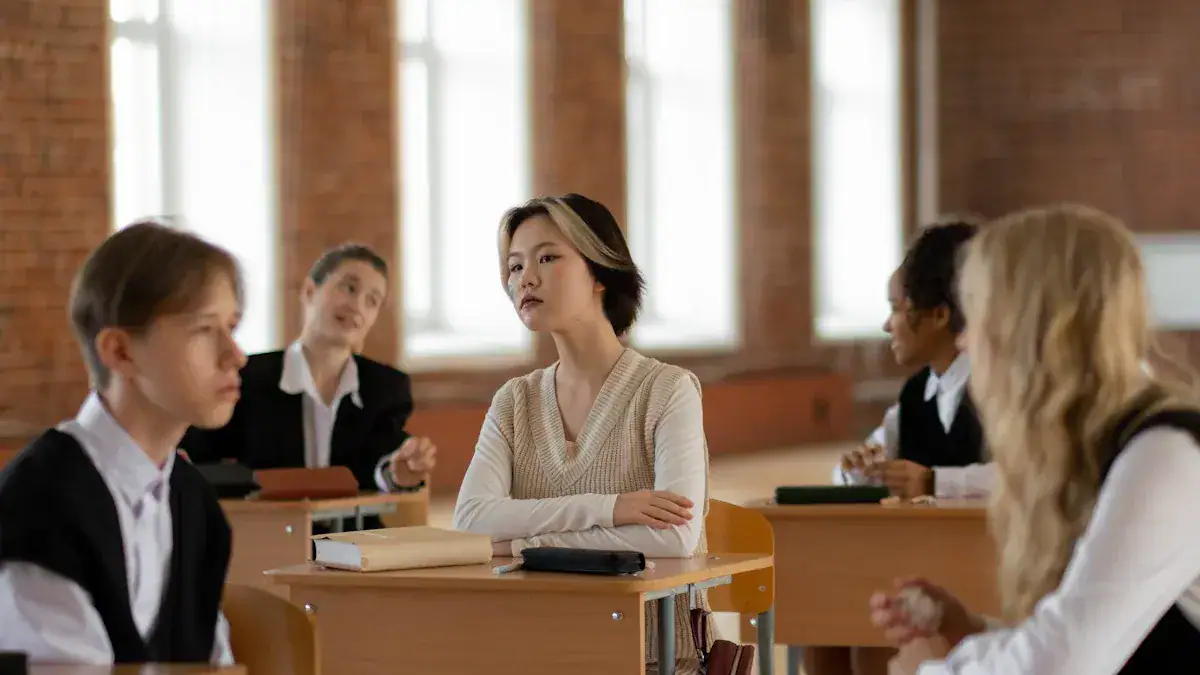
Parent Concerns
When I talk with parents about school uniforms, I hear a mix of opinions. Many parents worry about the financial impact. Buying enough uniforms for a week can cost around $300 per child. This expense feels heavy, especially for families with more than one student. Some parents share stories about struggling to afford new uniforms when children outgrow them quickly.
Parents also express concern about how schools enforce uniform policies. I have heard from parents whose children faced disciplinary actions for not wearing the correct uniform. Sometimes, students get pulled from class or even receive detention. These consequences can disrupt learning and make students feel singled out. Parents want their children to focus on education, not stress about strict dress codes.
Safety remains another topic parents mention. Uniforms help staff identify outsiders on campus, which makes the school environment feel safer. Parents appreciate that uniforms reduce the visibility of gang-related clothing and make it easier to spot who belongs at school. This added security gives many families peace of mind.
Financial burden of purchasing multiple uniforms
Worries about disciplinary actions for dress code violations
Appreciation for improved safety and easier identification of students
I believe schools should listen to parent feedback and offer support for families who need help with uniform costs. Flexible policies and clear communication can ease many concerns.
Teacher Insights
Teachers often see the benefits of school uniforms in daily classroom life. I have spoken with teachers who notice that uniforms foster a sense of belonging among students. When everyone dresses alike, students feel more connected to each other and to the school community.
Uniforms also help minimize distractions. Teachers tell me that students focus better on their studies when they do not worry about fashion choices. This focus leads to a calmer, more productive classroom. I have observed that students show greater respect for authority and school rules when a dress code is in place. Teachers report improved behavior and fewer disruptions.
Uniforms foster a sense of belonging and unity
Reduced distractions from clothing choices
Increased respect for authority and school rules
Improved classroom behavior and learning environment
Teachers also value the safety benefits. Uniforms make it easier to spot outsiders and reduce the risk of gang-related clothing appearing on campus. In some districts, like Long Beach Unified, the introduction of uniforms led to fewer suspensions, less crime, and a drop in vandalism. Teachers feel more confident managing classrooms when they know students are easily identifiable and focused on learning.
I think teachers appreciate how uniforms create a structured, professional atmosphere. This structure helps students take their education seriously and supports a positive school culture.
Implementation
Policy
When I help develop uniform policies, I focus on clarity and fairness. I believe a strong policy should involve everyone—students, teachers, and parents. I always invite feedback before finalizing any rules. This approach builds trust and ensures the policy fits the needs of the community.
I use these steps to create effective uniform policies:
Include all stakeholders in discussions.
Define acceptable attire clearly and consistently.
Allow some personal touches, such as accessories or hairstyles.
Connect the policy to the school’s core values.
Review and adapt the policy regularly based on feedback.
Balance flexibility with fairness by offering special days for relaxed dress.
I find that when students and staff feel heard, they follow the rules more willingly. Clear guidelines also help avoid confusion and reduce conflict.
Uniform policies should also encourage a focused mindset. I notice that when students change into school uniforms, they shift from play to learning mode. This distinction helps them engage better in academic activities.
Accessibility
I believe every student should have access to uniforms that fit their needs and budget. Cost can be a barrier, so I recommend schools offer financial assistance for low-income families. Durable uniforms save money over time, especially when schools provide options for affordable or second-hand clothing.
Some companies now design adaptive uniforms for students with special needs. For example, Asda offers clothing for wheelchair users and those who need feeding tube access. Girlguiding has launched affordable, inclusive uniforms based on family feedback. I have seen schools partner with brands like ASICS to create PE kits that minimize barriers to participation.
Accessibility Strategy | Description |
|---|---|
Financial Assistance | Schools help families cover uniform costs. |
Adaptive Clothing | Options for students with physical or medical needs. |
Second-hand Uniform Programs | Affordable choices for all families. |
I encourage schools to review their uniform policies regularly to ensure every student can participate fully.
Inclusion
Inclusion matters to me when I think about uniform policies. Rigid rules can exclude students with disabilities or sensitivities. For instance, a student with eczema may struggle with polyester trousers. I support reasonable adjustments, such as allowing cotton trousers in the same color and style. This way, no student feels left out or uncomfortable.
I also value feedback from students and families. When I listen to their concerns, I can adapt policies to be more inclusive. I believe that uniform policies should reflect the diversity of the school community. By offering choices and making adjustments, I help all students feel respected and included.
Inclusive uniform policies create a welcoming environment where everyone can succeed.
Decision & Recommendation
Weighing Pros & Cons
When I look at the arguments for and against students wear uniforms, I see strong points on both sides. Uniform policies offer several benefits. I notice that uniforms can deter gang-related activity and encourage discipline. They help students resist peer pressure about clothing choices and make it easier to identify intruders on campus. Uniforms also reduce economic and social barriers, increase school pride, and improve attendance. Many believe uniforms create a safer learning environment by minimizing distractions related to appearance. They alleviate pressure to wear trendy brands, allowing students to focus on academics. Uniforms help minimize socioeconomic differences among students, fostering a sense of equality.
On the other hand, critics highlight some drawbacks. Uniform policies can limit personal expression, which matters to many students. Some studies do not show a clear link between uniforms and improved academic achievement. I have seen students struggle with comfort and the cost of uniforms, especially in families with tight budgets. The lack of flexibility in some uniform policies can make students feel less unique or confident.
Here is a quick summary of the main pros and cons:
Pros of Uniforms | Cons of Uniforms |
|---|---|
Reduce peer pressure | Limit personal expression |
Deter gang-related activity | Can be costly for families |
Encourage discipline | May not improve academics |
Foster equality | Comfort issues for some students |
Improve attendance | Lack of flexibility |
Create safer environment | Can affect confidence |
I believe the strongest benefits come from unity, safety, and equality. The main drawbacks involve self-expression, cost, and comfort.
Final Advice
After weighing the evidence and listening to students, parents, and teachers, I recommend that schools adopt uniform policies with flexibility and support. Uniforms can help create a better learning environment by reducing distractions and minimizing socioeconomic differences. Some studies show reduced discipline problems and higher attendance rates when students wear uniforms. Supporters argue that uniforms reduce peer pressure and gang-related violence.
However, I think schools must address the concerns about personal expression and comfort. Uniform policies should allow students to personalize their uniforms with accessories or hairstyles. Schools need to offer financial assistance for families who struggle with the cost. I encourage schools to choose comfortable, inclusive uniforms that fit all body types and sensitivities.
Uniforms should promote unity and safety.
Policies must respect individuality and comfort.
Schools should provide support for families in need.
I believe that when schools listen to their community and adapt uniform policies, students benefit most. The goal is to create an environment where every student feels safe, respected, and ready to learn.
I believe students wear uniforms because the strongest benefits include breaking down class barriers, increasing focus, and building community. However, school uniforms can limit self-expression and create costs for families. I recommend that schools develop uniform policies by involving parents, protecting student rights, and offering financial help. When uniform policies reflect the needs of students and families, everyone benefits. Each school community should decide what works best.
Benefits:
Reduce economic differences
Foster safety and unity
Drawbacks:
Limit individuality
Can be costly
FAQ
What are the main reasons schools require uniforms?
I see schools choose uniforms to promote unity, reduce distractions, and encourage equality. Uniforms help students focus on academics and create a safer environment.
Do uniforms improve student behavior?
I notice that uniforms often lead to better discipline. Teachers report fewer disruptions and more respect for school rules when students wear uniforms.
How do uniforms affect self-expression?
Uniforms limit clothing choices, but I believe students can still express themselves through accessories, hairstyles, and personal touches. Some schools allow creative options on special days.
Tip: Ask your school about ways to personalize your uniform.
Are uniforms expensive for families?
Uniforms can be costly, especially for families with multiple children. I recommend looking for second-hand options or asking your school about financial assistance programs.
Uniform Type | Average Cost (USD) |
|---|---|
Public School | $100 – $250 |
Private School | $150 – $400 |
Do uniforms help reduce bullying?
I have seen uniforms reduce bullying related to clothing and appearance. Students feel less pressure to wear trendy brands, which helps create a more inclusive atmosphere.
What should schools consider when choosing a uniform policy?
I suggest schools involve students, parents, and teachers in policy decisions. Schools should offer comfortable, affordable, and inclusive uniforms that fit all body types.
Listen to community feedback
Provide financial support
Allow reasonable adjustments