

What Features Matter Most in a Waterproof Cycling Jacket
Table of Contents
Display
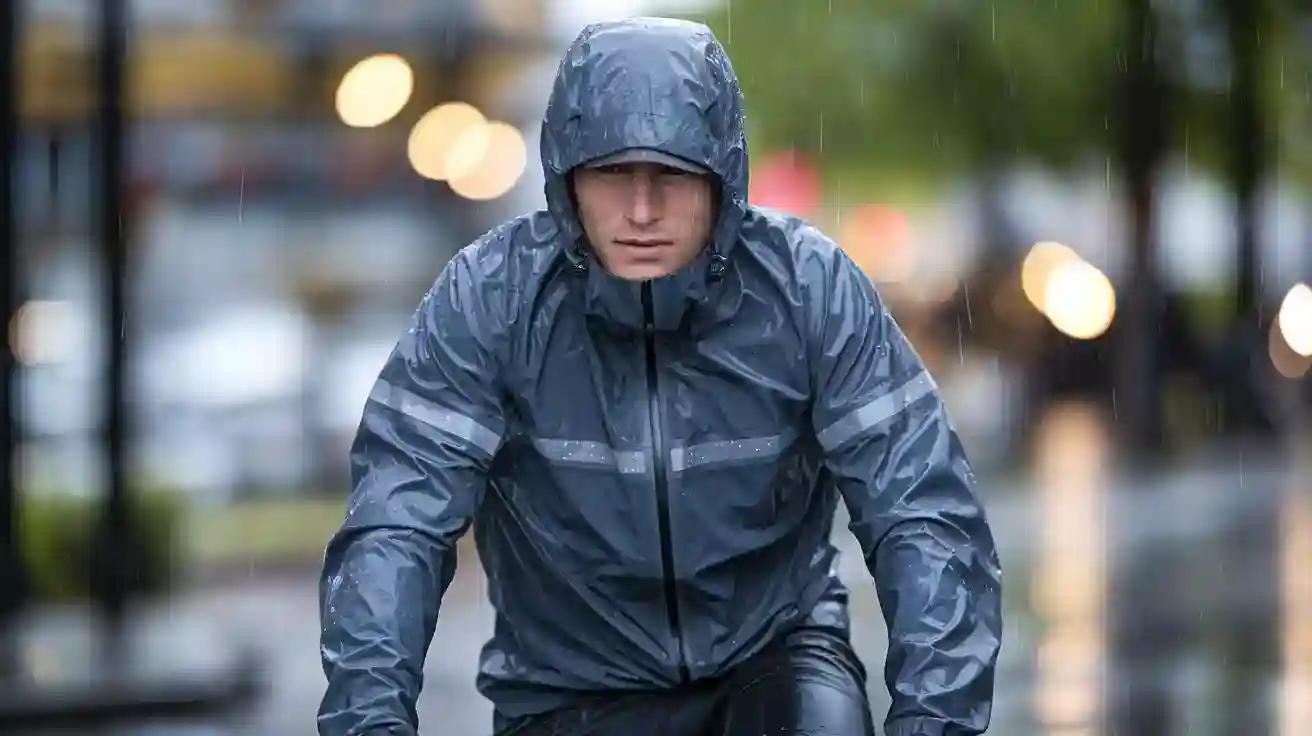
You need a waterproof cycling jacket that keeps you dry and visible on rainy rides. Staying dry helps you focus on the road and maintain comfort, which can boost your cycling performance. Recent improvements in reflective materials mean you stay highly visible even when your waterproof jacket gets wet. Rain makes roads slick and reduces visibility, so special features like bright colors and reflective details protect you by helping others see you. Choosing the right waterproof cycling jacket with these features supports both safety and comfort.
Key Takeaways
- Choose jackets with waterproof membranes and fully sealed seams to stay dry in all weather.
- Look for breathable fabrics and ventilation options like underarm and back vents to stay comfortable and avoid sweat buildup.
- Select cycling-specific fits with longer sleeves, drop tails, and adjustable cuffs for better protection and comfort while riding.
- Pick jackets with reflective elements and bright colors to increase your visibility and safety in low-light conditions.
- Opt for durable fabrics with abrasion resistance and strong construction to ensure your jacket lasts through tough rides.
- Use waterproof zippered pockets and packable designs for practical storage and easy carrying on changing rides.
- Maintain your jacket by washing it properly and reapplying DWR coatings to keep its waterproof performance strong.
- Replace your jacket when it shows leaks, damage, or worn-out seals to stay protected and comfortable on every ride.
Waterproof Cycling Jacket Features
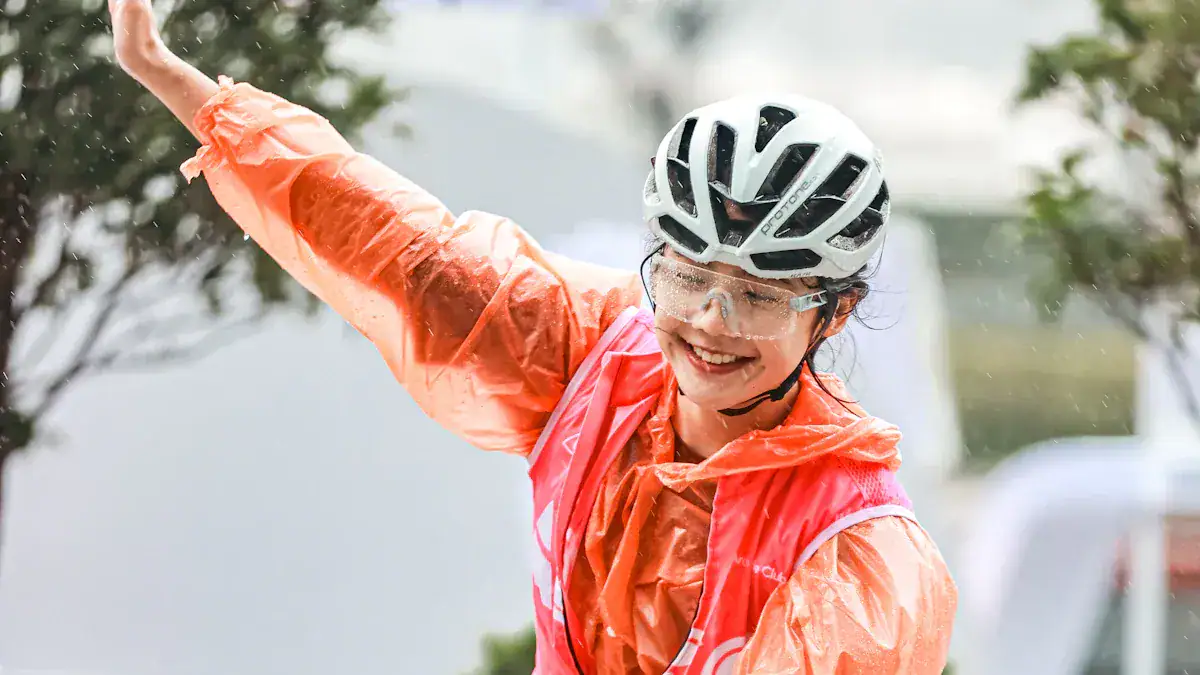
Choosing the right waterproof cycling jacket means understanding the technical features that keep you dry and comfortable. You need to look beyond the label and check the details in product descriptions. The following features help you compare options and select the best waterproof jacket for your cycling needs.
Waterproof Materials
Waterproof materials form the backbone of any quality waterproof cycling jacket. You want a jacket that uses advanced fabrics and construction to block rain while allowing sweat to escape.
Membranes
Membrane technology sets the standard for waterproof performance. You will find three main types in cycling jackets:
- ePTFE membranes (like Gore-Tex) use microscopic pores to block water but let vapor escape. This balance gives you strong waterproof protection and good breathability.
- Polyurethane (PU) films are thin and stretchy. Manufacturers often laminate PU with ePTFE to boost flexibility and waterproofness. These jackets feel lighter and move with you.
- Coated fabrics appear in budget jackets. They resist water but lack breathability and durability. You may notice these jackets feel clammy during long rides.
Layering also affects performance. Two-layer jackets combine an outer shell with a membrane. Two-and-a-half-layer jackets add a protective coating, which reduces durability. Three-layer jackets fuse a liner to the membrane, increasing waterproofness and durability but making the jacket stiffer and less breathable.
Tip: If you ride in harsh conditions, choose a three-layer waterproof cycling jacket for maximum protection. For lighter rides, a two-layer or 2.5-layer jacket offers more comfort and flexibility.
DWR Coatings
Durable Water Repellent (DWR) coatings help water bead off the surface of your waterproof cycling jacket. DWR prevents the fabric from “wetting out,” which keeps breathability high. Over time, DWR wears away due to abrasion and washing. You need to refresh the coating regularly to maintain waterproof quality.
Seams and Zippers
Waterproof fabric alone cannot keep you dry. Water can seep through seams and zippers if they lack proper sealing.
Taped Seams
Manufacturers use heat-sealed or taped seams to block water entry. You should check product descriptions for “fully taped seams” or “heat-sealed seams.” These features ensure the jacket remains waterproof even in heavy rain.
Waterproof Zippers
Standard zippers allow water to leak through. Look for waterproof zippers with double top/bottom closures. These zippers use special seals and covers to keep water out. Some jackets add storm flaps for extra protection.
Hydrostatic Head Rating
Hydrostatic head (HH) rating measures how much water pressure a waterproof fabric can withstand before leaking. You will see this rating listed in millimeters (mm) or Schmerber units.
Minimum Ratings
A waterproof rating of 10,000 mm HH or higher is suitable for most cycling conditions. This rating means the fabric can resist moderate rain and splashes. You should avoid jackets with lower ratings if you ride in heavy rain.
High-Performance Ratings
Premium waterproof cycling jackets offer ratings of 15,000 mm HH or more. Some brands reach 20,000 mm or higher. These ratings indicate the jacket can handle intense downpours and pressure from packs or body movement.
- Hydrostatic head ratings come from lab tests on new fabric. Real-world performance depends on garment construction, seam sealing, and DWR condition.
- PSI testing measures pressure resistance under dynamic conditions but still has limits.
- DWR coatings play a critical role. If the coating wears off, waterproofness drops even with a high rating.
- Actual waterproof performance changes with use, abrasion, and environmental exposure.
Note: Hydrostatic head ratings give you a baseline for waterproof quality, but you need to consider seam sealing, zipper type, and DWR condition for real-world protection.
What to Look for in Product Descriptions
You should check technical standards and features in product descriptions before buying a waterproof cycling jacket. The table below summarizes key points:
| Technical Standard / Feature | Description / Value |
|---|---|
| Waterproof membrane | Present (waterproof and breathable membrane) |
| Seam sealing | Heat-sealed seams for perfect waterproof sealing |
| Waterproof rating | 15,000 Schmerber (waterproof rating) |
| Breathability index | 10,000 gr/m² (breathability rating) |
| Zipper type | Full waterproof closing with double top/bottom zips |
| Neck finish | Thermo glued hemless neck for optimal sealing |
| Cut | Ergonomic cut to avoid wind catching |
| Elasticity | Elastic wrists and waist for better fit |
| Reflective elements | Reflective rear logo for safety |
| Weight | Lightweight (156 g for size M) |
| Packability | Fits easily in a jersey pocket |
Comparing Brands and Value
You can compare brands and models to find the best value for your needs. The table below highlights differences in features, waterproof rating, fit, and durability:
| Brand & Model | Key Features & Fabric Technology | Fit & Comfort | Breathability & Waterproofness | Durability & Care | Value for Money & Additional Notes |
|---|---|---|---|---|---|
| 7mesh Revelation | Gore-Tex Pro fabric; removable hood; vents; long drop-tail | Excellent on-bike fit; long sleeves | High waterproof protection; moderate breathability; vents aid airflow | Very durable; machine washable; dryer safe | High-end price; versatile; praised for comfort and durability |
| Endura MT500 | ExoShell40 fabric; 20,000mm waterproof rating | Baggy fit; some users dislike fit | Exceptional breathability; very waterproof; zipper can leak | Highly durable; DWR needs care; not dryer safe | Premium price; best breathability; cheaper alternatives may fit better |
| Dakine Dewit 20K | 10,000-15,000mm waterproof rating; vented pockets | Good fit; long sleeves; tight hood | Moderate breathability; vents help; some sweat saturation | Durable; DWR refreshable; good protection | Mid-range price; suited for slower rides; solid waterproofing, less breathable |
| Patagonia Storm Jacket | Gore-Tex or H2No fabric; repair programs | Good fit; designed for layering | Good waterproofing and breathability | Repairable; trade-in extends life | High price; added value through repair and sustainability programs |
| Decathlon & Mountain Hardwear | Comparable waterproof and breathable fabrics | Better fit for biking | Breathability on par with Endura MT500 | Durable; less expensive | Budget-friendly; good value; recommended as alternatives to expensive brands |
You should match the waterproof rating, fit, and features to your cycling style and budget. High-end jackets offer better durability and comfort, but budget options can deliver solid waterproof protection if you choose wisely.
Breathability and Ventilation
Staying dry is only part of the equation when you choose a cycling jacket. You also need to manage heat and sweat. If your jacket traps moisture inside, you can quickly become uncomfortable, even in cool weather. Breathability and ventilation features help you regulate temperature and stay focused on your ride.
Breathable Fabrics
You want a jacket that uses advanced breathable fabrics. These materials, such as those found in GORE-TEX technology, allow sweat vapor to escape while blocking rain and wind. This balance keeps you dry from both external water and internal moisture. Breathable fabrics enhance moisture management by letting sweat evaporate, which prevents that clammy feeling during intense cycling sessions. Quick-drying properties also support comfort, so you avoid chills after a burst of effort. Lightweight membranes add to the comfort, giving you protection without extra bulk. When you check product descriptions, look for a high breathable rating. This number, often listed as grams per square meter per 24 hours (g/m²/24h), tells you how much moisture the fabric can move. A higher breathable rating means better performance for long or intense rides.
Tip: Always check the breathable rating in the product specs. A jacket with a high rating will keep you comfortable during hard efforts and variable weather.
Ventilation Options
Even the most breathable jacket can struggle during high-output rides or warm, wet conditions. That is where ventilation options come in. Strategic vents and openings let you control airflow and temperature.
Underarm Vents
Underarm vents, often called “pit zips,” give you direct control over airflow. You can open or close these zippers as needed. This feature helps you dump heat quickly without letting rain in. Underarm vents are especially useful during climbs or sprints, when your body generates extra warmth.
Back Vents
Back vents add another layer of temperature control. These openings, usually covered by flaps, allow hot air to escape from your back. You stay cooler and drier, even when wearing a pack or riding in humid conditions. Back vents work well with breathable fabrics, boosting overall breathability and comfort.
You can use several strategies to reduce overheating during wet weather cycling:
- Choose jackets with breathable, water-resistant fabrics.
- Use ventilation panels or zippers to improve airflow.
- Wear technical base layers that help manage sweat.
- Consider layering techniques that trap heat but let moisture escape.
Cyclists often weigh ventilation against waterproofing when selecting a jacket. Your priorities may shift based on climate and riding style:
- In cold, wet weather, you may prefer waterproof and windproof jackets for warmth and dryness.
- In hot, humid conditions, lightweight and breathable jackets with ventilation options become more important.
- Ventilation helps regulate body temperature during intense rides.
- Waterproofing remains essential for rain and wind protection.
- You should balance both features for the best comfort and performance.
Note: The right combination of breathable fabrics, a high breathable rating, and smart ventilation options will help you stay comfortable and focused, no matter the weather.
Fit and Comfort
Choosing the right fit in a waterproof cycling jacket makes a big difference in your riding experience. You want a jacket that moves with you, keeps you protected, and feels good throughout your ride. Manufacturers design cycling jackets with features that support your position on the bike and help you stay comfortable in changing weather.
Cycling-Specific Fit
Cycling jackets use advanced materials and smart design to balance insulation, weather resistance, and breathability. These jackets fit close to your body, which helps you ride faster and more efficiently. A snug fit reduces air resistance by minimizing fabric flapping and wrinkles. You get better aerodynamics and less drag, which means you can focus on your ride instead of fighting the wind.
- Race fit and aero jerseys hug your body, smoothing airflow and preventing wind traps.
- Longer sleeves and streamlined pockets help reduce drag over exposed areas.
- Adjustable cuffs, collars, and hems seal out cold air while letting you move freely.
- The tailored silhouette prevents restricted movement and chafing, so you stay focused and safe.
Longer Sleeves
Longer sleeves are essential for cycling jackets. When you reach for your handlebars, your arms extend forward. Standard jackets often ride up, exposing your wrists. Cycling-specific jackets use longer sleeves to keep your arms covered in the riding position. This design keeps you warm and dry, even when you stretch out.
Drop Tail
A drop tail is another key feature. The back of the jacket extends lower than the front. This extra length protects you from road spray and rain, especially when you lean forward. You stay dry and avoid water soaking your lower back. The drop tail also helps keep the jacket in place during movement.
Thumb Loops
Thumb loops add security and coverage. You slip your thumbs through these loops at the end of the sleeves. This feature keeps the sleeves from riding up and provides extra protection for your hands. Thumb loops work well with gloves, sealing out cold air and moisture.
Adjustability
Adjustability features let you fine-tune your jacket for the best fit. You can adapt your jacket to different layers, weather conditions, and riding styles. Stretch materials and adjustable elements help you get a secure fit without sacrificing mobility.
Cuffs
Adjustable cuffs seal out wind and rain. You can tighten or loosen them to match your gloves or wrist size. This feature keeps water from sneaking in and helps maintain warmth.
Hems
Hems with elastic or drawcords let you adjust the bottom of your jacket. You can cinch the hem to block drafts or loosen it for more airflow. A secure hem keeps the jacket in place and prevents it from riding up during cycling.
Stowable Hood
A stowable hood adds versatility. You can tuck it away when you do not need it or pull it out for extra protection in heavy rain. This feature keeps your jacket lightweight and streamlined, so you do not have extra bulk when the weather is clear.
Tip: Look for jackets with multiple adjustability options. These features help you get a secure, comfortable fit and maintain quality waterproof protection.
| Feature | Benefit |
|---|---|
| Longer Sleeves | Keeps wrists covered in cycling position |
| Drop Tail | Protects lower back from road spray |
| Thumb Loops | Prevents sleeves from riding up |
| Adjustable Cuffs | Seals out wind and rain |
| Adjustable Hem | Keeps jacket in place, blocks drafts |
| Stowable Hood | Adds rain protection, keeps jacket lightweight |
You should choose a cycling jacket that combines cycling-specific fit and adjustability. These features work together to deliver comfort, protection, and performance on every ride.
Durability and Construction
When you choose a waterproof cycling jacket, you want it to last through tough rides and changing weather. The construction and materials play a big role in how well your jacket stands up to regular use. Paying attention to fabric strength, abrasion resistance, and seam sealing helps you find a jacket that delivers lasting quality.
Fabric Strength
Strong fabric forms the foundation of a reliable cycling jacket. You need materials that resist tearing and stretching, especially when you ride in rough conditions. Many high-end jackets use multi-layer fabrics to boost strength. For example, the 7mesh Skypilot Jacket uses a three-layer GORE-TEX Active fabric. This design makes the jacket more durable than lighter options. You get better protection against rain and wind, and the jacket keeps its shape after many rides. When you check product descriptions, look for mentions of reinforced layers or technical fabrics. These features show that the jacket can handle the demands of cycling.
Abrasion Resistance
Cycling exposes your jacket to friction from packs, straps, and rough surfaces. Abrasion resistance helps protect high-wear areas, so your jacket stays in good condition longer. Some brands add extra material to the shoulders, elbows, or lower back. The Patagonia Dirt Roamer Storm Jacket includes abrasion-resistant reinforcements in places that see the most wear. The Endura MT5000 II Jacket uses durable shoulders and a tough ExoShell40DR fabric. These design choices help prevent holes and thinning, even if you ride often or carry gear. You should look for jackets with reinforced panels or abrasion-resistant fabrics if you want better quality and longer life.
- Reinforced shoulders protect against backpack straps.
- Tough elbows resist scrapes from branches or falls.
- Extra material on the lower back shields against road spray and saddle friction.
Tip: Jackets with abrasion-resistant features offer better value over time. You spend less on repairs and replacements.
Seam Sealing
Waterproof fabric alone does not guarantee you stay dry. Water can sneak in through seams if they are not sealed properly. Seam sealing uses heat or tape to close tiny holes made during stitching. You should look for jackets with “fully taped seams” or “heat-sealed seams” in the product description. This feature blocks water entry and keeps the jacket waterproof in heavy rain. Seam sealing also adds to the overall quality of the jacket. You get better protection and longer-lasting performance.
| Construction Feature | Why It Matters | What to Look For |
|---|---|---|
| Strong Fabric | Resists tearing and stretching | Multi-layer or technical fabrics |
| Abrasion Resistance | Protects high-wear areas | Reinforced panels |
| Seam Sealing | Blocks water at seams | Fully taped or heat-sealed seams |
Choosing a jacket with strong fabric, abrasion resistance, and sealed seams ensures you get the durability and quality you need for cycling in any weather.
Visibility and Safety

Reflective Elements
You face the greatest risk when cycling in low-light conditions such as dawn, dusk, or nighttime. Many cycling accidents happen during these times because drivers struggle to see you. Reflective elements on your jacket play a crucial role in keeping you safe. These features use retroreflective materials that bounce light from headlights directly back to drivers, making you stand out on the road.
- A large portion of cycling accidents occur in low-visibility conditions.
- Reflective elements can reduce accident risk by up to 30% in low-light situations.
- Placing reflective materials on moving body parts, like your arms and legs, attracts driver attention through motion.
- High-quality reflective materials maintain visibility even in rain, fog, or snow.
- Reflective gear increases detection distance, giving drivers more time to react.
You should look for jackets with reflective strips or logos on the sleeves, back, and chest. These placements help drivers notice your movement, which is called biomotion. When drivers see motion, they recognize you as a person, not just a static object. This recognition increases your safety, especially in poor weather. A randomized trial with thousands of cyclists found that wearing a yellow high-visibility jacket with reflective elements led to a 47% lower rate of personal injury accidents and a 55% lower rate of accidents involving motor vehicles. Even after adjusting for bias, the reduction remained significant. This shows that reflective and high-visibility clothing can make a real difference in your safety.
Tip: Choose jackets with reflective details on areas that move as you ride. You increase your chances of being seen and staying safe.
High-Visibility Colors
Bright colors help you get noticed by motorists during the day and in dim light. Fluorescent yellow, orange, and red stand out against most backgrounds, making you easier to spot. Studies show that these colors improve how quickly and from how far away drivers can detect you. National safety standards recommend fluorescent yellow-green for daytime visibility and orange-red or red for low-light conditions. Combining these colors can boost your visibility even more.
You might think that wearing a bright jacket guarantees safety, but visibility does not always change driver behavior. For example, research found that while high-visibility colors increase detection, they do not always lead to wider passing distances from drivers. Many cyclists overestimate how visible they are and underestimate the importance of reflective materials, especially on moving body parts.
| Color | Best Use | Visibility Level |
|---|---|---|
| Fluorescent Yellow-Green | Daylight | Highest |
| Fluorescent Orange-Red | Dusk/Night | High |
| Fluorescent Red | Low Light | High |
You should select jackets in these recommended colors to maximize your chances of being seen. Pairing high-visibility colors with reflective elements gives you the best protection in all lighting conditions.
Note: High-visibility colors help you get noticed, but combining them with reflective features offers the greatest safety benefit. Always consider both when choosing your cycling jacket.
Practical Features in a Cycling Rain Jacket
When you choose a cycling rain jacket, you want more than just waterproof fabric. You need practical features that make your ride easier and safer. Pockets and packability stand out as two features that improve your experience on wet roads.
Pockets
You carry essentials like your phone, keys, or snacks during a ride. The right pockets help you keep these items dry and secure.
Waterproof Pockets
Waterproof zippered pockets protect your belongings from rain. You find these pockets on the sides, front breast, or lower back of many cycling rain jackets. The zipper closure keeps your items from falling out, even when you ride over rough terrain. Jackets like the Trek Avert Mountain Bike Rain Jacket and Trek Circuit Rain Cycling Jacket use waterproof fabric and taped seams to block water. These pockets perform well in heavy rain, so your gear stays dry.
| Jacket Name | Waterproof Rating | Pocket Type | Key Features & Performance |
|---|---|---|---|
| Trek Avert Mountain Bike Rain Jacket | 10,000mm | Zippered side pockets | Waterproof fabric, lightweight, self-packable, protects contents from heavy rain, secure closure |
| Trek Circuit Rain Cycling Jacket | 10,000mm | Waterproof two-way YKK zipper pockets | Taped seams, waterproof membrane, allows access without fully unzipping, breathable, prevents water entry |
You benefit from waterproof pockets on longer rides. You do not worry about your phone or wallet getting soaked. The secure closure also means you avoid losing small items.
Easy Access
Easy access matters when you need to grab something quickly. Cycling rain jackets often place pockets where you can reach them without stopping. Side pockets and lower back pockets let you get snacks or tools while you ride. Two-way zippers allow you to open pockets from the top or bottom. You save time and stay focused on the road.
Tip: Choose a cycling rain jacket with waterproof zippered pockets in accessible locations. You keep your gear dry and reach it easily during your ride.
Packability
Packability helps you adapt to changing weather. You want a jacket that folds down small and fits in your jersey pocket or backpack. Lightweight materials and smart design make this possible. Many cycling rain jackets use thin, durable fabrics that compress easily. You pack the jacket away when the rain stops and pull it out quickly when the weather changes.
- Self-packable jackets fold into their own pocket.
- Compact size means you carry the jacket without extra bulk.
- You stay prepared for sudden showers or wind.
Packability adds value to your cycling gear. You do not need to leave your jacket behind because it takes up too much space. You stay ready for any weather, which makes your ride safer and more comfortable.
Note: Practical features like waterproof pockets and packability turn a basic cycling rain jacket into a reliable companion for wet rides.
Care and Maintenance for Waterproof Jackets
Taking care of your waterproof cycling jacket helps you get the best performance and longest life from your gear. Proper cleaning and maintenance keep the jacket’s waterproof qualities strong, so you stay dry and comfortable on every ride.
Washing Guidelines
You need to clean your waterproof jacket the right way to avoid damaging its special coatings and fabrics. Follow these steps to keep your jacket in top shape:
- Remove dirt and debris with a damp cloth or soft brush. Pay close attention to zippers, velcro, and seams.
- Close all zippers and pockets. Turn the jacket inside out to protect the outer surface.
- Hand wash your jacket in cold or lukewarm water using a mild detergent made for waterproof gear. Gently agitate and rinse thoroughly.
- If you use a washing machine, check the care label first. Use a gentle cycle with cold water and a detergent designed for waterproof fabrics, such as Nikwax Tech Wash or Granger’s Performance Wash.
- Never use bleach, fabric softeners, or harsh chemicals. These can break down the waterproof membrane and coatings.
- Wash your waterproof jacket separately from other clothes to prevent contamination.
- Air dry your jacket in a well-ventilated area, away from direct sunlight or heat sources. Some jackets allow low-heat tumble drying, which can help reactivate the DWR (Durable Water Repellent) finish.
- Store your jacket in a clean, dry place. Avoid folding it tightly, as creases can affect waterproof performance.
Tip: Always check the manufacturer’s instructions before washing. Following these steps helps your waterproof jacket last longer and perform better.
Maintaining Waterproofing
Over time, the waterproof coating on your jacket can wear off, especially in high-wear areas. You should check your jacket’s water resistance by sprinkling water on the surface. If water no longer beads and rolls off, it’s time to re-treat the jacket.
- There is no set schedule for reproofing. Re-treat your jacket whenever you notice water soaking into the fabric.
- Wash the jacket first with a tech wash to remove dirt and oils that block the waterproof layer.
- After washing, dry the jacket with low heat if the care label allows. Heat can help reactivate the DWR finish.
- Apply a new DWR coating using spray-on or wash-in products. Focus on areas that see the most abrasion, like shoulders and sleeves.
- Newer eco-friendly DWR finishes may need more frequent care, so check your jacket’s performance often.
You can repeat this process as many times as needed over the years. Keeping your waterproof jacket well-maintained ensures you stay protected in wet weather.
When to Replace
Even with the best care, every waterproof cycling jacket will eventually wear out. Watch for these signs that it’s time to replace your jacket:
- Persistent leaks, even after re-treating and repairing.
- Fabric that feels thin, torn, or shows visible damage.
- Zippers or seams that no longer seal properly.
- Mold, mildew, or strong odors that do not go away after cleaning.
Common mistakes, like overwashing, using harsh detergents, or storing your jacket while damp, can shorten its lifespan. Regular inspections help you catch small problems early. If repairs no longer restore the jacket’s waterproof performance, it’s time for a new one.
Note: Taking care of your waterproof jacket saves you money and keeps you dry. Replace your jacket when it no longer protects you from the rain.
When you choose a waterproof cycling jacket, focus on these key features:
- Waterproof materials and sealed seams
- Breathable fabrics and ventilation
- Cycling-specific fit and adjustability
- High visibility and reflective details
- Durable construction
Assess your riding style and local weather before you buy. Try on different jackets to check comfort and fit. The right choice keeps you dry, visible, and comfortable on every cycling adventure.
FAQ
How do you know if a cycling jacket is truly waterproof?
Check the hydrostatic head rating. Look for sealed seams and waterproof zippers. Product descriptions should mention a waterproof membrane and DWR coating. Water should bead on the surface. If it soaks in, the jacket may need reproofing.
Can you wash a waterproof cycling jacket in a washing machine?
Yes, you can wash most waterproof jackets in a machine. Use a gentle cycle with cold water and a detergent made for technical fabrics. Always close zippers and follow the care label. Never use bleach or fabric softener.
How often should you reproof your cycling jacket?
Reproof your jacket when water stops beading on the surface. This can happen after several washes or heavy use. Use a spray-on or wash-in DWR treatment. Regular care keeps your jacket performing well.
What is the difference between water-resistant and waterproof jackets?
Water-resistant jackets block light rain but may leak in heavy downpours. Waterproof jackets use membranes, sealed seams, and DWR coatings to keep you dry in all conditions. Always check the product details for true waterproof features.
Do you need a high-visibility jacket for daytime rides?
High-visibility jackets help drivers see you better, even during the day. Bright colors and reflective details increase your safety. You should choose a jacket with both features for the best protection in all lighting.
Are packable jackets less durable than heavier ones?
Packable jackets use lighter materials for easy storage. They may not last as long as heavier, reinforced jackets. If you ride often or in tough conditions, choose a jacket with stronger fabric and abrasion resistance.
Can you repair a torn waterproof cycling jacket?
You can repair small tears with waterproof patches or tape. Some brands offer repair kits or services. For large damage or leaks at seams, replacement may work better. Always check the warranty and repair options from the manufacturer.
Why does my jacket feel clammy inside during rides?
A clammy feeling means sweat cannot escape. Your jacket may lack breathability or the DWR coating may have worn off. Choose jackets with high breathability ratings and maintain the DWR finish for better comfort.