

Puffer jacket
Table of Contents
Display

I know a puffer jacket, also called a down jacket or quilted jacket, keeps me warm when cold weather hits. These jackets use special insulation to trap heat, making them perfect for chilly days. I see them in many styles, from cropped to long, with different types of insulation inside.
Over the past decade, I noticed:
Lightweight puffer jackets gained popularity because people want versatile and fashionable outerwear.
More city living and outdoor activities increased demand for durable, lightweight options.
New insulation technology and eco-friendly production methods helped the market grow.
Social media trends and better retail stores made these jackets even more popular.
Key Takeaways
Puffer jackets provide excellent warmth by trapping body heat with insulation, making them ideal for cold weather.
Choose the right insulation type: down for warmth, synthetic for wet conditions, and animal-free options for eco-friendliness.
Look for features like water-repellent coatings and durable fabrics to enhance weather protection.
Consider the fit and style of the jacket to ensure comfort and versatility for various activities and occasions.
Check the fill power rating to ensure maximum warmth without added bulk, especially for colder climates.
Packability is key for travel; select jackets that compress easily and fit in your bag without taking up too much space.
Accessorize your puffer jacket with scarves, hats, and gloves to enhance both warmth and style.
Regular care, including proper washing and storage, helps maintain the jacket’s insulation and appearance over time.
Puffer Jacket Features

Materials
Shell Fabrics
When I choose a puffer jacket, I always check the outer shell fabric. The shell protects me from wind and moisture. Many jackets use nylon or polyester because these materials resist tearing and last a long time. Some shells have ripstop nylon weaves, which stop small tears from spreading. I look for jackets with a DWR (Durable Water Repellent) treatment. This coating helps water bead up and roll off, keeping me dry in light rain or snow. Lightweight denier nylons, like 7D or 15D, make the jacket easy to wear and pack.
Material Type | Description |
|---|---|
Premium Down | Fill power 800-1000, high warmth-to-weight ratio, very packable |
Down Treatments | Hydrophobic treatments improve performance in damp conditions |
Light Denier Nylons | Lightweight fabrics (7D, 10D, 15D), indicate thickness |
Ripstop Nylon Weaves | Prevent tears from spreading, enhance durability |
DWR Treatment | Adds water-repellent properties, crucial for insulation in wet conditions |
Tip: I always check for water-repellent features if I expect wet weather.
Lining
The lining sits next to my skin or clothing. Soft polyester or nylon linings feel comfortable and help trap warmth. Some jackets use smooth linings for easy layering, while others use brushed fabrics for extra coziness. I notice that a good lining also helps the insulation stay in place and keeps the jacket lightweight.
Insulation Types
Down
I love the warmth of natural down. Down comes from duck or goose feathers and traps heat very well. Jackets with premium down have a high fill power, which means they feel light but keep me warm. Down works best in dry conditions. If it gets wet, it loses some insulation power unless treated with a hydrophobic coating.
Synthetic
Synthetic insulation uses man-made fibers. I choose synthetic-filled jackets when I expect wet weather. These fibers keep me warm even if the jacket gets damp. Synthetic insulation is durable and easy to wash. It feels heavier than down but costs less.
Animal-Free
Some puffer jackets use animal-free fillings. These options suit people who want cruelty-free products. Many brands use recycled polyester or plant-based fibers. I see more jackets with animal-free insulation as eco-friendly choices become popular.
Insulation Type | Warmth Performance | Moisture Resistance | Durability | Packability | Cost |
|---|---|---|---|---|---|
Natural Down | Loses insulation when wet | Long-lasting with proper care | Lightweight and compressible | Premium price for high-quality | |
Synthetic Insulation | Slightly less warm, effective | Insulates well when wet | Durable, bounces back after wash | Heavier and bulkier than down | More affordable than down |
Animal-Free Fillings | Varies by material | Varies by material | Often made from recycled fibers | Usually lightweight | Often affordable and eco-friendly |
Design
Quilting
Quilting gives the puffer jacket its signature look. I see jackets with horizontal, vertical, or diamond-shaped stitching. The quilting holds the insulation in place and creates pockets of warmth. Research shows that the pattern and density of quilting affect how well the jacket keeps heat. Stitch areas lose more heat, while thicker quilted sections trap warmth better. I pick jackets with tighter quilting for extra insulation.
Styles
I notice puffer jackets come in many styles. Cropped jackets look trendy and work well for mild weather. Longline jackets cover more of my body and keep me warmer. Sleeveless puffer vests let me move freely and layer easily. Fashion reports say tailored silhouettes and unique colors make puffer jackets more stylish. Cozy pastels, bold metallics, and technical designs are popular. Many jackets use eco-friendly materials like recycled polyester and organic cotton.
Tailored silhouettes and unique colors elevate the classic puffer jacket.
Cozy pastels, bold metallics, and longline silhouettes are trending.
Eco-friendly materials and innovative insulation technologies are common.
Puffer jackets shift from casual to chic, fitting many occasions.
Note: I choose a style based on my needs—cropped for city walks, long for cold hikes, or sleeveless for layering.
How Puffer Jackets Work
Heat Retention
When I wear a puffer jacket, I feel the warmth almost instantly. The insulation inside traps my body heat in small pockets created by the quilted design. Down insulation, made from goose or duck feathers, works especially well because it creates thousands of tiny air spaces. These spaces slow down the movement of heat away from my body. Synthetic insulation also does a good job, using fine fibers to mimic the effect of down. I notice that jackets with higher fill power keep me warmer without adding bulk. The shell and lining help hold the insulation in place, making sure the warmth stays where I need it most.
Tip: I always check the fill power rating when I want maximum warmth with minimum weight.
Comfort
Comfort matters to me when I pick a jacket for daily wear. I like how puffer jackets feel light on my shoulders, even when temperatures drop. The soft lining prevents irritation, and the flexible shell lets me move freely. I often choose jackets with adjustable features, like drawcords at the hem or elastic cuffs, because they help me customize the fit. Breathable fabrics keep me from overheating during activity. I find that the quilted construction distributes insulation evenly, so I never feel cold spots. Some jackets use stretch panels or ergonomic seams, which make it easier to reach and bend.
Soft linings add coziness.
Adjustable cuffs and hems improve fit.
Lightweight insulation reduces fatigue during long walks.
Weather Protection
I rely on my puffer jacket to shield me from harsh weather. The outer shell uses tightly woven nylon or polyester, which blocks wind and keeps moisture out. Many jackets feature a durable water-repellent (DWR) coating. This treatment causes water to bead up and roll off the surface, so I stay dry in light rain or snow. I look for elastic cuffs and drawcords because they seal out cold air and prevent heat loss. Goose and duck down have natural hydrophobic properties, which help resist moisture. When I need extra protection, I choose jackets with storm flaps over the zippers and high collars.
Tightly woven fabrics block wind.
Elastic cuffs and drawcords seal out drafts.
Hydrophobic down and treated shells improve moisture resistance.
Note: I always check for these features before heading out in unpredictable weather.
Benefits
Warmth
I reach for my puffer jacket when I need reliable warmth. The insulation inside traps my body heat, keeping me comfortable even when temperatures drop. I notice that down-filled jackets provide exceptional warmth because the feathers create tiny air pockets. These pockets slow down heat loss and help me stay cozy. Synthetic insulation also works well, especially in damp conditions. I find that the quilted design keeps the insulation evenly distributed, so I never feel cold spots. When I walk outside on a frosty morning, I appreciate how quickly my jacket warms up. I often layer it over a sweater for extra protection. The high collar and snug cuffs seal out chilly air. I feel confident facing winter weather with this level of warmth.
Tip: I always check the fill power rating to make sure my jacket offers enough insulation for the coldest days.
Lightweight
I value how light my puffer jacket feels. Even with thick insulation, the jacket never weighs me down. I can move freely whether I am hiking, commuting, or running errands. Lightweight materials like nylon and polyester make the jacket easy to wear for long periods. I notice that I do not get tired or overheated, even if I keep the jacket on indoors. The jacket packs down small, so I can carry it in my backpack without adding bulk. I find this feature especially useful when I travel. I can fold the jacket into its own pocket or stuff sack. I appreciate how manufacturers use advanced insulation to keep the jacket light but still warm. This balance makes the jacket practical for everyday use.
Lightweight insulation reduces fatigue.
Easy to pack and carry.
Comfortable for active lifestyles.
Versatility
I rely on my puffer jacket for many situations. The jacket adapts to different weather conditions and activities. I wear it during fall, winter, and early spring. The style works for casual outings, outdoor adventures, and even dressier occasions. I can layer it over a hoodie or under a heavier coat. The jacket looks good with jeans, leggings, or even dress pants. I choose different lengths and colors to match my mood or the event. User surveys show that lightweight puffer jackets offer medium to high style versatility and perform best in cooler seasons.
Feature | Lightweight Puffer Jacket Benefit |
|---|---|
Best Seasons | |
Style Versatility | Medium–High |
I appreciate how the jacket transitions from city walks to mountain hikes. I can wear it for travel, school, or work. The jacket’s design fits many occasions, making it a smart choice for my wardrobe.
Note: I always pick a jacket that matches my lifestyle and the climate where I live.
Packability
When I travel, I always look for a jacket that packs down small. My puffer jacket stands out because it fits easily into my bag or backpack. I do not need to worry about bulky outerwear taking up too much space. The lightweight materials and compressible insulation make it possible for me to bring my jacket everywhere. I find this feature especially helpful when I move between different climates or need to save room for other essentials.
I notice that many puffer jackets come with special features that make packing even easier. Some jackets include their own stuff sack or a lightweight coat bag. I can fold my jacket into this bag, which keeps it clean and organized. When I fly, I often carry my puffer jacket on board. This saves space in my suitcase and protects the jacket from getting crushed by heavier items. I also like that the jacket fits in overhead compartments or under the seat, so I can grab it quickly if the cabin gets cold.
Tip: I always cushion my puffer jacket between soft layers in my bag. This helps the insulation recover its loft when I unpack it.
I learned that how I pack my jacket affects its performance. Loose packing helps the insulation keep its loft, which is important for warmth. If I use a compression bag, I do so sparingly. Over-compressing can damage the insulation and reduce the jacket’s ability to trap heat. I try to avoid leaving my jacket tightly packed for long periods. When I arrive at my destination, I take the jacket out and shake it gently. This helps the insulation fluff up and regain its shape.
Here are some packable features I find most useful:
Jackets that fold into their own pocket or stuff sack
Lightweight coat bags that keep the jacket clean
Designs that fit easily in overhead compartments or under seats
Insulation that bounces back after unpacking
The ability to carry the jacket on board to save suitcase space
I appreciate how packability reduces stress during travel. I do not have to worry about wrinkles or damage. My jacket always looks neat and feels comfortable when I put it on. Whether I am hiking, flying, or commuting, I know my puffer jacket will be ready to wear. This convenience makes it one of my favorite pieces of outerwear.
Note: I always check the care label for packing tips. Proper packing keeps my jacket in top condition for many trips to come.
Choosing a Puffer Jacket
Climate
When I shop for a puffer jacket, I always think about the climate where I will wear it. Cold, wet, or windy weather changes what features I need. I look at insulation thickness and quality first. Thick insulation keeps me warmer in freezing temperatures. I choose lighter insulation for milder climates. Fit matters too. A snug fit helps trap heat, while a loose fit lets cold air in.
I pay close attention to water protection. I see three main types:
Waterproof jackets work best for heavy rain or extreme weather.
Water-repellent jackets keep me dry in light rain.
Water-resistant jackets handle mild, damp conditions.
I also consider the insulation type. Down insulation gives me the most warmth for its weight. Synthetic insulation works better if I expect wet weather. I check the jacket length because longer jackets keep me warmer, but shorter ones let me move more easily. I always look for a hood when I need extra protection from wind and rain. Weight matters too. I pick a lighter jacket for comfort if I plan to be active outdoors.
Tip: I always match my jacket’s features to the climate. This helps me stay comfortable and protected.
Activity
My activities shape the kind of puffer jacket I choose. If I plan to hike, ski, or climb, I need a jacket that fits my movement and keeps me warm. For high-intensity activities, I pick jackets with less insulation and more flexibility. I want to move freely and avoid overheating. For lower-intensity activities, like winter walks or camping, I choose maximum insulation to stay warm.
Here are some activities where a puffer jacket works best:
Thru-hiking
Skiing
Hiking
Climbing
Backpacking
Mountaineering
Camping
I always look for a hooded option when I expect harsh conditions. A hood keeps my head insulated and adds extra warmth. Weather protection is crucial for activities like winter cycling or mountaineering. I check for features like storm flaps, adjustable cuffs, and drawcord hems. These details help block wind and seal in heat.
Note: I match my jacket’s insulation and features to my activity level. This keeps me comfortable and safe outdoors.
Fit
Fit makes a big difference in how well my puffer jacket performs. I try on different sizes to find one that feels snug but not tight. A good fit traps heat and prevents cold air from sneaking in. I check the sleeves and hem to make sure they cover my wrists and hips. Jackets with adjustable cuffs and hems let me customize the fit.
I look for enough room to layer underneath. If I plan to wear sweaters or hoodies, I pick a slightly larger size. For active use, I choose a jacket that lets me move my arms and shoulders easily. I check the length too. Longer jackets keep me warmer, but shorter ones give me more mobility.
Fit Feature | Benefit |
|---|---|
Snug fit | Better heat retention |
Adjustable cuffs | Seal out cold air |
Room for layering | More warmth options |
Proper sleeve length | Full coverage |
Jacket length | Balances warmth and mobility |
Tip: I always test the fit by moving my arms and bending. This helps me find a jacket that feels comfortable in real life.
Budget
When I shop for a puffer jacket, I always set a budget before I start looking. Prices can range from $50 for basic synthetic jackets to over $400 for premium down options. I notice that the cost depends on the insulation type, shell material, and extra features like water-repellent coatings or eco-friendly fillings.
I compare insulation types because they affect both price and performance. Down jackets usually cost more because they use natural feathers and offer excellent warmth. Synthetic jackets are more affordable and work well in wet conditions. Animal-free options, like recycled polyester or merino wool, often fall in the middle price range. Jackets with hydrophobic down or advanced water-repellent treatments can be expensive, but they provide extra protection in damp weather.
Here is a table that helps me understand how insulation types compare in price and performance:
Insulation Type | Performance Characteristics | Price Comparison |
|---|---|---|
Down | Excellent insulator, lightweight, long-lasting, retains warmth well | Generally higher |
Synthetic | Retains heat when wet, dries faster, heavier, loses shape quicker | Generally lower |
Merino Wool | Warm when wet, lightweight, bridges gap between down and synthetic | Moderate |
Hydrophobic Down | Treated for water resistance, effectiveness debated | Varies |
I always check for water-repellent features when I expect rain or snow. Jackets with DWR coatings or hydrophobic down cost more, but they keep me dry longer. If I want an animal-free jacket, I look for recycled polyester or merino wool. These options support sustainability and often cost less than premium down.
When I plan my budget, I consider these factors:
Insulation quality: Higher fill power down costs more but feels lighter and warmer.
Shell material: Ripstop nylon and advanced coatings add to the price.
Eco-friendly features: Recycled and animal-free options may be more affordable.
Brand reputation: Well-known brands charge more for design and durability.
Tip: I always balance my budget with my needs. If I want maximum warmth and packability, I invest in a high-quality down jacket. For everyday use or wet climates, I choose a synthetic or animal-free option to save money.
I learned that spending a little more on the right features pays off in comfort and durability. I avoid the cheapest jackets if I need reliable warmth or plan to use my jacket for outdoor adventures. I pick a jacket that fits my budget and matches my climate, activity, and style preferences.
Styling
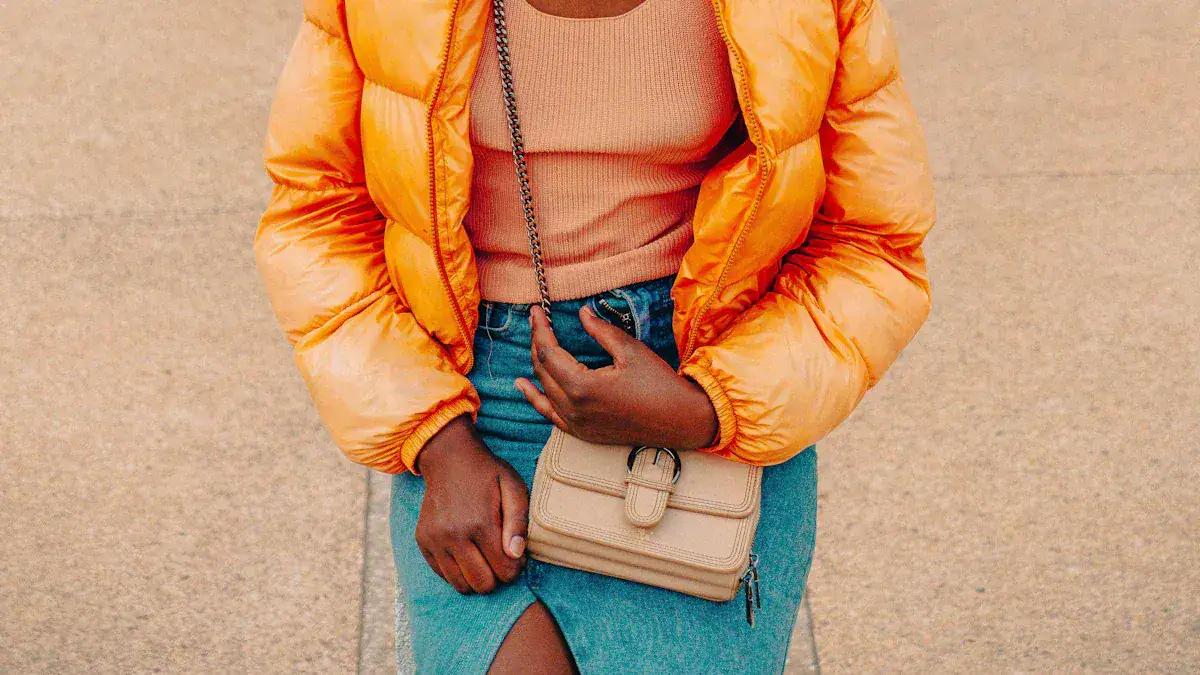
Everyday Looks
I style my puffer jacket in many ways for daily wear. I like to keep my outfits practical and comfortable. Fashion magazines suggest several popular combinations that work for different occasions. Here are some of my favorite everyday looks:
I pair a brown puffer jacket with jeans, clogs, and earmuffs for a cozy vibe.
I combine my puffer with knee-high boots, white jeans, and a turtleneck when I want a stylish touch.
I choose an oversized puffer with a leather midi skirt and boots for a chic appearance.
I keep it simple by wearing my brown puffer with my favorite jeans.
I layer my puffer over a sweater and flannel shirt, then add leather pants for a trendy outfit.
I top a jumpsuit with my puffer for extra warmth and style.
I wear my puffer with a scarf, sneakers, and jeans for an easy winter look.
I dress up my puffer with wide-leg jeans and sneakers for a casual yet stylish outfit.
Tip: I always mix textures and colors to make my outfit stand out. I find that accessories like scarves and earmuffs add both warmth and personality.
Dressy Outfits
I use my puffer jacket to create dressy looks for special occasions. I notice that tailored silhouettes and unique colors help shift the jacket from casual to chic. I often pair my puffer with structured trousers or fitted dresses to enhance my style. High-waisted trousers or sleek leather skirts give me a polished look for urban outings. I use strategic layering and accessories to transition my outfit from day to night. I experiment with textures and colors to set the mood. Soft hues work well for daytime events, while bold statement pieces make my outfit pop at night.
Tailored puffer jackets in unique colors elevate my style.
Structured trousers or fitted dresses add sophistication.
High-waisted pants and leather skirts create a polished silhouette.
Accessories and layering help me adapt my look for different occasions.
I choose soft colors for daytime and bold shades for evening events.
Note: I always select a puffer jacket with a sleek design when I want to dress up. I find that a well-chosen jacket can make any outfit look more refined.
Layering
I use layering techniques to maximize warmth and style with my puffer jacket. I often pair a hoodie under my jacket for extra warmth and texture. This combination works well for casual outings. When I want a stylish transition indoors, I wear my puffer over a sweater dress. I combine my jacket with fitted leggings and sneakers for a comfortable athleisure look. Belting my puffer jacket enhances my silhouette and adds structure. I also pair a long puffer jacket with wide-leg pants to balance the bulkiness of the jacket with a flowy shape.
Hoodie under puffer adds warmth and texture.
Puffer over sweater dress keeps me cozy outdoors and stylish indoors.
Fitted leggings and sneakers create an athleisure vibe.
Belting the jacket gives me a defined waist.
Long puffer with wide-leg pants balances my outfit.
Tip: I experiment with different layers to find what feels best. I always check that my layers allow me to move comfortably and stay warm throughout the day.
Accessories
When I want to make my puffer jacket stand out, I always reach for the right accessories. Accessories help me personalize my look and add both function and flair. I find that the right combination can turn a simple jacket into a complete outfit.
Scarves
I love wrapping a chunky knit scarf around my neck. It keeps me warm and adds texture to my look. Sometimes I pick a bright color or a bold pattern to make my outfit pop. Lightweight scarves work well in milder weather. I often tuck the ends inside my jacket for a neat finish.
Hats
Beanies are my go-to choice for cold days. I like soft wool or fleece because they trap heat. A pom-pom beanie adds a playful touch. On windy days, I pull the hat low over my ears. Sometimes I choose a baseball cap for a sporty vibe. Wide-brim hats work for sunny winter days when I want extra style.
Gloves and Mittens
I never forget gloves when the temperature drops. I prefer insulated gloves for outdoor activities. Leather gloves look sleek and match dressier outfits. Mittens keep my fingers warmer, so I wear them on the coldest days. Touchscreen gloves let me use my phone without taking them off.
Footwear
Boots pair well with puffer jackets. I wear ankle boots for city walks and tall boots for snowy days. Sneakers give my outfit a casual feel. I sometimes pick waterproof shoes to keep my feet dry.
Bags
I choose crossbody bags or backpacks for hands-free convenience. Small bags work best with cropped jackets. For longer jackets, I like tote bags. I avoid bulky bags because they can make my outfit look heavy.
Accessory | Best Use | My Favorite Style |
|---|---|---|
Scarf | Warmth, color, texture | Chunky knit, plaid |
Hat | Heat, style | Wool beanie, pom-pom |
Gloves/Mittens | Warmth, function | Insulated, touchscreen |
Footwear | Comfort, weather protection | Ankle boots, sneakers |
Bag | Carry essentials | Crossbody, backpack |
Tip: I always match my accessories to the weather and my activity. I pick bright colors or unique textures when I want to stand out. On busy days, I keep it simple with neutral tones.
I experiment with different combinations until I find what feels right. Sometimes I add a statement necklace or bold earrings for extra flair. Sunglasses protect my eyes on sunny winter days. I believe accessories let me express my personality while staying comfortable and warm. Every time I step outside, I know my puffer jacket and accessories will keep me ready for anything.
Care
Cleaning
I always keep my puffer jacket clean to maintain its warmth and appearance. Textile care experts recommend several methods for cleaning. I use spot cleaning when I notice small stains. I apply a mild liquid detergent directly to the stain, let it soak for about 15 minutes, then rinse with cold water. This method helps me avoid washing the entire jacket unnecessarily.
Hand washing works well for a deeper clean. I soak my jacket in cold water with a little mild dishwashing detergent. I leave it for 15 to 30 minutes, then hang it up to dry. I find this gentle approach keeps the insulation fluffy.
Sometimes I use my washing machine. I zip up the jacket, select a delicate cycle with cold water, and skip fabric softeners. I toss in dryer balls to help maintain the jacket’s loft. These steps prevent clumping and keep my jacket looking new.
Spot clean stains with mild detergent and cold water.
Hand wash in cold water with gentle soap, then hang to dry.
Machine wash zipped up on a delicate cycle, use dryer balls, and avoid fabric softeners.
Tip: I always check the care label before cleaning. Following these steps helps my jacket last longer.
Storage
Proper storage keeps my puffer jacket in top shape. I make sure the jacket is clean and completely dry before I put it away. Moisture can damage the insulation and cause odors. I use a breathable garment bag to protect my jacket from dust and moisture. This method allows air to circulate and prevents mold.
I avoid compressing my jacket tightly. I give it enough space to maintain its shape and insulation loft. I hang my jacket in a closet or lay it flat on a shelf. These habits help preserve the jacket’s warmth and structure.
Store only when the jacket is clean and dry.
Use a breathable garment bag.
Avoid tight compression.
Allow space for the jacket to keep its shape.
Note: I never leave my jacket packed in a suitcase for long periods. Proper storage keeps it ready for the next cold day.
Repairs
I fix small damages on my puffer jacket to extend its life. I start by assessing the damage. I look for tears, holes, or worn seams. I choose the right patch for the job. Self-adhesive patches work well for quick fixes. I cut the patch to size, making sure it covers at least half an inch beyond the damage. I round the corners to prevent peeling. I peel off the backing and press the patch firmly over the damaged area, smoothing out air bubbles.
Iron-on patches offer a stronger hold. I cut and round the patch, set my iron to low heat, and use a pressing cloth. I press the patch for 15 to 30 seconds. For high-stress areas, I sometimes double patch or use seam sealant around the edges for extra strength.
Assess the damage and identify the problem.
Select a self-adhesive or iron-on patch.
For self-adhesive patches, cut to size, round corners, and press firmly.
For iron-on patches, use low heat and a pressing cloth.
Reinforce high-stress areas with double patching or seam sealant.
Tip: I keep a small repair kit handy for emergencies. Quick repairs help me avoid bigger problems and keep my jacket ready for any adventure.
Trends
Styles
I notice that puffer jackets have changed a lot in recent years. Designers now focus on both fashion and function. I see more people wearing puffers not just for warmth but also as a style statement. Many brands create jackets that work for outdoor adventures and city life. I find that men’s puffer jackets often have rugged designs. These jackets appeal to outdoor enthusiasts who want durability and practicality. Women’s styles usually feature tailored fits and bold colors. I like how these jackets flatter different body shapes and add a pop of color to winter outfits.
The rise of athleisure has made puffer jackets even more popular. I often pair my puffer with joggers or leggings for a sporty look. I also see people wearing puffers over formal wear, which shows how versatile these jackets have become. High-fashion labels and outdoor brands sometimes collaborate, creating unique designs that blend performance with style. This crossover appeals to a wide range of people.
Puffer jackets combine fashion and function for everyday wear.
Men’s styles focus on rugged, outdoor-ready designs.
Women’s jackets offer tailored fits and vibrant colors.
Athleisure trends keep puffers in style year-round.
Collaborations between outdoor and high-fashion brands bring new looks to the market.
Colors
Color trends in puffer jackets change every season. I see classic shades like black, navy, and gray remain popular because they match almost anything. Many people choose these colors for a timeless look. However, I also notice more bright and bold colors on the streets. Vibrant reds, greens, and blues catch my eye during winter. Pastel shades like lavender and mint have become trendy, especially in women’s jackets. Metallic finishes, such as silver and gold, add a futuristic touch. I sometimes pick a neutral color for versatility, but I like to experiment with bold hues when I want to stand out.
Color Trend | Description |
|---|---|
Classic Neutrals | Black, navy, gray—timeless choices |
Bold Colors | Red, green, blue—make a statement |
Pastels | Lavender, mint—soft and trendy |
Metallics | Silver, gold—futuristic style |
Tip: I choose a color that matches my wardrobe and mood. A bright puffer jacket can lift my spirits on a cold day.
Innovations
I see many new features in puffer jackets that improve comfort and sustainability. Some jackets use Weather Adaptive Insulation (W.A.I.) technology. This technology uses aerogel tubes that adjust insulation based on temperature changes. I find this helpful because it keeps me comfortable in different weather conditions. Another innovation is GRAPHTHERMAL™ filling. This synthetic insulation contains graphene, which helps the jacket stay warm even when wet.
Sustainability matters to me, so I look for jackets with eco-friendly materials. Some brands use bio-based nylon ripstop shells made from renewable starch. This reduces the environmental impact of the jacket. I also appreciate practical features like YKK zippers, compressible pouches for easy packing, and multiple pockets for storage. These details make my puffer jacket more useful for daily life and travel.
Weather Adaptive Insulation adjusts warmth as temperatures change.
GRAPHTHERMAL™ filling keeps me warm, even in wet conditions.
Bio-based nylon shells support sustainability.
Functional features like quality zippers, packable designs, and extra pockets add convenience.
Note: I always check for these innovations when I shop for a new puffer jacket. They help me stay comfortable, organized, and eco-friendly.
I choose a puffer jacket because it keeps me warm, looks stylish, and fits many occasions. I find it easy to match with my daily outfits. The lightweight design lets me move freely. I always think about my climate, activities, and budget before buying. I see why this jacket stays popular year after year. It gives me comfort and confidence in cold weather.
FAQ
How do I wash my puffer jacket?
I always check the care label first. I use cold water and mild detergent. I wash on a gentle cycle or hand wash. I avoid fabric softeners. I dry with dryer balls to keep the insulation fluffy.
Can I wear my puffer jacket in heavy rain?
I wear my puffer jacket in light rain if it has a water-repellent shell. For heavy rain, I add a waterproof layer. Down loses warmth when wet, so I choose synthetic insulation for wet conditions.
What is fill power, and why does it matter?
Fill power measures down’s loft and warmth. Higher fill power means better insulation and lighter weight. I look for jackets with fill power above 600 for cold weather. I pick lower fill power for mild climates.
Are animal-free puffer jackets warm enough?
I find many animal-free jackets use advanced synthetic or recycled insulation. These keep me warm in most conditions. I choose animal-free options for ethical reasons and comfort. I check warmth ratings before buying.
How do I layer under my puffer jacket?
I start with a base layer like a thermal shirt. I add a sweater or hoodie for extra warmth. I make sure my jacket fits comfortably over layers. I avoid bulky items to keep movement easy.
Can I pack my puffer jacket for travel?
I pack my puffer jacket in its stuff sack or fold it into its pocket. I avoid compressing it for long periods. I shake it out after unpacking to restore loft. This keeps my jacket ready for use.