

How to Pick the Warmest Polar Fleece Jacket for Cold Weather
Table of Contents
Display
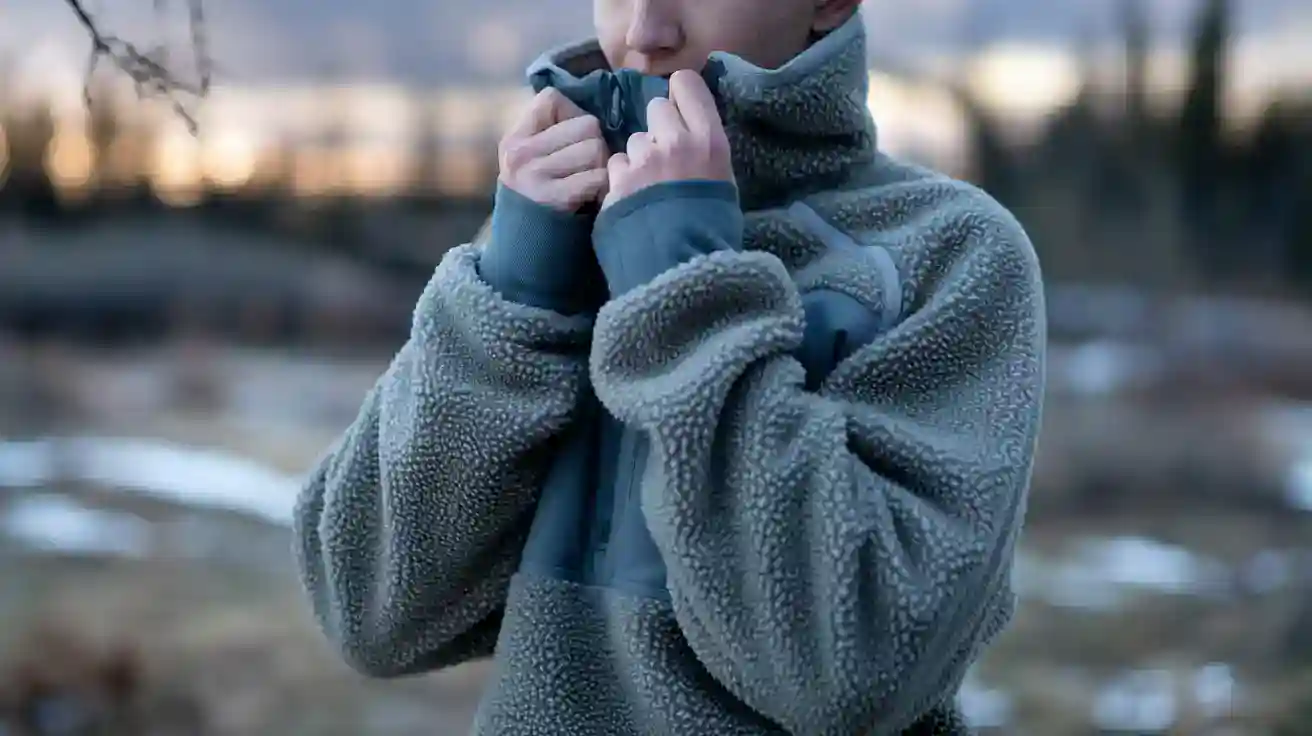
The warmest polar fleece jacket feels thick, fluffy, and features high-quality brushed fabric. You need to pick fleece jackets that match your activity level and winter needs to maximize warmth and comfort. For your cold weather wardrobe, consider these points:
- Lightweight fleece clothing works best for active pursuits, keeping you warm without overheating.
- Midweight fleece offers a good balance for daily use.
- Heavyweight fleece jackets provide insulation for very cold, less active situations. A good fleece jacket with a proper fit ensures warmth and freedom of movement. Always choose quality fleece clothing for reliable warmth and lasting comfort.
Key Takeaways
- Choose fleece jackets based on weight and thickness to match your activity and weather needs for optimal warmth.
- Look for high-quality brushed fabric that traps heat and feels soft for better insulation and comfort.
- Polar fleece offers excellent warmth, breathability, and quick-drying properties, making it ideal for cold weather.
- Select a fleece jacket with a snug but comfortable fit that allows layering without restricting movement.
- Wind-resistant fleece fabrics block cold air while keeping breathability, enhancing warmth during outdoor activities.
- Check for useful features like adjustable hoods, secure pockets, and smooth zippers to improve comfort and usability.
- Prioritize durable construction with reinforced seams, abrasion resistance, and anti-pilling treatments for long-lasting wear.
- Care for your fleece jacket properly by washing in cold water, avoiding fabric softeners, and air drying to maintain softness and warmth.
Warmth Factors
Fleece Thickness
When you evaluate fleece clothing for cold weather, thickness often appears as a primary indicator of warmth. You might expect a thicker fleece jacket to feel very warm, but scientific studies show that thickness alone does not guarantee superior insulation. The relationship between fleece thickness and thermal resistance (R-value) is complex. For example, jackets with similar thicknesses can deliver different levels of warmth. The following table summarizes findings from laboratory tests on fleece samples:
| Fleece Sample | Approximate Thickness (in) | Measured R-value | Observation |
|---|---|---|---|
| Polartec 100 Double Velour | ~0.25 | 0.78 | Higher thickness but moderate R-value |
| Polartec 300 Double Velour | ~0.20 | 0.59 | Lower thickness but lower R-value |
| Thermal Pro Lightweight | ~0.10 | 0.34 | Lowest thickness and lowest R-value |
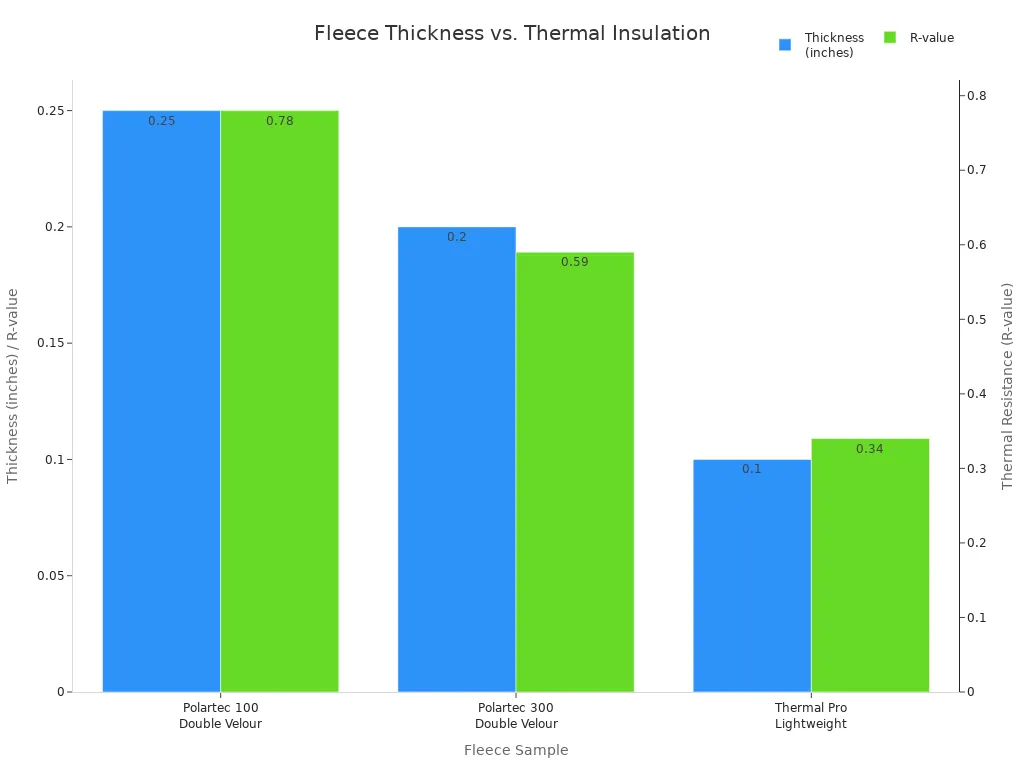
You should not rely solely on thickness when choosing fleece clothing for warmth. Instead, consider the overall construction, fiber density, and other features that contribute to insulation.
Thick vs. Thin
Thick fleece jackets often feel heavier and bulkier, which can provide a sense of warmth. However, thin fleece clothing may use advanced fiber technology to trap heat efficiently. You need to match the thickness of your fleece to your activity level and the expected weather. For mild cold, medium-thick fleece (200-300g/㎡) works well for daily wear. Heavy fleece (400g/㎡ or more) serves as a middle layer in colder conditions. Remember, single-layer fleece clothing is not sufficient below -15℃ unless paired with a windproof outer layer.
Fleece Weight
Fleece weight, measured in grams per square meter (gsm), offers a more reliable guide to warmth than thickness alone. Manufacturers categorize fleece clothing by weight, which directly impacts insulation and suitability for different activities.
| GSM Category | GSM Range (grams per square meter) | Warmth Level and Use Case |
|---|---|---|
| Low GSM | 150 – 200 | Lightweight, breathable fabrics ideal for warm climates or summer use |
| Medium GSM | 200 – 350 | Balanced warmth and breathability suitable for all-season comfort |
| High GSM | 350 – 600 | Dense, heavy fabrics providing extra warmth for cooler months or cold weather |
Ultralight
Ultralight fleece clothing (150-200 gsm) offers minimal insulation. You should choose this category for active pursuits in mild weather, such as hiking or running. Ultralight fleece keeps you warm without overheating, and its breathability supports high-energy activities.
Lightweight
Lightweight fleece (200-250 gsm) provides a balance between warmth and mobility. You can wear lightweight fleece clothing for layering or as a standalone piece in above-freezing temperatures. It works well for outdoor sports and travel, offering comfort and freedom of movement.
Midweight
Midweight fleece clothing (250-350 gsm) delivers reliable warmth for daily use. You can use midweight fleece jackets for commuting, casual outings, or moderate winter activities. This category offers a good compromise between insulation and breathability.
Heavyweight
Heavyweight fleece (350-600 gsm) is designed for very cold conditions. You should select heavyweight fleece clothing for sub-freezing temperatures or low-activity situations. These jackets provide extra insulation, making them ideal for winter camping, snowshoeing, or as a middle layer under a shell. The synthetic nature of fleece ensures quick-drying and moisture-wicking properties, maintaining comfort even in damp conditions.
Tip: Fleece clothing made from hydrophobic polyester repels water, preserving insulation and warmth. This feature enhances suitability for various winter activities.
Brushed Fabric
Brushed fabric plays a crucial role in the insulation properties of polar fleece jackets. During production, manufacturers brush both sides of the fleece fabric, raising fibers to create a soft, fuzzy texture. This process increases fiber loft, trapping more air between fibers and boosting warmth. Brushed fleece clothing feels soft against your skin and retains heat efficiently, mimicking the insulating properties of wool.
- Brushing raises fibers, forming independent fluff and feathering that cover the surface.
- The increased air layer between fibers enhances warmth, lightness, and softness.
- Brushed fleece clothing offers improved moisture-wicking, keeping you dry and comfortable.
You should look for jackets with high-quality brushed fabric if you want a warm fleece that feels very warm and comfortable. The brushing process not only improves warmth but also adds to the overall softness and wearability of fleece clothing.
Insulation Qualities
When you select fleece clothing for cold weather, you need to understand how insulation qualities affect warmth and comfort. Insulation refers to the material’s ability to trap heat and prevent its loss. Fleece stands out as a top choice for insulating layers because it balances warmth, breathability, and comfort.
You will notice that polar fleece offers superior insulation compared to regular fleece or other synthetic fabrics. The dense construction and plush texture of polar fleece clothing help retain body heat, making it ideal for cold climates. You benefit from a soft, non-itchy feel, which adds comfort during extended wear. The fuzzy texture on both sides of polar fleece increases the air-trapping ability, boosting warmth without adding excessive weight.
- Polar fleece is thicker and denser than standard fleece, which means you get better insulation and warmth retention.
- The plush texture of polar fleece clothing enhances comfort in cold conditions.
- Polar fleece is designed for colder climates and outdoor activities, so you experience better warmth than with traditional fleece.
- Compared to regular fleece, polar fleece is heavier but remains soft and easy to wear.
- Polar fleece is synthetic, made from polyester fibers. It mimics wool’s insulating properties but is lighter, dries quickly, and is easier to maintain.
- You find polar fleece more insulating than lighter synthetic fleece, making it suitable for extreme cold.
- The construction of polar fleece allows it to retain body heat effectively, which sets it apart from lighter synthetic fabrics.
You should match the insulation level of your fleece clothing to your activity and the weather. For high-exertion activities, thinner and more breathable fleece clothing works best. You avoid overheating and can layer under other garments. In milder weather, harder-faced fleece clothing can serve as an outer layer, blocking wind and allowing for easy layering. For moderate to low-output activities, active insulation pieces provide warmth without bulk. Fleece is not windproof or water-repellent unless treated, so you should pair it with windproof or waterproof shells for harsh conditions.
Layering fleece clothing optimizes warmth and comfort. Start with a moisture-wicking base layer to manage sweat. Add an insulating fleece midlayer to trap warm air. Finish with a waterproof, windproof shell to protect against the elements. For high-intensity activities, lighter insulation prevents overheating. Heavier insulation suits low-activity or very cold conditions. Matching insulation type and layering strategy to your activity and environment ensures proper thermal regulation and comfort.
Fleece clothing provides moderate insulation by maintaining body heat while allowing breathability. The quick-drying nature of fleece helps manage moisture, keeping you comfortable during active pursuits. The soft, stretchy texture of fleece clothing adds flexibility and comfort. However, fleece is not windproof or water-repellent unless treated. You need to combine fleece clothing with moisture-wicking base layers and protective shells for the best performance in cold or wet conditions.
Polar fleece clothing is lightweight, quick-drying, and easy to maintain compared to natural wool. Wool offers better water resistance due to lanolin, but it dries slowly. Polar fleece dries faster but has lower water resistance. Wool insulates better when wet, while polar fleece loses insulation value when saturated. Polar fleece provides excellent breathability and moisture-wicking, which benefits active use. Unlike wool, polar fleece is soft and non-itchy. Polar fleece is less water-resistant and can melt near heat sources, but it does not shrink like wool.
You find polar fleece clothing made from polyester fibers with a fuzzy texture on both sides, which provides exceptional warmth and softness. Polar fleece is designed to endure extremely cold weather, similar to wool’s insulating ability. You see polar fleece widely used in cold-weather garments such as jackets, blankets, and scarves because of its excellent insulation. Polar fleece offers quick-drying and easy-care properties, outperforming many natural fabrics in maintenance. The construction of polar fleece ensures it retains heat effectively while remaining breathable.
Tip: Choose insulating fleece clothing with a dense, plush texture for maximum warmth in extreme cold. Always consider your activity level and weather conditions when selecting insulation qualities.
Polar Fleece Jacket Types
What Is Polar Fleece
You encounter polar fleece in many cold-weather garments because it offers a unique blend of warmth, comfort, and practicality. Manufacturers developed polar fleece between 1979 and 1981 to mimic the insulating properties of wool without the weight or reliance on animal fibers. This synthetic fabric uses polyester yarn, which is knitted into a dense base and then brushed on both sides. The brushing process creates a soft, fuzzy surface that traps air, providing excellent insulation. Polar fleece stands out as lightweight, moisture-wicking, quick-drying, and durable. You benefit from a fabric that resists pilling, feels soft against your skin, and retains warmth even when damp. Recent innovations include anti-pilling treatments and the use of recycled polyester, making quality fleece clothing more eco-friendly.
Polar Fleece vs. Other Fleece Jackets
When you compare fleece jackets, you notice significant differences in warmth, breathability, and best use. Microfleece, polar fleece, and sherpa fleece each serve distinct purposes. Microfleece is thin and highly breathable, making it ideal for layering or high-exertion activities. Polar fleece jackets offer a balance of warmth and breathability, suitable for outdoor wear and moderate activity. Sherpa fleece provides the thickest, fluffiest pile, delivering maximum insulation but less breathability. You can see these differences in the table below:
| Fleece Type | Weight (GSM) | Warmth Level | Breathability | Typical Uses and Features |
|---|---|---|---|---|
| Microfleece | 100 – 200 | Lightweight, less insulating | Highly breathable, flexible | Layering, active use, packable, moisture-wicking |
| Polar Fleece | 200 – 300 | Medium warmth, good insulation | Moderately breathable | Outdoor wear, double-sided pile, quick-drying, mimics wool insulation |
| Sherpa Fleece | Over 300 | Thickest, maximum insulation | Least breathable | Stationary or low-activity use, dense pile, very warm |
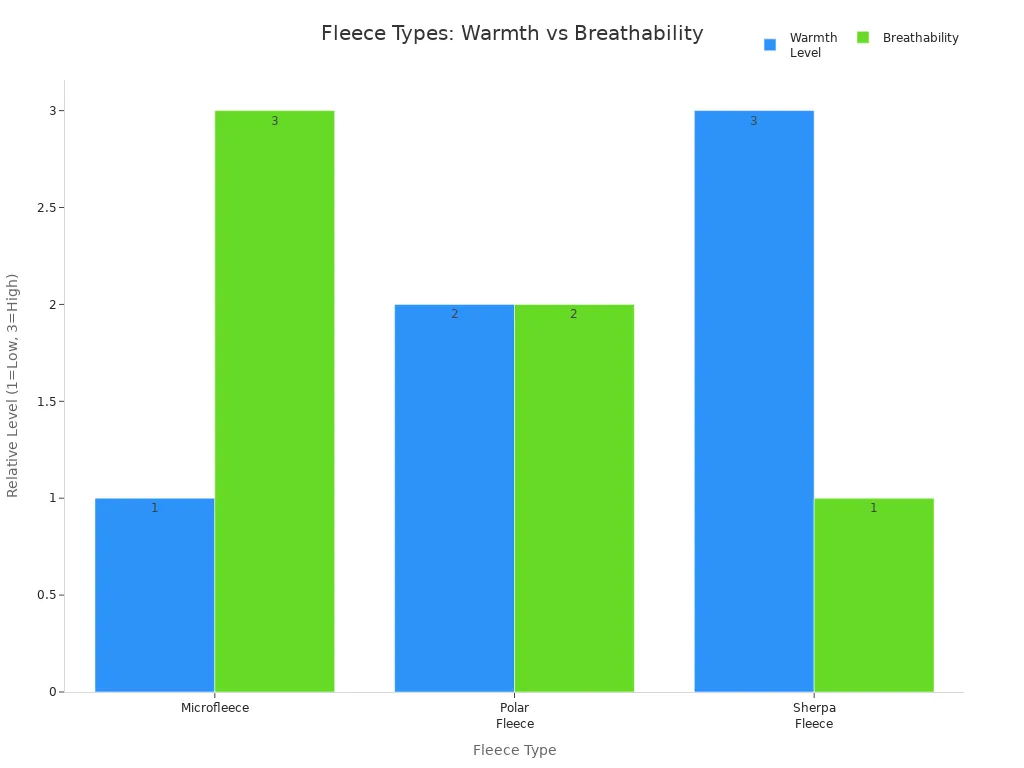
You choose a polar fleece jacket when you want a good fleece that balances warmth and comfort for winter activities. Microfleece works best for running or skiing, while sherpa fleece suits lounging or camping in very cold conditions. Quality fleece clothing ensures you get the right mix of insulation and breathability for your needs.
Best Use Cases
You find polar fleece jackets in a wide range of cold-weather environments. Outdoor enthusiasts rely on lightweight or midweight fleece clothing for hiking, backpacking, and day trips. These jackets layer well and provide warmth without bulk. Car campers and urban hikers often prefer midweight or heavyweight fleece jackets for extra insulation and style. The table below highlights common use cases:
| Use Case / User Type | Fabric Weight | Typical Use Case Description |
|---|---|---|
| Wilderness Backpacker | Lightweight/Midweight | Layering system for extended trips; packable, breathable, warm |
| Day Hiker | Lightweight/Midweight | Breathable fleece for active daytime use |
| Car Camper | Midweight/Heavyweight | High loft fleece for warmth at camp or under a shell |
| Urban Hiker | Midweight | Warmth and style for city use |
You can use fleece jackets as mid-layers or outer layers, depending on the weather. Features like hoods, elastic cuffs, and thumb loops add functionality in cold conditions. Layering a good fleece with a base layer and a shell creates a versatile system for winter warmth. Polar fleece jackets excel in winter because they trap heat, repel moisture, and dry quickly. You get reliable warmth, durability, and easy care, making quality fleece clothing a smart choice for cold weather.
Key Features
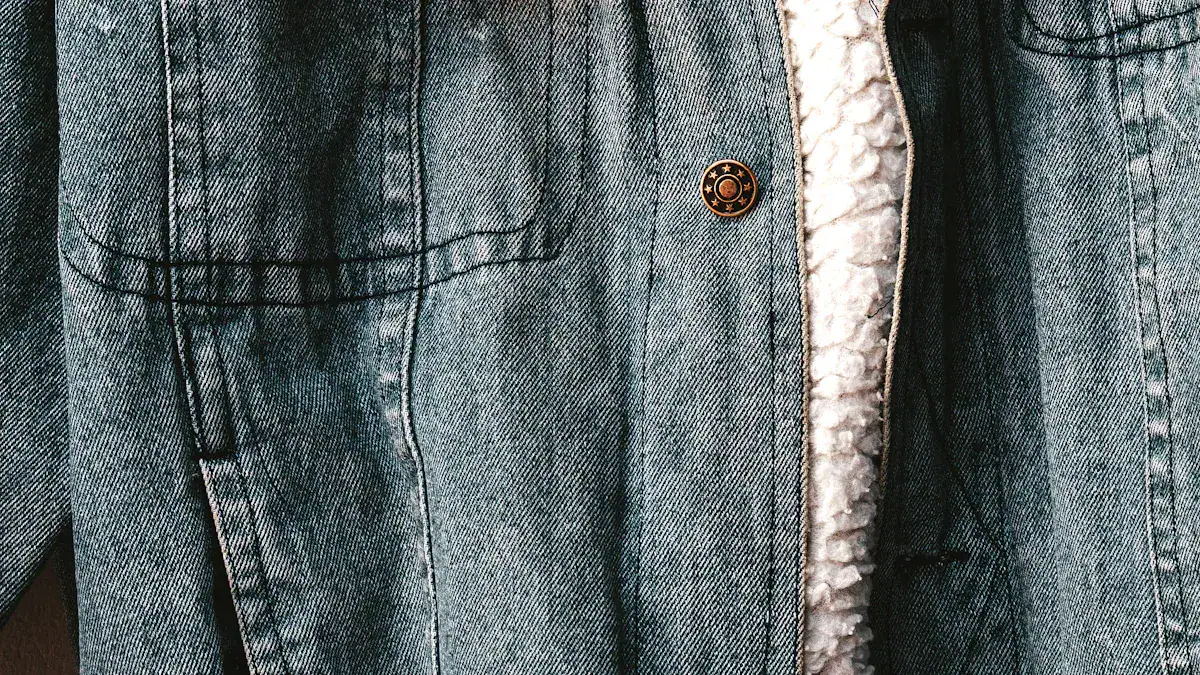
Wind Resistance
Wind resistance stands out as a critical feature when you select a polar fleece jacket for cold weather. Standard fleece fabric feels soft and breathable, but wind can easily penetrate it, causing rapid heat loss. To address this, manufacturers have developed advanced fleece fabrics with enhanced wind-blocking abilities.
- Polartec® Wind Pro™ fleece uses a tighter knit construction that blocks up to four times more wind than regular synthetic fleece, significantly reducing wind chill.
- The tightly knit fabric acts as a natural barrier against strong gusts, efficiently trapping body heat without adding excess weight.
- Wind resistance is achieved through yarn choice, knitting technique, and specialized finishing, without using films or laminates, which preserves high breathability.
- The fabric maintains moisture control and prevents overheating, contributing to comfort in changing weather conditions.
- Polartec® Wind Pro™ is water repellent and highly durable, suitable for demanding environments and layering.
- It functions well as a standalone outer layer in mild conditions and can be layered for extra insulation in extreme weather.
When you choose a wind-resistant fleece jacket, you gain better protection from the elements while maintaining a breathable and comfortable experience. This feature becomes especially important during outdoor activities where wind chill can quickly sap warmth. Look for jackets that specify wind-blocking technology or use tightly woven fleece for optimal performance.
Fit and Layering
The fit of your fleece jacket directly impacts warmth, mobility, and overall comfort. A well-designed fit allows you to move freely while maximizing thermal efficiency.
Room for Baselayers
You should always ensure your fleece jacket leaves enough space for a base layer underneath. Layering a moisture-wicking base layer beneath your fleece helps trap heat and manage sweat. This combination creates a versatile system that adapts to changing temperatures and activity levels. Fleece jackets designed with layering in mind often feature ergonomic cuts and articulated sleeves, which support mobility and comfort without adding bulk.
Not Too Baggy
A snug or tailored fit in a fleece jacket helps retain body heat by minimizing air gaps that can cause heat loss. However, the jacket should not feel restrictive. You want a fit that hugs your body but still allows for easy movement and layering. Overly baggy fleece jackets can reduce thermal efficiency and make layering awkward. The right fit supports both warmth and comfort, especially when you pair your fleece with wind-blocking or waterproof outer shells for added protection.
Fit styles such as snug or tailored fits in polar fleece jackets help retain body heat by reducing air gaps that cause heat loss, while maintaining comfort and mobility. Layering fleece as a mid-layer over base layers and beneath outer shells optimizes insulation by trapping body heat effectively. Fleece’s breathable nature prevents overheating, but because wind can penetrate fleece, pairing it with wind-resistant or waterproof outer layers enhances thermal efficiency by blocking wind and moisture. Different fleece weights (lightweight, midweight, heavyweight) influence warmth, with thicker fleece providing more insulation. Softshell jackets worn over fleece add wind and light rain protection without sacrificing breathability, further improving thermal efficiency.
Functional Details
The best polar fleece jackets include thoughtful features that enhance usability, warmth, and protection in cold weather.
Zippers
Full-length or half-zip designs allow you to regulate temperature and ventilation. High-quality zippers operate smoothly, even with gloves. Some fleece jackets use wind flaps behind the zipper to block drafts and improve comfort. Two-way zippers offer flexibility for sitting or layering.
Pockets
Strategically placed pockets add convenience and warmth. Handwarmer pockets lined with soft fleece keep your hands comfortable in cold conditions. Chest or internal pockets provide secure storage for essentials like phones, keys, or snacks. Zippered pockets offer extra protection for valuables during outdoor activities.
Hoods
A well-designed hood adds another layer of protection against wind and cold. Adjustable hoods fit snugly over hats or helmets, sealing out drafts. Some fleece jackets feature removable or stowable hoods for versatility. A hooded fleece jacket increases warmth and comfort, especially in unpredictable weather.
Tip: Choose a fleece jacket with features that match your activity needs. Prioritize wind resistance, fit, and functional details to maximize warmth, comfort, and protection in cold weather.
Durability
When you invest in a polar fleece jacket for cold weather, durability becomes a top priority. You want your jacket to withstand frequent use, harsh conditions, and repeated washing without losing its warmth or shape. Durability ensures that your fleece jacket remains a reliable part of your winter wardrobe for many seasons.
You should examine the construction of the jacket to assess its durability. High-quality polar fleece jackets use tightly woven polyester fibers. This dense weave resists pilling, stretching, and tearing. You will notice that jackets with reinforced seams and double stitching offer greater durability. These features prevent the fabric from unraveling or fraying, even after heavy use.
Manufacturers often add abrasion-resistant panels to high-wear areas, such as the elbows and shoulders. These panels increase the durability of your jacket, especially if you carry a backpack or engage in outdoor activities. You should look for jackets with strong zippers and sturdy hardware. Weak zippers can break easily, reducing the overall durability of the garment.
The type of fleece also affects durability. Polar fleece, with its dense and plush texture, generally outlasts microfleece or sherpa fleece in demanding conditions. You benefit from a jacket that maintains its insulating properties and appearance over time. Some brands treat their fleece with anti-pilling finishes. This treatment further enhances durability by preventing the formation of unsightly fuzz balls.
Proper care plays a significant role in the durability of your fleece jacket. You should follow the manufacturer’s washing instructions. Use mild detergent and avoid fabric softeners, which can damage the fibers. Air drying your jacket instead of using a dryer helps preserve its durability. Regular maintenance, such as removing dirt and debris, also extends the life of your fleece.
You may want to compare the durability of different brands before making a purchase. The table below highlights key durability features to consider:
| Feature | Impact on Durability | What to Look For |
|---|---|---|
| Fabric Density | Higher density increases durability | Tightly woven, plush polar fleece |
| Seam Construction | Reinforced seams last longer | Double stitching, bar-tacked stress points |
| Abrasion Resistance | Protects high-wear areas | Elbow/shoulder patches, strong outer face |
| Zipper Quality | Prevents breakage | YKK or other reputable zipper brands |
| Anti-Pilling Treatment | Maintains appearance | Labeled as anti-pilling or pill-resistant |
Tip: If you plan to use your fleece jacket for hiking, camping, or daily commuting, prioritize durability. A durable jacket saves you money and hassle in the long run.
You should always balance durability with comfort and warmth. The most durable fleece jackets combine tough construction with soft, insulating fabric. When you choose a jacket with proven durability, you gain confidence that it will protect you through many winters.
Choosing Tips
Intended Use
You should always start by considering your intended use before selecting a polar fleece jacket. Different activities require different types of fleece clothing. For hiking, you want a fleece jacket that is lightweight, breathable, and easy to layer. Microfleece works well as a mid-layer for hiking and skiing, providing warmth without adding bulk. If you plan to spend time outdoors in colder weather, high loft fleece jackets offer extra insulation but may feel too warm for active pursuits. Hardface or techface fleece clothing provides durability and wind resistance, making it suitable for hiking in rough conditions or as a mid-layer under a shell during skiing.
Here’s a quick comparison to help you match fleece jackets to your activity:
| Factor/Type | Description & Best Use |
|---|---|
| Microfleece | Lightweight, ideal for hiking and skiing as a mid-layer |
| High Loft Fleece | Thick, best as outer layer in regular cold weather |
| Hardface/Techface | Durable, wind-resistant, good for hiking and skiing |
| Warmth Level | Heavier fleece for cold, lighter for active pursuits |
| Breathability | Essential for hiking and skiing to prevent overheating |
| Comfort | Soft, non-itchy, allows free movement |
| Durability | Important for outdoor use, especially hiking |
| Water Resistance | DWR coatings help in wet conditions |
| Layering | Should fit under shell jackets for hiking and skiing |
| Features | Extra pockets useful for outdoor activities |
| Daily Commuting | Prioritize quick drying and breathability |
Tip: Always match the weight and features of your fleece clothing to your main activity. For daily commuting, focus on comfort, quick drying, and a breathable design.
Comfort and Style
Comfort and style play a big role in choosing the right fleece jacket. You want fleece clothing that feels soft, non-abrasive, and does not restrict your movement. Jackets with spandex or elastane offer stretch, making them more comfortable for hiking or layering. Bulkier fleece jackets provide more warmth but may feel less breathable and harder to pack. Hoods add warmth around your head and neck but can interfere with layering or backpacks during outdoor activities.
Consider the following aspects when balancing comfort and style:
| Aspect | Comfort Considerations | Style Preferences |
|---|---|---|
| Fit and Stretch | Stretchy fleece improves movement | Slimmer fits look modern |
| Bulk and Weight | Bulkier fleece is warmer, less packable | Hooded designs add bulk |
| Hood vs Non-Hood | Hoods increase warmth | Hoodless styles layer better |
| Jacket Style | Pullovers are lighter | Full-zips offer more features |
| Pockets | Add utility and warmth | May add bulk |
A good fleece jacket balances warmth, comfort, and style. Choose a fit that matches your activity and personal taste. For hiking, a slim, stretchy, and breathable fleece works best. For casual wear, you might prefer a bulkier, stylish fleece jacket.
In-Store Testing
When you shop for fleece jackets in-store, take time to try on different options. Move your arms and shoulders to check for freedom of movement. Make sure the fleece clothing feels soft and does not itch. Test the zippers and pockets for ease of use. Check if the jacket allows room for layering without feeling too baggy. Look for features like adjustable hoods, handwarmer pockets, and elastic cuffs. These details improve comfort and usability, especially for hiking or outdoor activities.
Note: A good fleece jacket should feel breathable and comfortable right away. If it feels stiff or restrictive, try another style or size.
Online Shopping
Shopping for a fleece jacket online requires a strategic approach. You cannot touch or try on the product, so you must rely on detailed descriptions, customer reviews, and clear images. Start by examining the product specifications. Look for the fleece weight, measured in grams per square meter (gsm). Heavier fleece, typically in the 200-300 gsm range, provides more insulation. However, it may reduce mobility, so consider your activity level and climate.
Review the fit options. If you plan to layer your fleece under a shell, choose a snug fit. For wearing the fleece as your main jacket, select a roomier cut that allows space for sweaters or sweatshirts. Pay attention to construction features. Zipper types—full, quarter, half zip, or pullover—affect ventilation and layering flexibility. Breathability, water resistance, and anti-static treatments enhance comfort and durability.
Check the length and layering capacity. Longer hems help trap warmth and accommodate thicker layers in cold climates. Fabric quality indicators matter. Softness and pile height signal a plush, warm fleece. Higher pile means taller, looser fibers that trap more air. Durability and resistance to pilling ensure your fleece remains attractive and functional after repeated use.
Functional details add value. Pockets, thumb holes, and drawstring hems improve usability. These features make your fleece jacket more versatile for outdoor activities or daily wear.
When you shop online, use this checklist to evaluate fleece quality:
- Confirm the fleece feels soft and plush in product photos or descriptions.
- Inspect images for flaws such as snags, holes, or uneven textures.
- Examine the weave for tightness and uniformity.
- Check edges for signs of fraying.
- Look for stretch recovery information; quality fleece returns quickly to its original shape.
- Avoid products with reports of strong chemical smells.
- Verify the fabric weight on the label or in the specifications.
- Request swatches if the retailer offers them.
- Choose sellers with clear return policies to reduce risk.
| Criteria | What to Look For |
|---|---|
| Fleece Weight (gsm) | 200-300 gsm for warmth |
| Fit | Snug for layering, roomy for outerwear |
| Construction Features | Zipper type, breathability, water resistance |
| Length | Longer hems for layering |
| Fabric Quality | Softness, pile height, durability |
| Functional Details | Pockets, thumb holes, drawstring hems |
| Return Policy | Easy returns for defective products |
Tip: Always read customer reviews for insights on warmth, fit, and durability. Photos from buyers often reveal real-world fleece quality.
Online shopping for fleece requires careful attention to product details. You can find a fleece jacket that meets your needs by using these criteria and prioritizing reputable retailers.
Fleece Jacket Care
Washing
Proper washing keeps your fleece jacket soft, warm, and looking new. You should always treat fleece with care to preserve its insulation and texture. Follow these steps for best results:
- Place your fleece in a washing cover. This protects the fabric from friction and reduces pilling.
- Turn the jacket inside out before washing. This step helps maintain the surface and softness.
- Wash fleece at low temperatures, ideally around 30°C (86°F). High heat can damage fibers and reduce warmth.
- Use a mild detergent. Avoid bleach and fabric softeners, which can roughen fibers and harm insulation.
- Wash fleece separately from rough fabrics like denim or towels. Mixing with soft fabrics prevents abrasion.
- Select a cold, delicate cycle if using a washing machine. Do not overcrowd the drum; fleece needs space to move freely.
- For hand washing, use cool water and gently agitate. Rinse thoroughly to prevent stiffness.
- Never wring out fleece. Press out excess water with a towel and lay the jacket flat to air dry.
- Air drying preserves the shape and texture. Avoid direct sunlight, which can fade colors.
- If you use a dryer, choose low heat and remove the fleece promptly. Dryer balls can help soften fibers and reduce wrinkles, but always check the garment label first.
- Ironing is rarely needed. If necessary, use a low temperature and place a cloth between the iron and fleece.
Tip: Wash your fleece jacket after every 3-4 wears or when visibly dirty. Frequent washing causes premature wear and reduces insulation.
Longevity
You extend the life of your fleece jacket by following smart care practices. Consistent maintenance keeps the jacket warm, soft, and structurally sound. You should always wash fleece in cold water to prevent changes in shape and size. Turning the garment inside out during washing reduces surface pilling and maintains softness.
Avoid strong detergents. These break down fabric fibers and decrease the jacket’s performance. Dry fleece at the lowest possible temperature to prevent heat damage. Minimize washing frequency and use gentle cycles to reduce deterioration. Always wash fleece with similar soft fabrics and secure zippers before washing to prevent snags.
Gentle stain treatment protects fleece fibers from harm. Spot clean stains with mild soap and cool water. Never scrub aggressively. These habits help your jacket retain warmth and breathability for years.
The following table summarizes key care tips for maximizing fleece longevity:
| Care Practice | Benefit |
|---|---|
| Cold water washing | Prevents shrinkage and damage |
| Inside-out washing | Reduces pilling |
| Mild detergent use | Maintains fiber integrity |
| Low-temperature drying | Avoids heat damage |
| Gentle stain treatment | Protects softness |
| Washing with soft fabrics | Prevents abrasion |
| Securing zippers | Reduces snags |
Note: Proper care not only extends the life of your fleece jacket but also reduces environmental impact by limiting fiber pollution.
You keep your fleece jacket performing at its best by following these guidelines. Consistent care ensures reliable warmth, comfort, and durability through many winters.
Selecting the warmest polar fleece jacket requires attention to several factors:
- Fleece thickness and weight determine insulation and breathability.
- Brushed fabric enhances softness and warmth retention.
- Fit and key features, such as hoods and pockets, improve comfort and usability.
- Technical fleece and innovative materials offer superior moisture management and durability.
You should match your jacket to your activity level and climate. Personal preferences for style and comfort also guide your final decision. Understanding these elements ensures you choose a jacket that delivers reliable warmth all winter.
FAQ
What is the best way to layer a polar fleece jacket for extreme cold?
You should start with a moisture-wicking base layer. Add your polar fleece jacket as a mid-layer. Finish with a windproof or waterproof shell. This system traps heat and blocks wind, maximizing warmth.
How do you know if a fleece jacket is high quality?
Check the fabric density and softness. Look for anti-pilling treatments and reinforced seams. High-quality fleece feels plush, resists shedding, and maintains its shape after washing. Trusted brands often provide better durability and insulation.
Can you wear a polar fleece jacket in wet weather?
You can wear polar fleece in light rain or snow. The fabric dries quickly and wicks moisture. For heavy rain, pair your fleece with a waterproof shell. Fleece alone does not provide full water resistance.
How do you prevent pilling on fleece jackets?
Wash your fleece inside out using cold water and a gentle cycle. Avoid fabric softeners and harsh detergents. Air dry your jacket. These steps help reduce friction and keep the surface smooth.
Are polar fleece jackets suitable for high-intensity activities?
Yes, you can use lightweight or midweight polar fleece for active pursuits. These jackets offer breathability and moisture management. For intense exercise, choose a slim fit and avoid heavyweight fleece to prevent overheating.
What features should you look for in a winter fleece jacket?
Prioritize wind resistance, adjustable hoods, and secure pockets. Look for reinforced seams and anti-pilling fabric. A snug fit with room for layering increases warmth and comfort.
How often should you wash your polar fleece jacket?
Wash your jacket every three to four wears or when it becomes dirty. Frequent washing can reduce insulation. Always follow the care label for best results.
Can you repair small holes or tears in fleece jackets?
You can patch small holes with fabric repair tape or sew them with polyester thread. For larger damage, consult a professional tailor. Prompt repairs extend the life of your jacket.